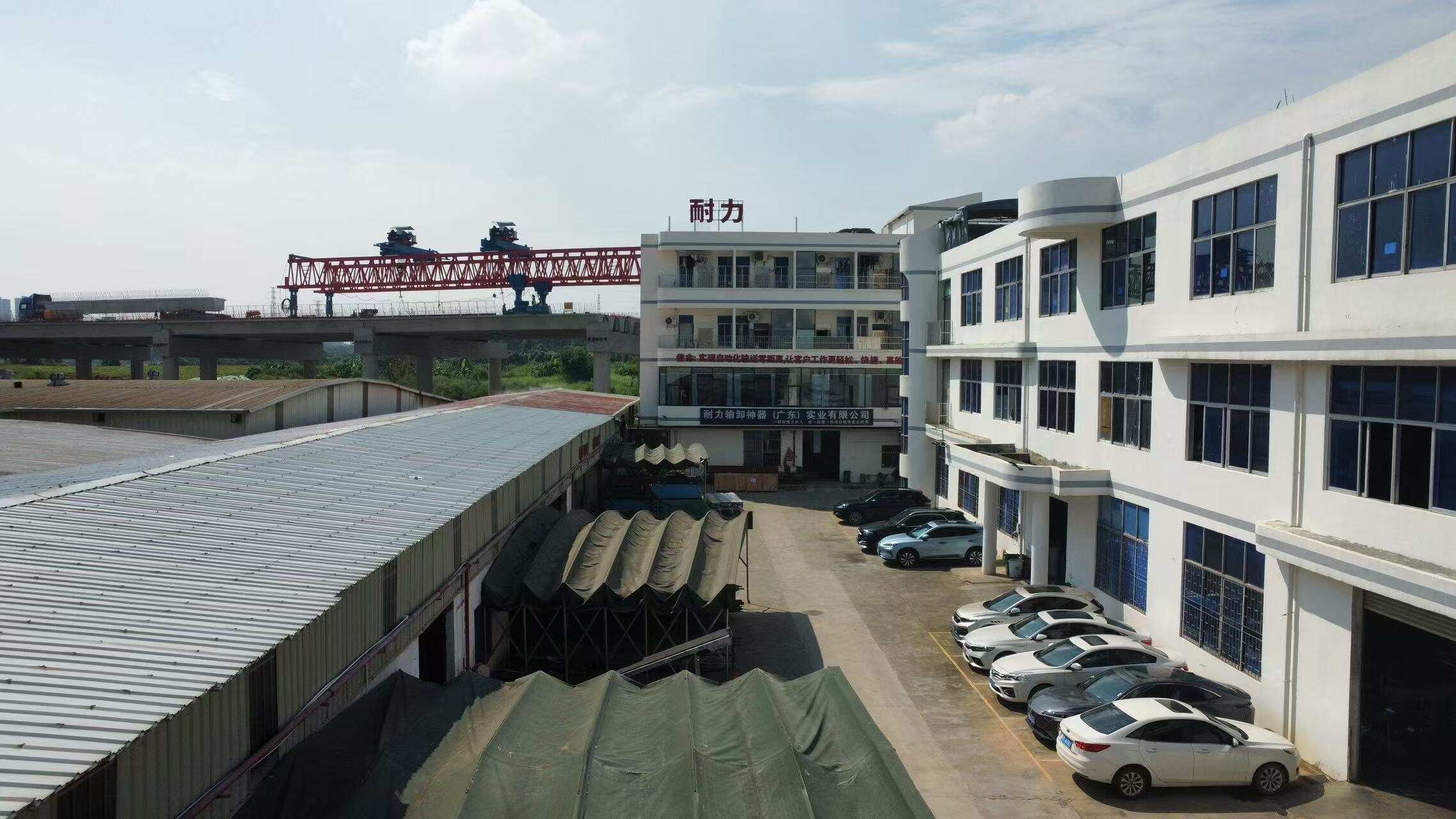
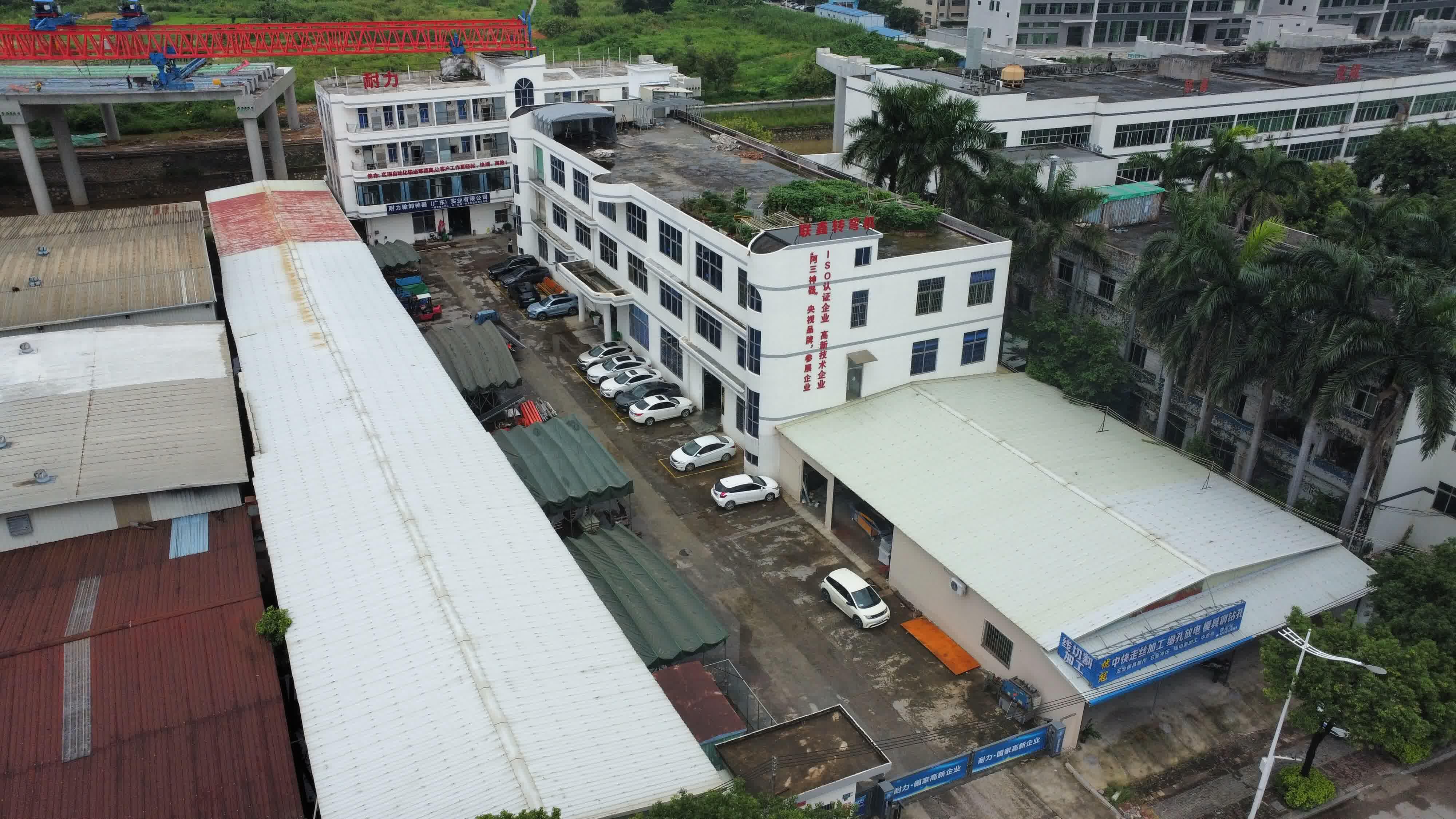
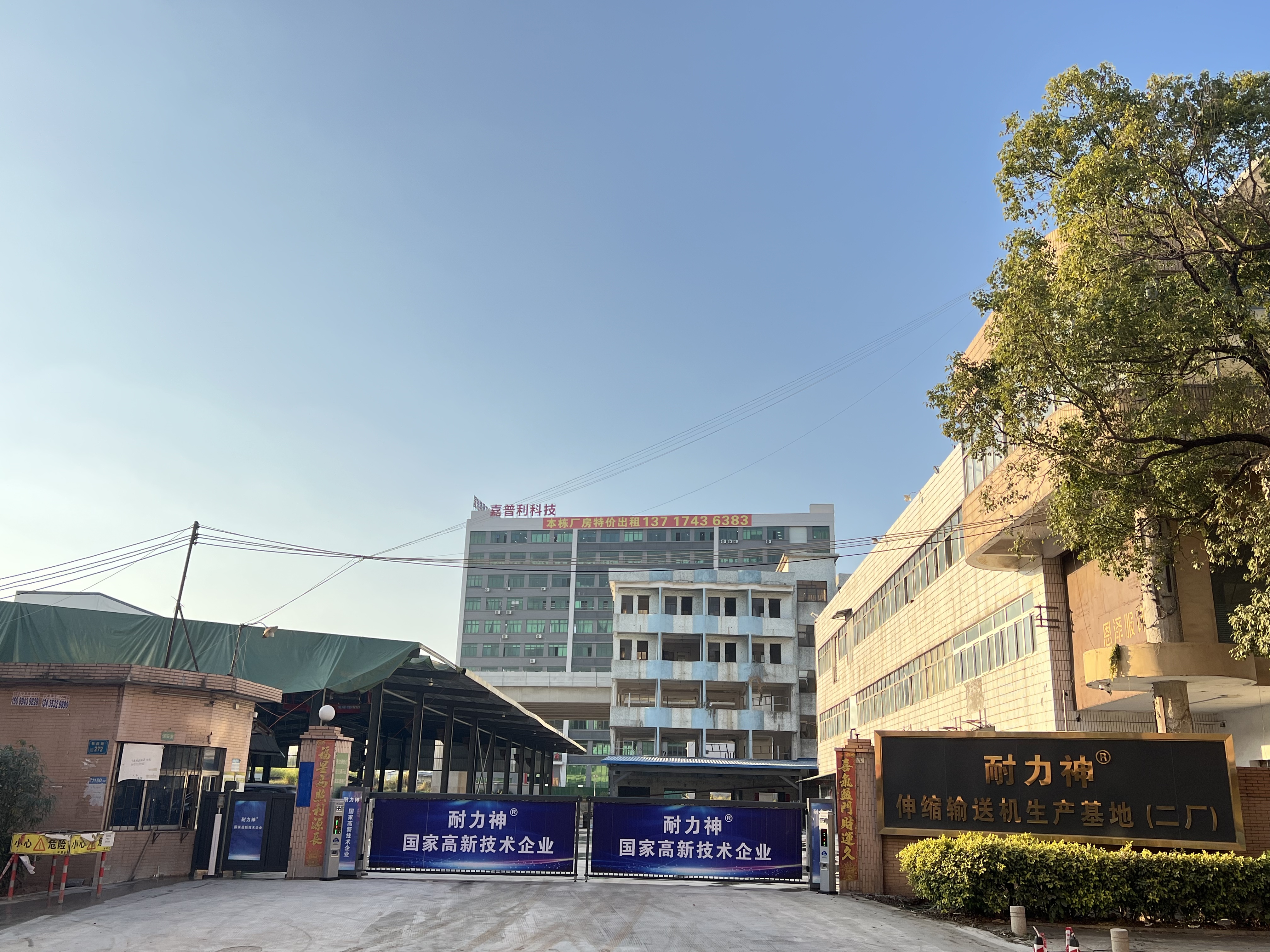
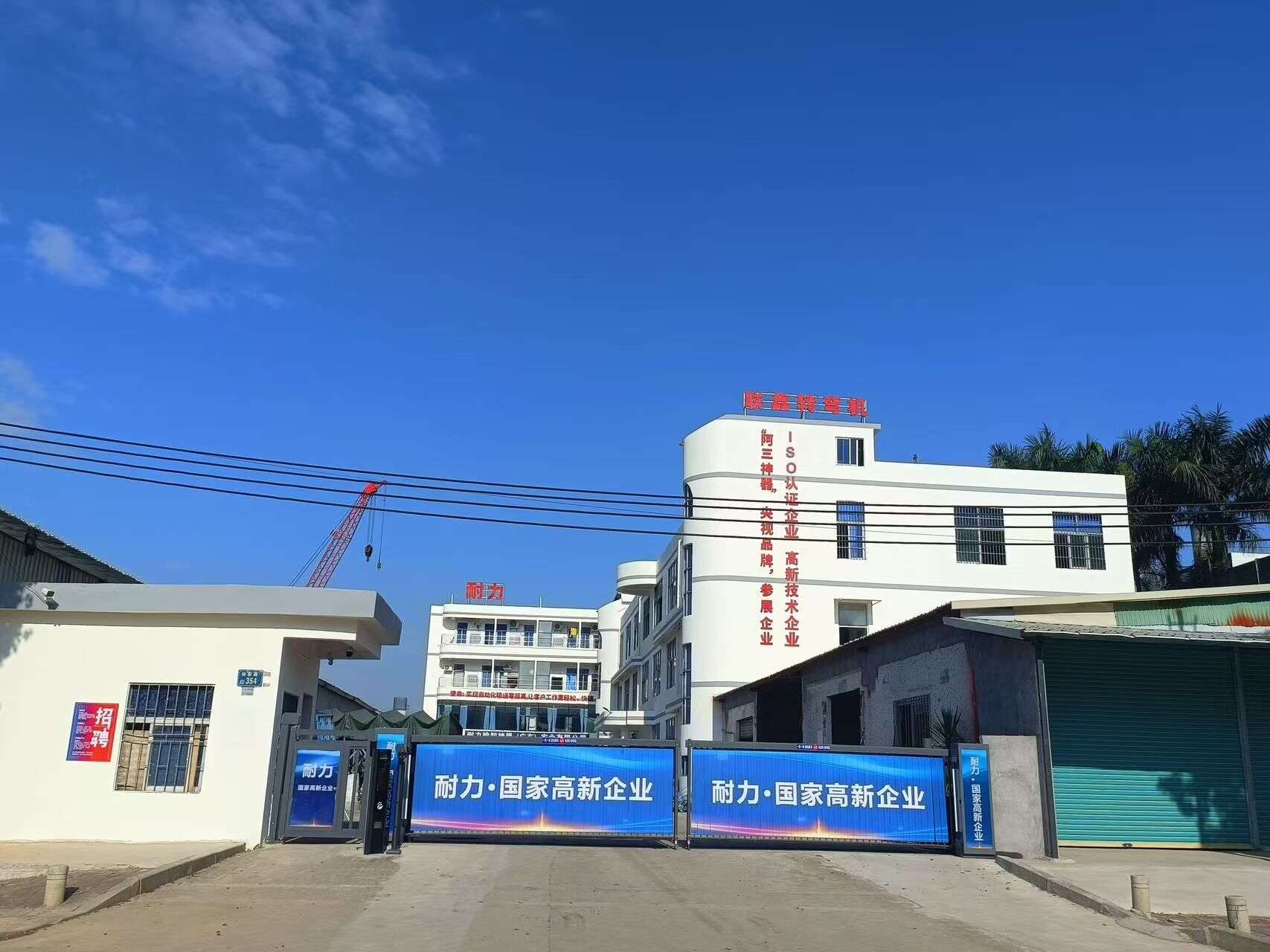
Naili Conveyor
Workshop capacity bottlenecks often occur in internal logistics
Many manufacturing companies do not lack processing equipment; rather, material flow between processes fails to keep pace with production. Common problems include accumulated semi-finished products, material shortages at workstations, disconnected upstream and downstream processes, and materials piled up in passageways. These situations disrupt the production rhythm, affect on-site 5S management, and lead to damage and losses to semi-finished products, expired inventory, and disorderly production operations.
When process-to-process transfers depend on manually pushed carts and repeated back-and-forth handling over the long term, breaks in the flow can easily occur. To truly stabilize production capacity, the key is not to continue adding staff, but to develop internal logistics into a continuous, automated, stable conveyor system that can connect all processes.
Which workshop scenarios are suitable for Naili Conveyor powered roller lines?
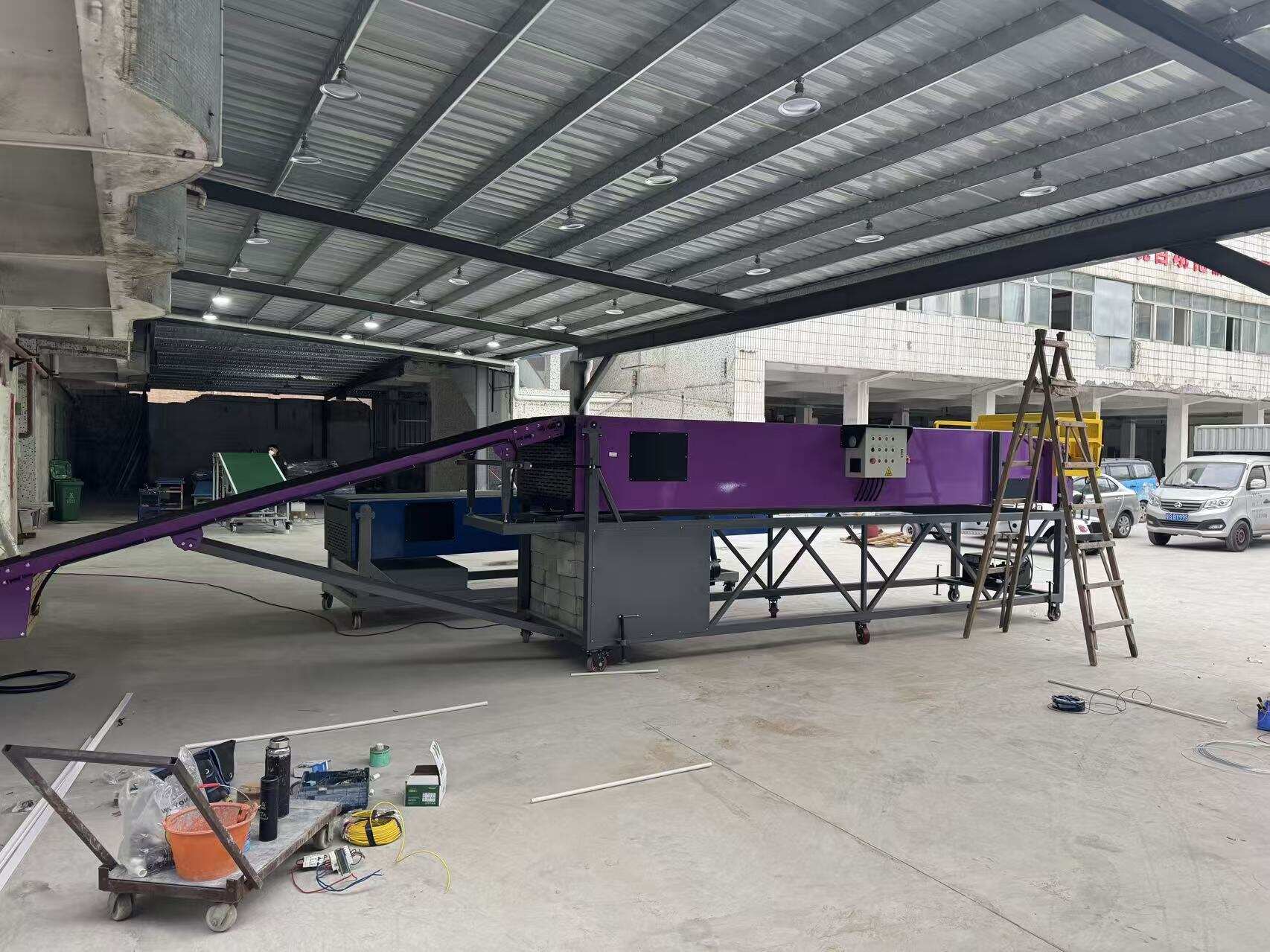
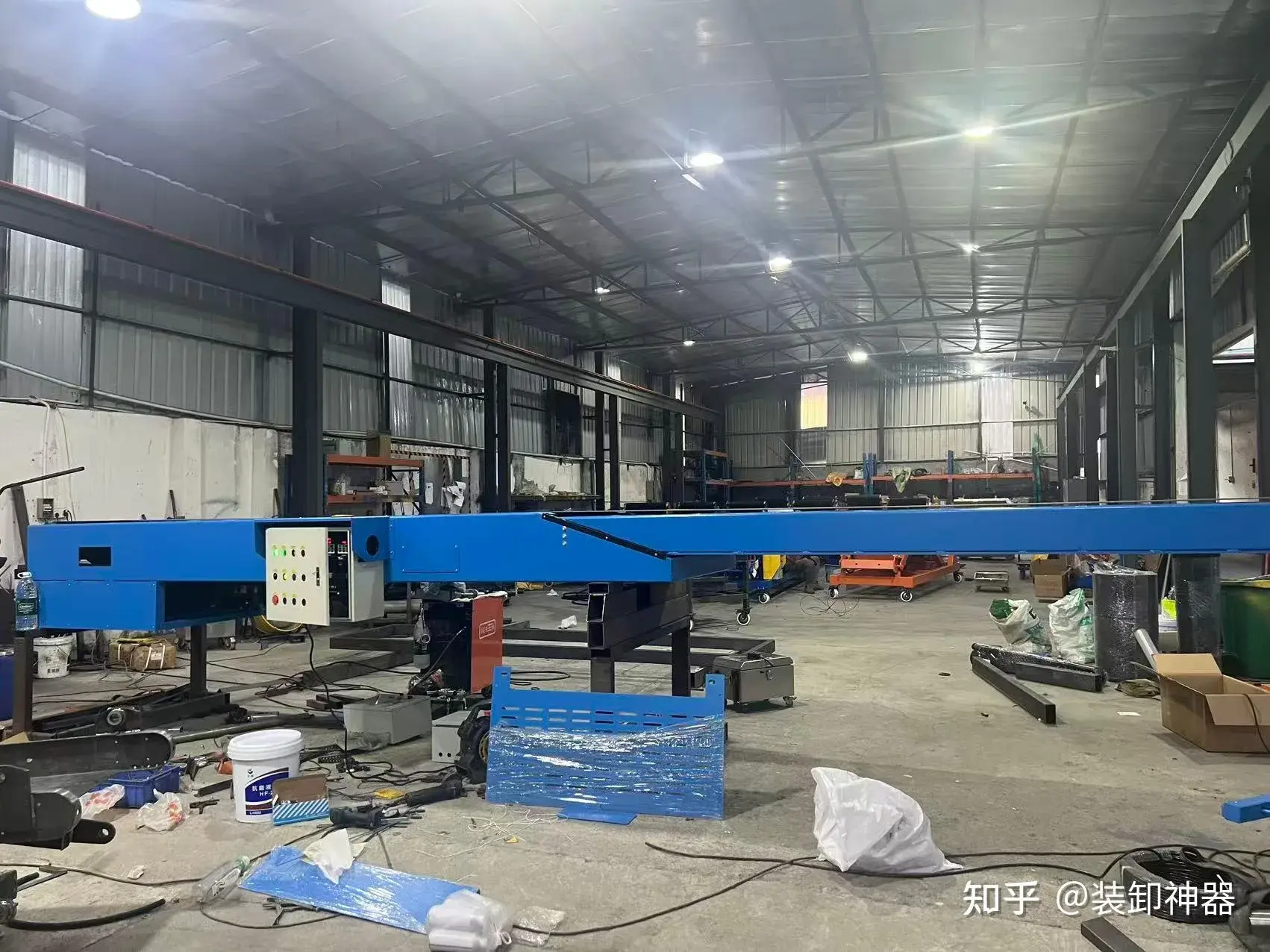
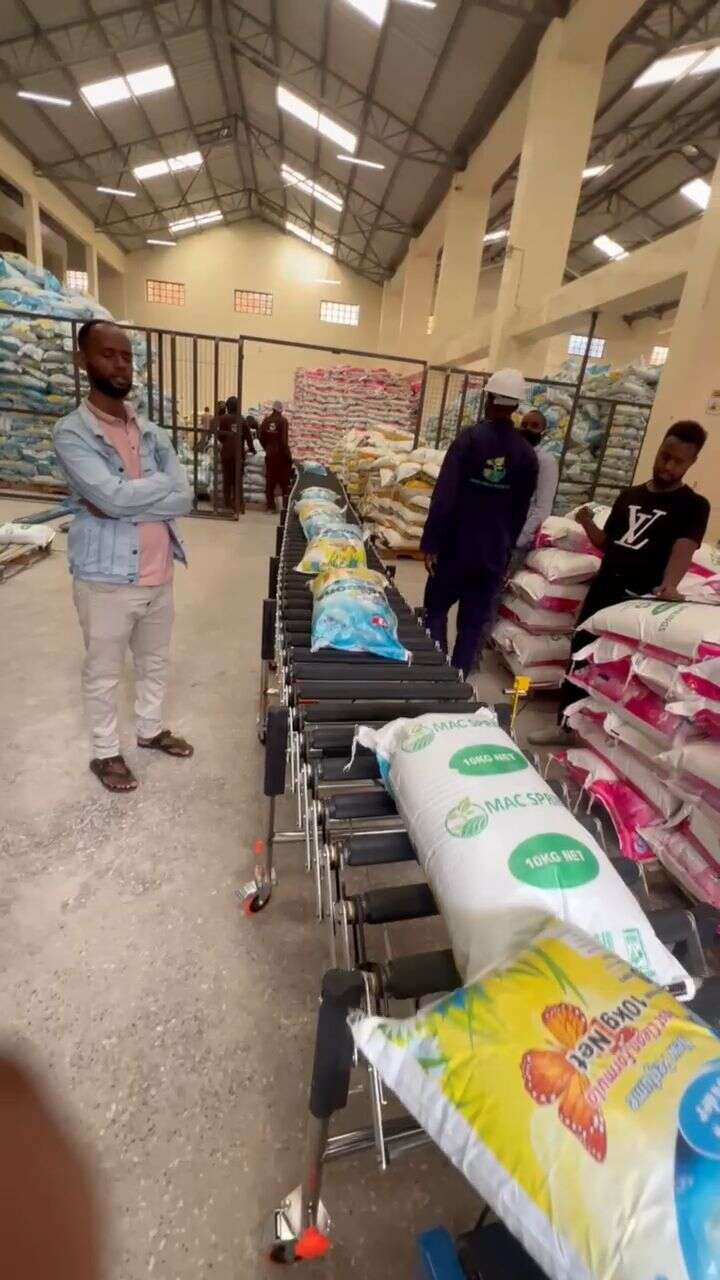
Naili Conveyor powered roller lines are designed to modernize process-to-process material flow in factory workshops. They can be used for boxed materials, palletized goods, heavy full-unit loads, and semi-finished product transfers. They cover processes including workshop loading and unloading, process interfacing, cross-workstation transfers, semi-finished product collection, and finished-goods warehousing. The goal is to replace repetitive manual handling, automate material flow, and help workstations maintain continuous connections.
In terms of application results, this type of equipment is better suited to workshops that need to streamline logistics routes, reduce waiting time, and standardize the production-line rhythm. By synchronizing material flow with the pace of production, it can reduce the impact of manually caused accumulation and delays.
Configuration upgrades and on-site customization determine conveying stability
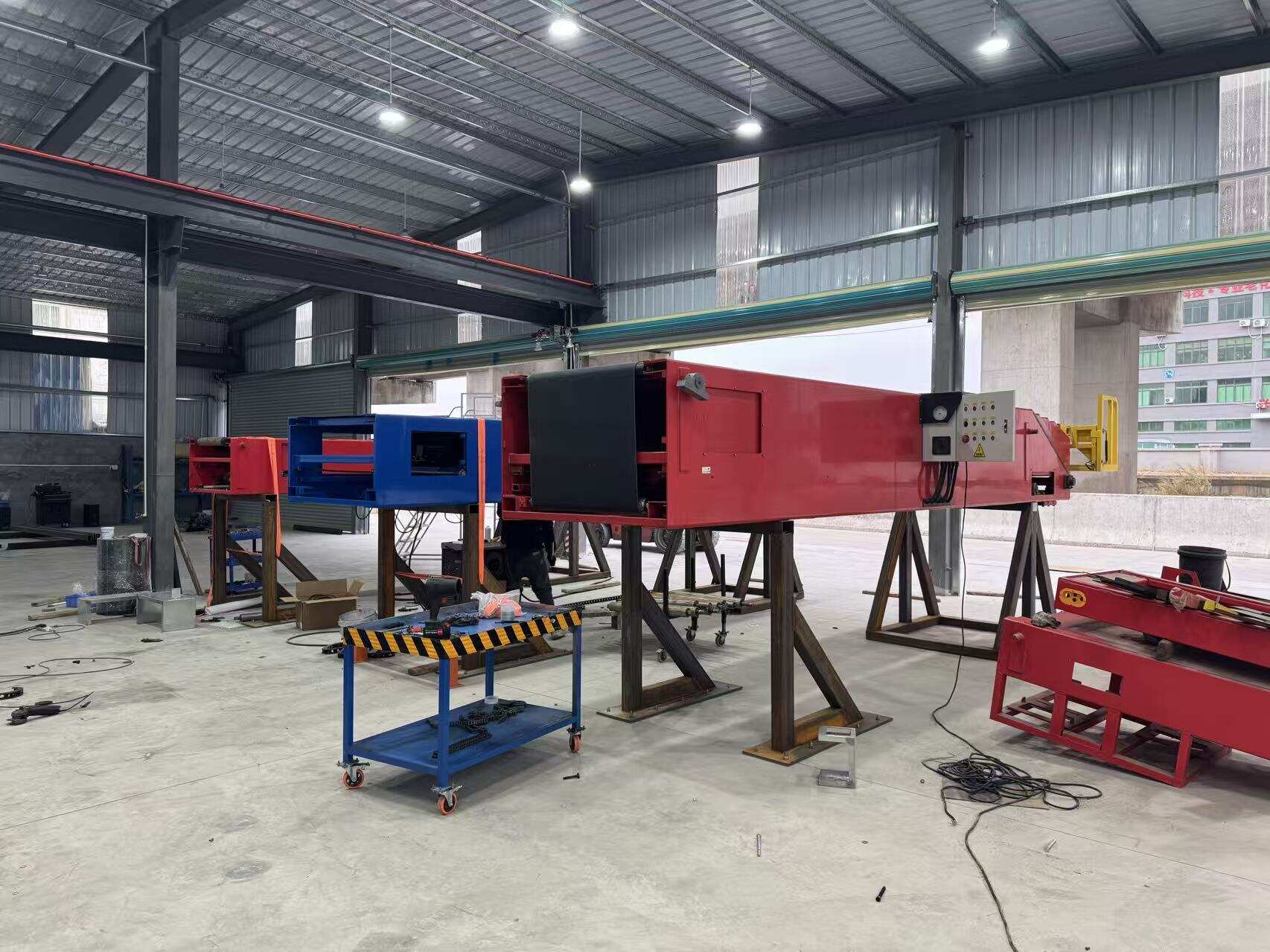
To address the tendency of ordinary roller lines to suffer from misalignment, slipping, stoppages, insufficient load capacity, and poor adaptability, this type of powered roller line has been specifically upgraded in terms of structure and configuration. The equipment uses thickened seamless roller tubes and is available in light-duty, medium-duty, and heavy-duty configurations to meet the conveying needs of small lightweight items, standard boxed goods, and heavy full-pallet loads, respectively.
The drive system offers two modes: quiet rubber-coated transmission and heavy-duty chain transmission. Quiet operation and smooth movement are prioritized when conveying light materials, while power and continuity are emphasized for heavy-duty conveying, helping reduce material shifting, slipping, jamming, and unstable conveying.
For customization, the equipment can be adjusted according to workshop aisle width, workstation spacing, production-line direction, and on-site layout, including the machine length, conveying width, and installation height. Modules such as intelligent sensor-based start and stop control, variable-frequency speed control, blocking and limit devices, side guards, and anti-deviation positioning can also be added. Layout options include straight, curved, lifting, and multi-level three-dimensional arrangements, making the system suitable for irregular workshops, staggered workstations, and renovations of older factory buildings.
Streamline the production rhythm through logistics and unlock true capacity
According to the source article, Naili Conveyor, as the original manufacturer, provides one-stop services including on-site surveying, solution customization, production and manufacturing, on-site installation and commissioning, and lifetime maintenance. After the powered roller line is implemented, its primary value lies in streamlining workshop logistics routes, reducing process accumulation, production stoppages caused by material shortages, and breaks in production flow, thereby making line transfers smoother, production operations more orderly, and equipment utilization higher.
For manufacturing companies seeking to advance logistics automation and refined production management, this type of equipment does more than simply move materials. It transforms internal transfers into continuously connected production operations, providing a foundation for increasing production capacity.