Naili Conveyor
Why has ground-level loading and unloading without loading docks become a common challenge for small and medium-sized enterprises?
In manufacturing and logistics hubs such as the Pearl River Delta and Yangtze River Delta, many small and medium-sized factories, e-commerce warehouses, and freight transfer stations face the same problem: their sites lack standardized loading docks, so loading, unloading, and transferring goods can only be carried out at ground level. As the frontline labor structure changes, the shortcomings of traditional manual ground-level loading and unloading are becoming increasingly pronounced. Difficulties in recruitment, high labor costs, low efficiency, numerous safety hazards, and high cargo damage rates have gradually become key factors affecting warehouse turnover and order fulfillment.
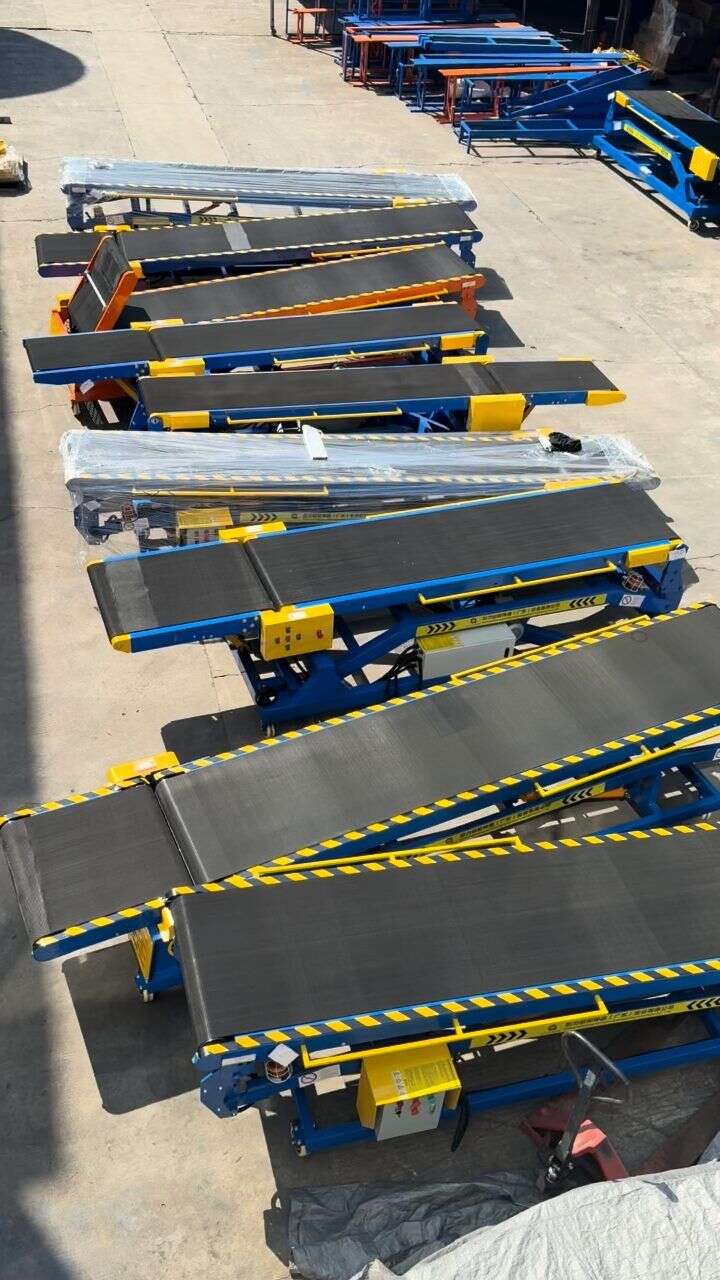
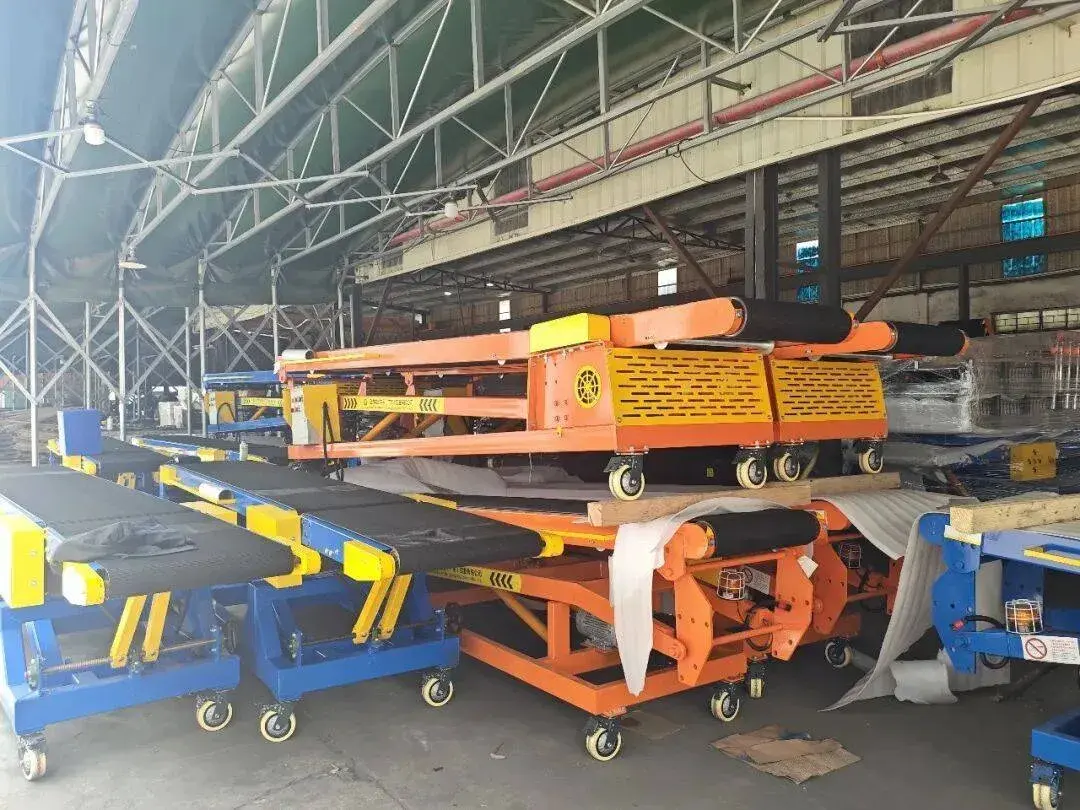
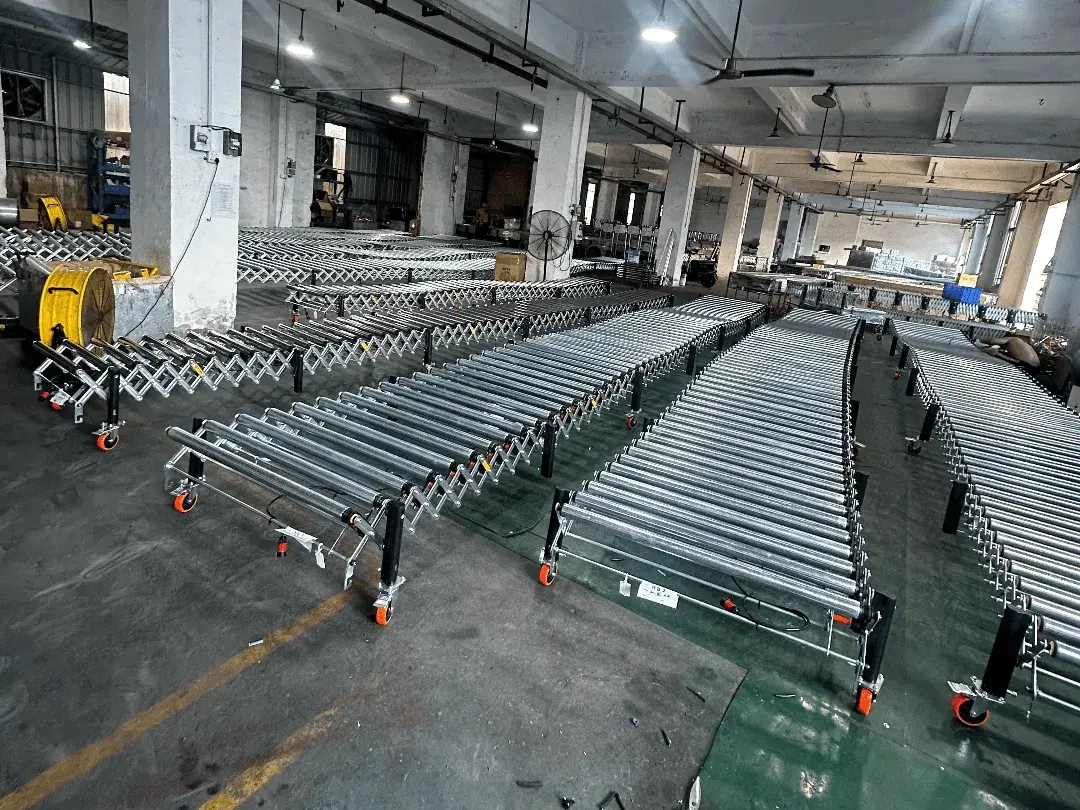
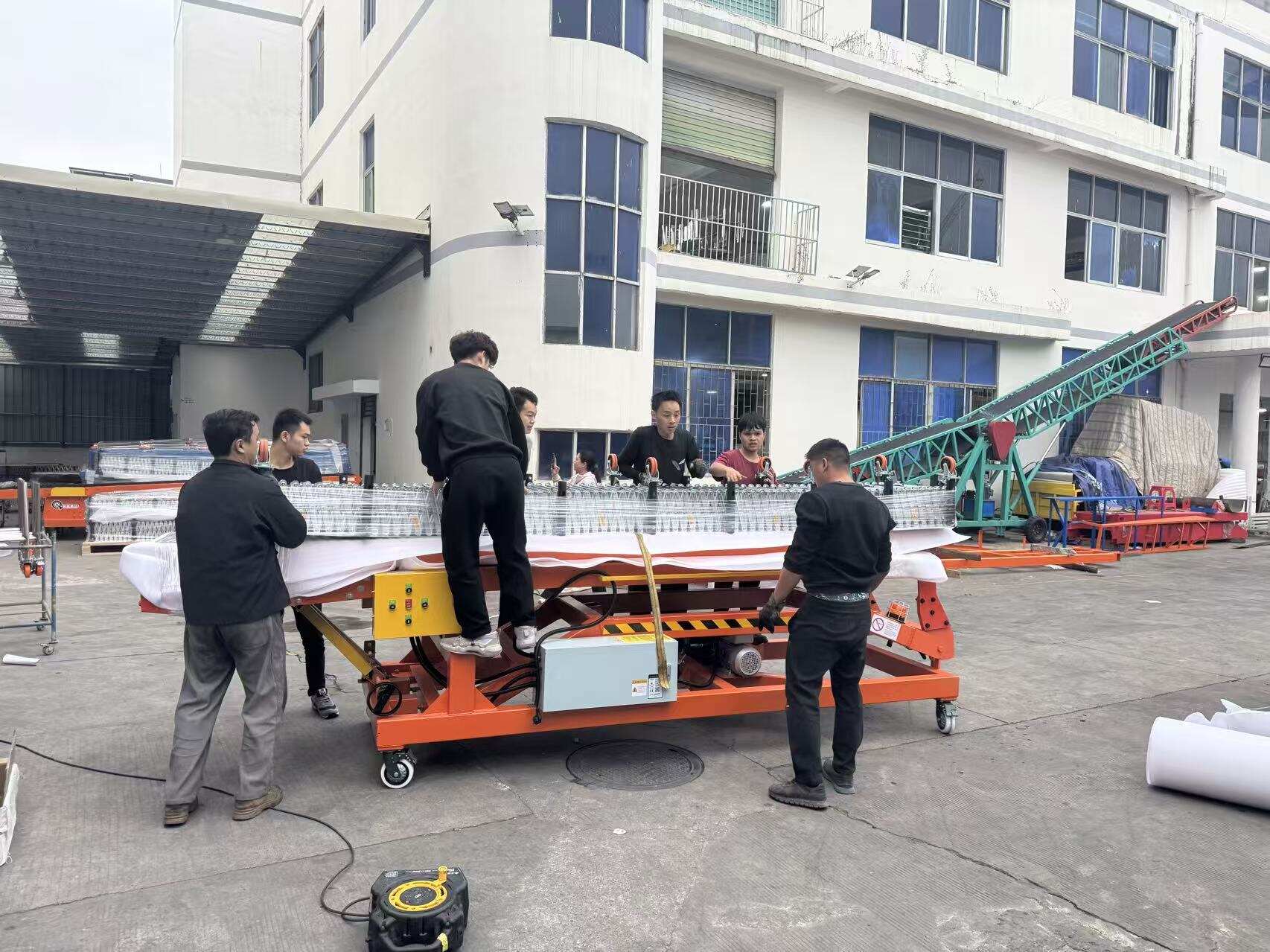
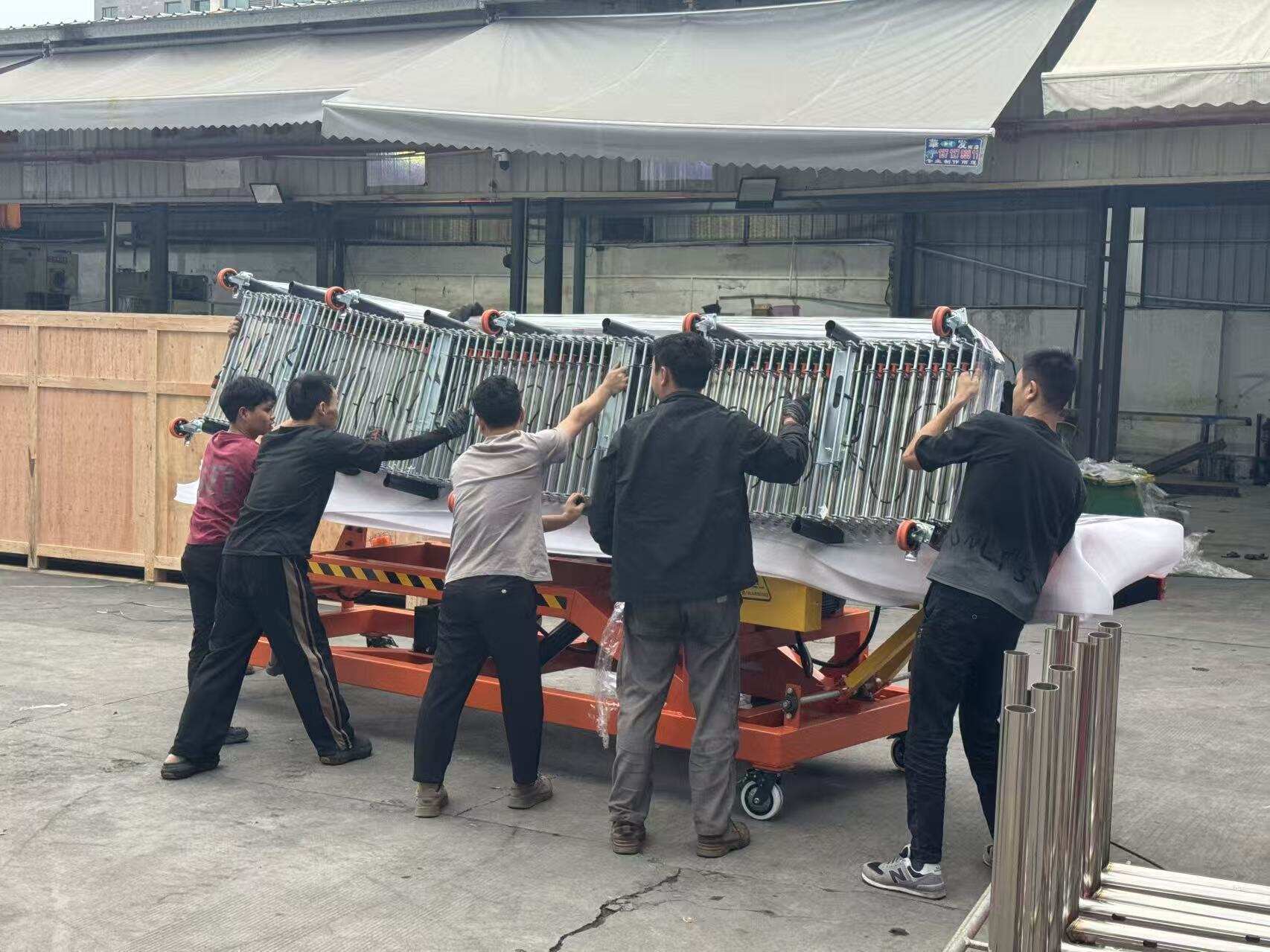
Against this backdrop, complete intelligent conveying equipment that requires no site modifications and offers strong adaptability has become a priority for many companies seeking last-stage loading and unloading solutions. The complete equipment set combining the powered roller telescopic conveyor and hydraulic lifting incline conveyor launched by Naili Unloading Artifact (Guangdong) Industrial Co., Ltd. is a combination solution specifically designed for ground-level operations without loading docks.
Four common pain points of manual ground-level loading and unloading
The first is the labor issue. The appeal of physically demanding loading and unloading positions continues to decline, and frontline loading and unloading personnel in the industry are clearly aging. Companies face persistent difficulties in recruiting and retaining workers, along with high turnover among experienced employees. Even with higher wages, it is difficult to organize a stable operations team over the long term. During peak production and sales seasons, major e-commerce promotional periods, or periods when large volumes of goods arrive at once, labor shortages often directly lead to cargo accumulation and shipping delays.
The second is cost pressure. Traditional ground-level loading and unloading relies heavily on manual coordination, and a single vehicle operation usually requires several people working together. In addition to wages, companies must also cover fixed expenses such as social insurance, accommodation, meals, and benefits. Wage premiums for temporary workers hired during peak seasons can further increase costs. At the same time, manual efficiency is significantly affected by physical condition, weather, working hours, and proficiency. Prolonged high-intensity work can also easily cause fatigue, resulting in slower loading and unloading speeds and inconsistent quality.
Third is the risk of safety incidents and cargo damage. Flat-ground operations without a loading dock involve height differences, requiring workers to repeatedly bend, bear loads, and lift goods in and out of vehicle compartments over long periods. This can easily lead to occupational health problems such as lumbar muscle strain and joint injuries, as well as safety incidents such as falls and crush injuries. Manual handling and stacking also lack consistent standards, making impacts, compression, tipping, and damage more common. Over time, these issues can accumulate into significant hidden losses.
Fourth is the difficulty of upgrading. For most small and medium-sized enterprises, upgrading to standardized loading and unloading docks requires financial investment, takes up space, and involves a relatively long construction period, resulting in an unfavorable return on investment. Some conventional conveying equipment on the market also has limited functionality: it may be unable to adjust its height to accommodate differences in vehicle compartment levels, or unable to extend and retract flexibly to suit different vehicle types, making it difficult to genuinely replace manual labor. Enterprises often find themselves caught between labor being unaffordable, equipment being impractical, and sites being impossible to modify.
From production qualifications to quality control, equipment stability depends even more on a standardized system
Low-priced products from small workshops are common in the conveying equipment industry. These manufacturers often lack fixed facilities and standardized systems, and their raw materials, production processes, and quality control are relatively unsophisticated. Common equipment problems include poor stability, high failure rates, short service life, and inadequate safety. After-sales support is also often incomplete, and once equipment fails, it can directly affect an enterprise's normal operations.
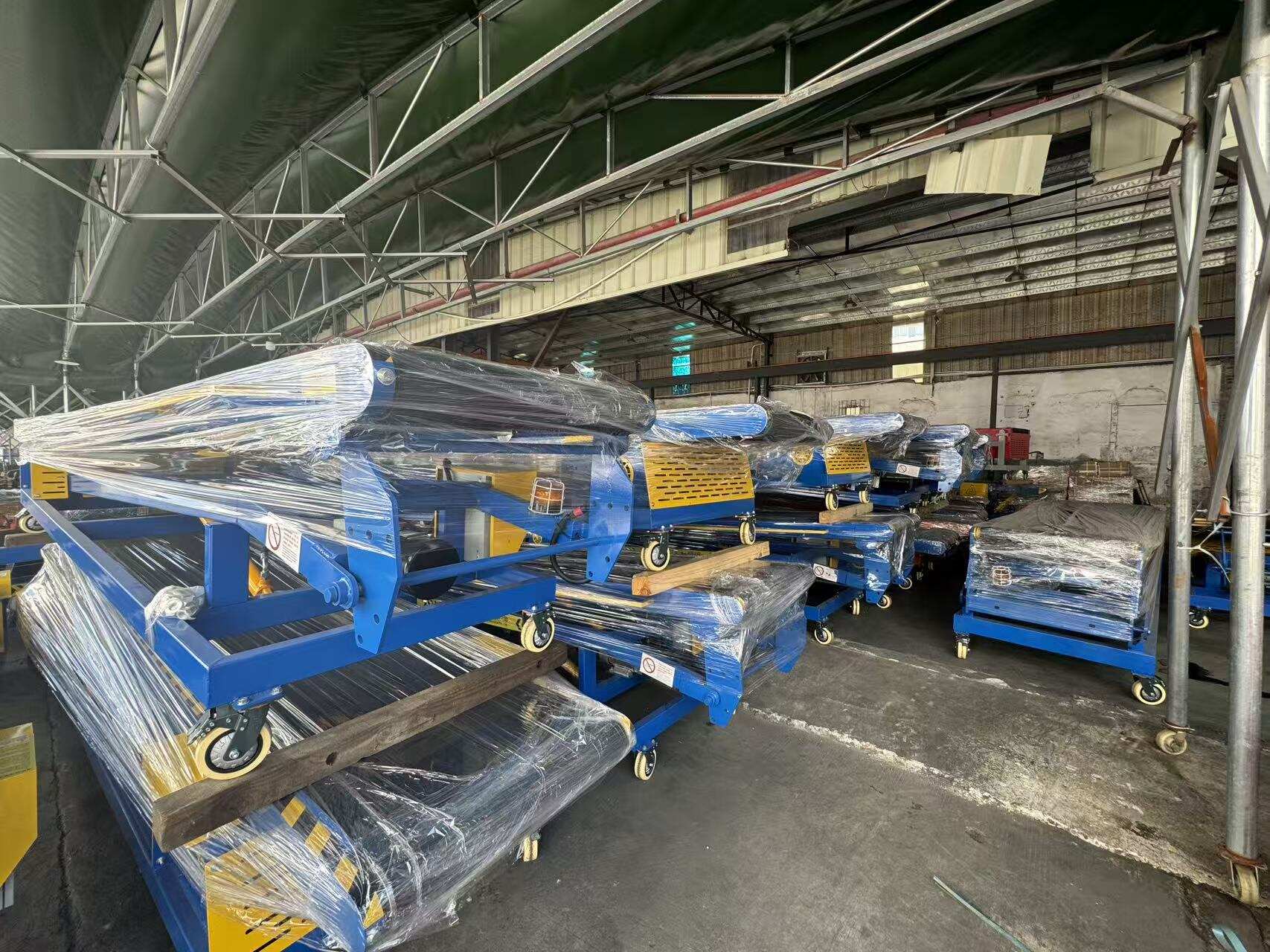
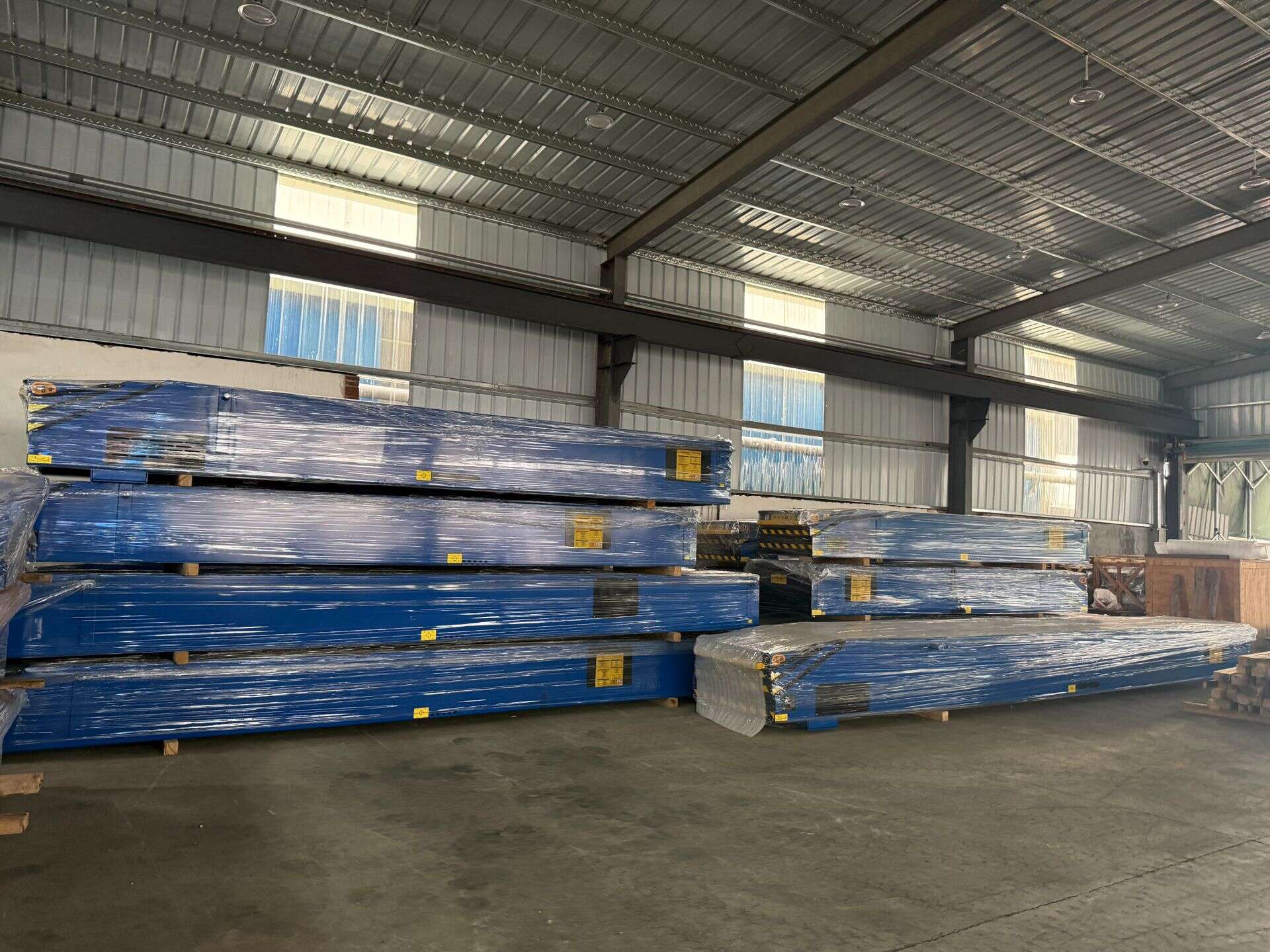
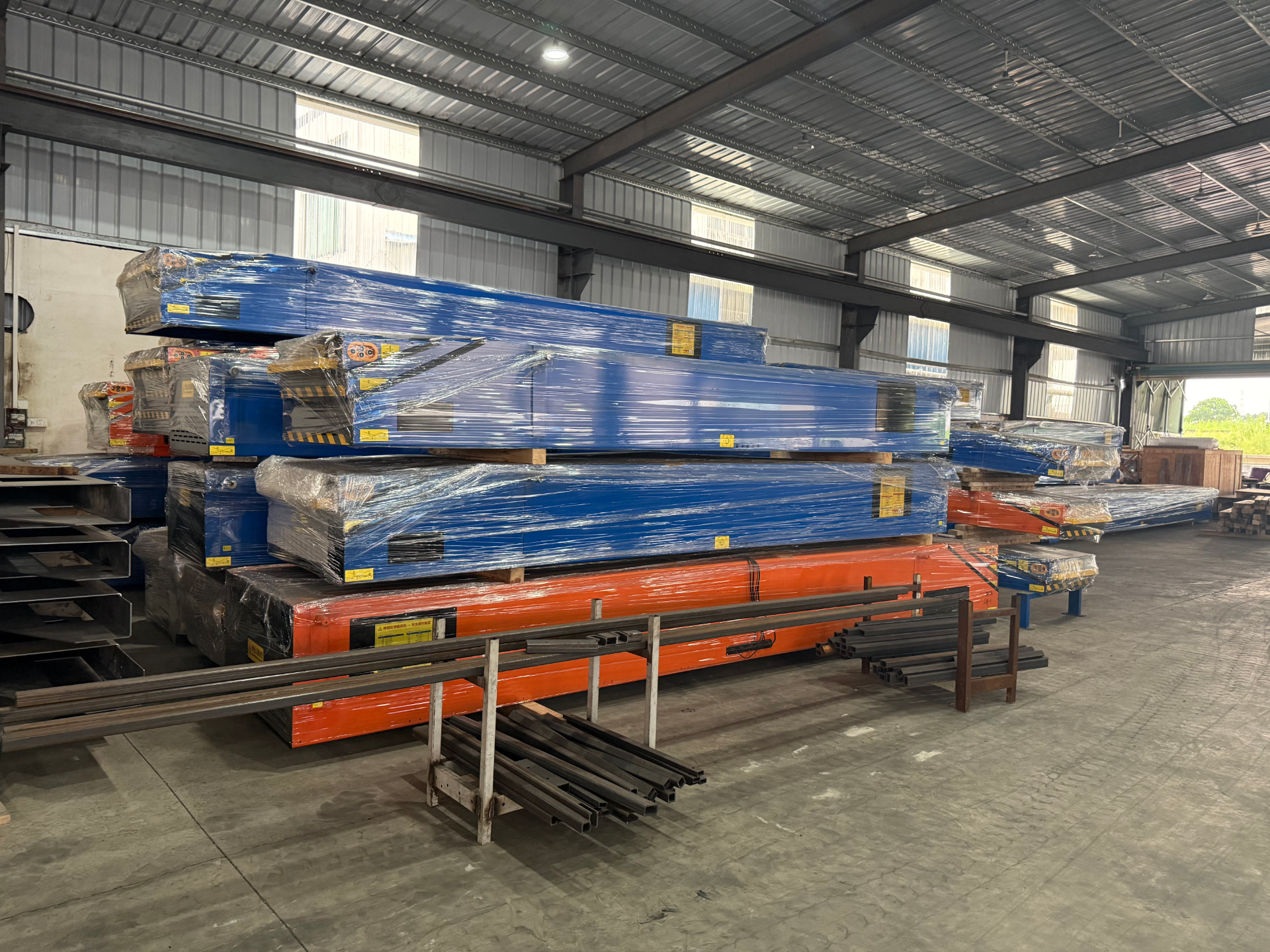
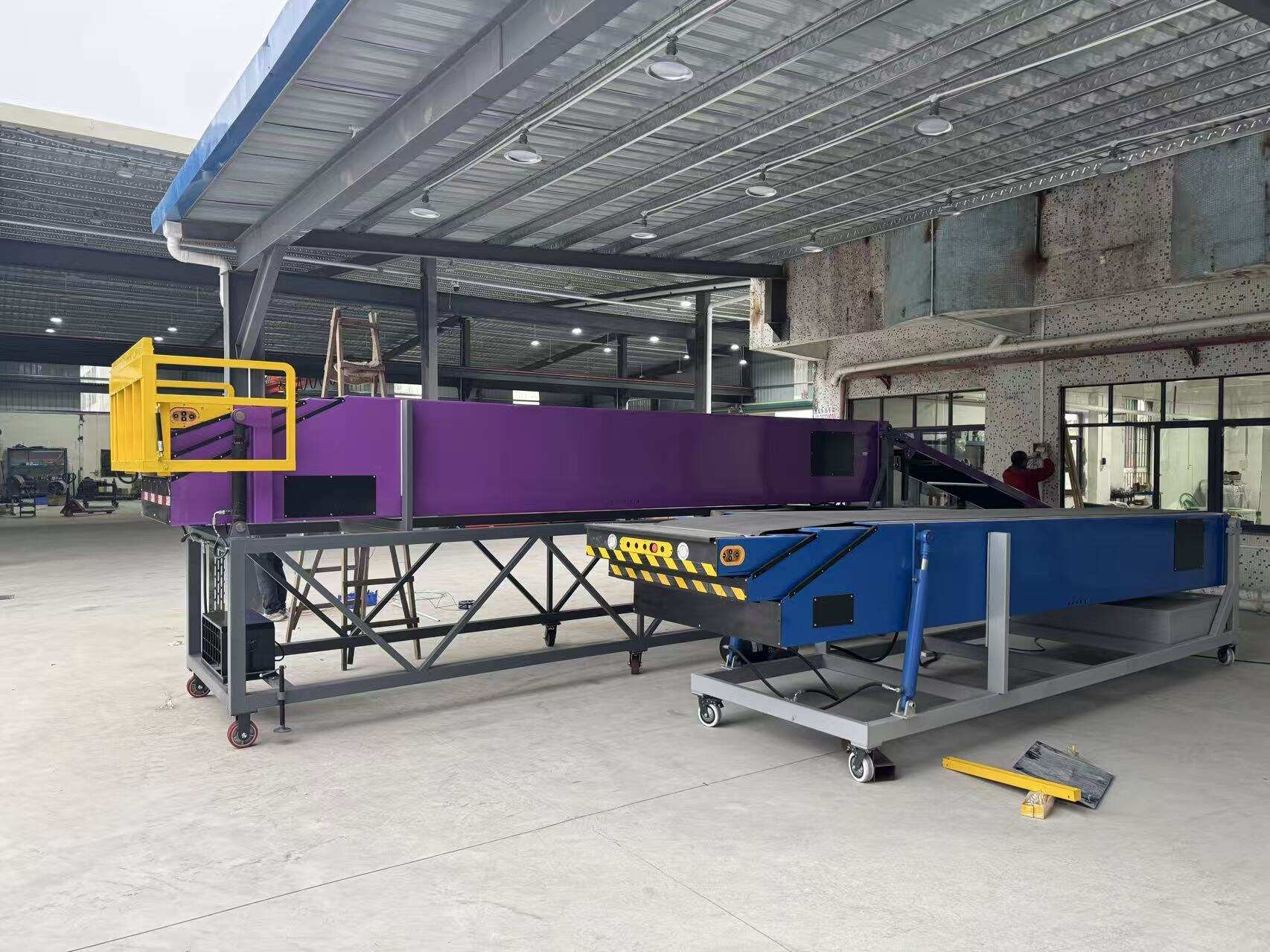
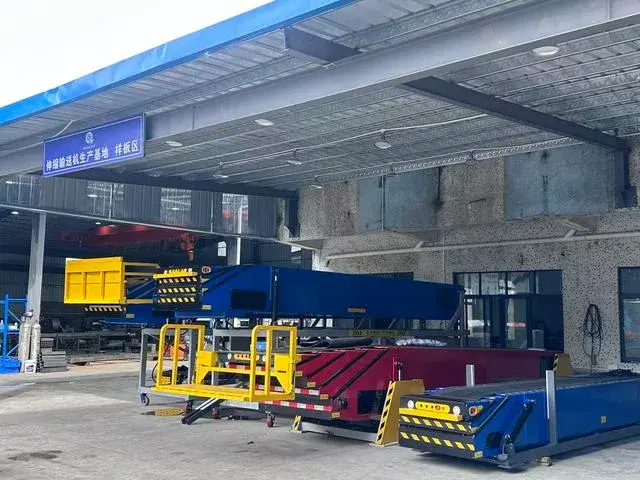
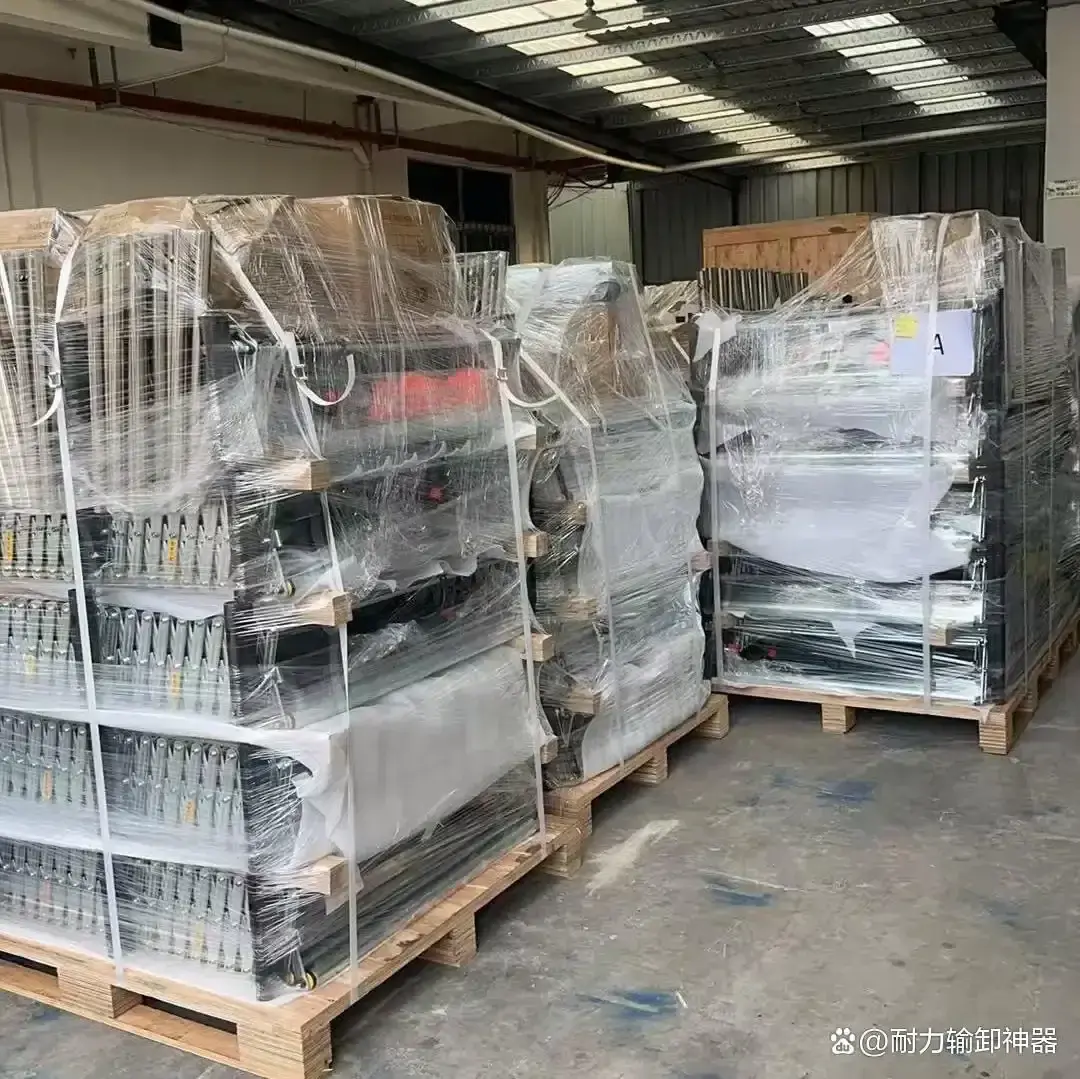
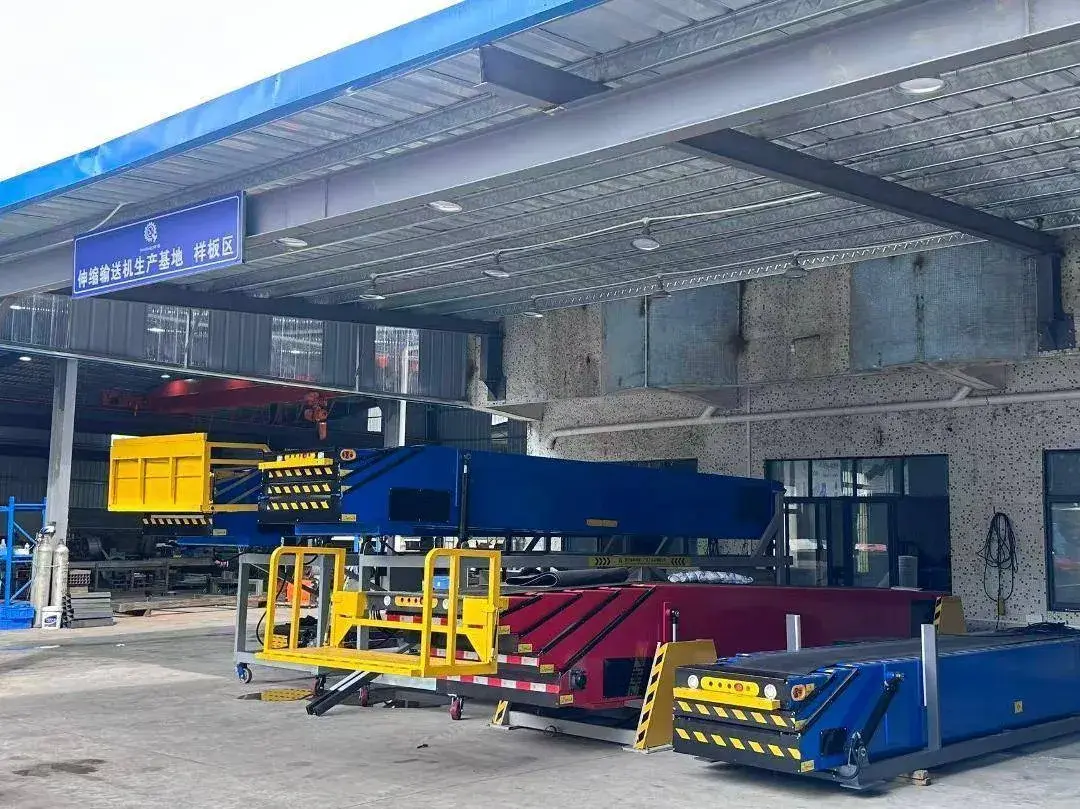
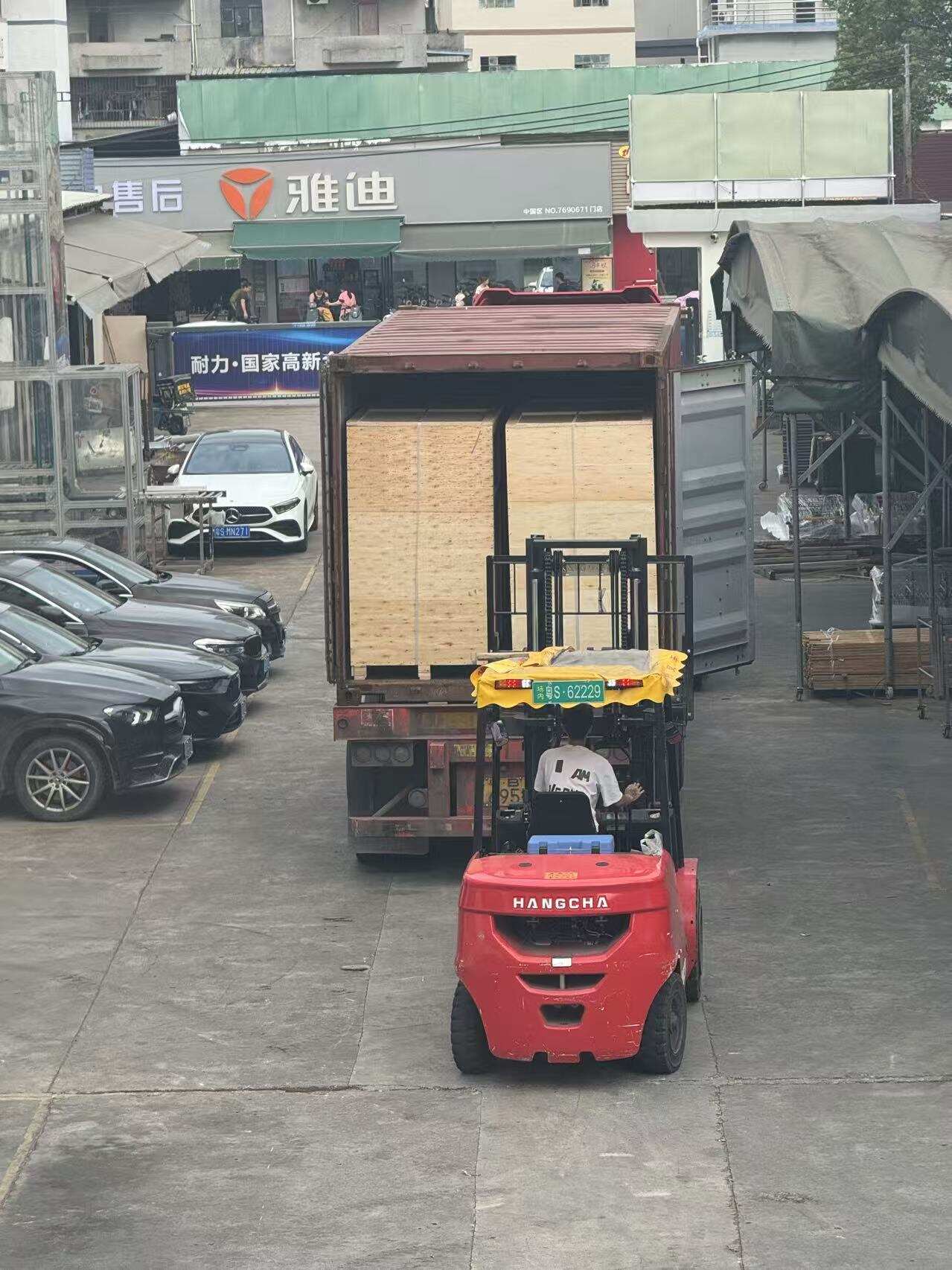
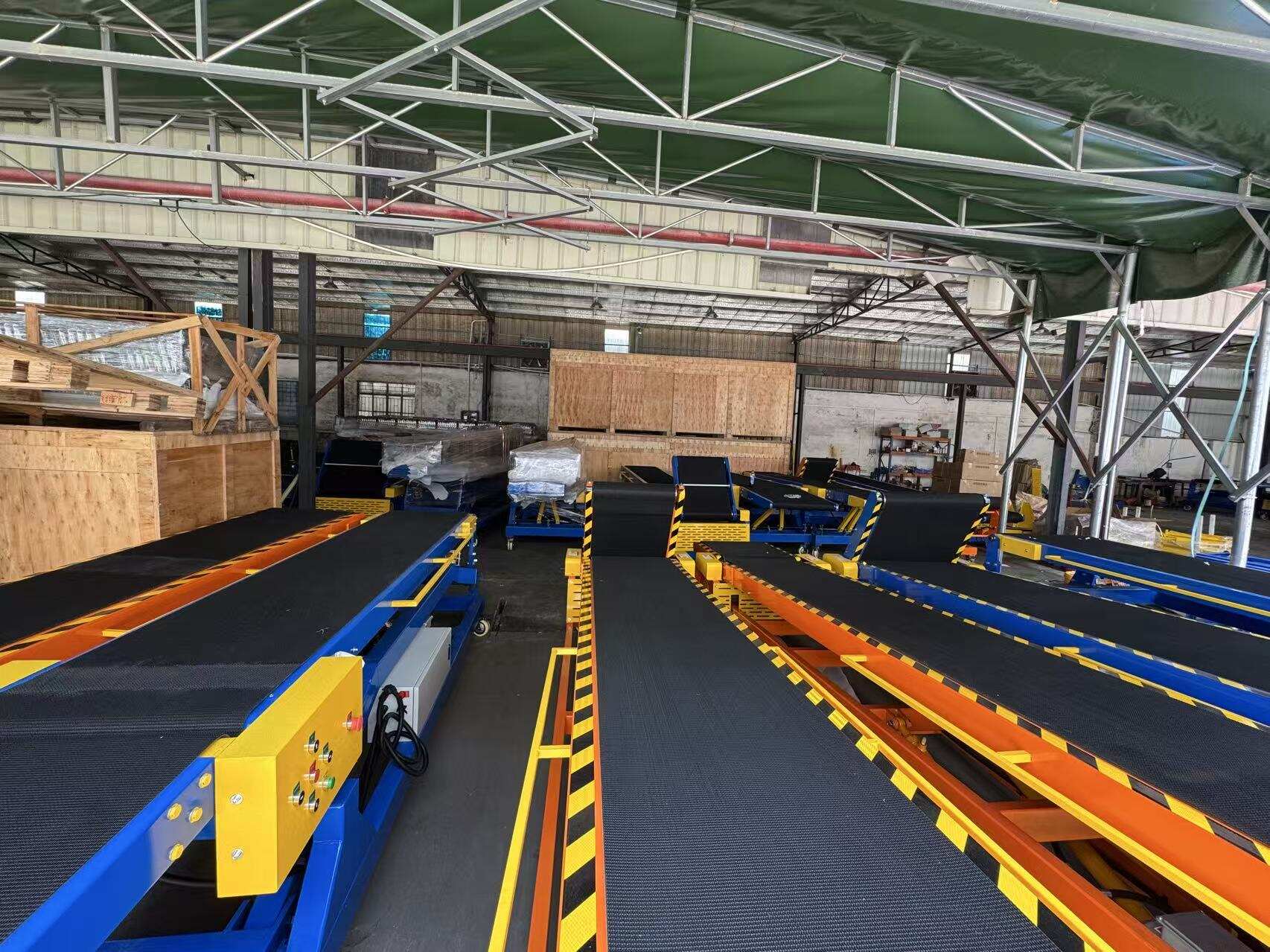
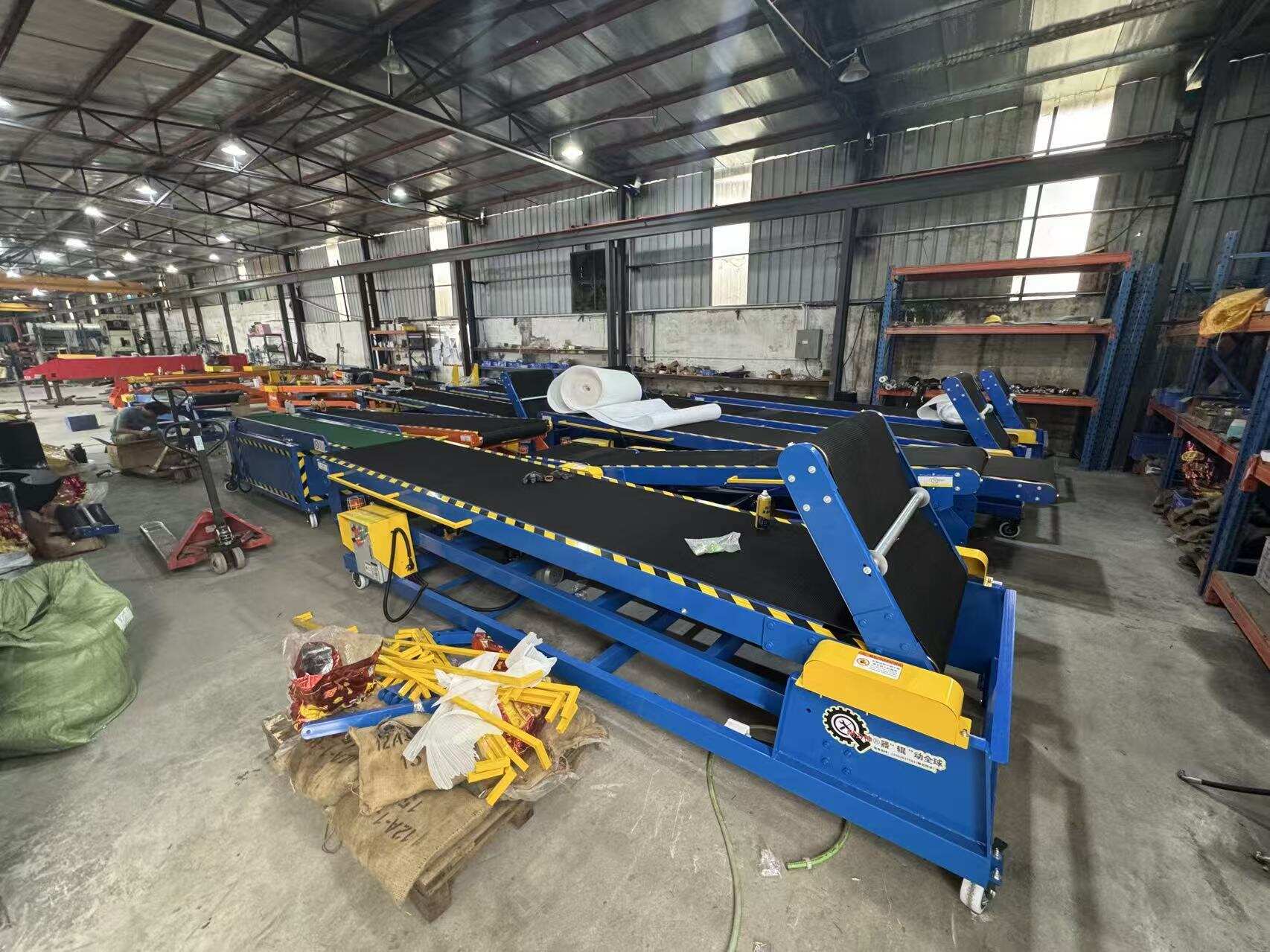
By comparison, Naili Unloading Artifact (Guangdong) Industrial Co., Ltd. has relatively complete formal production capabilities and a standardized operating system. The factory has an independent, fixed production site and standardized workshops, and can handle the entire process from equipment R&D, component processing, and complete-machine assembly to performance testing and finished-product delivery, reducing the impact of outsourcing on quality consistency.
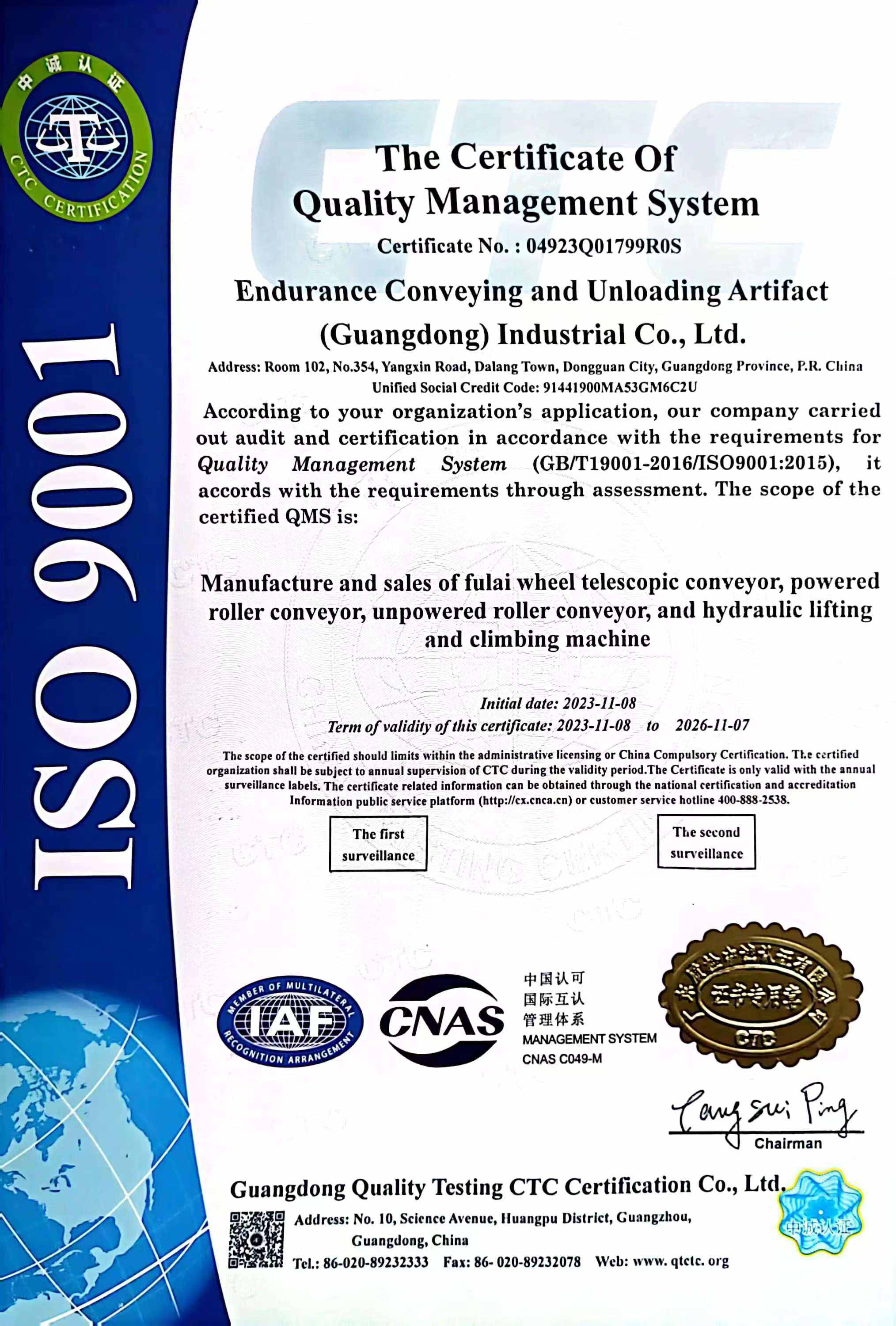
In terms of quality management, the company strictly implements the ISO 9001 standardized quality management system, incorporating raw material procurement, production and processing, process inspections, finished-product testing, and pre-shipment acceptance into a unified workflow. The equipment has also passed EU CE export certification, indicating that its safety and stability meet higher standards and that it has the basic conditions to serve overseas markets.
In terms of services, the company has established a complete process covering site assessment, customized production, installation and commissioning, and subsequent maintenance. Solutions can be matched according to site size, cargo type, workload, and vehicle specifications, helping enterprises deploy equipment more quickly in actual loading and unloading operations.
How a powered roller telescopic conveyor line combined with a hydraulic lifting incline conveyor solves loading and unloading problems
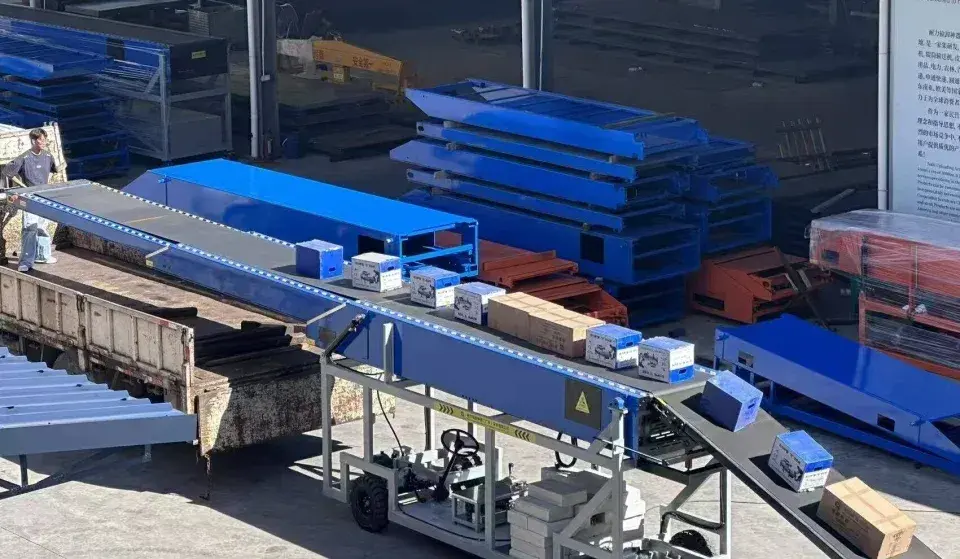
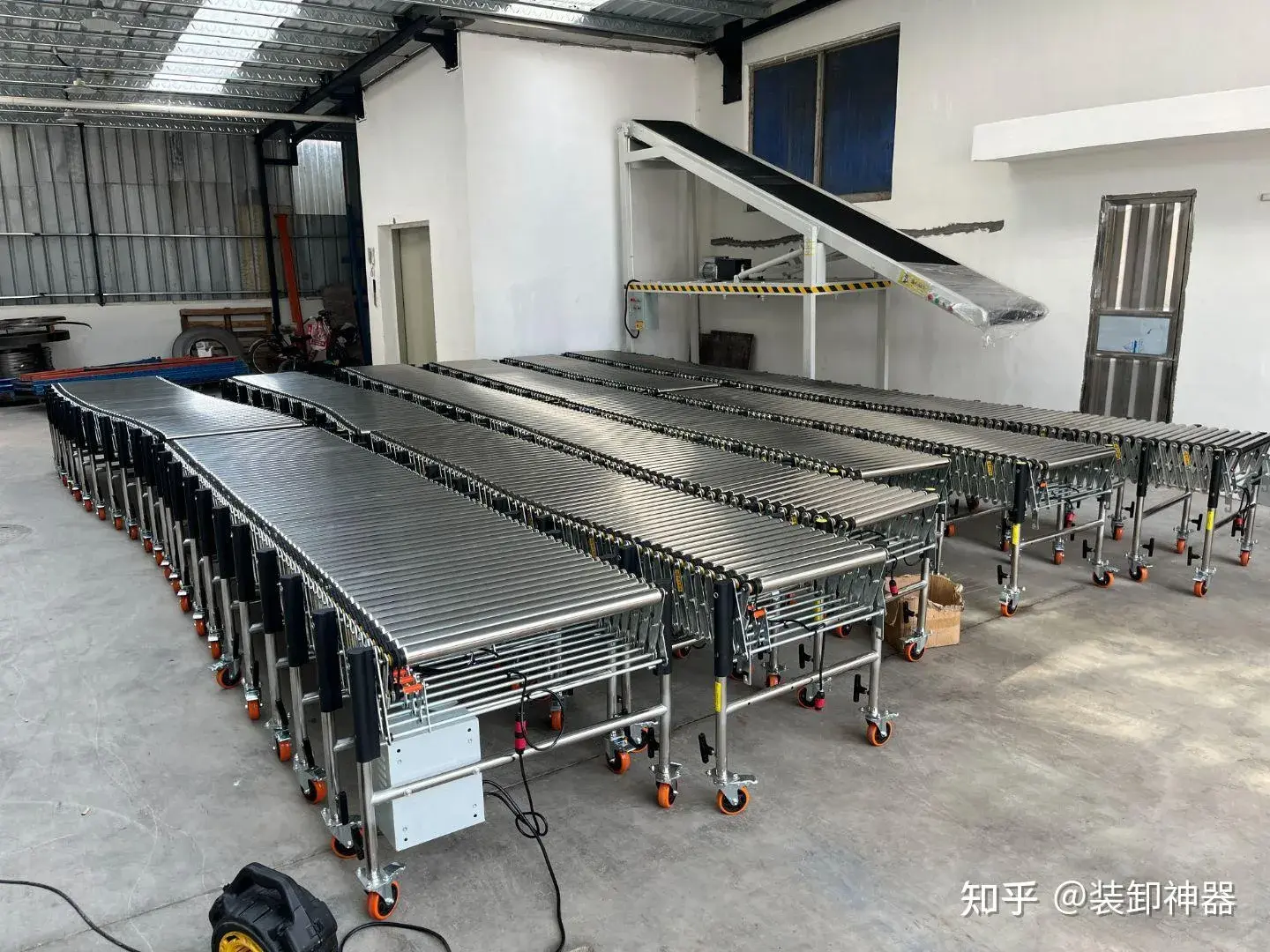
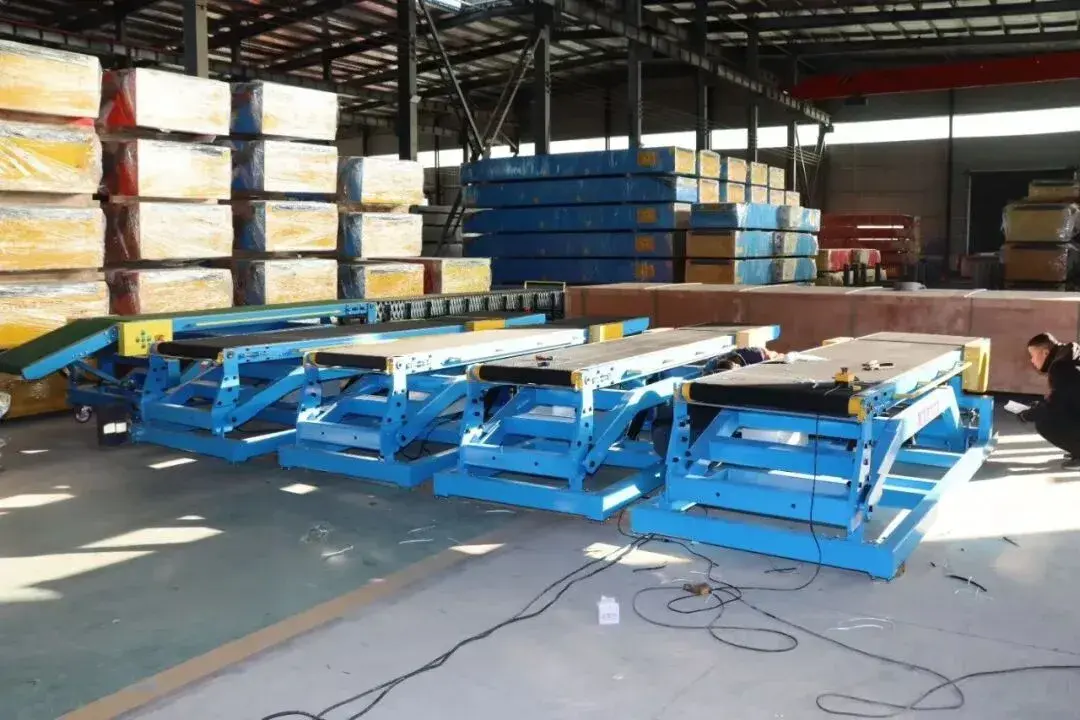
For flat-ground loading and unloading without a loading dock, the complete equipment solution combining a powered roller telescopic conveyor line with a hydraulic lifting incline conveyor integrates cargo conveying, transfer between different elevations, and vehicle-compartment level transitions into a single operating workflow, reducing reliance on manual handling.
In terms of labor requirements, this equipment can replace traditional heavy manual handling. Flat-ground loading and unloading previously typically required 3 to 4 workers working together, whereas after the equipment is installed, only 1 to 2 workers are usually needed to help arrange the goods, enabling large-volume loading and unloading. The equipment can also operate continuously 24 hours a day, without being affected by workers' physical capacity, work schedules, or weather.
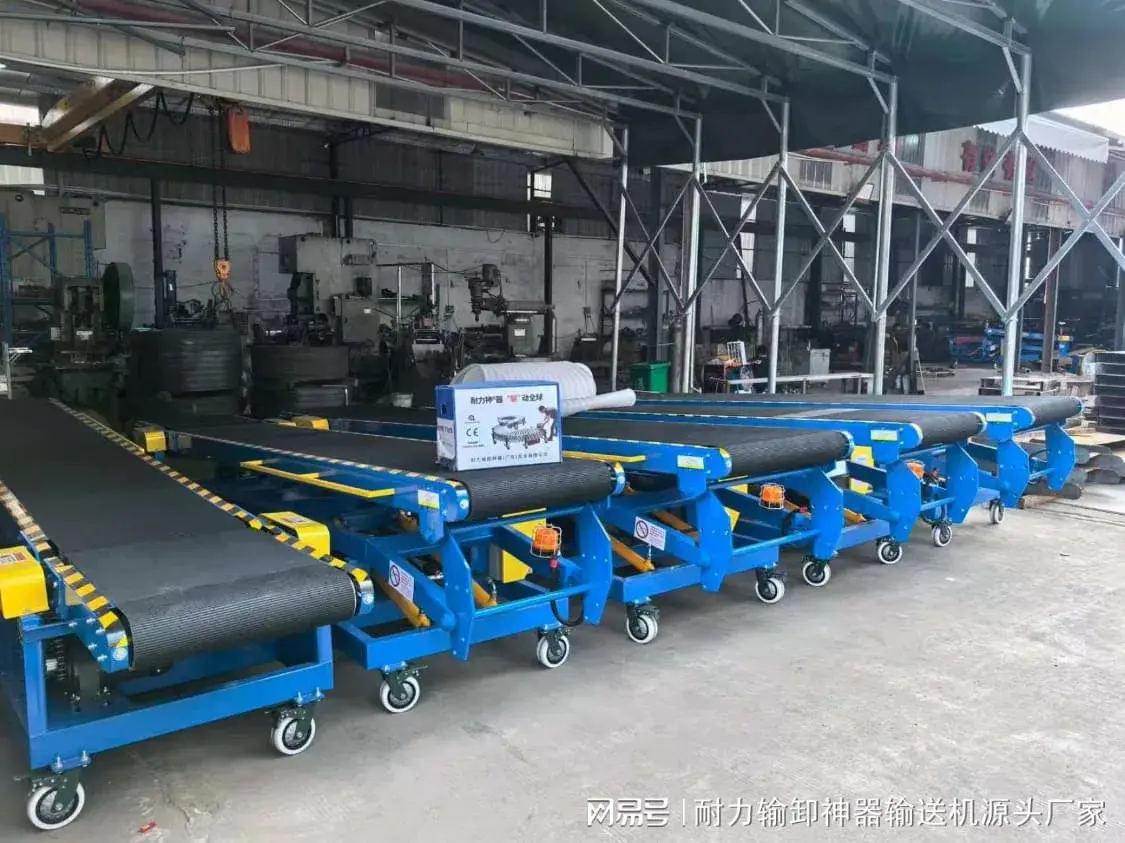
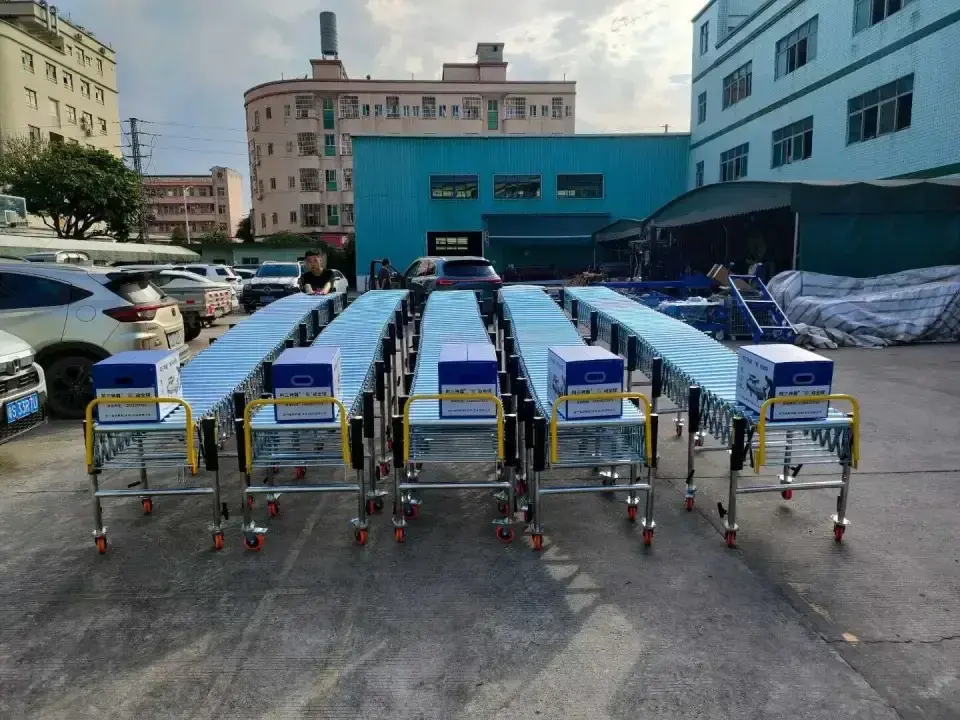
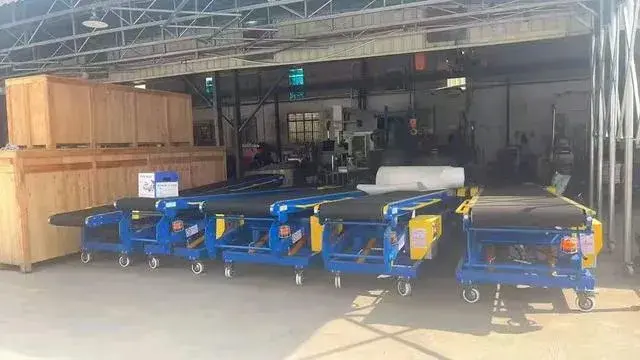
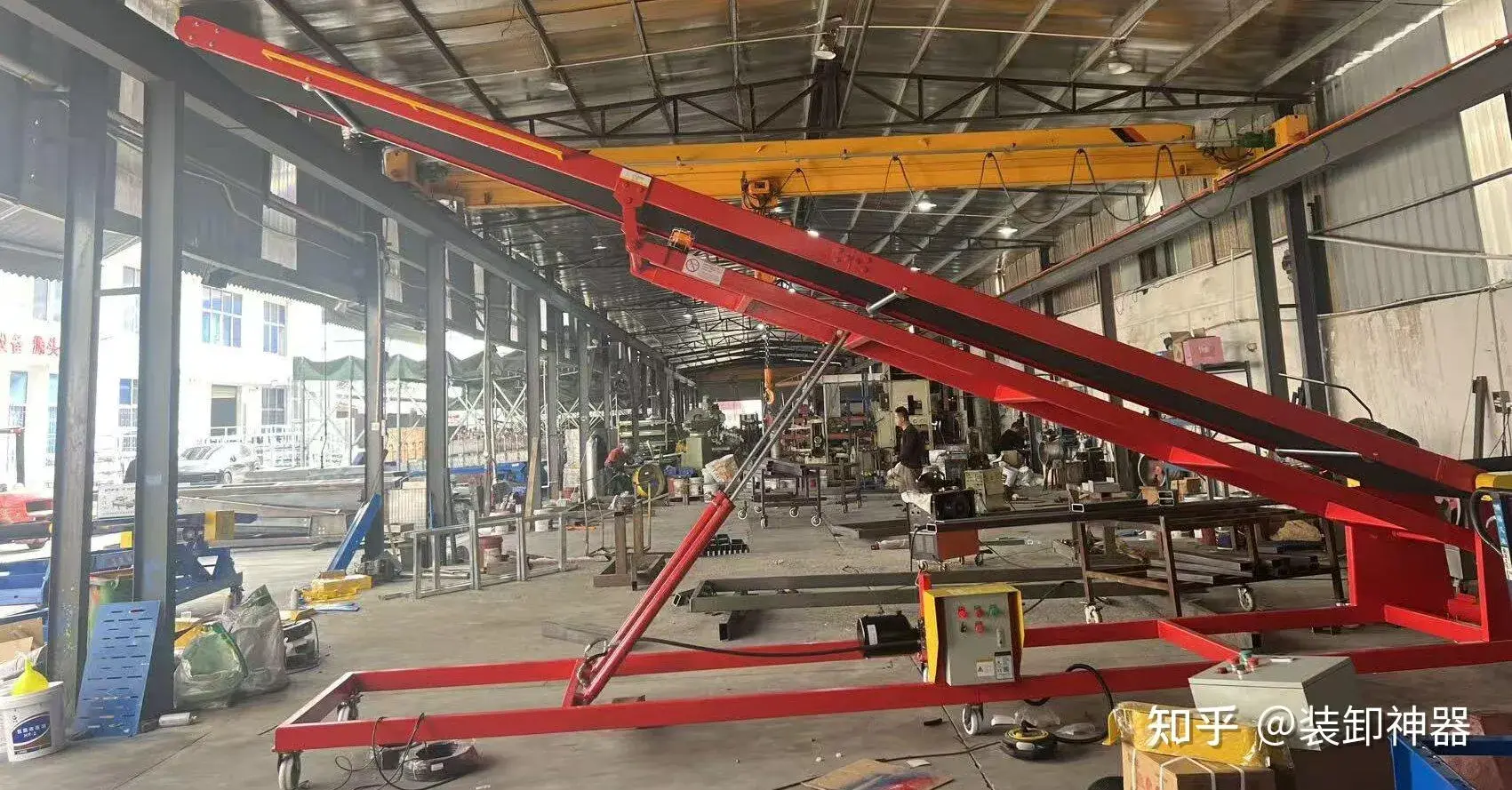
In terms of efficiency, the powered roller telescopic conveyor line offers flexible extension and retraction, free repositioning, convenient deployment, and a small footprint. Its operating range can be adjusted according to the length of the truck compartment and the size of the work area, making it suitable for various box trucks and flatbed trucks. The equipment uses high-strength, wear-resistant rollers to ensure smooth, uniform-speed conveying and can handle a wide range of goods, including cartons, bags and cases, small hardware items, and daily chemical products. When combined with a hydraulic lifting incline conveyor, it can also adjust the lifting height and incline angle to eliminate the height difference between the ground and the vehicle compartment, increasing loading and unloading turnover efficiency by 3 to 5 times compared with traditional manual operations.
In terms of safety and cargo damage control, mechanized uniform-speed handling can reduce impacts, compression, tipping, and damage to goods. At the same time, smooth equipment operation, simple controls, and a low failure rate can reduce the risks of falls, impact injuries, and occupational strain caused by manual lifting and working across height differences.
In terms of scenario adaptability, this equipment is not limited to a single use. It can also be used for ground-level loading and unloading in factories, internal warehouse handling, workshop production-line connections, rapid loading and unloading of trucks and vans, and handling in temporary cargo yards. The equipment is easy to assemble and disassemble, flexible to move, and simple to maintain, making it suitable for the low-cost, lightweight, and high-efficiency automation upgrade needs of small and medium-sized enterprises.
Lightweight automation is becoming the mainstream direction for small and medium-sized enterprise upgrades
From an industry trend perspective, the shortage of frontline workers for physically demanding jobs and rising labor costs are not short-term phenomena. Traditional, labor-driven, extensive loading and unloading methods have become increasingly unable to meet modern enterprises' requirements for efficiency, cost control, and stability. As the final link in supply chain automation upgrades, intelligent and standardized transformation of last-mile logistics loading and unloading will continue to advance.
For small and medium-sized enterprises, large intelligent warehousing production lines often require high investment, long implementation cycles, and stringent site conditions, making them unsuitable for the actual circumstances of most businesses. By comparison, lightweight complete conveying equipment centered on Powered Roller Conveyor extension lines and hydraulic lifting incline machines is more likely to become a practical upgrade path thanks to its low investment, fast results, broad adaptability, and simple maintenance.
Supported by formal production qualifications, international quality certifications, and standardized service processes, Naili Unloading Artifact (Guangdong) Industrial Co., Ltd. focuses on ground-level loading and unloading scenarios for small and medium-sized enterprises and provides more stable and flexible equipment solutions. As the logistics industry continues to develop toward greater precision and intelligence, this type of lightweight intelligent conveying equipment will continue to replace traditional manual heavy labor and drive last-mile loading and unloading toward greater efficiency and safety.