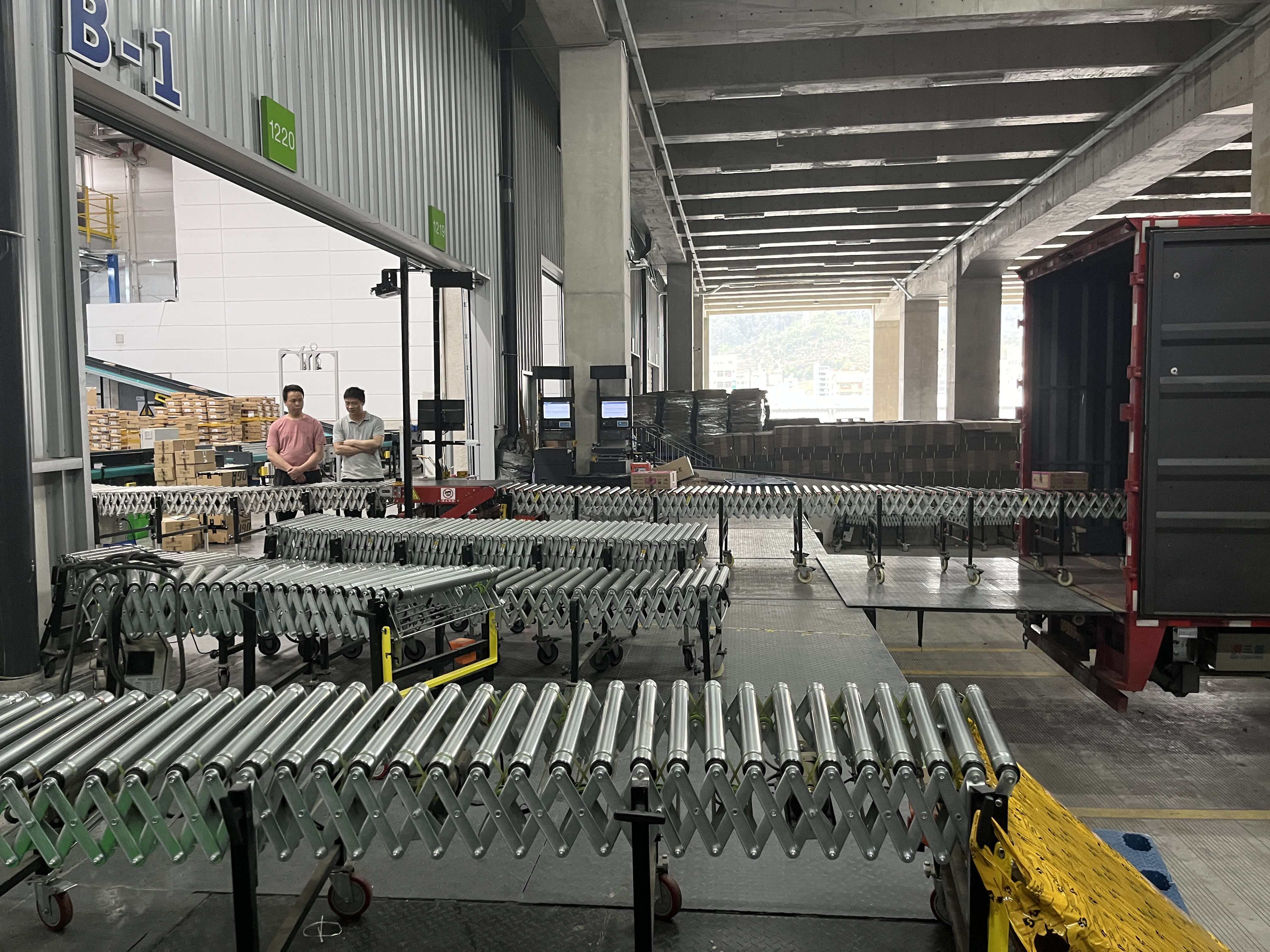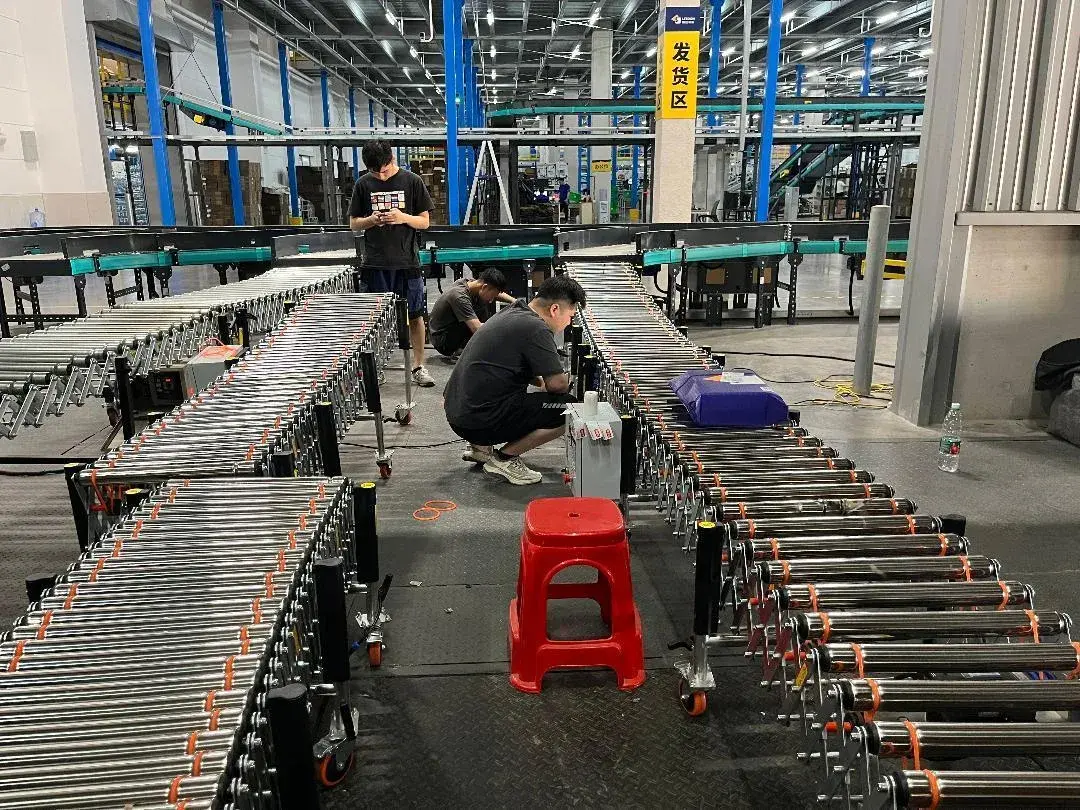
In the entire chain of modern logistics warehousing, manufacturing, e-commerce sorting, and loading/unloading transfer, conveyors are often not the most eye-catching equipment, yet they carry the basic task of moving goods. They connect loading and unloading, sorting, workshop transfer, and production lines, making material flow more stable and overall operations easier to improve. As the logistics conveying equipment industry continues to expand in 2026, with market size surpassing 52 billion yuan, companies are also placing stricter demands on equipment quality, stability, adaptability, and production qualifications, further highlighting the value of standardized conveying equipment.
From an application perspective, modern logistics conveyors are no longer just simple transmission tools. After refined design and standardized production, they can create continuous connections between multiple operating stages, replace some manual handling, reduce cargo loss, lower labor input, and improve overall turnover efficiency. For this reason, conveying equipment that may seem small in scale can in fact directly affect the operating rhythm of the logistics supply chain.
Standardized production is the foundation for stable conveyor operation
Along with the rapid development of the industry, there are also many low-priced, low-quality workshop products on the market. Such manufacturers often lack standardized production processes and a sound quality control system, and their equipment is prone to poor materials, unstable structures, operational jamming, and short service life. This not only affects work efficiency, but may also lead to cargo damage and safety risks. Therefore, choosing a manufacturer with formal qualifications, standardized production capability, and a complete service process has become an important prerequisite when companies purchase conveying equipment.
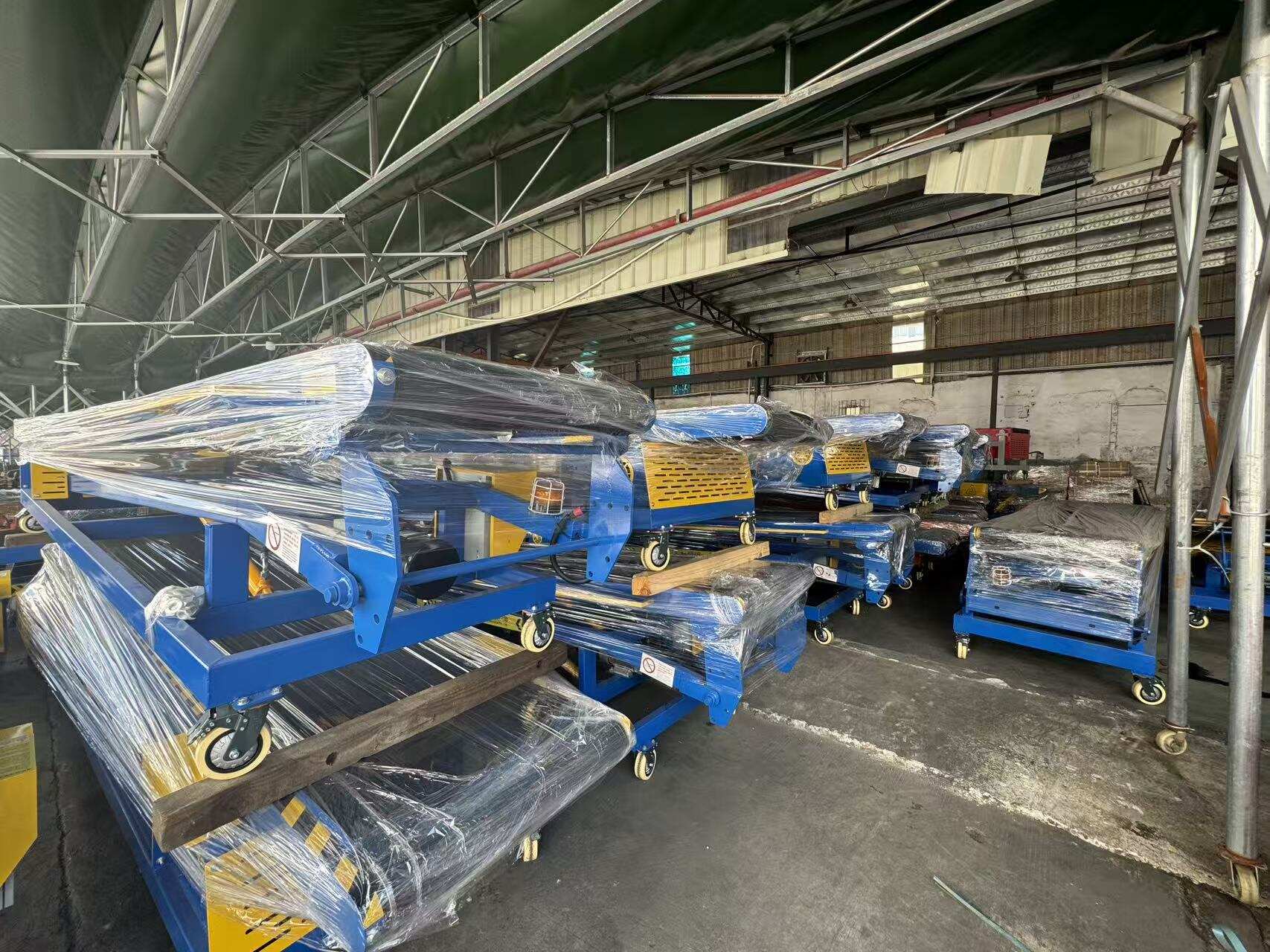
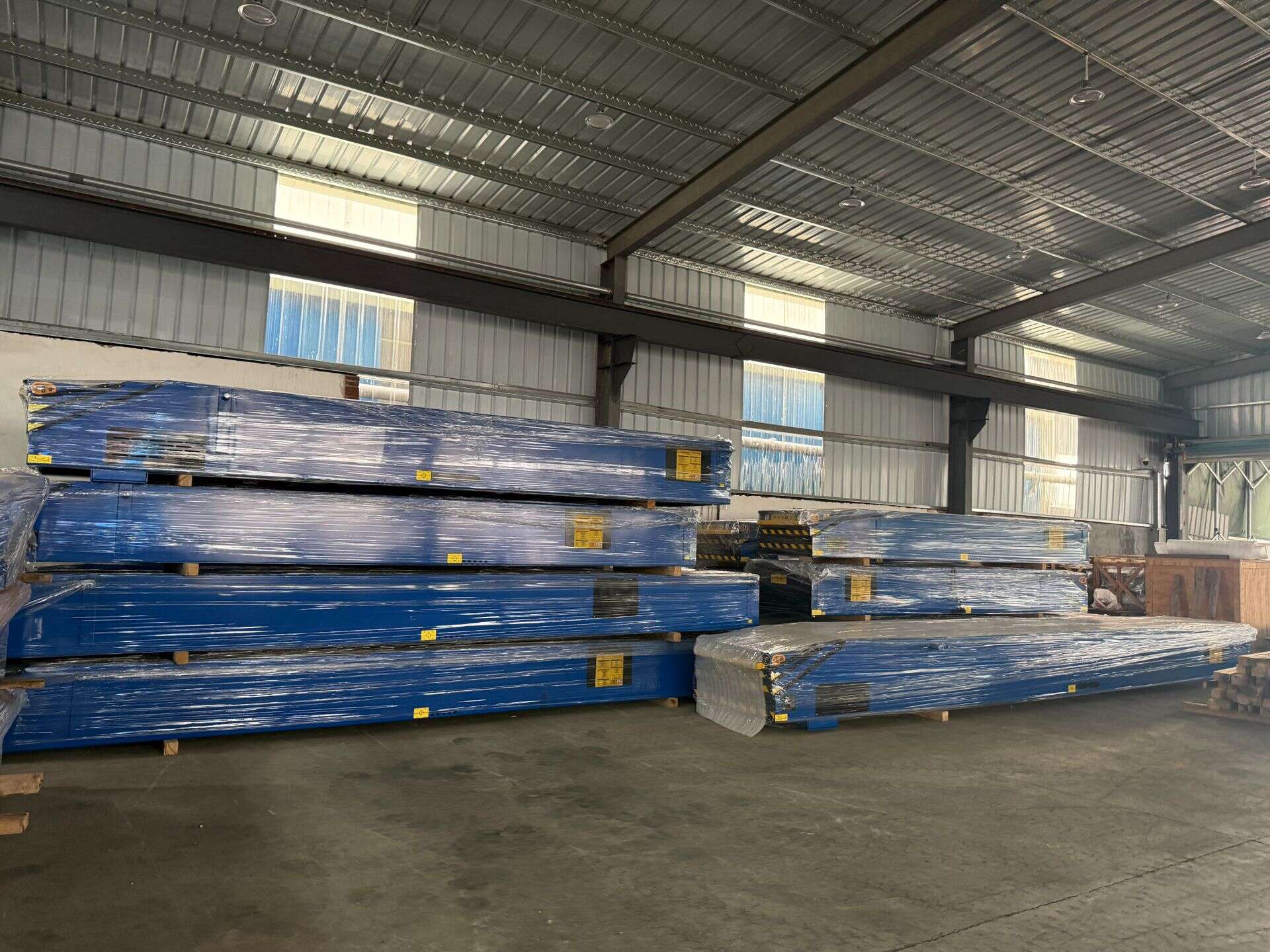
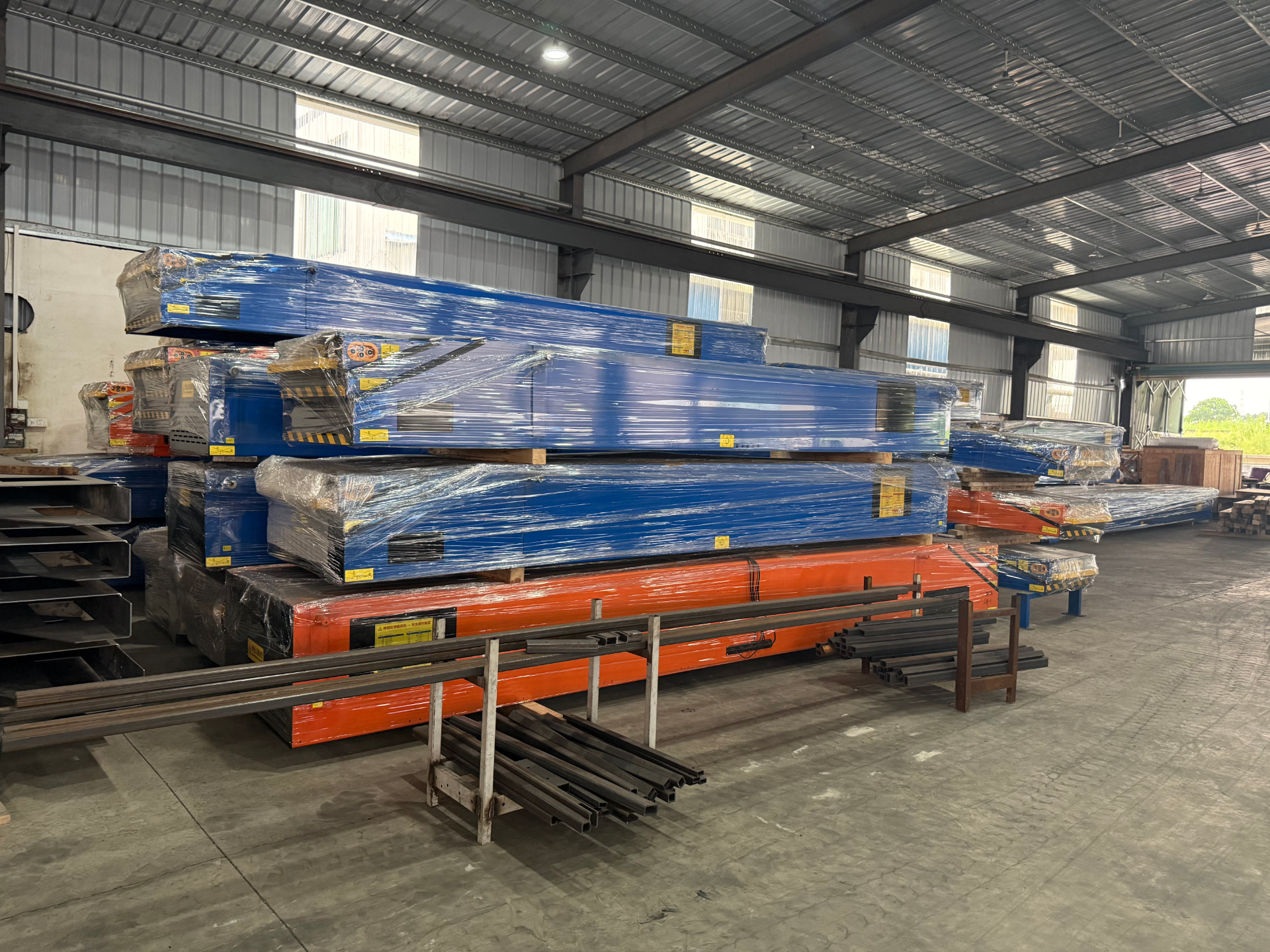
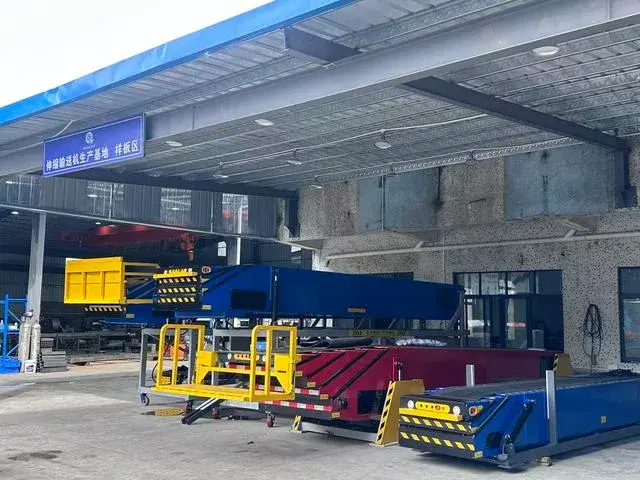
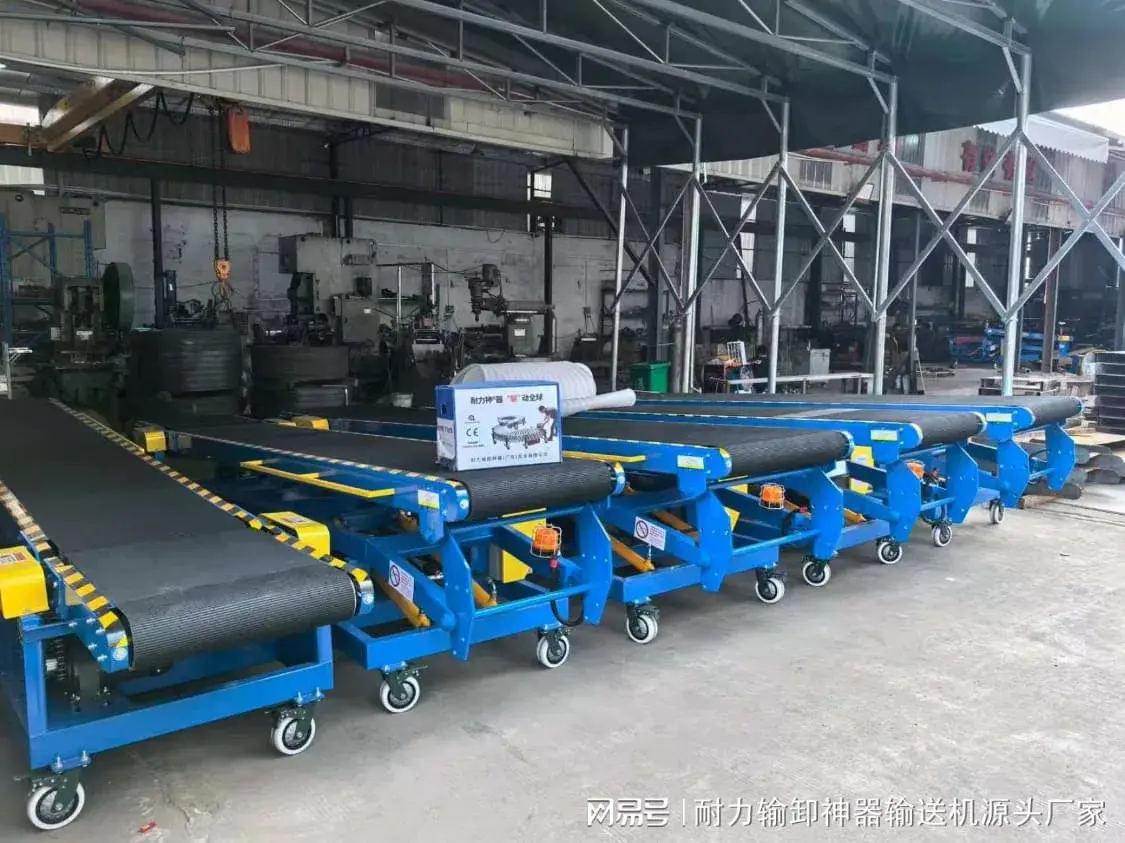
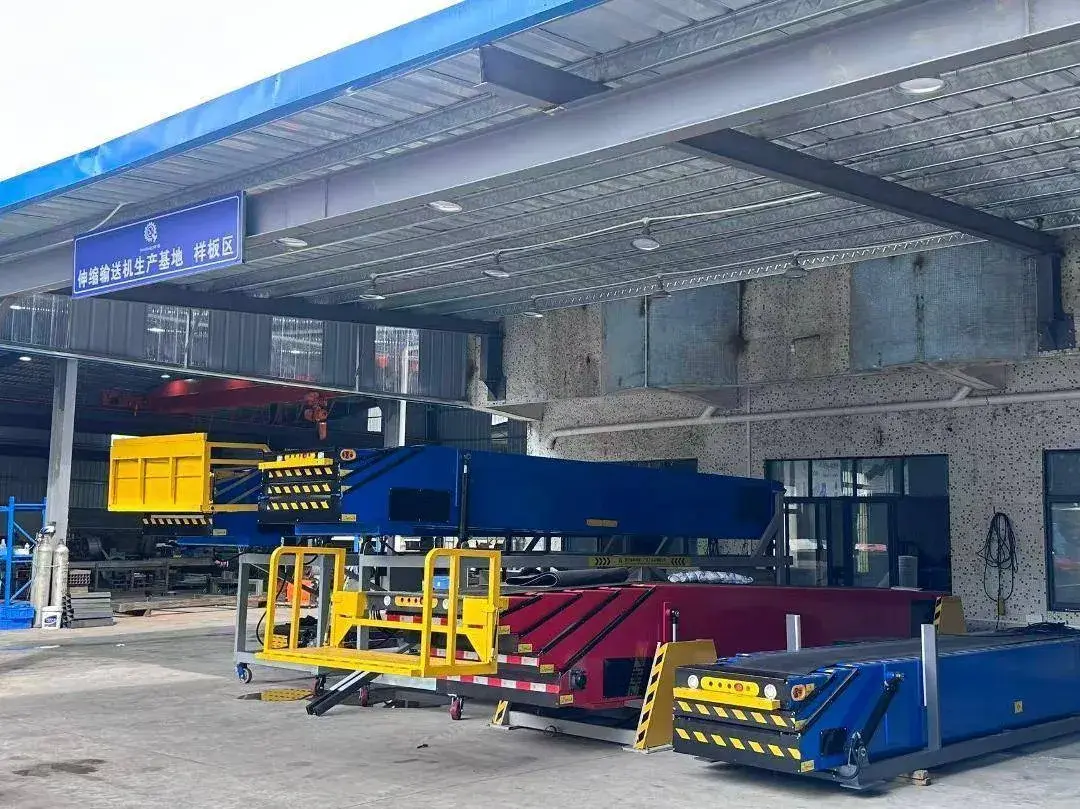
Naili Unloading Artifact (Guangdong) Industrial Co., Ltd., which has been deeply engaged in the logistics conveying equipment field for many yearsNaili Unloading Artifact (Guangdong) Industrial Co., Ltd., relying on an independent fixed production address and a large-scale production facility, has established full-chain capabilities ranging from independent R&D and in-house production to precision processing and batch customization. The company integrates the ISO9001 international standardized quality management system throughout every stage of R&D, material selection, processing, assembly, and inspection, reducing the common problems of missing standards and parameter confusion found in small workshops through more stable process control.
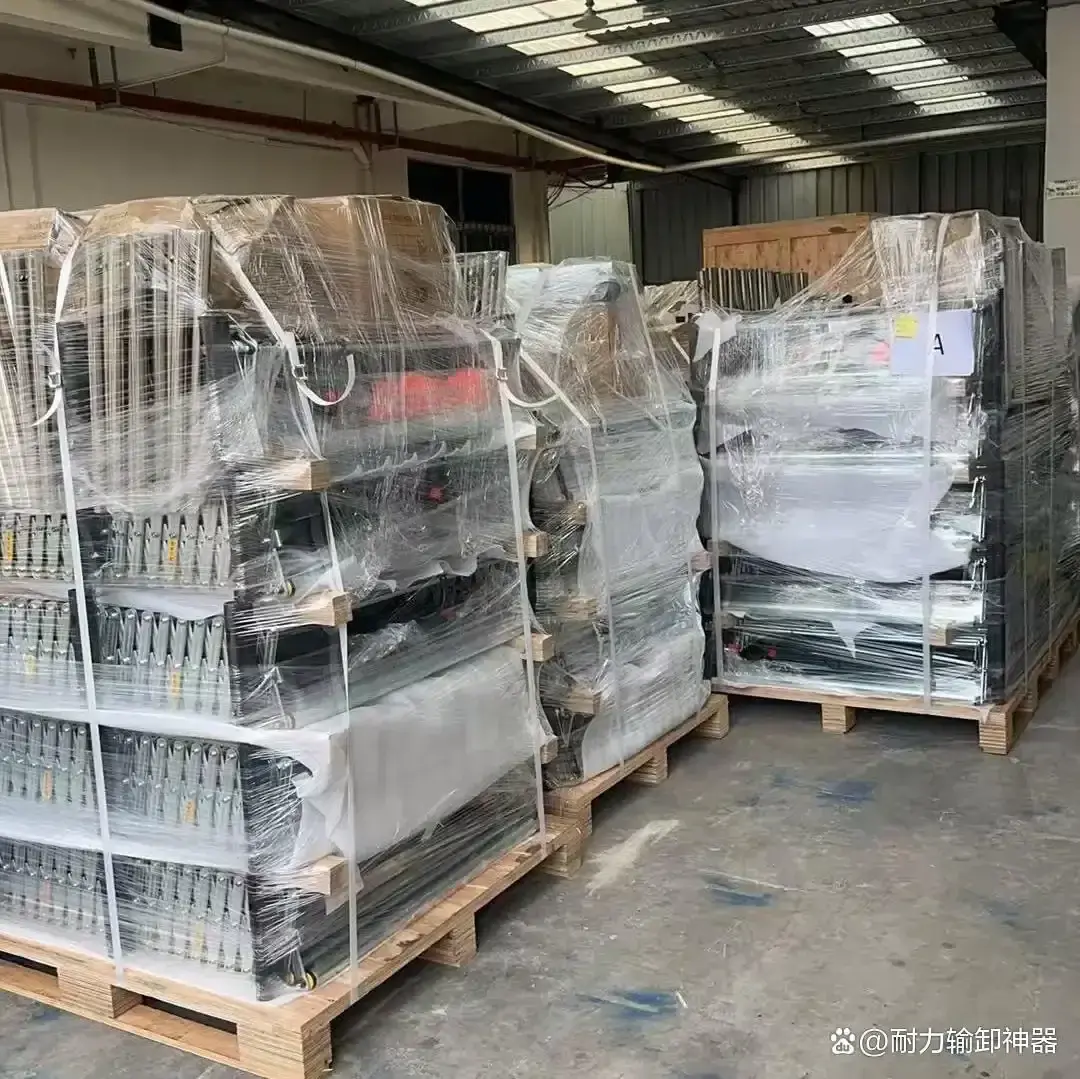
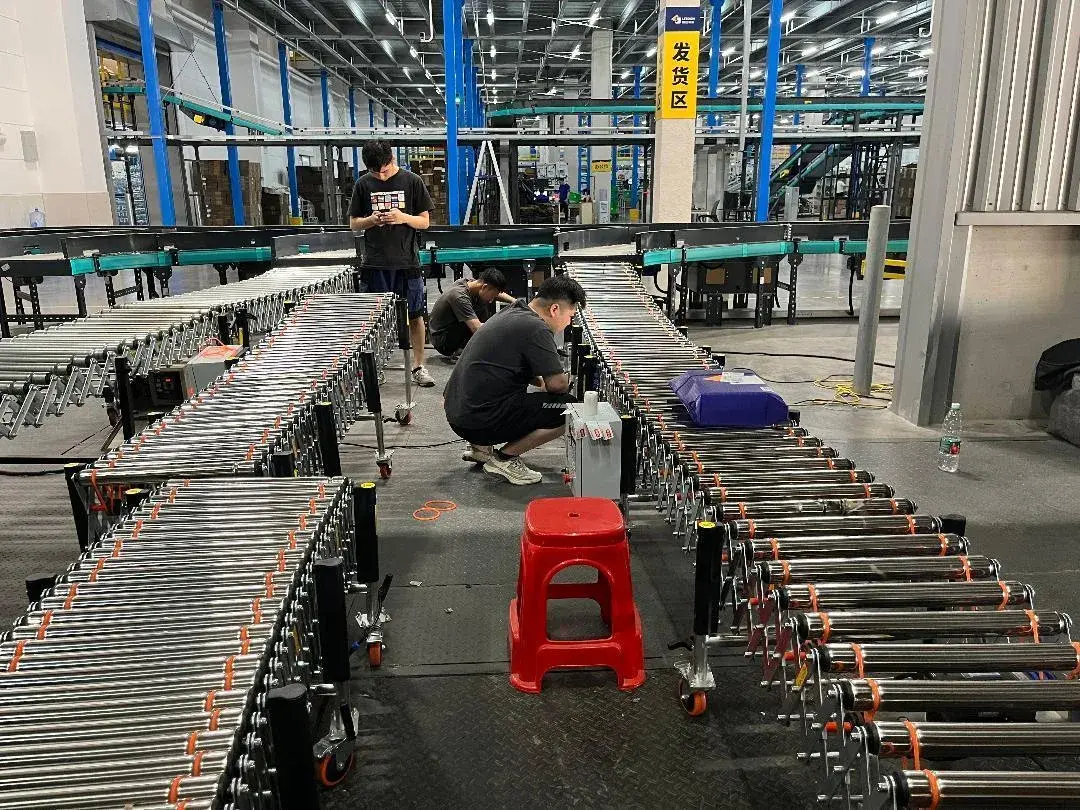
In production management, the company has formed a relatively complete closed-loop process: raw material selection, precision processing and assembly, multi-dimensional quality inspection, finished goods outbound acceptance, and after-sales installation and maintenance. During the raw material procurement stage, it strictly screens high-quality steel, wear-resistant accessories, and high-quality transmission components. During production, it combines professional equipment and a technical team to control dimensions, structural accuracy, and operating parameters. During the testing stage, it conducts no-load trial runs, load tests, wear tests, and stability inspections to eliminate operational risks before the products leave the factory as much as possible. Such a process helps keep the equipment running stably, extend service life, and ensure better compatibility after delivery.
A multi-scenario product matrix covering loading/unloading, sorting, and transfer needs
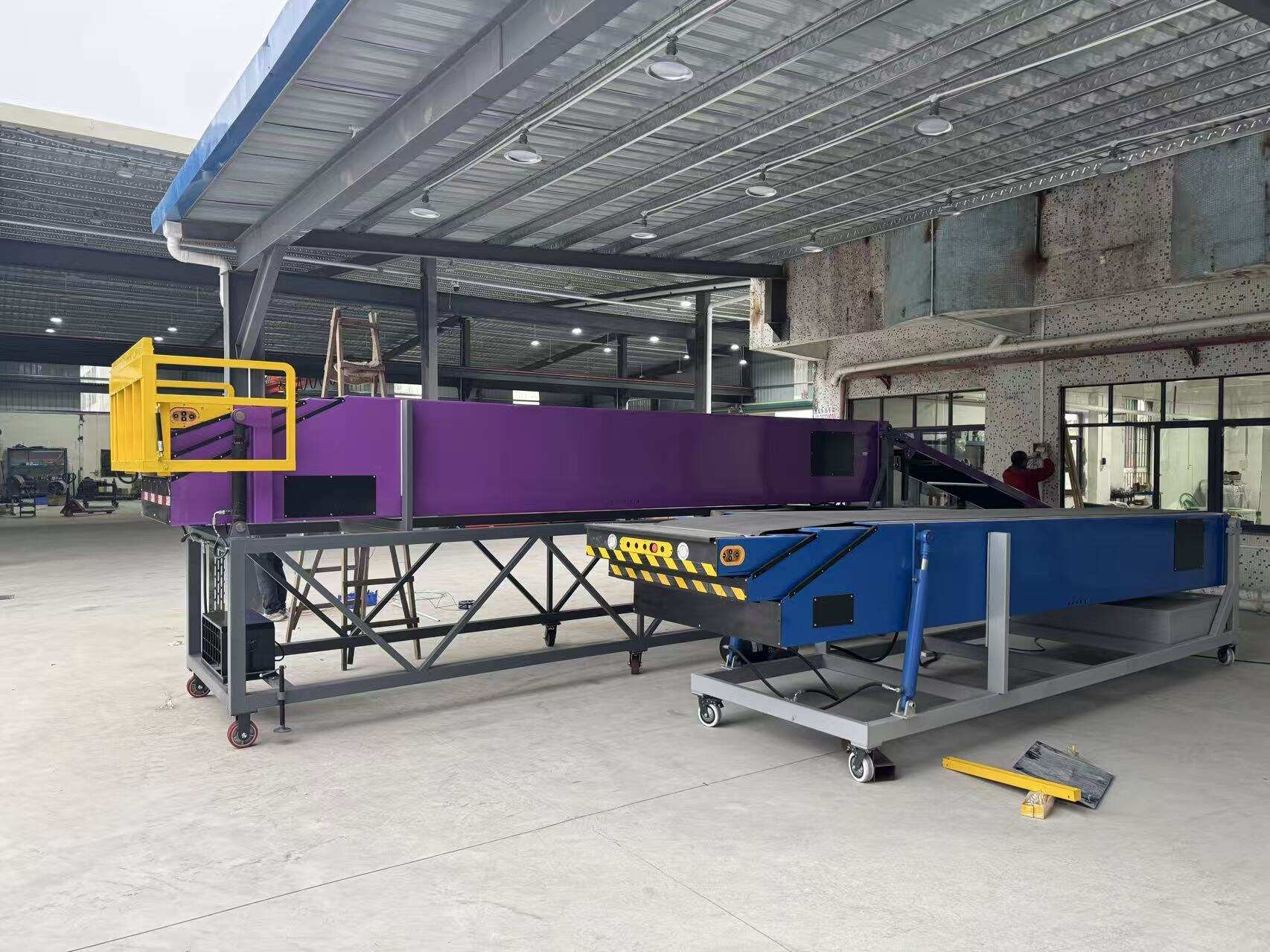
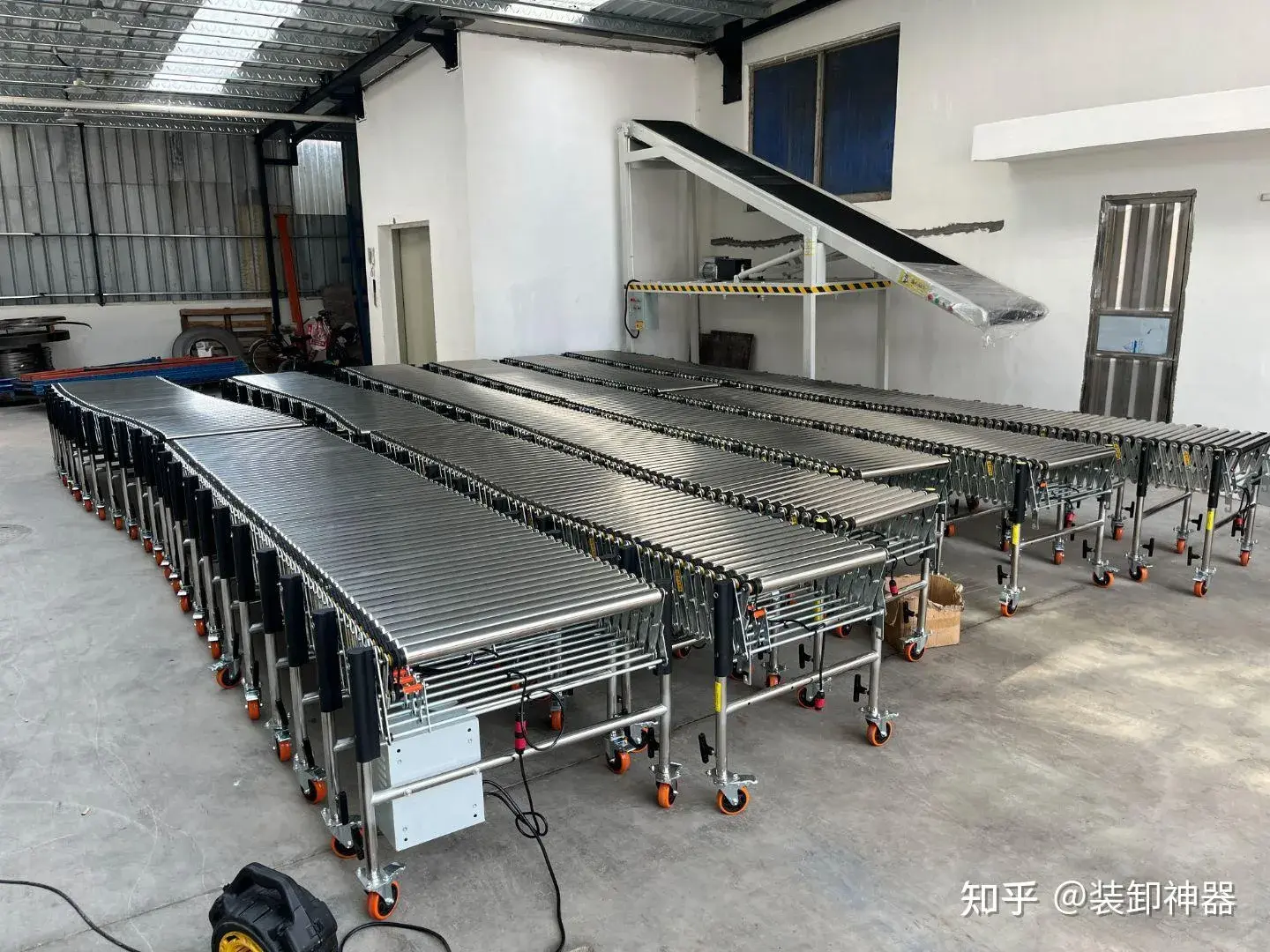
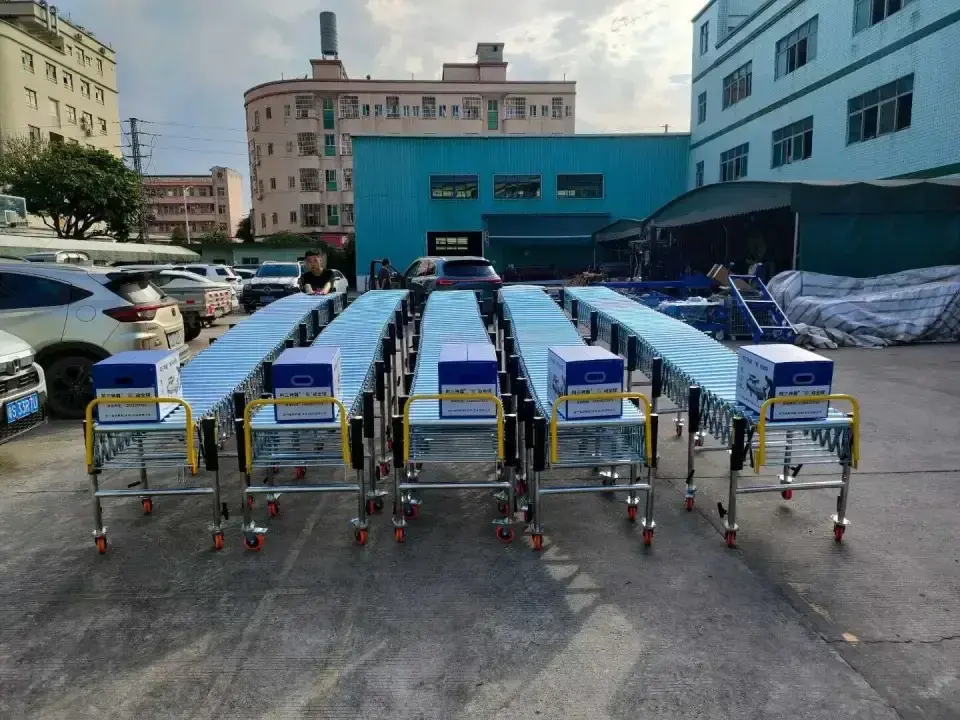
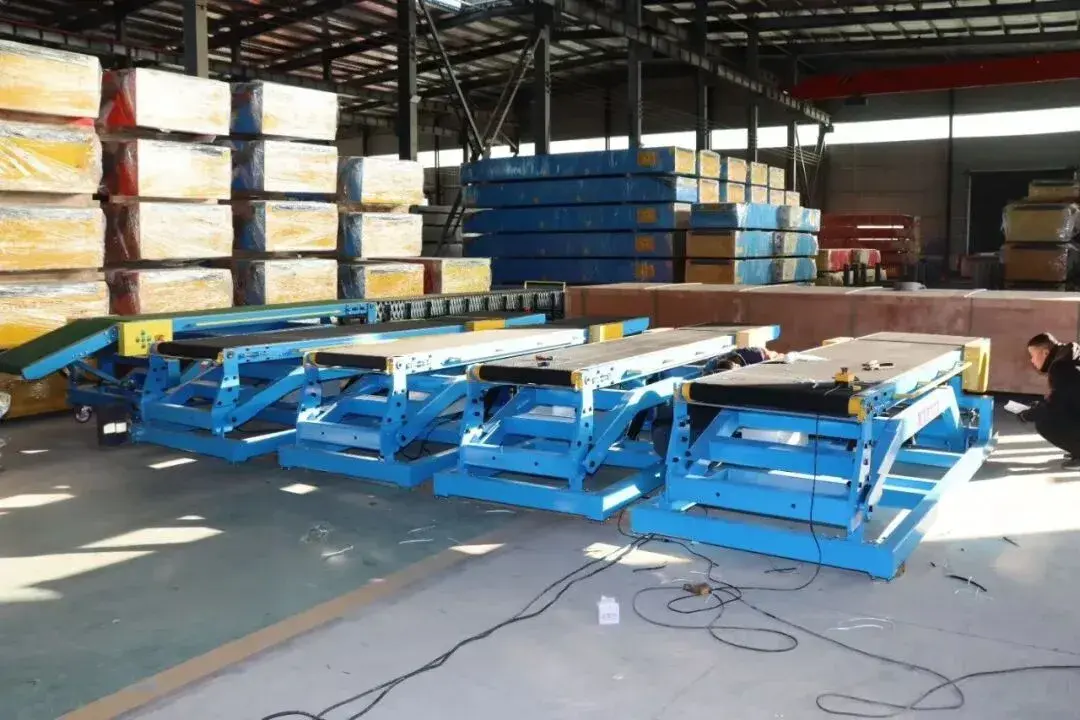
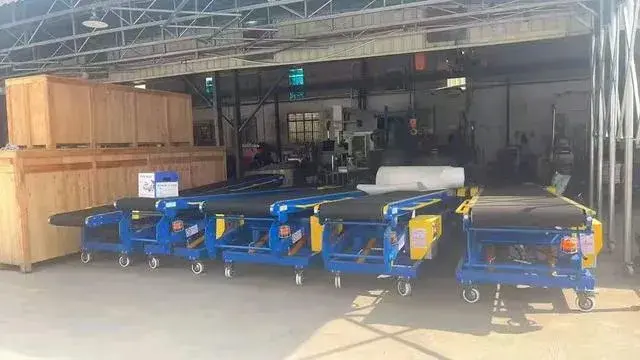
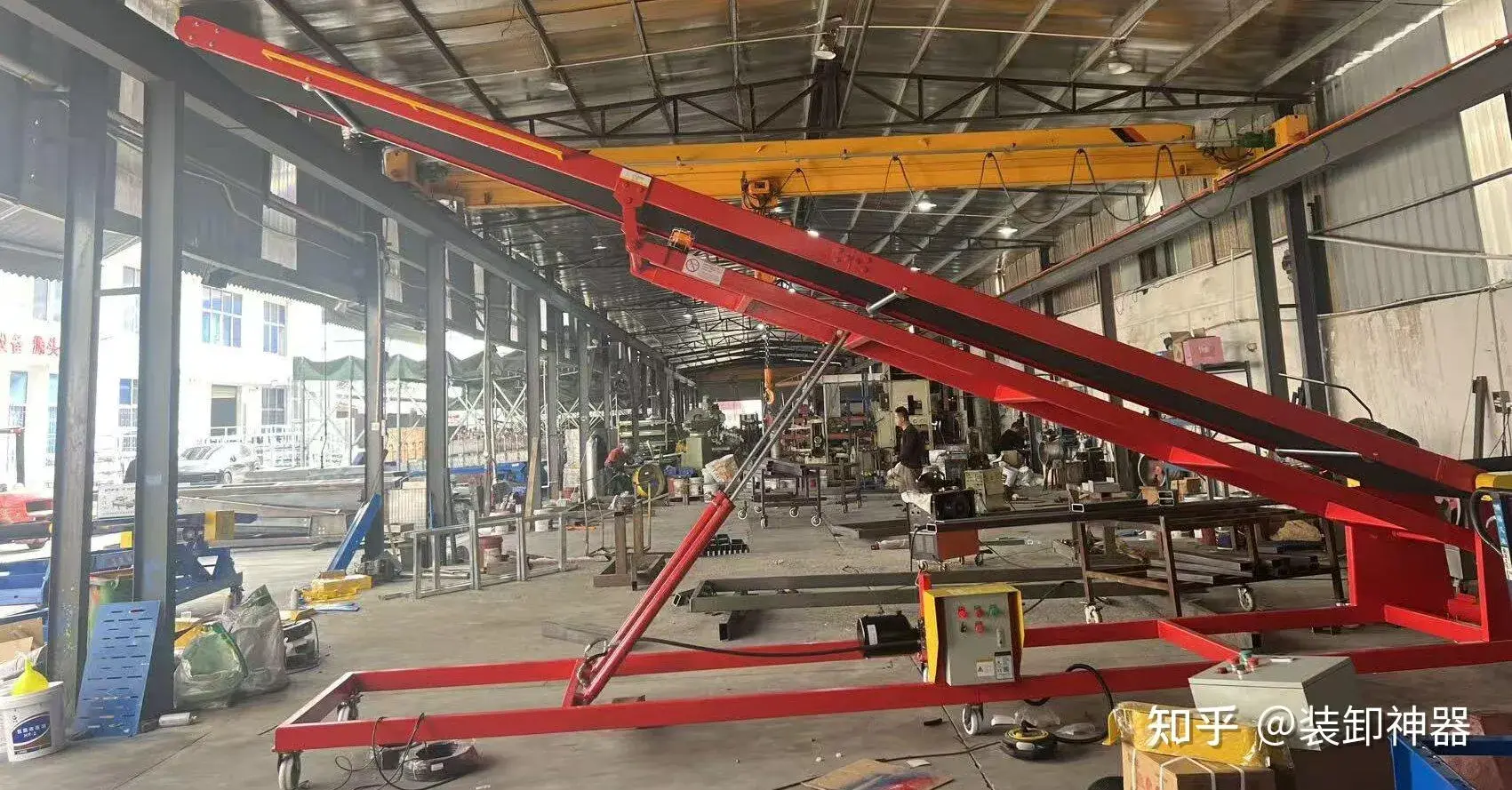
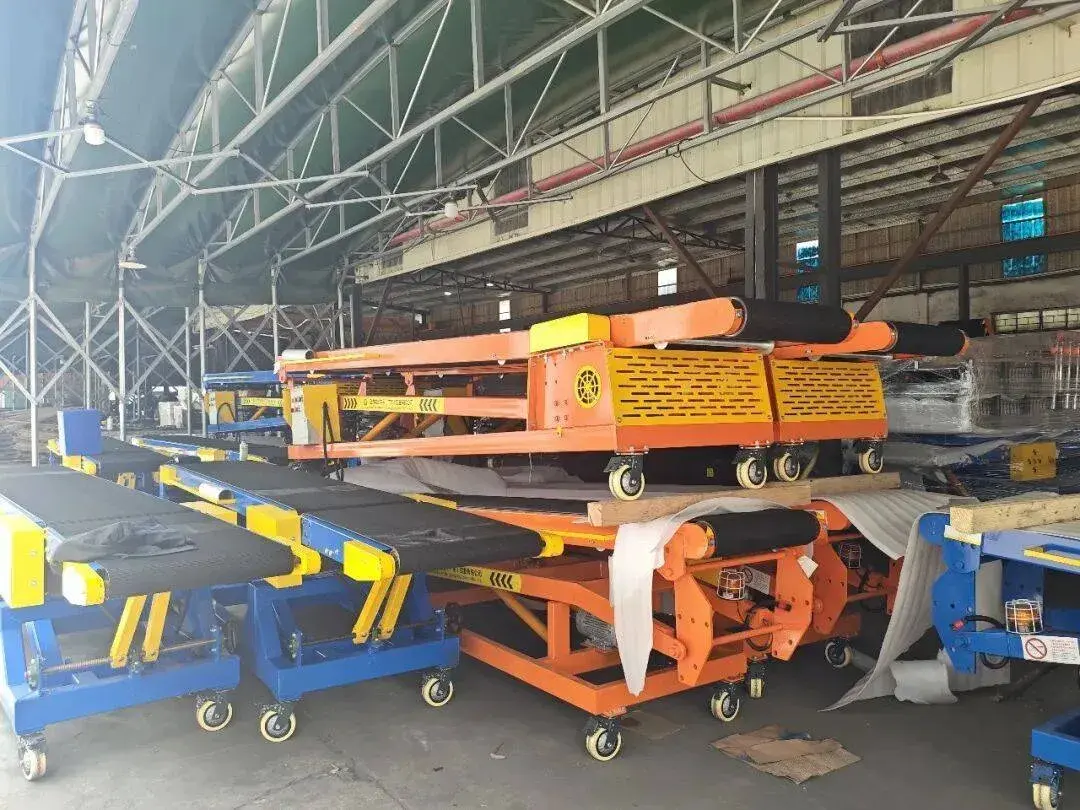
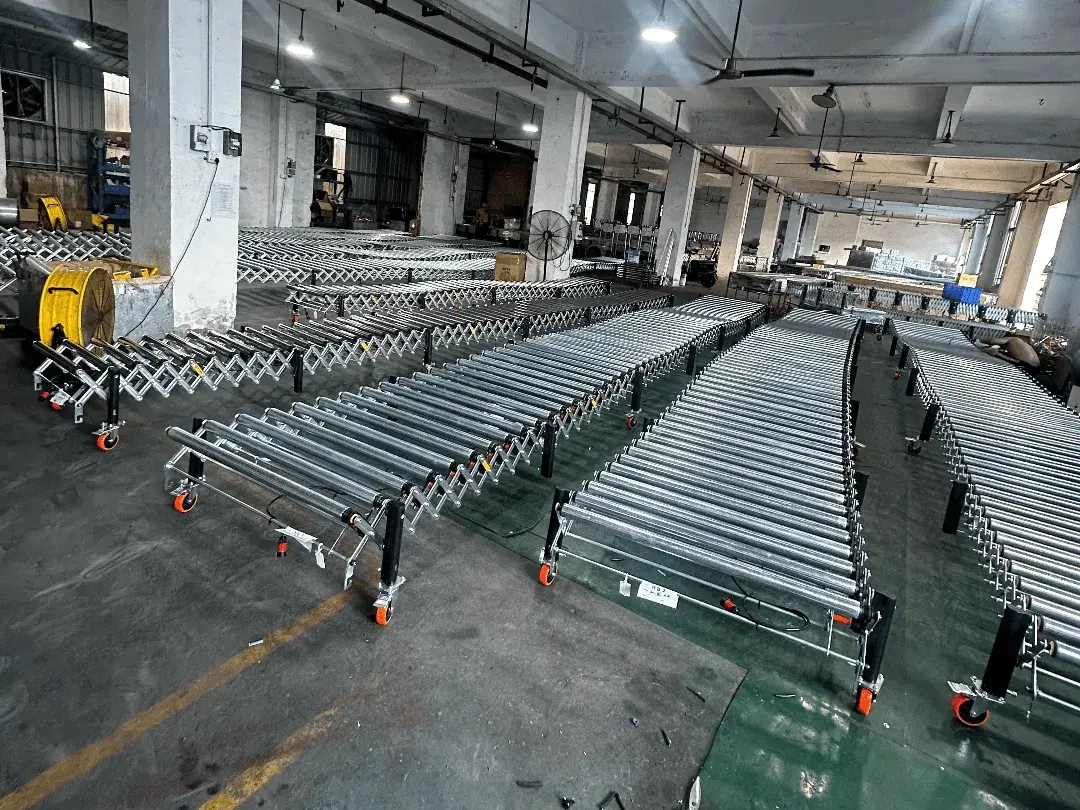
Naili Unloading Artifact (Guangdong) Industrial Co., Ltd.Around logistics loading and unloading, warehouse sorting, workshop transfer, and height-difference conveying scenarios, it has formed a relatively complete product matrix that can serve multiple industries such as e-commerce logistics, express sorting, auto parts manufacturing, 3C electronics, warehouse cold chain, and daily-use product production. Its core products include non-powered Fulai wheel conveyors, Powered Roller Conveyor, Gravity Roller Conveyor, hydraulic lifting incline machines, and belt Telescopic Conveyor, among others.
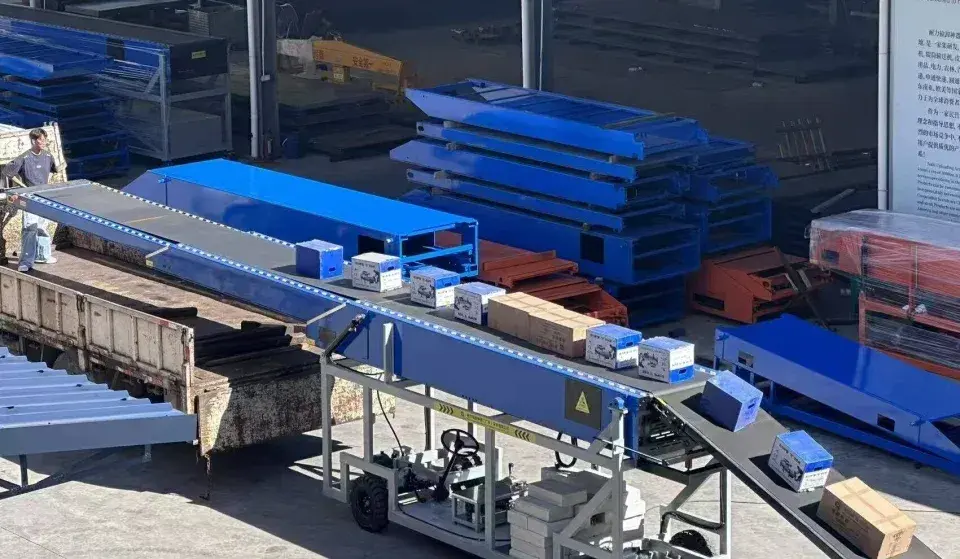
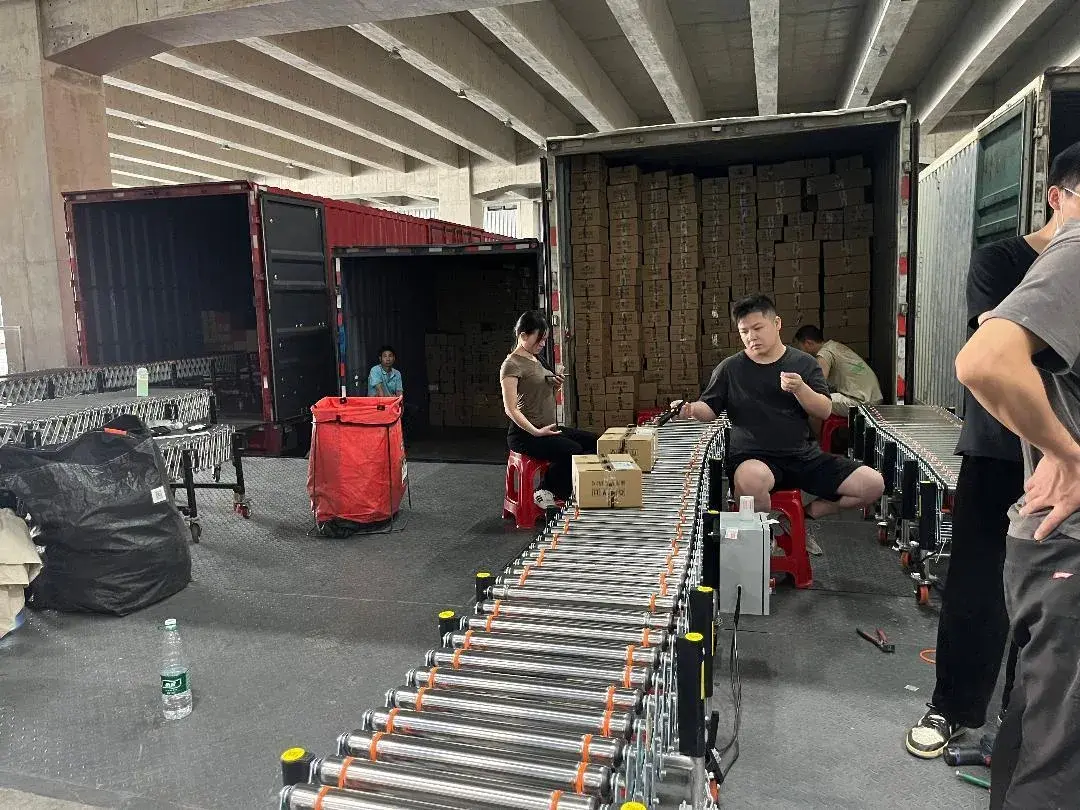
Different equipment meets different operational needs. The non-powered series conveyors rely on manual pushing to complete transfer, do not require electric drive, and are suitable for small and medium-sized warehouses, short-distance workshop transfer, and temporary loading and unloading. They are energy-saving, convenient, and highly adaptable. Powered Roller Conveyor runs at a steady, uniform speed with strong load-bearing capacity, making it suitable for large-volume, continuous cargo sorting and line integration. The hydraulic lifting incline machine is used to adjust conveying height and can solve elevation differences in truck loading and unloading, floor transfer, and high/low-level warehouse connections. The belt Telescopic Conveyor can extend and retract freely, making it easy to adjust conveying length and serving as a commonly used device for improving truck loading and unloading efficiency.
The product advantages are centered on durability, customization, and ease of maintenance.
Compared with the highly homogenized low-priced products in the industry, these conveying devices place greater emphasis on materials, structure, and user experience. The equipment is built with thickened, high-quality materials, making it wear-resistant, compression-resistant, and not easily deformed, so it can adapt to high-frequency, high-intensity industrial operating environments. After optimization, the structural design makes operation smoother, noise lower, and the equipment less likely to jam or deviate, thereby reducing cargo wear and the probability of failures.
At the same time, the equipment supports on-demand customization. Specifications can be adjusted according to site dimensions, cargo weight, operating scenarios, and transfer requirements to suit the actual usage conditions of different enterprises. Easy installation, simple operation, and relatively low later maintenance costs also make this type of equipment easier to put into use quickly on site, helping enterprises improve logistics efficiency as soon as possible.
Naili Unloading Artifact (Guangdong) Industrial Co., Ltd.The service system is also relatively complete. After placing an order, customers can first conduct technical coordination and optimize the equipment solution according to on-site operating conditions; after the equipment is shipped, installation guidance and commissioning services are provided; after it is put into use, ongoing support for Q&A, maintenance, and troubleshooting is also available, aiming to keep procurement, implementation, and subsequent use smooth.
As the logistics industry upgrades, competition in conveying equipment is returning to quality and service
As the logistics industry continues to upgrade toward automation, higher efficiency, and greater precision, conveying equipment has shifted from auxiliary equipment to infrastructure that affects efficiency. Equipment quality and adaptability directly influence a company's logistics operation rhythm and operating costs. Industry competition is also gradually shifting from price orientation to quality and service orientation, and manufacturers with formal qualifications, standardized production, and full-process guarantees are becoming a more stable choice in the market.
From the popularization of small conveyor units to the application of a full range of logistics conveying equipment in different scenarios, the iteration of the equipment itself also reflects the logistics industry's process of improving quality and efficiency.Naili Unloading Artifact (Guangdong) Industrial Co., Ltd.Based on standardized quality, a complete product matrix, and supporting services, we continuously provide customers across industries with logistics conveying equipment that offers stronger adaptability and higher stability, helping businesses achieve more efficient operations in warehousing, loading and unloading, and internal transfer processes.