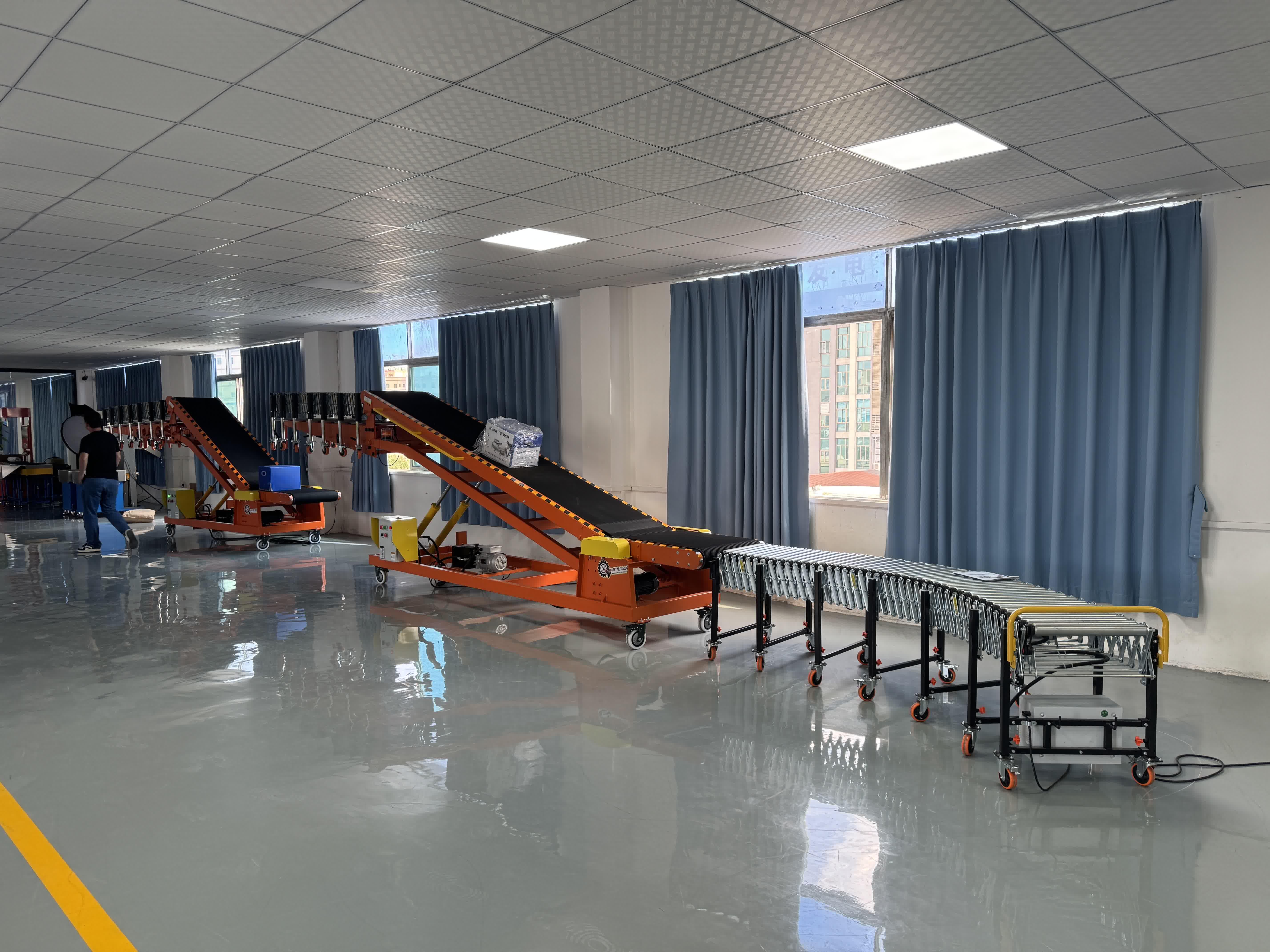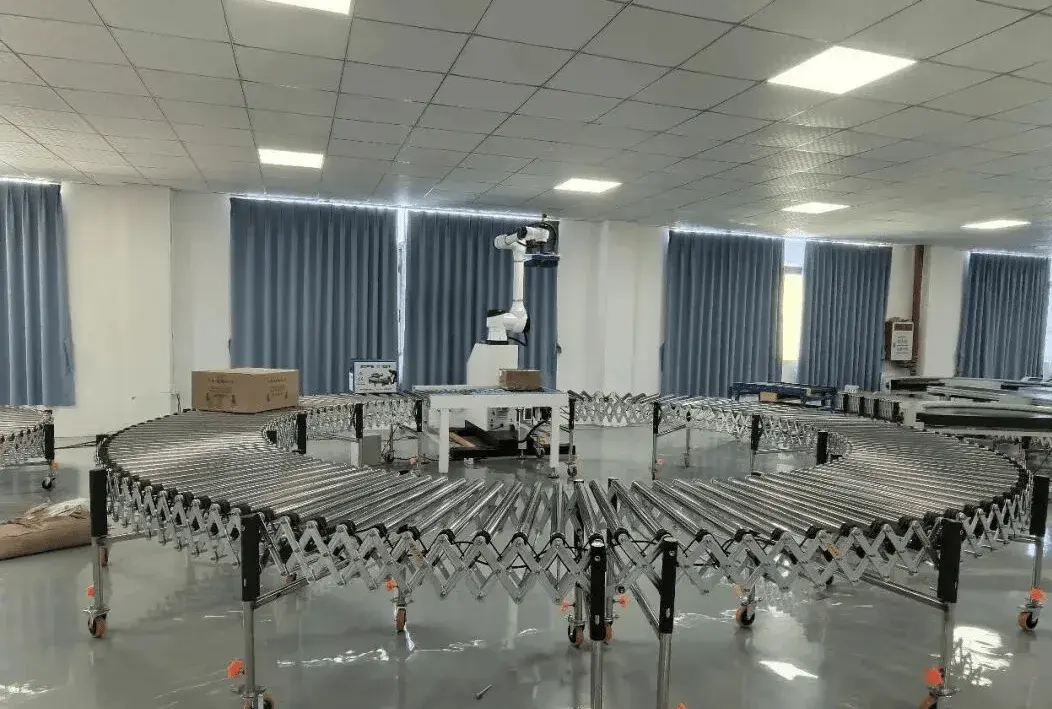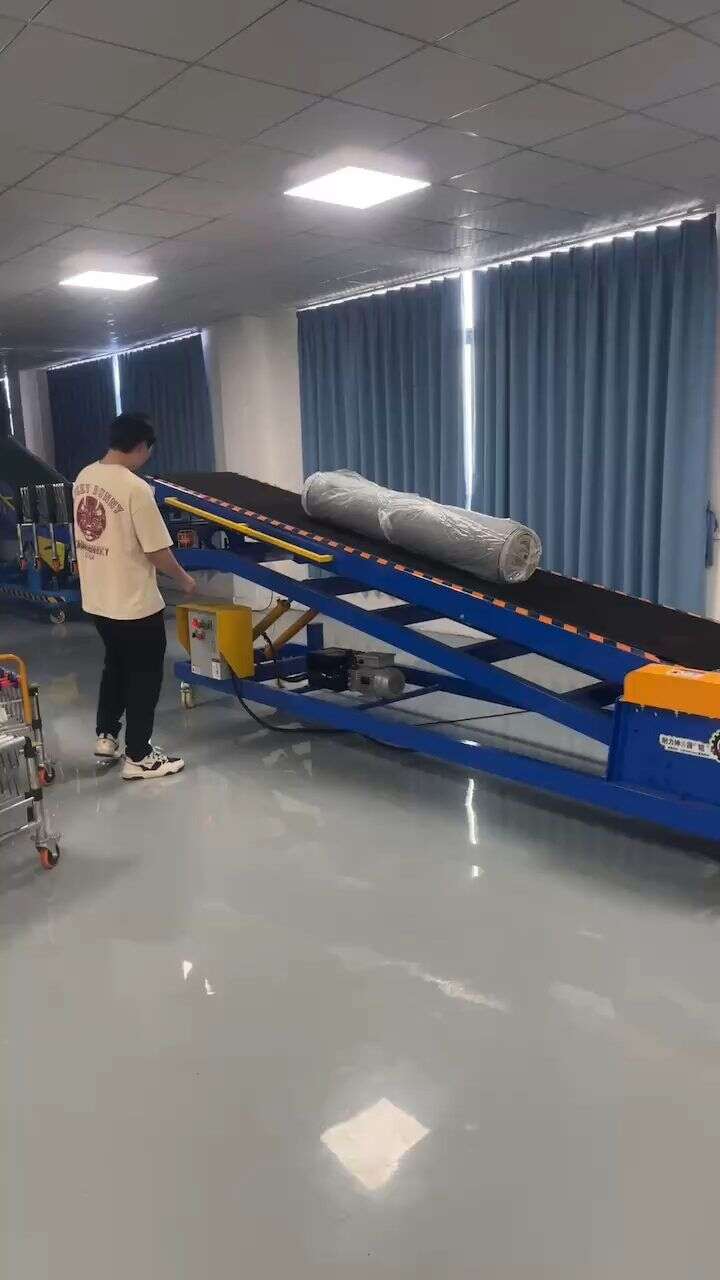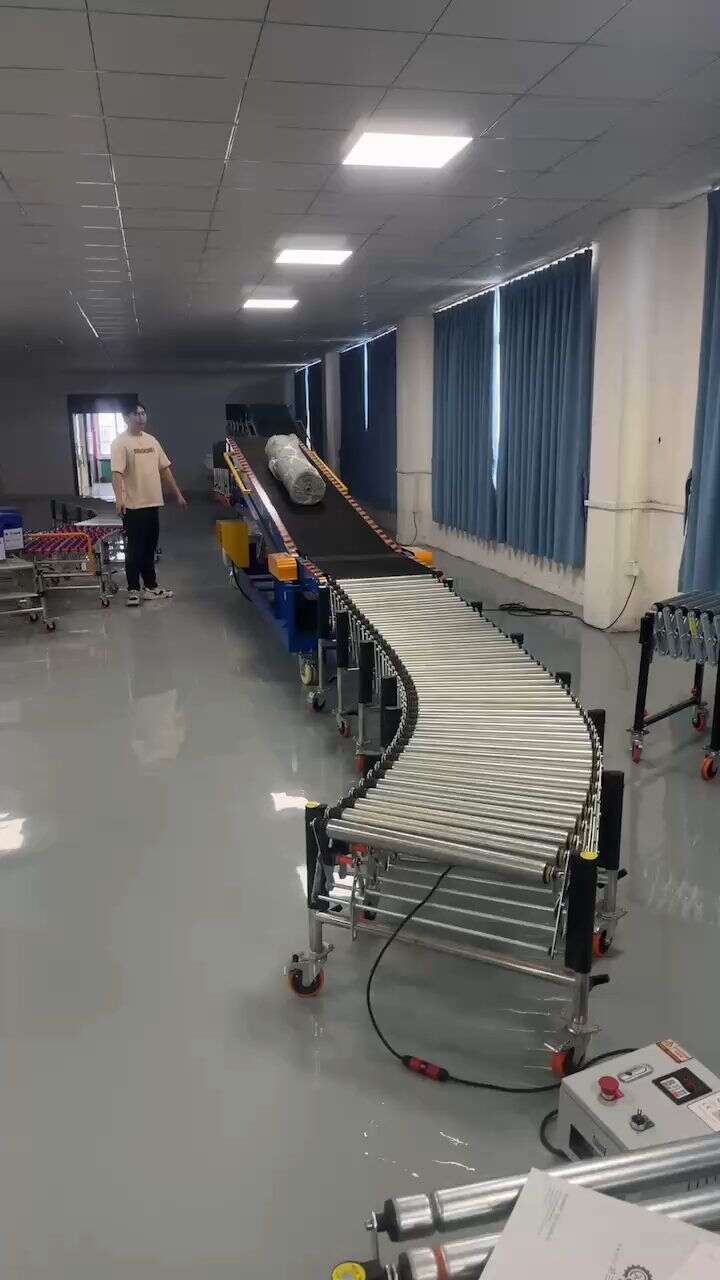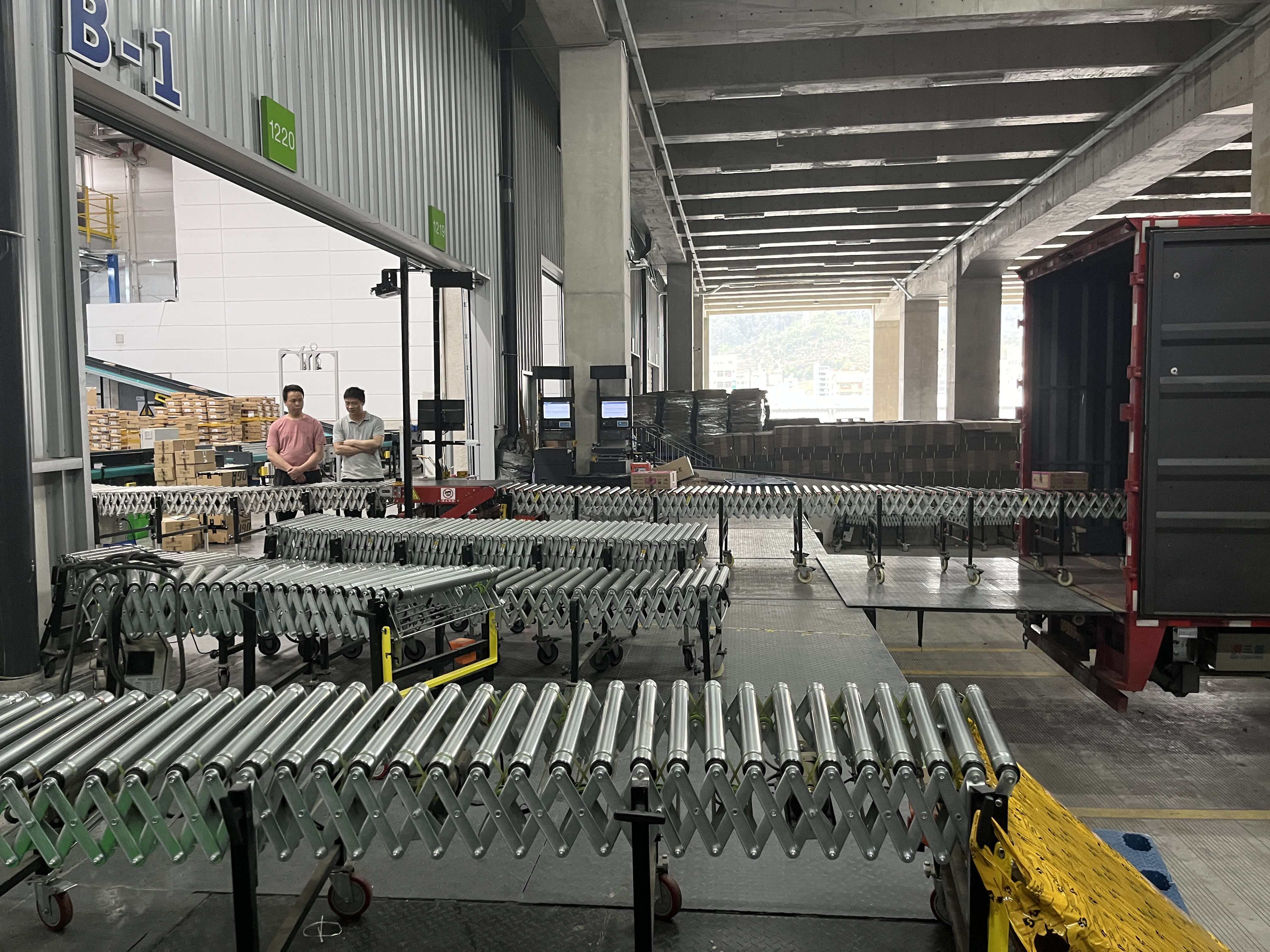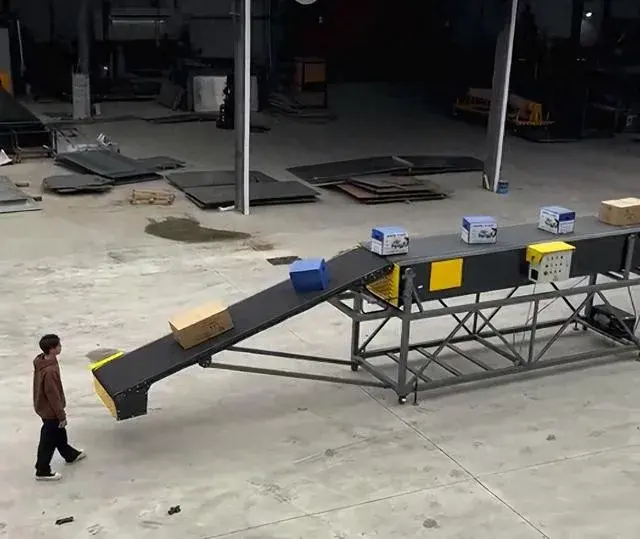
Over the past two years, discussions about smart logistics and unmanned warehouses have been widespread, but few companies have truly implemented end-to-end unmanned operations on a large scale. For many small and medium-sized manufacturing warehouses and e-commerce fulfillment warehouses in the Pearl River Delta, the most practical issue is not whether they can achieve everything in one step, but how to first address the loading and unloading processes that are the most time-consuming, labor-intensive, and prone to problems.
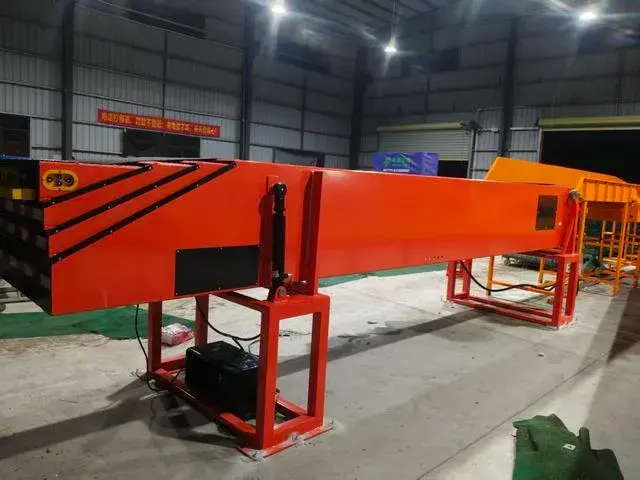
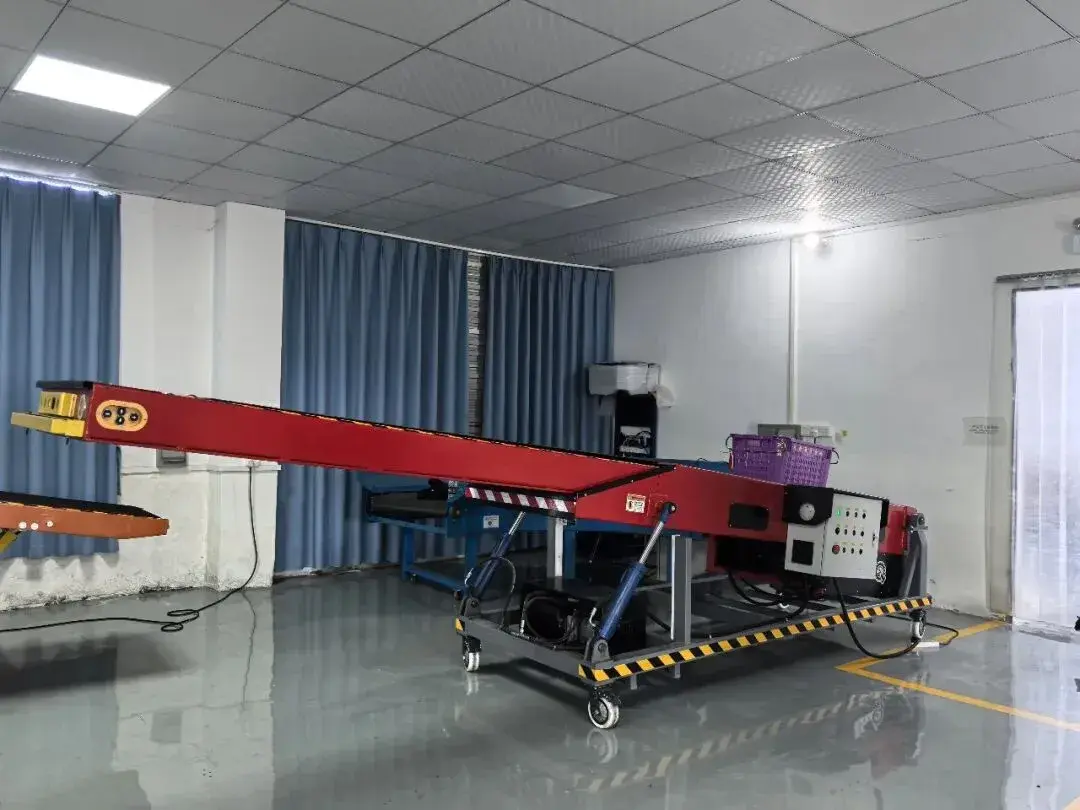
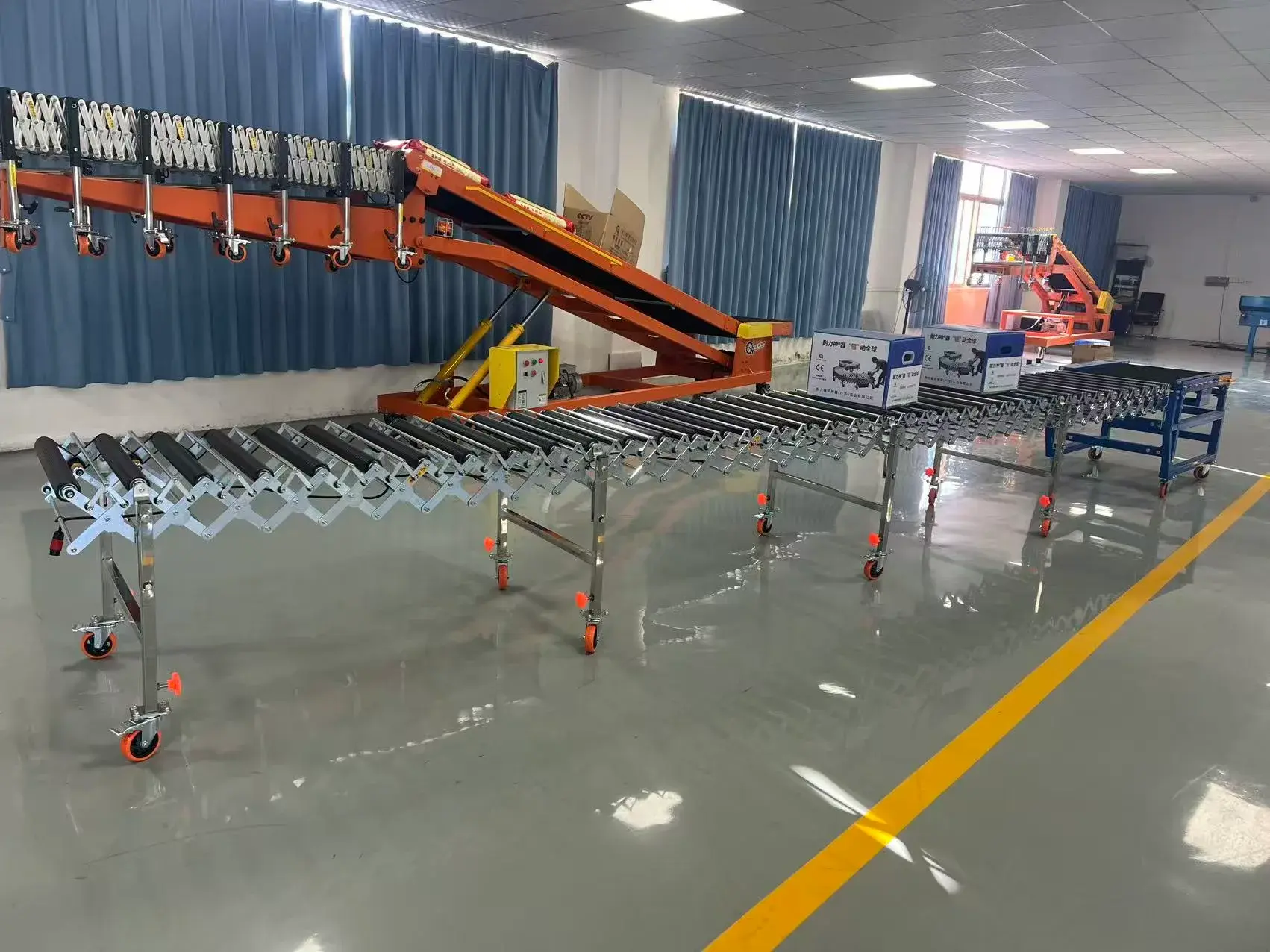
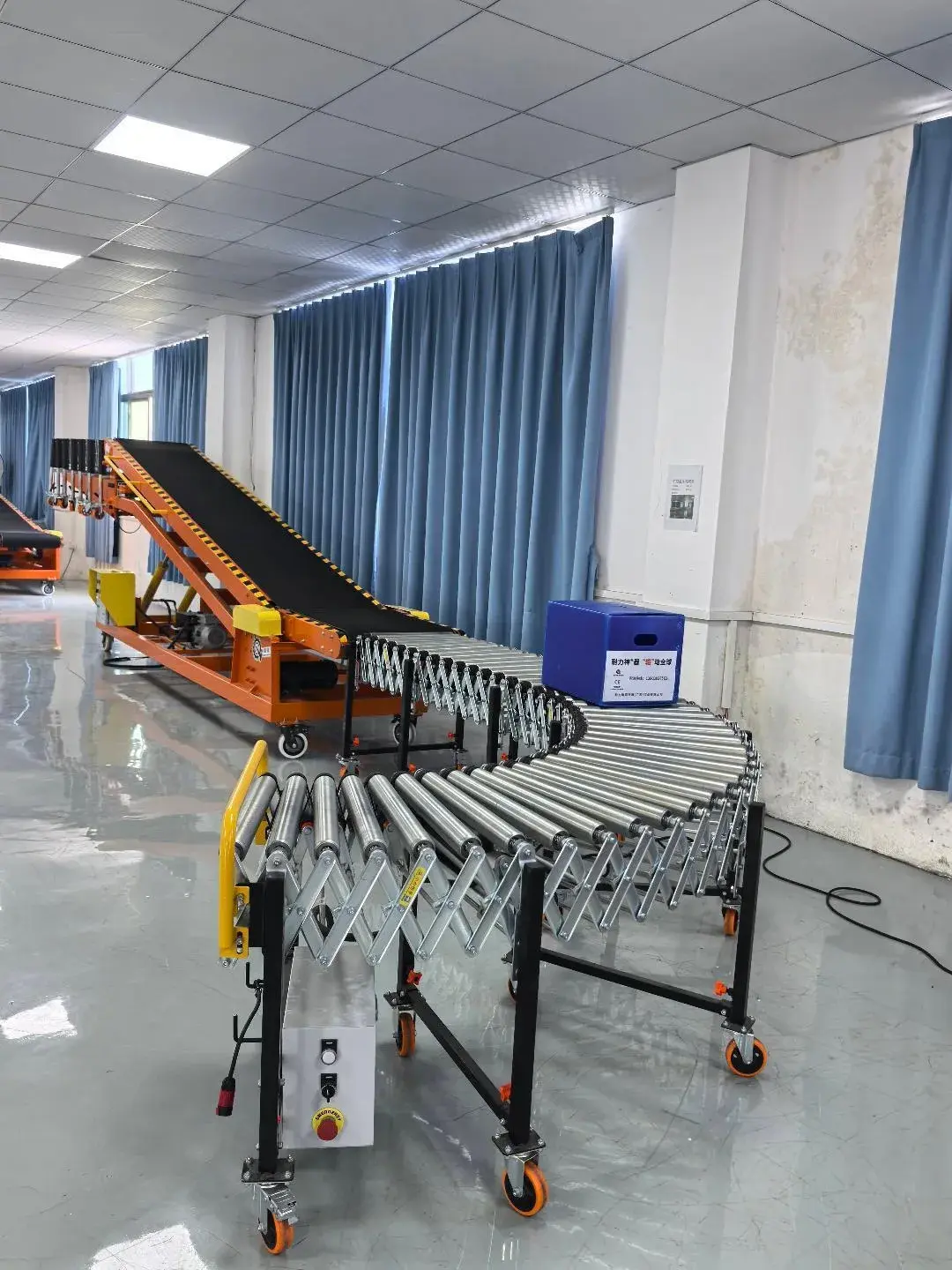
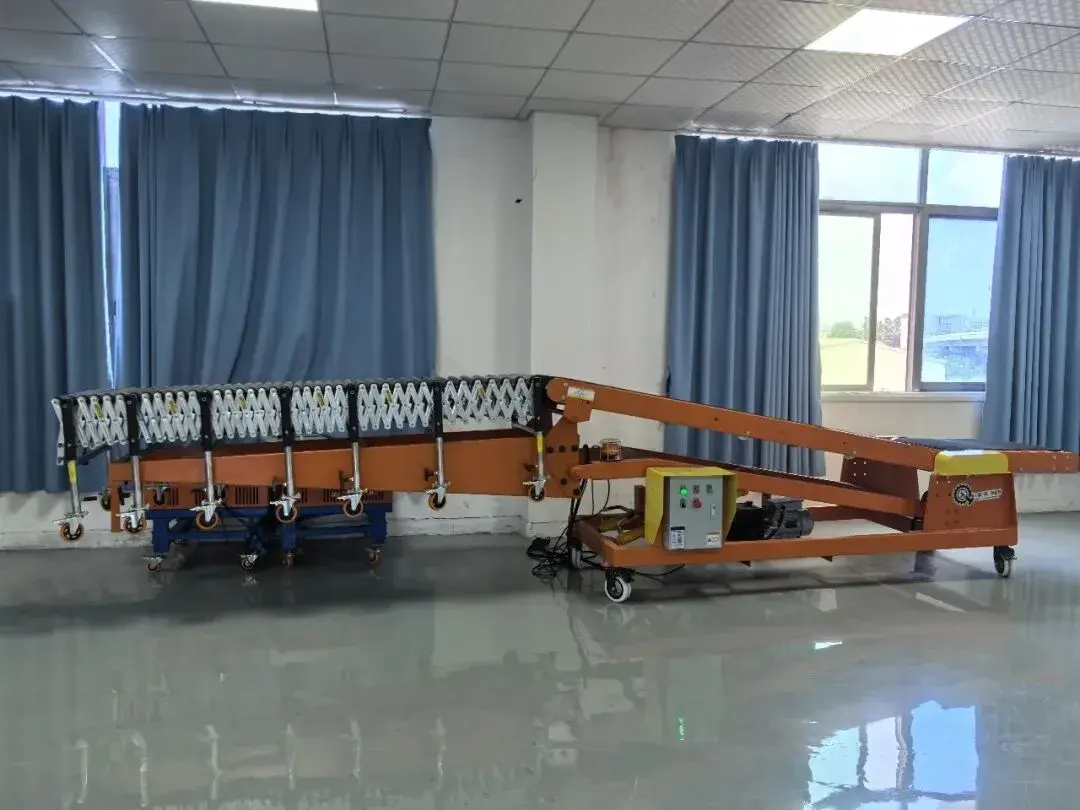
In actual use scenarios, telescopic belt conveyors are repeatedly mentioned because they better fit the pace of upgrades in small and medium-sized warehouses. They do not require extensive demolition and reconstruction or rely on complex building foundations. Once the equipment arrives and commissioning is complete, it can be put directly into truck loading and unloading operations.
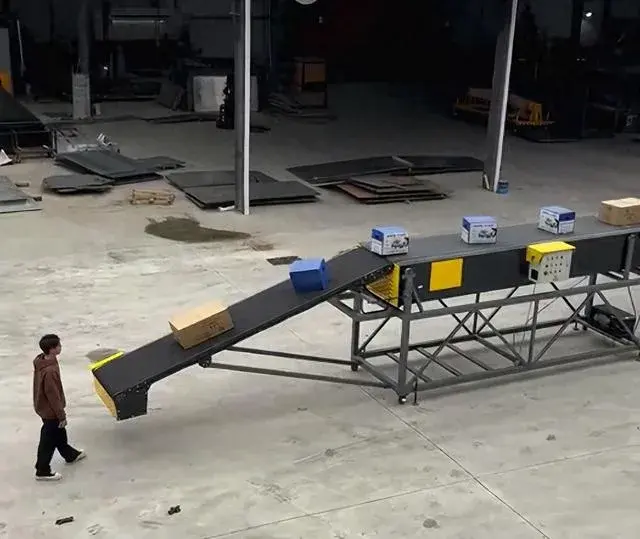
Address loading and unloading first, then discuss overall automation
When many factory managers see automation case studies, their first reaction is to install large-scale equipment directly, hoping to achieve unmanned operations all at once. However, in ordinary warehouses, loading dock dimensions are irregular, product specifications vary, and truck types are not standardized. After investing in high-end systems, they often encounter problems such as insufficient adaptability and low utilization.
By comparison, a more pragmatic approach is to upgrade in stages. Improving the frequently used truck loading and unloading process first, and then gradually advancing other warehouse operations, allows investment to be concentrated where improvements are most needed. Telescopic belt conveyors have become the preferred choice for many companies precisely because of this approach.
Better suited to labor shortages
Loading and unloading is inherently physically demanding work, and employee turnover has remained high, especially on night shifts. Difficulties in recruiting and retaining workers directly affect loading speed and increase the risks of cargo damage and accidents.
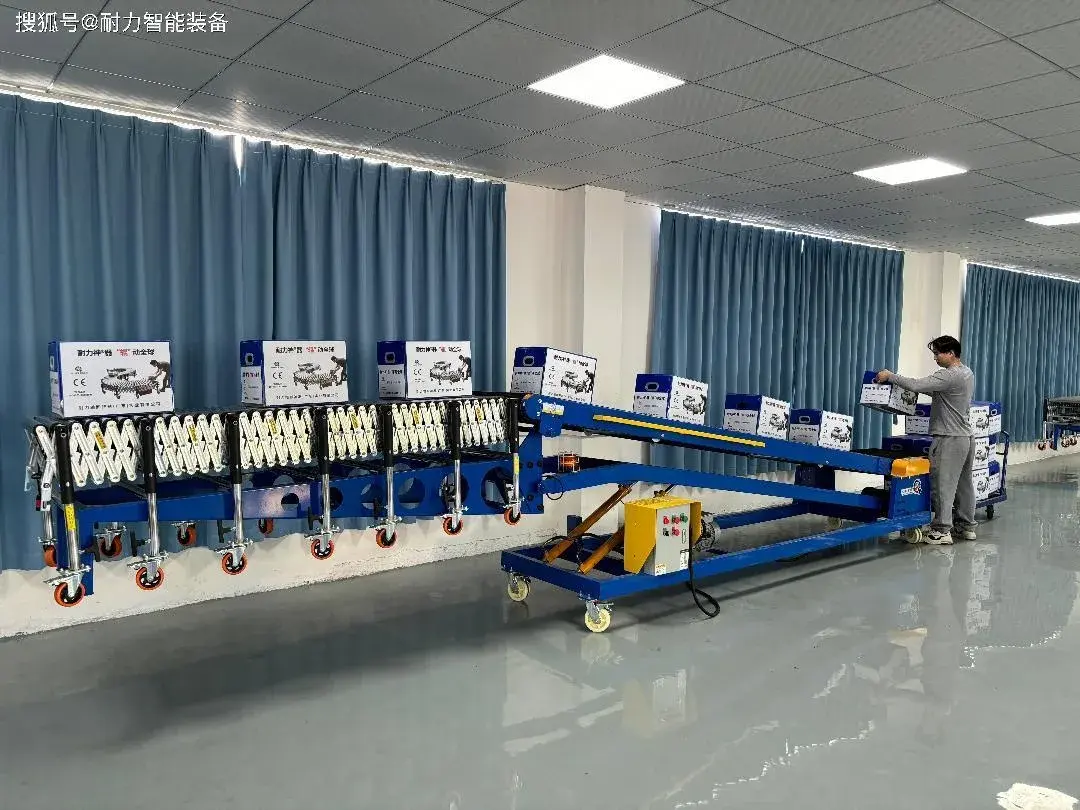
After a telescopic belt conveyor is installed, operations become more focused. Workers no longer need to repeatedly carry goods; they only need to organize and arrange them inside the truck, significantly reducing physical strain and making it easier to improve the stability of night-shift positions. For many companies, the purpose of introducing this type of equipment is not merely to improve efficiency, but more importantly to ease the practical pressure of recruiting and retaining workers.
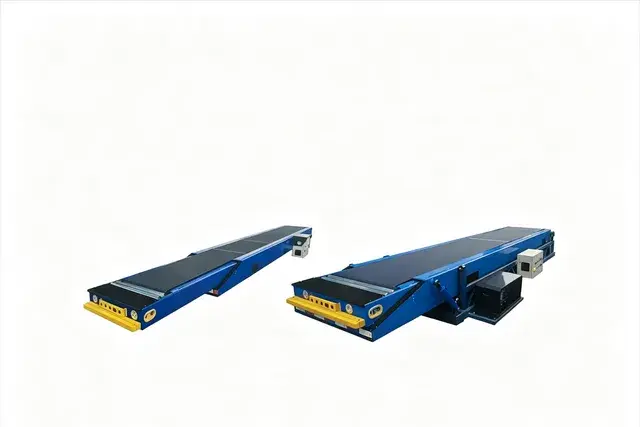
Equipment selection cannot be based on parameters alone
A telescopic belt conveyor is not a universal solution, either. When purchasing one, you cannot focus solely on whether it can extend.
More importantly, the decision should be based on the characteristics of your own operations. If the main goods are heavy, oversized items or sharp materials, a standard belt conveyor may not be suitable. If the main goods are standardized cartons or parcels, it is more likely to deliver value during loading and unloading. At the same time, the equipment configuration should be determined comprehensively based on the height difference at the loading dock, the available space at the entrance, and whether daily operations involve more loading or unloading.
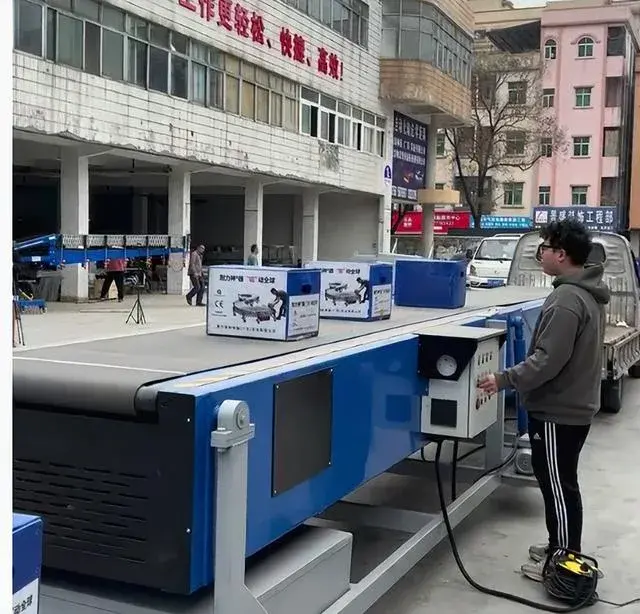
Upgrades that fit the pace of the business deliver greater value
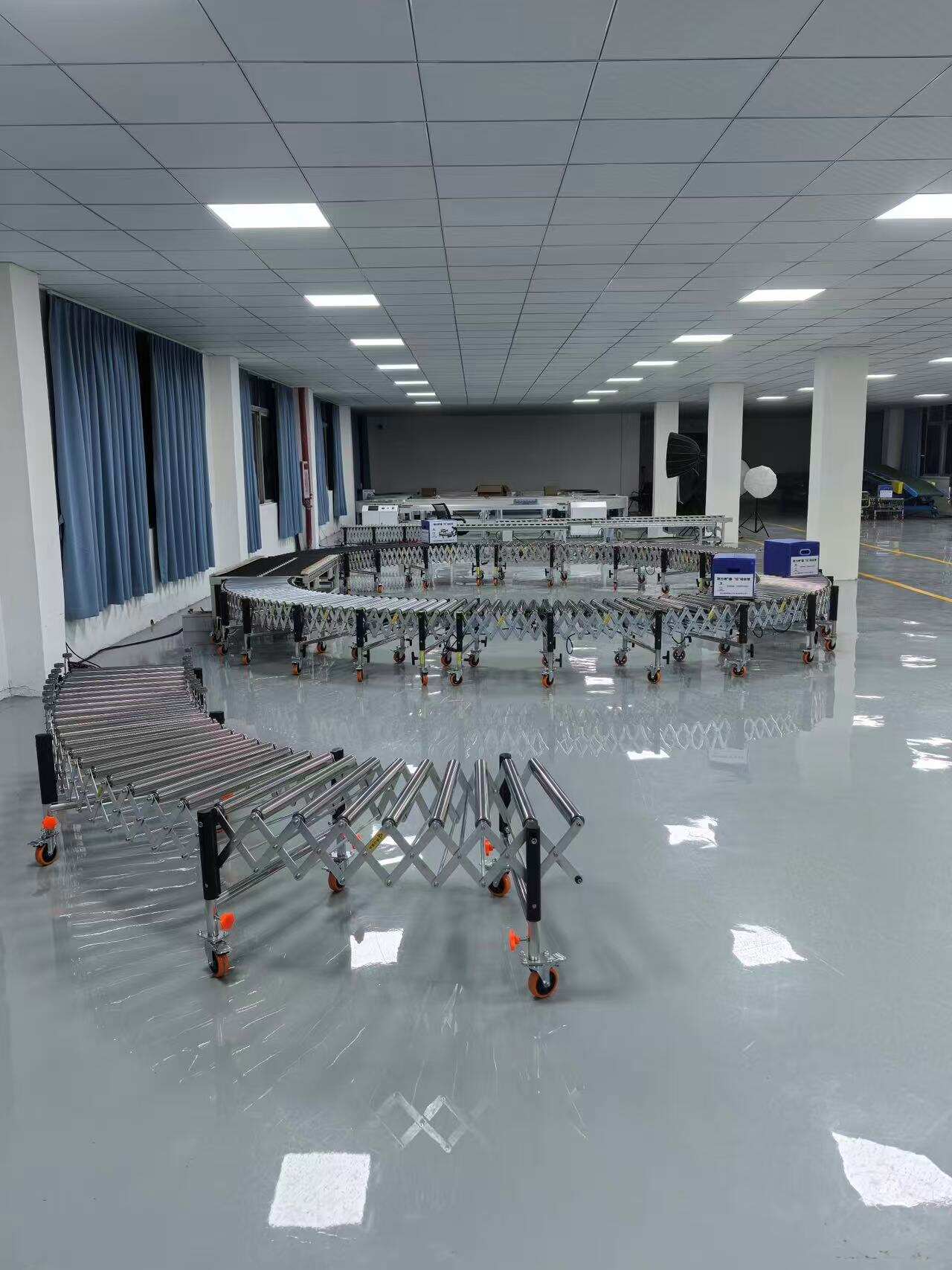
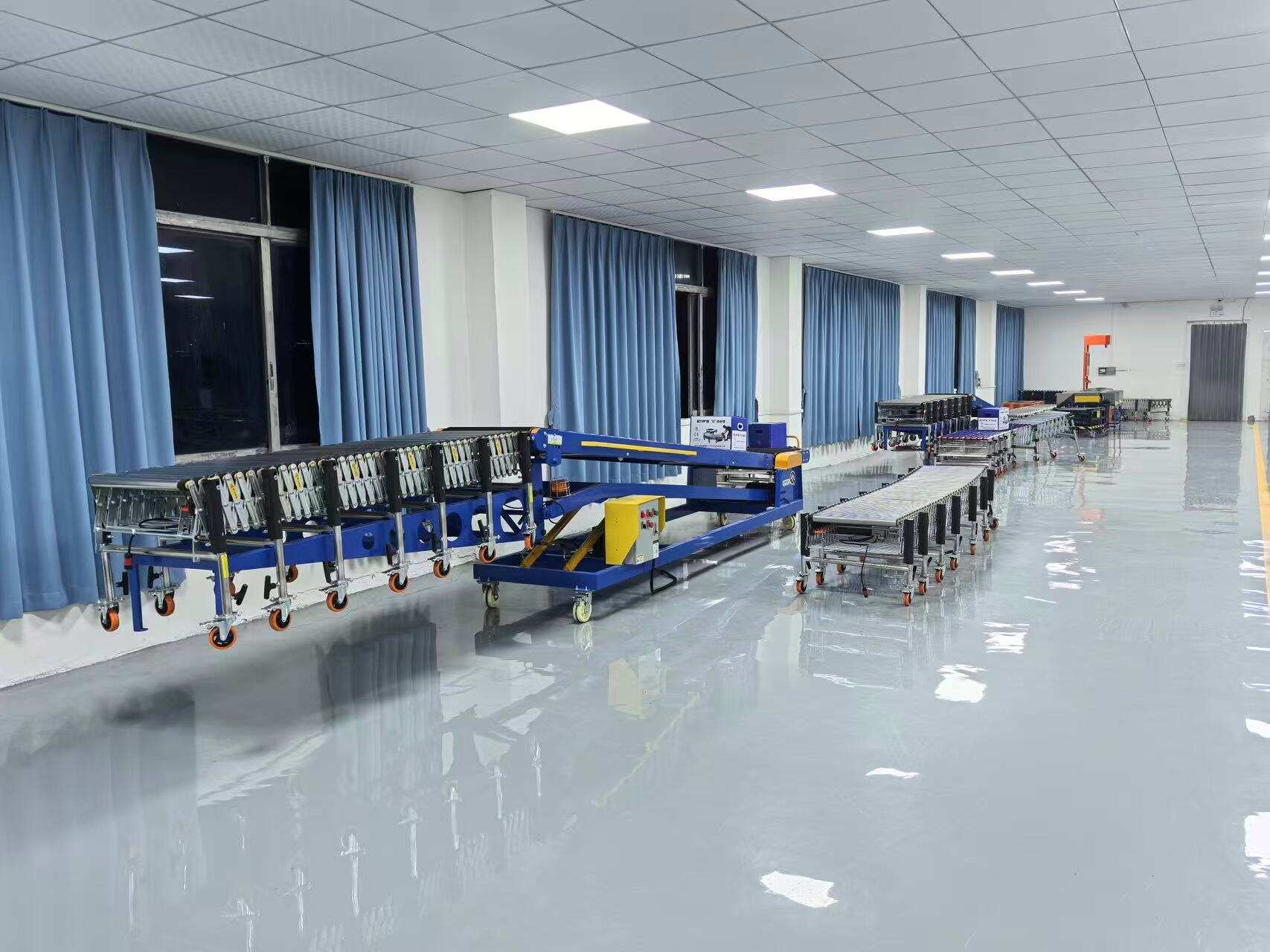
There is no one-size-fits-all answer for automation upgrades, and more expensive equipment with more features is not necessarily more suitable. For large logistics hubs, large-scale unmanned equipment may be a better fit. However, for the small and medium-sized factories and warehouses that make up a larger share of the market, flexible conveying equipment is often more pragmatic and makes it easier to see a return on investment.
When working with factory projects in the Pearl River Delta, Naili Unloading Artifact (Guangdong) Industrial Co., Ltd. has found that the main reason many companies choose this type of equipment is not to pursue the conceptual goal of a completely unmanned warehouse, but to first make loading and unloading more stable, less labor-intensive, and better suited to actual operating conditions.