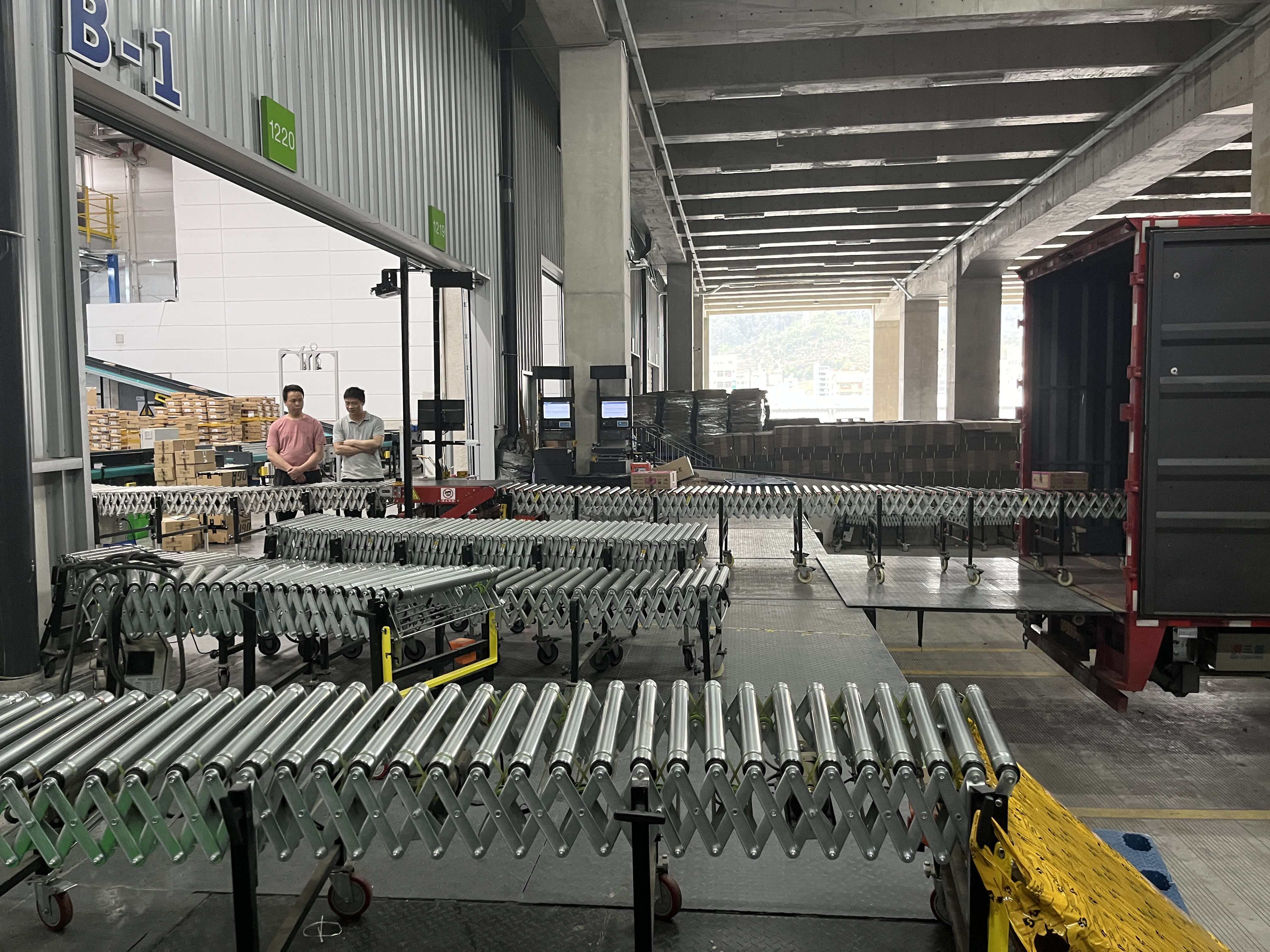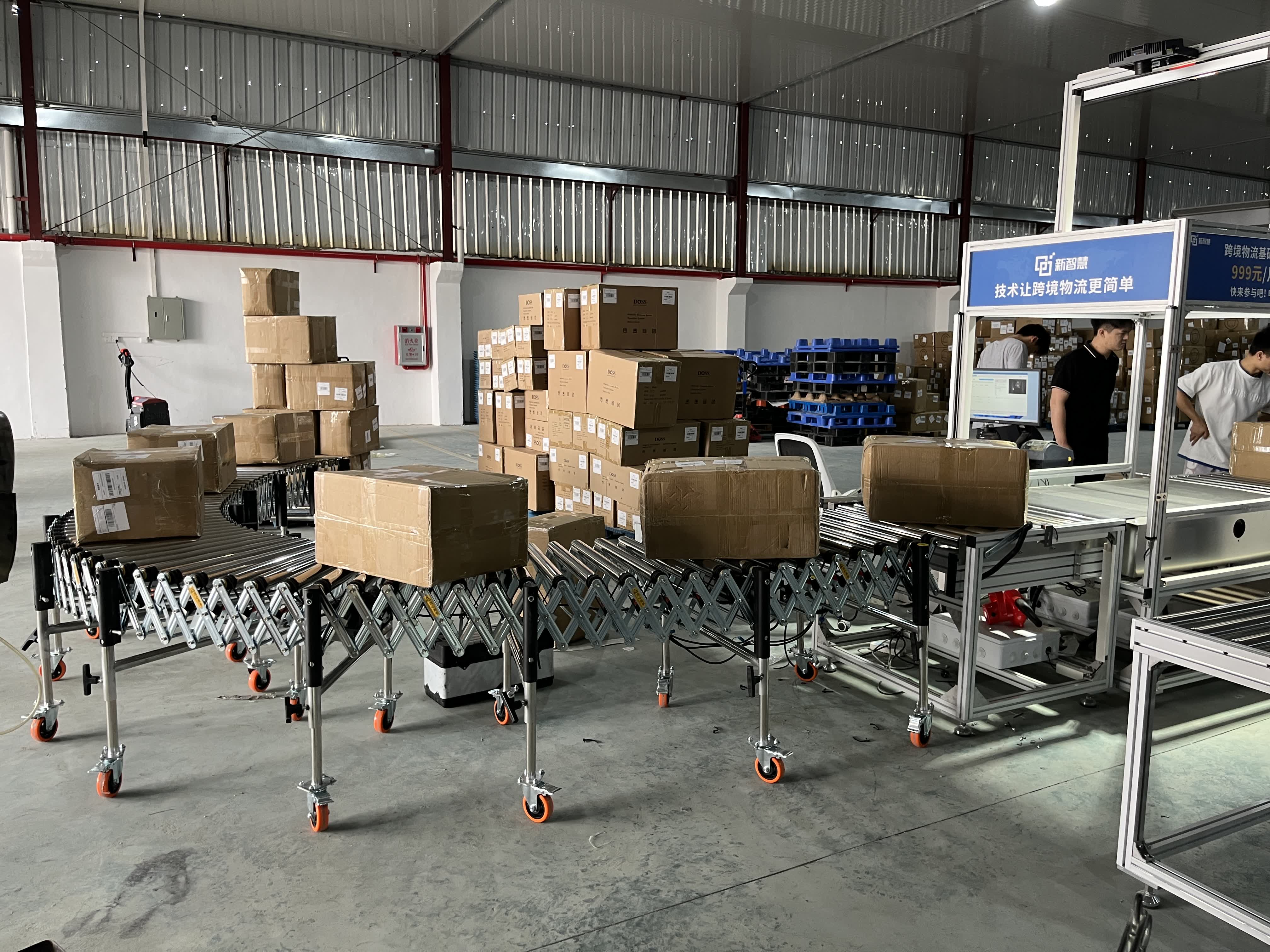
In manufacturing and logistics hubs such as the Pearl River Delta and Yangtze River Delta, many small and medium-sized factories, e-commerce warehouses, and freight transfer stations do not have standardized loading docks. Goods can therefore only be loaded, unloaded, and transferred on level ground. As the structure of the frontline labor force changes, traditional manual loading and unloading face problems including recruitment difficulties, rising labor costs, unstable operating efficiency, increased safety risks, and cargo damage, placing considerable pressure on warehouse turnover and order fulfillment.
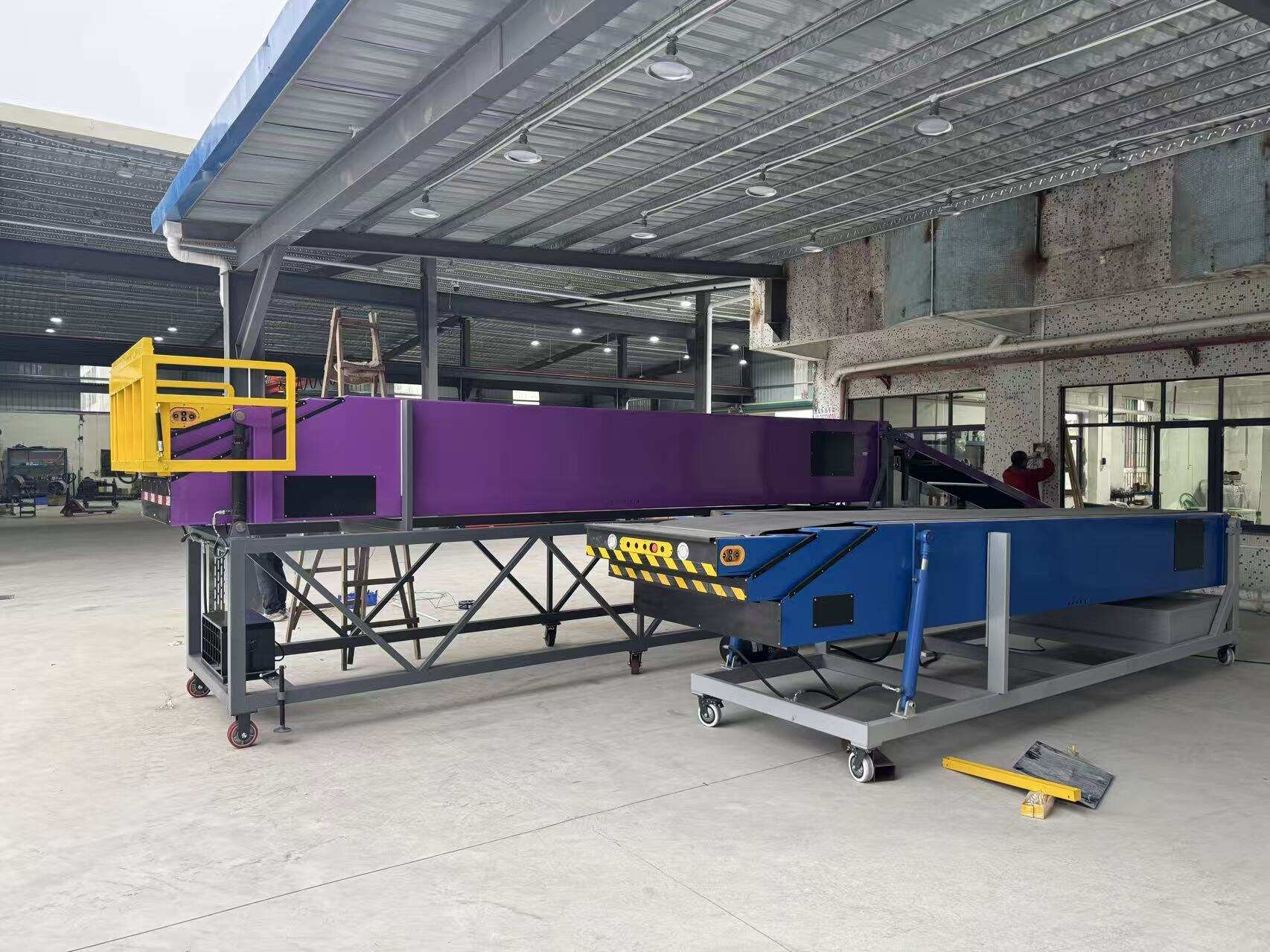
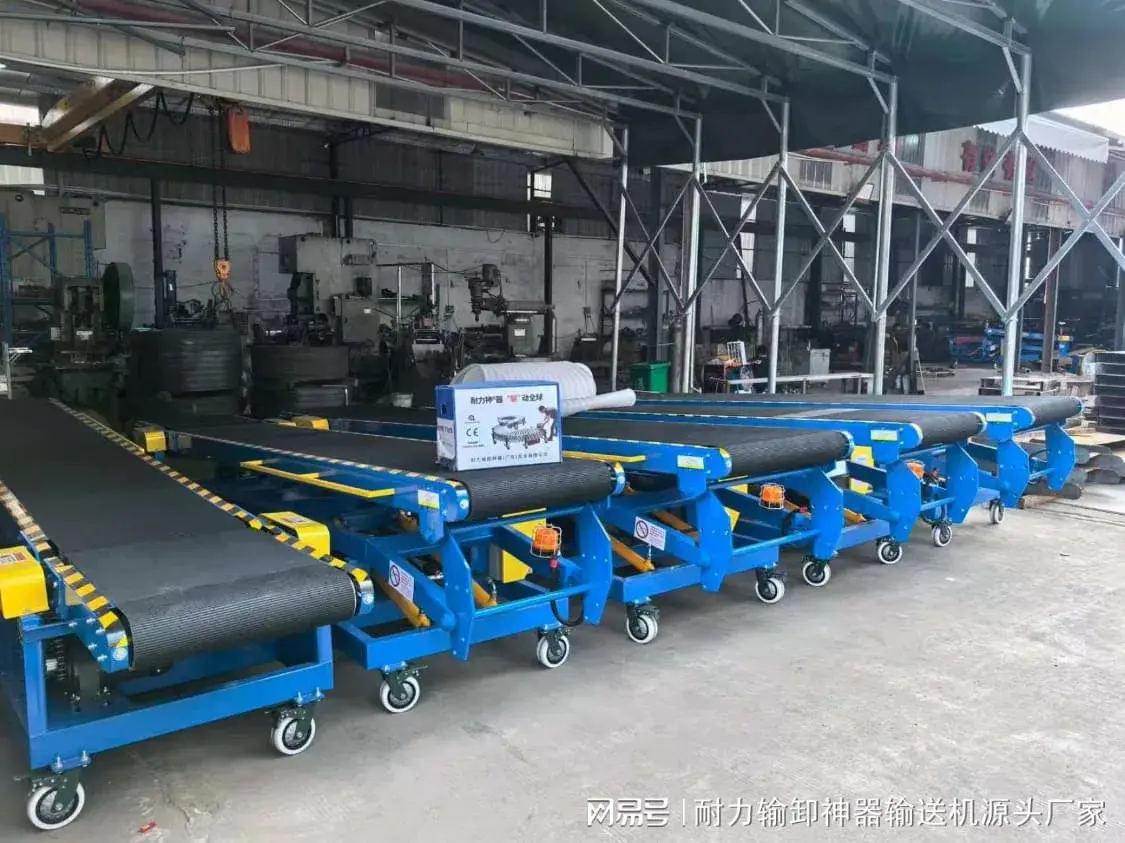
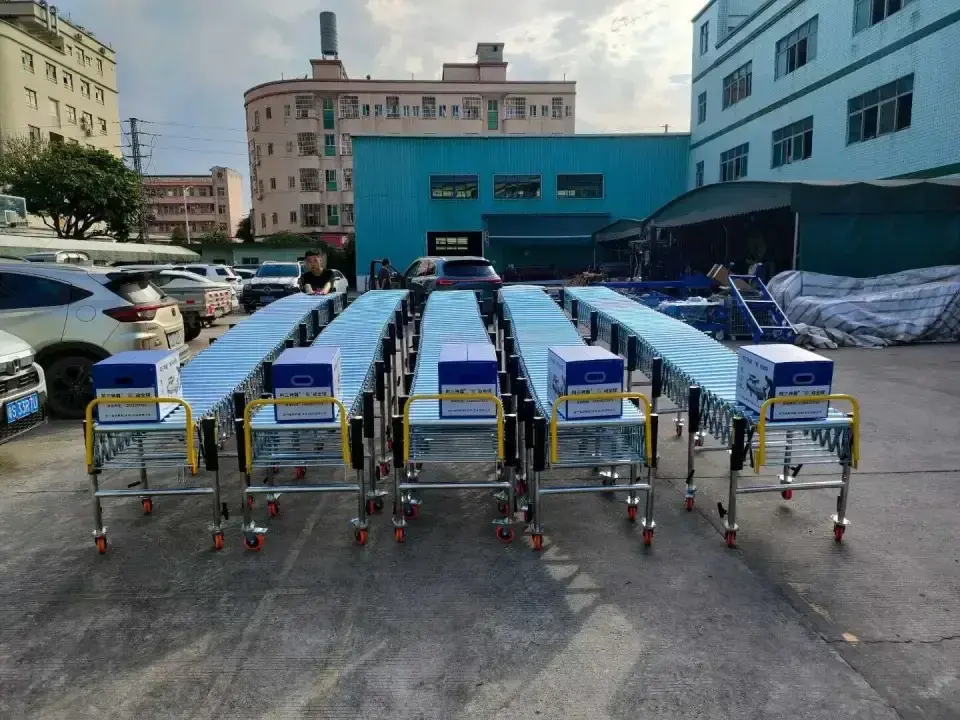
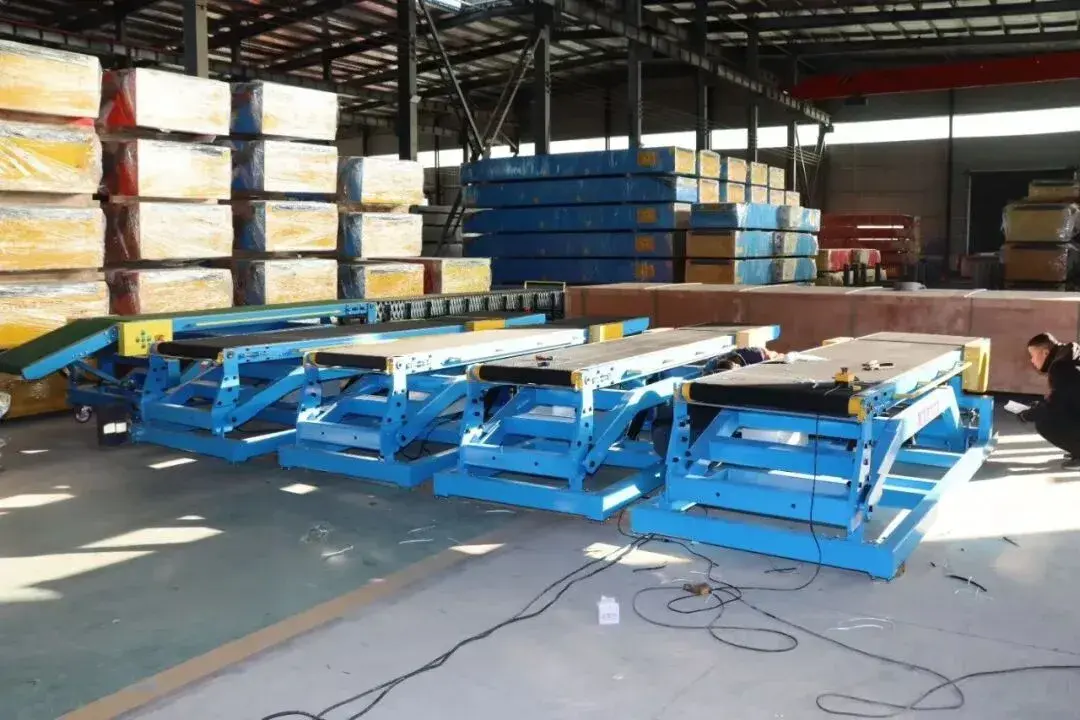
For companies where site renovation is impractical, a complete conveying system consisting of a powered roller telescopic conveyor and a hydraulic lifting incline conveyor provides a lightweight upgrade path for level-ground loading and unloading without a loading dock.Naili Unloading Artifact (Guangdong) Industrial Co., Ltd.It provides equipment solutions for this type of operating environment, helping companies improve the transfer of goods between the ground and vehicle compartments.
Four challenges of level-ground loading and unloading without a loading dock
Level-ground loading and unloading is first affected by personnel organization. Traditional operations rely on multiple people working together to handle goods, resulting in high physical demands. An aging loading and unloading workforce, the loss of experienced workers, and seasonal labor shortages can easily lead to cargo accumulation and shipping delays, affecting the pace of daily business operations.
Labor costs are also a major source of long-term operating pressure. In addition to wages, companies must cover social insurance, accommodation and meals, benefits, and the premium for temporary labor during peak seasons. Manual efficiency is affected by physical condition, weather, working hours, and skill level. After prolonged operation, speed can decline and quality can become inconsistent, making it difficult to meet the needs of high-volume, high-turnover warehousing.
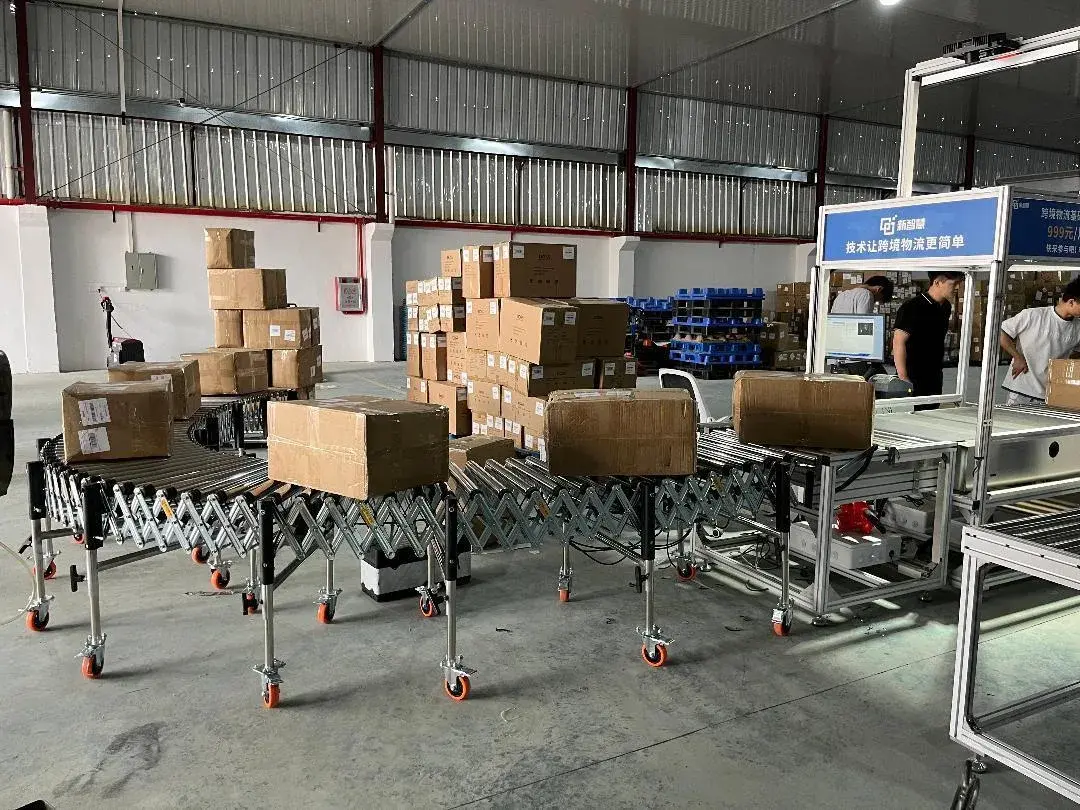
Safety and cargo damage also require close attention. Workers must repeatedly bend, bear loads, and lift goods. Long-term high-intensity loading and unloading can cause occupational risks such as lumbar muscle strain and joint injuries. In environments with height differences, there are also hazards such as falls and injuries caused by falling goods. Manual handling and stacking lack uniform standards, which may also increase the likelihood of goods being knocked, crushed, tipped over, or damaged.
In addition, building a standardized loading dock usually requires investment in funds, space, and construction time, while standard conveying equipment may have issues such as non-adjustable height, a lack of telescoping capability, or limited compatibility with different vehicle types. Companies can therefore easily become trapped in the practical dilemma that labor is too expensive, equipment is difficult to use, and the site cannot be modified.
Standardized production provides the foundation for stable conveyor operation
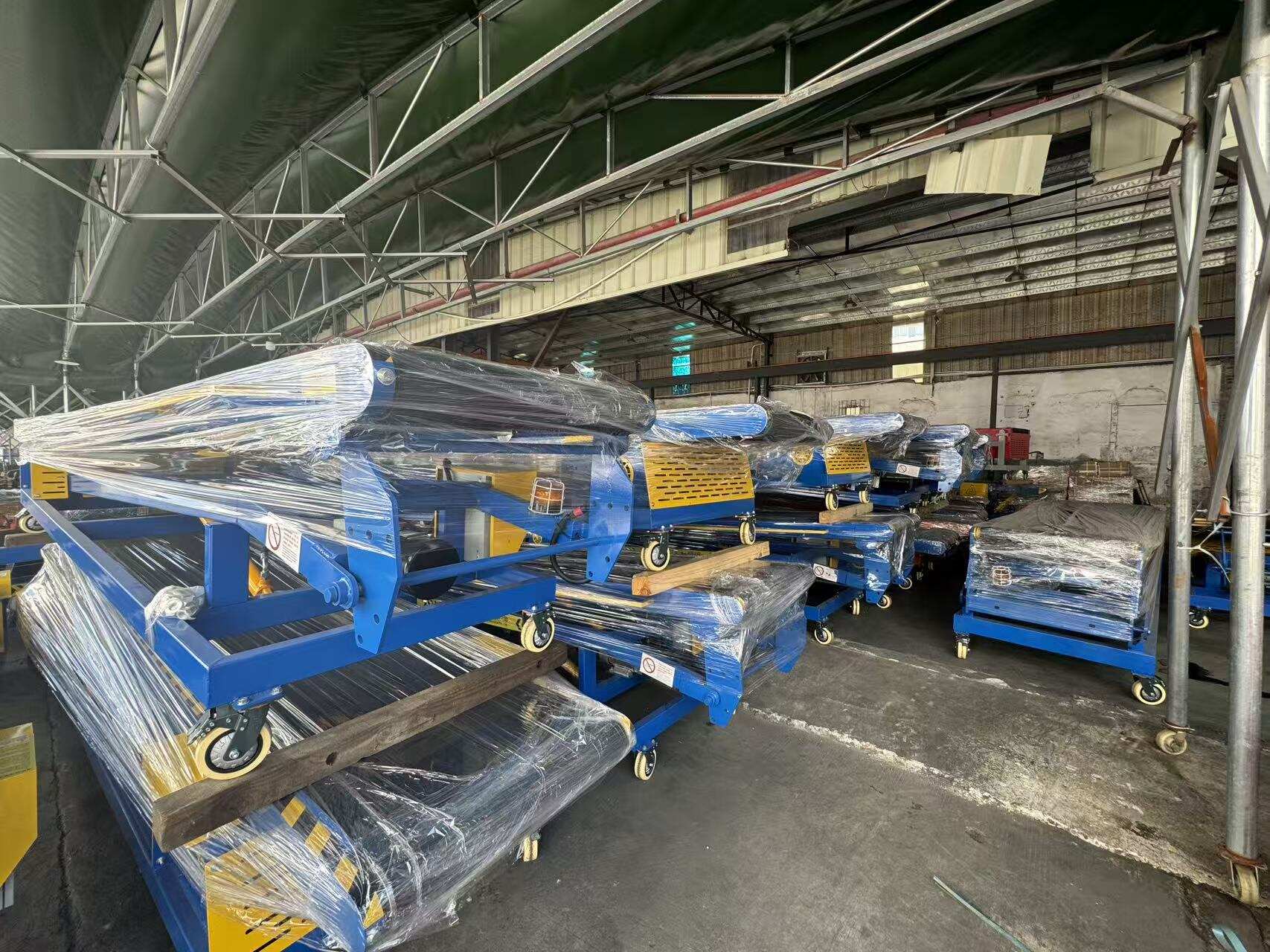
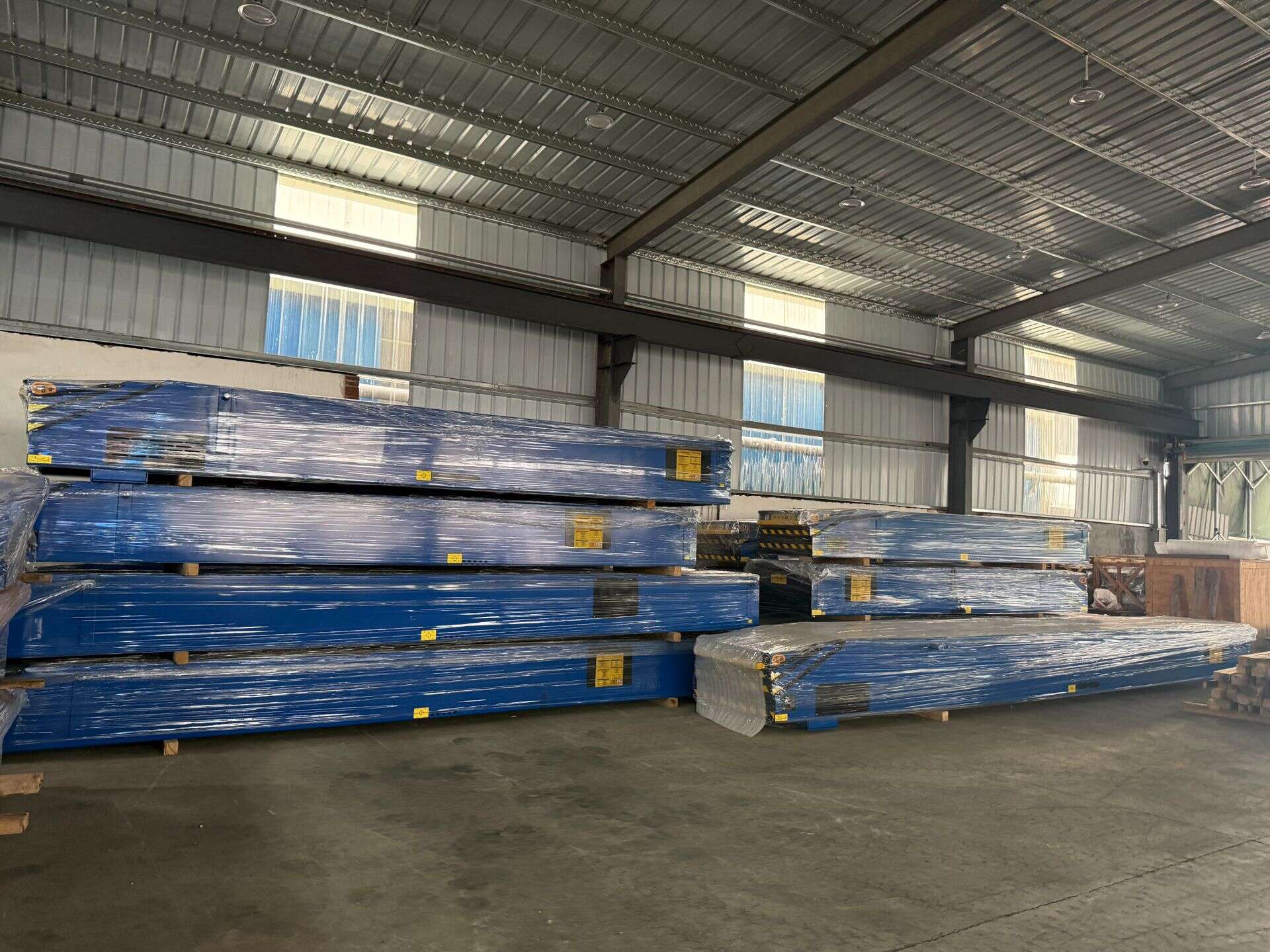
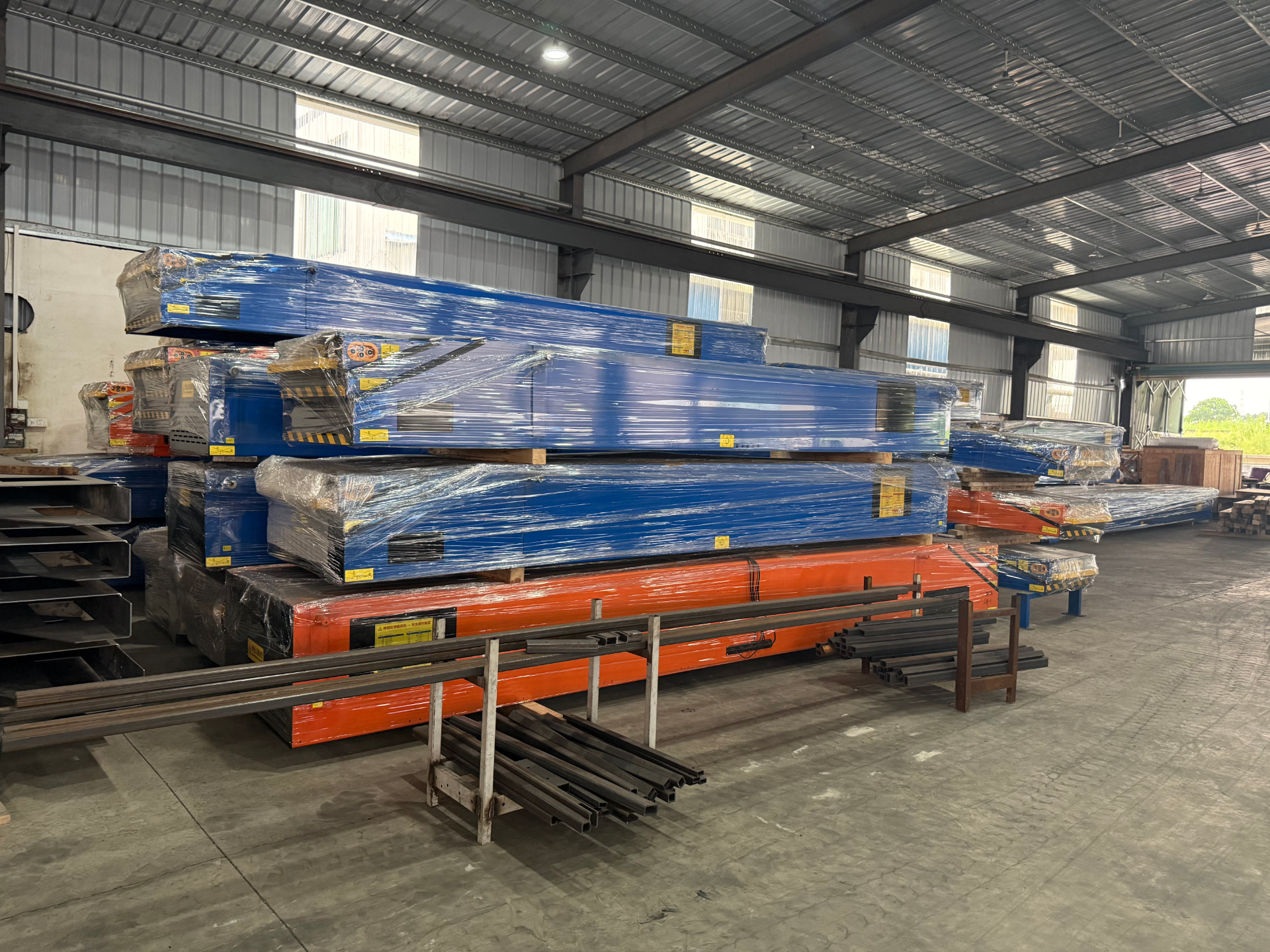
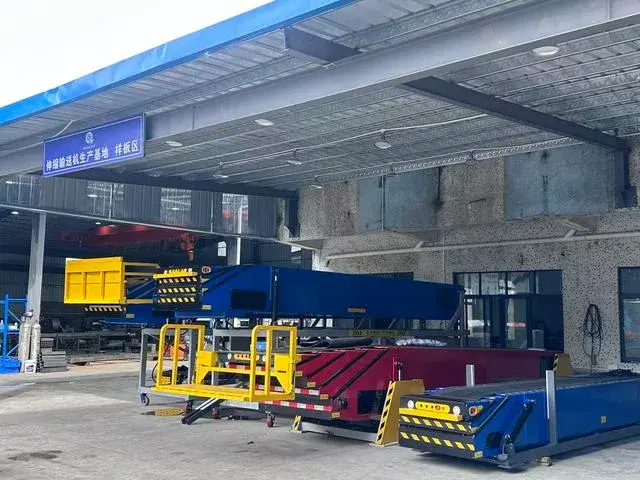
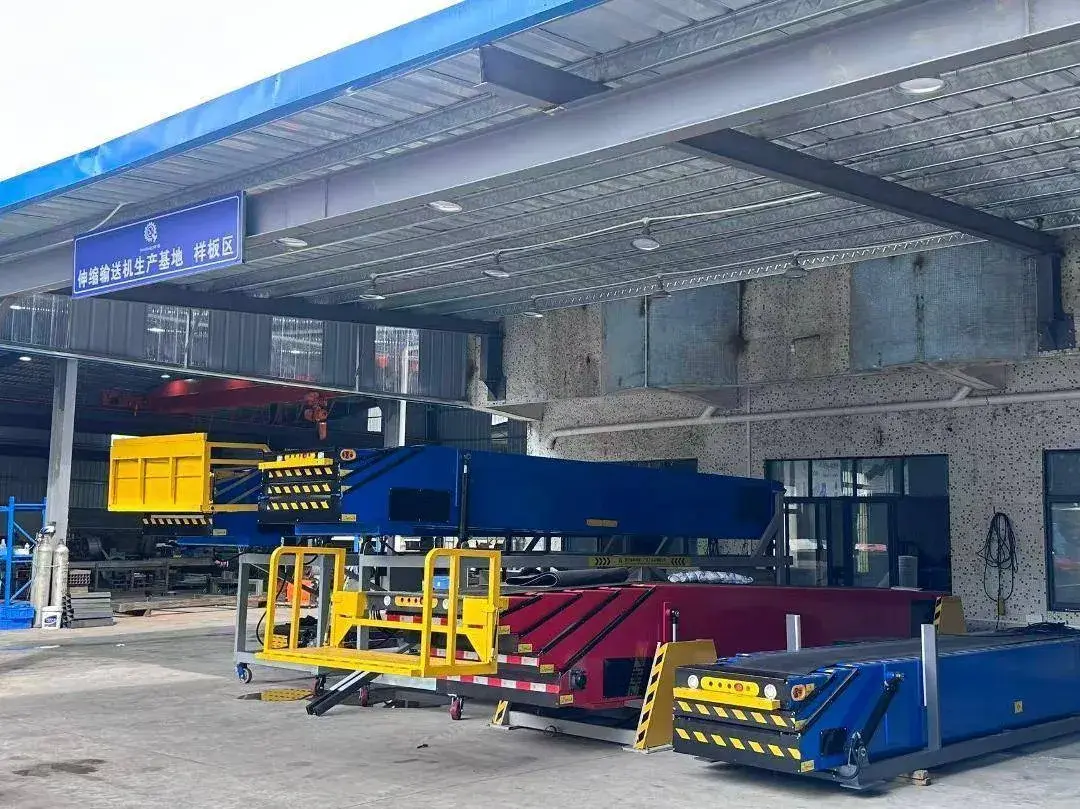
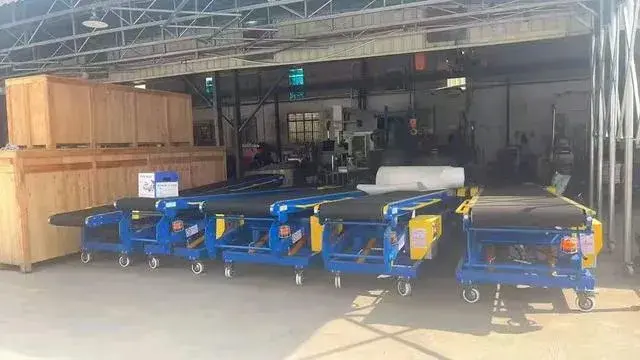
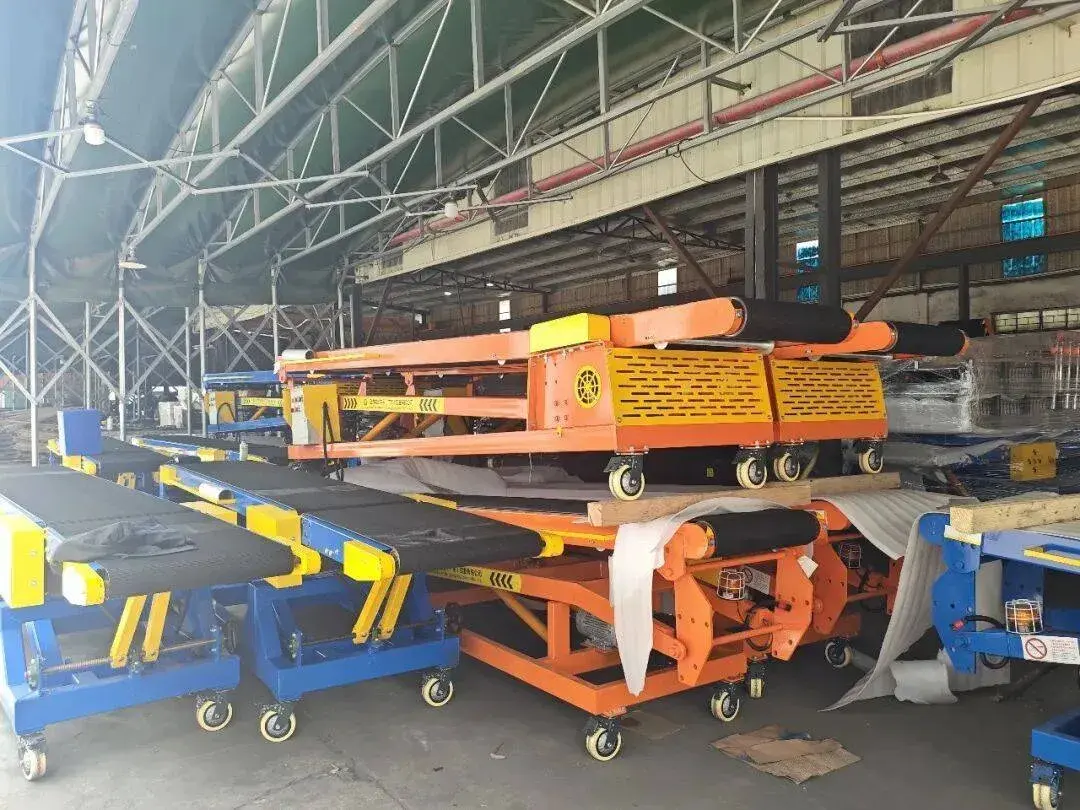
The actual performance of conveying equipment is closely related to production conditions, quality management, and after-sales processes. Compared with workshop-style production that lacks a fixed site and standardized procedures,Naili Unloading Artifact (Guangdong) Industrial Co., Ltd.The corresponding production capabilities include an independent permanent production address and standardized production workshops equipped with processing, assembly, commissioning, and testing equipment. These facilities can support equipment development, component processing, complete-machine assembly, performance commissioning, and finished-product delivery.
In terms of quality management, source materials indicate that it implements theISO9001 standardized quality management system, incorporating raw-material procurement, production processing, process inspections, finished-product testing, and factory acceptance into its quality-control procedures. The equipment has also passedEU CE export certification, and its relevant performance parameters, load-bearing standards, and safety indicators have been verified. It can be used in domestic operating environments and has the quality foundation required for export overseas.
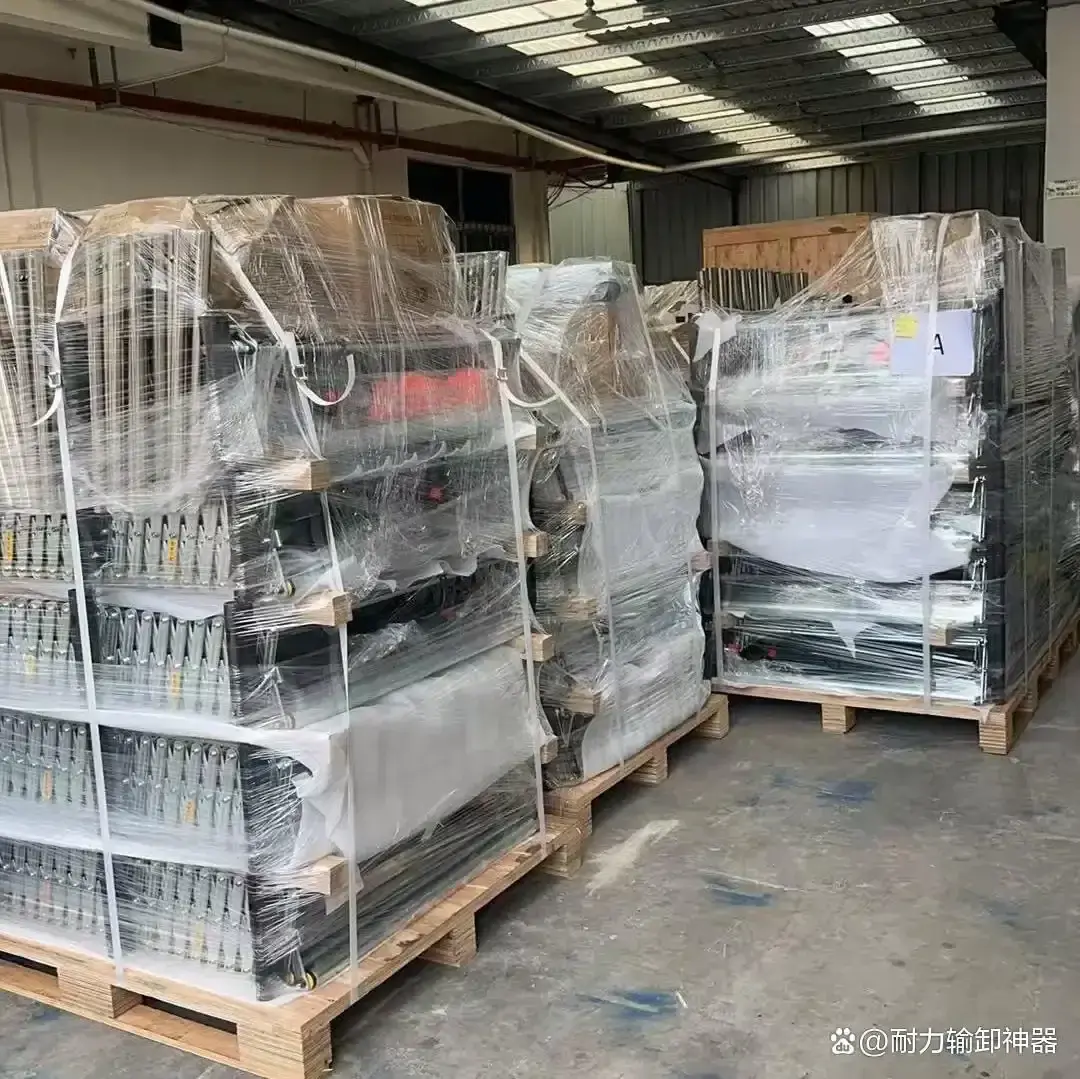
The service process covers pre-sales site surveys, customized production during sales, and after-sales installation, commissioning, maintenance, and repair. Solutions can be matched to site size, cargo type, workload, and vehicle specifications. After delivery, services also include installation and commissioning, fault maintenance, servicing, and technical consultation.
The operational value of powered roller telescopic conveyors and hydraulic lifting incline conveyors
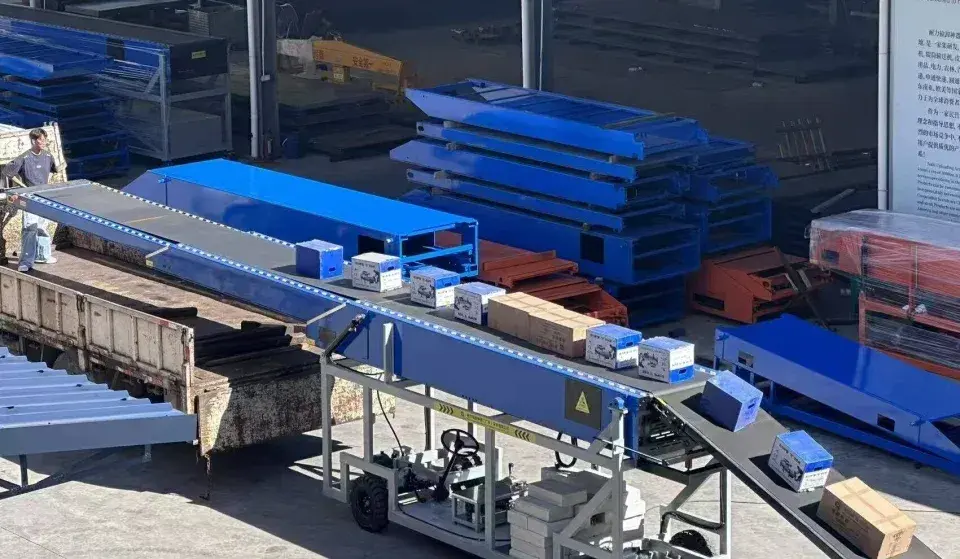
Powered roller telescopic conveyors and hydraulic lifting incline conveyors are used together mainly for continuous cargo conveying and transfer between different elevations where no loading dock is available. The equipment can reduce heavy manual handling. Traditional level-ground loading and unloading usually requires 3 to 4 workers working together, whereas equipment operation requires only 1 to 2 workers to assist with arranging the goods.
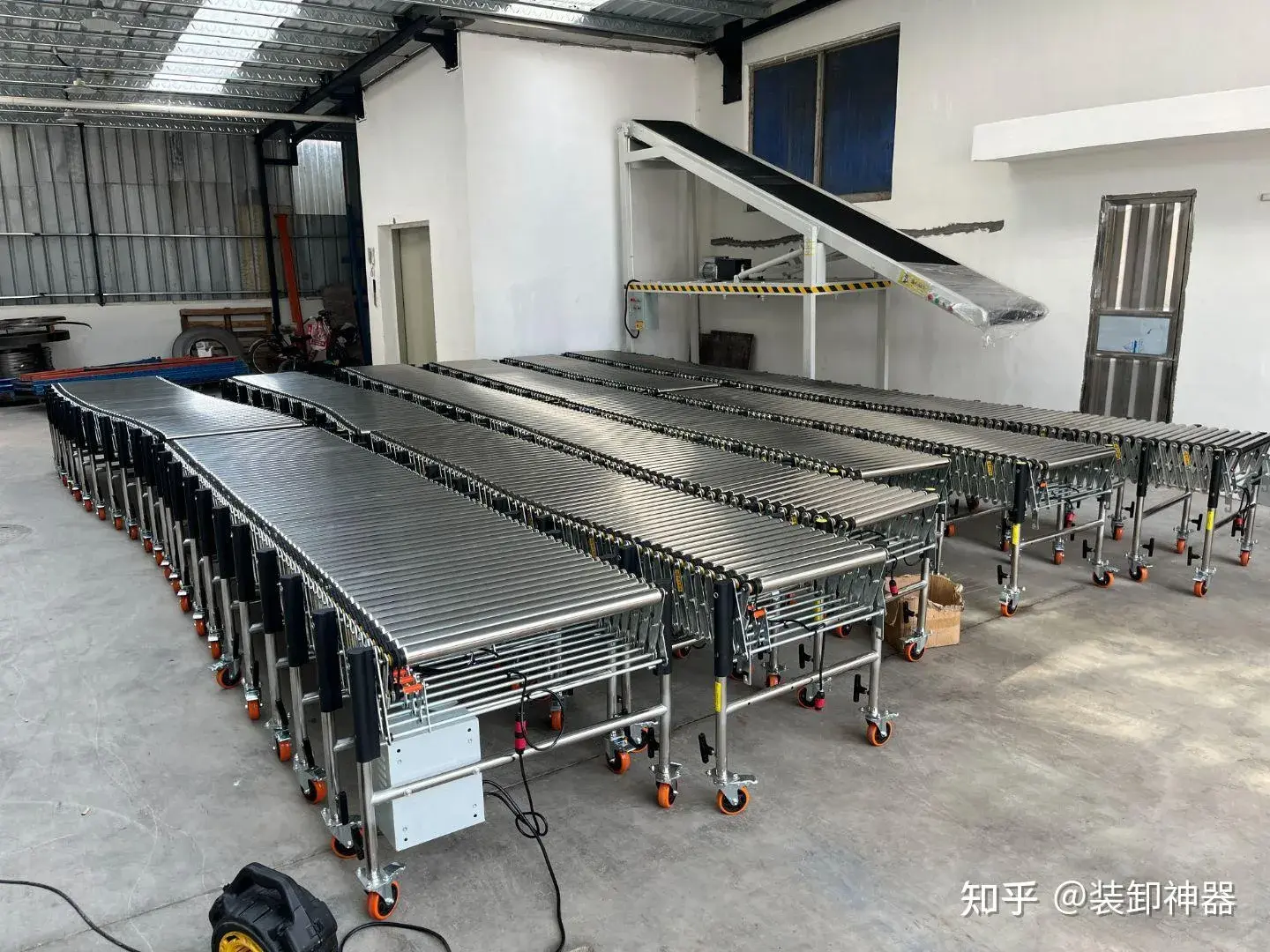
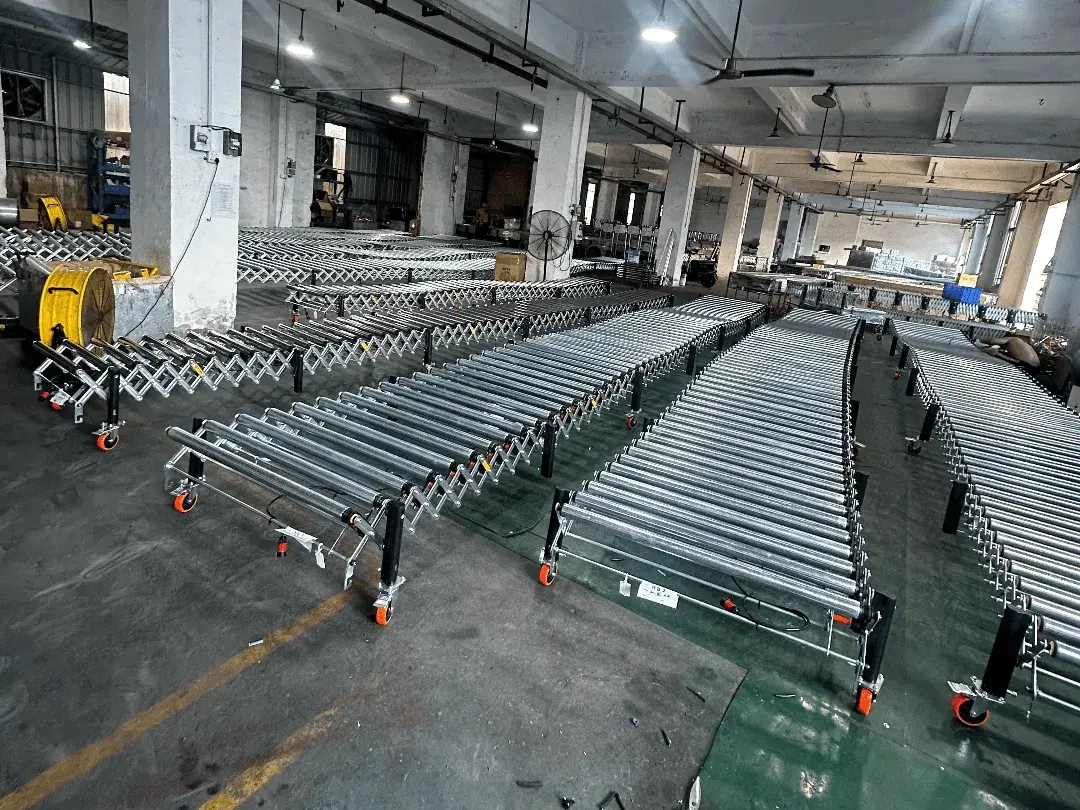
Powered roller telescopic conveyors support telescoping and movement, making them relatively easy to deploy and requiring little floor space. Their operating range can be adjusted according to truck compartment length and available site space, and they are compatible with box trucks and flatbed trucks. Their high-strength, wear-resistant rollers enable relatively smooth continuous conveying and are suitable for goods including cartons, bags and luggage, small hardware items, and daily chemical products.
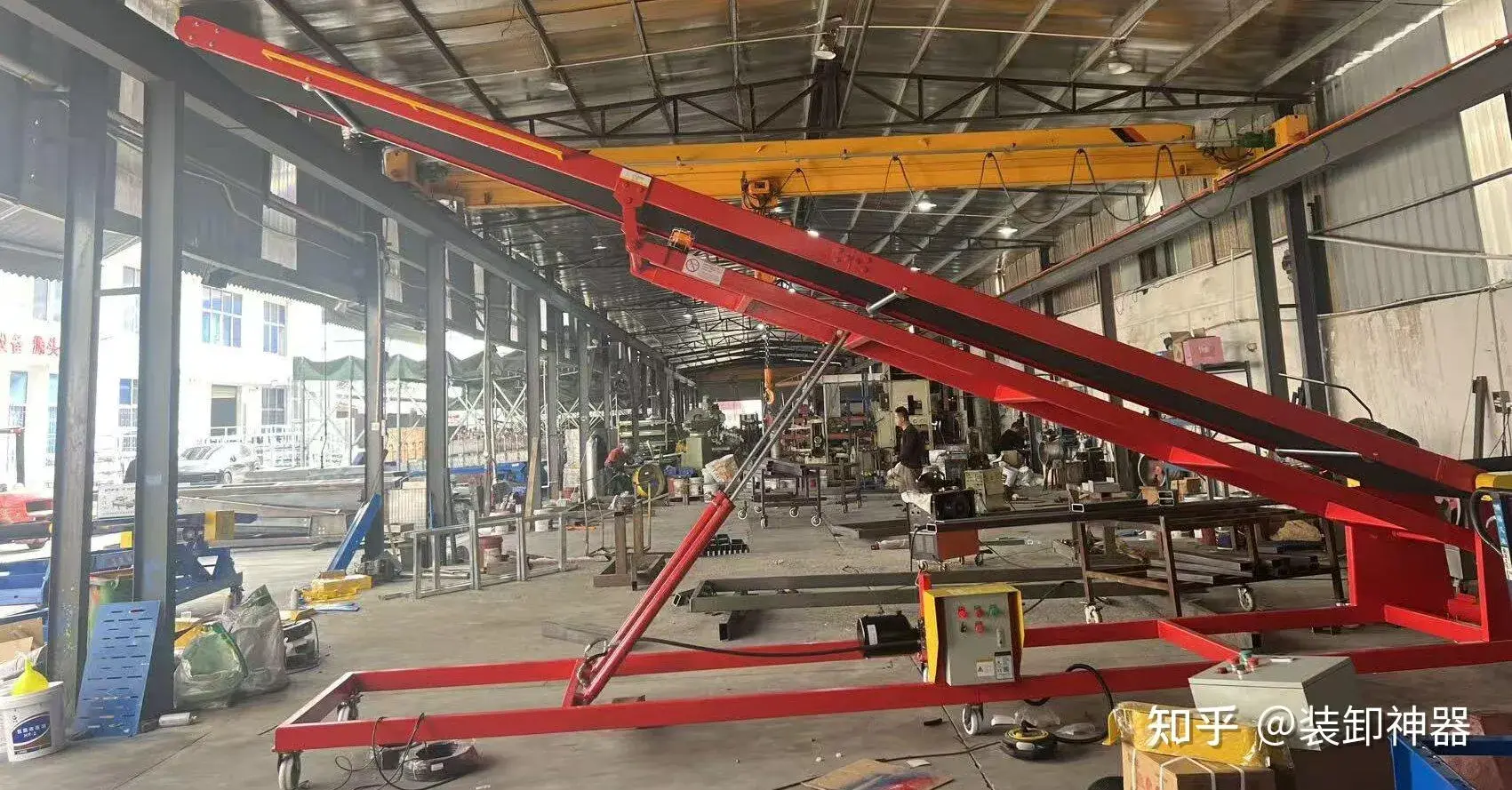
Hydraulic lifting incline conveyors can adjust lifting height and incline angle to bridge the height difference between the ground and freight vehicle compartments, reducing climbing and load-lifting tasks for personnel. According to source materials, the loading, unloading, and turnover efficiency of the complete system can be increased by 3 to 5 times compared with traditional manual operations, helping alleviate cargo accumulation, slow warehouse turnover, and shipping delays.
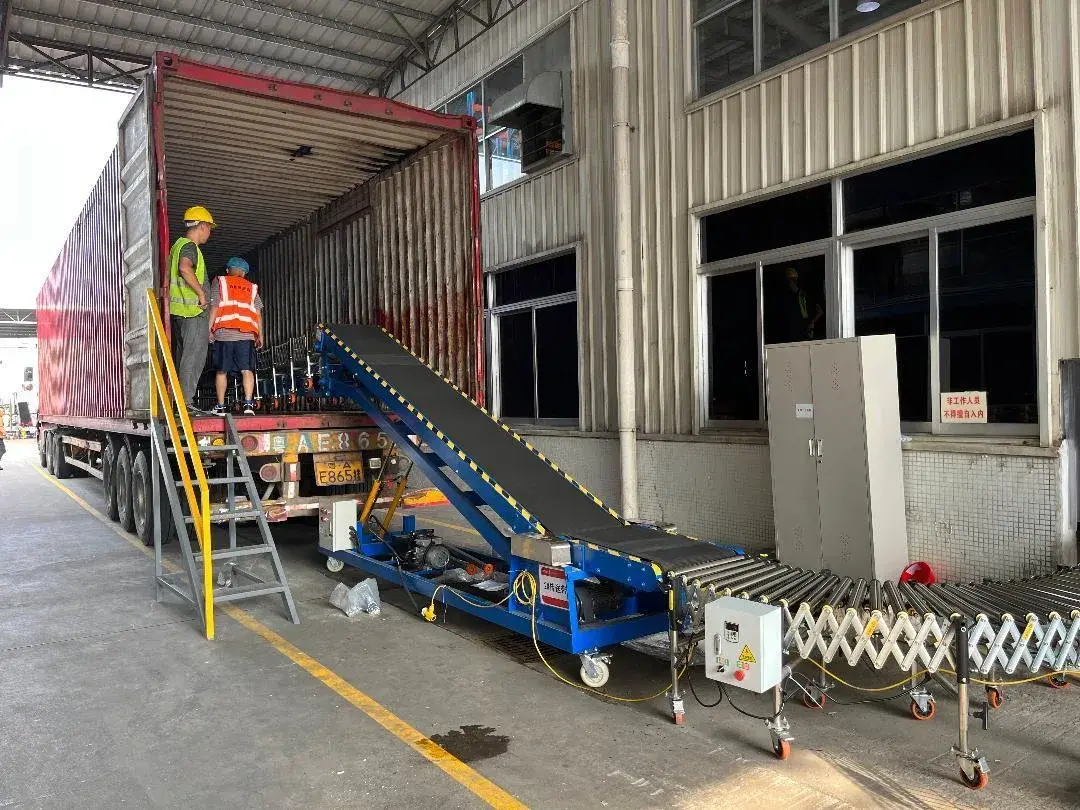
To protect goods and ensure operational safety, the equipment uses a smooth, cushioned conveying design. It replaces manual handling with mechanized, uniform-speed transfer, helping reduce impacts, crushing, tipping, and damage. Mechanized operations can also reduce the risks of falls, being struck by falling objects, and occupational strain caused by handling heavy loads and working across height differences, making the loading and unloading process easier to standardize and manage.
Lightweight automation upgrades for small and medium-sized enterprises
This complete equipment set can be used for ground-level loading and unloading in factories, internal transfer in warehouses, connections to workshop production lines, loading and unloading various trucks, and transfer operations in temporary cargo yards. The equipment features convenient disassembly and assembly, flexible mobility, and relatively simple maintenance. It eliminates the need for companies to make a high upfront investment in fixed loading docks, making it suitable for small, medium-sized, and micro enterprises that need to control investment while improving operational efficiency.
From an industry trend perspective, the shortage of frontline manual labor and rising labor costs will continue to affect traditional loading and unloading methods. Although large intelligent warehousing production lines offer comprehensive functions, their investment costs, construction periods, site requirements, and operation and maintenance difficulties may make them unsuitable for all small and medium-sized enterprises. Lightweight equipment centered on powered roller telescopic conveyors and hydraulic lifting incline conveyors is more closely aligned with practical needs such as loading and unloading without loading docks, temporary transfer, and operations involving multiple vehicle types.
Selecting equipment based on site compatibility, staffing requirements, loading and unloading efficiency, and cargo safety can help enterprises gradually improve their last-stage loading and unloading operations. For companies that lack standardized loading docks but want to reduce their dependence on manual labor, this type of complete conveying equipment can serve as a practical solution for upgrading logistics loading and unloading automation.