Naili Conveyor
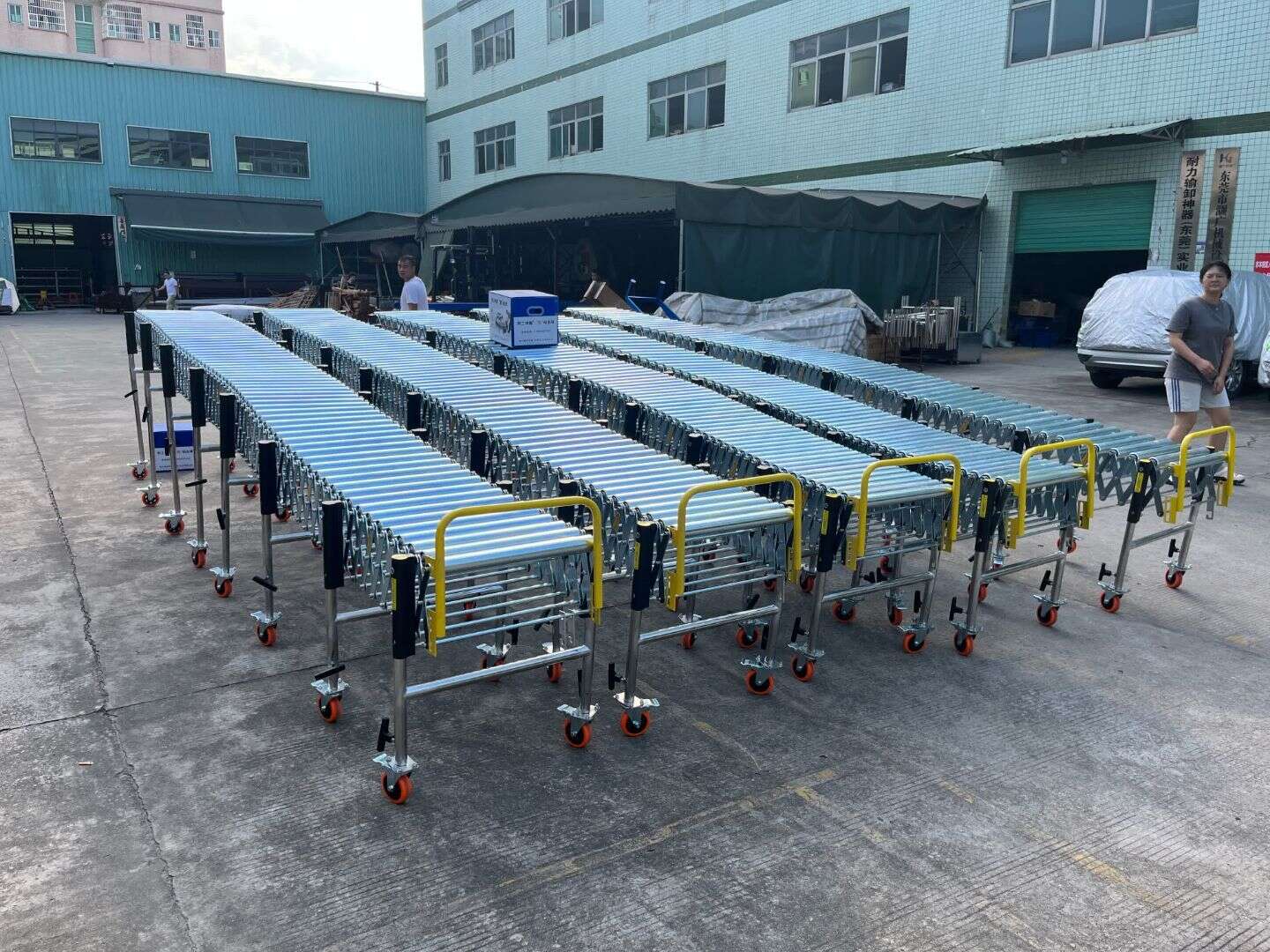
Loading and unloading in confined spaces: the challenges often center on efficiency and safety
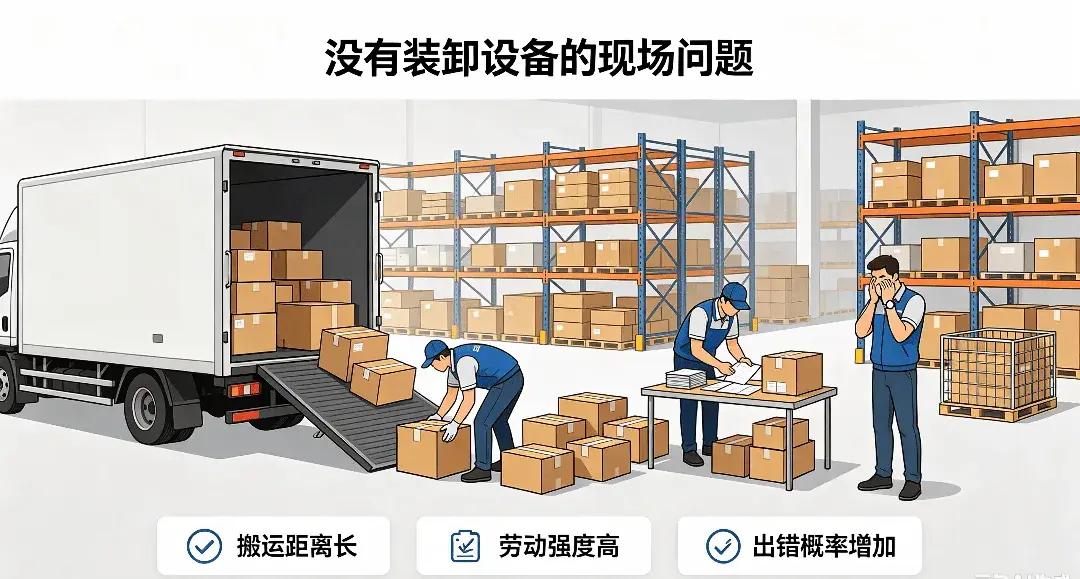
In industrial logistics, warehousing and distribution, supermarket supply chains, and manufacturing, loading-platform operations are a critical link in material flow, directly affecting inbound and outbound efficiency and operating costs. Although many plants and warehouses are equipped with standard unloading platforms, their usable space is often insufficient due to outdated planning, building layouts, and the way goods are stacked. Traditional forklifts have difficulty operating smoothly in these environments.
Forklifts originally became common loading-platform equipment because of their load-bearing capacity, but they also require more operating space. Their bodies are wide and their turning radii are large, requiring relatively open areas for reversing, positioning, lifting and lowering, and transferring. Once they enter older plants, warehouses along busy streets, or small and medium-sized distribution centers, narrow aisles and insufficiently reserved areas can significantly reduce their efficiency.
When space is limited, the problems typically appear in two ways at once: first, loading and unloading becomes slower. An entire truck that could originally be loaded or unloaded in ten minutes may take half an hour or longer in a confined area; second, safety risks increase. With visibility obstructed, forklifts and forks are more likely to collide with walls, goods, and transport vehicles, resulting in cargo damage, equipment damage, and personal injury.
Powered roller telescopic conveyors: a loading and unloading solution for confined spaces
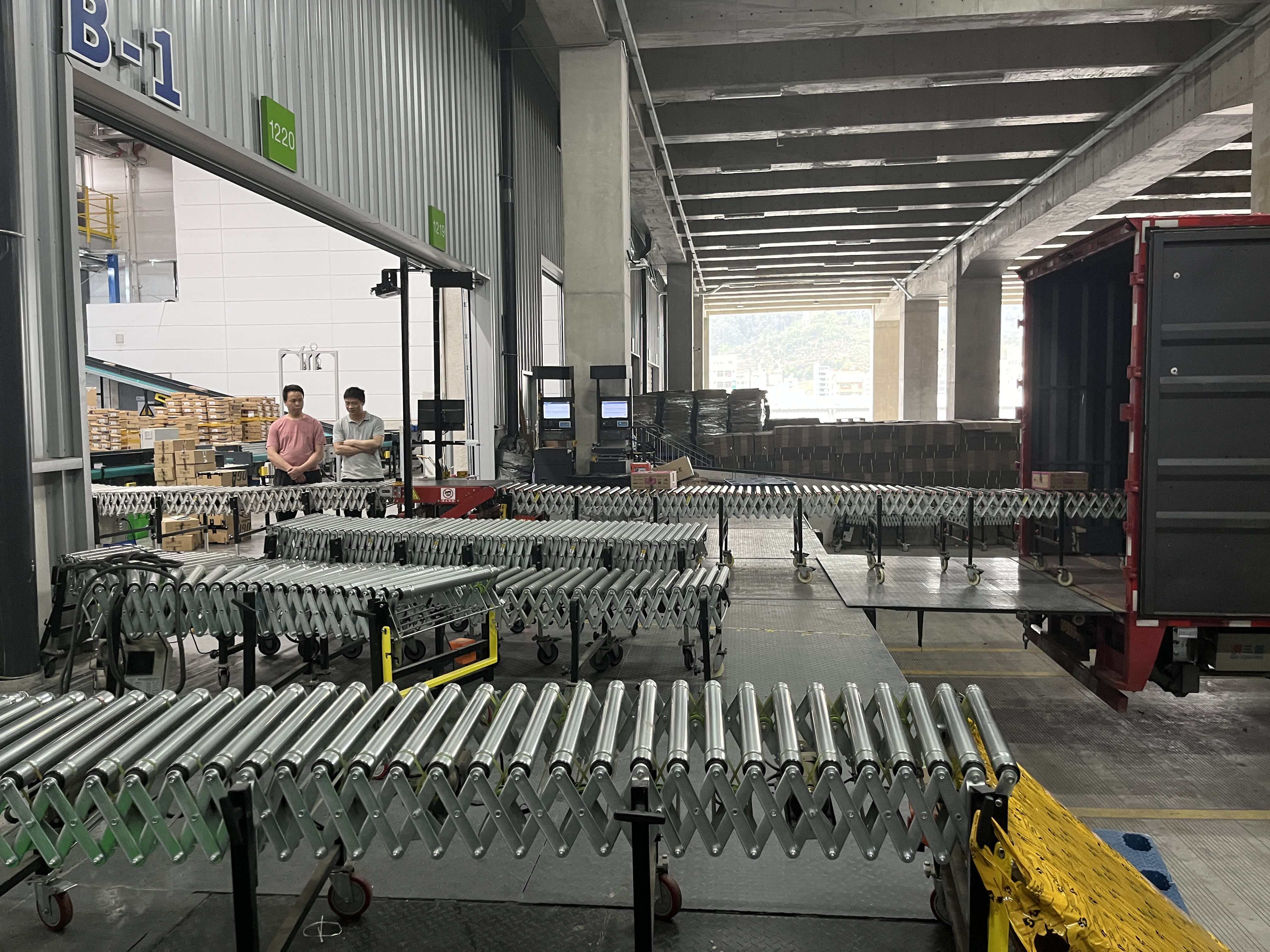
To address these common challenges,Naili Unloading Artifact (Guangdong) Industrial Co., Ltd.The core value of this type of equipment lies in bringing the operating path as close as possible to the vehicle compartment and the goods, thereby reducing the need for forklifts to repeatedly enter and exit confined spaces. For older warehouses, compact plants, and loading platforms along busy streets, it is better suited to completing the loading and unloading connection when space is limited.
Compared with traditional forklifts that require coordination among multiple workers, powered roller telescopic conveyors are easier to operate, allowing one person to complete the entire loading and unloading process. Goods move smoothly into and out of the vehicle compartment through continuous roller conveying, reducing the time consumed by repeated handling and frequent repositioning. According to the data in the article, the loading and unloading efficiency for an entire truck can be improved by more than 50% compared with traditional forklifts.
Beyond improving efficiency, it also reduces operational risks
In confined spaces, it is not only efficiency issues that are magnified, but also safety concerns. Forklifts frequently traveling, turning, and reversing in narrow areas can easily create risks of collisions, tipping, and personnel being crushed. Replacing this with the stable, mechanized conveying provided by a powered flexible roller conveyor can reduce these risks through a safer operating method.
This conveying method is also highly versatile, making it suitable for a wide range of materials, including cartons, bags and luggage, and regularly shaped small items. It can meet routine loading and unloading needs in both industrial and commercial logistics. For businesses, this means not only alleviating dock congestion and cargo accumulation, but also reducing pressure from cargo damage claims and production safety management.
After operations are completed, the equipment can quickly retract, fold, and return to its storage position. It occupies little space and does not permanently block dock passages or core warehouse areas. This allows businesses to upgrade their loading and unloading operations without first renovating the site or widening passageways.
Standardized production and service determine whether equipment can remain stable and reliable over the long term
In practical logistics equipment applications, stability and after-sales support are equally important. Some products made by small workshops on the market have issues such as weak materials, loose structures, stiff extension and retraction, and short service lives. Without professional operation and maintenance support, they can easily disrupt a company's normal production and logistics operations. To address these issues,
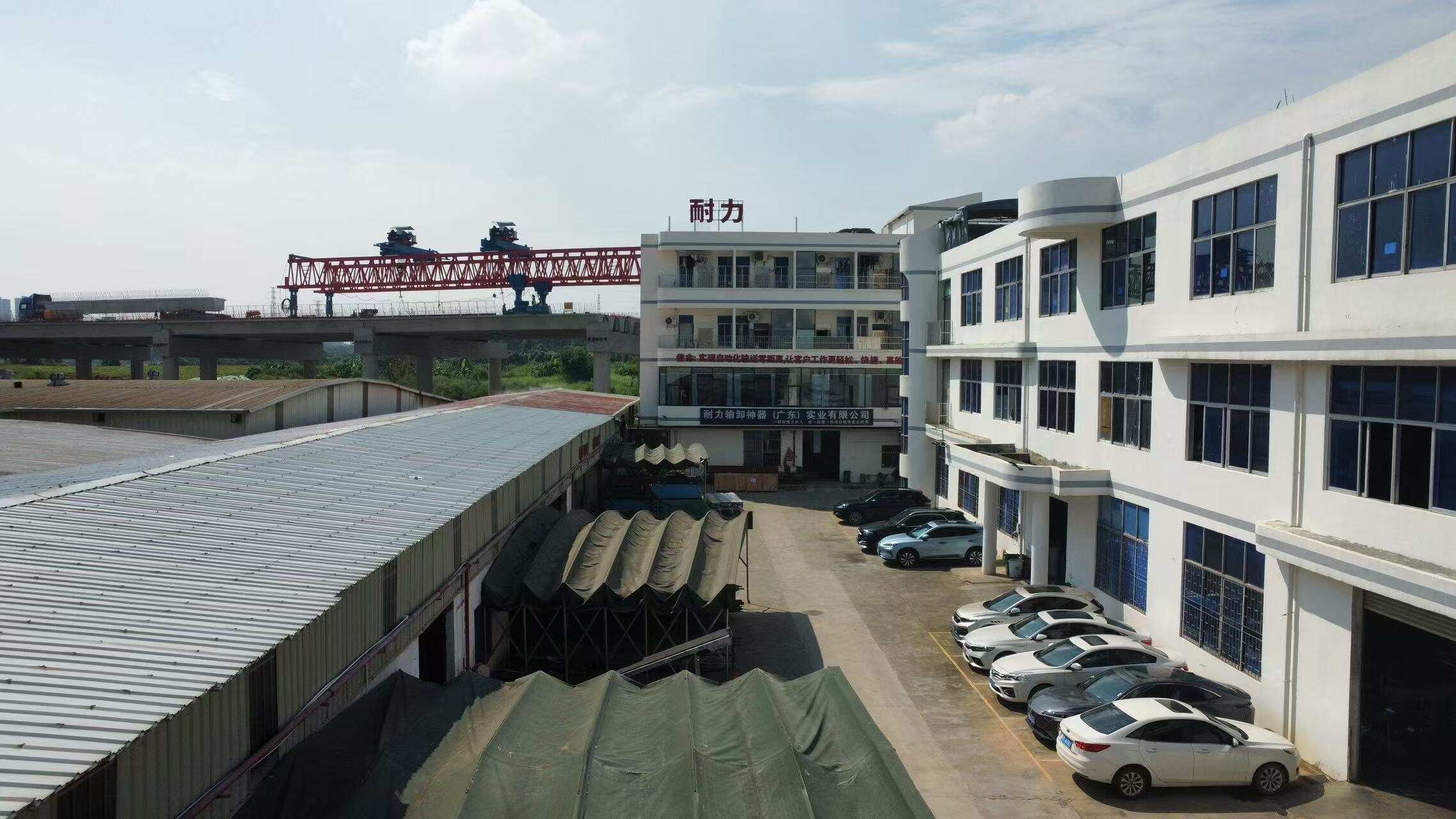
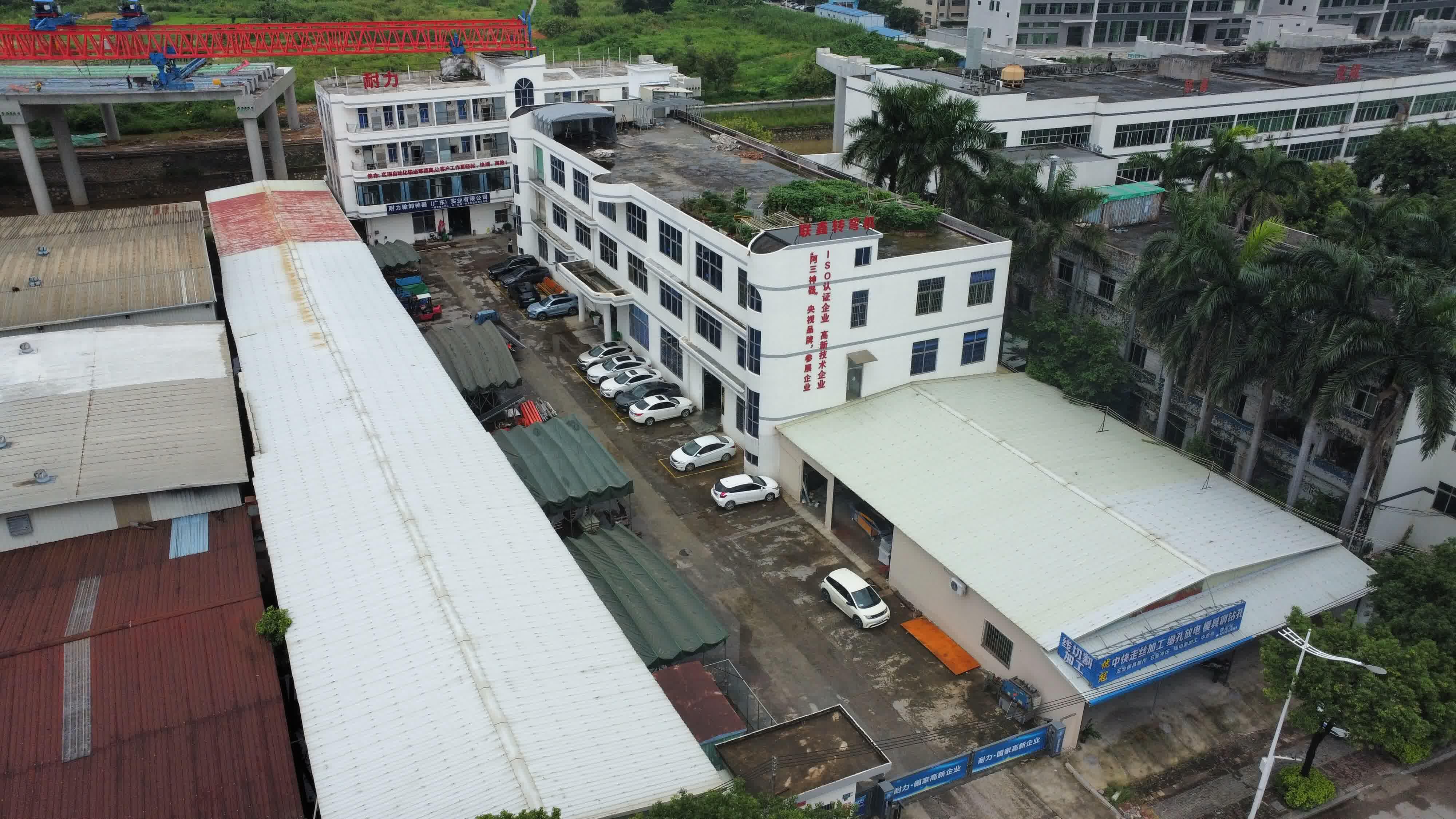
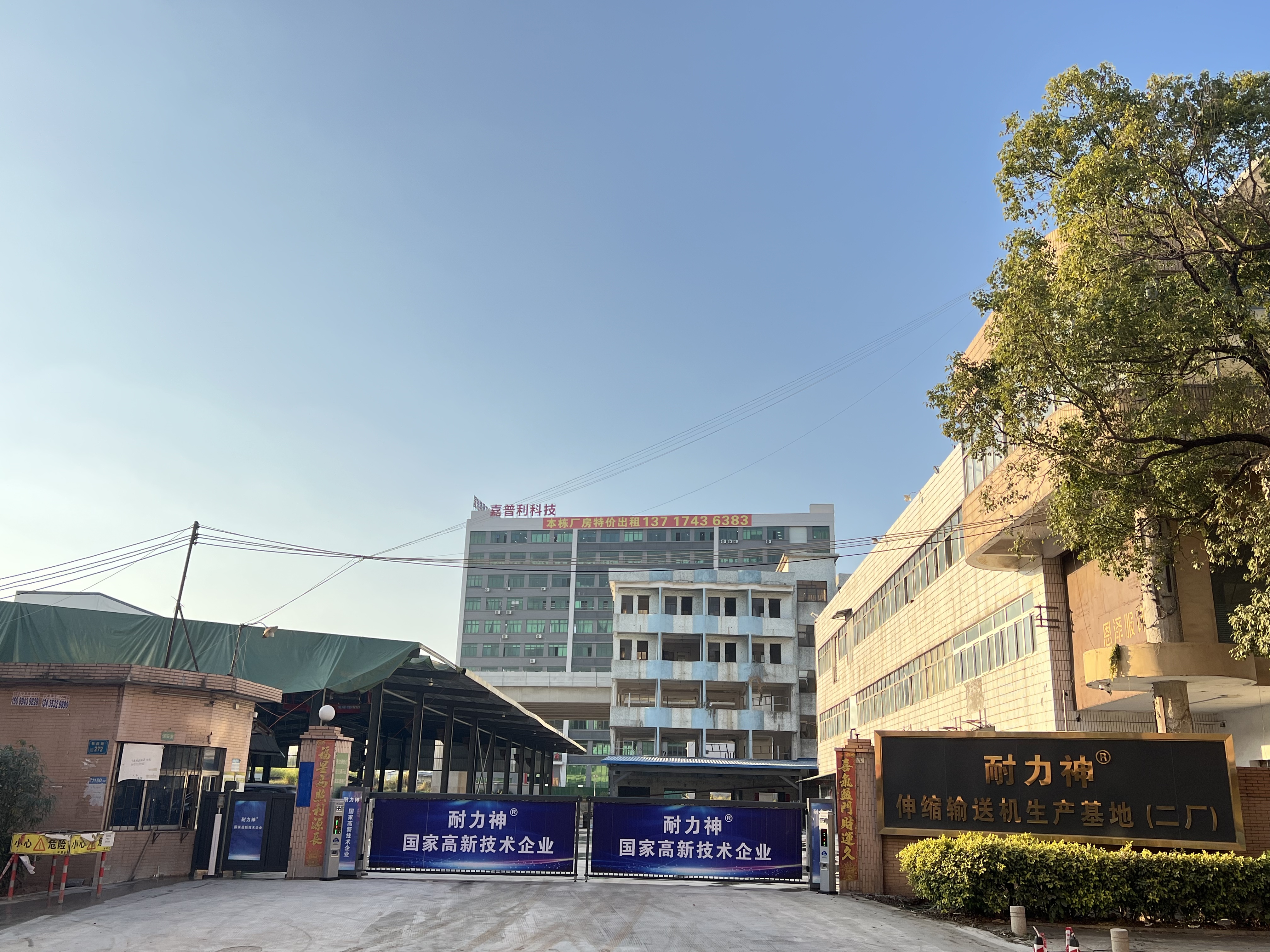
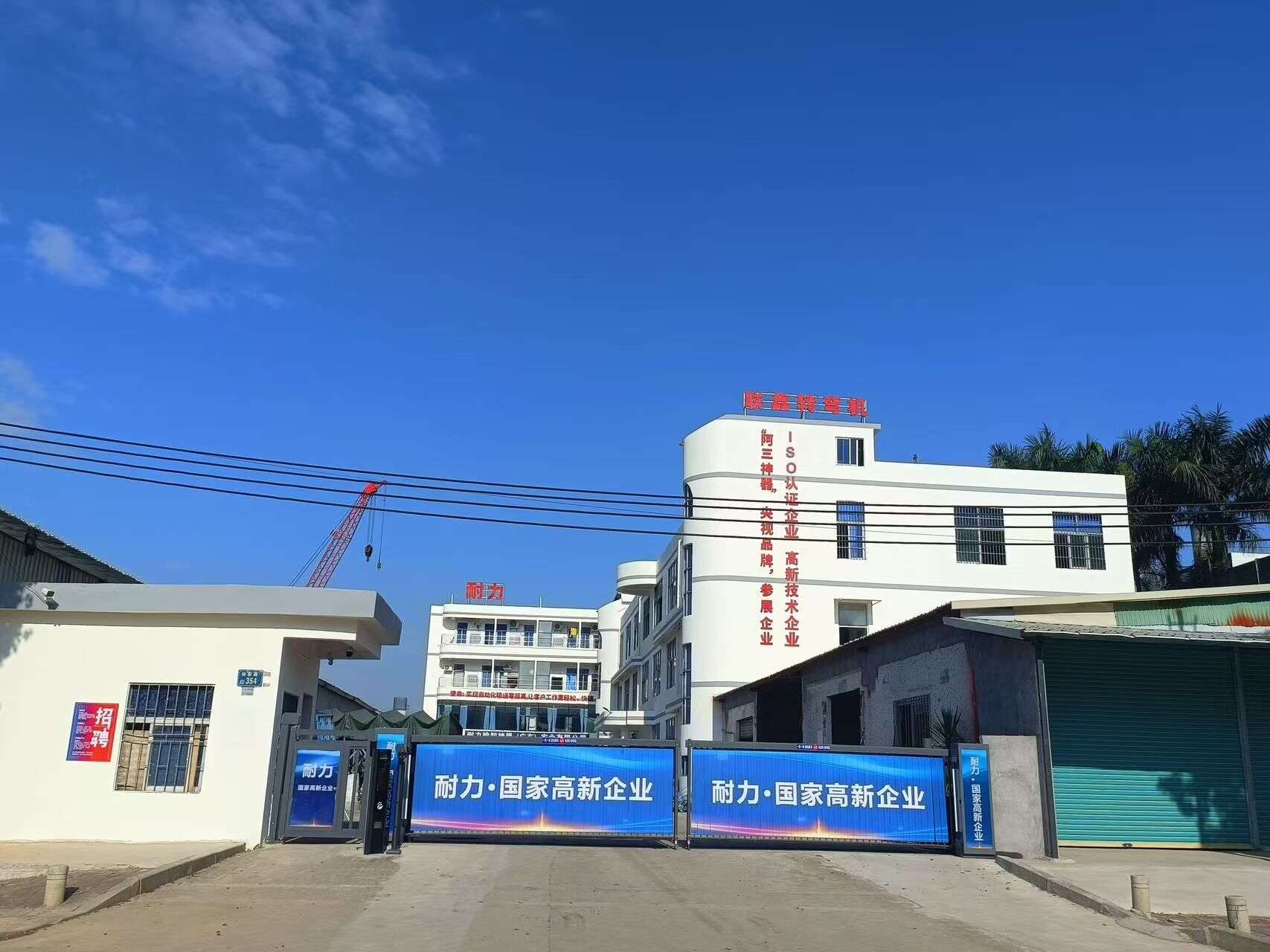
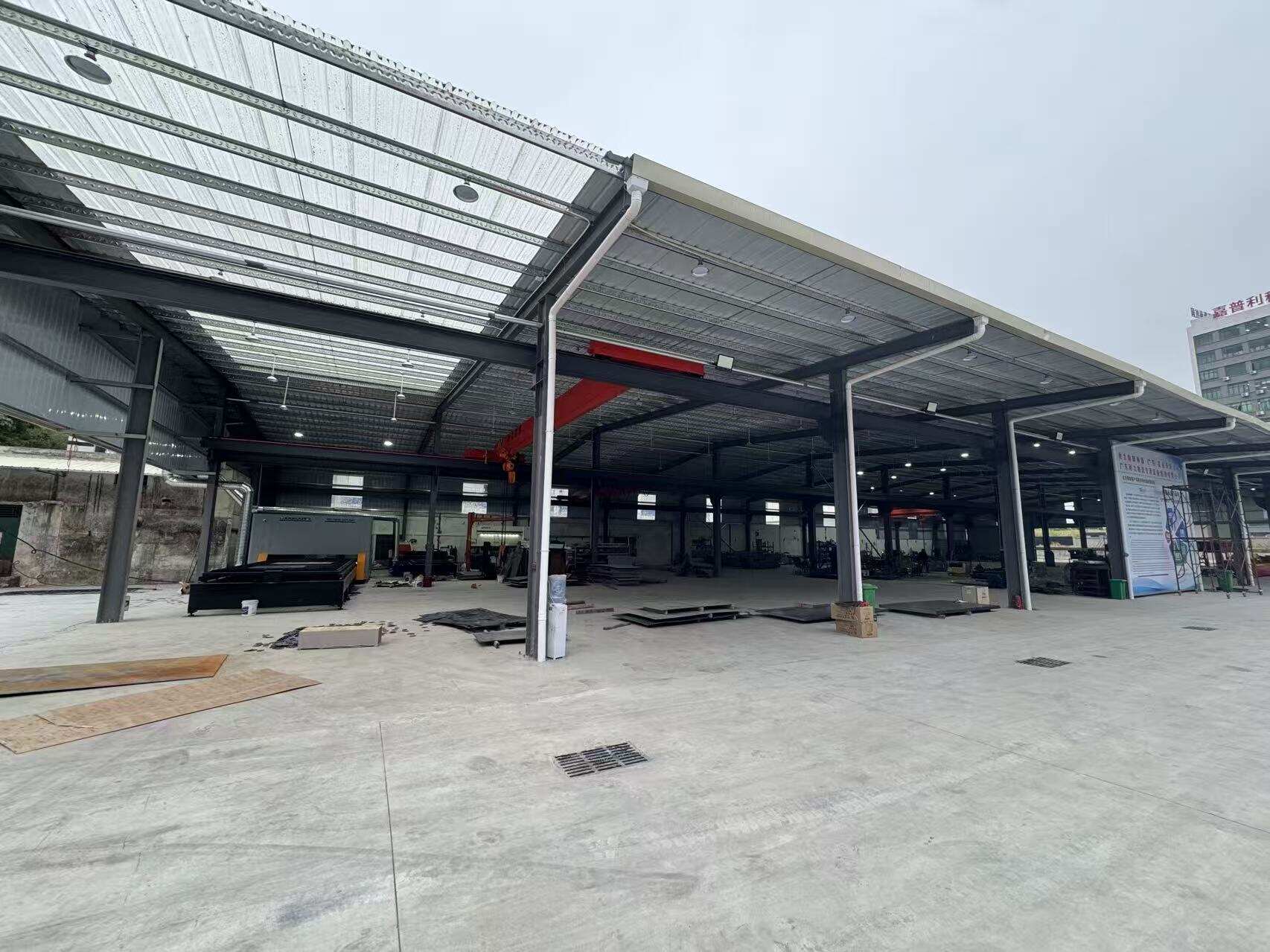
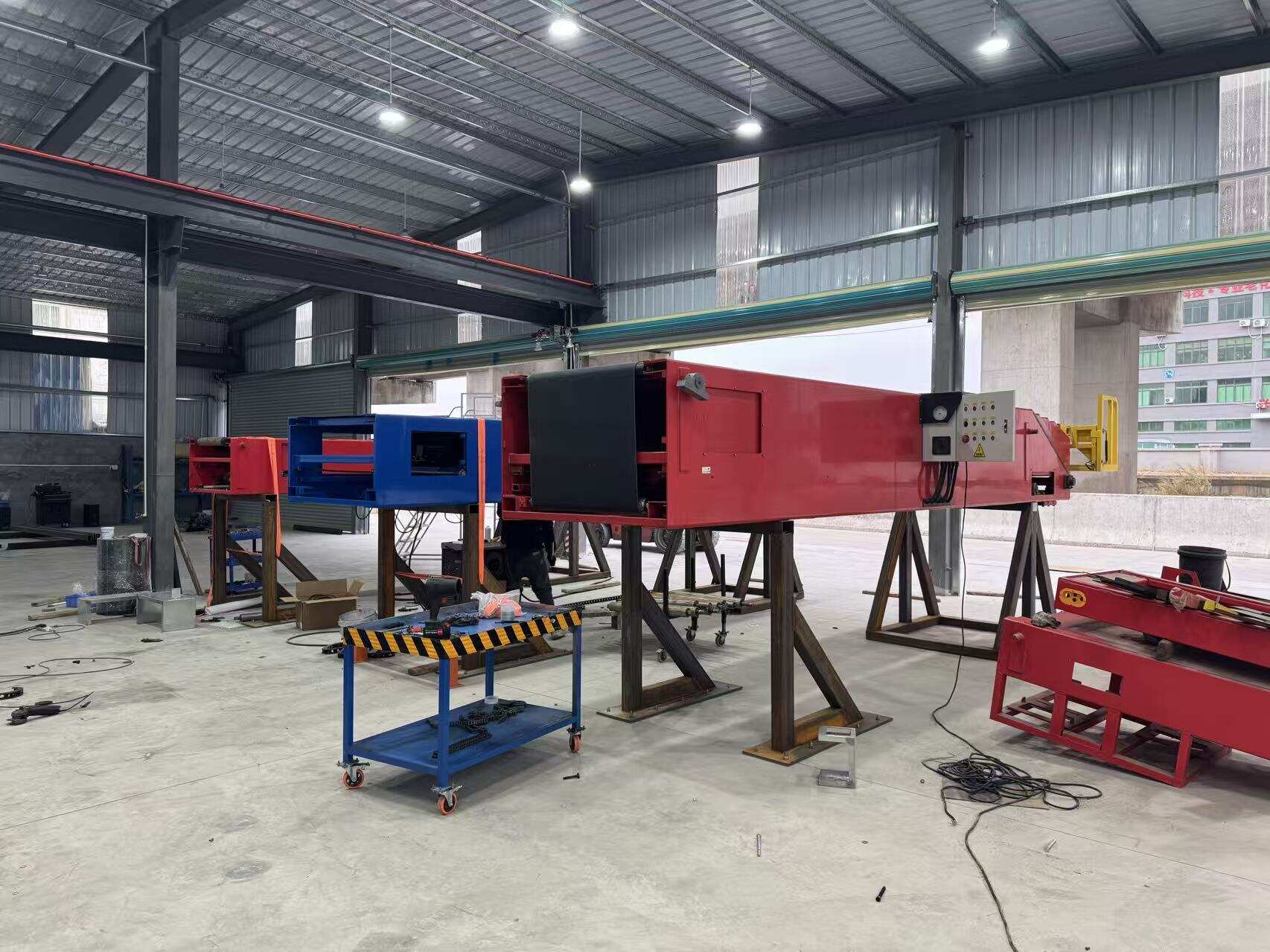
Naili Unloading Artifact (Guangdong) Industrial Co., Ltd.It emphasizes the combination of standardized production, quality control management, and after-sales responsiveness.The article states that the company has an independent, large-scale production facility with capabilities in research and development, production, processing, and testing, and carries out standardized production in accordance with the ISO9001 international quality management system. Process-based controls have been established for every stage, from raw material procurement, component processing, and equipment assembly to finished-product testing and pre-shipment acceptance. Each piece of equipment must undergo load-bearing, telescopic fatigue, wear-resistance, and safety simulation tests.
At the service level, the company has established an integrated production, quality control, and after-sales service system. The production side supports standardized mass production and customized solutions, with plans adjustable according to the company's site dimensions, cargo types, and operating scenarios. The after-sales team provides free installation guidance, rapid fault repairs, regular equipment maintenance, and around-the-clock technical consultation to minimize concerns after purchase.
A wide range of conveyor equipment for different loading and unloading scenarios
In addition to the Powered Roller Telescopic Conveyor,
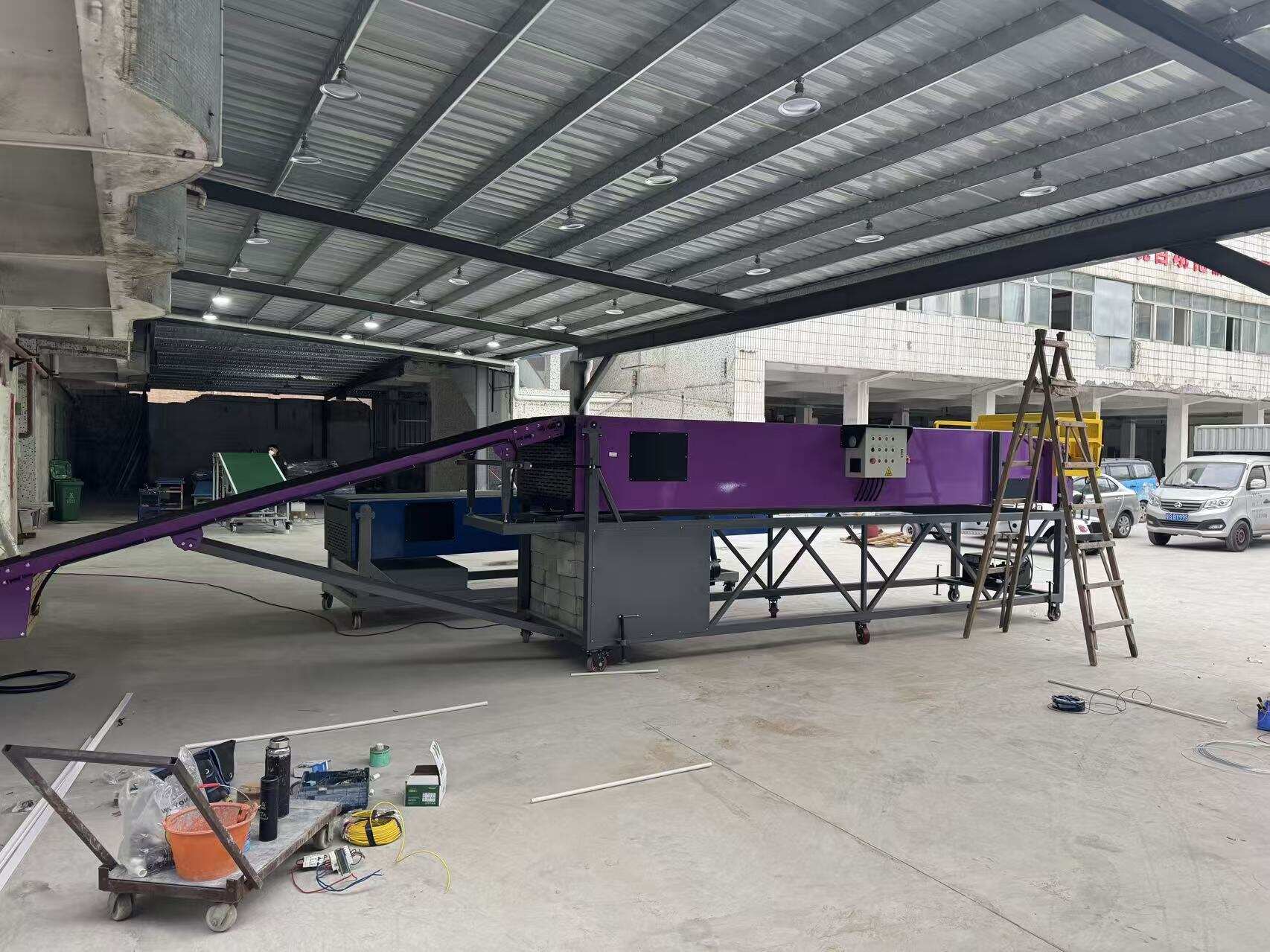
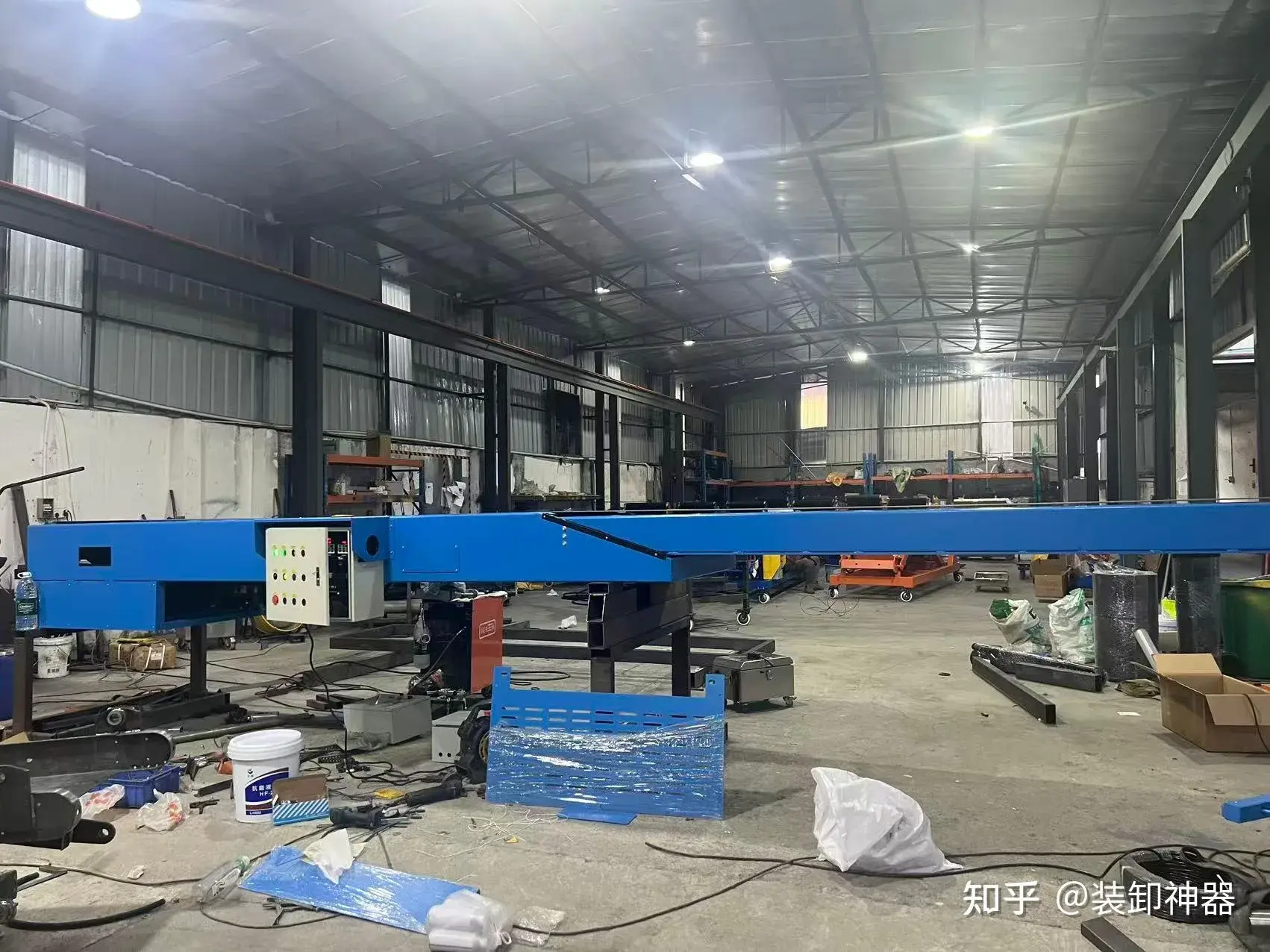
Naili Unloading Artifact (Guangdong) Industrial Co., Ltd.its product range also covers non-powered skate wheel conveyors, Powered Roller Conveyor, Gravity Roller Conveyor, hydraulic lifting incline conveyors, and belt Telescopic Conveyor systems, along with other logistics conveyor equipment suitable for factory production lines, warehouse dock loading and unloading, express sorting centers, supermarket logistics distribution, and cargo terminal transfers.The product advantages mentioned in the article also include the use of thickened steel, highly wear-resistant rollers, and high-quality transmission components, making the equipment suitable for long-term, high-frequency operation. The modular assembly design facilitates disassembly, transportation, and maintenance. The extendable, bendable, and liftable structure helps address practical problems such as limited space, equipment access difficulties, low efficiency, and major safety risks.
For many businesses, what they truly need is not a single piece of equipment, but a loading and unloading method that matches their site and cargo characteristics. In this respect, flexible, lightweight, and highly adaptable conveyor equipment is indeed better suited than traditional heavy-duty loading and unloading methods for upgrading compact loading docks and non-standard sites.
As warehousing and logistics scenarios become more diverse, loading and unloading equipment will continue to develop toward greater precision, efficiency, and safety. For businesses seeking to improve throughput within limited space, choosing a conveyor solution that better matches on-site conditions is more conducive to steadily reducing costs and improving operating quality over the long term than simply adding labor or relying on traditional forklifts.
As warehousing and logistics scenarios become more diverse, loading and unloading equipment will continue to develop toward greater precision, efficiency, and safety. For businesses seeking to improve throughput within limited space, choosing a conveyor solution that better matches on-site conditions is more conducive to steadily reducing costs and improving operating quality over the long term than simply adding labor or relying on traditional forklifts.