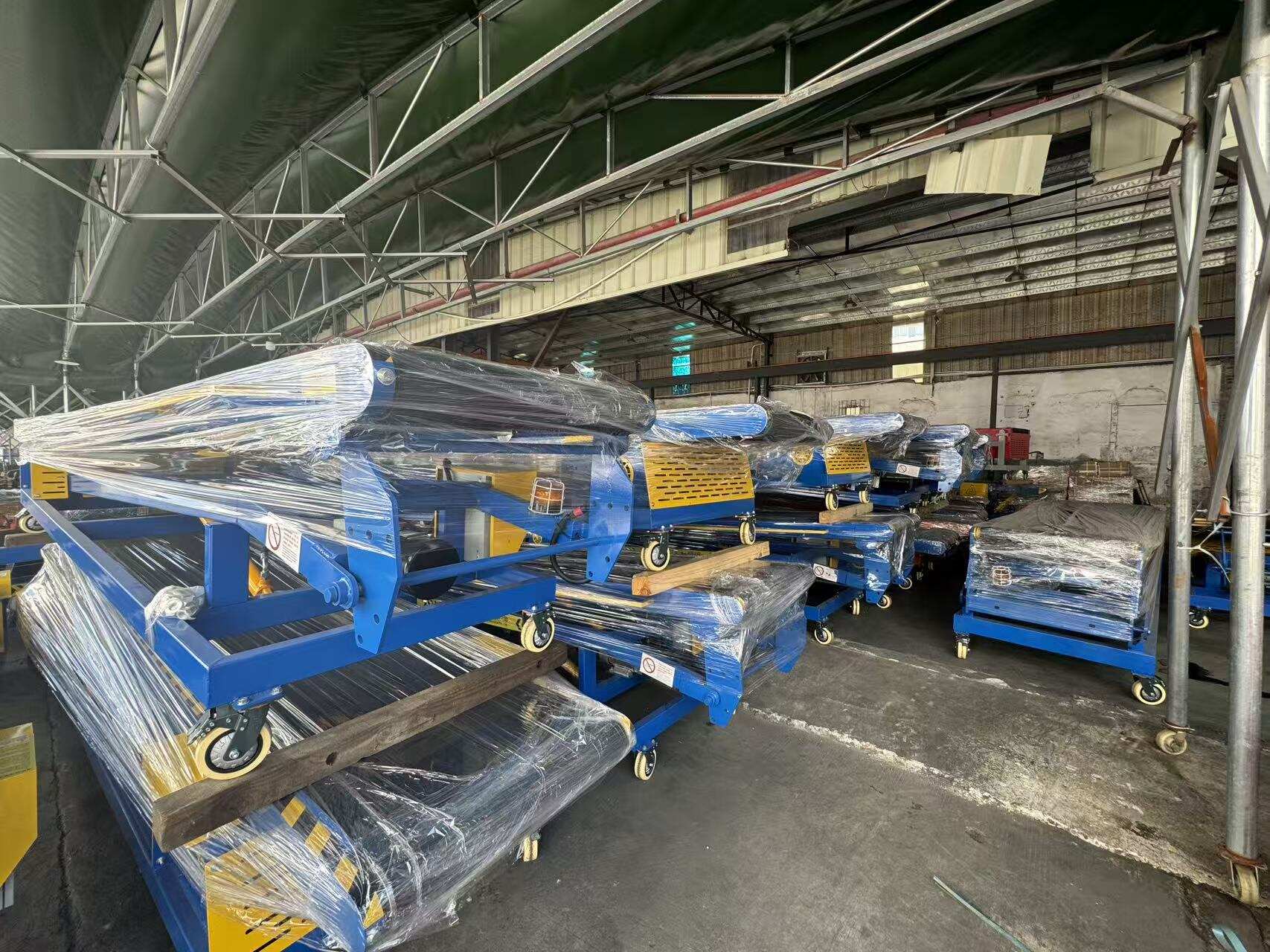
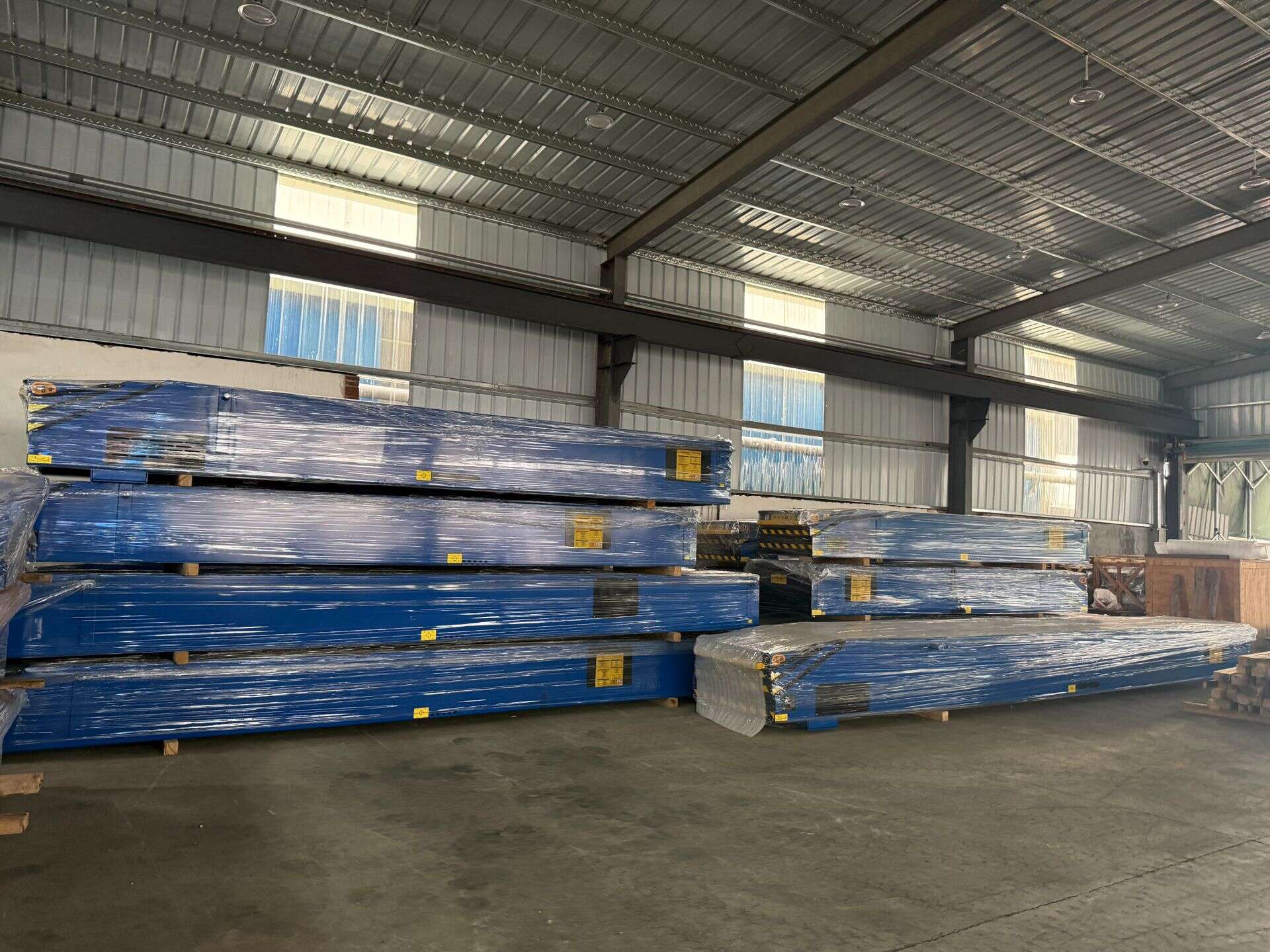
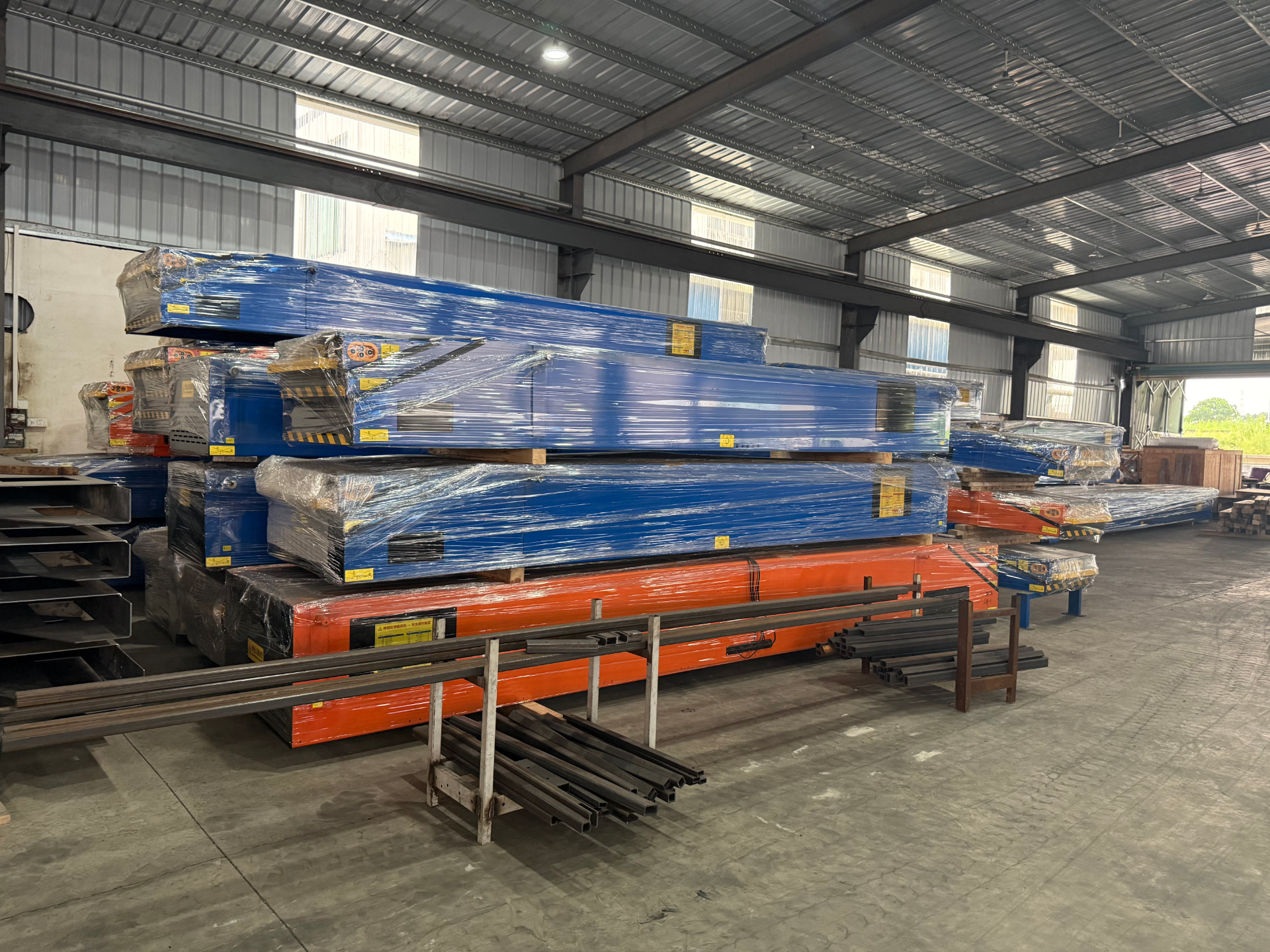
Naili Conveyor
Conclusion first: What problem does the belt Telescopic Conveyor solve?
Many logistics sites and factories use belt Telescopic Conveyor, but what really determines whether you buy the right equipment is not just whether it can load and unload trucks, but which operational pain points it actually solves.
From a practical application perspective, the value of a belt Telescopic Conveyor is mainly reflected in reducing manual back-and-forth handling, adapting to complex sites, connecting in-warehouse conveying lines, and stabilizing loading and unloading efficiency as well as cargo turnover quality.
Use 1: Solving the last-meter loading and unloading challenge for trucks and containers
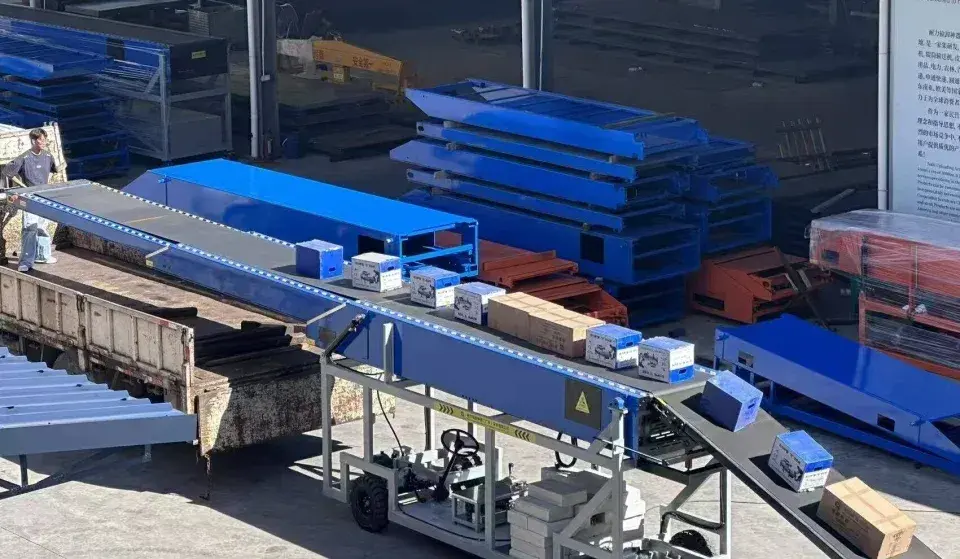
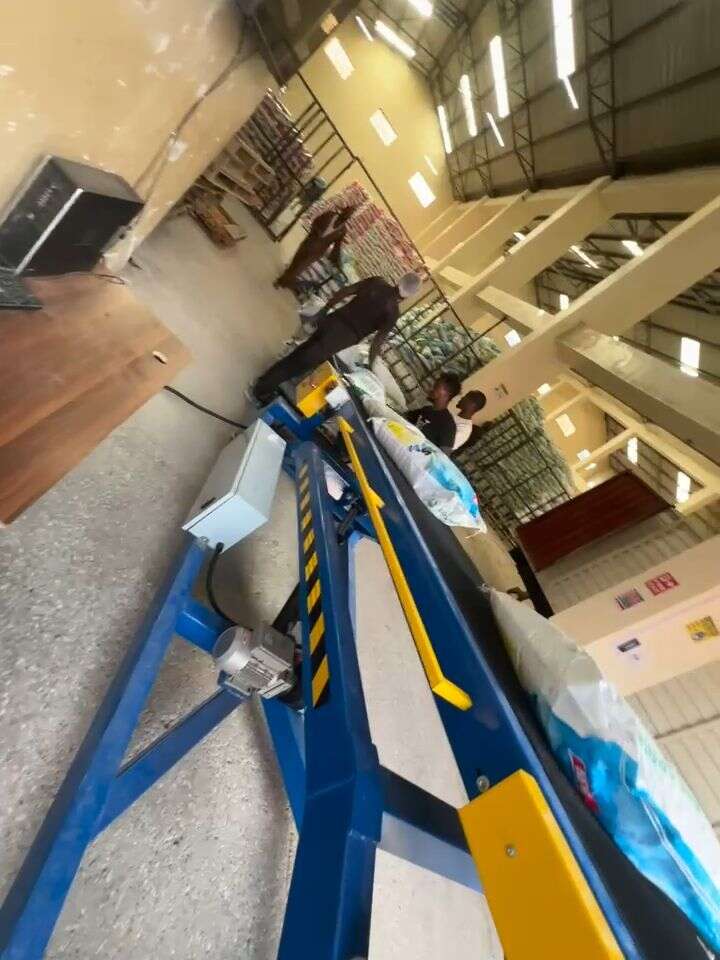
The most basic and also most core use of a belt Telescopic Conveyor is to extend directly into the truck bed or container to convey goods, bringing them from deep inside the vehicle to the external work point.
Compared with traditional manual loading and unloading, workers do not need to repeatedly enter and exit the deep part of the vehicle to move goods, go back and forth, and run around. Labor intensity is significantly higher, and problems such as cargo bumps, damage, slow unloading, and vehicle congestion are also more likely to occur.
After using a belt Telescopic Conveyor, workers only need to arrange goods at the truck opening or both ends of the warehouse platform. Whether it is a 4.2 m box truck, a 6.8 m medium-duty truck, or a 13 m semi-trailer or high-cube container, it can be used for both loading and unloading operations.
Use 2: Flexible operation adapted to non-platform and non-standard sites
Fixed conveyors usually rely on standard sites, and once the site does not match or there is no standard platform, it is difficult for them to be effective. The second core use of a belt Telescopic Conveyor is to handle such non-standard working conditions.
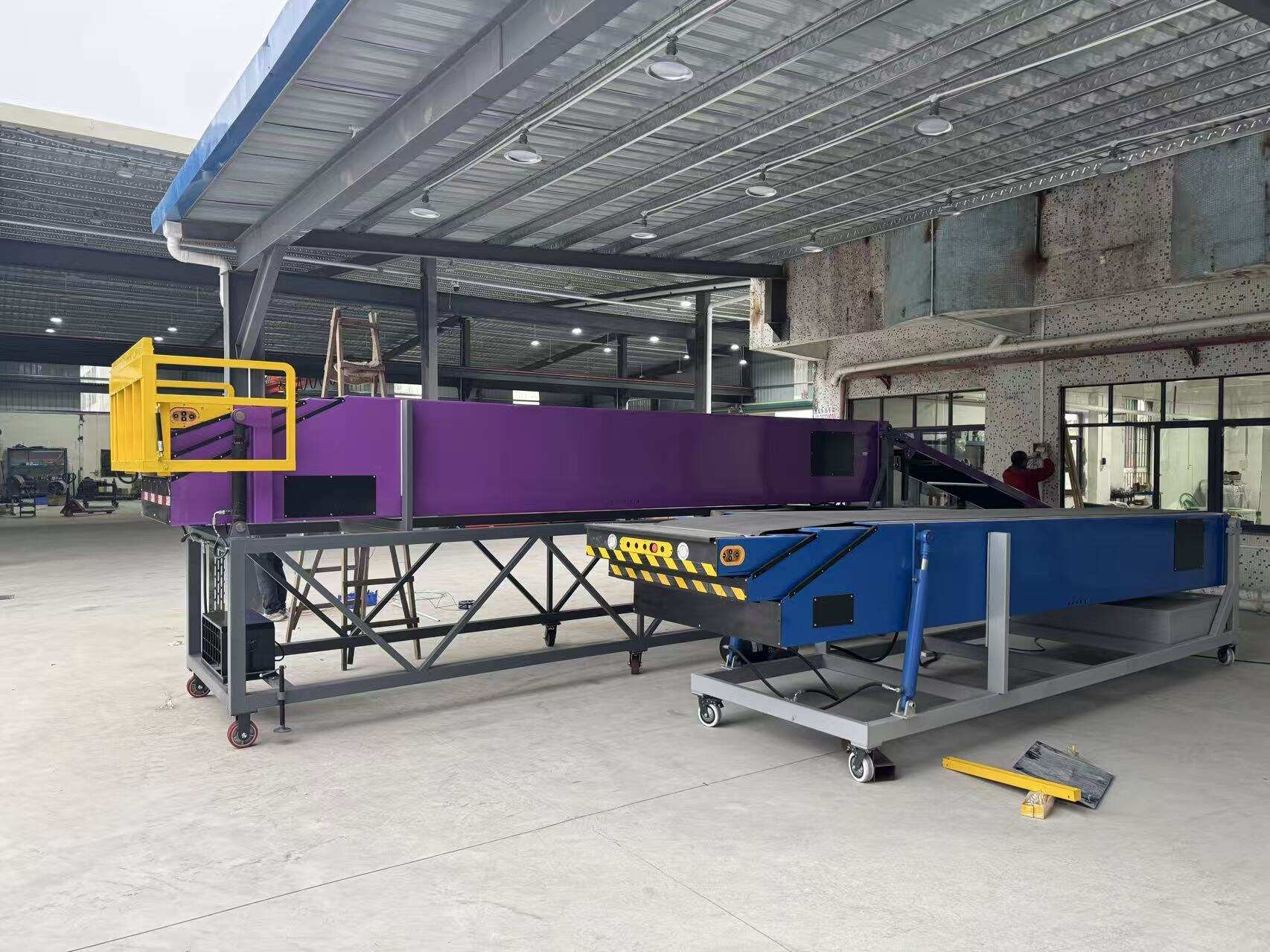
It can be used in scenarios such as loading and unloading on flat ground without a platform, temporary roadside loading points, narrow warehouses, compact platforms, and rotating operations among multiple vehicles and multiple cargo positions. It can also extend, retract, move, and be stored freely, so it will not occupy space for a long time when not in use.
These capabilities are well suited to common problems faced by small and medium-sized factories and logistics outlets, such as limited space, complex working conditions, and rapidly changing operation rhythms.
Use 3: Connecting in-warehouse production lines to link inbound and outbound conveying channels
Many people think of a belt Telescopic Conveyor as loading equipment, but its high-frequency uses also include in-warehouse transfer connections.
It can connect with sorting lines, packing stations, inbound conveyors, and outbound sorting lines for finished-goods outbound conveying, product sorting transfer, and short-distance material transport, thereby linking in-warehouse conveying with full-vehicle loading and unloading.
In this way, businesses do not need to stack multiple machines for different processes; they can handle both in-warehouse conveying and full-truck loading and unloading at the same time, saving equipment investment and reducing floor space usage.
Use case 4: Reduce manual labor intensity, stabilize efficiency, and minimize cargo damage
The belt Telescopic Conveyor does not completely replace manual labor; rather, it frees workers from high-intensity, repetitive back-and-forth handling, making operations more stable.
During peak season when staffing is tight, new employees are not yet skilled, weather changes are pronounced, or cargo turnover is frequent, manual loading and unloading can easily lead to efficiency fluctuations and increased cargo damage. The belt Telescopic Conveyor can reduce the strain of heavy manual handling, minimize throwing and bumping by workers, and make operating speed more consistent and stable.
Under suitable operating conditions, 2 to 3 people can complete the loading and unloading of an entire vehicle, which helps control labor costs and makes the loading and unloading process more manageable.
Choosing the right model is what makes the application truly work
Even with a belt Telescopic Conveyor, different processes and configurations correspond to different uses, and the service life and on-site performance will also vary.
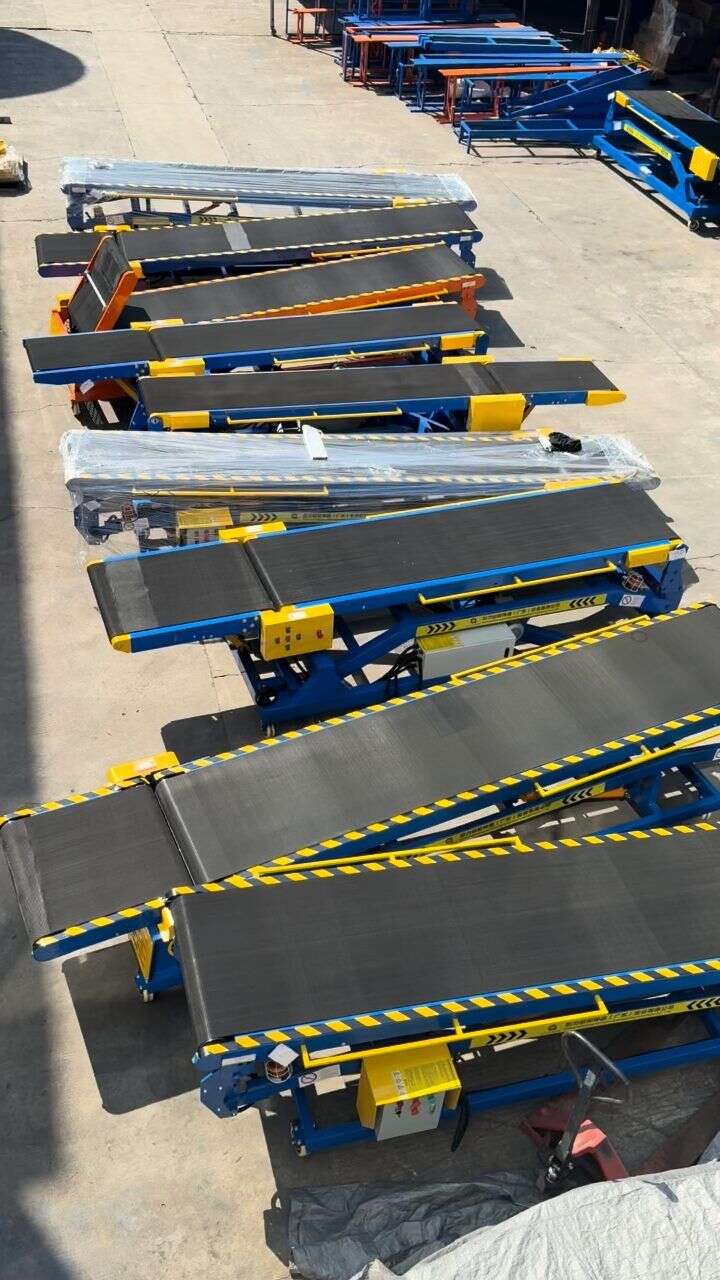
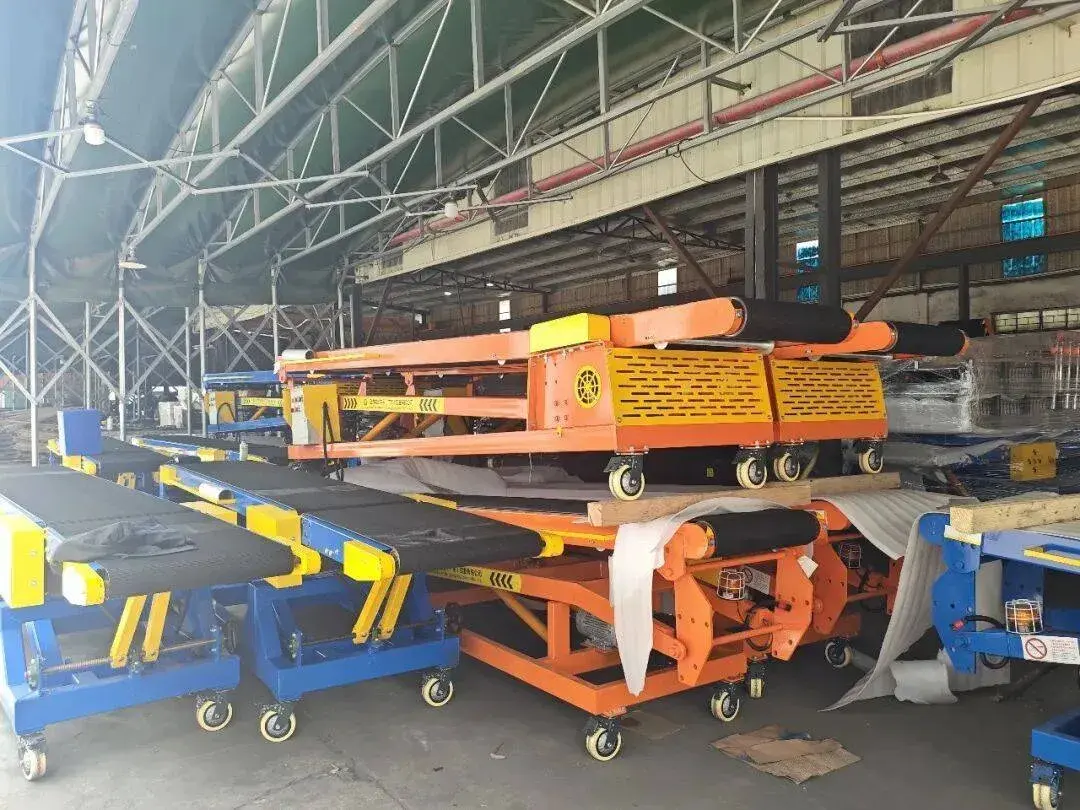
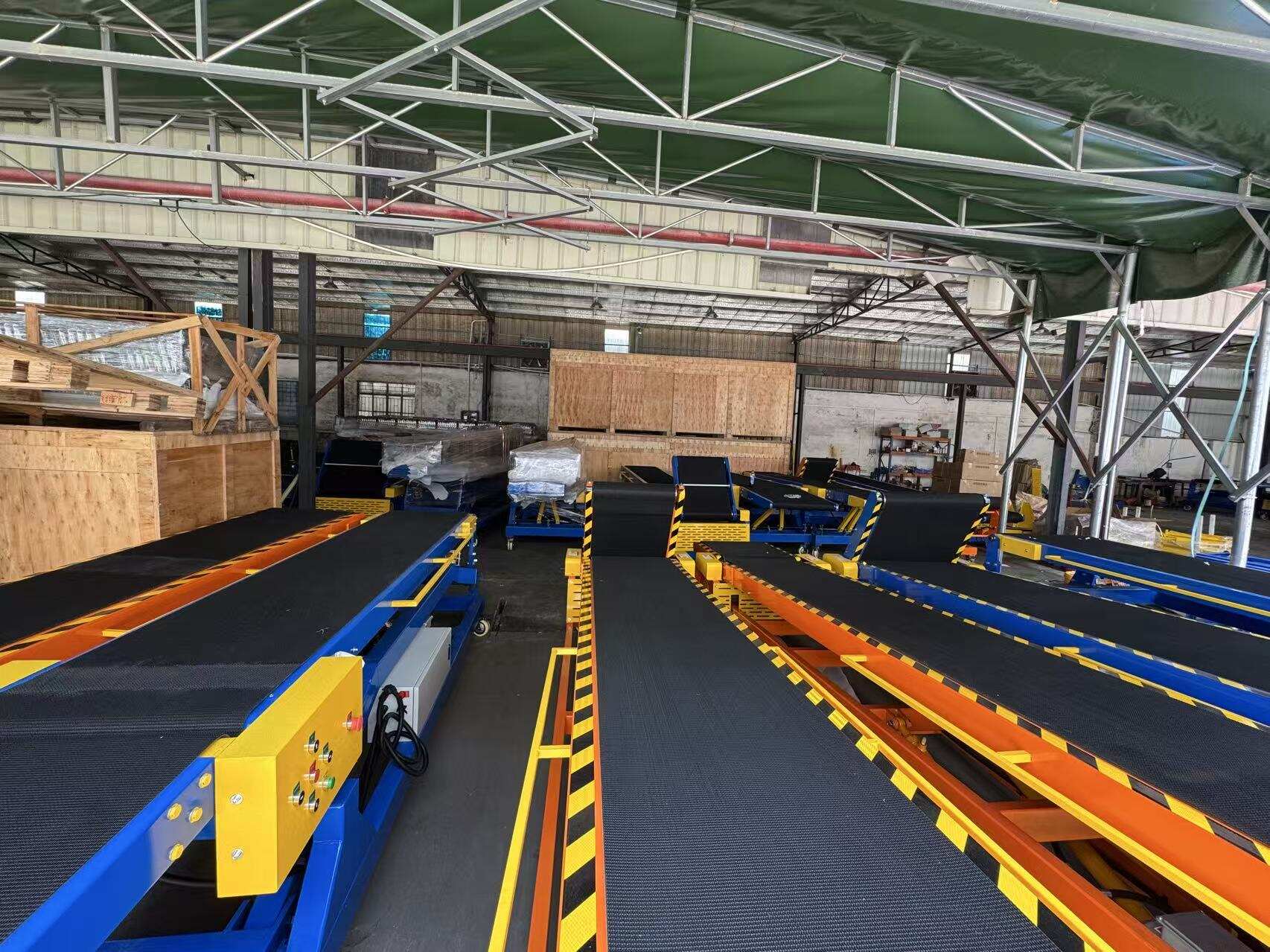
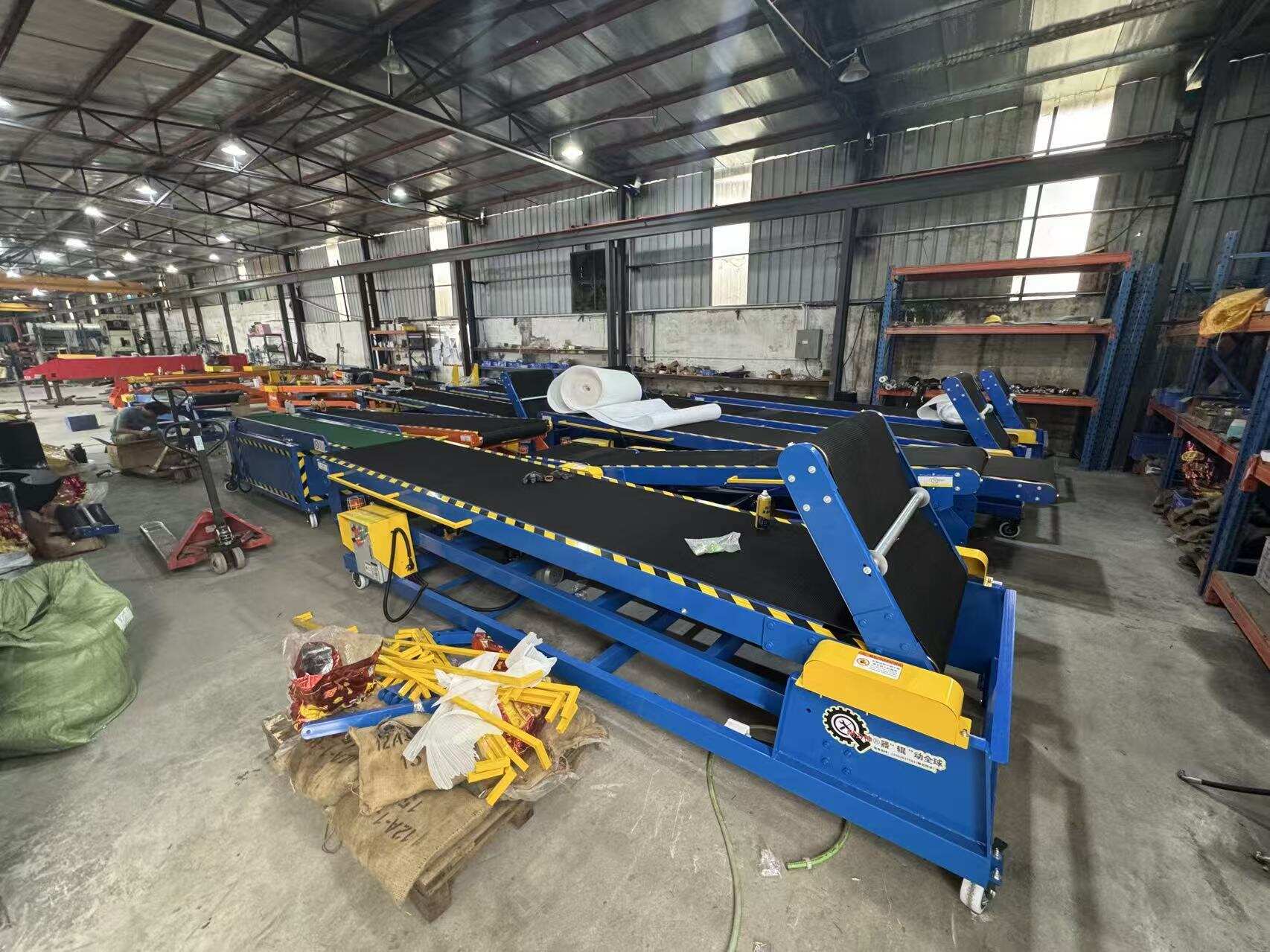
Naili Unloading Artifact (Guangdong) Industrial Co., Ltd. will match the model based on the enterprise’s actual use case, cargo type, site conditions, and vehicle type: light express goods can choose the standard Telescopic Conveyor model, heavy boxed or bagged goods can choose a reinforced frame, upgraded belt, and heavy-duty motor, vehicles with varying loading heights can choose a hydraulic lifting model, and multi-point operations are better suited to a mobile model.
In summary, the core purpose of a belt Telescopic Conveyor is to solve the labor challenge of the last meter in loading and unloading, adapt to complex site operations, connect the warehouse conveying chain, and strike a balance among cost reduction, efficiency improvement, and lower cargo damage.
It is not an optional auxiliary device, but a highly practical flexible automation device in logistics and factory warehousing scenarios.