Naili Conveyor
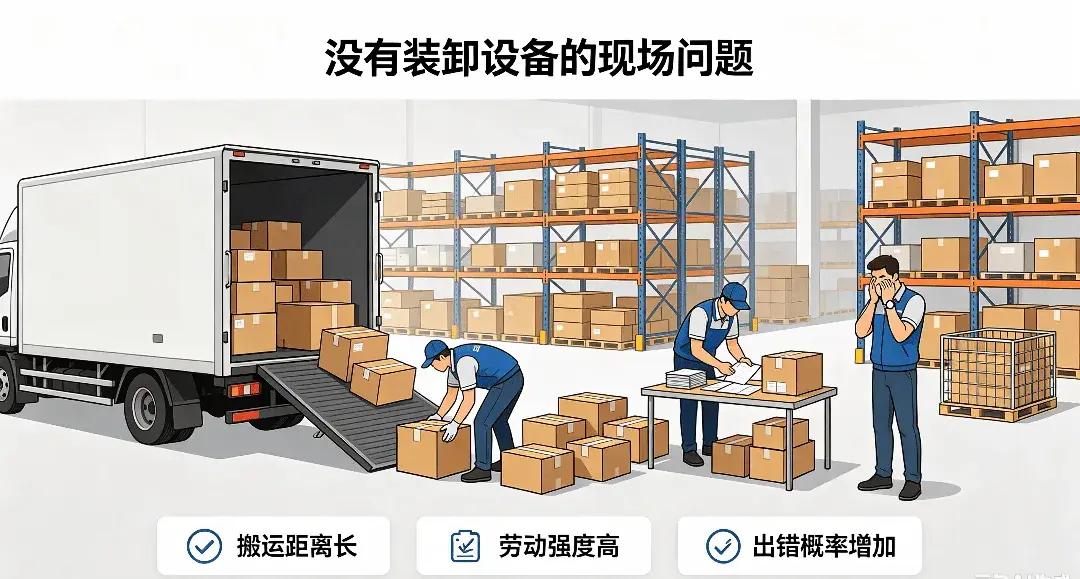
Against the backdrop of the widespread adoption of smart manufacturing, many manufacturing plants and finished-goods warehouses are focusing on upgrading the automation of internal logistics. Companies hope to replace manual handling with mechanized conveying, thereby reducing long-term labor costs and improving cargo turnover efficiency. However, after completing technical upgrades, many companies face a series of operational challenges such as mismatches between equipment and the on-site layout, broken links between production lines, and congestion in cargo transfer. These issues often leave equipment idle for long periods, and sometimes require repeated rework and adjustments, ultimately causing the return on investment to fall short of expectations.
Many managers believe failed retrofits are caused by equipment quality issues, but the core problem often lies in directly applying standardized production-line equipment while ignoring the plant’s unique non-standard operating environment. Mass-produced general-purpose conveying equipment on the market is typically designed for regular factory buildings, uniform dock heights, a single product category, and fixed shipping rhythms. When faced with the complex and changing site conditions of domestic physical factories, such equipment has a very limited range of applicability.
Most factories commonly face site constraints: workshop aisles vary in width, building layouts are irregular, workstations are arranged in a dispersed pattern, and there is no unified standard for dock height differences. In addition, daily operations involve a variety of vehicle types such as 4.2m box trucks, 9.6m high-sided trucks, and 17.5m semi-trailers, while also requiring the movement of multiple types of cargo, including light and heavy cartons and tooling materials. If template-based equipment is forced into use, it can easily cause transfer bottlenecks or connection failures, preventing the entire logistics system from matching the real production rhythm and resulting in multiple forms of waste in capital, space, and project time.
To achieve a one-time successful logistics upgrade, the key is to build a flexible conveying system based on the full working conditions of the factory. By conducting an on-site review of bottlenecks across the full process, including raw material inbound, workshop process transfer, finished-goods storage, and truck loading and unloading, and by customizing an exclusive solution according to site dimensions, cargo flow direction, and daily shipment volume, precise one-to-one matching can be achieved.
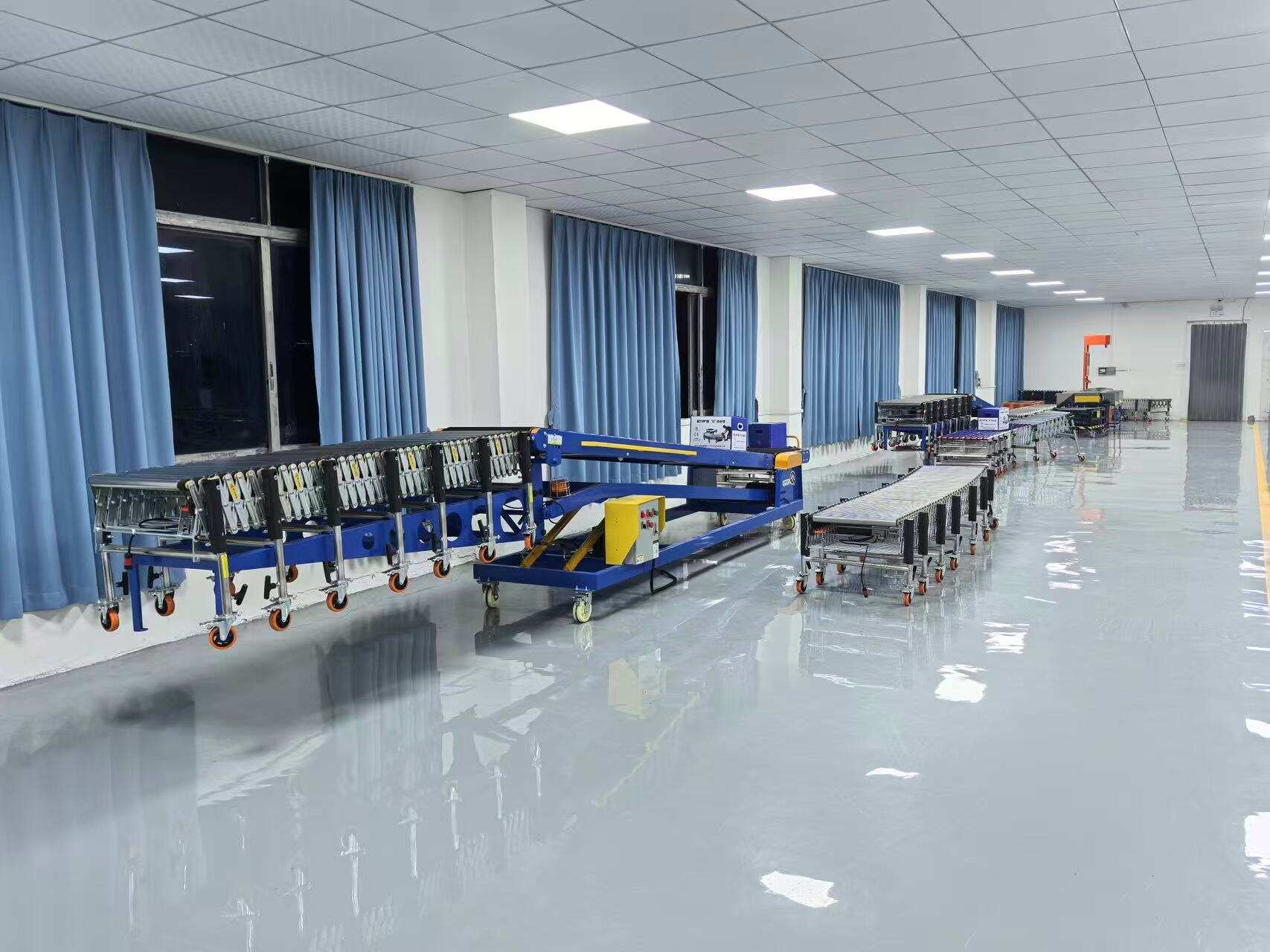
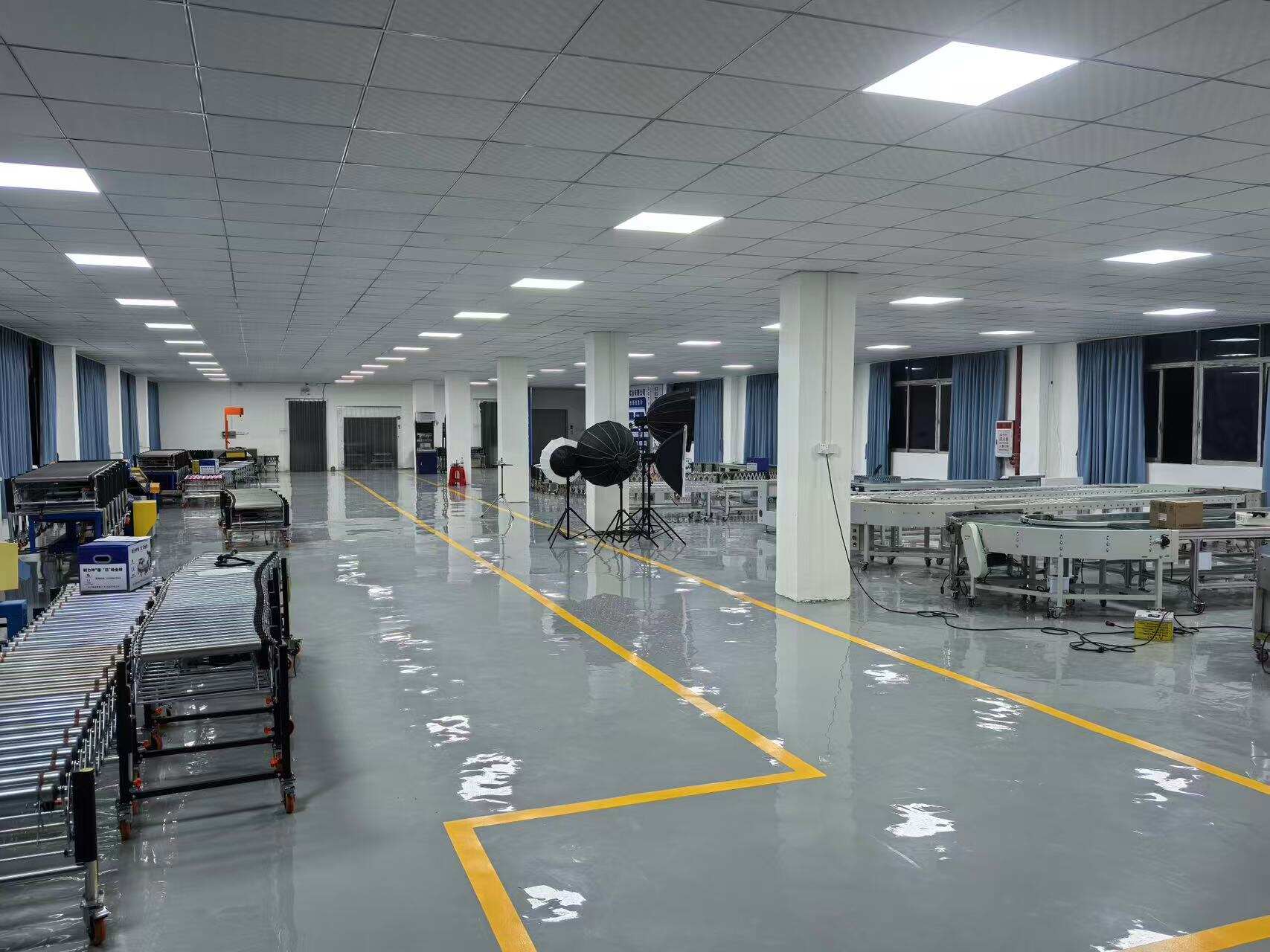
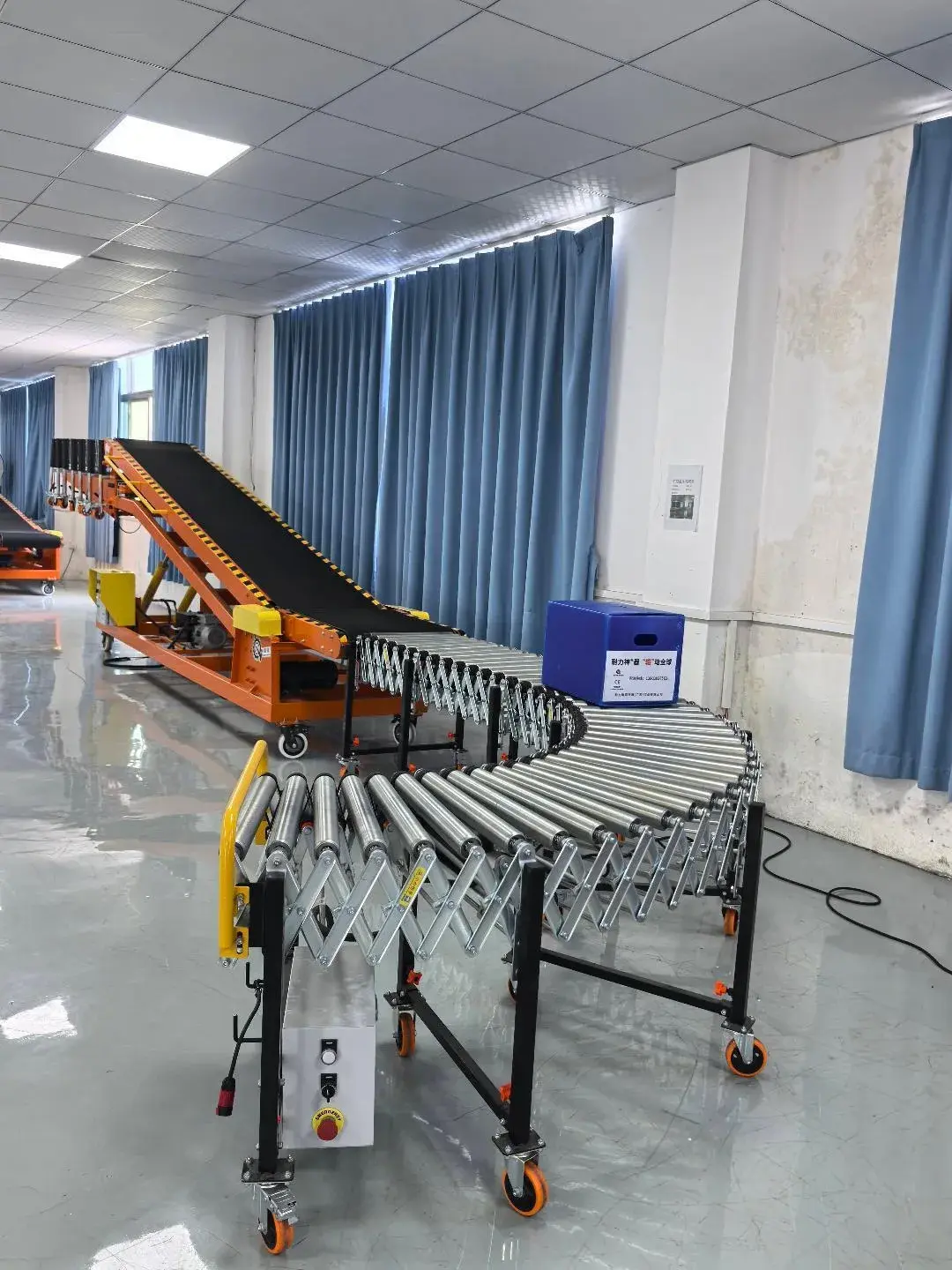
At present, for all kinds of non-standard factory sites, the following three core conveying devices, when freely combined, can effectively cover full-scenario needs for workshop transfer, vehicle loading and unloading, and connection across height differences:O-belt roller conveyor line, telescopic roller conveyor, Hydraulic Conveyor.
1. O-belt roller conveyor line: the basic equipment for workshop process transfer
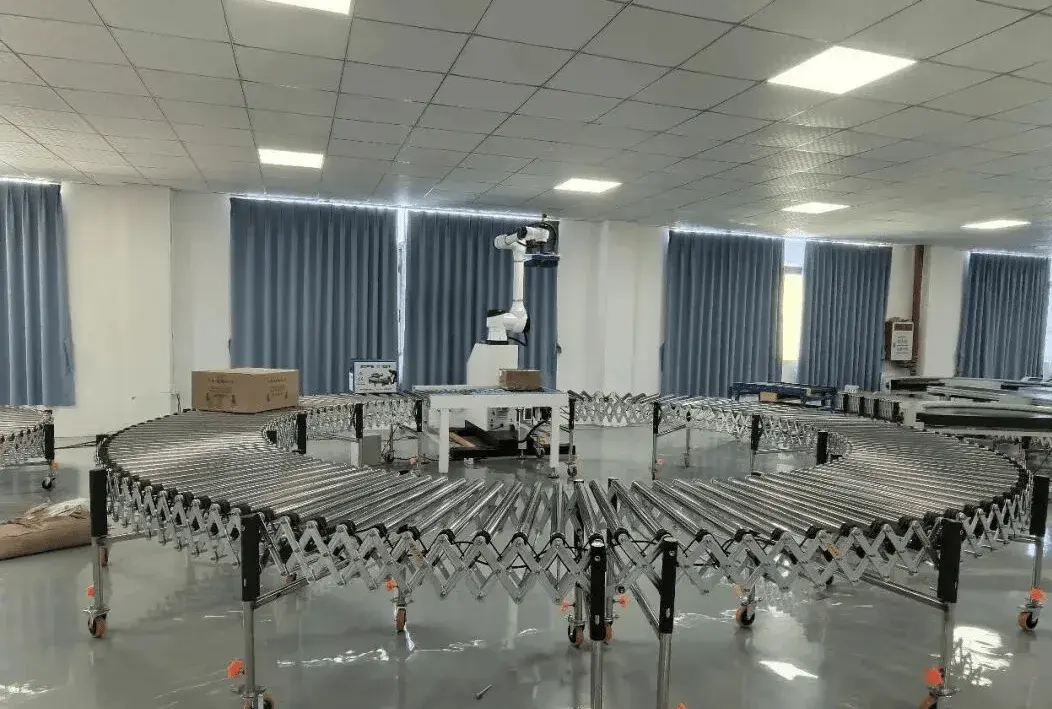
This equipment is specially designed for short-distance transfer inside factories, workstation docking, and conveying of full cartons. It adopts an O-belt independent drive structure, featuring low operating noise and even force distribution, which ensures smooth carton conveying and avoids scratching or jamming. Compared with ordinary roller lines, its drive structure is more stable, has a lower failure rate during long-term high-frequency operation, and is easy to maintain. The equipment supports multi-section splicing and turning, and can adapt to continuous conveying of various light and heavy materials such as cartons, plastic turnover crates, and tooling boards. It is the basic standard configuration for solving scattered workshop flow lines, labor-intensive manual pushing and pulling, and lagging process transfers.
2. Telescopic roller conveyor: the core efficiency-boosting equipment for vehicle loading and unloading
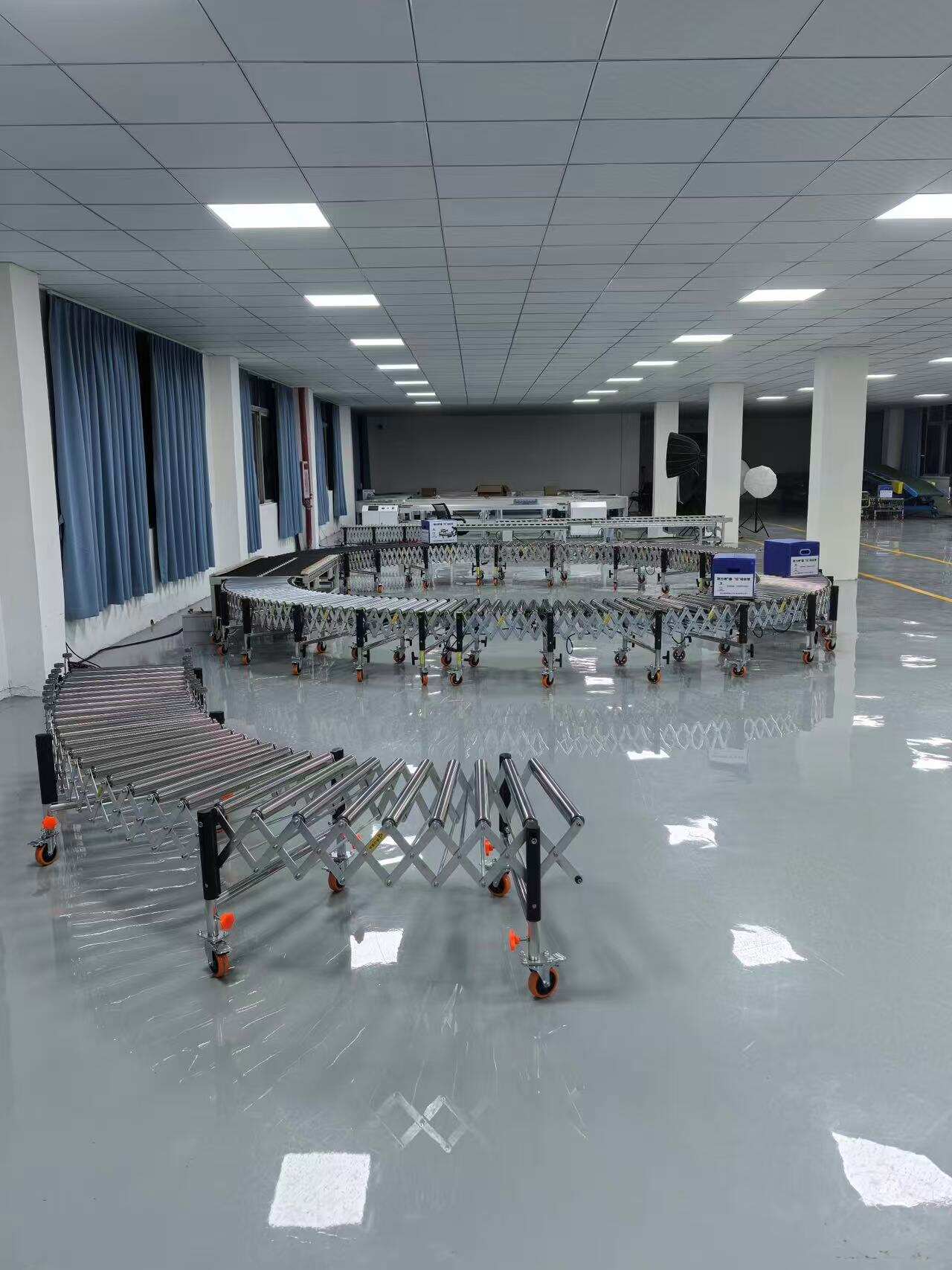
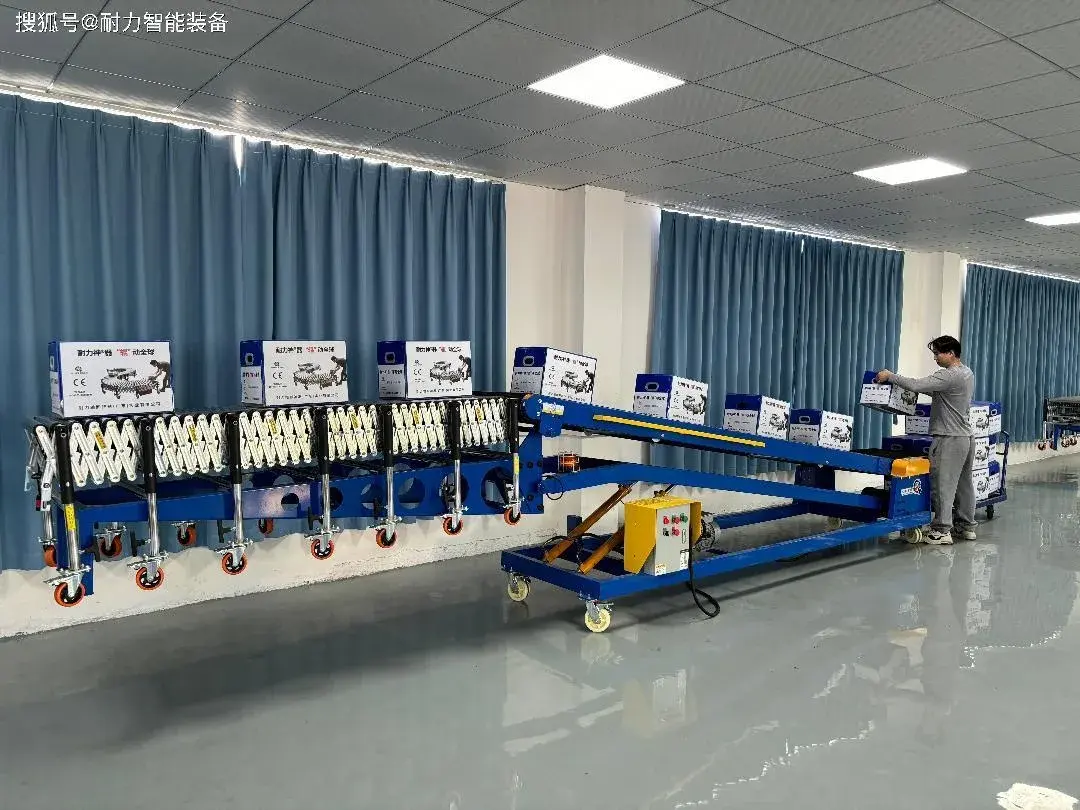
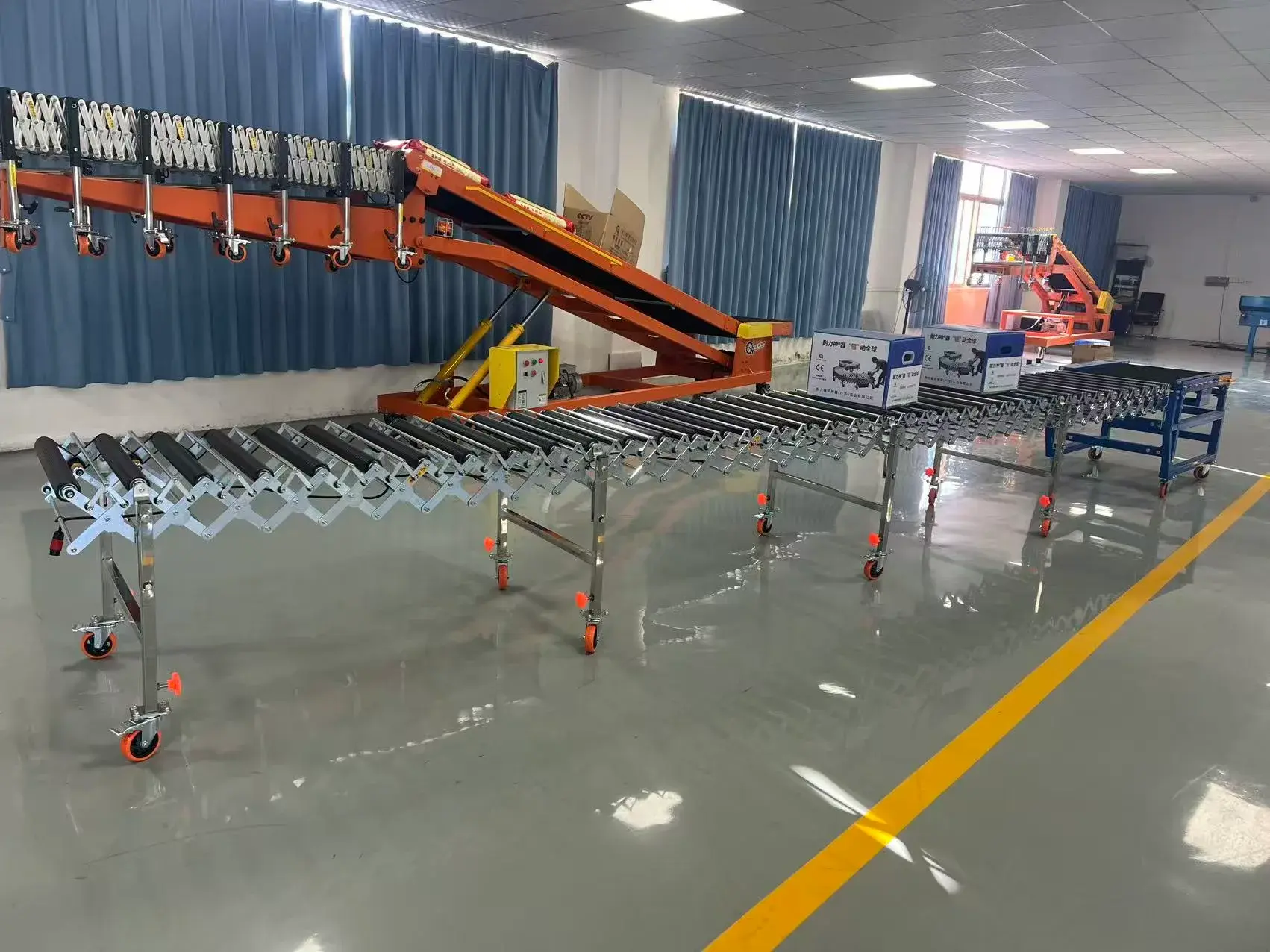
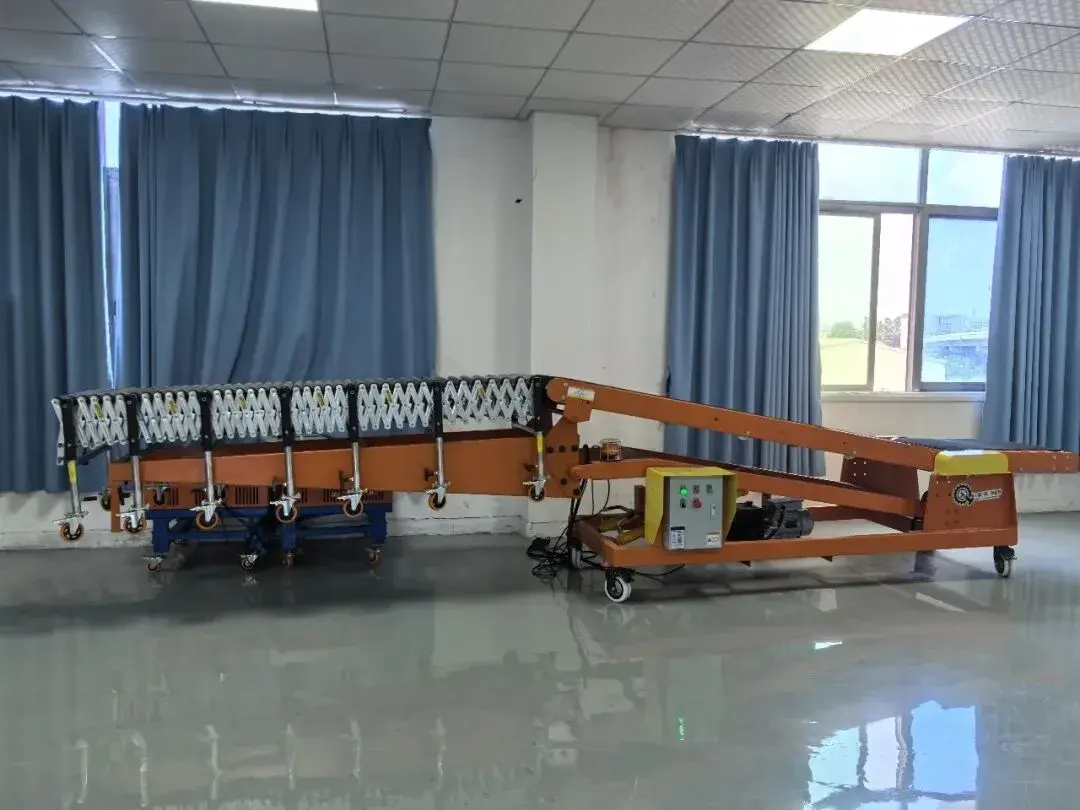
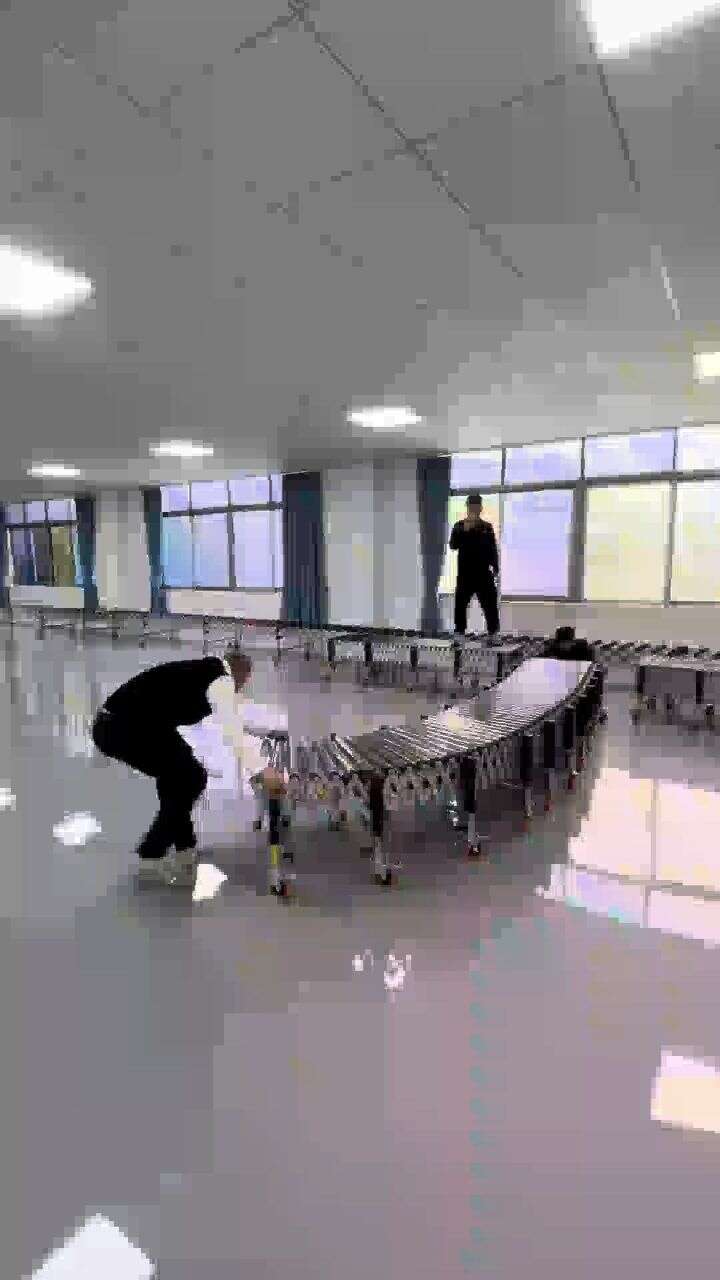
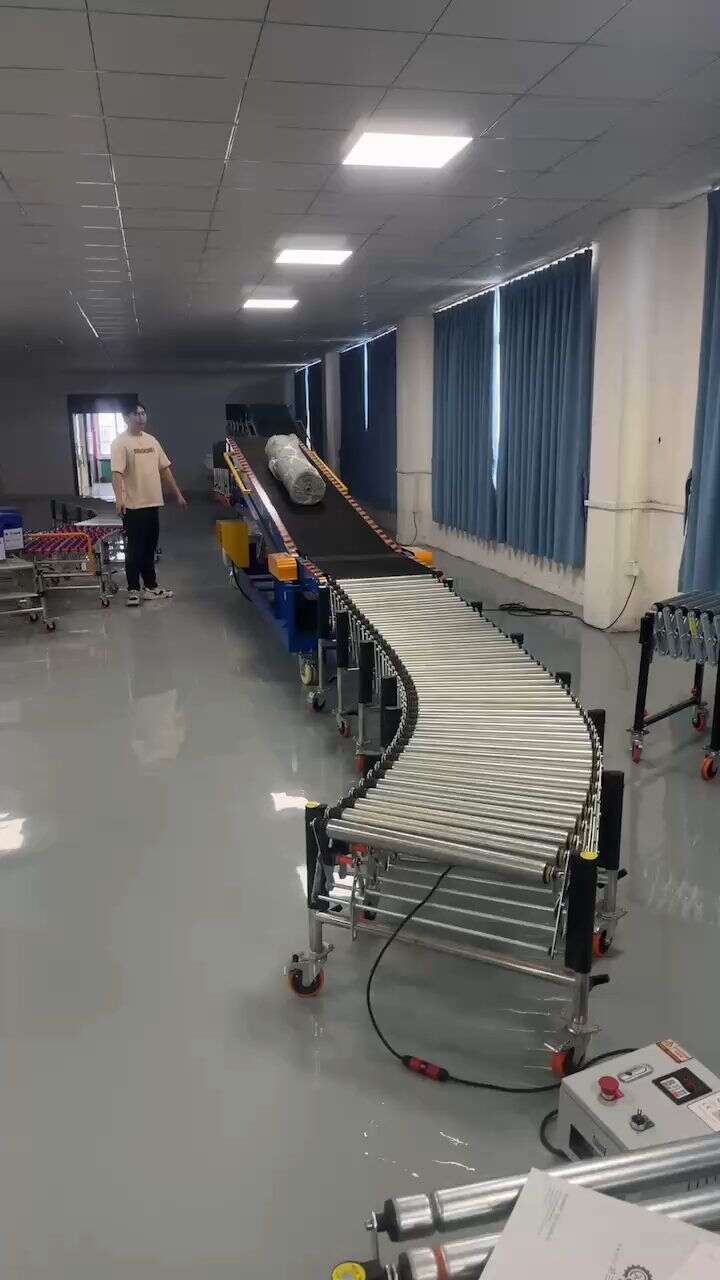
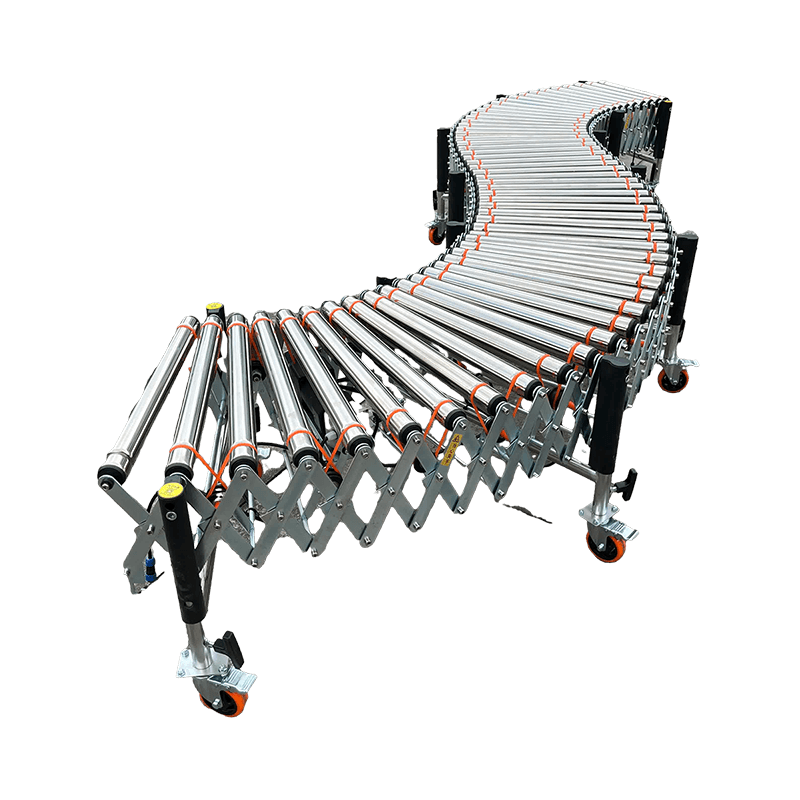
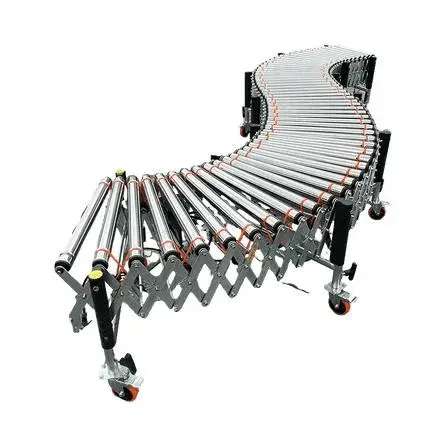
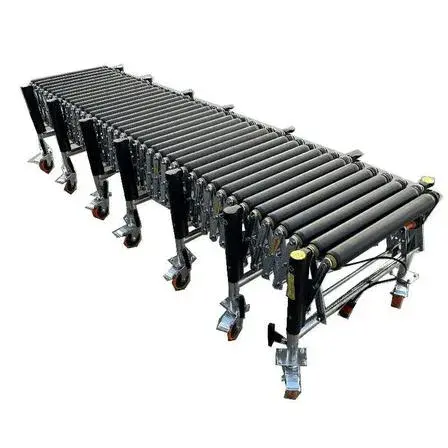
Telescopic roller conveyors are designed specifically to solve the challenge of bulk loading and unloading at the end of a warehouse. The machine supports multi-stage extension and flexible steering. In the extended state, it can reach deep into the truck or container body, significantly reducing the number of times workers have to climb in and out for repeated handling. When not in use, the equipment can be fully retracted, taking up very little space and putting it into operation quickly without complex civil works. It enables continuous, uninterrupted transfer for large-volume finished goods outbound shipping, greatly reduces loading and unloading time, and effectively lowers the chance of cargo bumps and damage. It is widely used in high-frequency loading and unloading scenarios such as finished-goods warehouses, e-commerce cloud warehouses, and express sorting centers.
3. Hydraulic Conveyor: Tackling the challenge of platform height differences
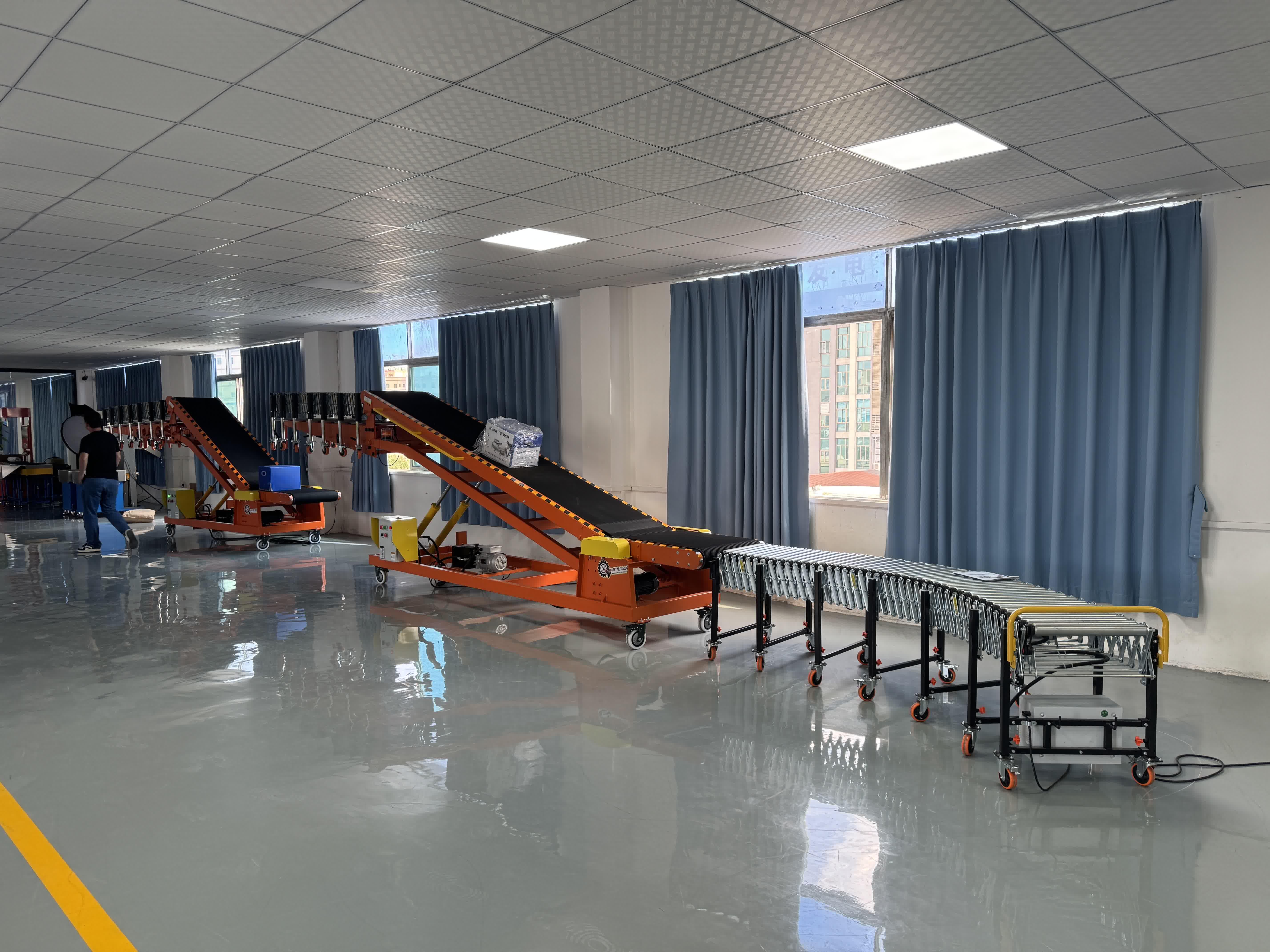
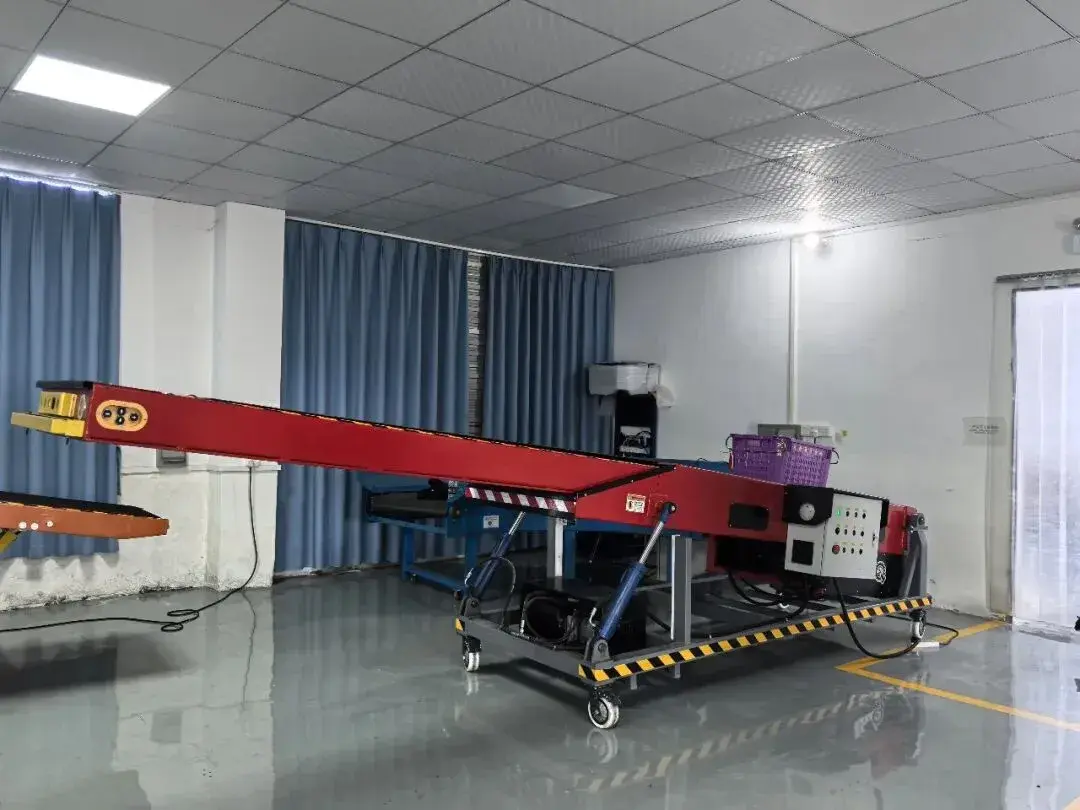
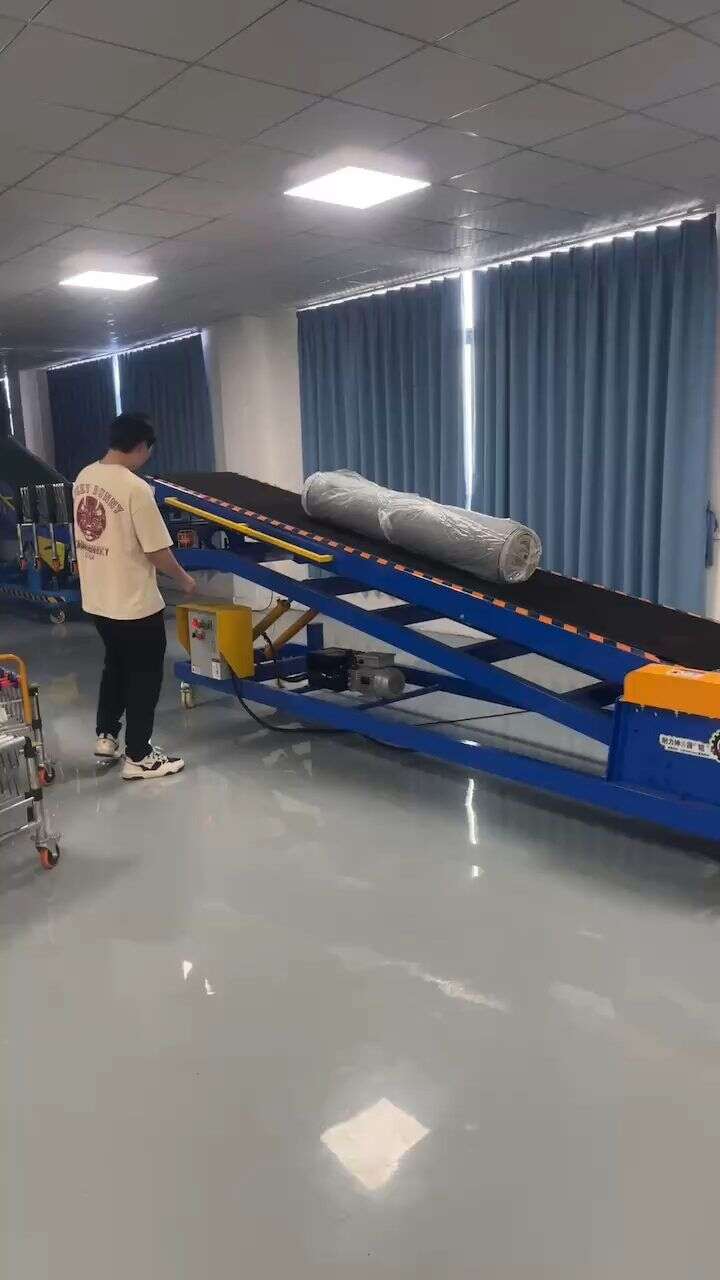
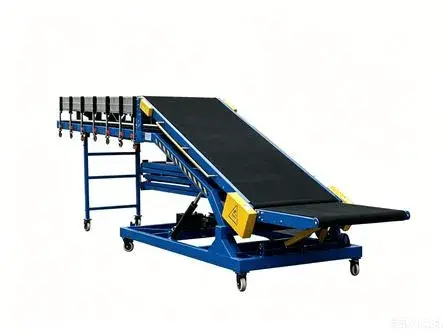
Platform height differences are a key issue that is often overlooked in many facility upgrades. In sites with no platform, low platforms, or uneven height differences, ordinary conveyor lines cannot connect properly with truck bodies, causing the loading and unloading chain to break. Hydraulic Conveyor is equipped with an electric hydraulic lifting system and offers stepless height adjustment, allowing flexible connection between the ground and all types of truck bodies with universal compatibility across vehicle models. By pairing it with a telescopic roller conveyor, a complete automated loading and unloading line can be built, thoroughly solving industry pain points such as material jamming caused by height differences, poor docking, and manual heavy lifting, while also effectively reducing safety risks in elevated loading and unloading operations.
Standard Process for Non-Standard Factory Logistics Upgrades: Survey First, Plan Next, Customize Last
A mature factory automation upgrade should reject blind procurement of standardized equipment. A complete implementation process usually consists of three core steps: first, an on-site survey, including factory passages, platform height, truck types, material specifications, and the daily production rhythm, in order to identify transfer bottlenecks across the entire process; second, solution planning, which combines the survey data and pairs it withO-belt roller line + telescopic roller conveyor + Hydraulic Conveyora complete combined solution; and finally, custom configuration based on requirements, determining the equipment size, load capacity, and conveying speed, followed by on-site installation, commissioning, and delivery.
This flexible customization model allows a single unit to be used independently, and multiple units can also be linked together to form a complete production line, perfectly adapting to complex working conditions such as irregularly shaped factory buildings, narrow aisles, and non-standard platforms. It avoids problems such as idle equipment, routing conflicts, and repeated rework from the source, enabling automation upgrades to truly save labor, improve throughput, reduce cargo damage, and deliver stable production output. Whether it is optimizing an internal production line in the workshop or automating truck loading and unloading at the end of the warehouse, a flexible conveying solution tailored to the real site is always the best choice for long-term cost reduction and efficiency gains in factory logistics.