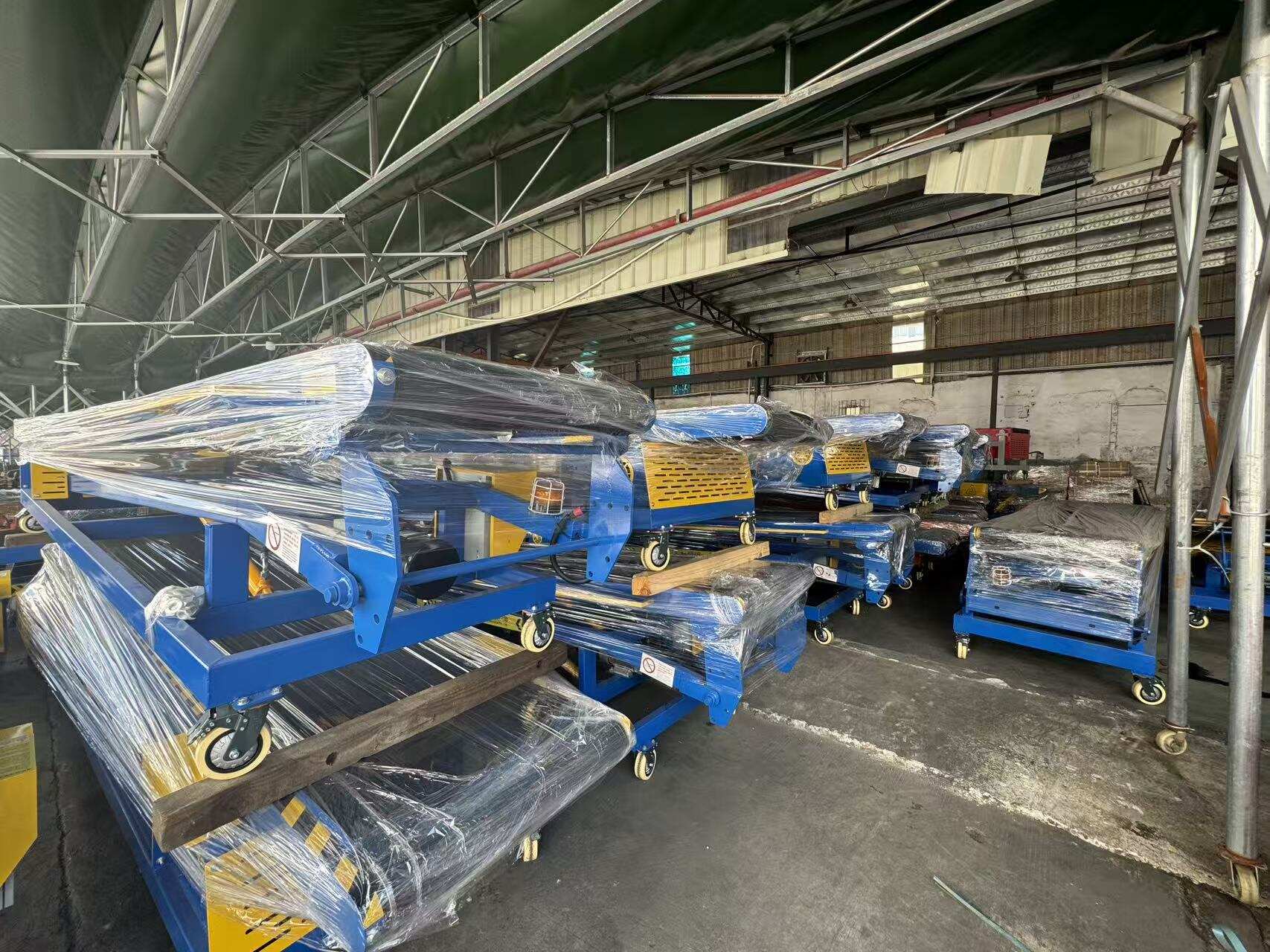
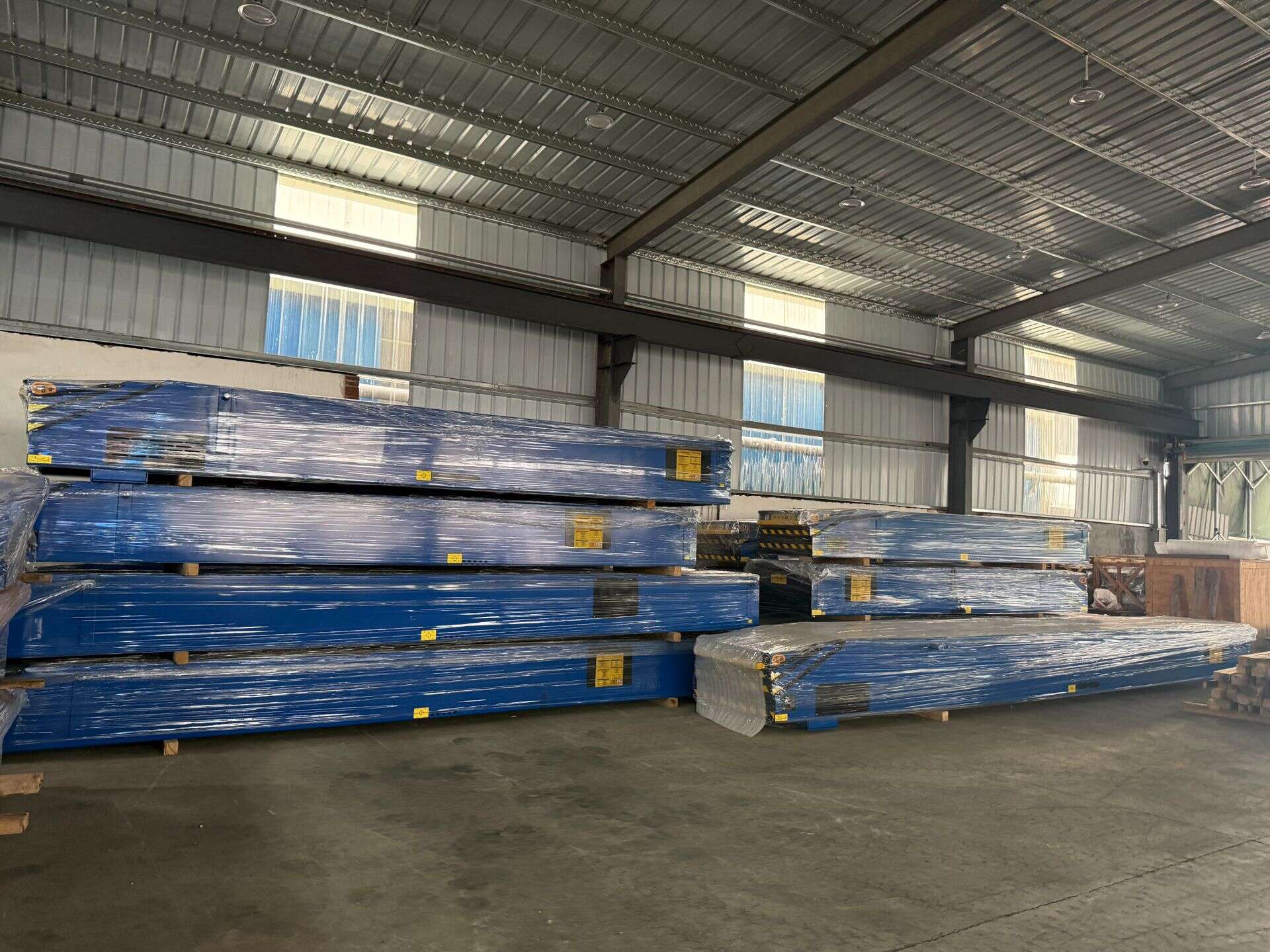
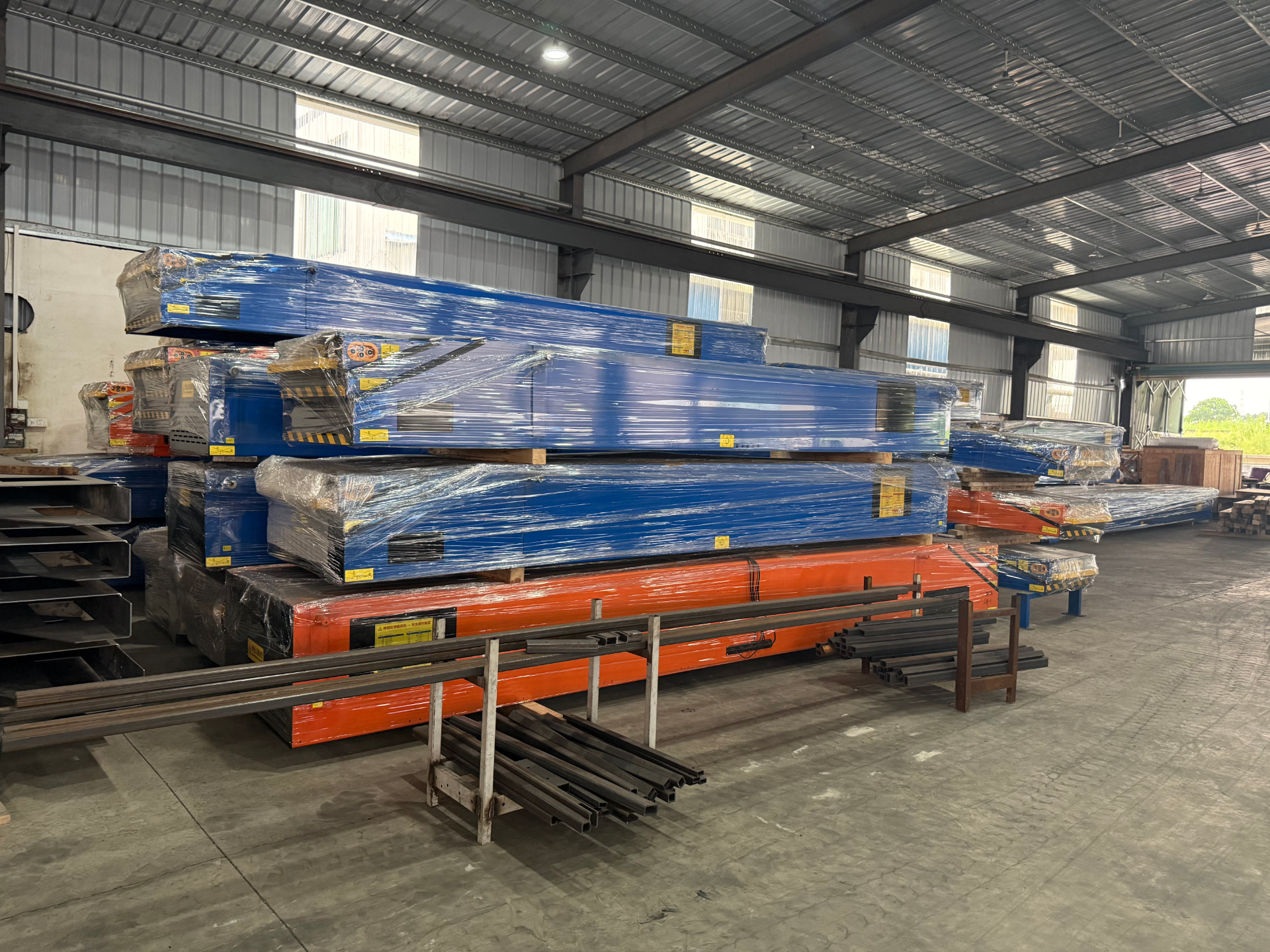
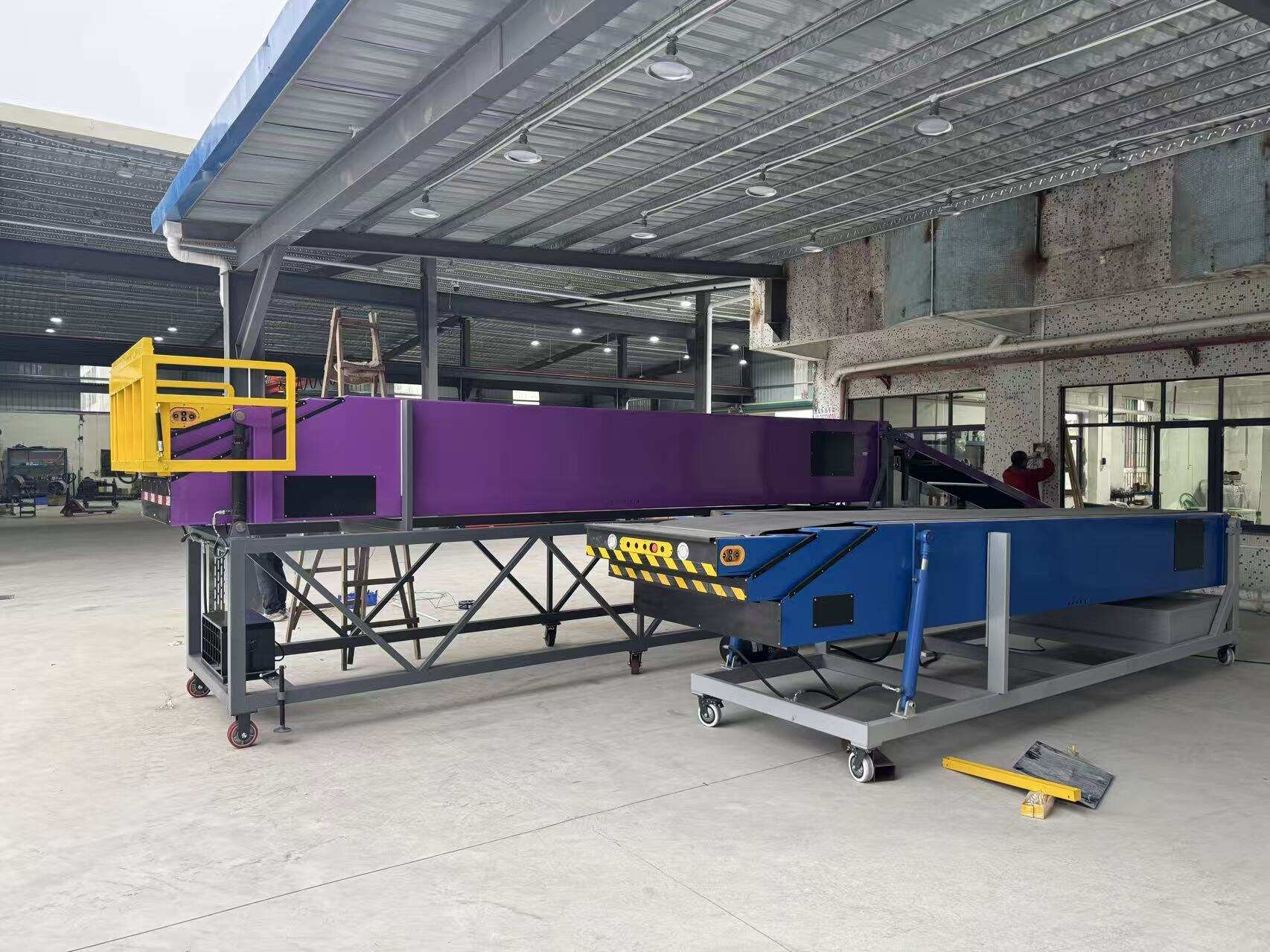
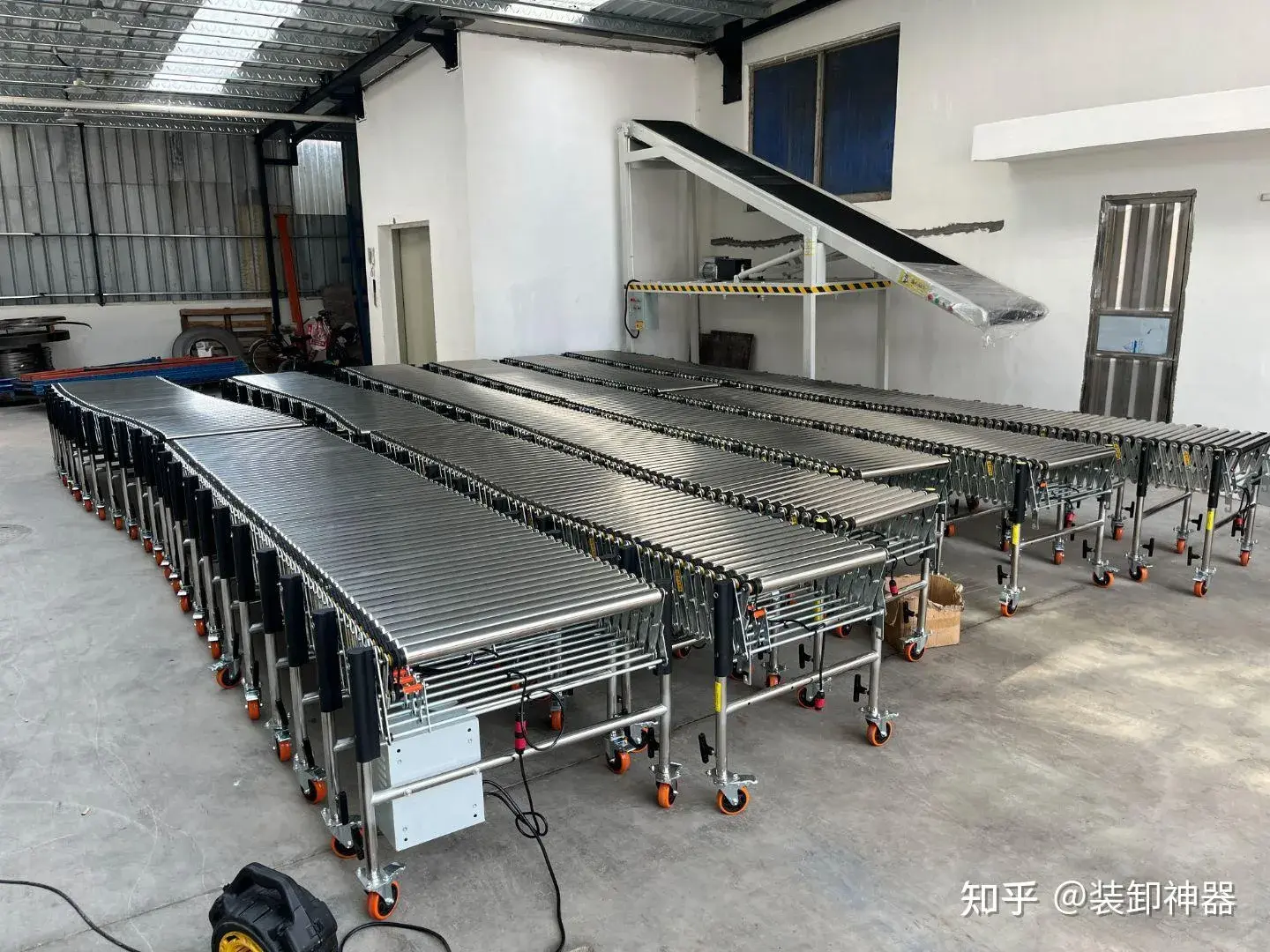
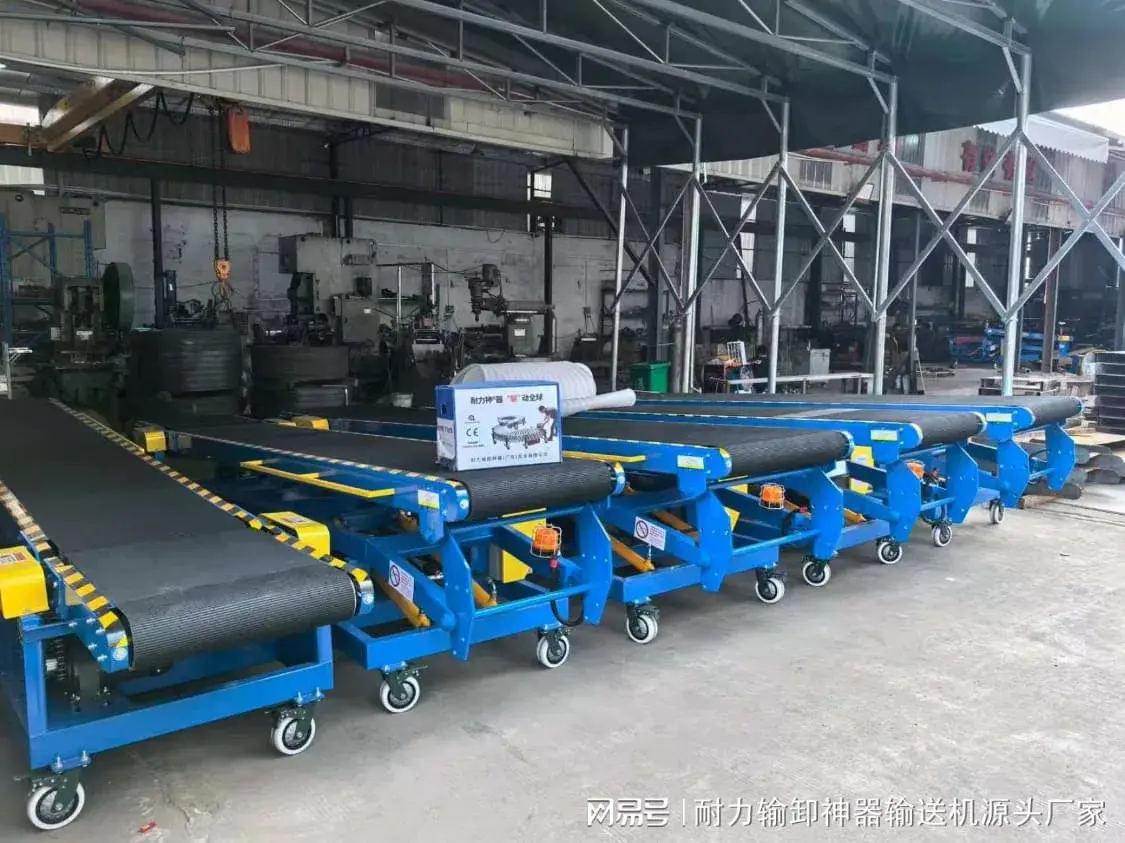
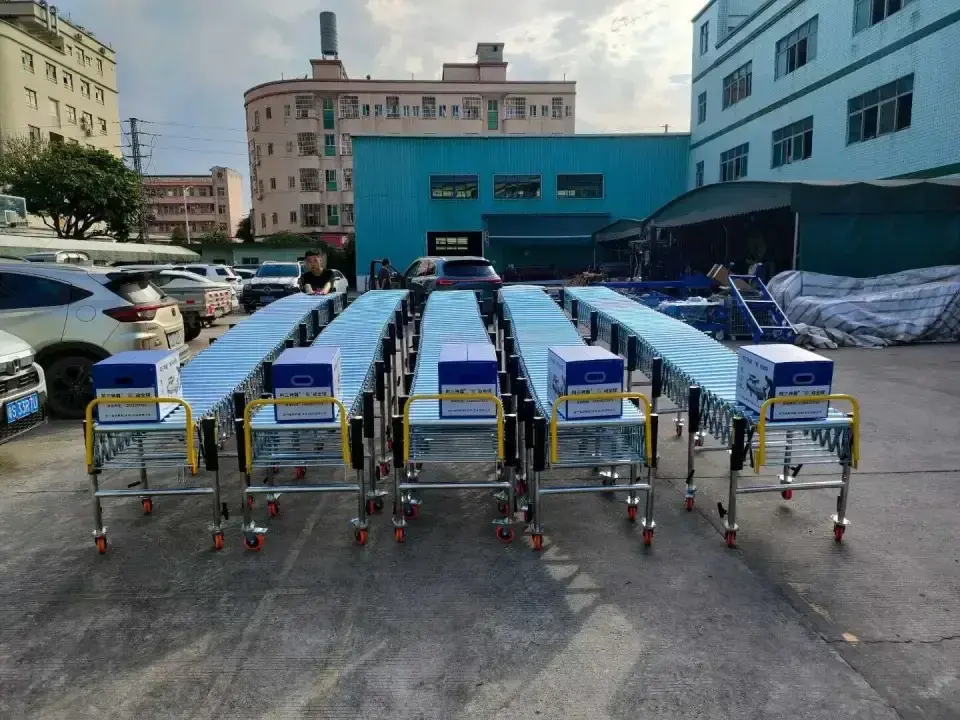
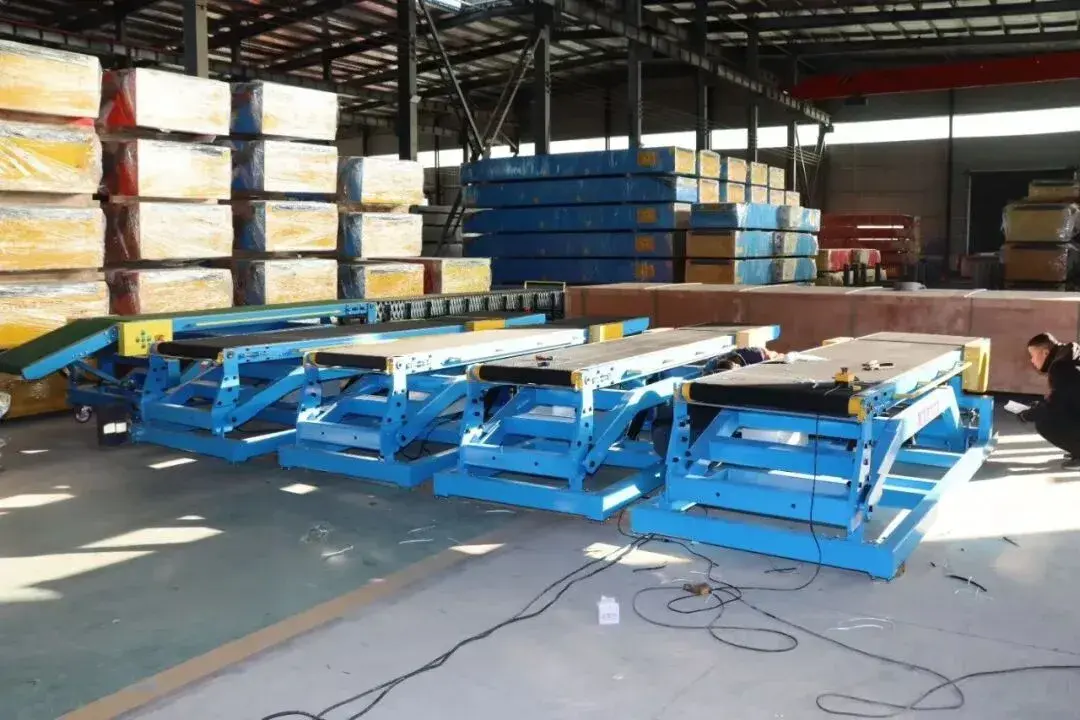
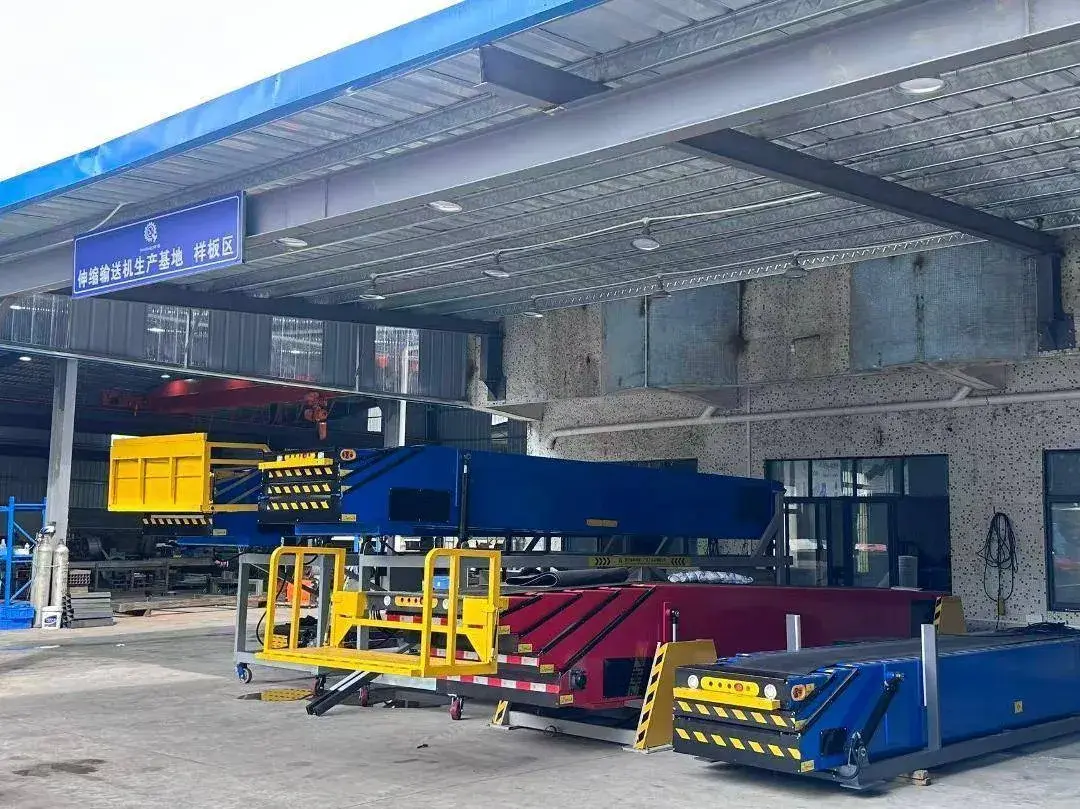
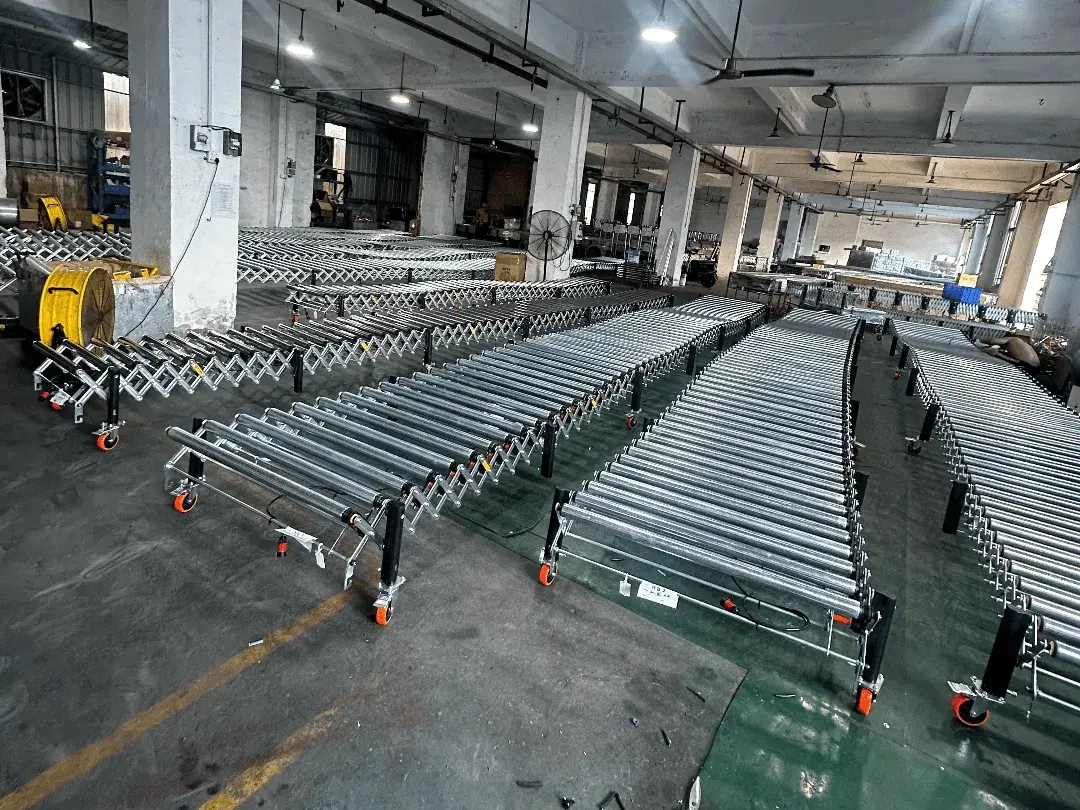
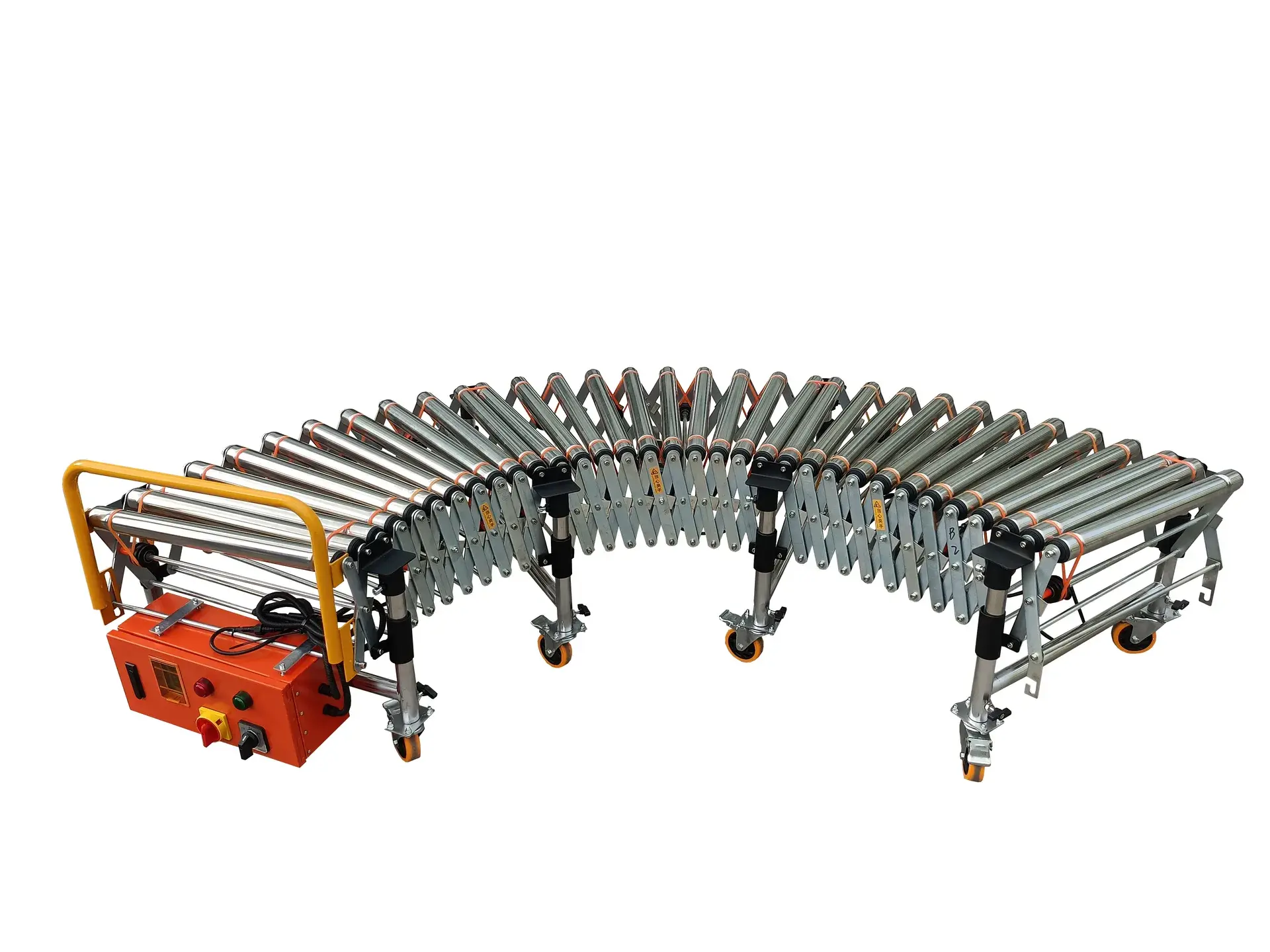
As factory production and logistics warehousing automation accelerate, traditional unpowered conveying equipment can no longer meet the needs of continuous operation, constant-speed conveying, and precise sorting at the same time. Because of its stable operation, high degree of automation, and strong adaptability to different scenarios, Powered Roller Conveyor has gradually become a common piece of equipment in industrial sorting, product packaging, and goods transfer. In the R&D and custom production of related equipment, Naili Unloading Artifact (Guangdong) Industrial Co., Ltd. typically matches solutions based on cargo weight, material characteristics, and site conditions, with overall equipment performance characterized by a solid structure, smooth transmission, low noise and wear, and a low failure rate.
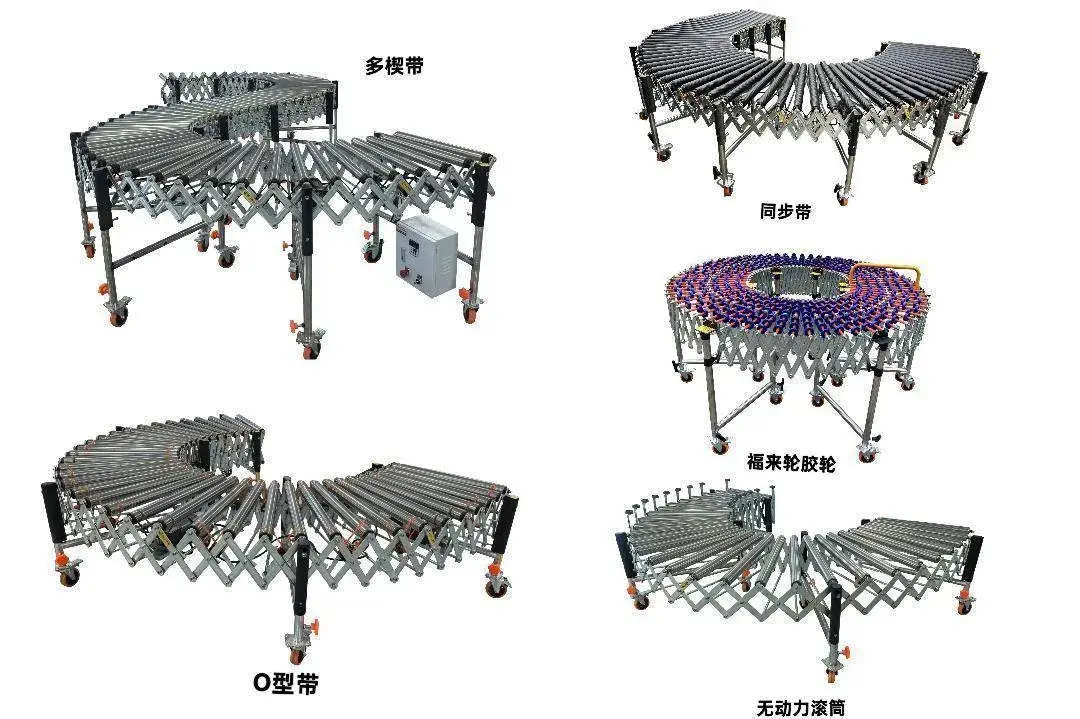
From the perspective of transmission methods, the mainstream solutions in the industry are mainly divided intoO-type belt, multi-wedge belt, synchronous belt, and chain typefour types. They each emphasize different strengths in load capacity, operating characteristics, and applicable working conditions, and can cover differentiated production scenarios such as light load, medium load, heavy load, and high-precision conveying.
O-type Belt Powered Roller: Light Load, High Speed, and Better Economy
The O-type belt powered roller has a simple structure, is easy to assemble and disassemble, and has low maintenance costs, making it suitable for short-distance, high-frequency conveying of light materials. It runs smoothly, produces low noise, starts and stops steadily, and turns more flexibly, so goods are less likely to be damaged during conveying.
This type of machine is more suitable for sorting and transfer of small parcels, light industrial products, and regular cartons. It is commonly used in small and medium-sized warehouses, township courier outlets, and product packaging lines, offering wide applicability and more prominent cost-effectiveness.
Multi-wedge Belt Powered Roller: More Stable for Medium-load Continuous Operation
The multi-wedge belt uses a grooved interlocking transmission. Compared with an O-type belt, it has a larger contact area and more even force distribution, so it is less likely to slip or cause machine vibration. It offers higher load capacity and is suitable for batch conveying of boxed goods and medium-sized regular materials.
This structure is better suited to long, uninterrupted operation, with features such as constant speed, low noise, and wear resistance. It is often used in medium-sized logistics sorting, finished goods transfer in factories, and food and pharmaceutical production lines, helping reduce equipment maintenance frequency.
Synchronous Belt Powered Roller: For Working Conditions Requiring Higher Positioning Accuracy
The synchronous belt powered roller uses a toothed synchronous transmission structure. Unlike traditional friction transmission, it enables zero-slip, zero-error synchronous conveying, with more constant speed and higher positioning accuracy.
When a production line needs point-based start and stop, precise counting, or precise docking, this type is more suitable. It helps reduce material deviation and rhythm mismatch, and is suitable for high-precision working conditions such as precision parts conveying, automated assembly lines, and intelligent sorting warehouses.
Chain Type Powered Roller: A Dedicated Choice for Heavy-load Transfer
The chain type powered roller is designed for heavy-load conditions. It uses rigid meshing transmission with metal chains, offering stronger load-bearing capacity and impact resistance, and is better suited to long-term high-intensity operation. It makes up for the limitations of belt-type rollers in heavy object conveying and is suitable for stable transfer of ton-level heavy materials.
This type of machine is commonly used for conveying metal workpieces, building hardware, palletized goods, and large heavy-load materials, and is widely applied in heavy-industry production lines, warehouse pallet transfer, and heavy cargo sorting scenarios.
When selecting a model, first look at the working conditions, then at the conveying target
If general light-load use and cost control are the priorities, an O-type belt is more suitable; if medium-load continuous operation and low noise are more important, a multi-wedge belt is a more balanced option; if the project has higher requirements for synchronous accuracy and positioning, a synchronous belt should be considered first; if the application involves heavy loads, large impacts, or long-term high-intensity transfer, a chain type is closer to the actual working conditions.
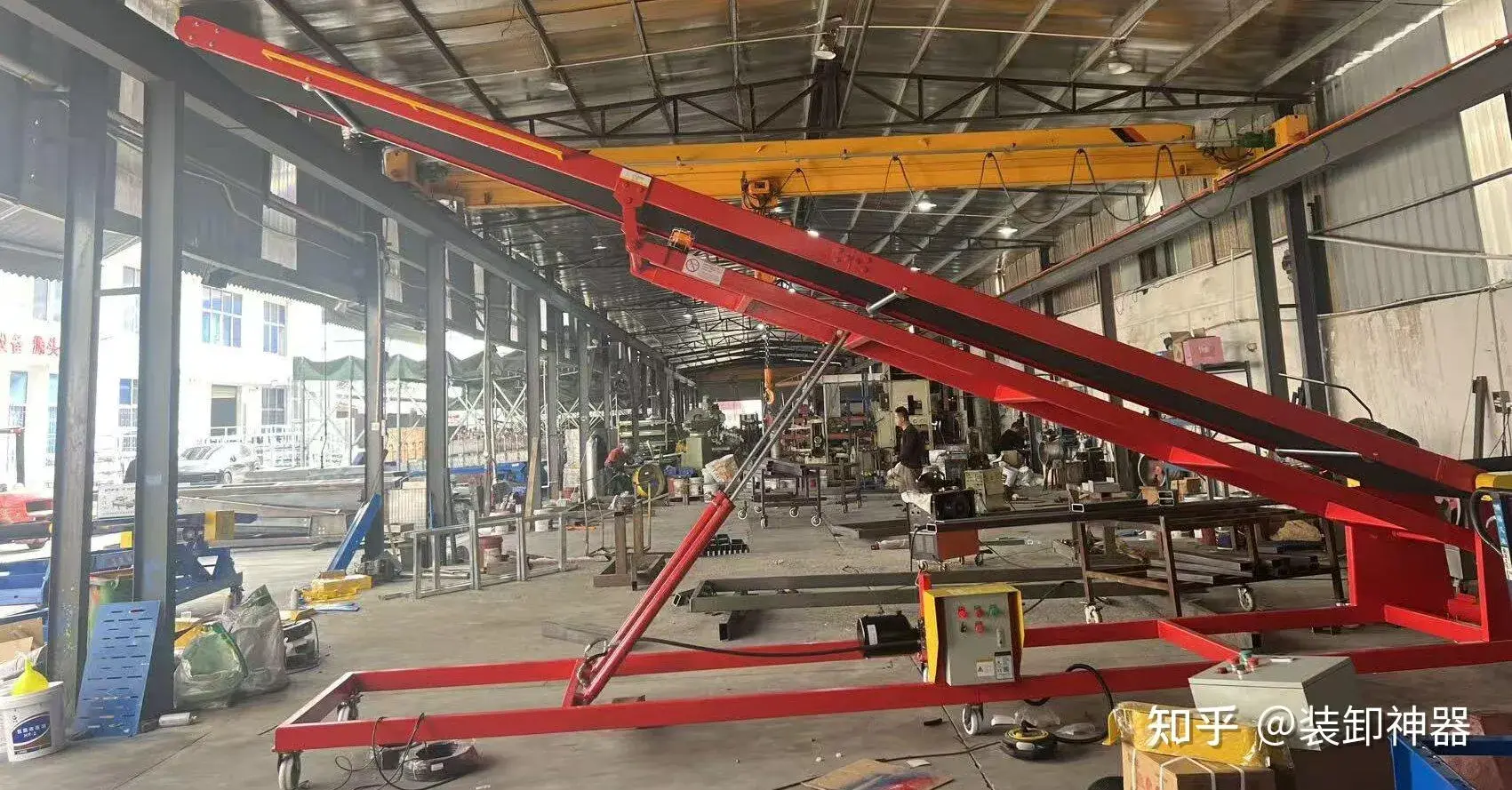
The four types are not mutually exclusive in function. In actual selection, cargo weight, material type, conveying accuracy, and site conditions usually need to be considered together. With proper configuration, Powered Roller Conveyor can work in coordination with straight runs, curved lines, and hydraulic incline equipment, reducing manual input and improving warehousing transfer efficiency.
Applicable scenarios:Light and heavy factory production lines, hardware and heavy-industry production lines, e-commerce logistics sorting warehouses, express parcel sorting centers, food and pharmaceutical workshops, precision parts conveying, warehouse pallet transfer, and more.