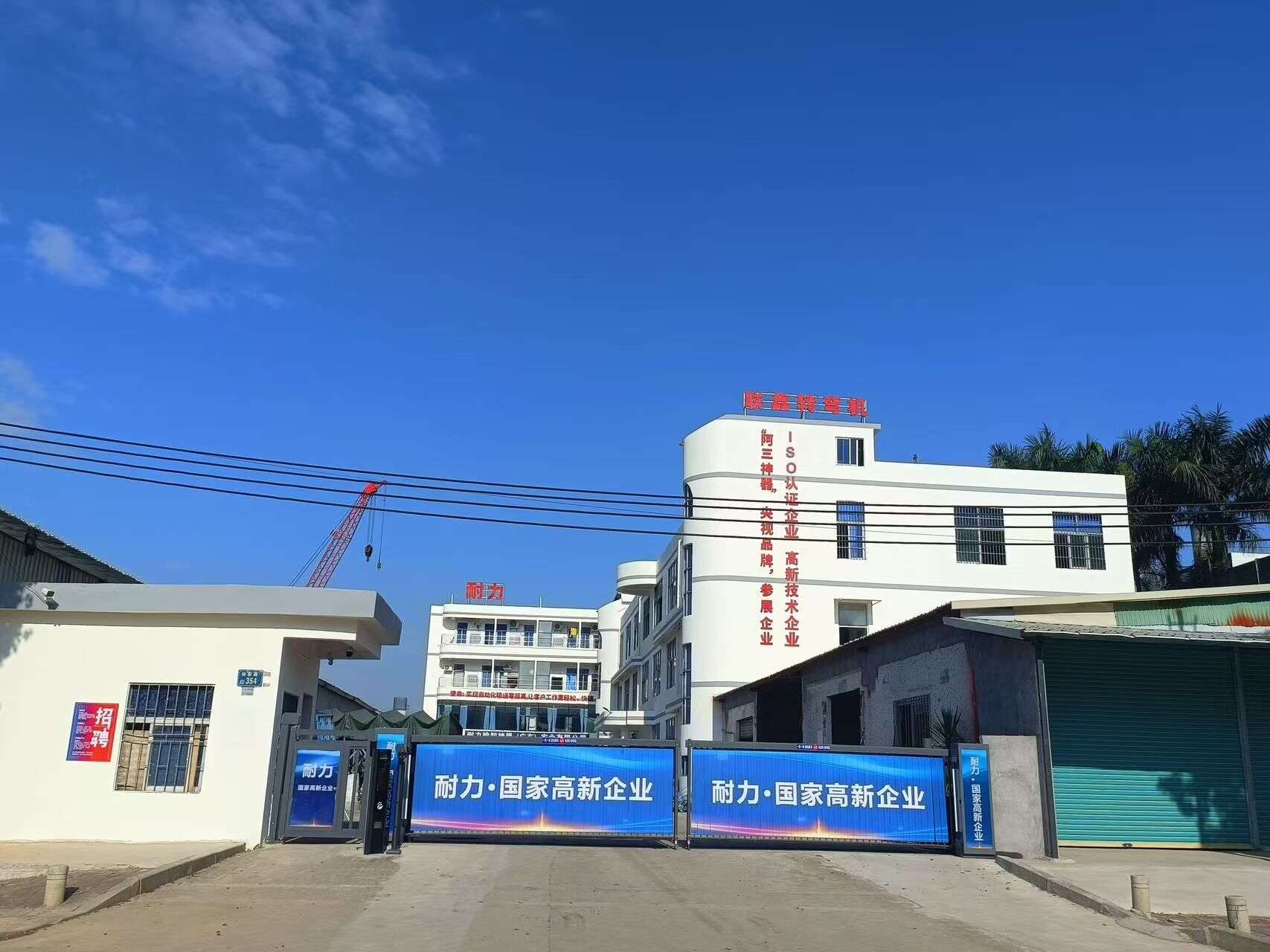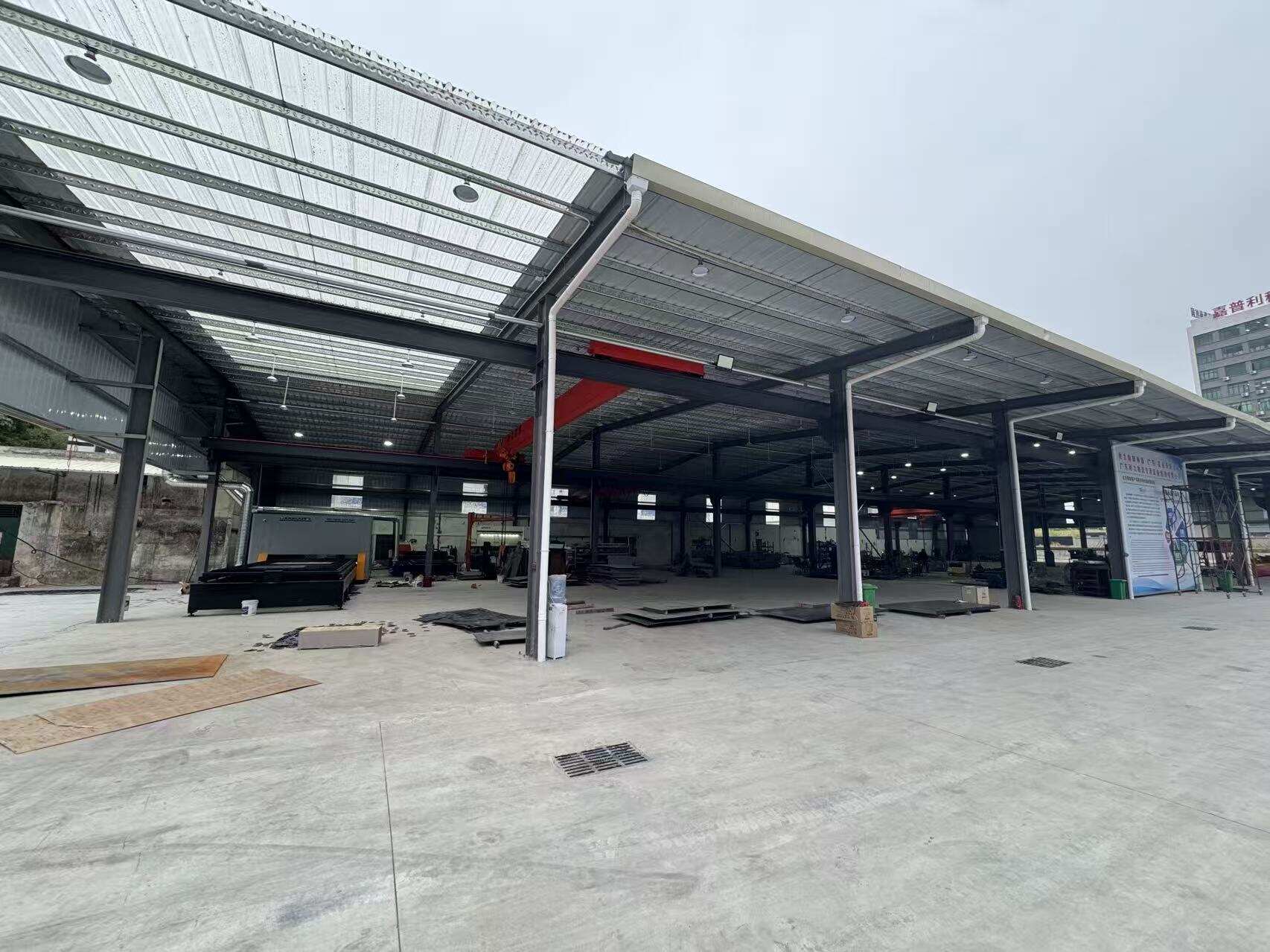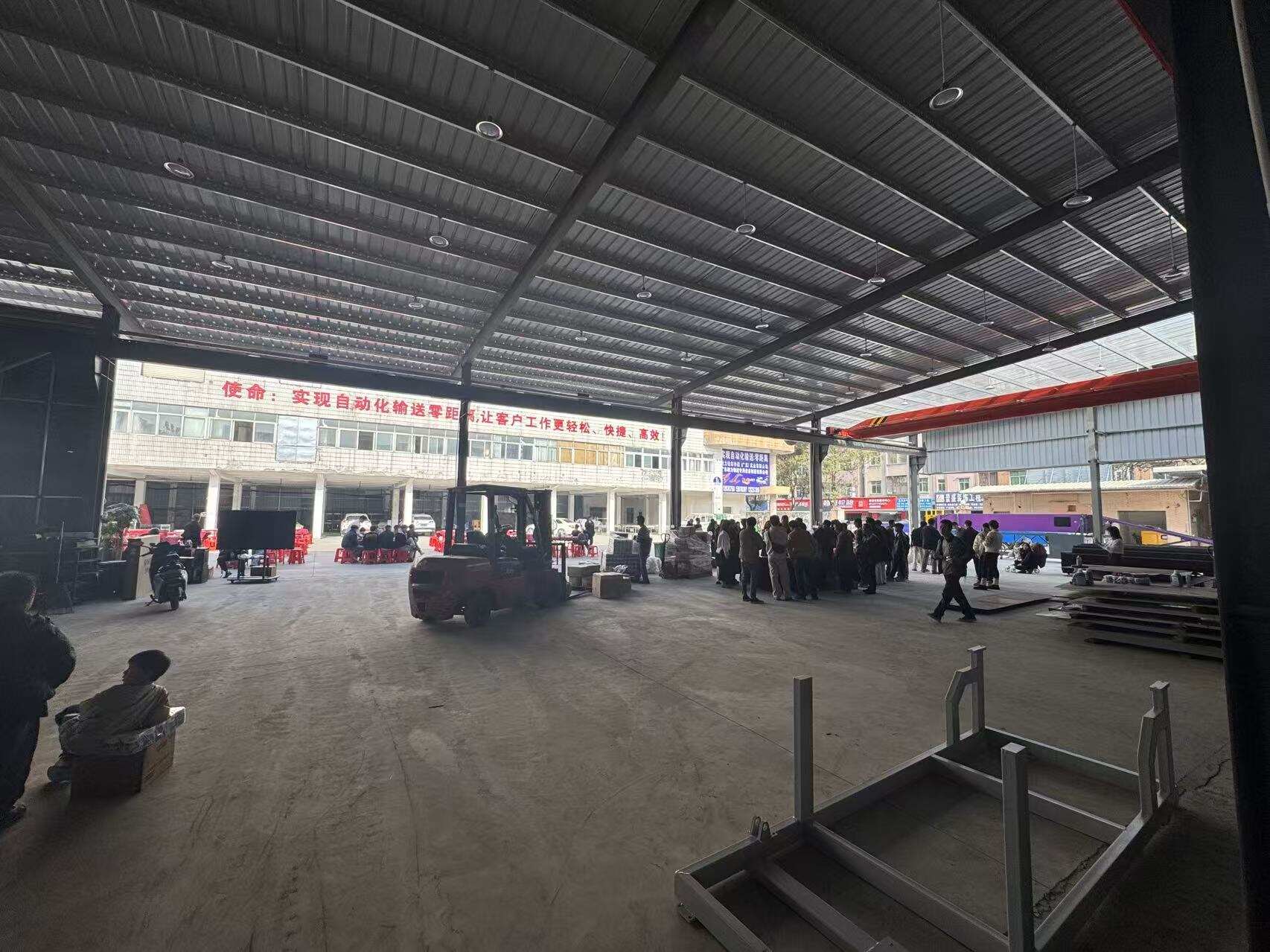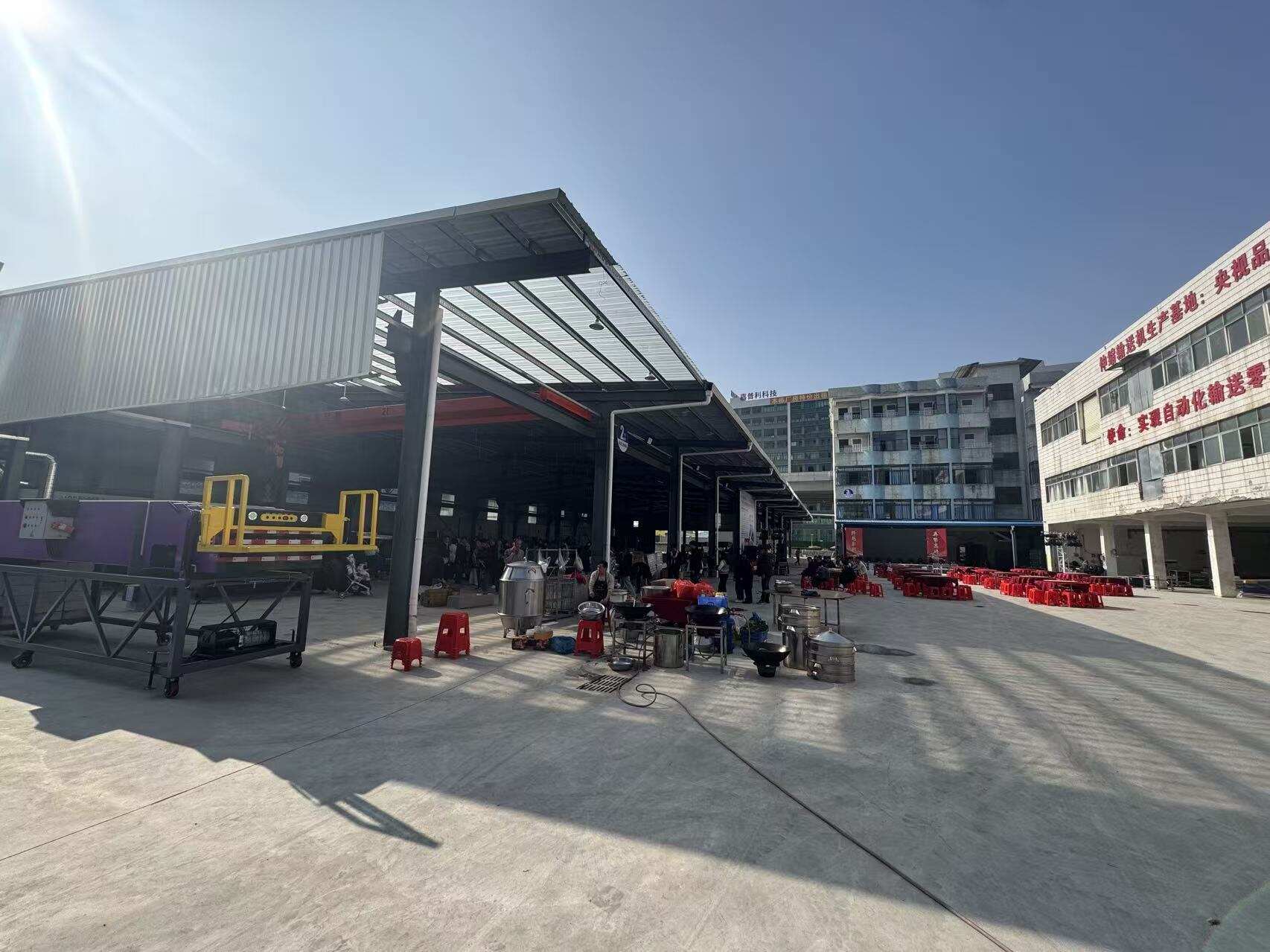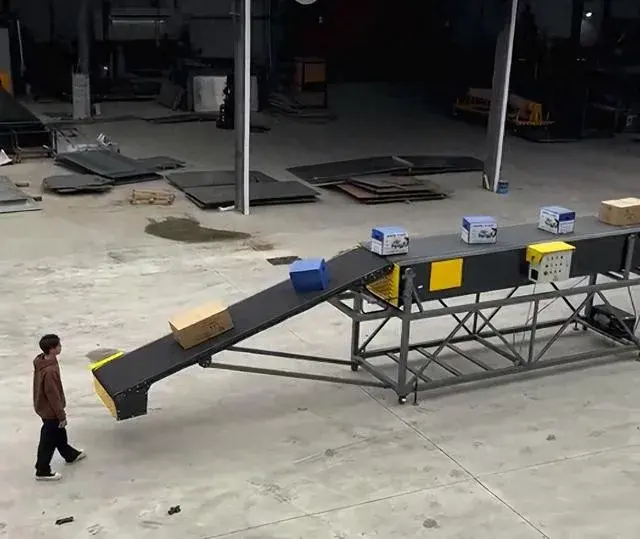
In recent years, smart logistics and unmanned warehouses have continued to attract attention. After seeing industry examples, some factory managers have wanted to install large-scale automated equipment and eliminate people from the entire process. In practice, however, only a small number of small and medium-sized manufacturers and e-commerce warehouses in the Pearl River Delta have been able to implement fully unmanned loading and unloading at scale.
Although large robots and fully automated loading and unloading systems are relatively mature technologies, they often come with high procurement barriers. The factory foundation, site area, and degree of product standardization must all meet the corresponding requirements. For ordinary factories with irregular loading dock dimensions, mixed cargo specifications, and various truck types, high-investment equipment may not be used to its full potential and may even have a low utilization rate.
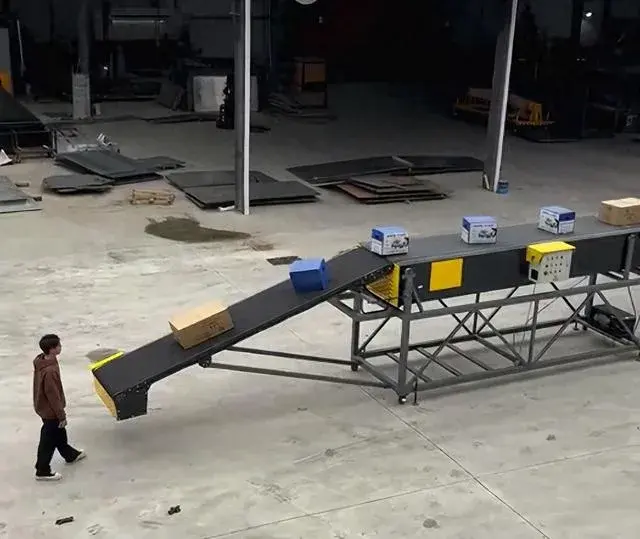
Why telescopic belt conveyors are suitable for small and medium-sized warehouses
In actual logistics industry upgrades, more and more companies are abandoning the idea of completing full-warehouse automation in a single phase and are instead adopting flexible, phased modernization. Addressing the labor-intensive truck loading and unloading process first, then gradually improving other in-warehouse operations according to business needs, has become a more suitable approach for small and medium-sized enterprises.
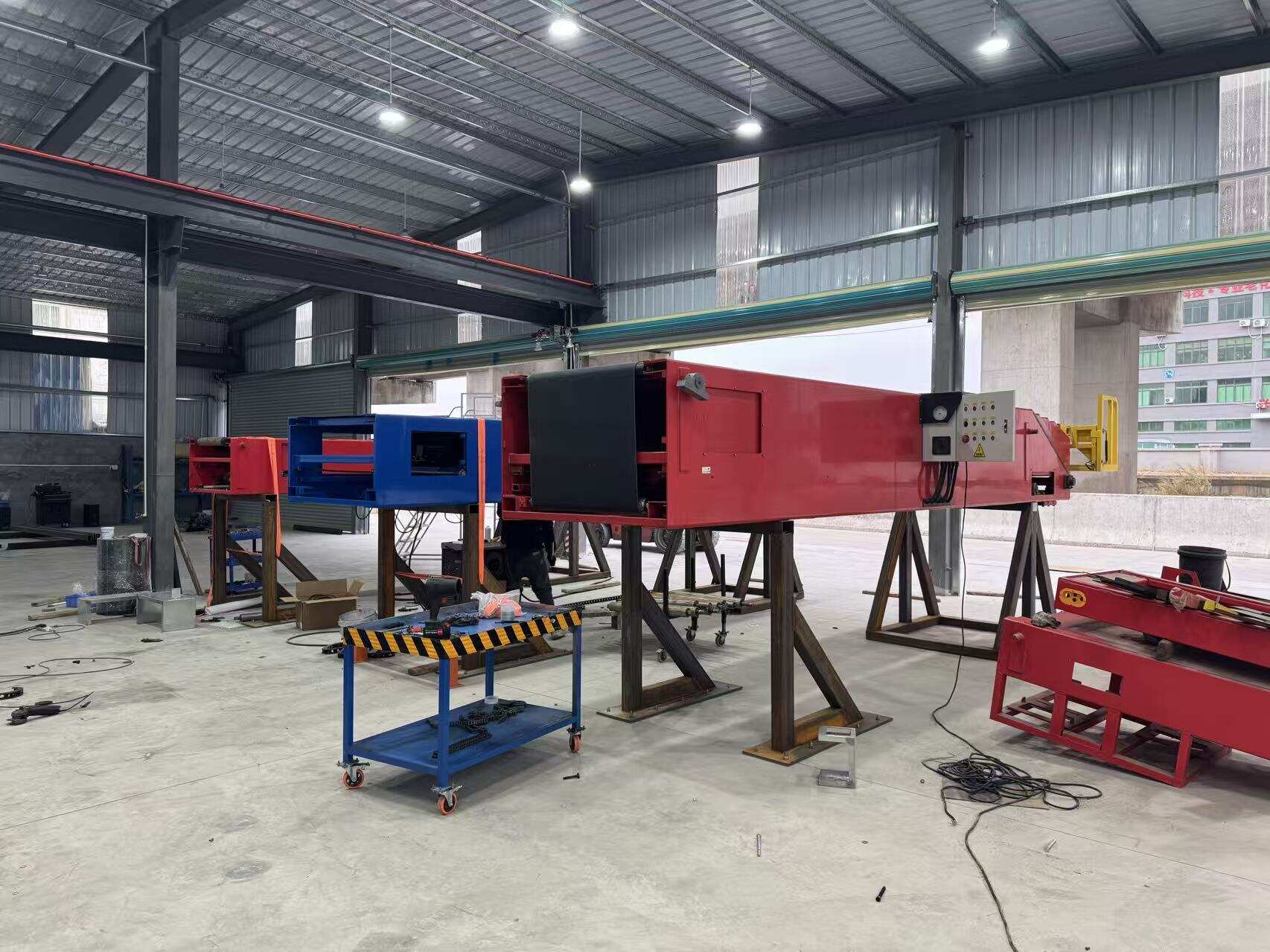
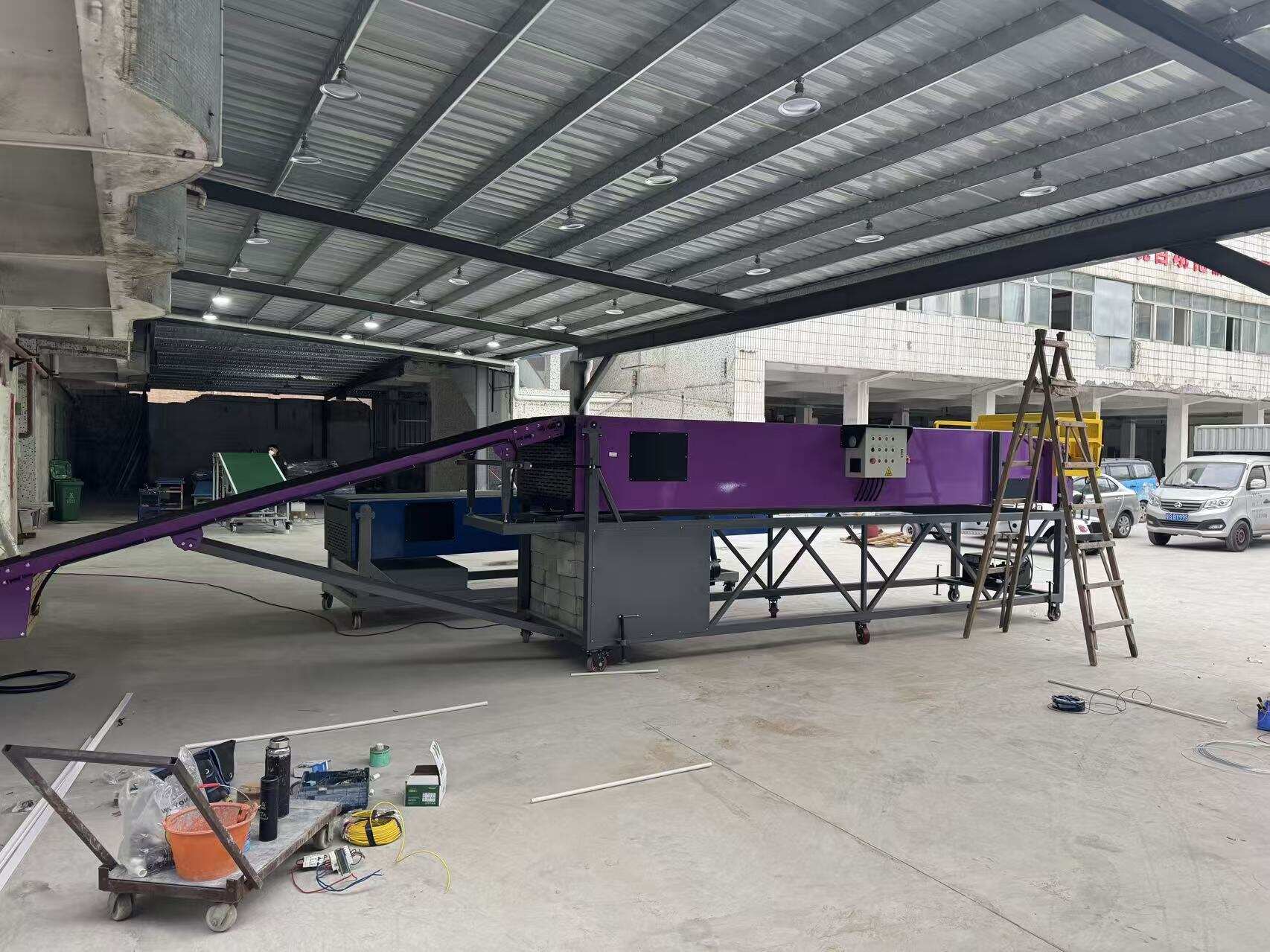
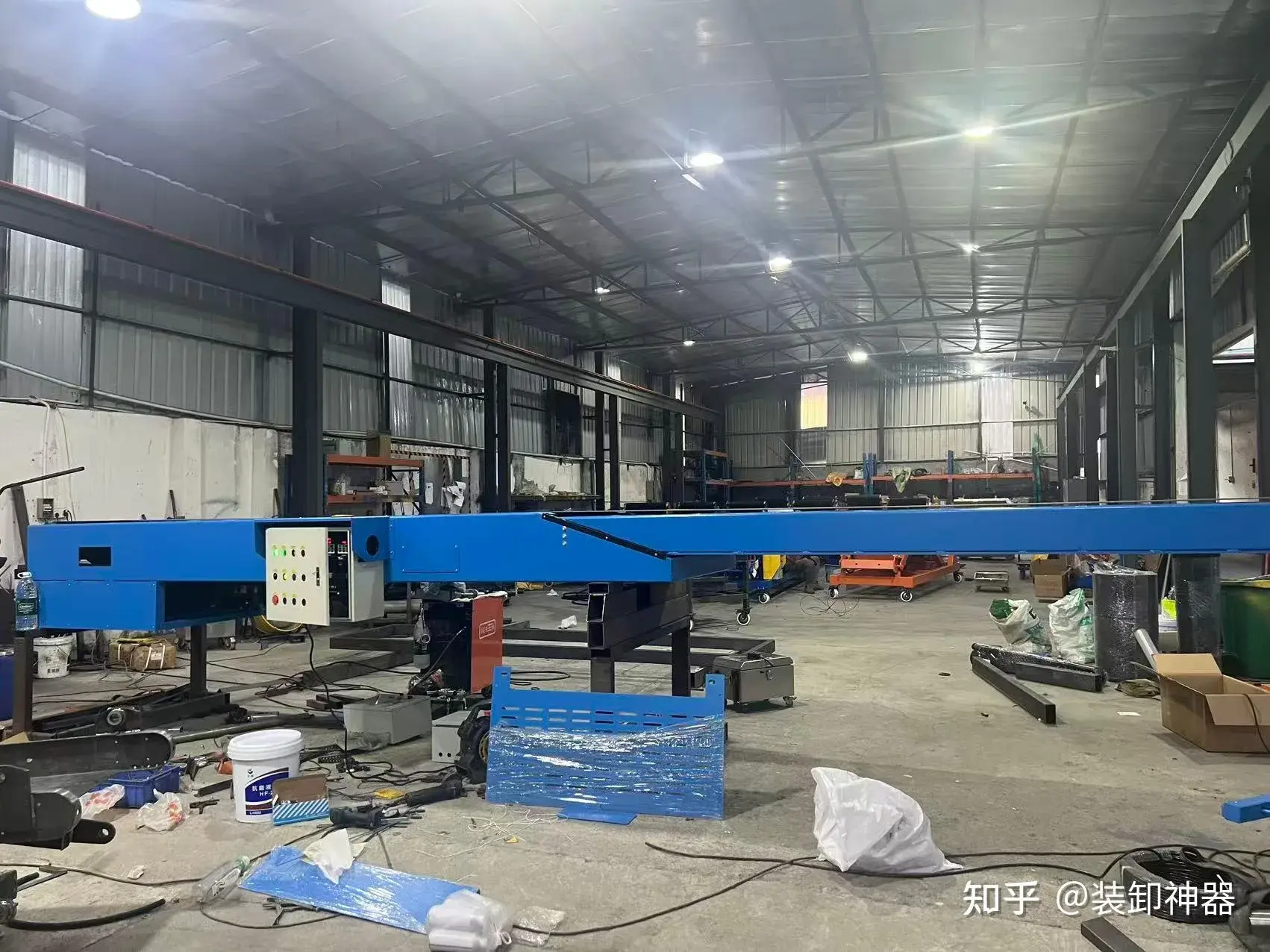
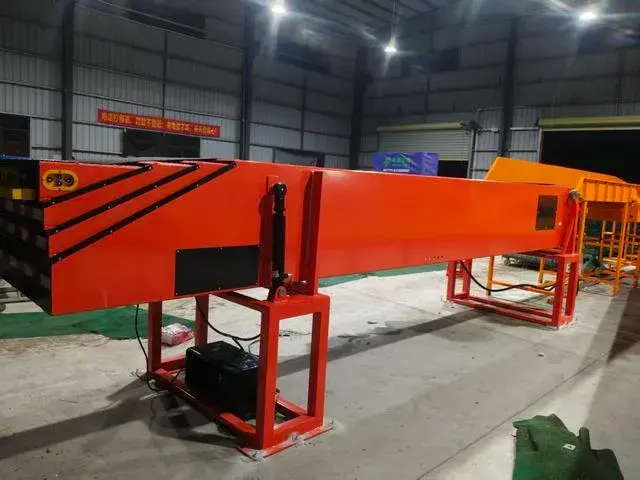
Telescopic belt conveyors typically do not require large-scale modifications to the foundation of an existing factory. Once the equipment has been delivered and commissioned, it can be put into operation immediately. They can provide suitable loading and unloading solutions for different vehicles, including standard containers, high-sided trucks, and ordinary box trucks. They can be used directly where a fixed loading dock is available; where there is no fixed loading dock, they can also be used together with mobile models.
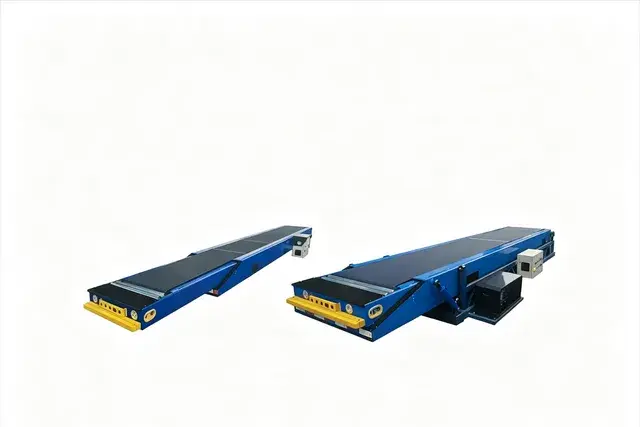
Easing staffing pressure in loading and unloading operations
Automation only creates value when it suits the pace of the business
There is no one-size-fits-all answer for warehouse automation. Higher equipment costs and greater technical complexity do not necessarily mean that a solution is better suited to every business. For small and medium-sized factories and warehouses, the more practical choice for upgrading operations is a solution that matches their business pace and delivers clear returns on actual investment.
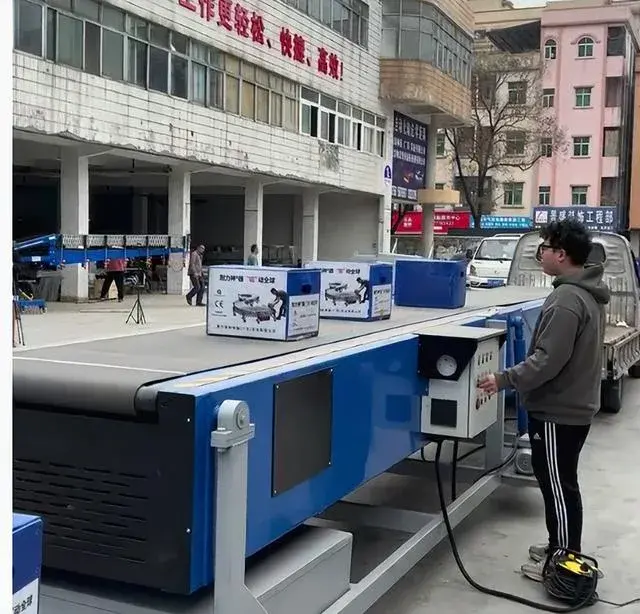
What operating conditions need to be confirmed before selecting a model?
Flexible conveying equipment is not suitable for every type of goods or operating scenario, so companies still need to assess their own business needs before purchasing a telescopic belt conveyor.
- First, confirm the characteristics of the goods. If daily operations mainly involve heavy, bulky items or sharp materials, a standard belt conveyor may not be suitable.
- Do not focus only on the conveyor's telescopic length. The difference in loading dock height, the available space at the entrance, and the proportions of loading and unloading operations all affect the suitability of the model and configuration.
Automation only creates value when it suits the pace of the business
There is no one-size-fits-all answer for warehouse automation. Higher equipment costs and greater technical complexity do not necessarily mean that a solution is better suited to every business. For small and medium-sized factories and warehouses, the more practical choice for upgrading operations is a solution that matches their business pace and delivers clear returns on actual investment.
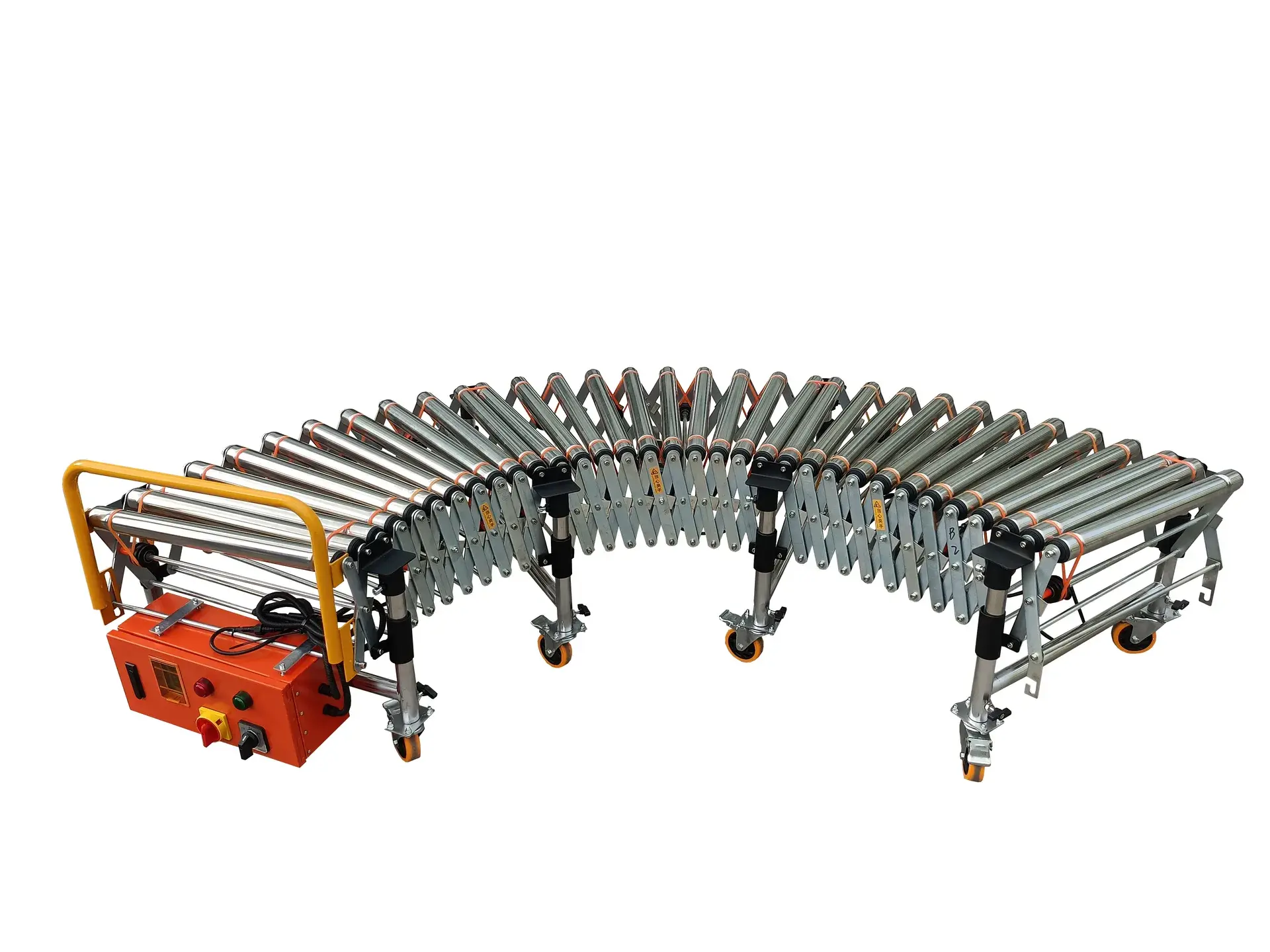
Large-scale unmanned equipment is better suited to major logistics hubs, while for the much larger number of small and medium-sized warehouses, starting with loading and unloading and adopting flexible conveying equipment such as telescopic belt conveyors can advance operational upgrades without extensive demolition and reconstruction.