Naili Conveyor
After warehousing conveyor equipment is put into use, it often sits idle for long periods. This is usually not because the equipment itself has no value, but because fixed specifications make it difficult to adapt to ever-changing operating environments. When site layouts are irregular, truck types vary, order volumes fluctuate between peak and off-peak seasons, or stored goods change frequently, traditional fixed conveyors may not be able to continuously match actual working conditions. As equipment utilization declines, it also takes up warehouse space and increases a company’s operation and maintenance costs.
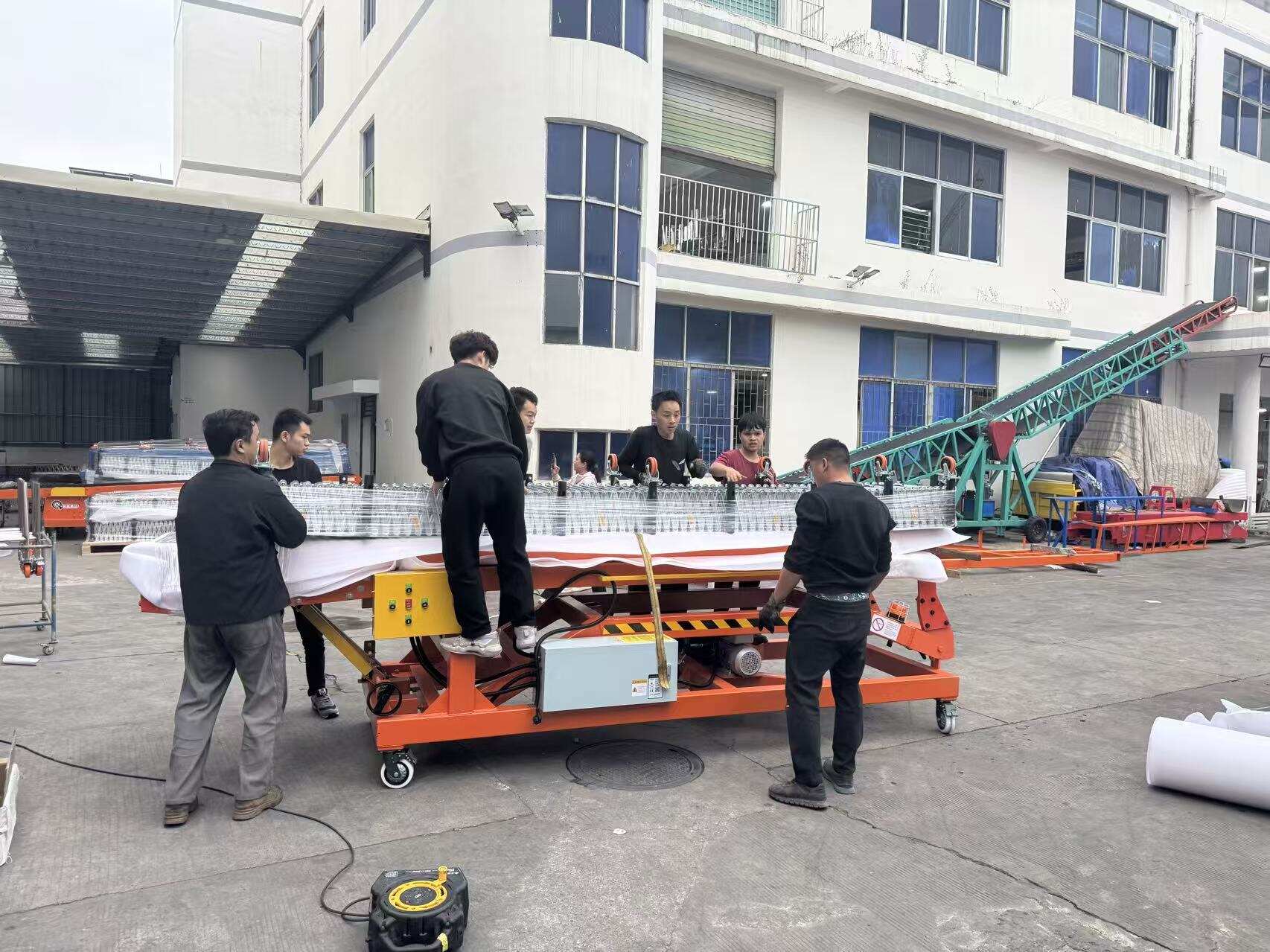
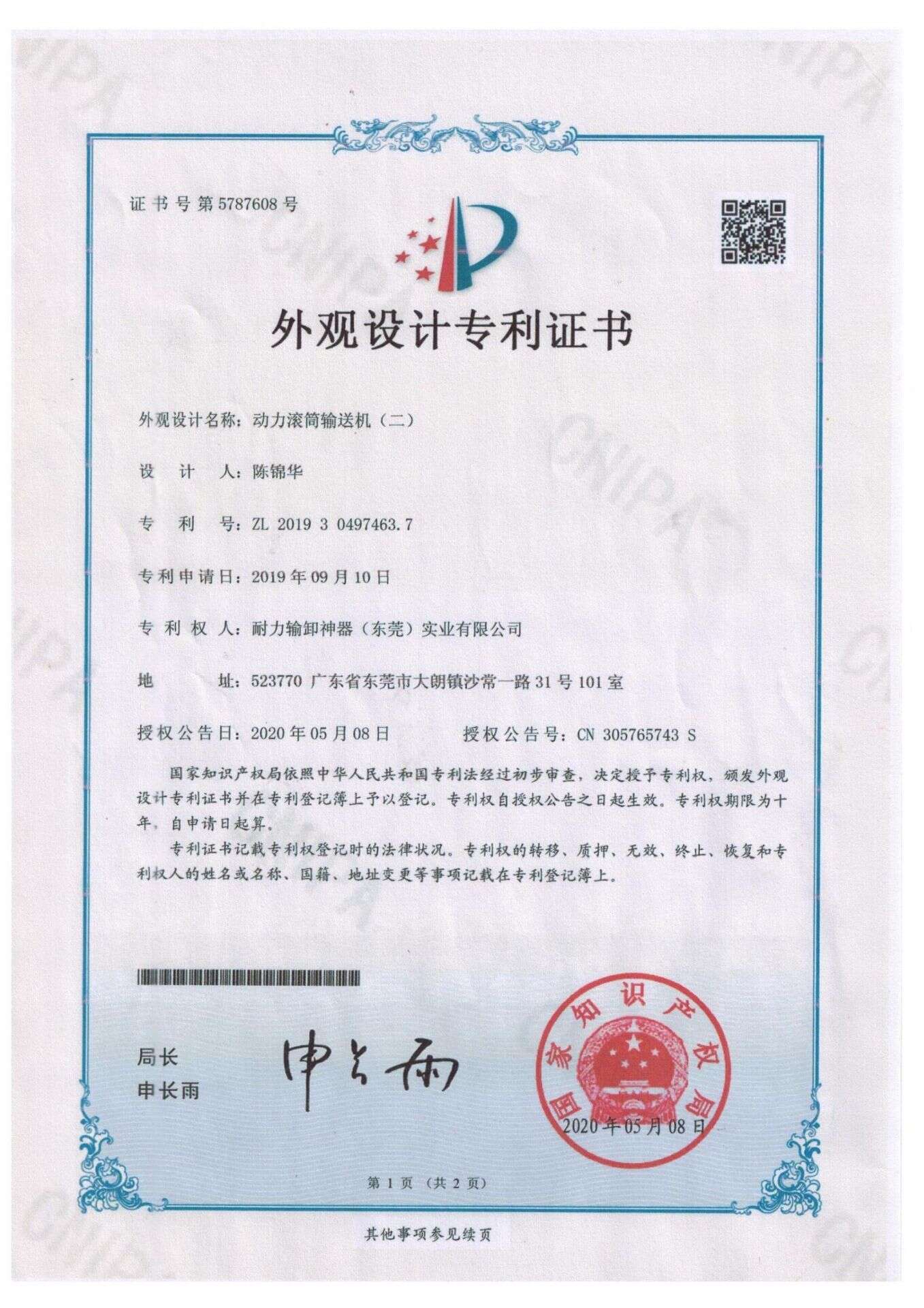
For small and medium-sized factories, e-commerce warehouses, and logistics sites, flexible conveying equipment can provide a more adaptable way to handle operations. Naili Unloading Artifact (Guangdong) Industrial Co., Ltd. focuses on scenario-based applications of warehousing equipment and has developed flexible conveying equipment that covers a wide range of operational needs, addressing issues such as equipment adaptability, labor input, cargo loss, and space utilization. These related devices require no site modification, are relatively easy to install and operate, and can be used in different types of warehousing and loading/unloading conditions.
Factory material transfer: Powered Roller Conveyor line keeps running stably
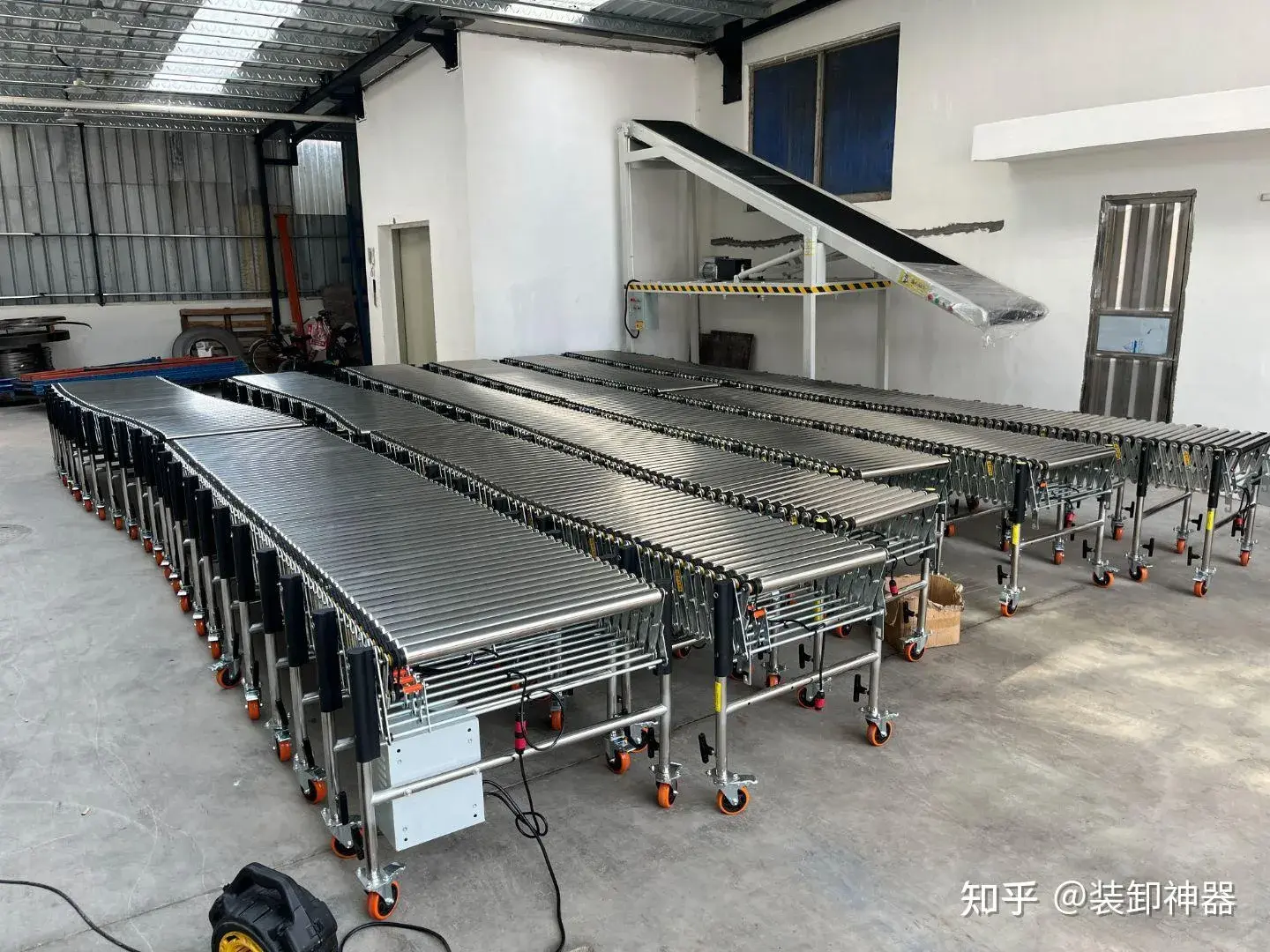
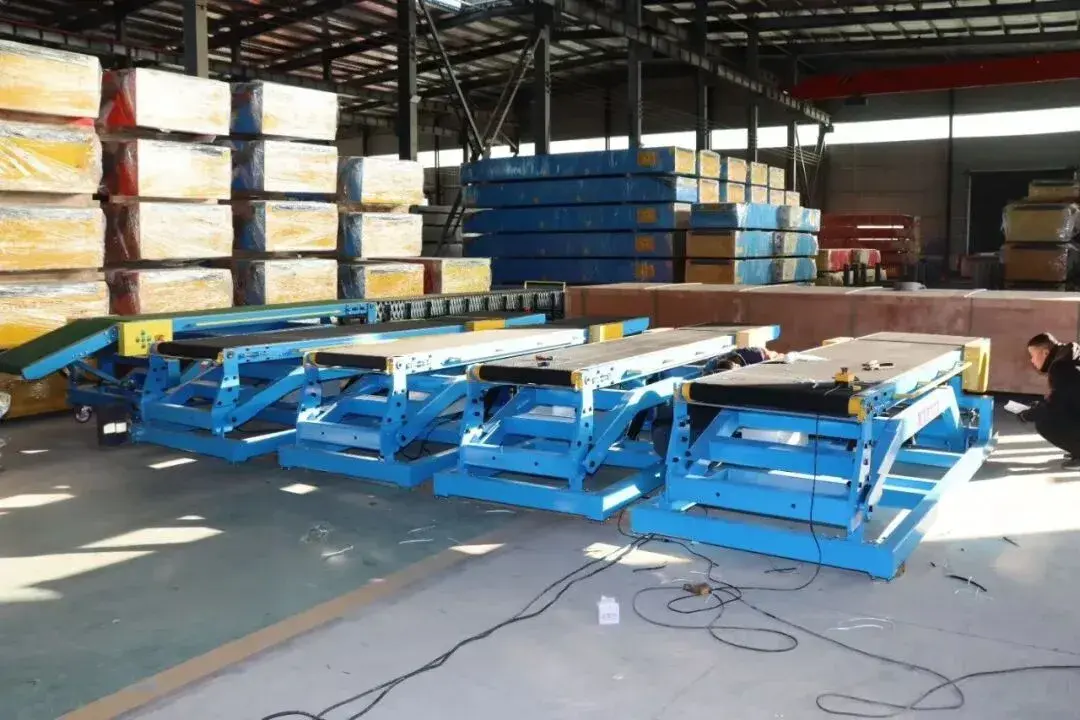
In standardized operations such as daily factory material transfer, finished goods arrangement, and sorting,Powered Roller Conveyor linecan serve as basic equipment for material flow. Its body is sturdy, with good load-bearing performance. It remains stable during operation and reduces noise, making it suitable for long-term, continuous, high-intensity work.
By organizing the flow of materials, the Powered Roller Conveyor line helps reduce material buildup, transfer bottlenecks, and disordered workflow connections, allowing production processes and warehousing transfer processes to connect more smoothly and meeting the need for increased capacity in daily operations.
Complex loading and unloading scenarios: flexible connection between telescopic and powered roller equipment
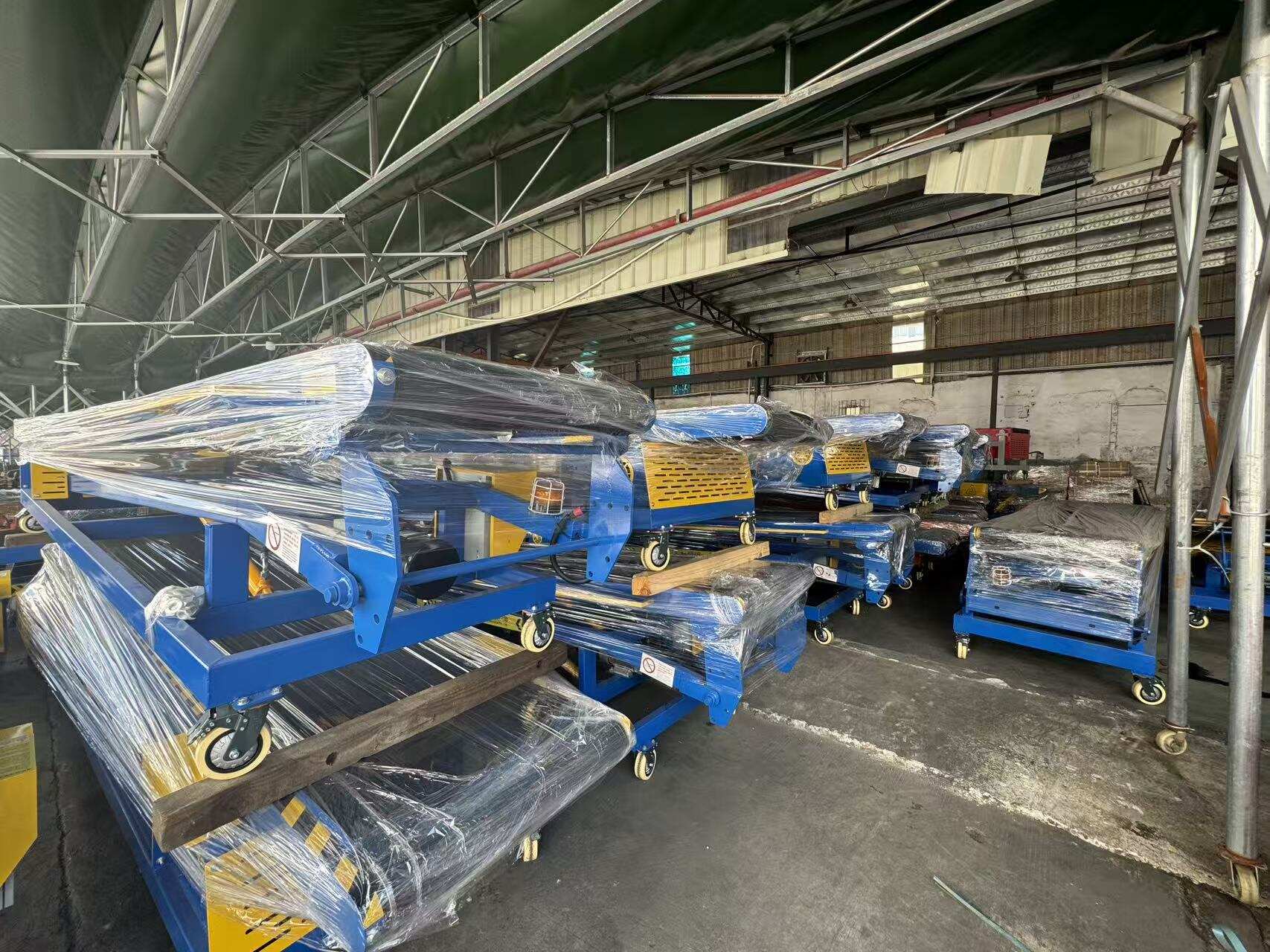
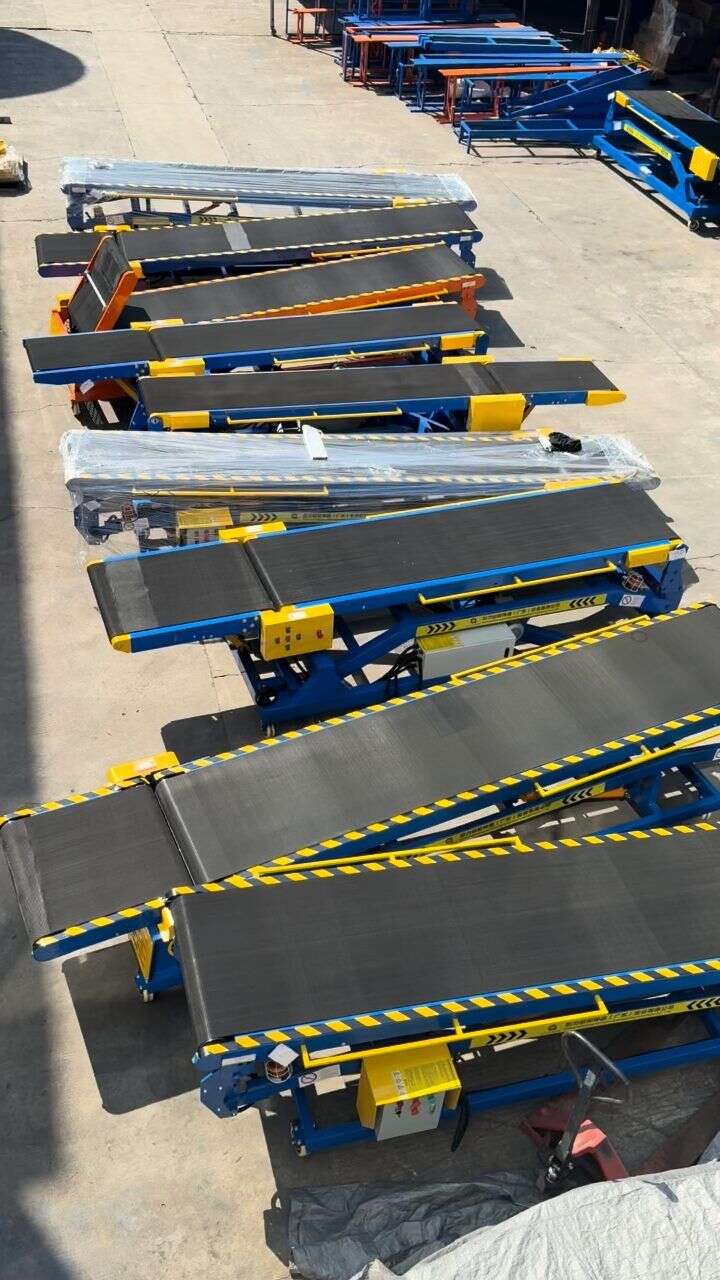
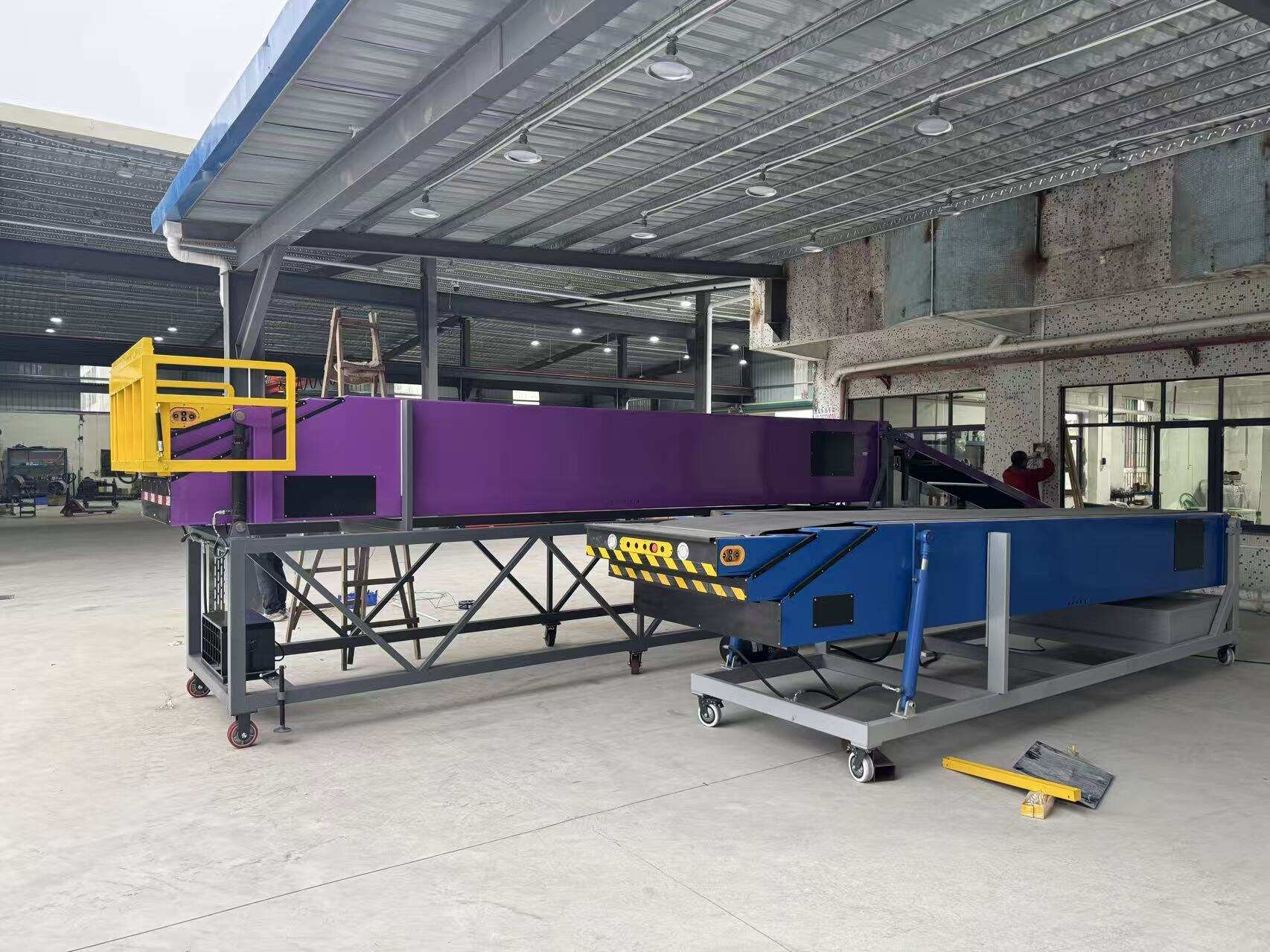
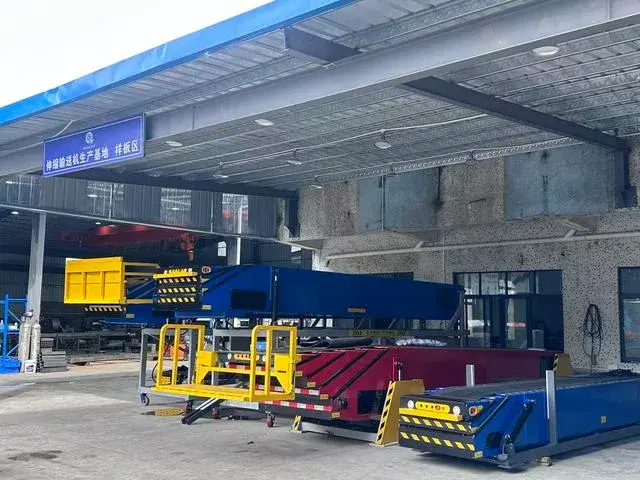
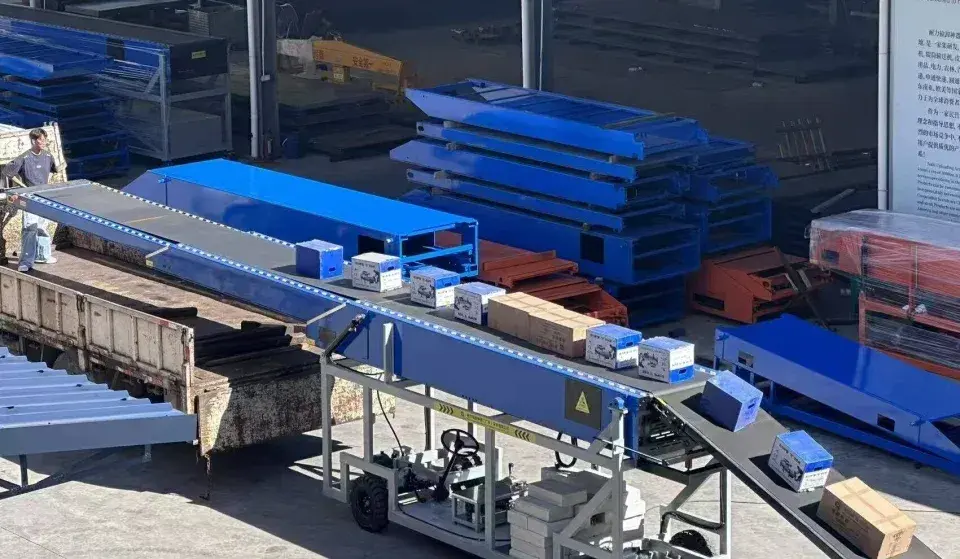
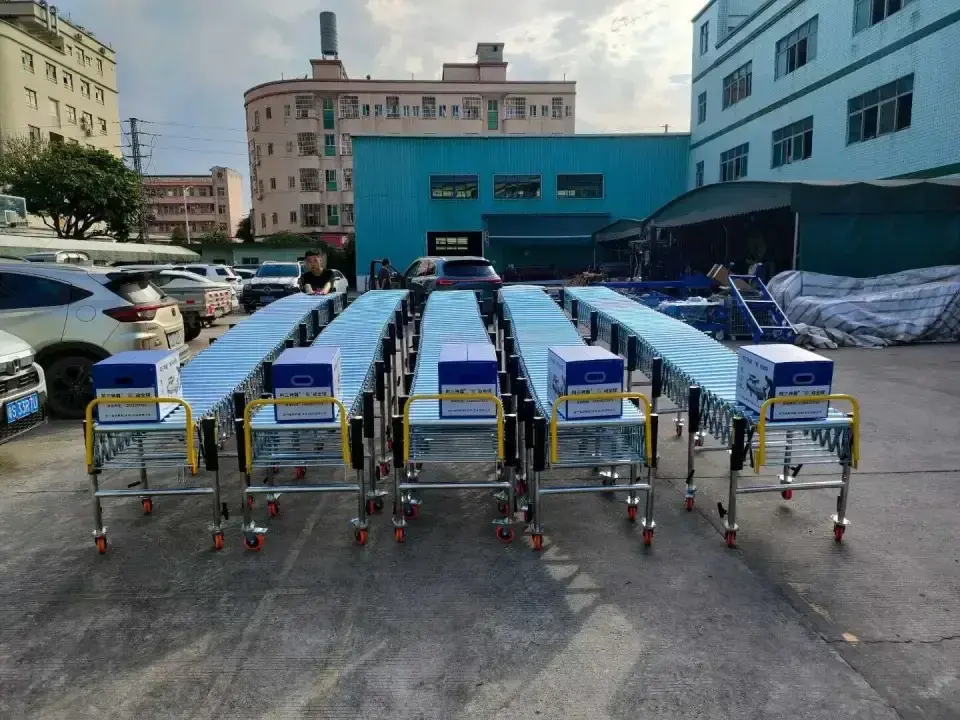
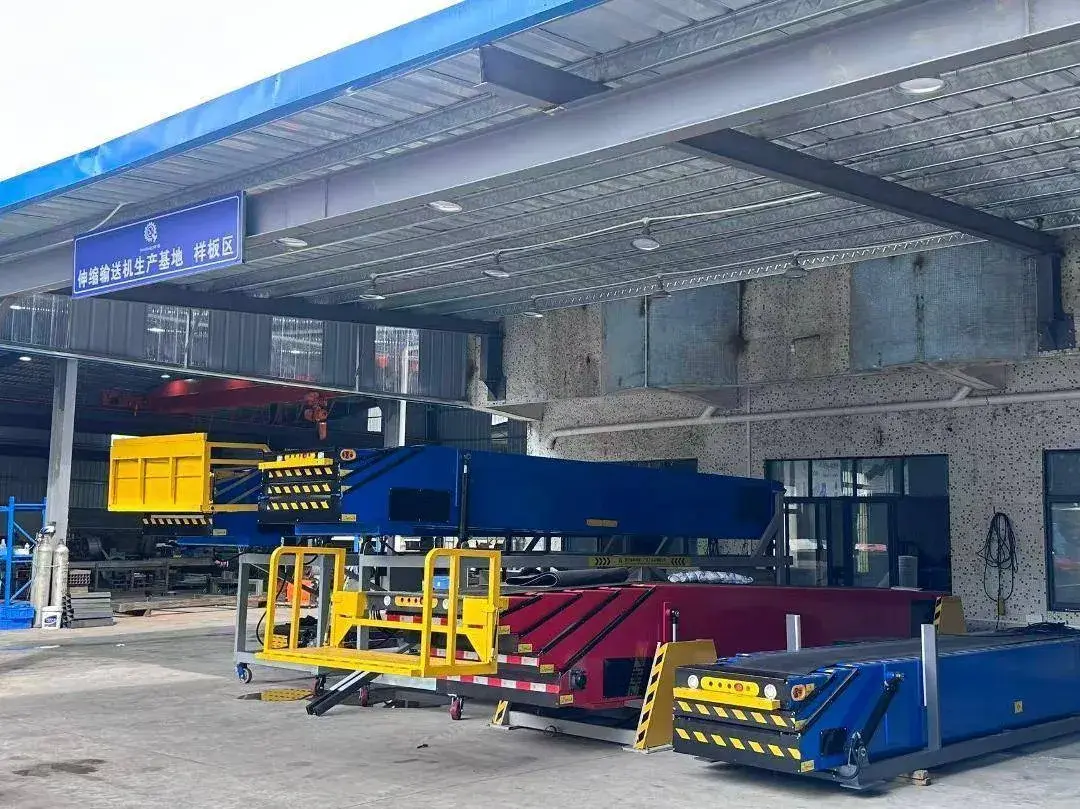
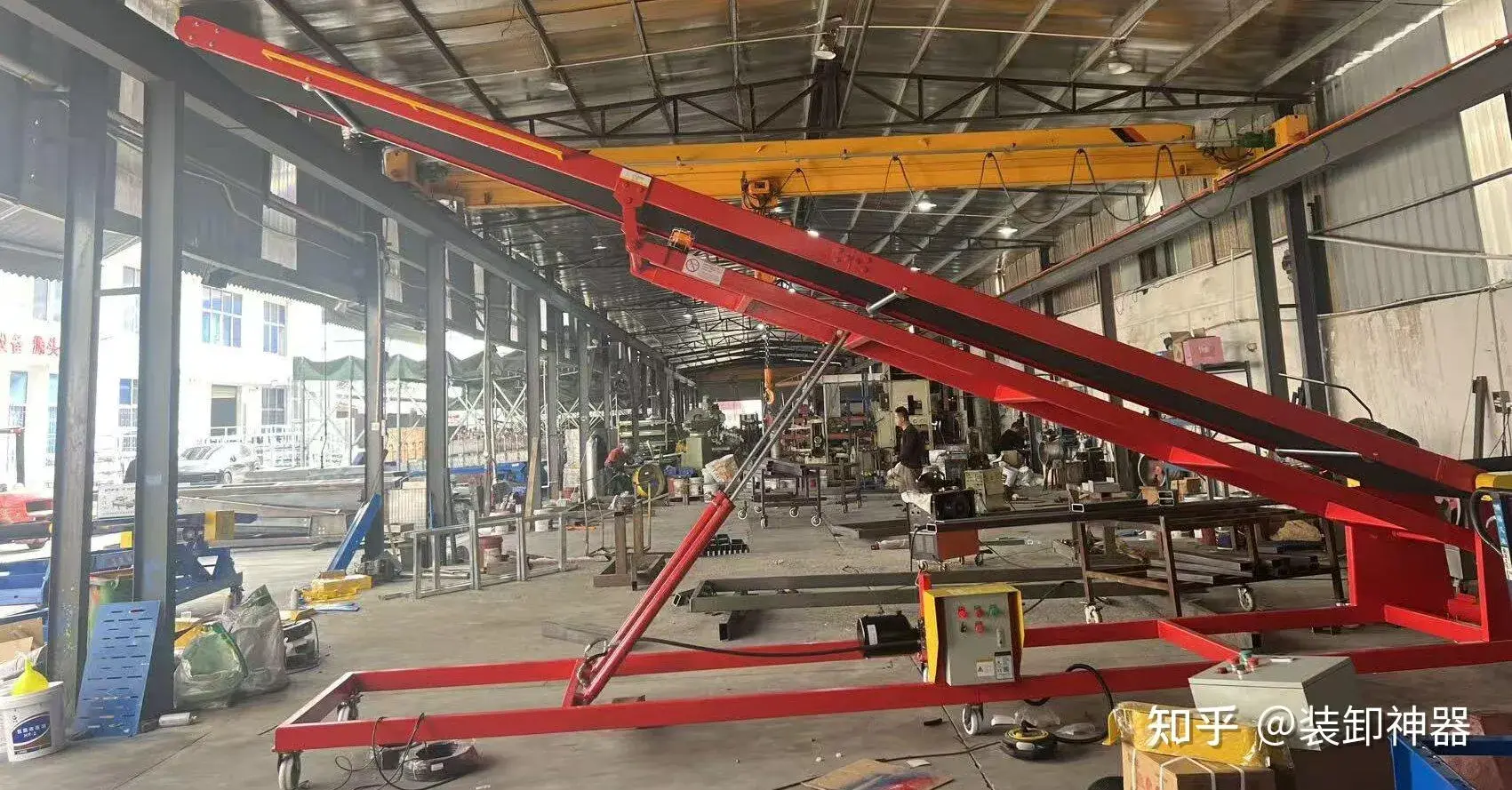
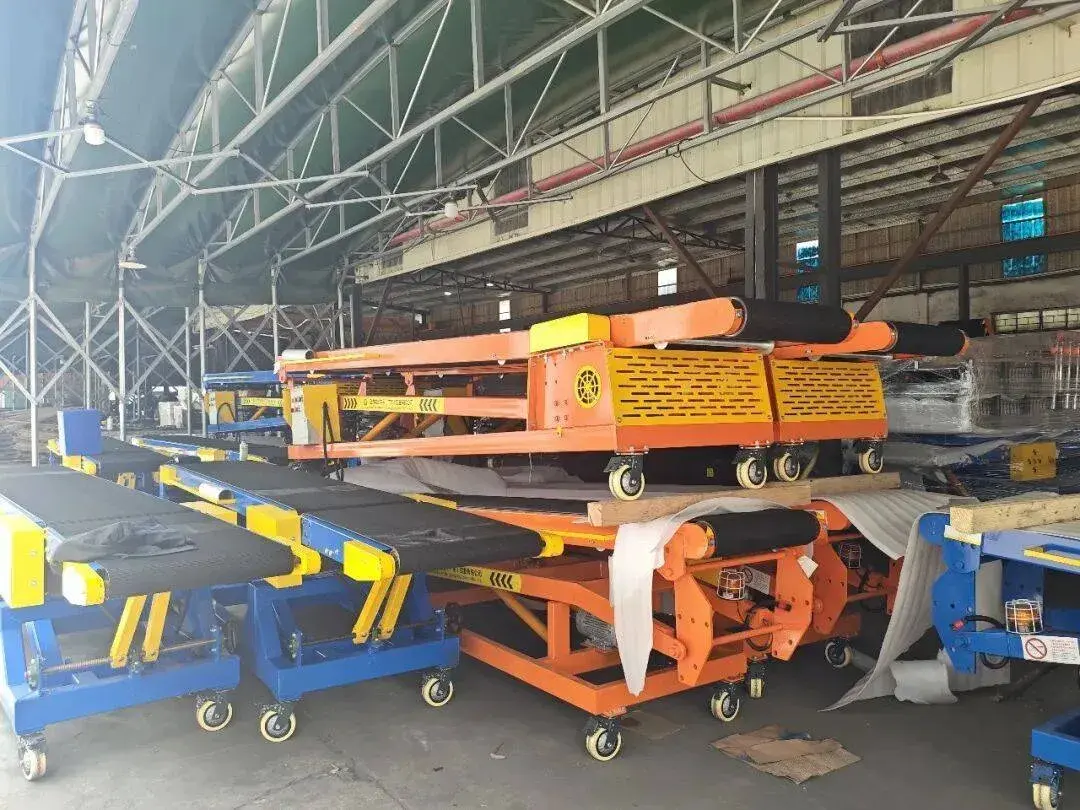
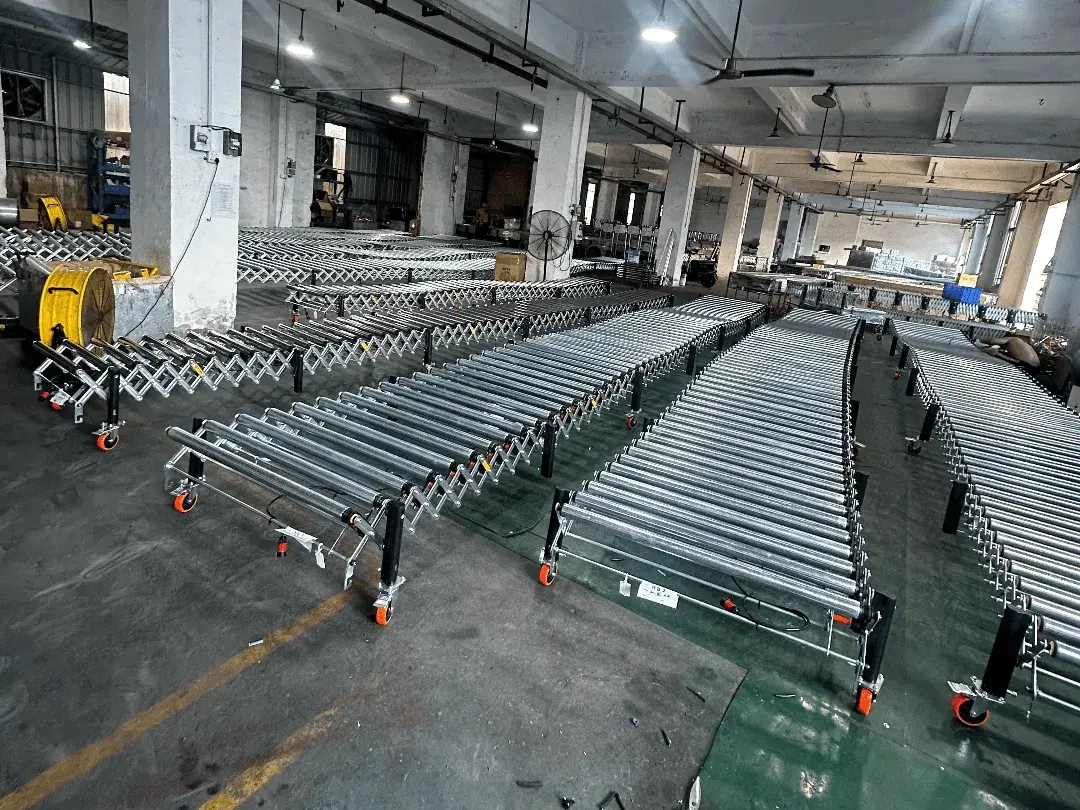
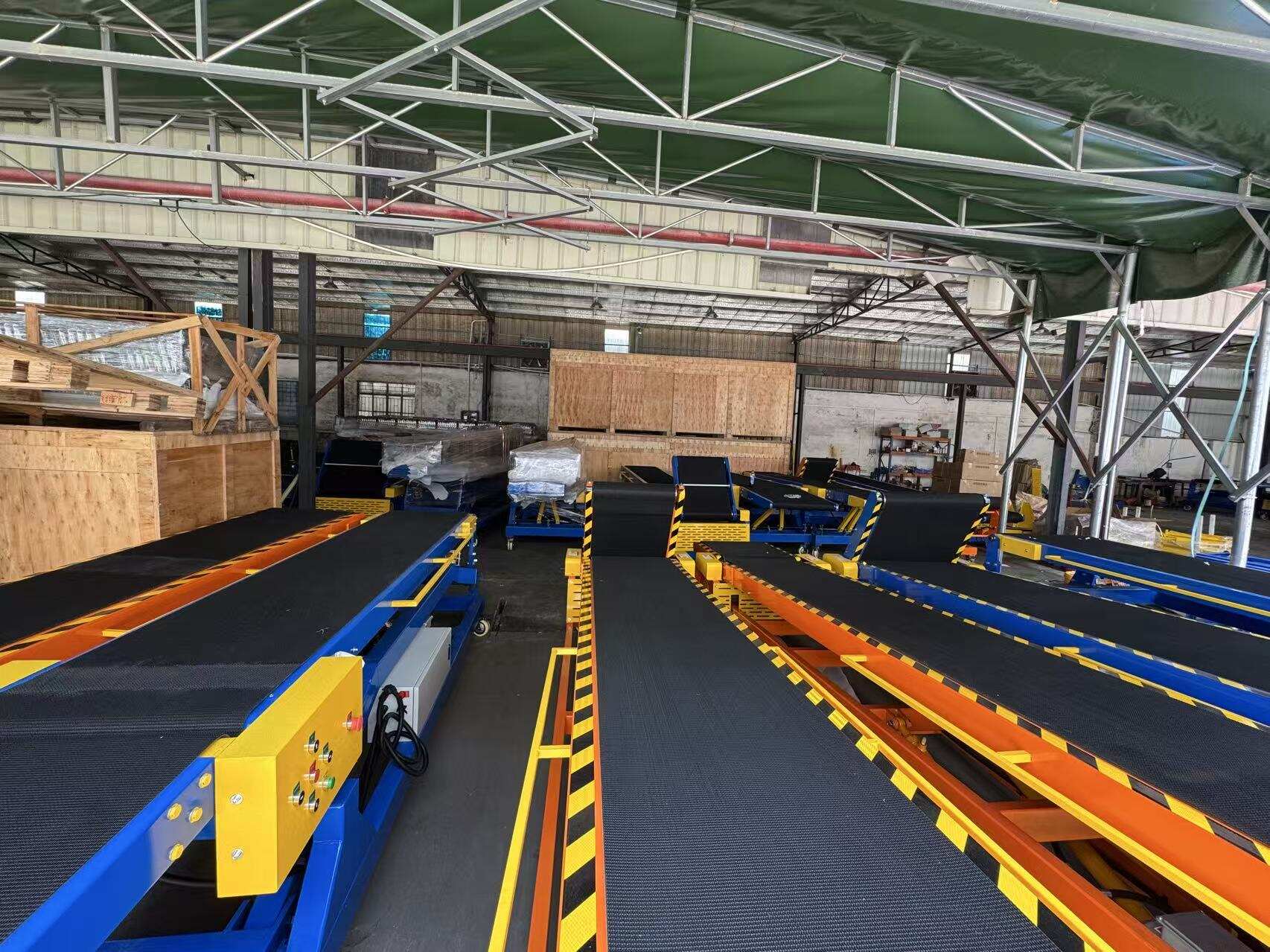
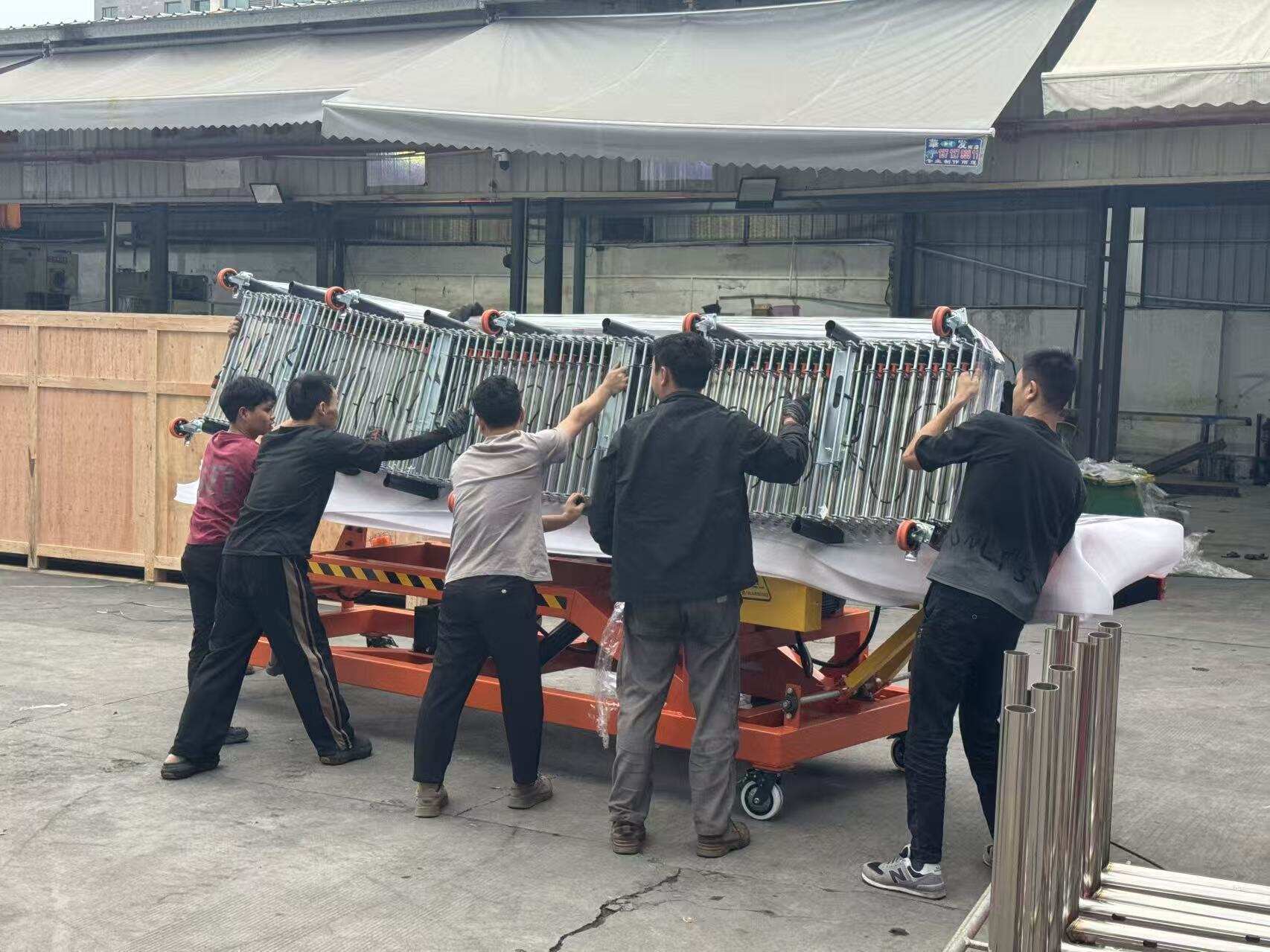
For non-standard sites, temporary loading and unloading, and multi-vehicle docking conditions,Multi-functional Powered Roller Telescopic Conveyor LineandTruck Loading and Unloading Powered Roller ConveyorIt can be adjusted through extension, contraction, and operating slope to adapt to different work positions and vehicle specifications. The equipment can be quickly set up into a loading and unloading passage according to site conditions, reducing reliance on manual handling and helping enterprises shorten loading and unloading time while lowering labor input.
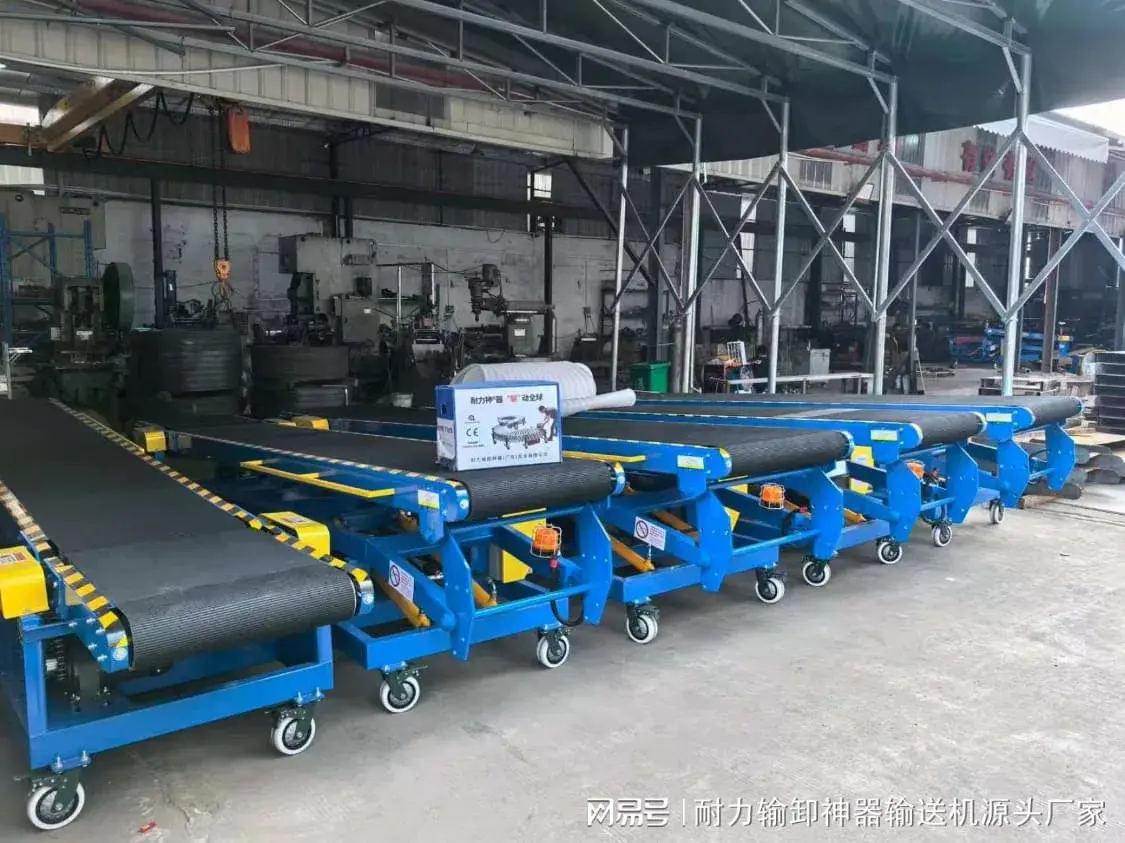
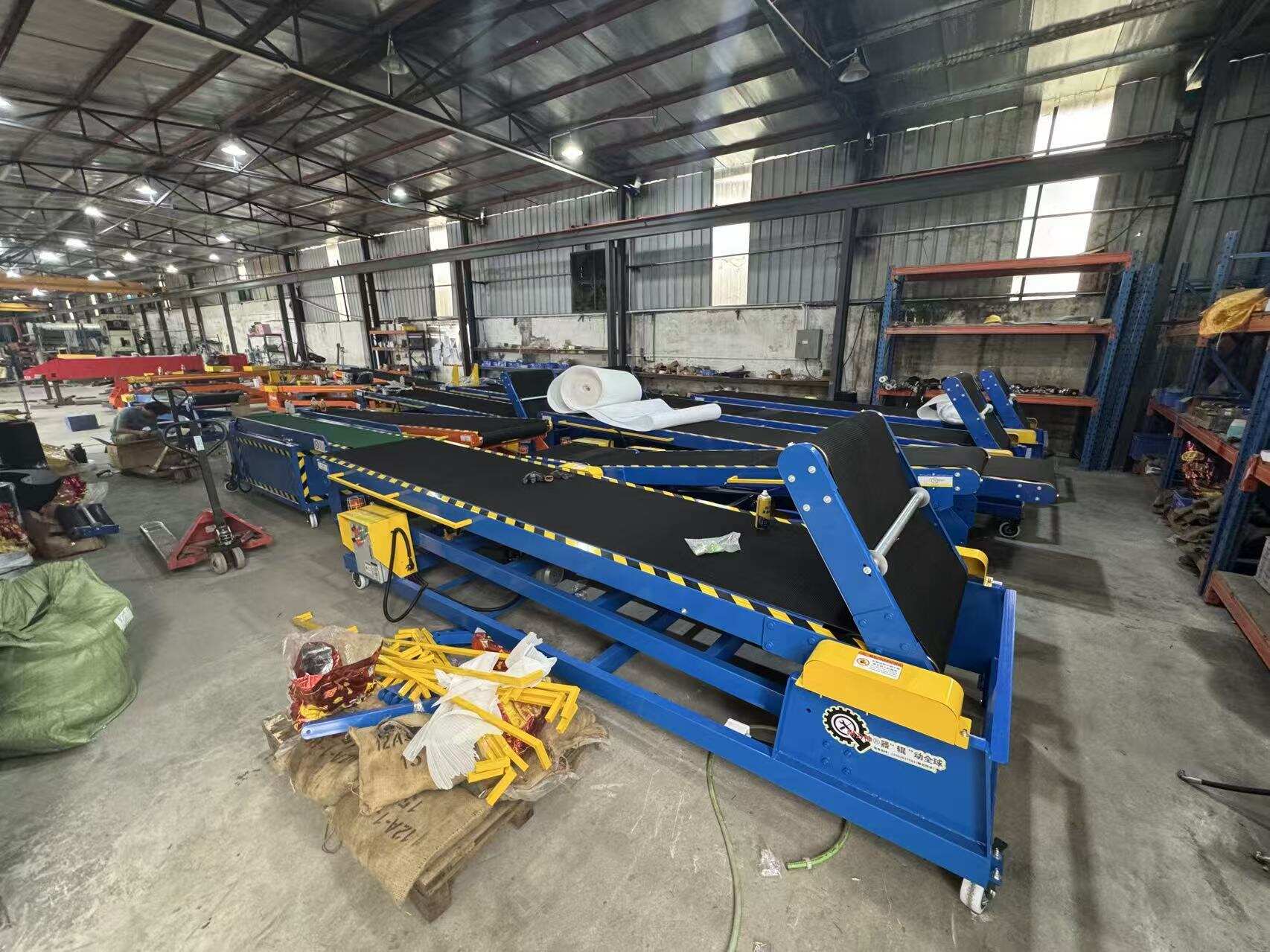
For parcels, bagged materials, fragile handicrafts, and soft light industrial products,retractable belt conveyorandloading and unloading belt conveyorare more suitable for fine conveying. The flexible cushioning conveying structure can reduce friction, bumps, and damage to goods during transportation. The deep extendable structure can also reach into the truck compartment or warehouse corners, expanding the loading and unloading coverage and improving the problems of insufficient coverage and low efficiency in traditional manual loading and unloading.
Peak and off-season warehouse operations: retractable conveyor lines improve space utilization
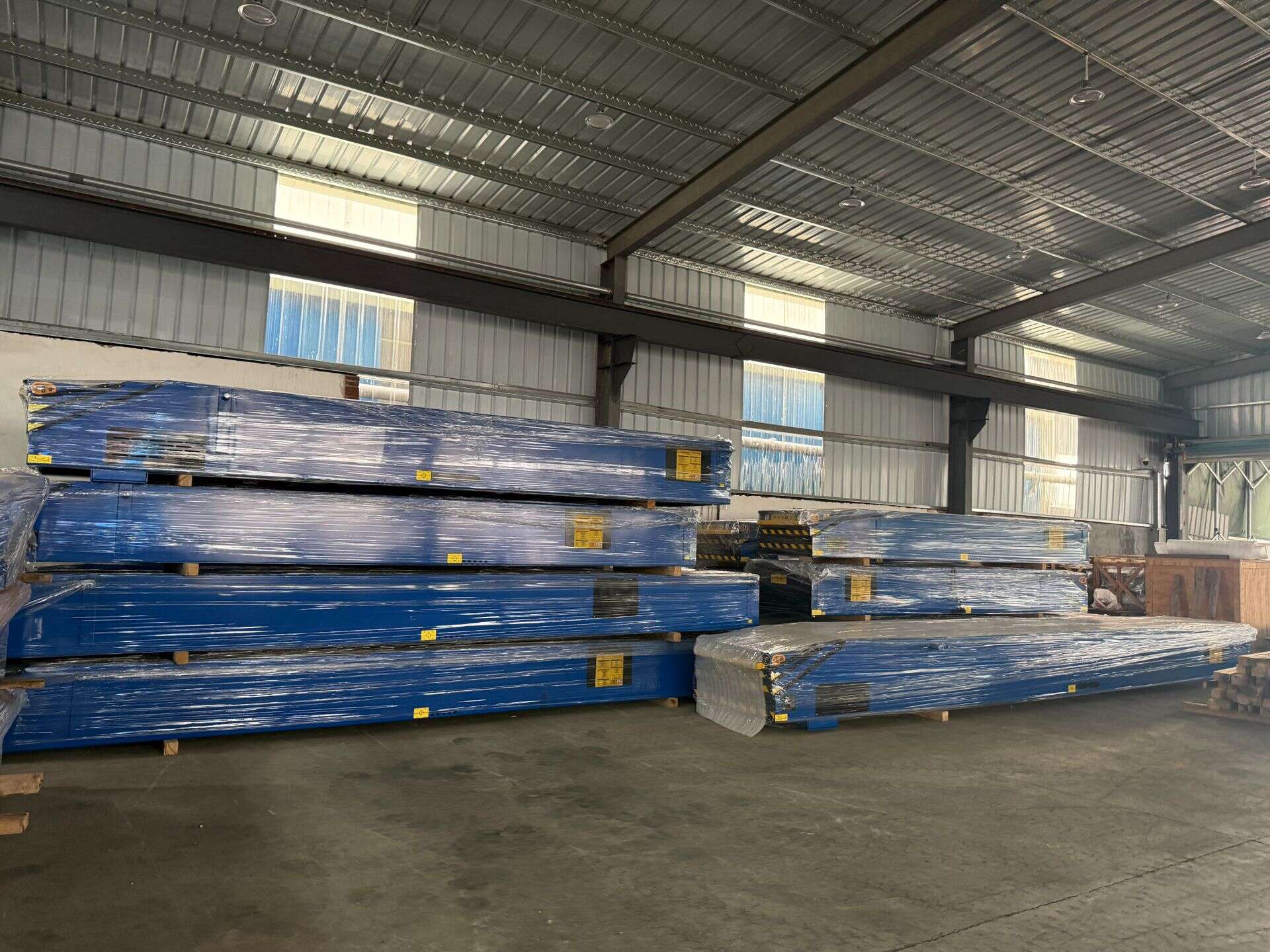
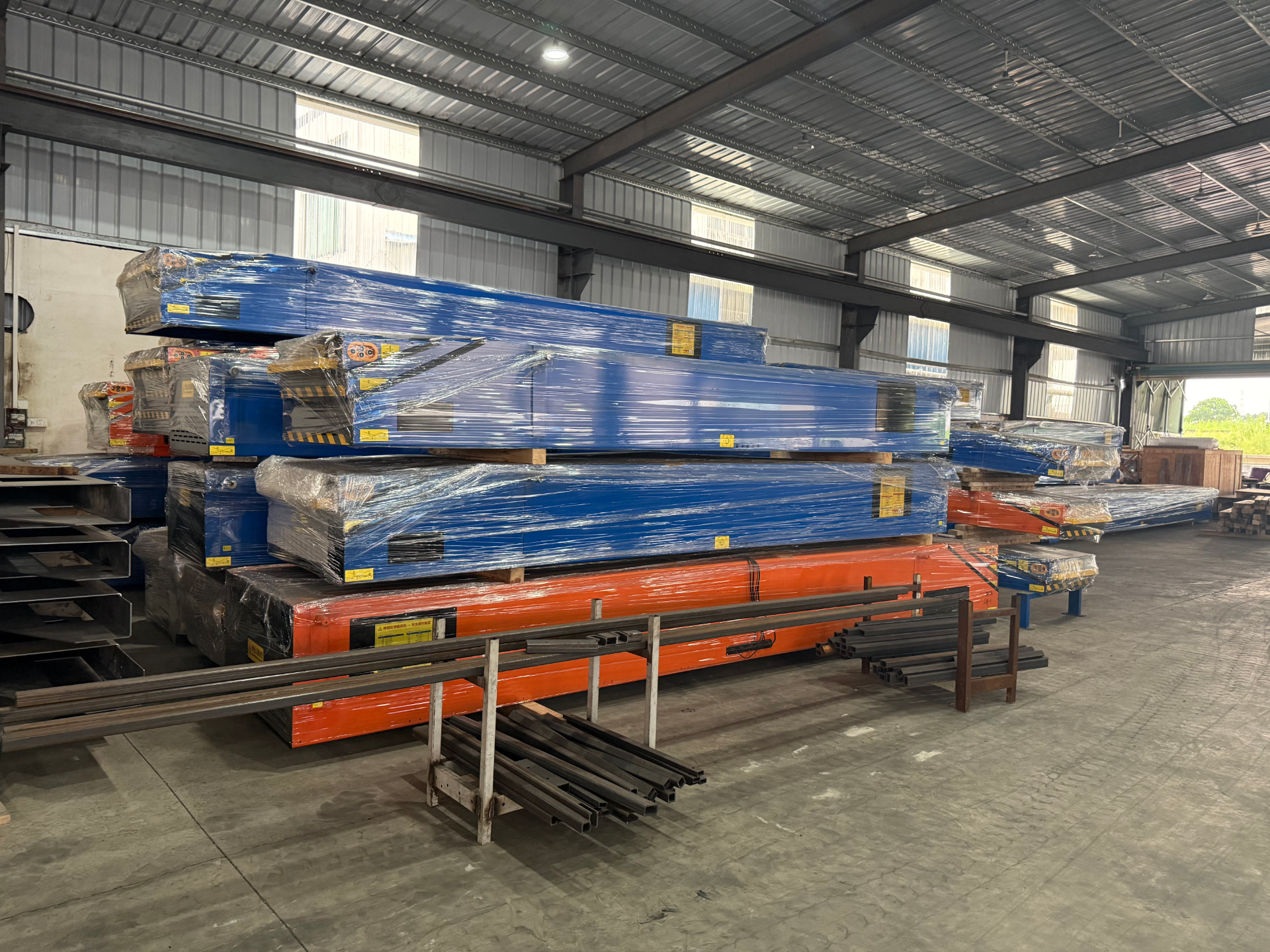
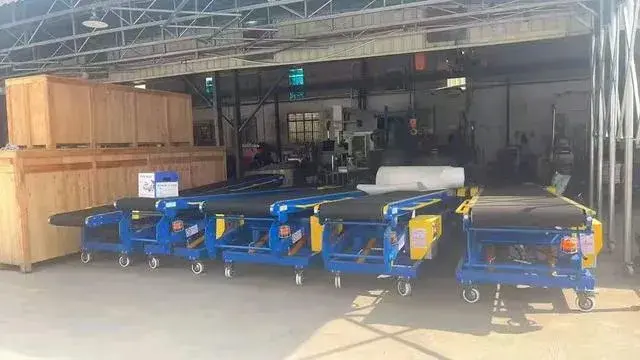
During peak order seasons, companies need to expand sorting lines and cargo throughput capacity, while in off-seasons they focus more on equipment storage and floor space usage.retractable conveyor lineandmobile retractable conveyorcan be quickly joined, expanded, contracted, and moved according to changes in workload. During peak seasons, they can be used to expand sorting lines and handle order surges; during off-seasons, they are easy to store and reduce the occupation of valuable warehouse space.
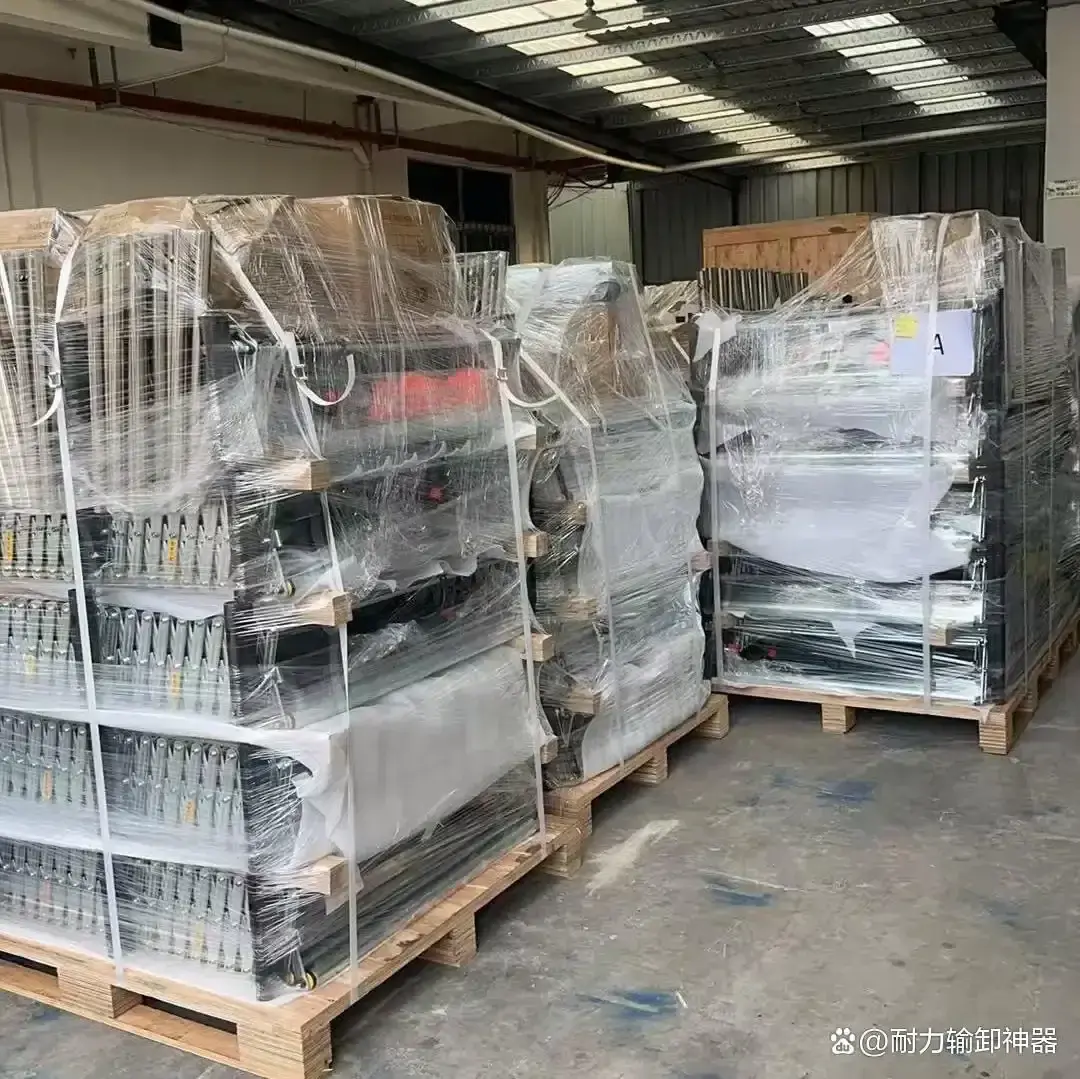
Nailishen, as the source manufacturer, supports equipment customization according to different application scenarios and provides installation, commissioning, and lifetime maintenance services. With a more flexible conveyor equipment configuration, small and medium-sized warehousing enterprises can adjust their operating model according to actual working conditions and improve the coordination of material transfer, loading and unloading, and sorting processes.