Naili Conveyor
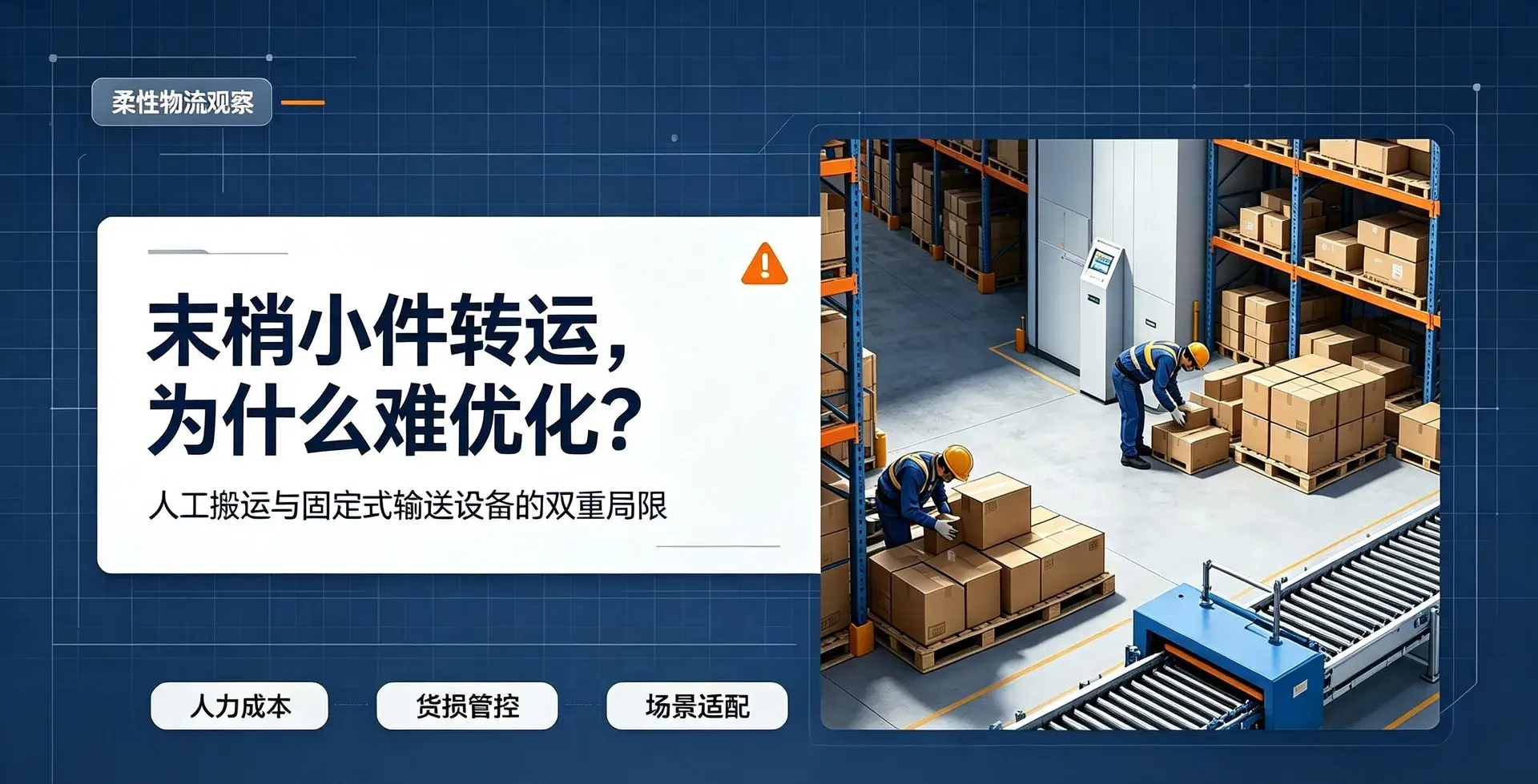
When upgrading their logistics operations, manufacturers, e-commerce warehouses, and fast-moving consumer goods distribution centers often prioritize large loading and unloading lines, heavy-duty powered conveying equipment, and automated sorting systems. This improves the flow of goods along main production lines, at loading docks, and in high-volume, uniform loads. Yet suitable equipment is still lacking for end-of-line tasks such as sorting small, mixed items inside warehouses, moving materials short distances, loading goods deep into truck trailers, and unloading at temporary outdoor sites.
When investment in mainline equipment outpaces the capabilities of end-of-line operations, invisible gaps emerge in the facility's logistics flow. Large items move smoothly, while small and loose items still require manual handling. This limits warehouse throughput and overall flow efficiency, while making lean production and cost reduction more difficult to achieve.
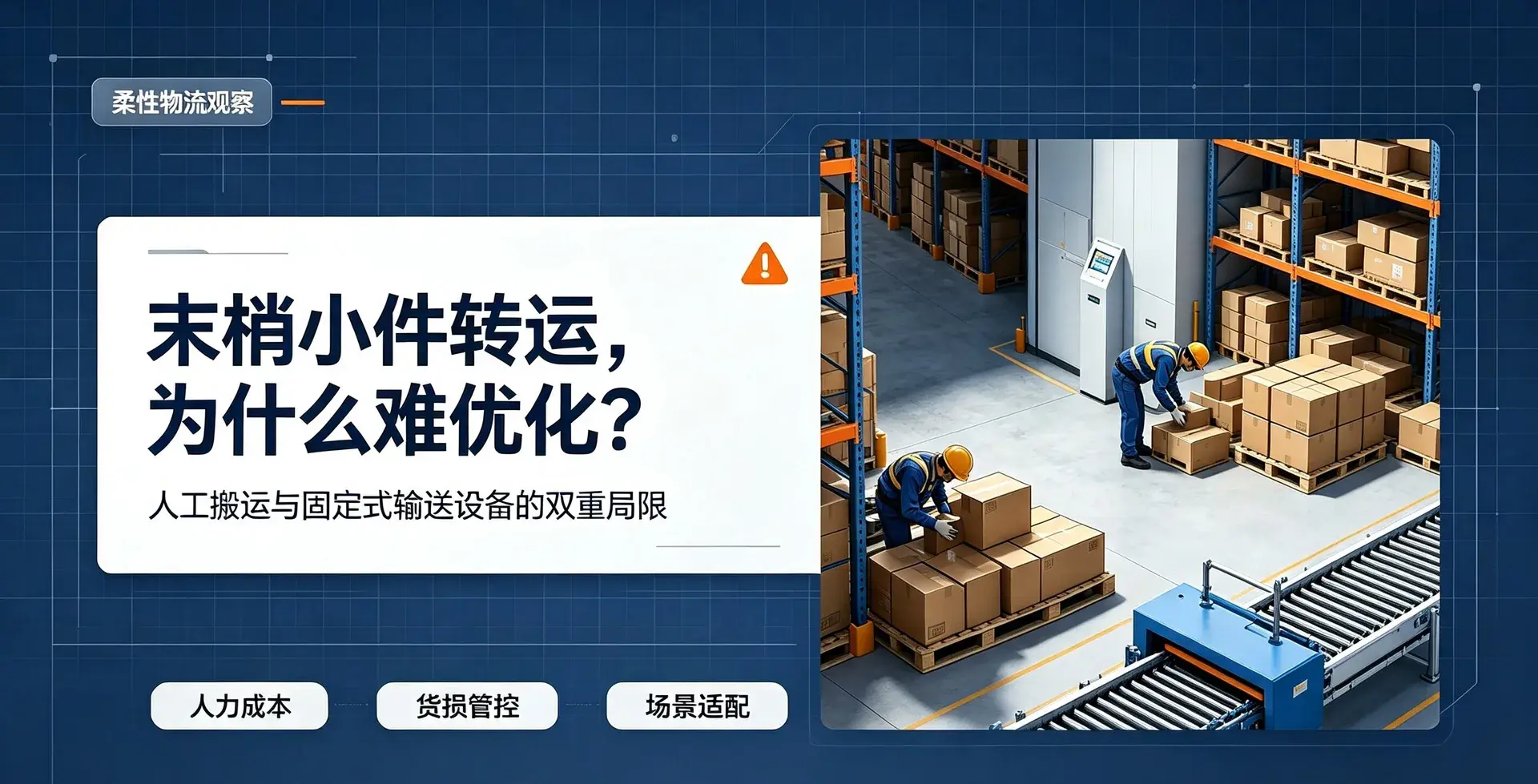
Equipment challenges in transferring small items at the far end of the process
Manual handling can cover a wide range of small-item transfer tasks, but repetitive work is physically demanding, takes considerable time, and drives up labor costs year after year. Manual handling also lacks consistency, and goods may be bumped, crushed, or dropped in transit, creating challenges for damage control and product quality management.
Fixed conveyor equipment is limited by its structure, making it difficult to adjust its length and angle as site conditions change. Its adaptability is limited in narrow aisles, irregular spaces, and temporary work areas. Once installed, it may have few use cases, leading to idle equipment and wasted space.
Design and conveying principles of expandable skate wheel conveyors
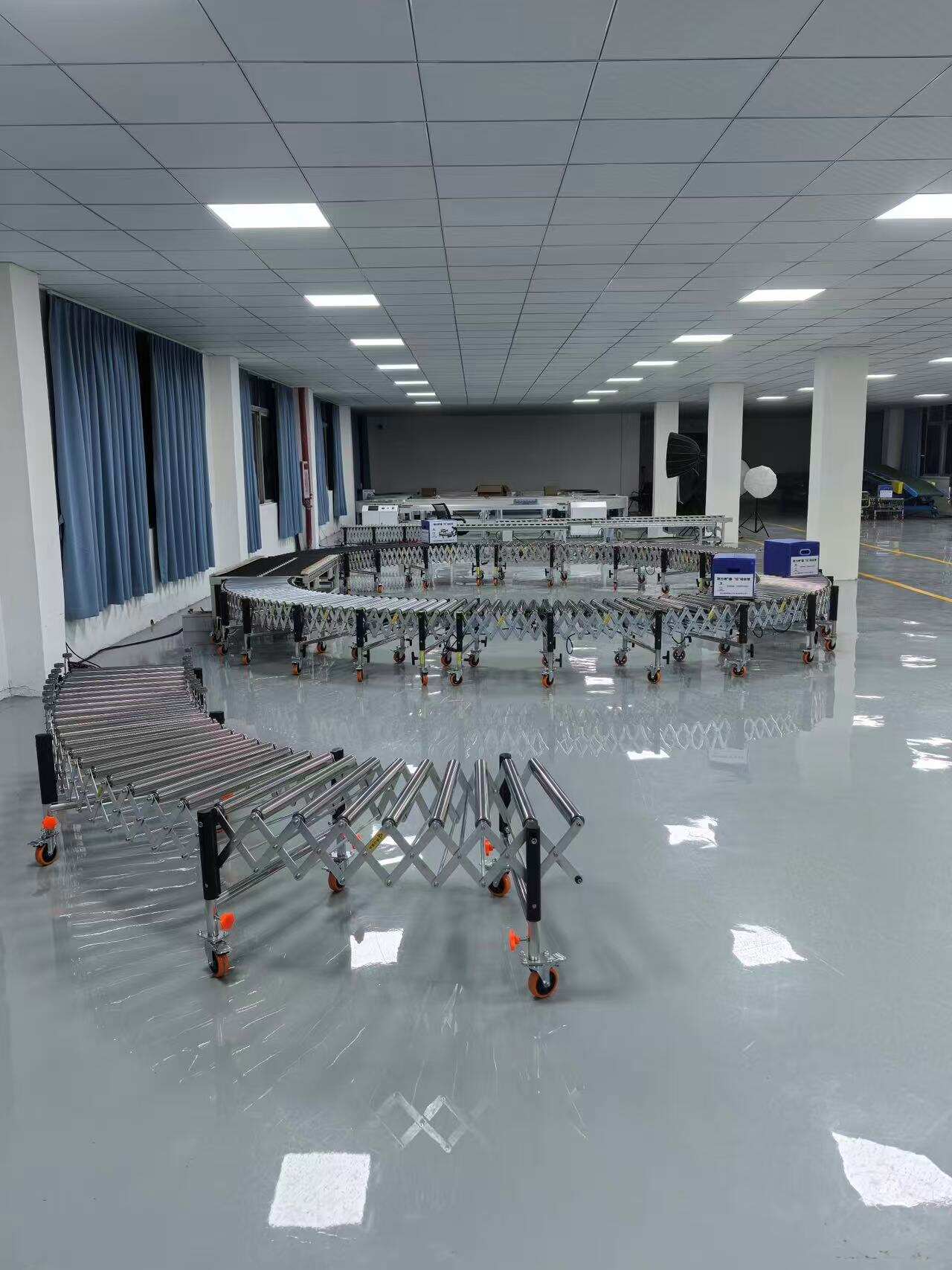
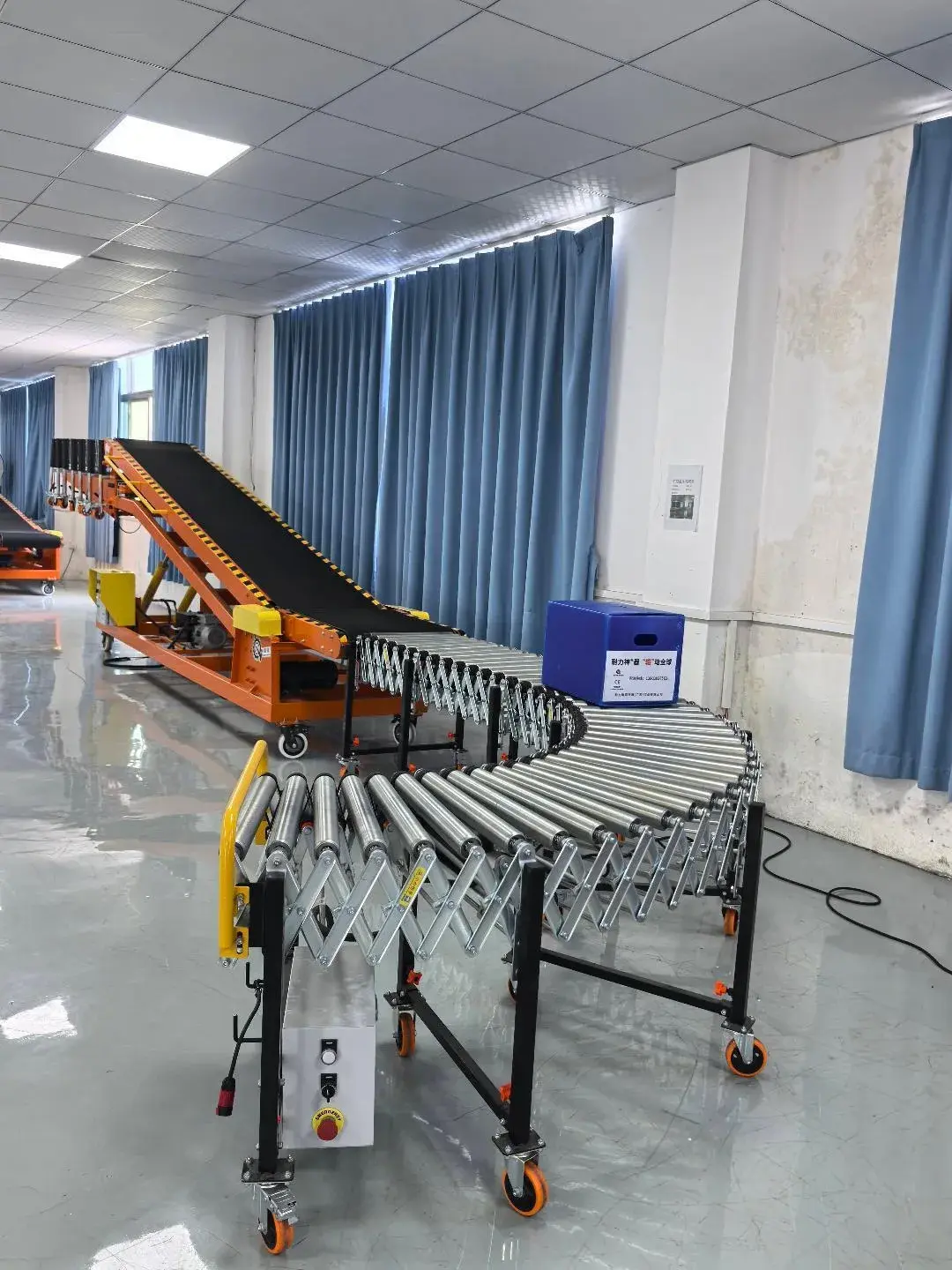
The non-powered expandable skate wheel conveyor is designed for small-item logistics tasks at the far end of facility operations. Its optimized structure, upgraded materials, and modular design address common problems with traditional conveying equipment, including limited adaptability, high modification costs, complex maintenance, and high idle rates. It is suitable for lightweight logistics upgrades at small and medium-sized facilities.
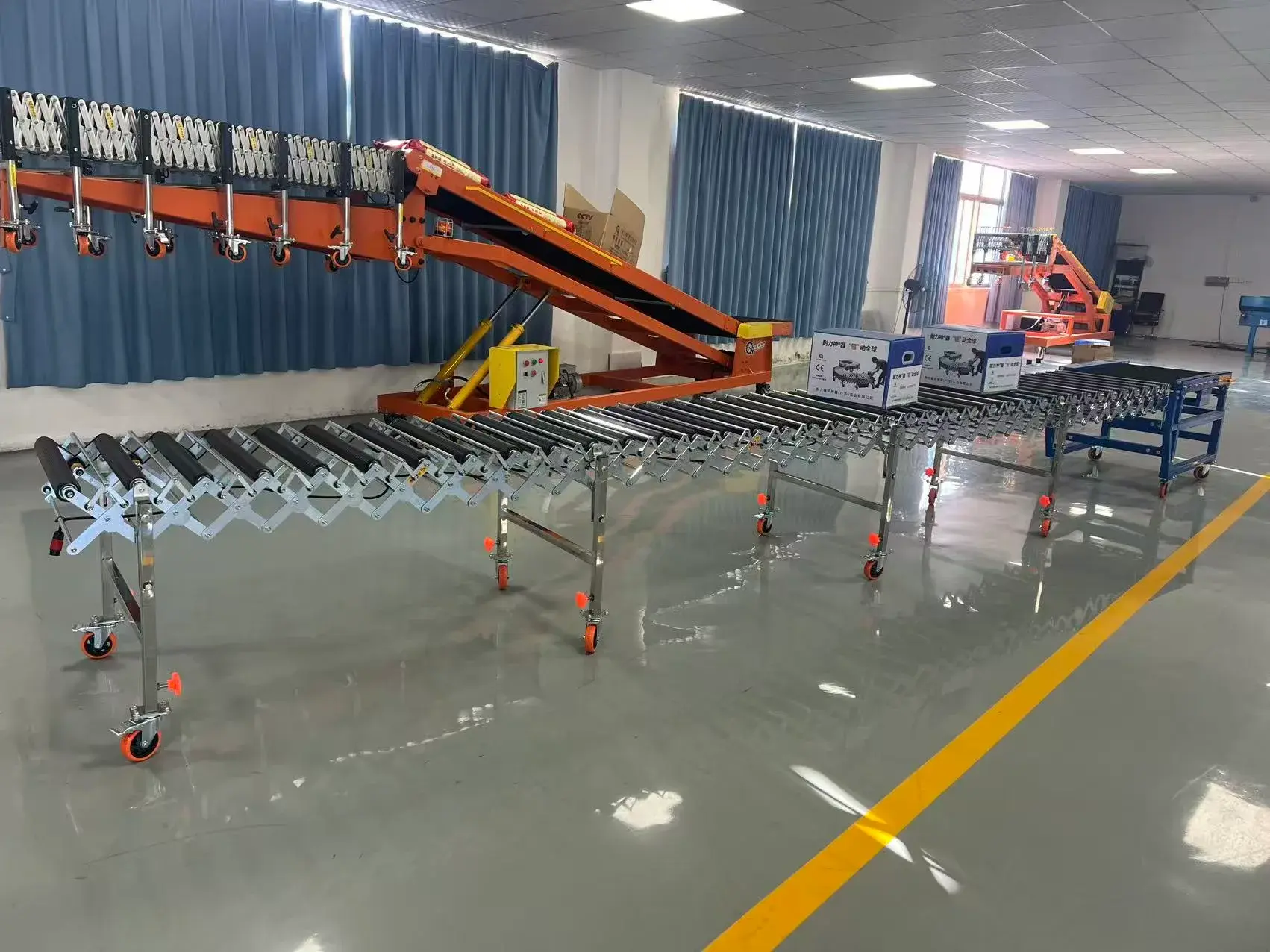
The conveyor uses a high-density array of skate wheels, supporting the base of each item at multiple contact points to distribute the load. With low rolling resistance, it needs no powered drive; goods move by gravity or with a slight push. Its design is non-powered and maintenance-free.
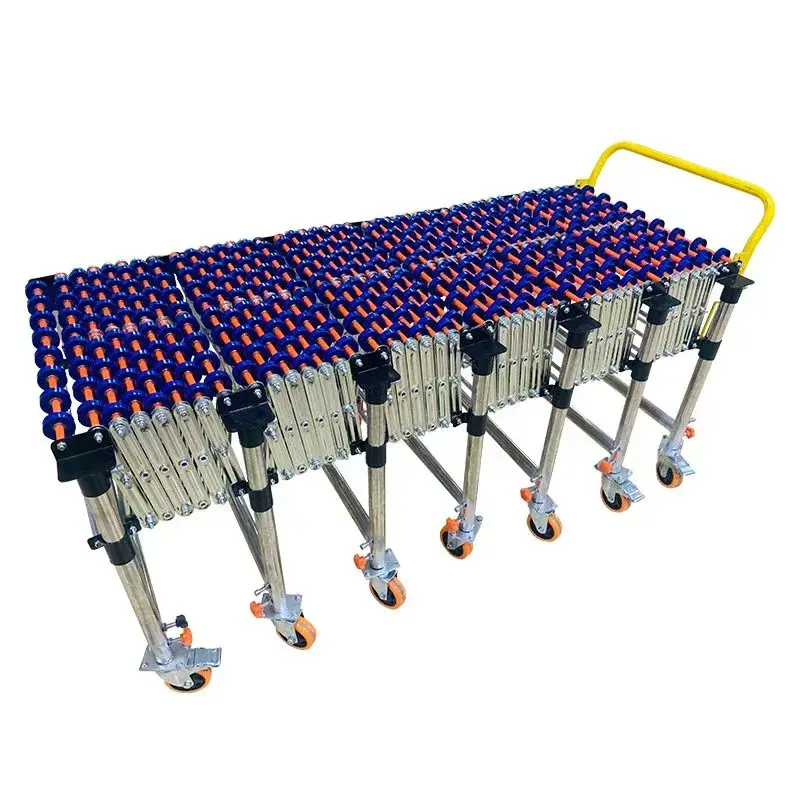
Compared with traditional single-row roller designs, the multiple contact points of skate wheels provide a wider support area and distribute the load more evenly, resulting in smoother conveying. This design is especially suitable for small items, soft packages, and lightweight goods with flat bases. It reduces jolting and jams, helping lower the risk of damage during conveying.
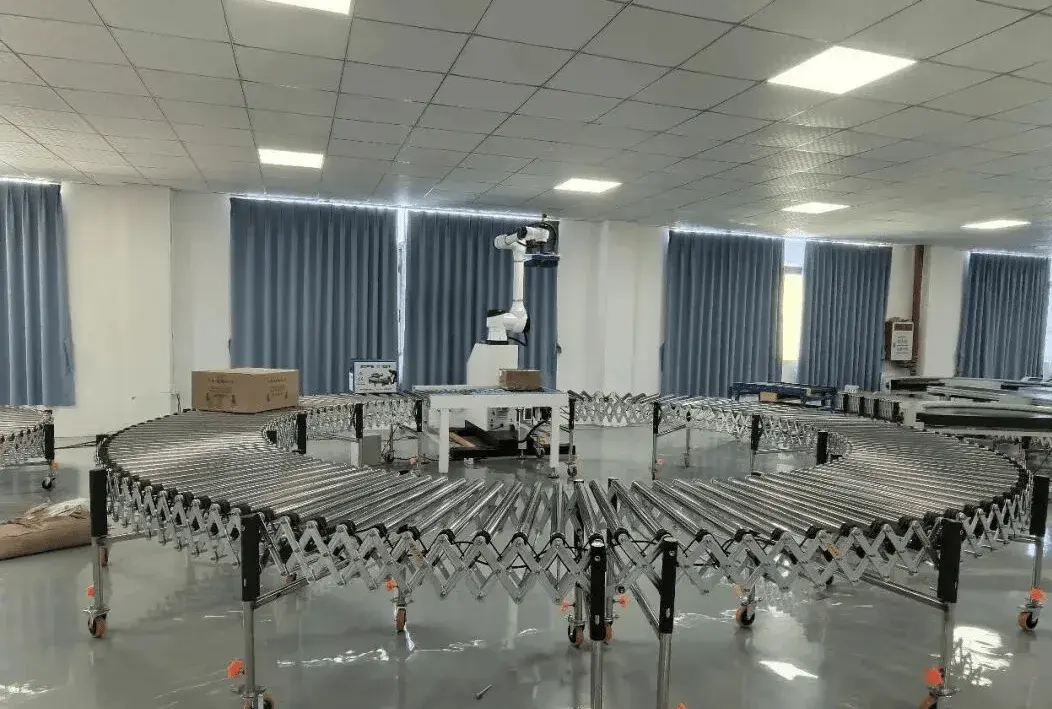
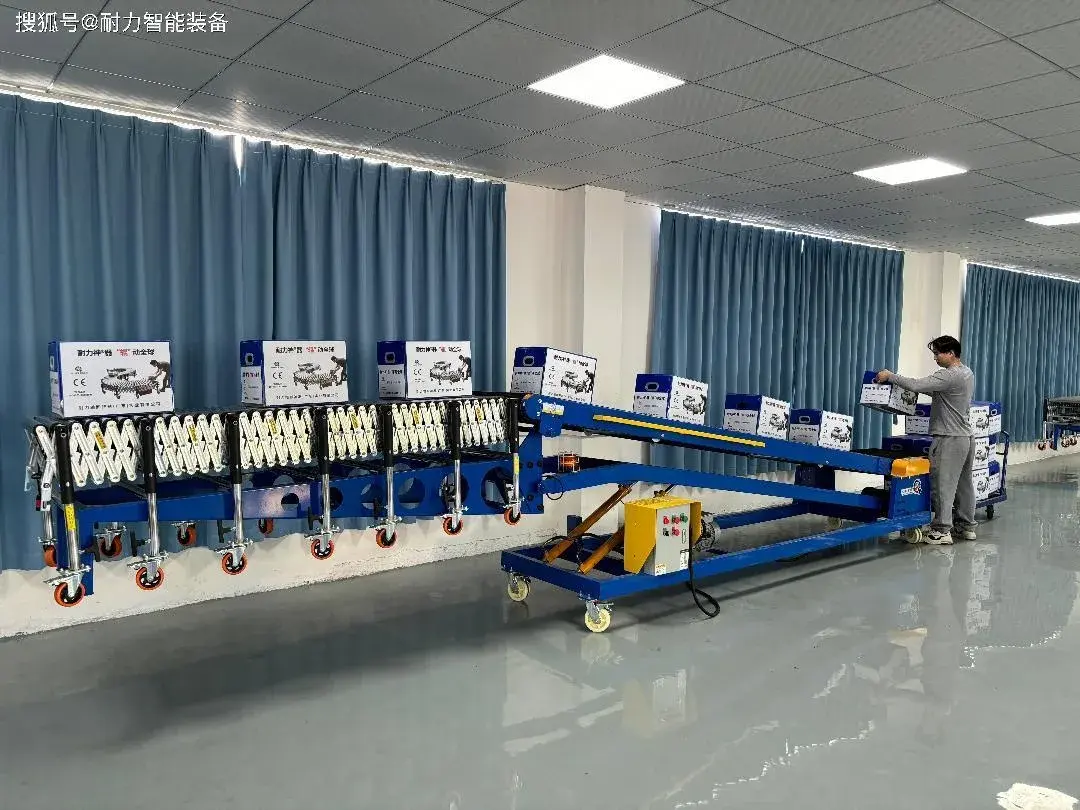
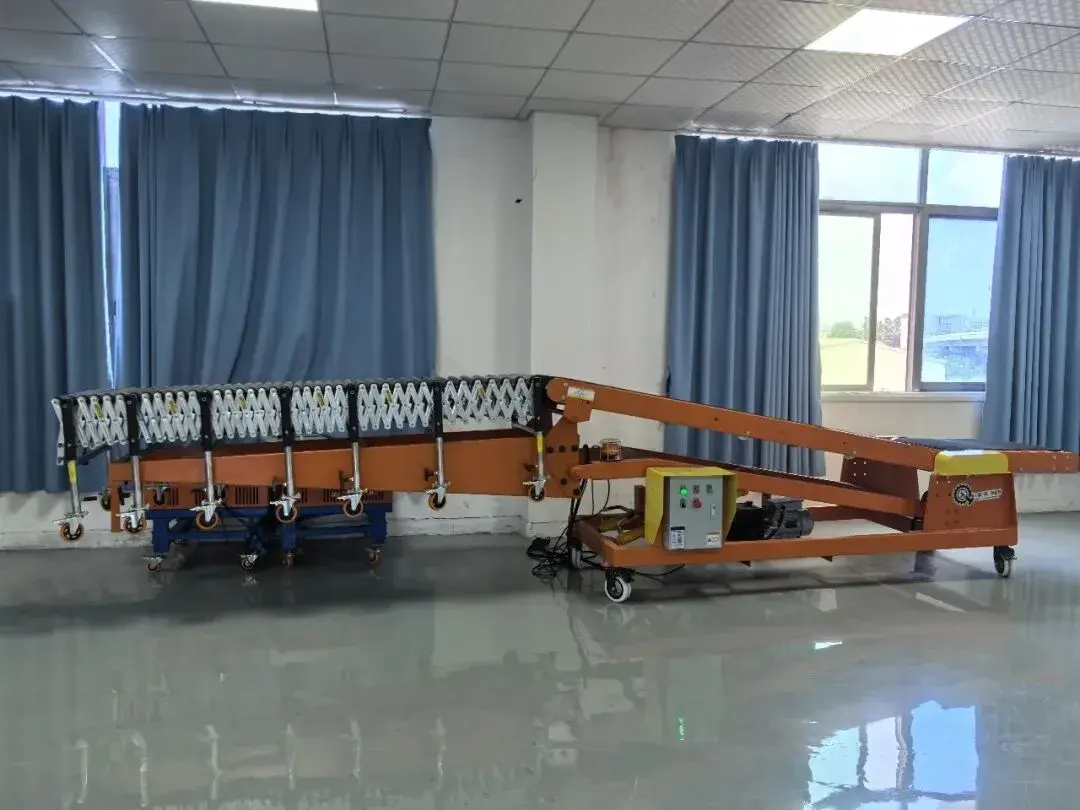
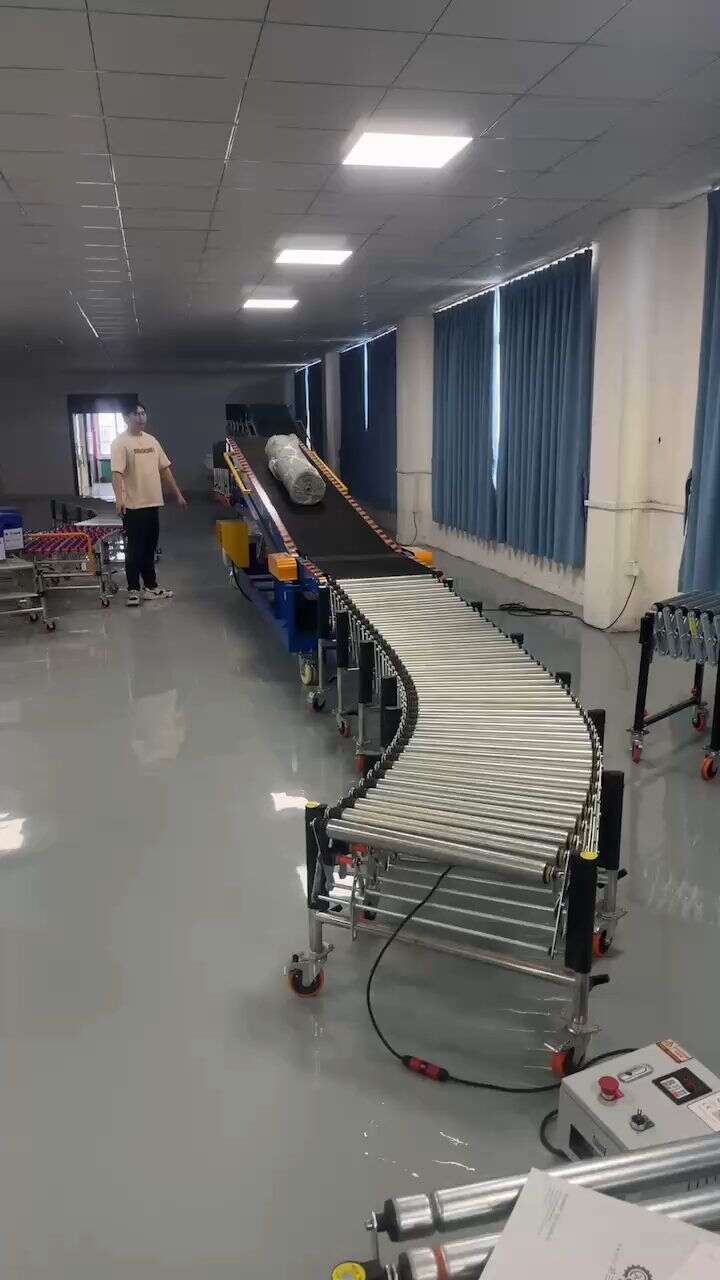
The equipment features a modular, expandable, and bendable structure. Its length and conveying angle can be adjusted to suit the facility's floor area, aisle width, and operating needs, accommodating a range of complex, non-standard conditions. A mobile base with locking casters allows the equipment to be reused in multiple areas and locations. After use, it can be secured in place, retracted, and stored, improving adaptability and asset utilization.
Equipment benefits and applications
- Low modification costs:No building modifications or control system installation are required, and no specialist is needed for regular maintenance, making it suitable for rapid deployment by small and medium-sized businesses.
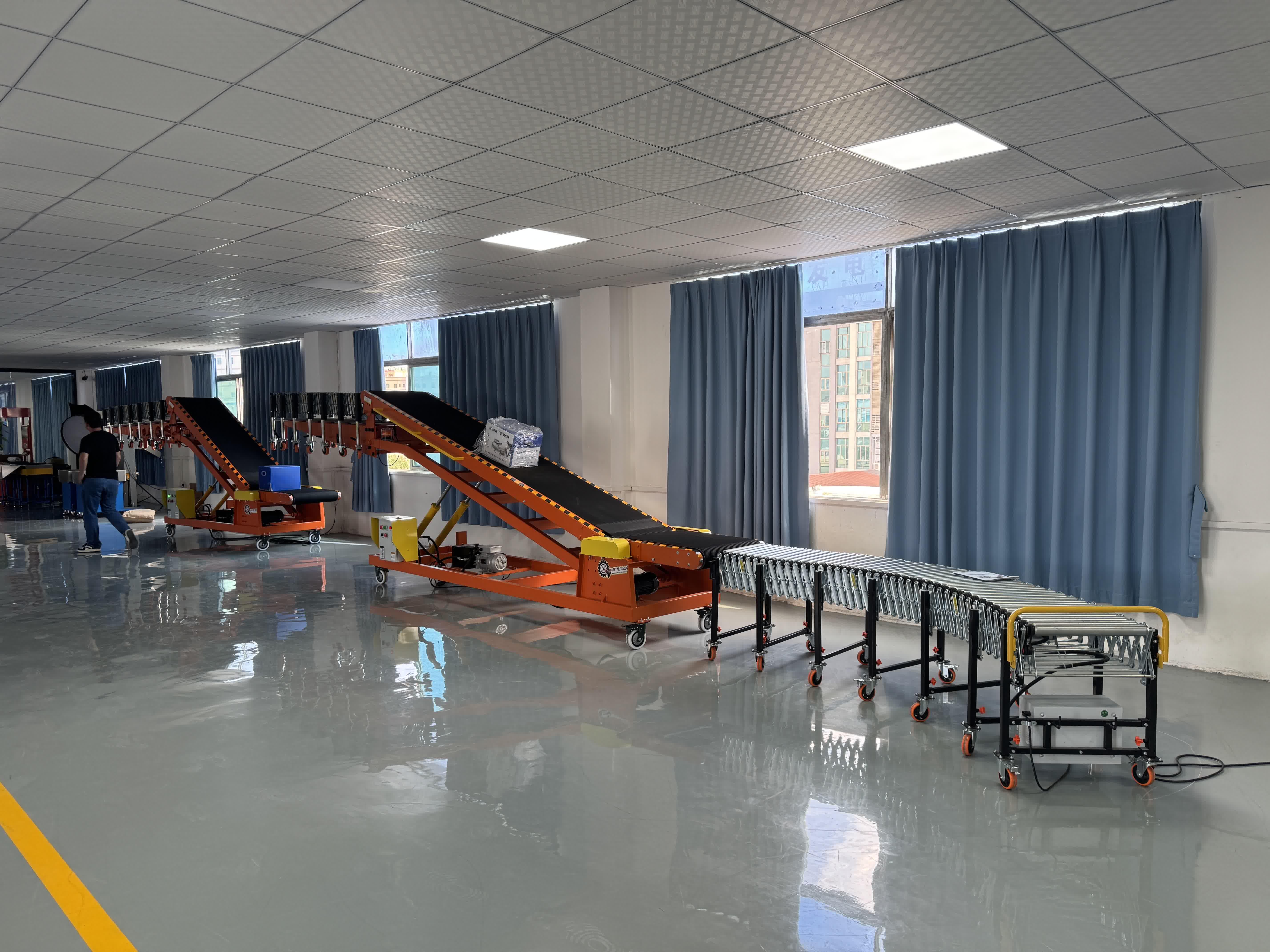
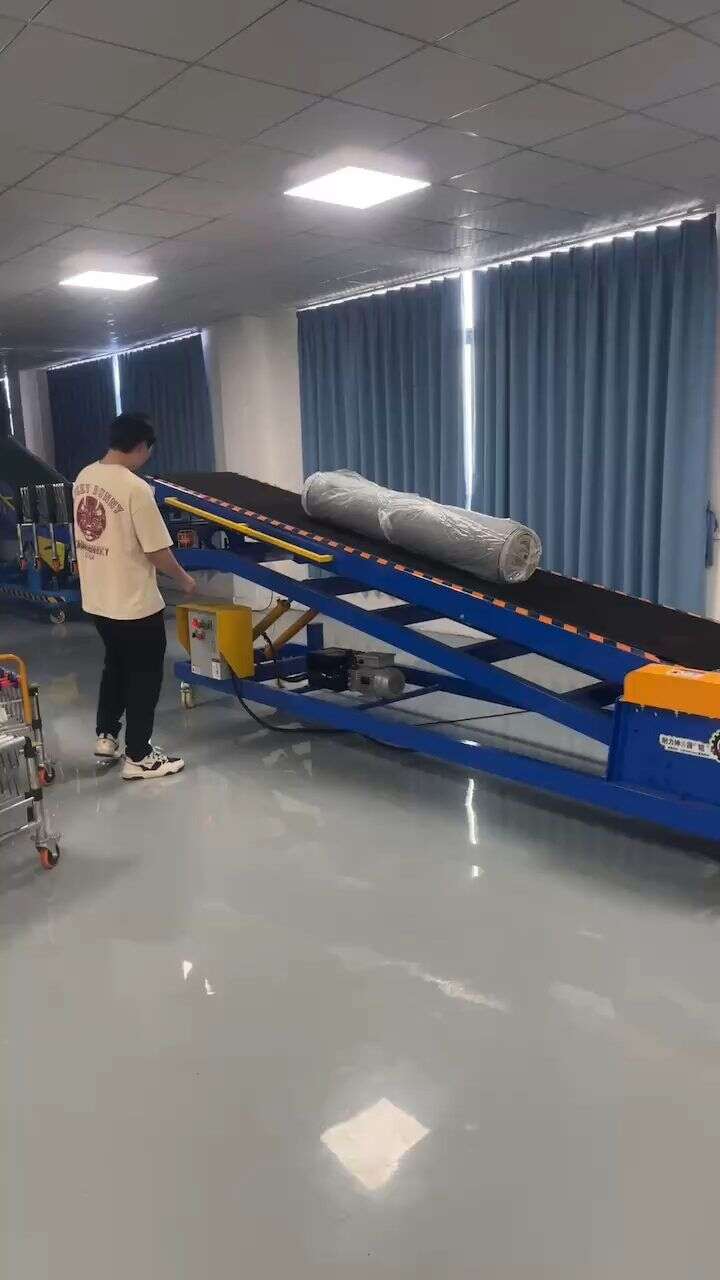
- Adapts to a range of end-of-line tasks:Expandable, bendable, mobile, and easy to store, it can be used for transfers through narrow aisles, unloading at temporary sites, loading goods into truck trailers, and sorting small items within warehouses.
- Suitable for multiple industries:Applications include the food, electronics, e-commerce, personal care and household chemicals, and footwear and apparel industries.
- Smooth conveying:Non-powered roller conveying reduces jolting and mechanical jams, making it suitable for transferring lightweight goods and some fragile items.
- Custom configurations available:Equipment dimensions, structural specifications, and accessories can be customized based on material parameters, facility layout, and operating frequency.
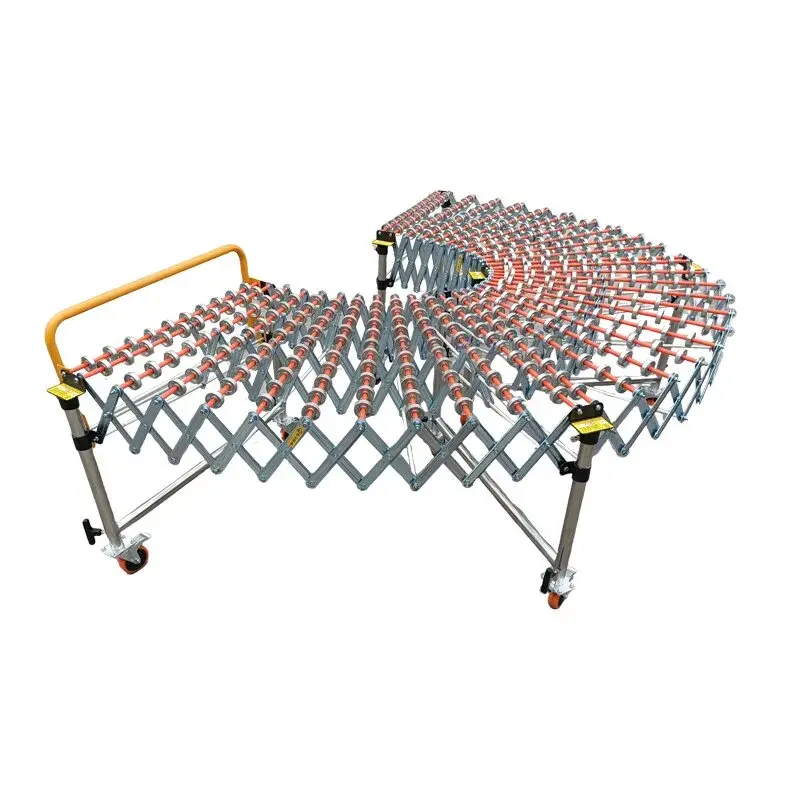
Building a flexible logistics flow in coordination with mainline conveying equipment
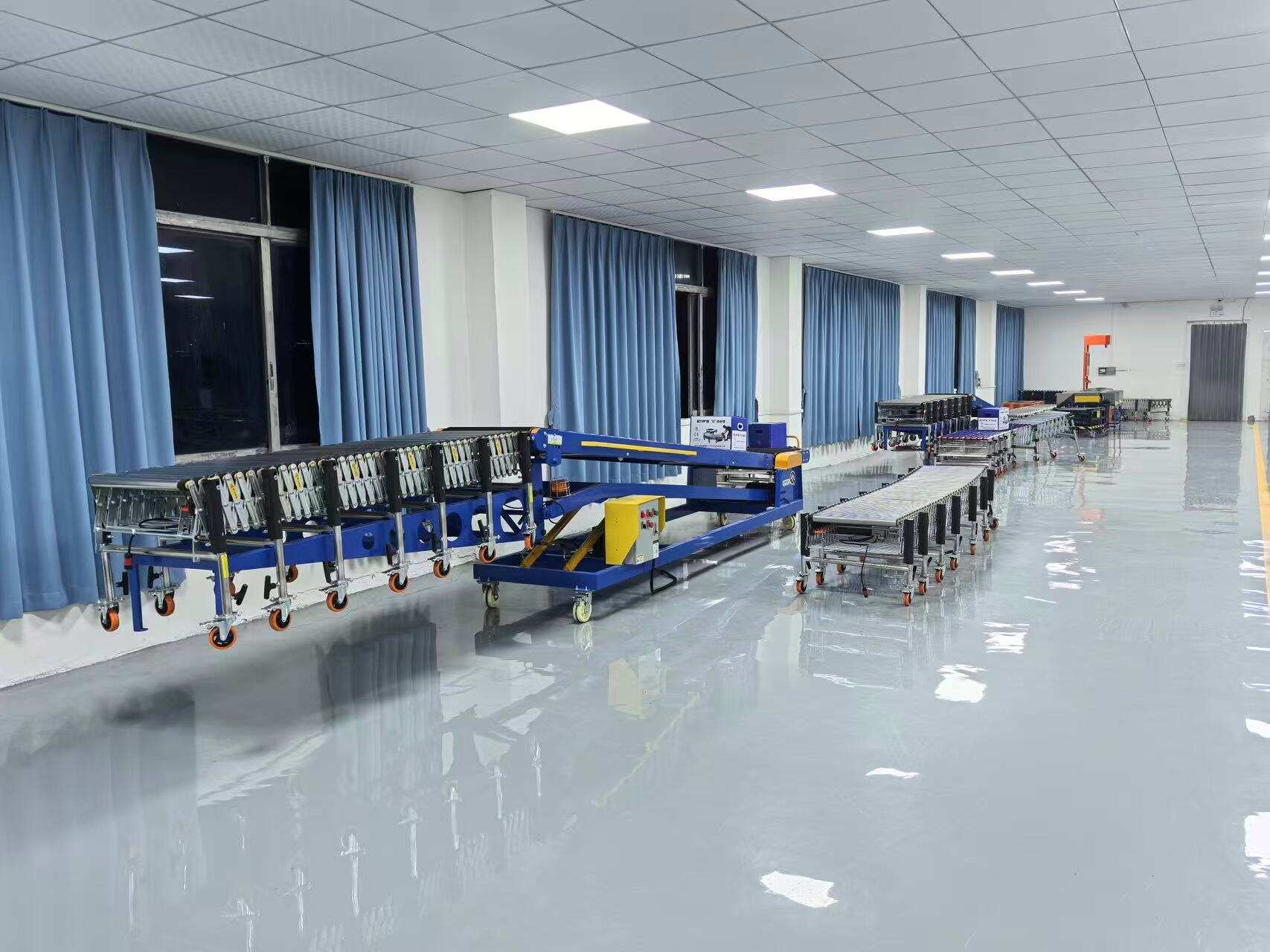
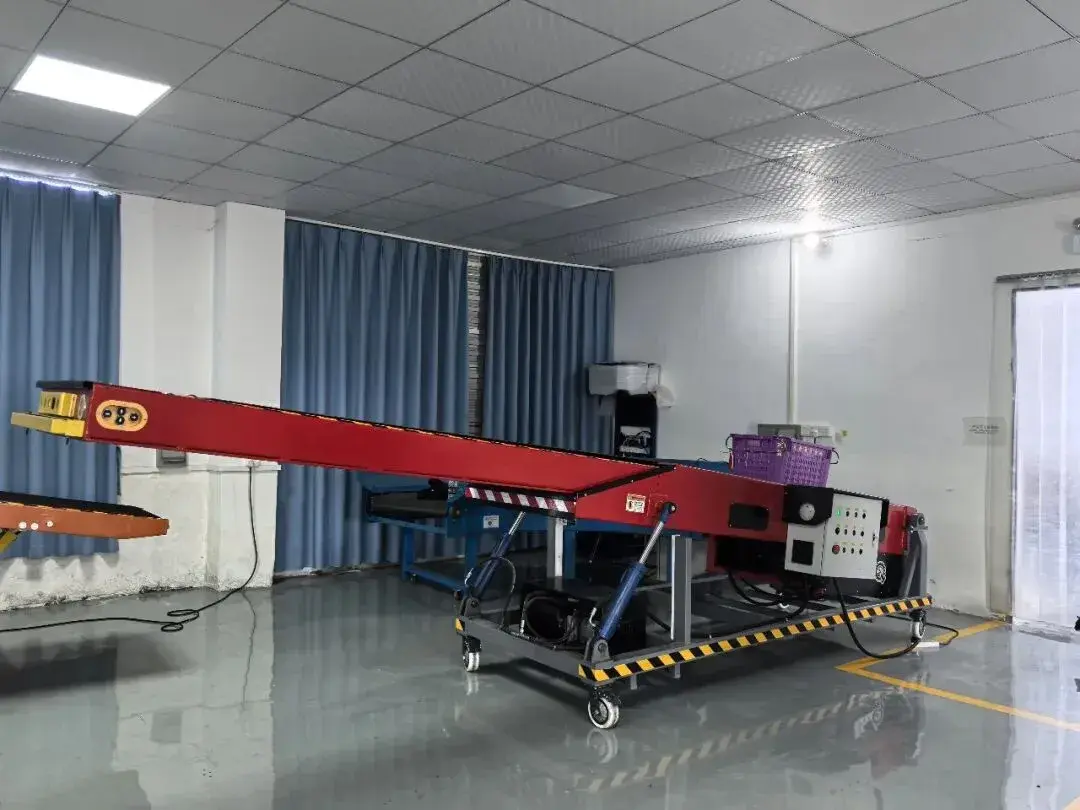
Within a flexible logistics system across a plant, ball roller conveyors can handle fragmented transfer tasks at the end of the process and work in coordination with powered roller conveyor lines, gravity roller conveyor lines, Hydraulic Conveyor, and telescopic belt conveyors. Large-scale primary equipment handles the movement of materials along main workshop lines, loading platforms, and in large, organized batches, while ball roller conveyors cover scattered small items, temporary locations, and complex on-site conditions.
This division of primary and secondary roles makes up for the insufficient coverage of primary-line equipment at the terminal stages, reduces breaks in material transfer and the labor hours required for secondary manual handling, and moves plant logistics toward greater precision, standardization, and efficiency.