Naili Conveyor

When workshop capacity is constrained, the problem often lies in logistics flow
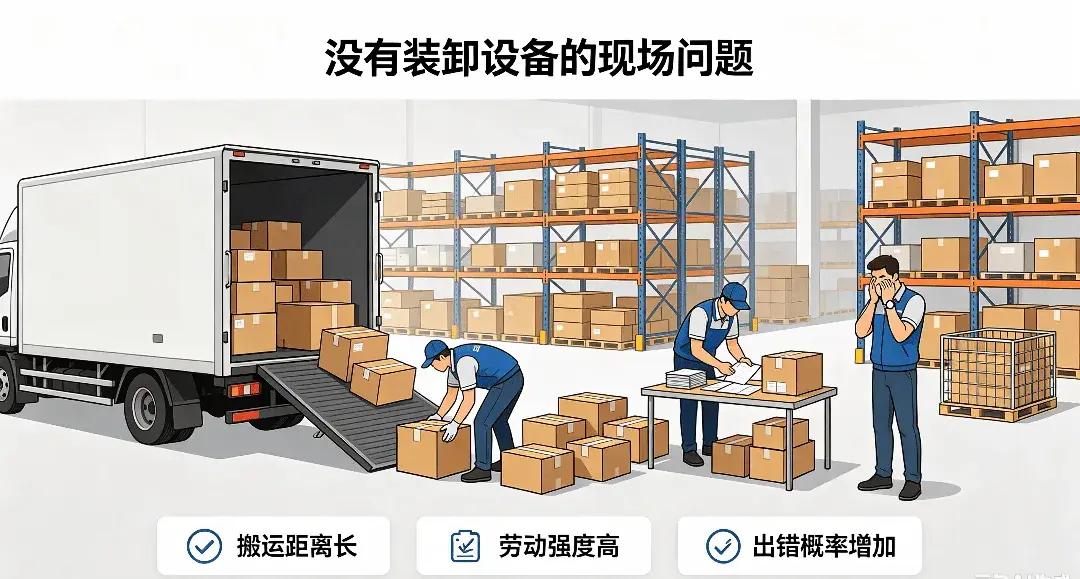
Many manufacturers appear to have complete equipment, yet actual production is often slowed by process bottlenecks, sluggish material flow, and the accumulation of semi-finished products. When materials cannot be delivered to the next workstation promptly after the previous process is completed, work stops while waiting for materials. When materials are piled up in local areas, they occupy aisles, disrupt 5S management, and may cause impact damage, losses, inventory aging, and disrupted production rhythm. On the surface, the issue is low capacity, but the root cause is often internal logistics failing to keep pace with production.
When these problems continue to rely on manual carts and back-and-forth handling, flow interruptions are difficult to eliminate. To keep workshops running more smoothly, a continuous, automated, stable internal logistics conveying system that connects every process is needed, allowing materials to move in step with production.
Which workshop scenarios are powered roller conveyors suitable for
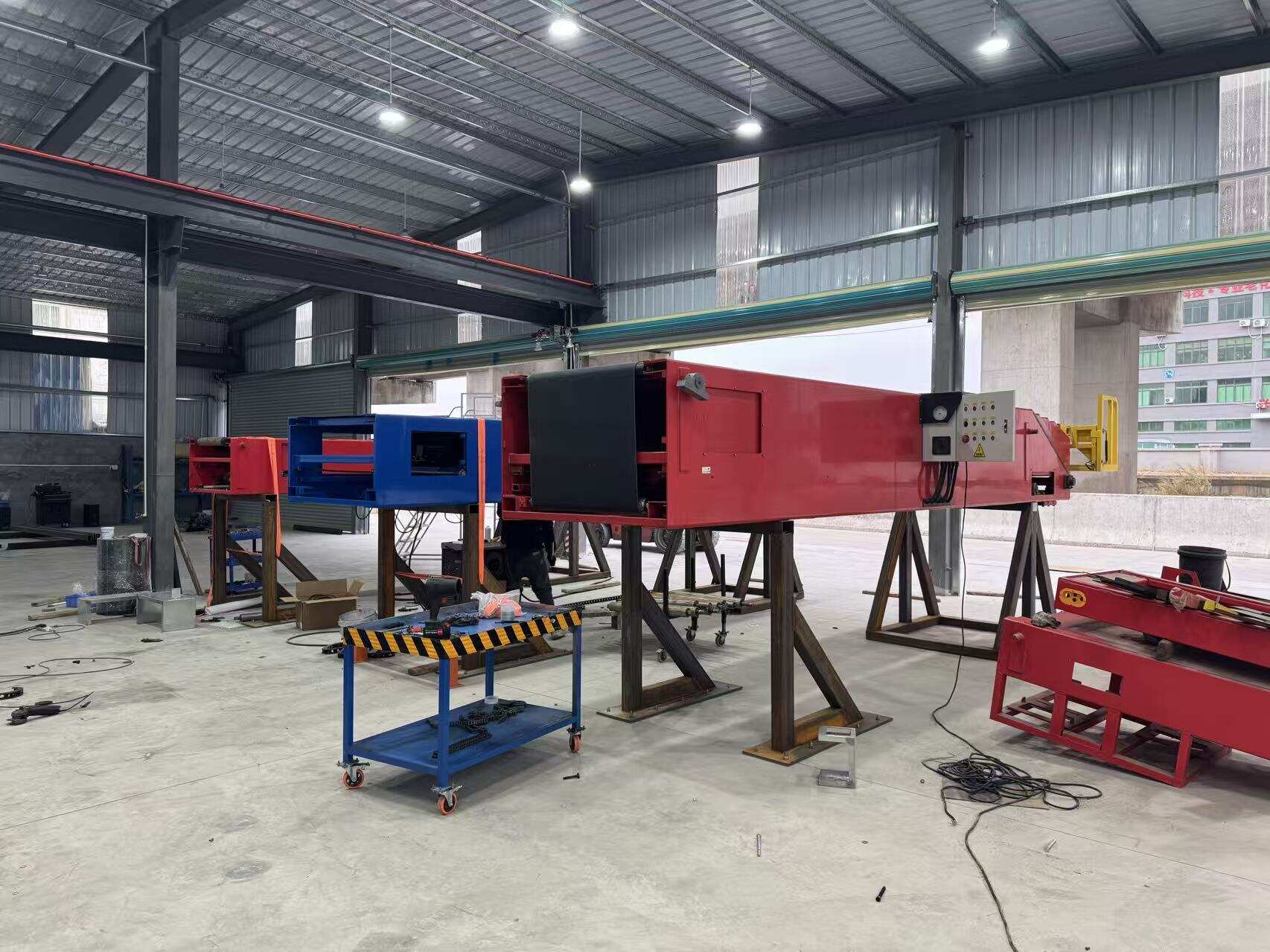
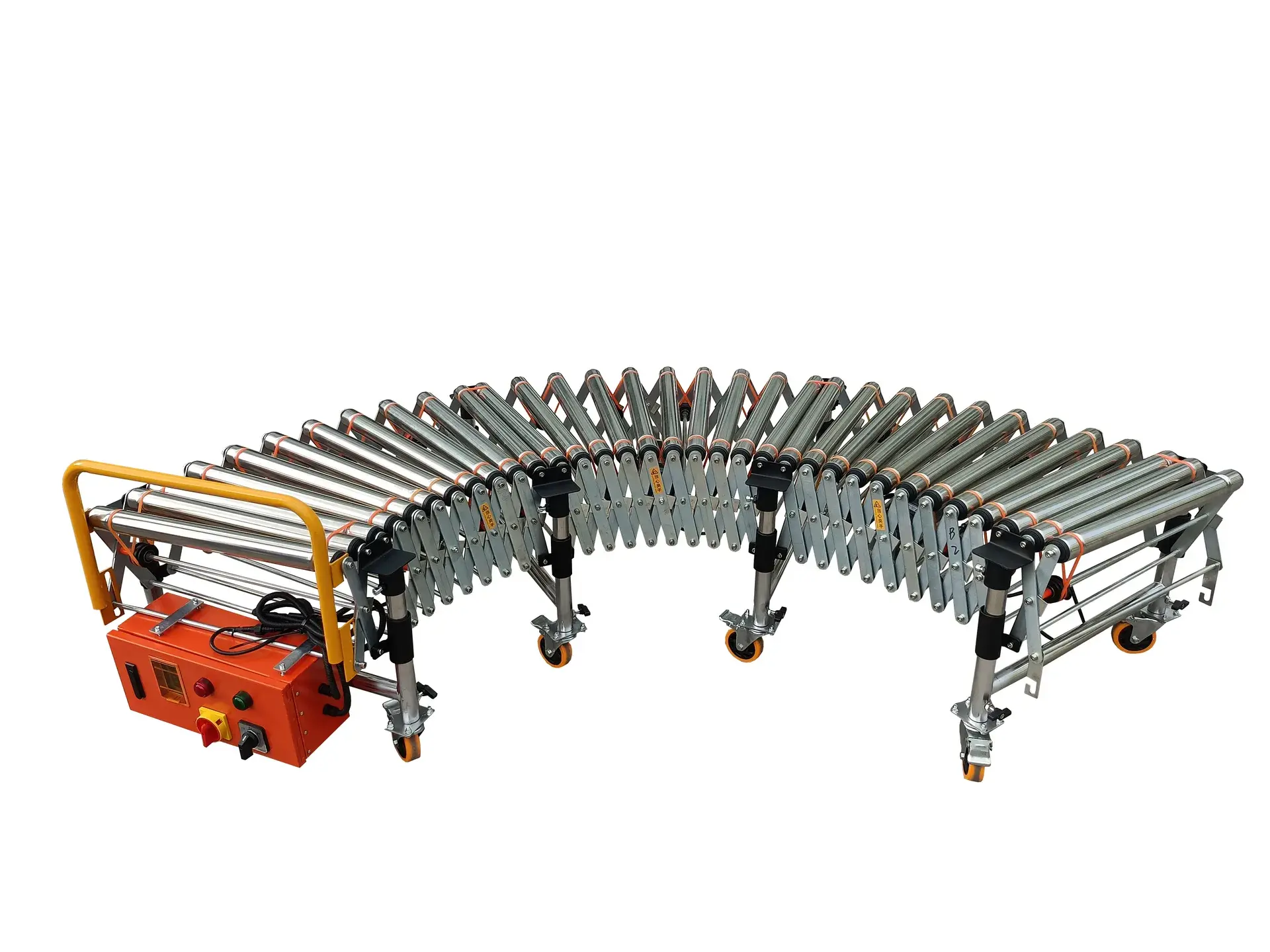
Naili Conveyor powered roller conveyor lines are designed for process-transfer upgrades in factory workshops. They can be used for boxed materials, palletized goods, heavy complete items, and work-in-progress products, covering processes such as workshop loading and unloading, process interfacing, cross-station transfer, work-in-progress collection, and finished-goods warehousing. Their purpose is to replace repetitive manual handling, enable automatic material flow and smooth workstation connections, and thereby unify the pace of the production line.
In terms of structure and configuration, this type of equipment has been upgraded to address common problems found in standard roller conveyor lines, such as drifting, slipping, jamming, insufficient load capacity, and poor adaptability. The equipment uses thickened seamless roller tubes and is available in light-duty, medium-duty, and heavy-duty configurations to meet the conveying needs of small lightweight items, standard boxed goods, and heavy palletized materials, respectively.
Drive and customization capabilities determine on-site adaptability
Naili Conveyor powered roller conveyor lines offer two drive modes: quiet rubber-covered transmission and heavy-duty chain transmission. The former is suitable for conveying lightweight materials and provides smoother, quieter operation, while the latter is suitable for heavy-duty conveying and delivers greater power. Both modes share the same clear objective: reducing material shifting, slipping, stoppages, and unstable conveying, so that every process-transfer stage remains uniform, continuous, and controllable.
Compared with standardized general-purpose equipment, customized models provide more precise on-site adaptation. The machine length, conveying width, and installation height can be customized according to workshop aisle width, workstation spacing, production-line direction, and site layout. Modules such as intelligent sensor-based start/stop control, variable-frequency speed regulation, stop and limit devices, side guards, and anti-drift positioning can also be added to enable on-demand feeding and precise process interfacing.
From straight-line layouts to three-dimensional configurations, improving overall workshop transfer efficiency
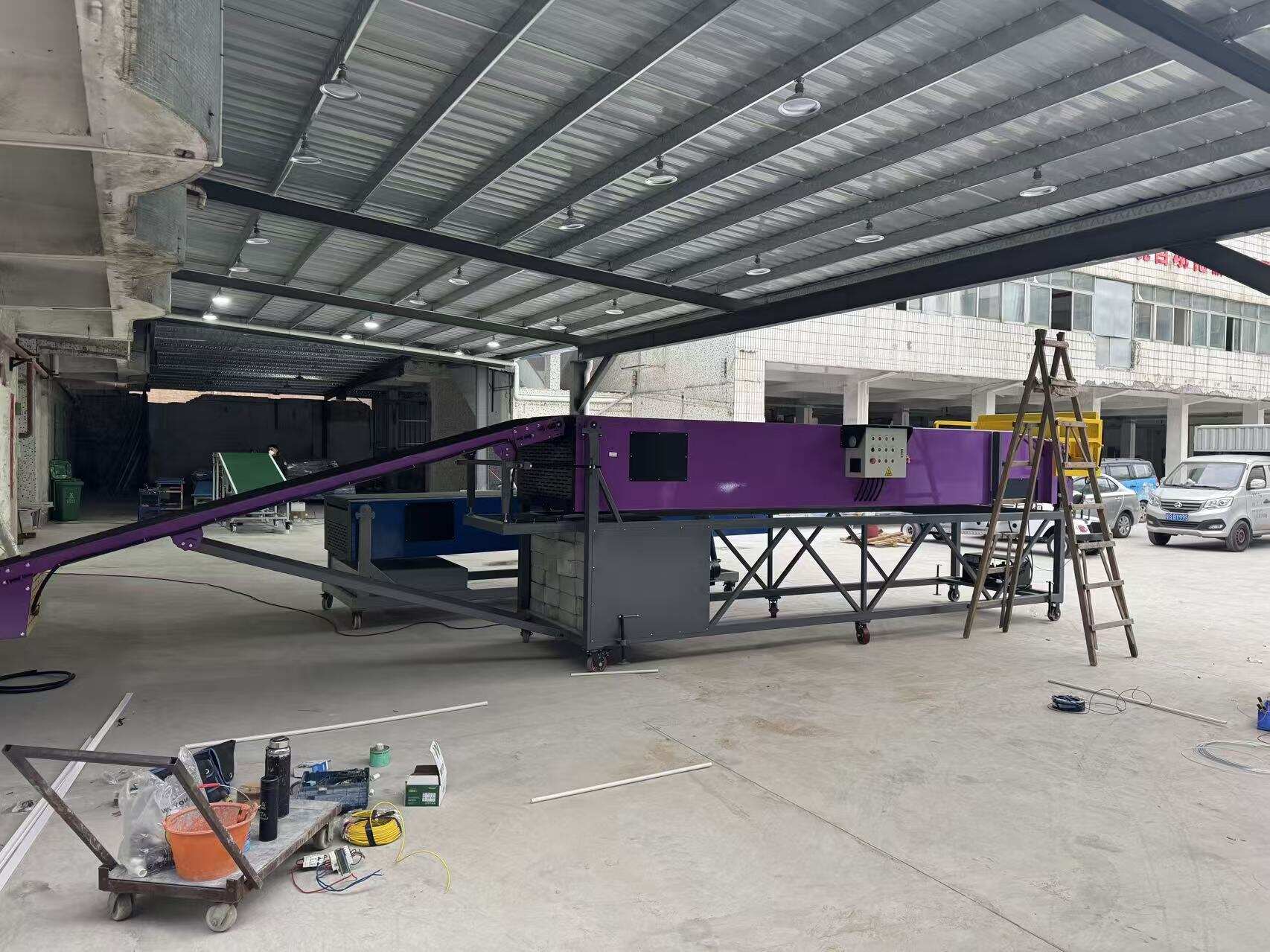
This equipment also supports straight-line, curved, lifting, and multi-level three-dimensional layouts. It is therefore suitable not only for orderly, standardized plants, but also for irregular workshops, staggered workstations, and renovations of older factories. For factories seeking to streamline material-flow routes, reduce downtime caused by material shortages, and improve production continuity, it provides an internal conveying solution that is better suited to actual site conditions.
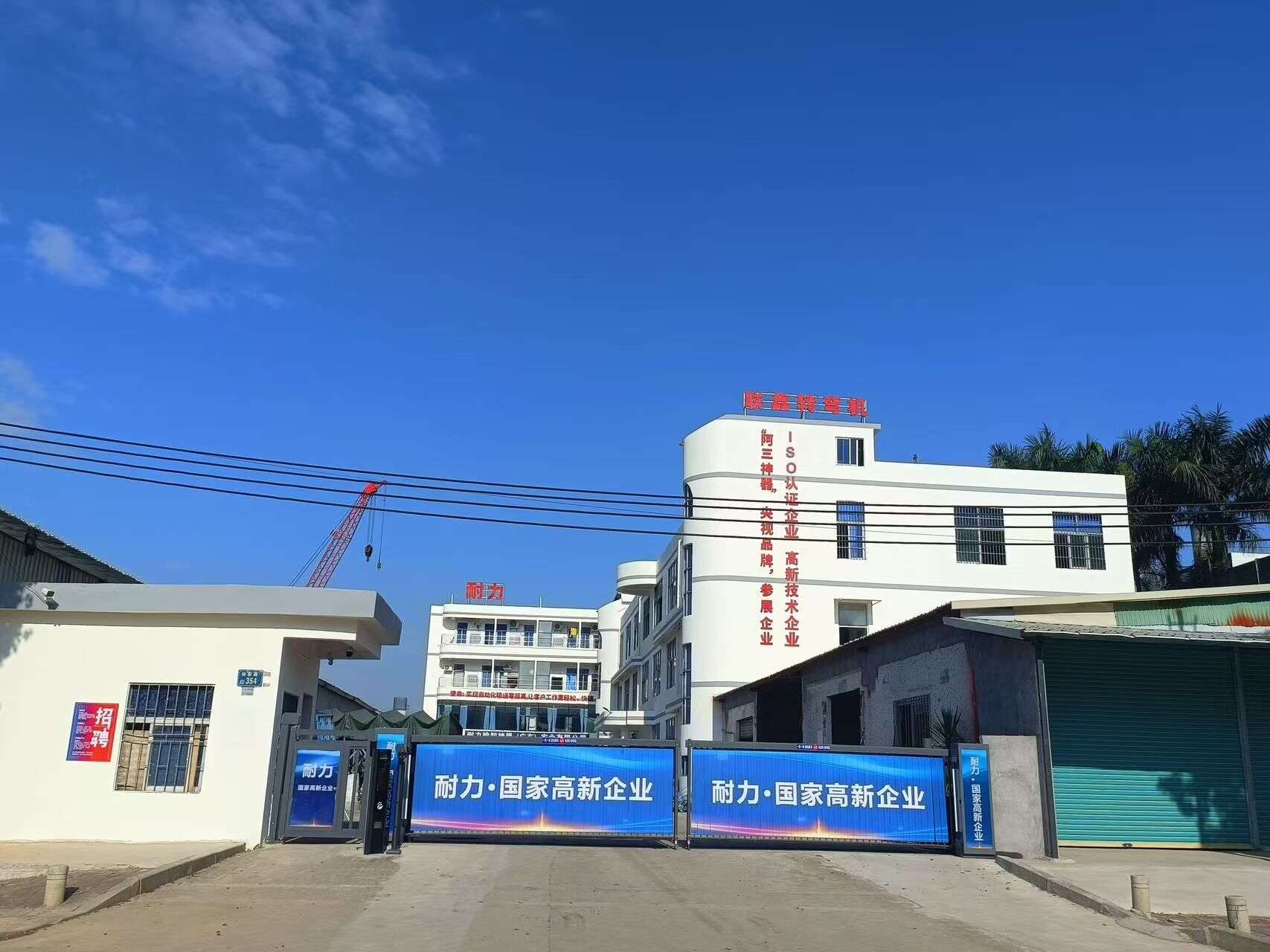
As a direct manufacturer, Naili Conveyor provides one-stop services including on-site surveying, solution customization, production and manufacturing, on-site installation and commissioning, and lifetime maintenance. Once implemented, the powered roller conveyor line can help workshops reduce accumulation and waiting, streamline logistics operations, improve production-line flow, organize production more effectively, and further unlock actual production capacity.