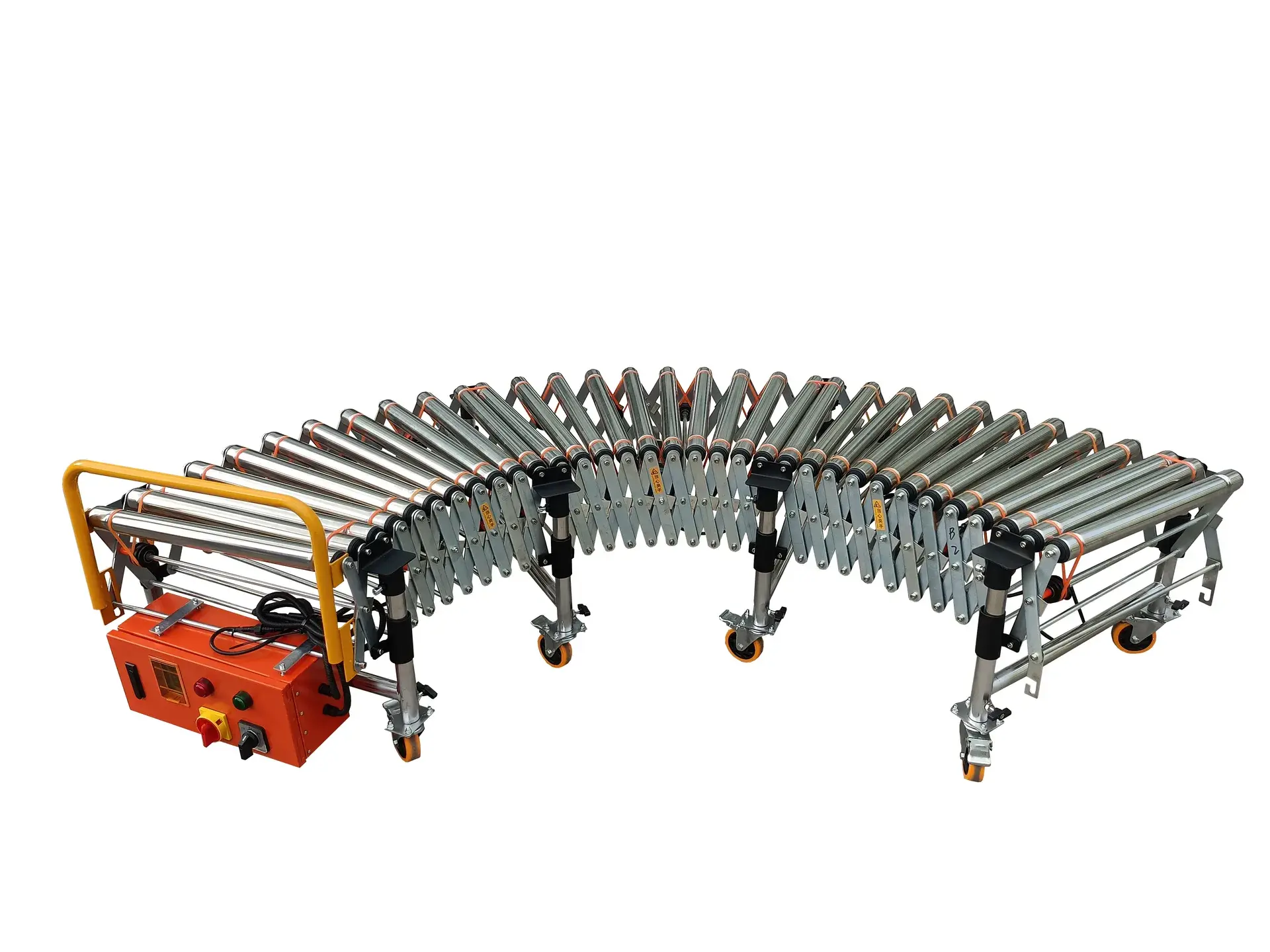
Slow warehouse truck loading is often about more than speed
Many factory warehouses face similar shipping pressures: finished-product truck loading relies heavily on manual handling, requiring workers to repeatedly move goods between the loading dock and truck bed. This is time-consuming and labor-intensive, while spending on loading and unloading wages, recruitment, and employee retention continues to rise. During peak seasons with concentrated orders, cargo volumes increase rapidly, manual loading cannot keep pace with production, goods pile up severely at the dock, and delayed shipments may trigger customer complaints and damage the company's reputation.
Beyond efficiency issues, manual throwing of goods, rough loading and unloading, and disorganized stacking are also difficult to manage in a standardized manner. They can easily cause crushed and deformed cartons, damaged outer packaging, and scattered material losses. Over time, cargo-damage costs further erode warehouse profits, making this a core challenge many warehouses seek to address through equipment upgrades.
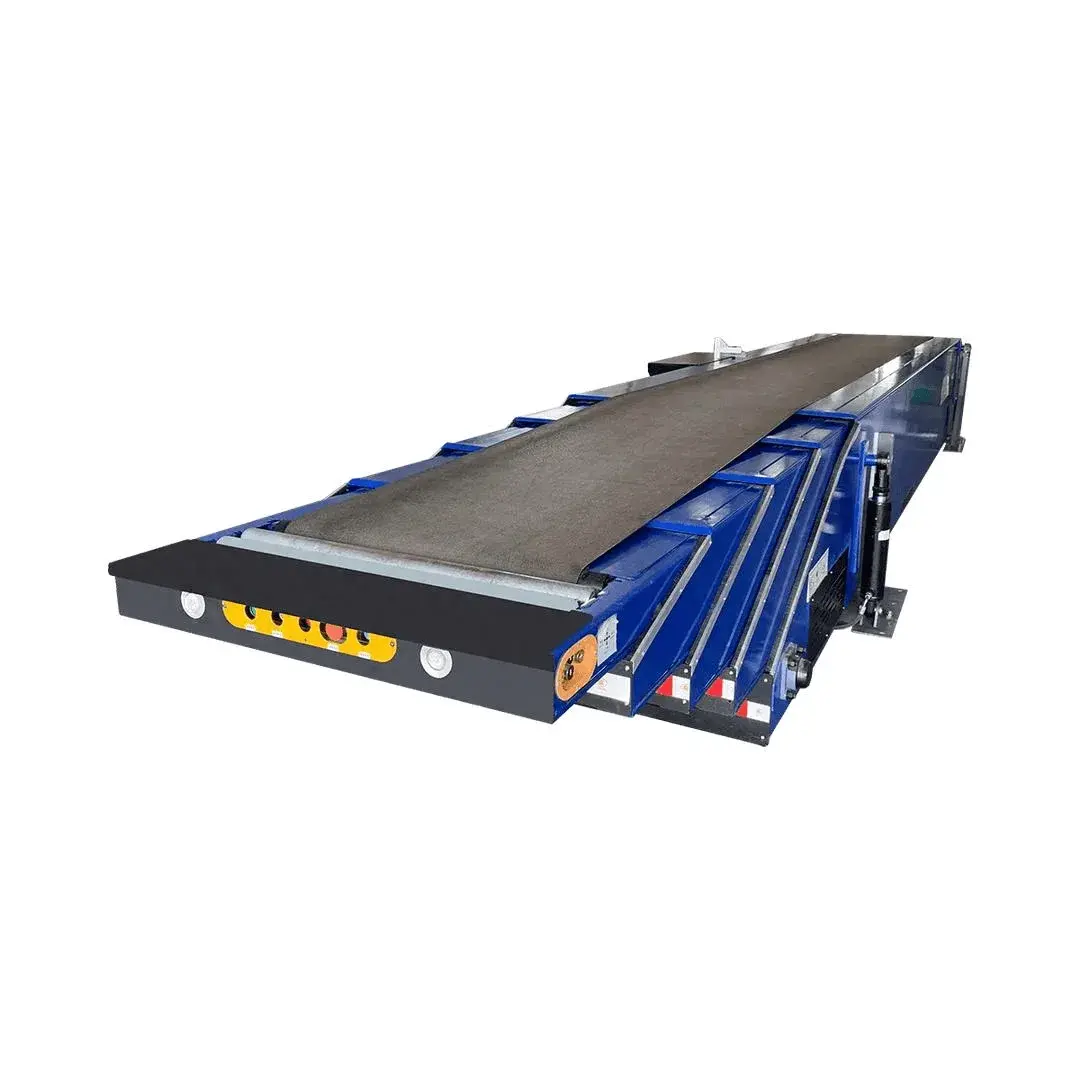
Why fixed belt conveyors struggle to adapt to shipping operations
Many warehouses have tried traditional fixed belt conveyors to improve efficiency, only to find that the improvement was limited in actual use. These machines have relatively simple structures and insufficient flexibility: their length cannot be telescopically adjusted to meet site requirements, they are not easy to move, and once installed, they permanently occupy loading-dock work space, reducing warehouse space utilization.
A more practical issue is that such equipment is often suited only to fixed vehicle types, while many factories and logistics warehouses now need to load mixed fleets of long and short trucks, ship from temporary locations, and rotate loading and unloading among multiple areas. Fixed conveyors struggle to cover these changes, resulting in low equipment utilization and failing to solve slow shipping at its root.
How telescopic belt conveyors improve the truck-loading process
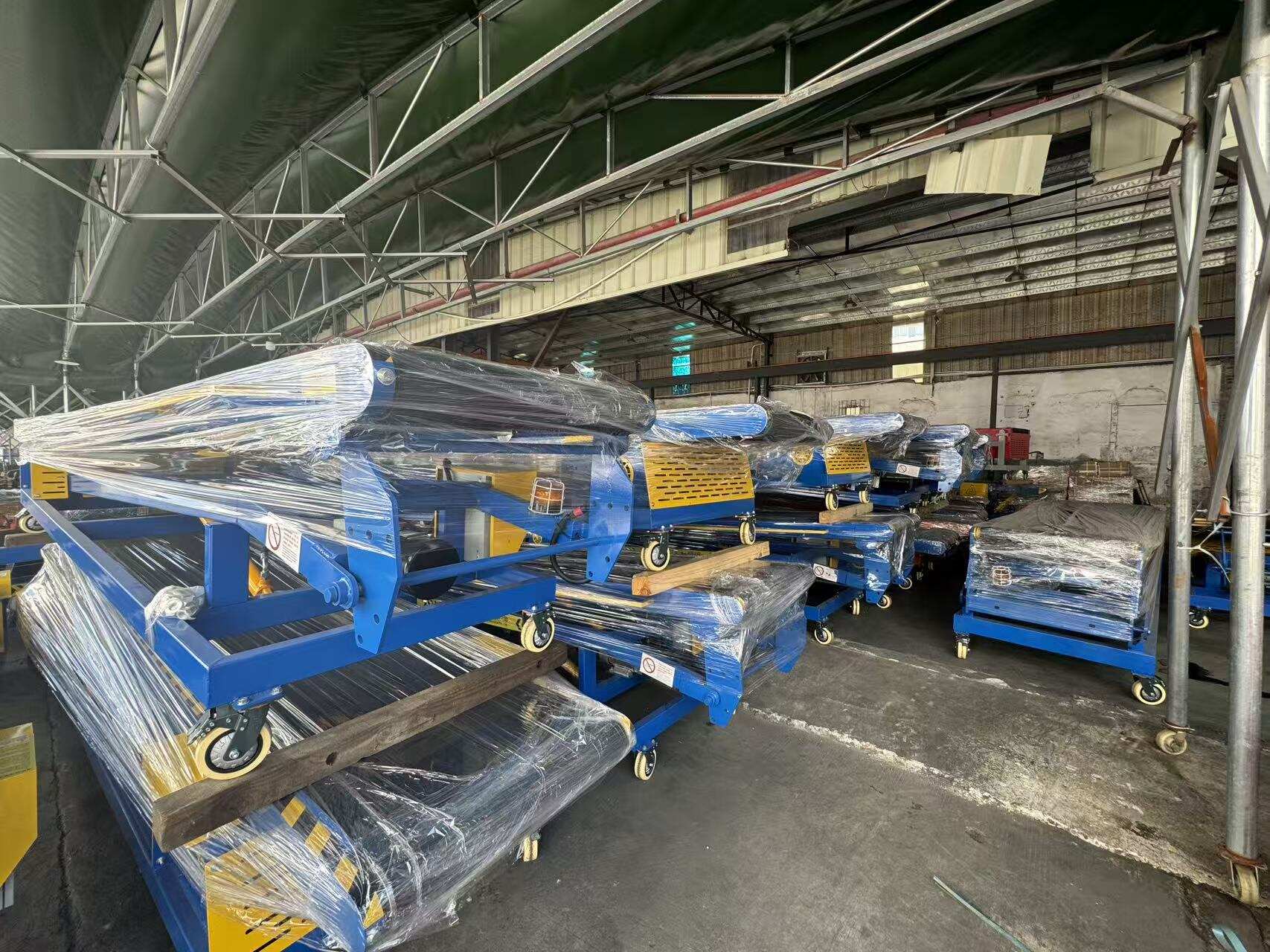
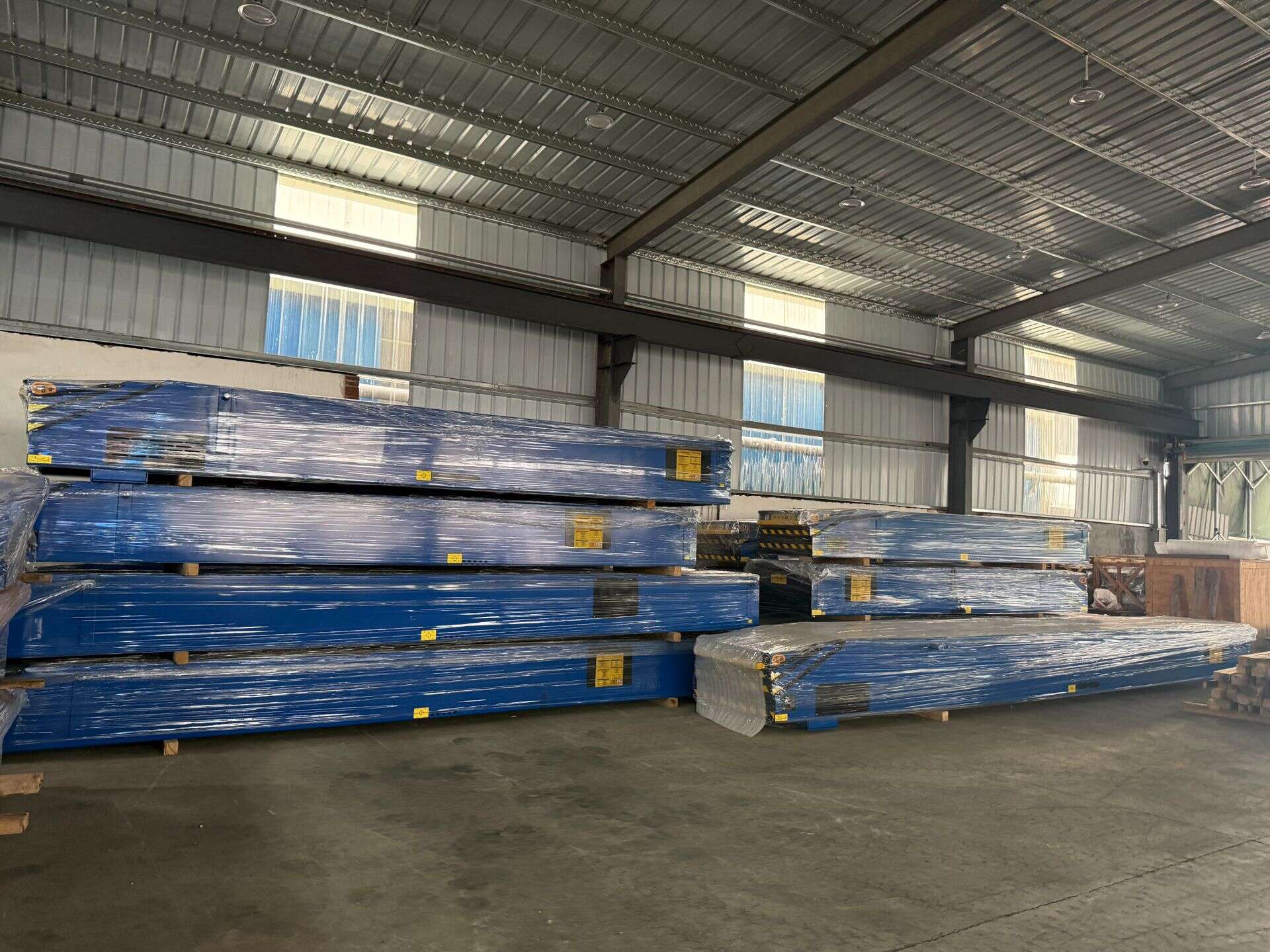
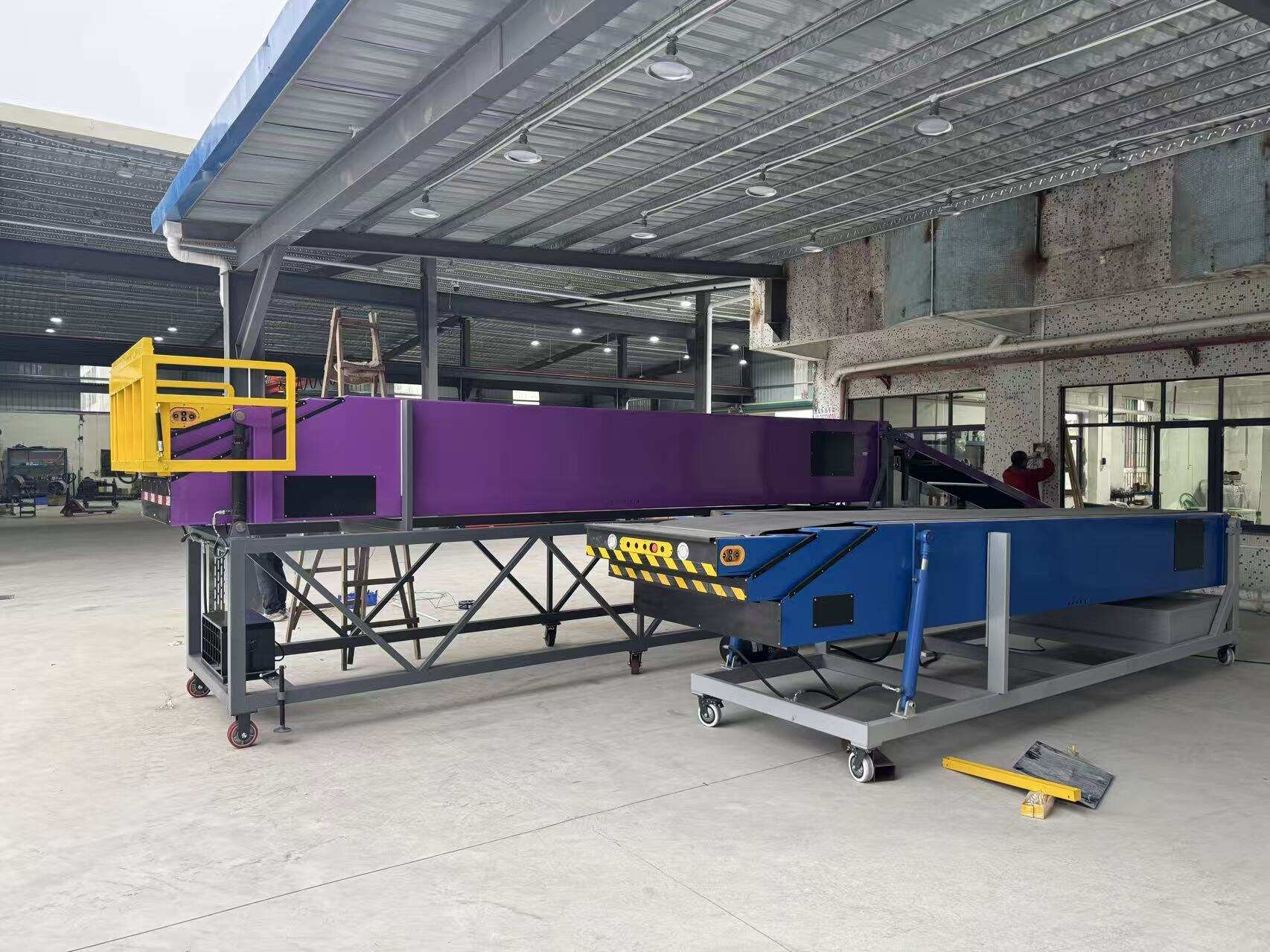
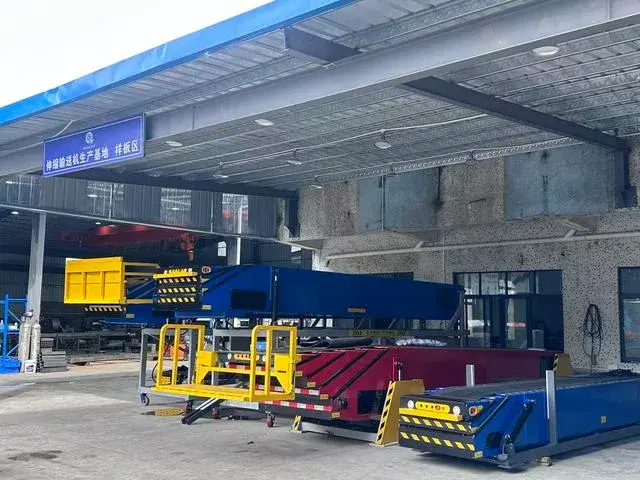
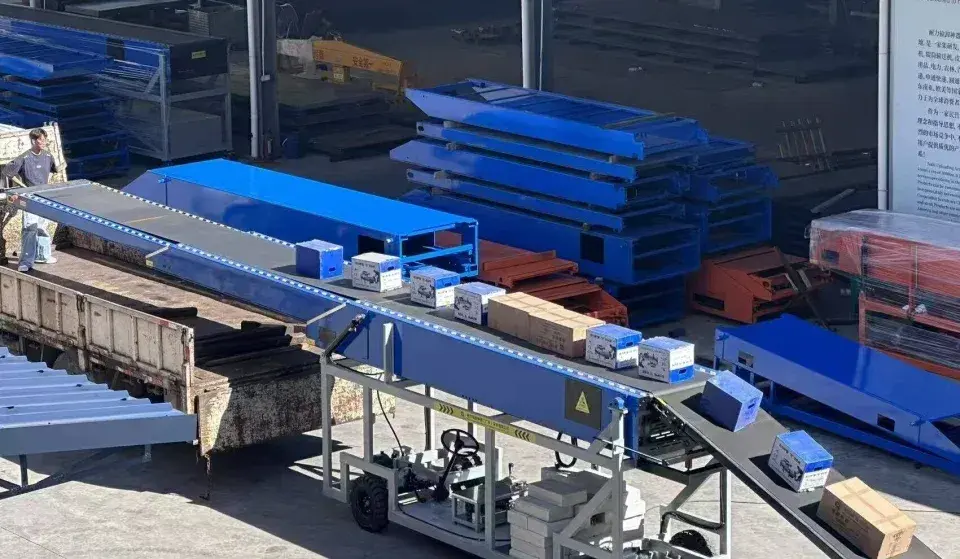
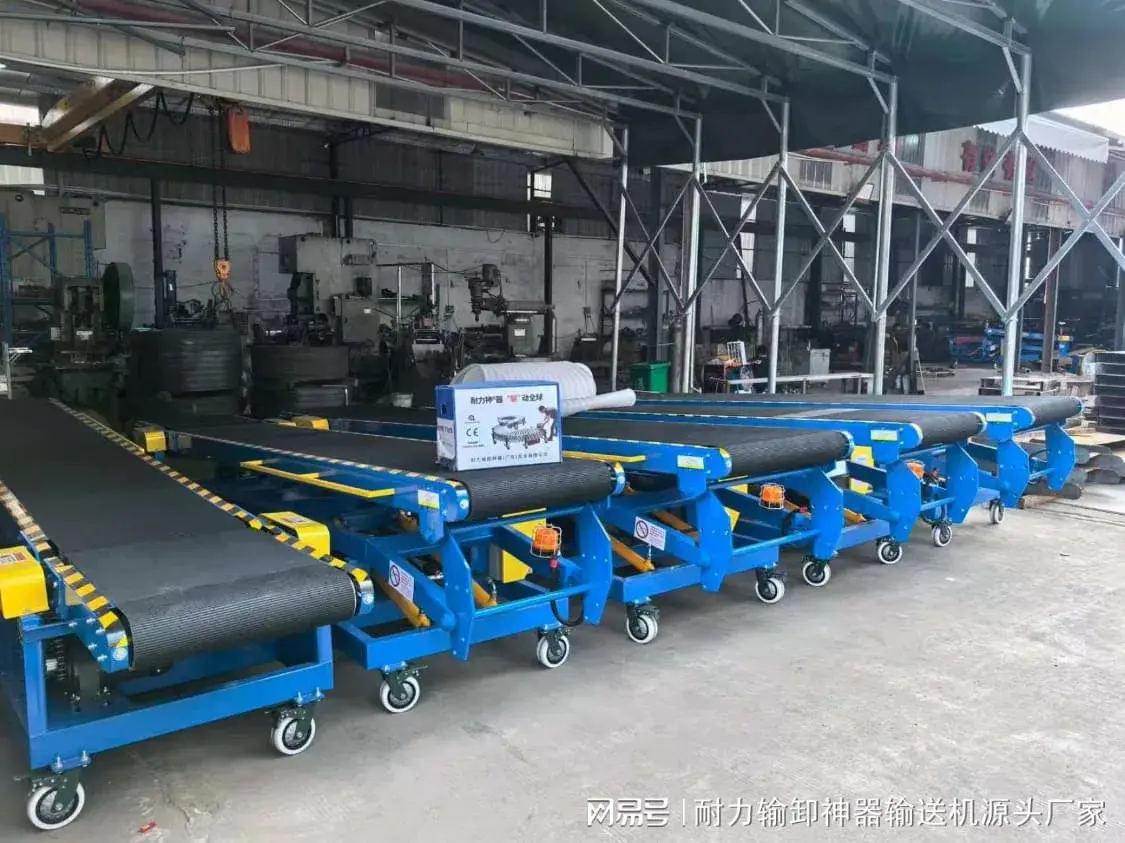
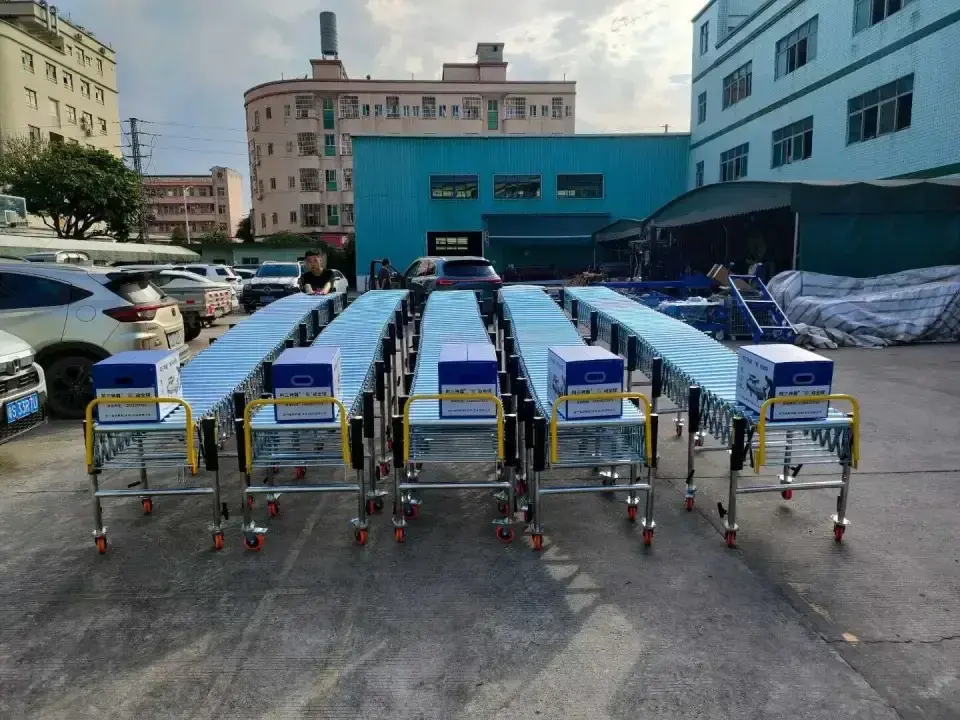
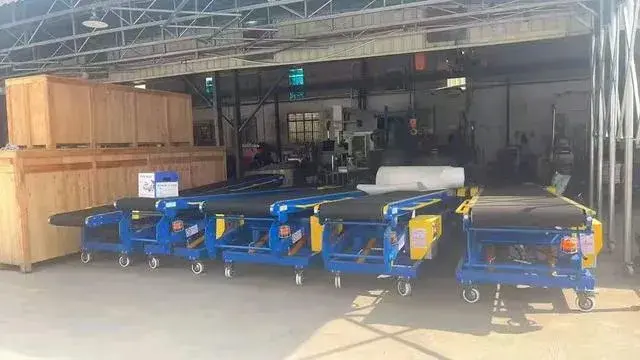
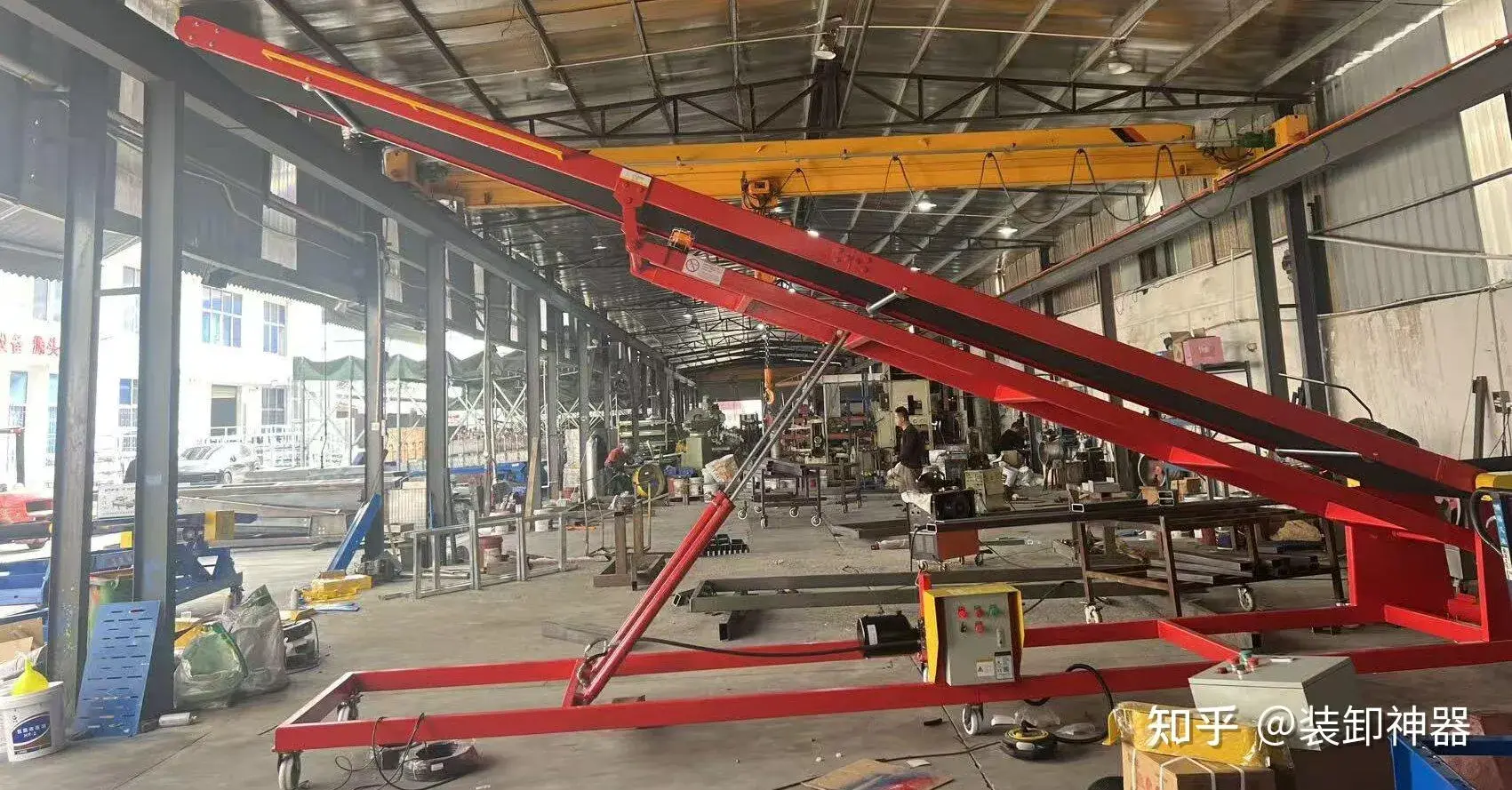
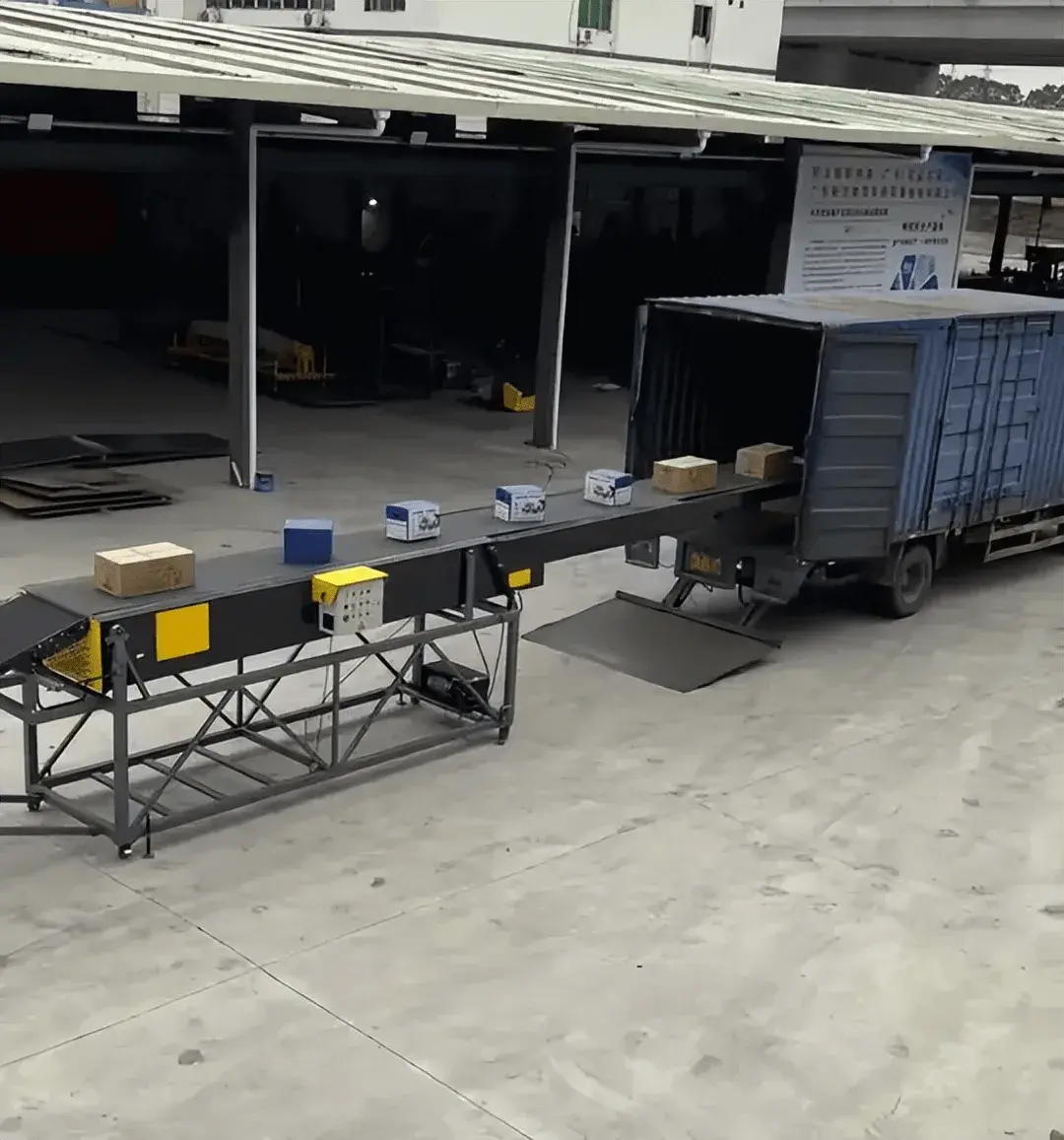
Telescopic belt conveyors are more specifically designed to address these pain points. Their bodies can extend and retract freely and are equipped with lockable casters, making them suitable for trucks of various lengths. Workers no longer need to frequently enter truck beds to move goods, directly improving loading efficiency while easing recruitment pressure for loading and unloading positions.
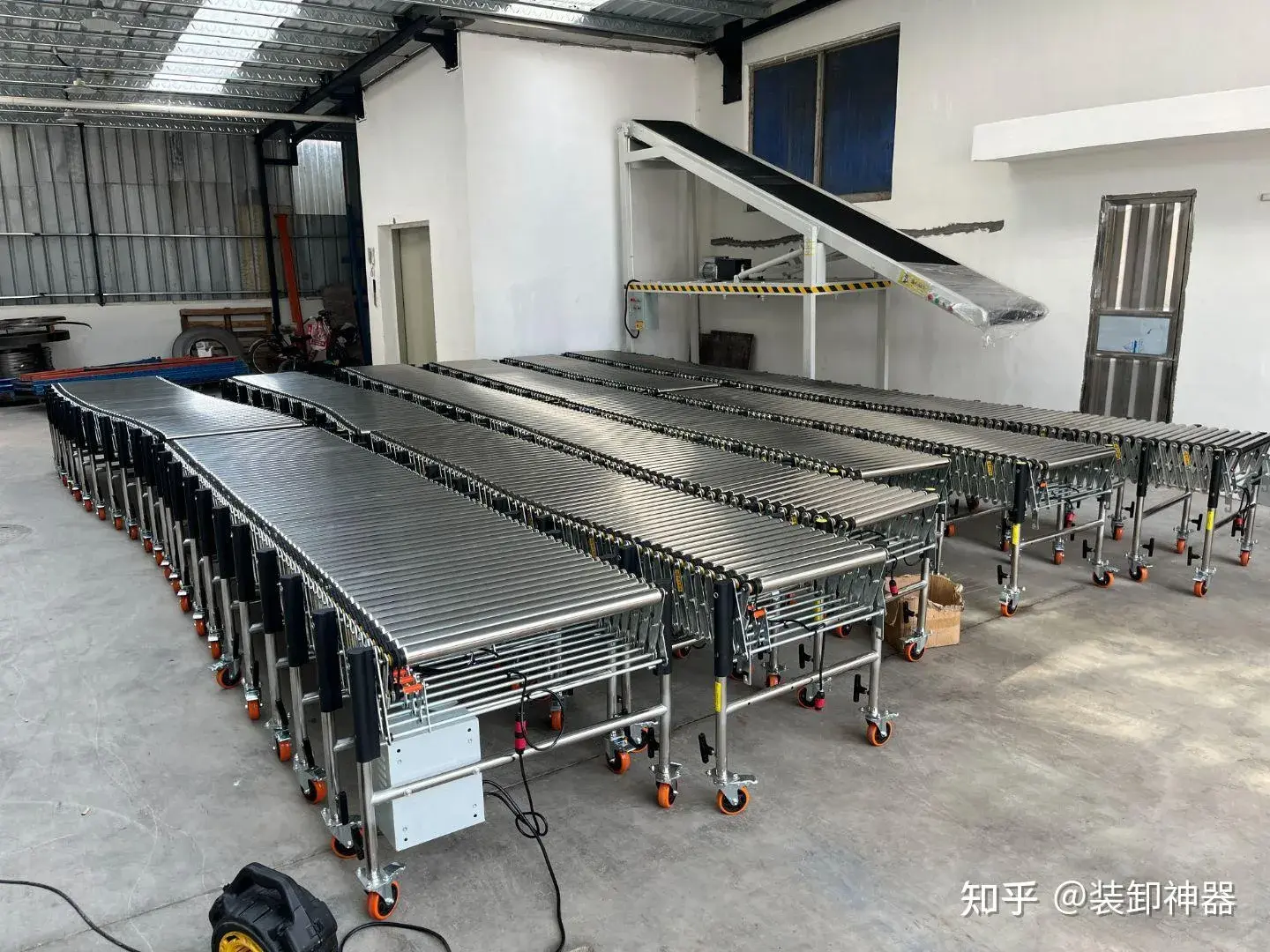
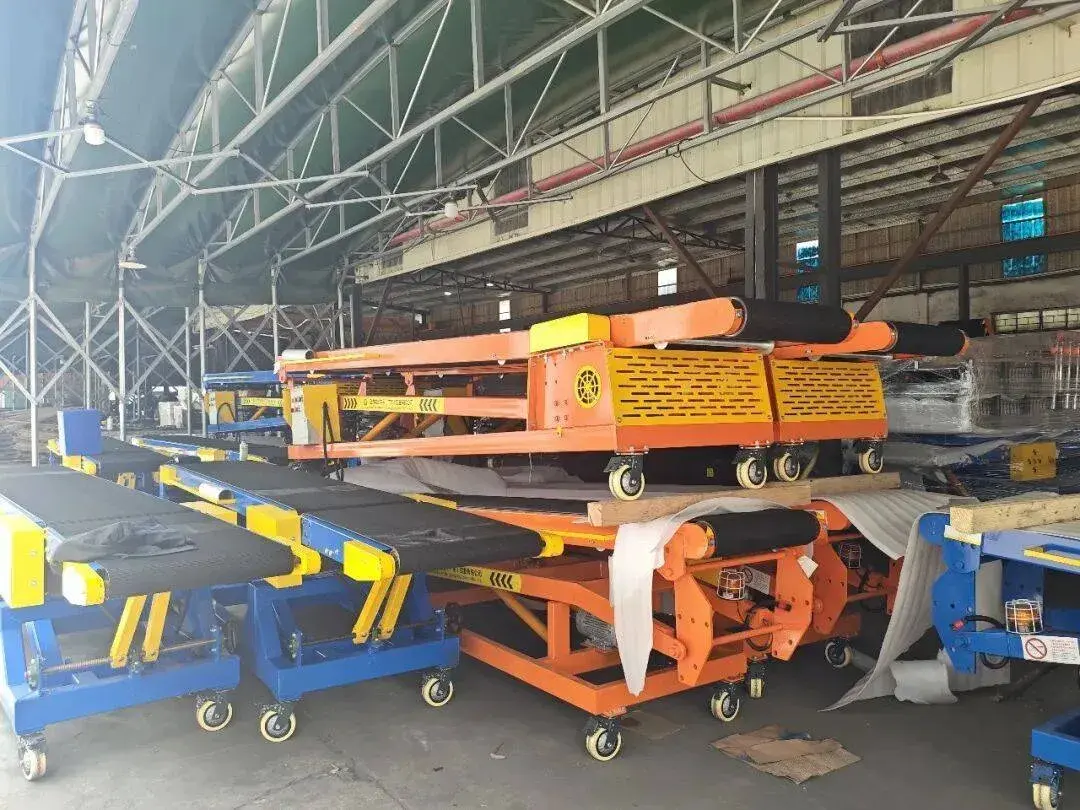
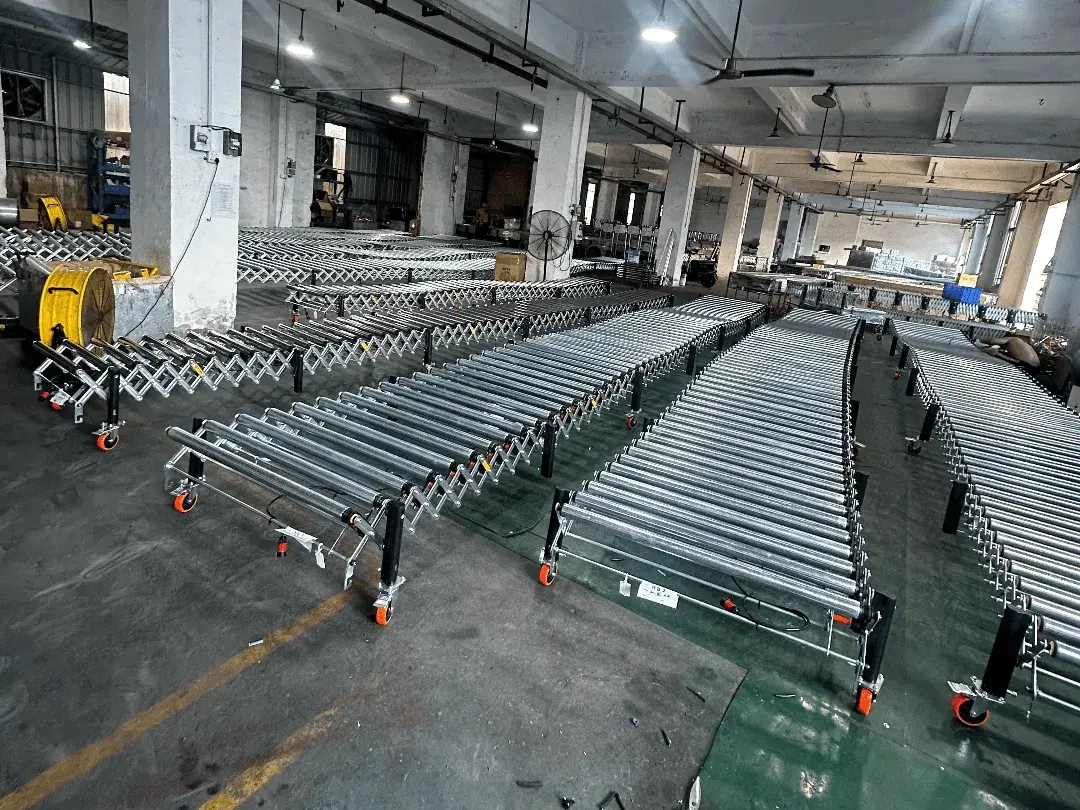
Their multi-stage telescopic structure allows flexible adjustment of conveying length and can be retracted for storage when idle, taking up less space and making it suitable even for small warehouses. The complete machine is built with robust materials: its reinforced steel frame provides strong load-bearing capacity and resists deformation, while the wear-resistant conveyor belt is less likely to track off-center during long-term operation. Combined with a variable-frequency speed control system, the speed can be freely adjusted for smoother conveying, helping reduce the risk of collision damage to cartons. Both boxed goods and bagged materials can be conveyed reliably.
Customized for the site and cargo, making implementation more practical
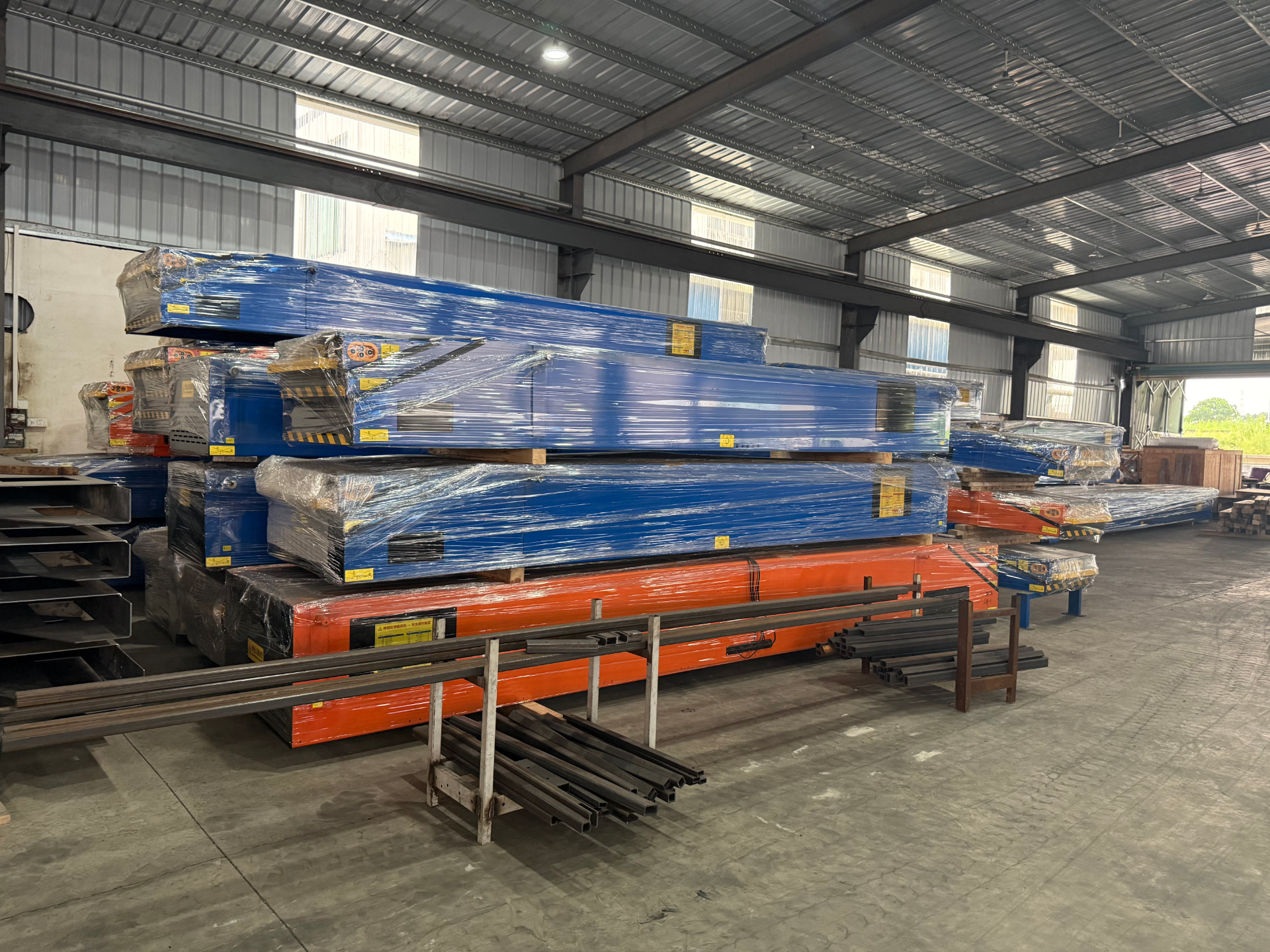
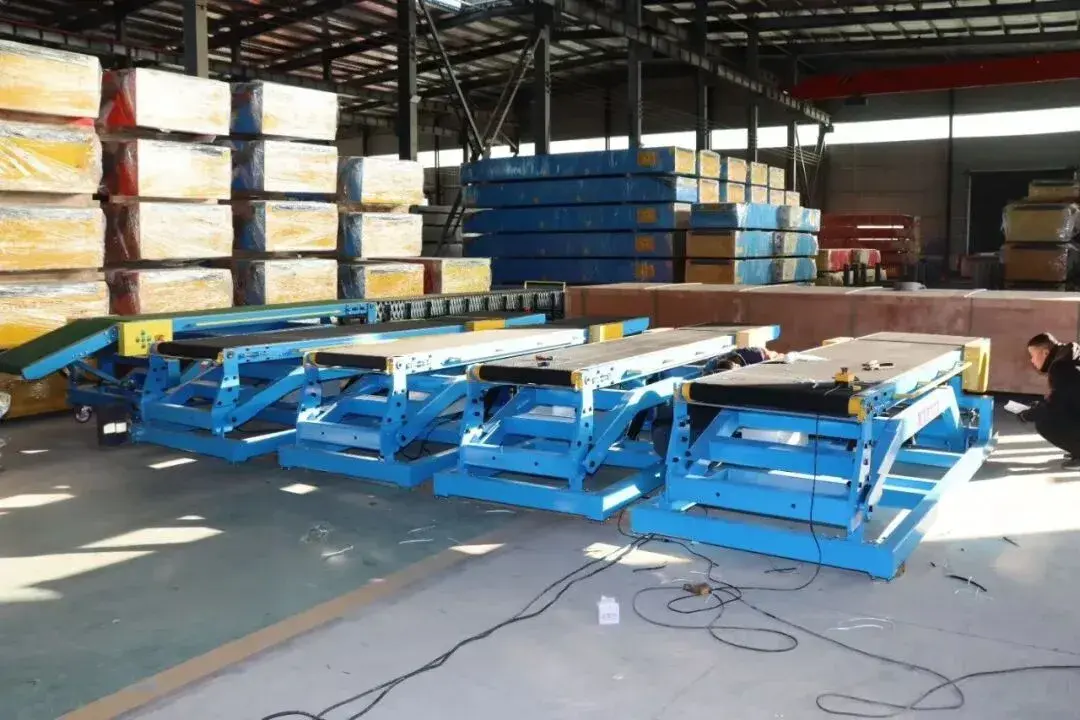
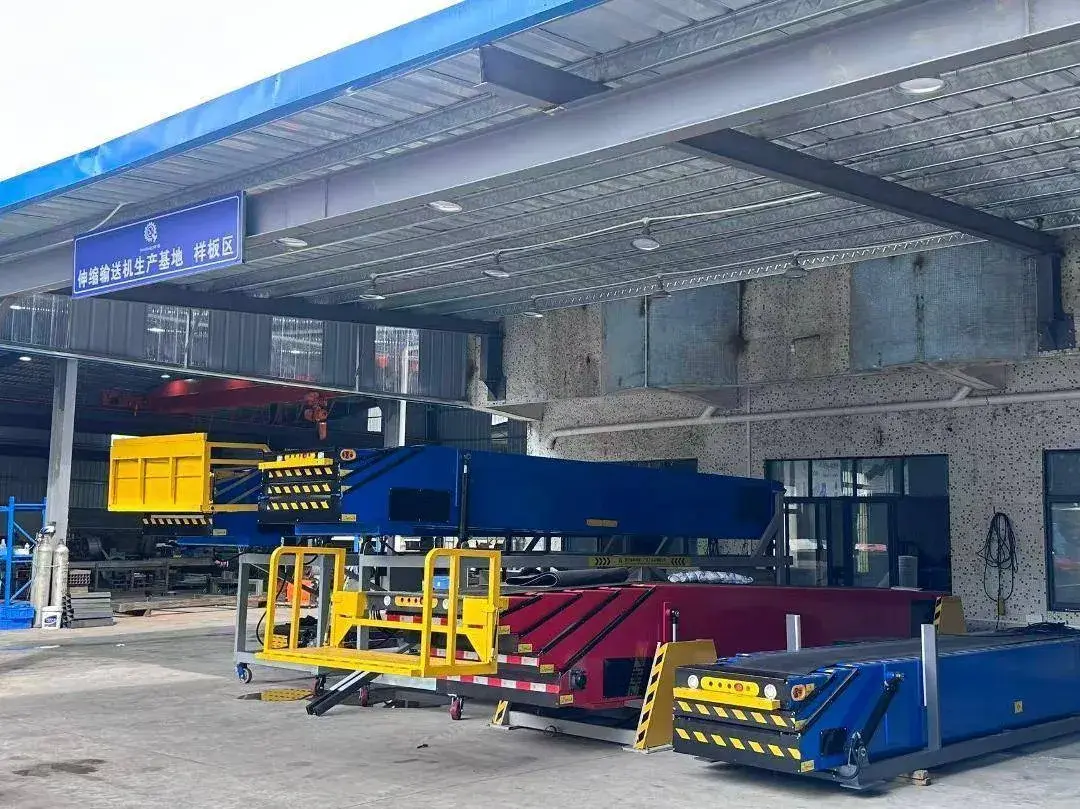
In practical applications, this equipment supports non-standard customization. Its telescopic travel, machine height, and belt width can all be designed around warehouse conditions and cargo specifications, reducing problems caused by unsuitable standard-equipment dimensions. For warehouses seeking continuous efficiency improvements, configuration based on actual operating conditions is often more practical than simply pursuing general-purpose models.
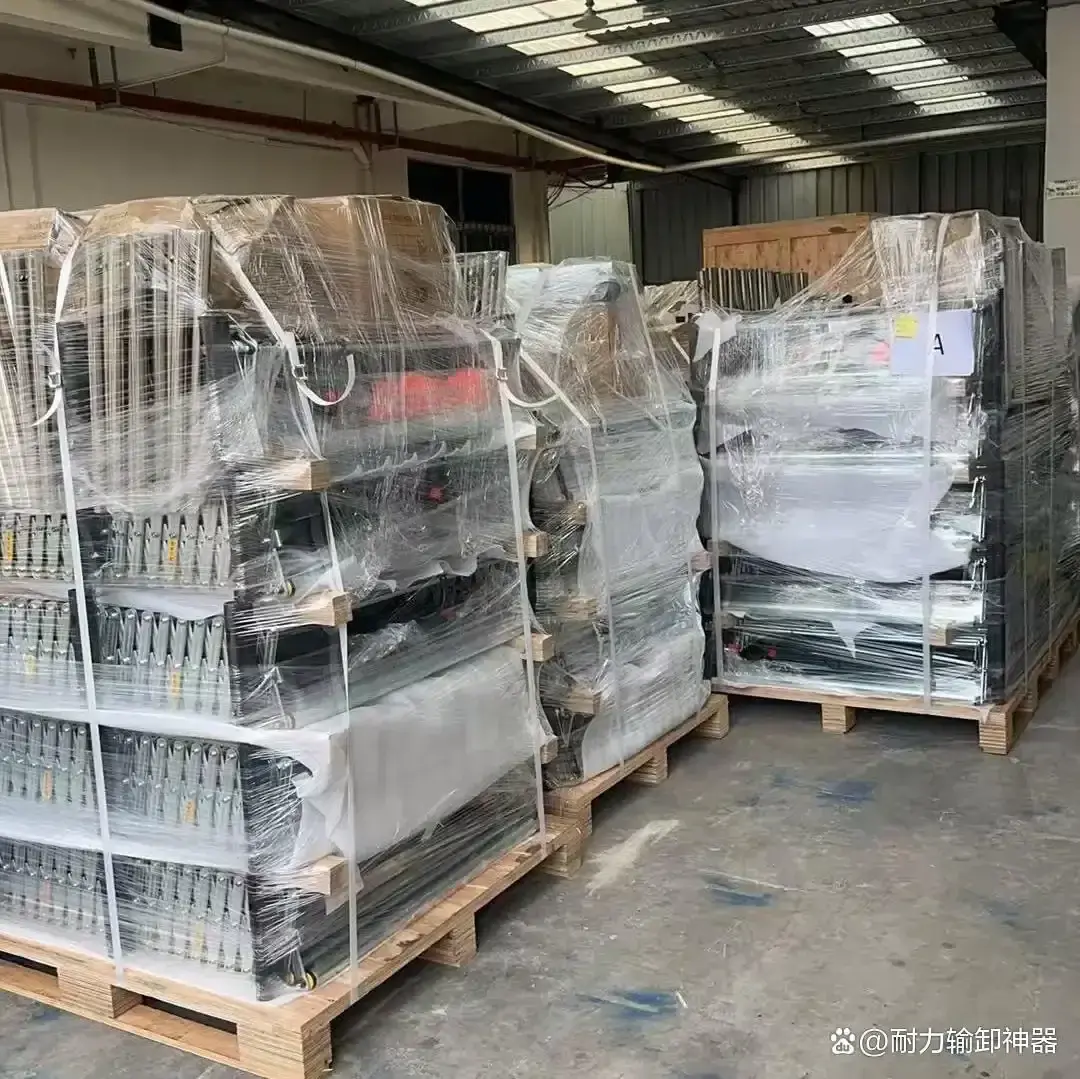
The related equipment is supplied by Naili Unloading Artifact (Guangdong) Industrial Co., Ltd., with performance optimized for factory warehouse shipping operations and an emphasis on a direct-from-manufacturer supply model. Companies can also receive comprehensive support for equipment manufacturing, on-site installation and commissioning, and subsequent maintenance, facilitating project implementation.
Applicable scenarios and practical benefits
Telescopic belt conveyors have a wide range of applications, including factory raw-material transfer, finished-product truck loading, e-commerce warehouses, logistics outlets, and high-frequency outbound operations at transit warehouses. After adoption, companies can replace large amounts of repetitive manual handling, reduce loading and unloading labor requirements, shorten full-truck loading times, and improve cargo damage and material spillage issues. This reduces overall warehouse operating costs and helps small and medium-sized enterprises upgrade warehouse logistics automation.