Naili Conveyor

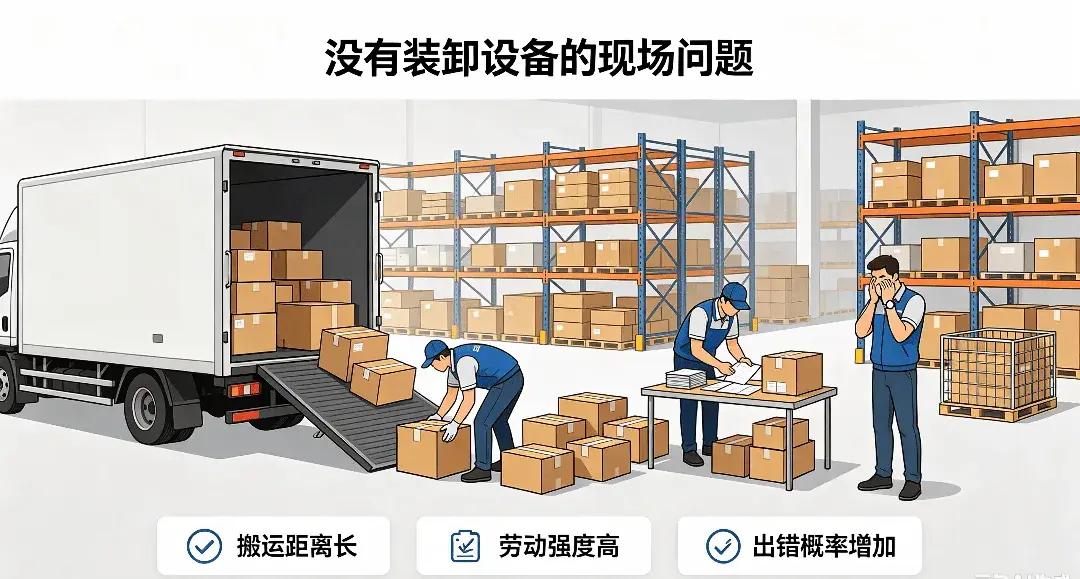
During finished-goods outbound operations at manufacturing plants, e-commerce warehouses, and similar facilities, manual loading often requires workers to repeatedly carry, stack, and transfer goods. As labor wages, recruitment, training, and employee turnover costs increase, companies face not only high loading and unloading expenses, but also potential impacts on daily shipping efficiency.
When orders reach peak periods, goods may continue to pile up at the loading dock, and loading and unloading an entire vehicle can take considerable time, affecting the shipping schedule. Manual throwing, long-distance handling, and improper stacking may also cause cartons to be damaged, materials to spill or leak, and goods to be compressed or displaced, increasing scrap losses and harming the reputation of warehousing and delivery operations.
Fixed Belt Conveyors Struggle to Handle Complex Loading Scenarios
Some companies use standard fixed belt conveyors to improve loading and unloading processes. However, the equipment body, conveying length, and operating range of fixed systems are relatively fixed, and they continue to occupy warehouse dock space after installation. When dealing with rotating vehicle lengths, shipments from multiple loading points, or temporary outdoor loading and unloading, fixed equipment is often difficult to adjust flexibly.
When equipment can serve only trucks of a single length or specification, it may sit idle in other operating scenarios, limiting both warehouse space utilization and equipment efficiency. Therefore, loading equipment must do more than meet conveying requirements; it also needs better mobility and telescopic capability.
How Belt Telescopic Conveyors Improve Warehouse Loading
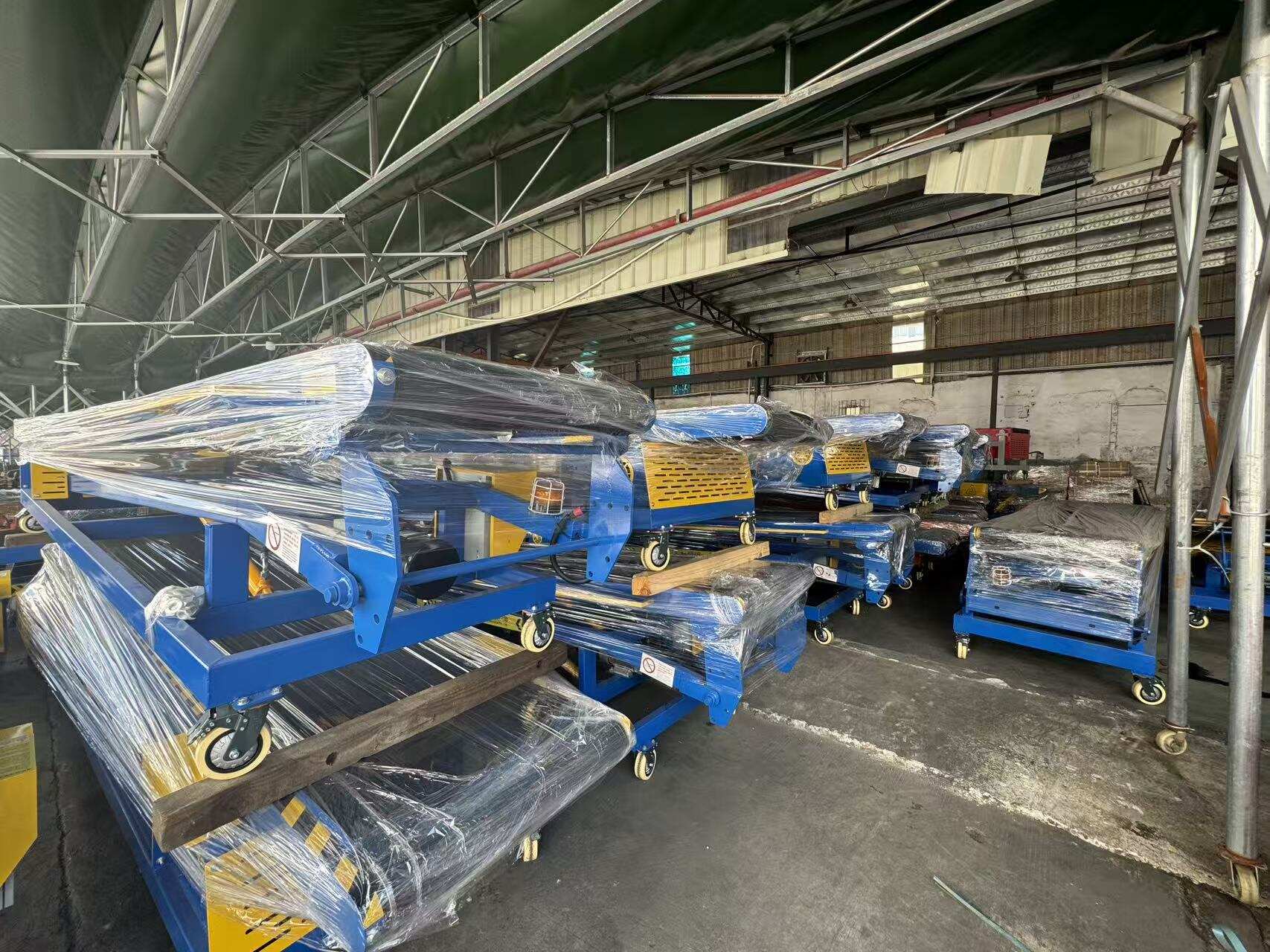
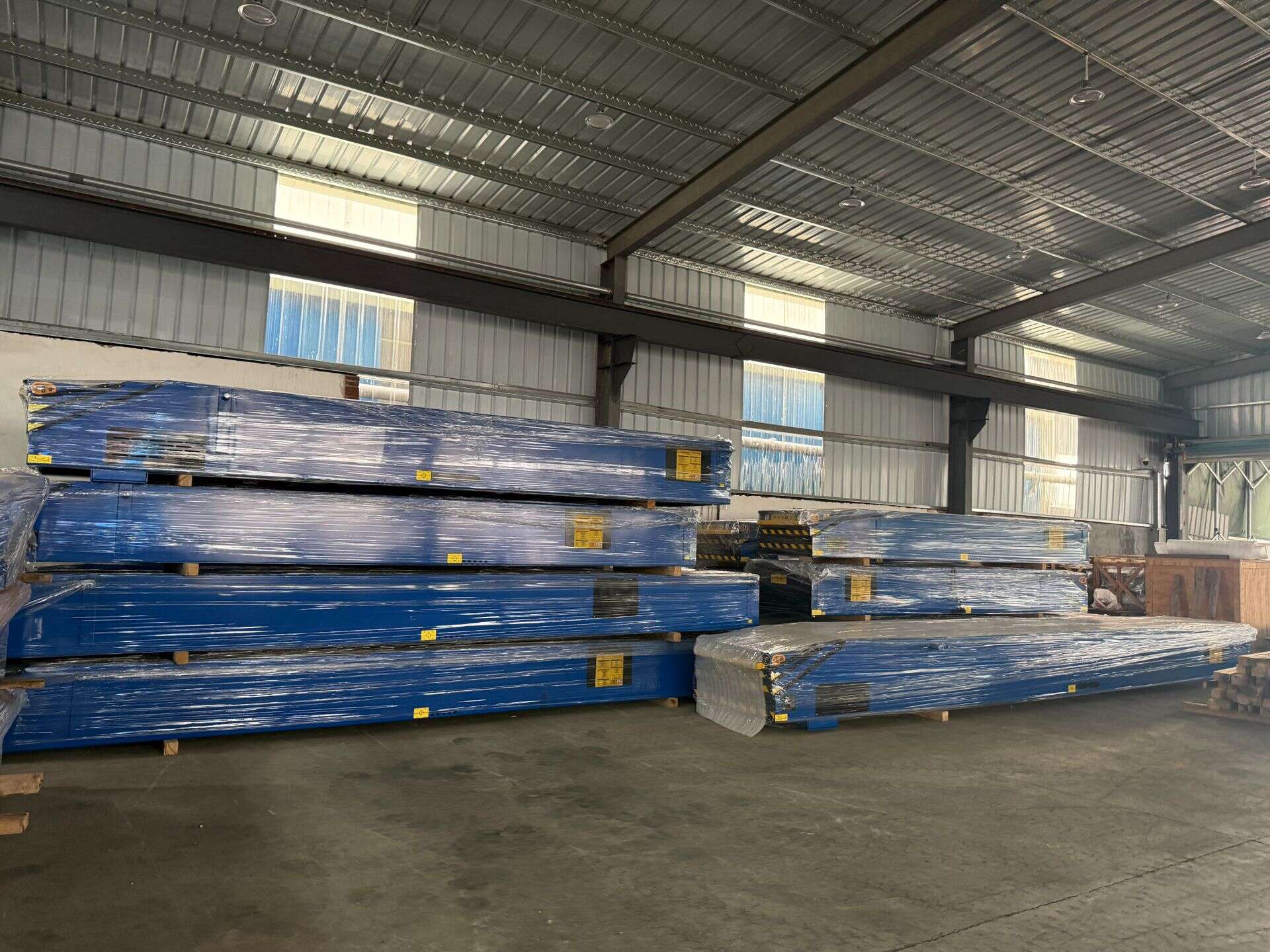
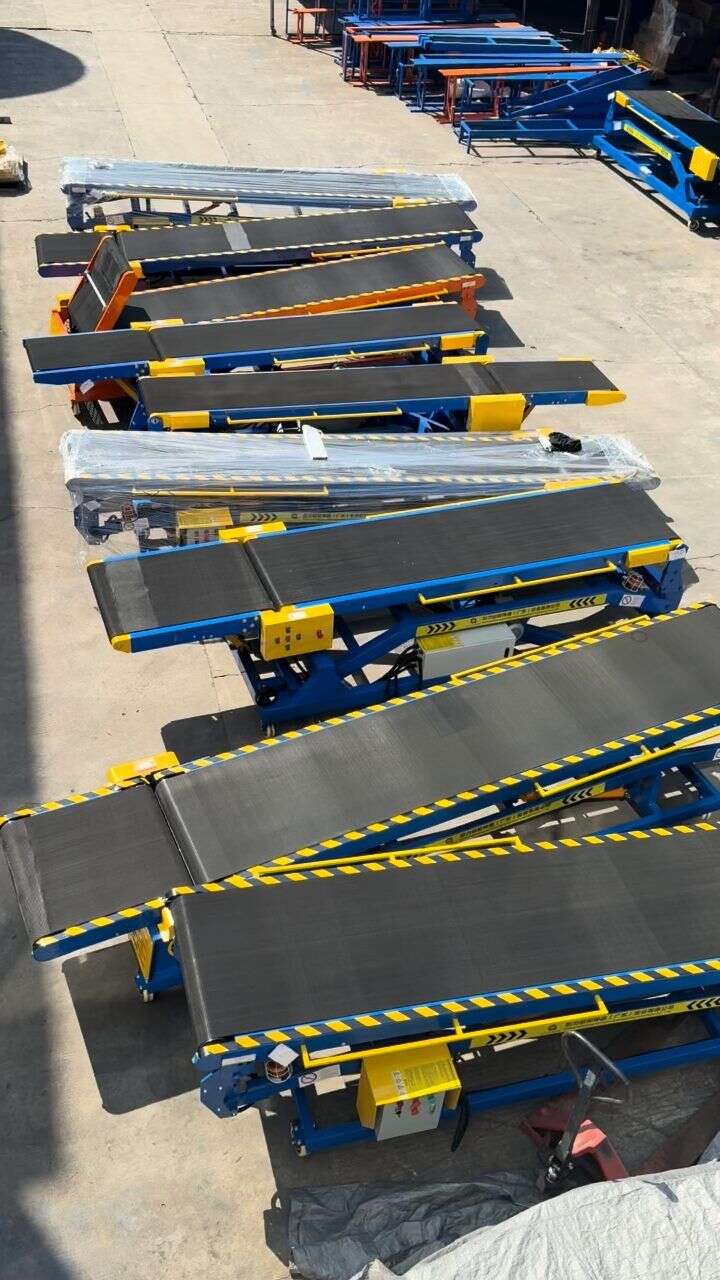
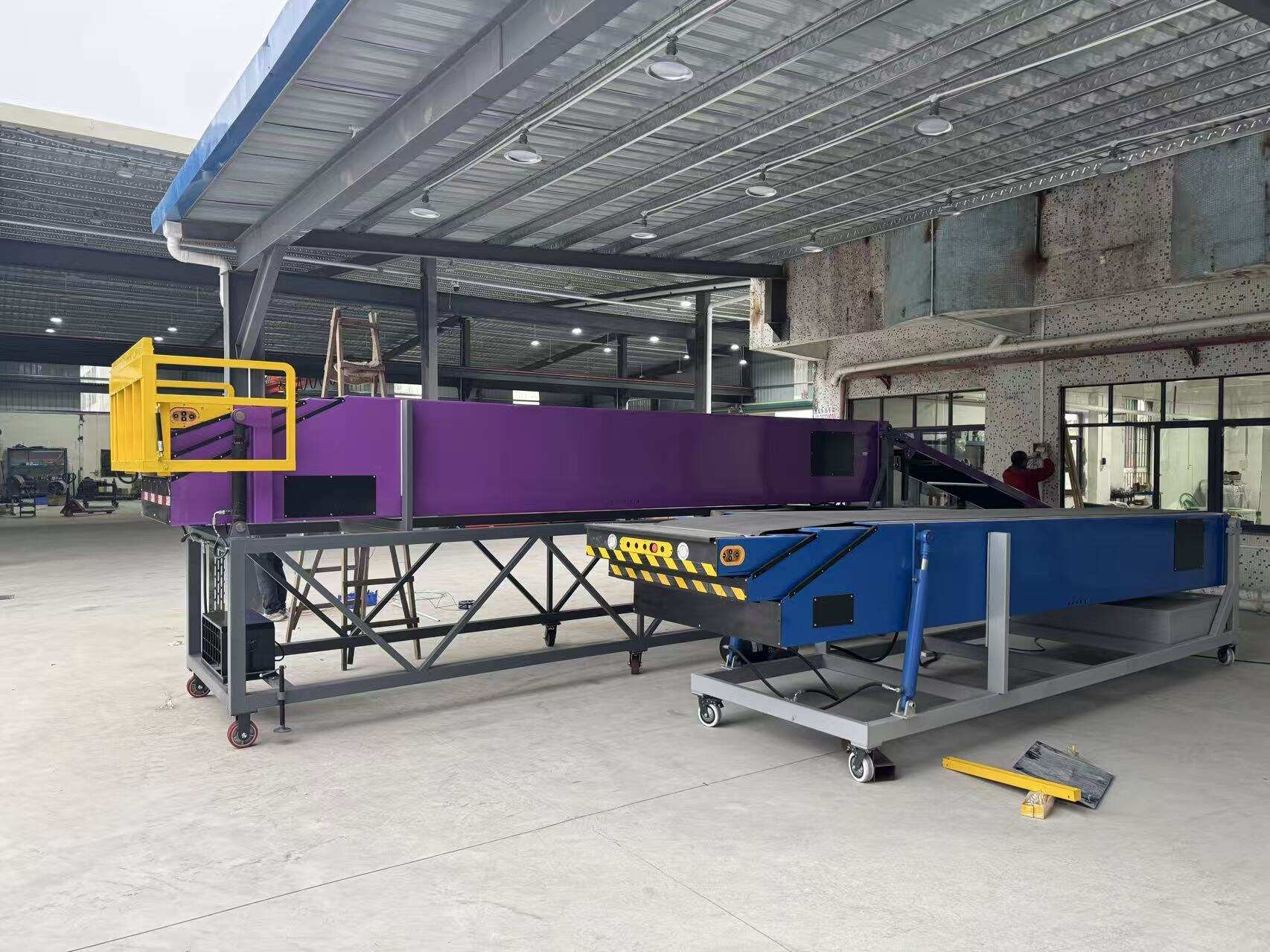
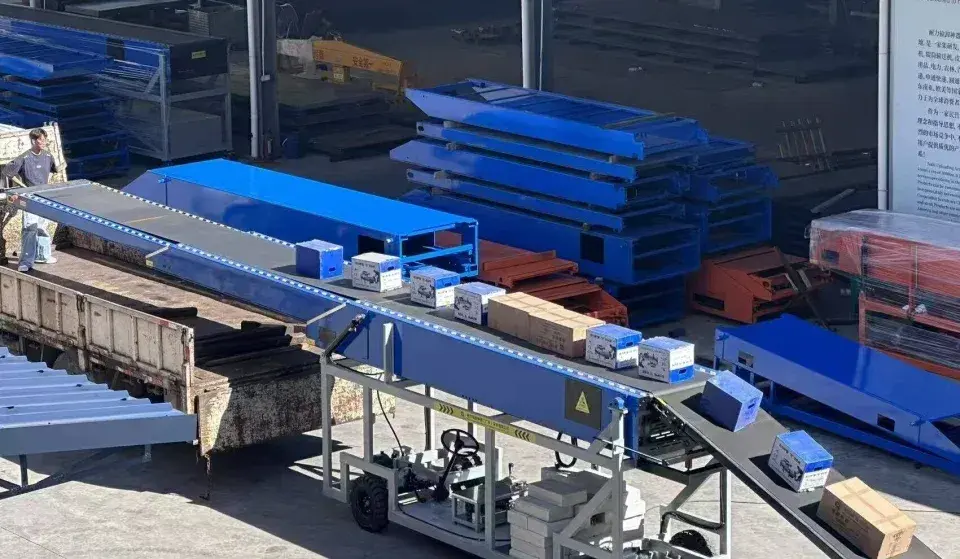
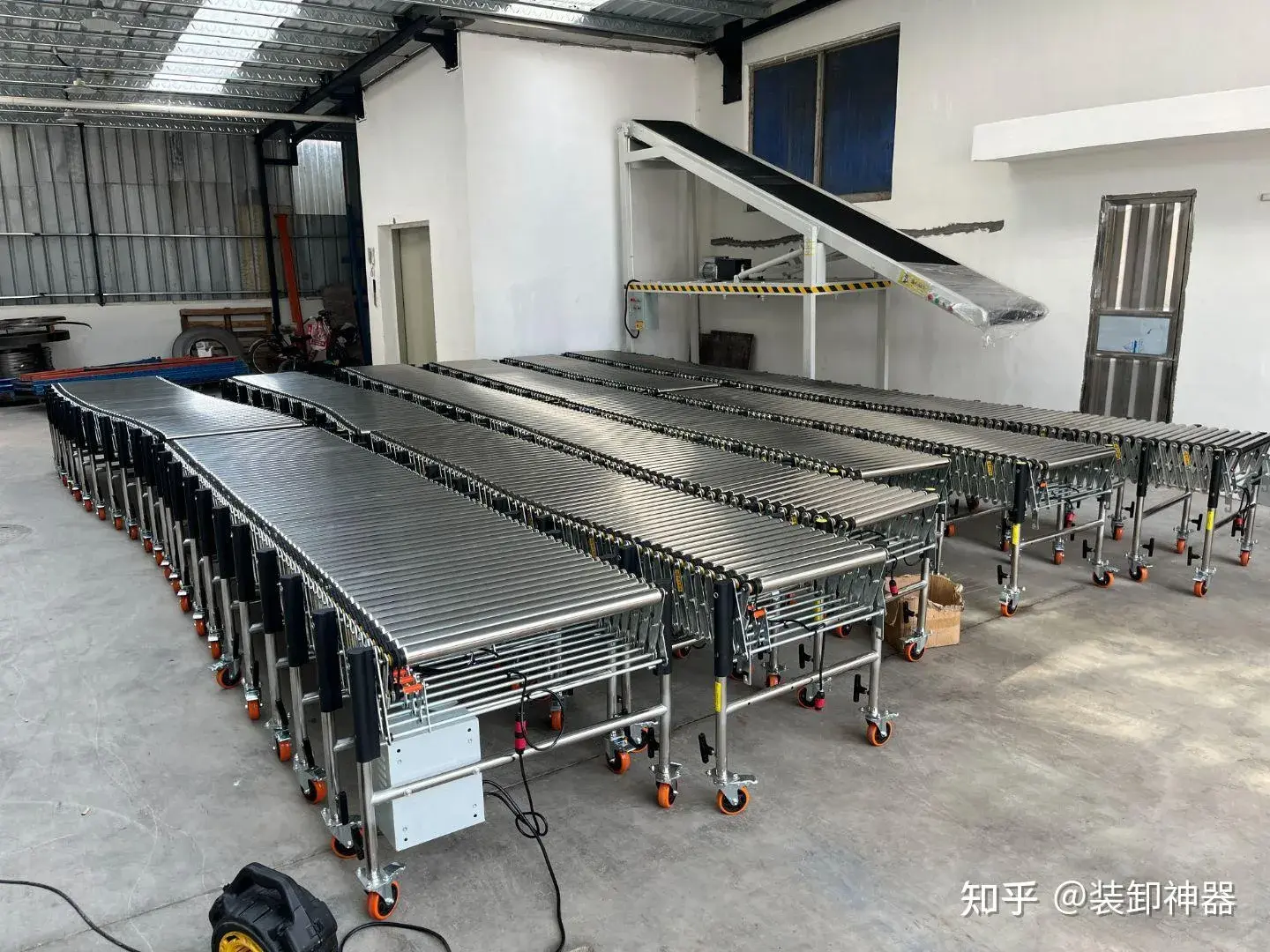
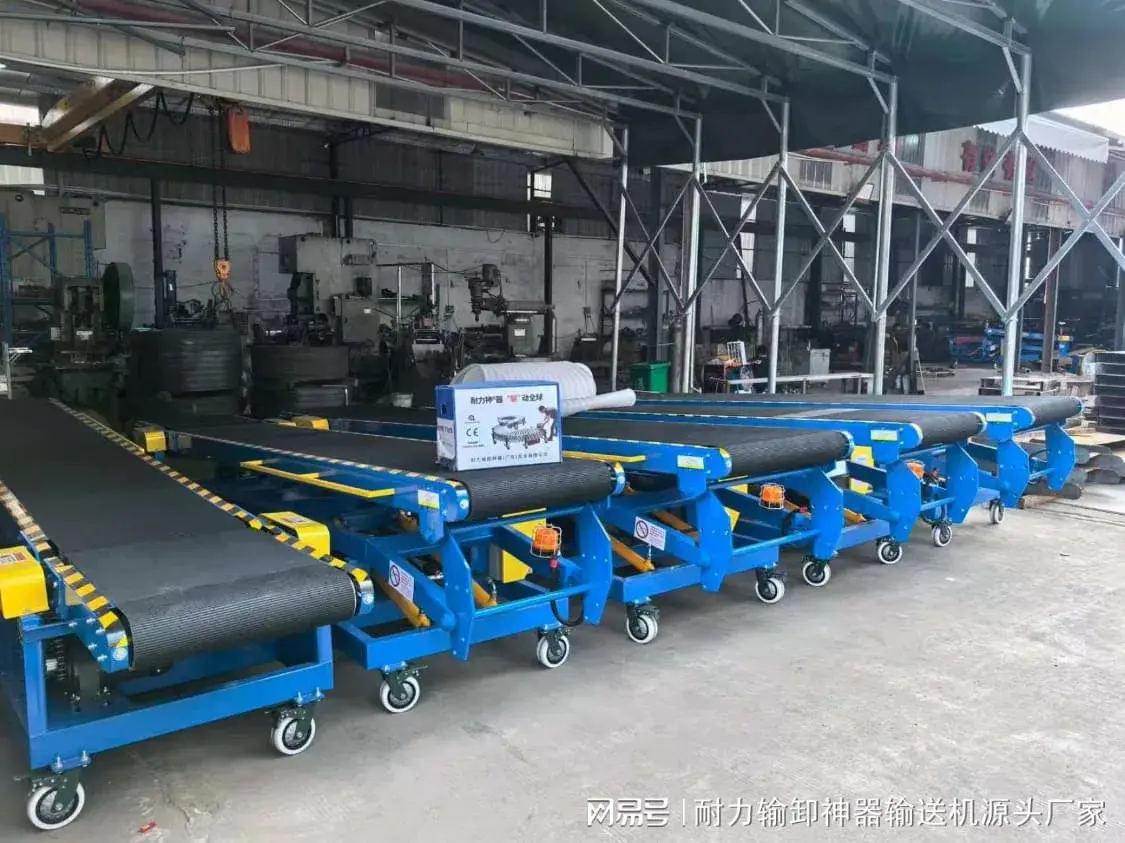
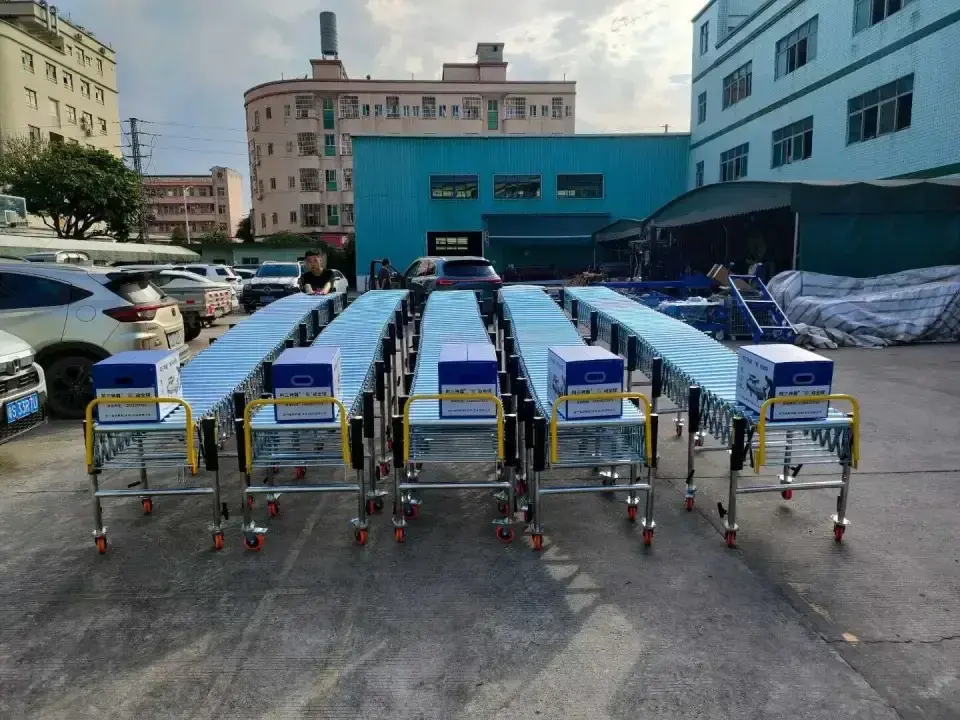
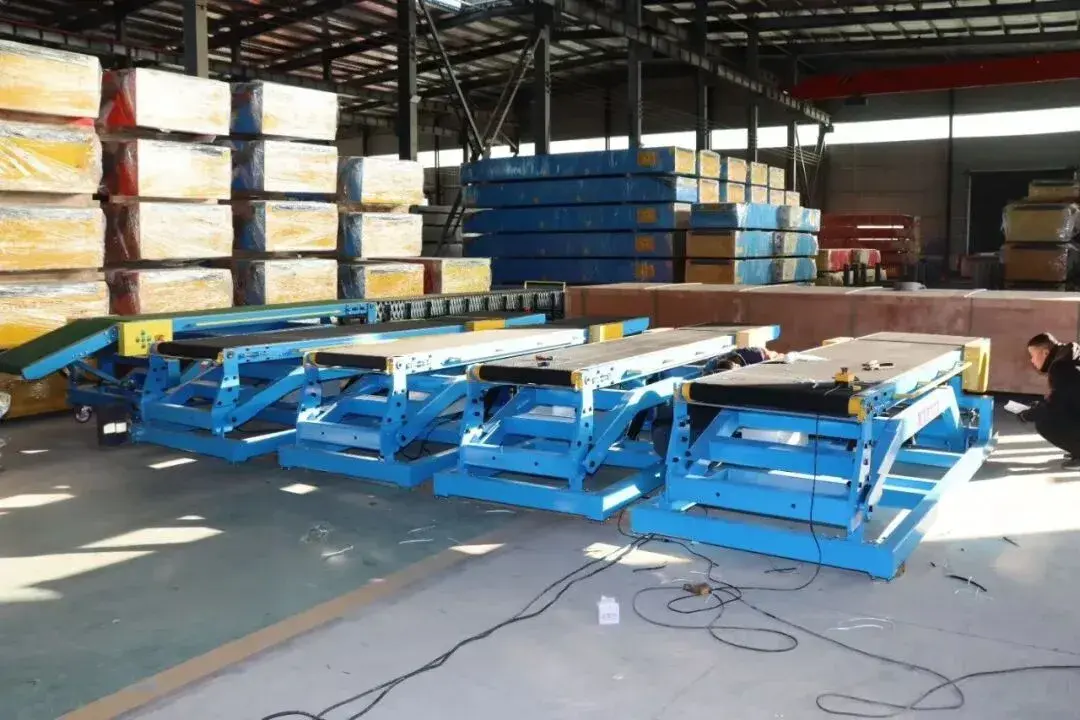
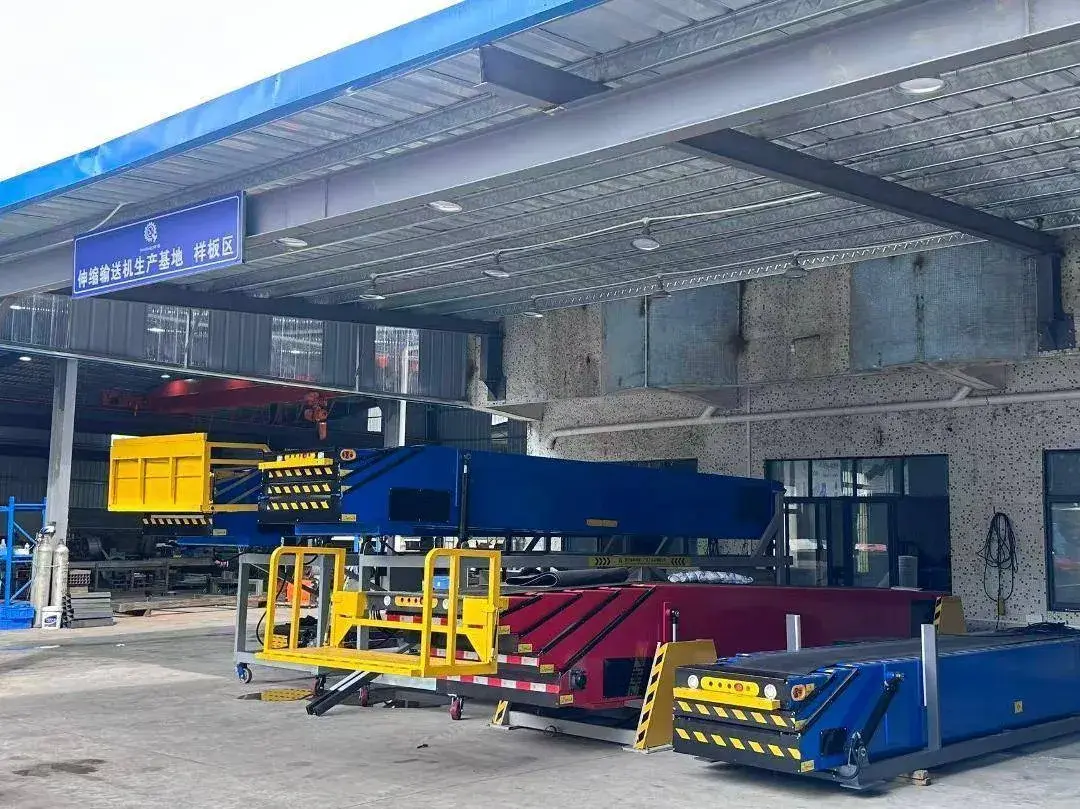
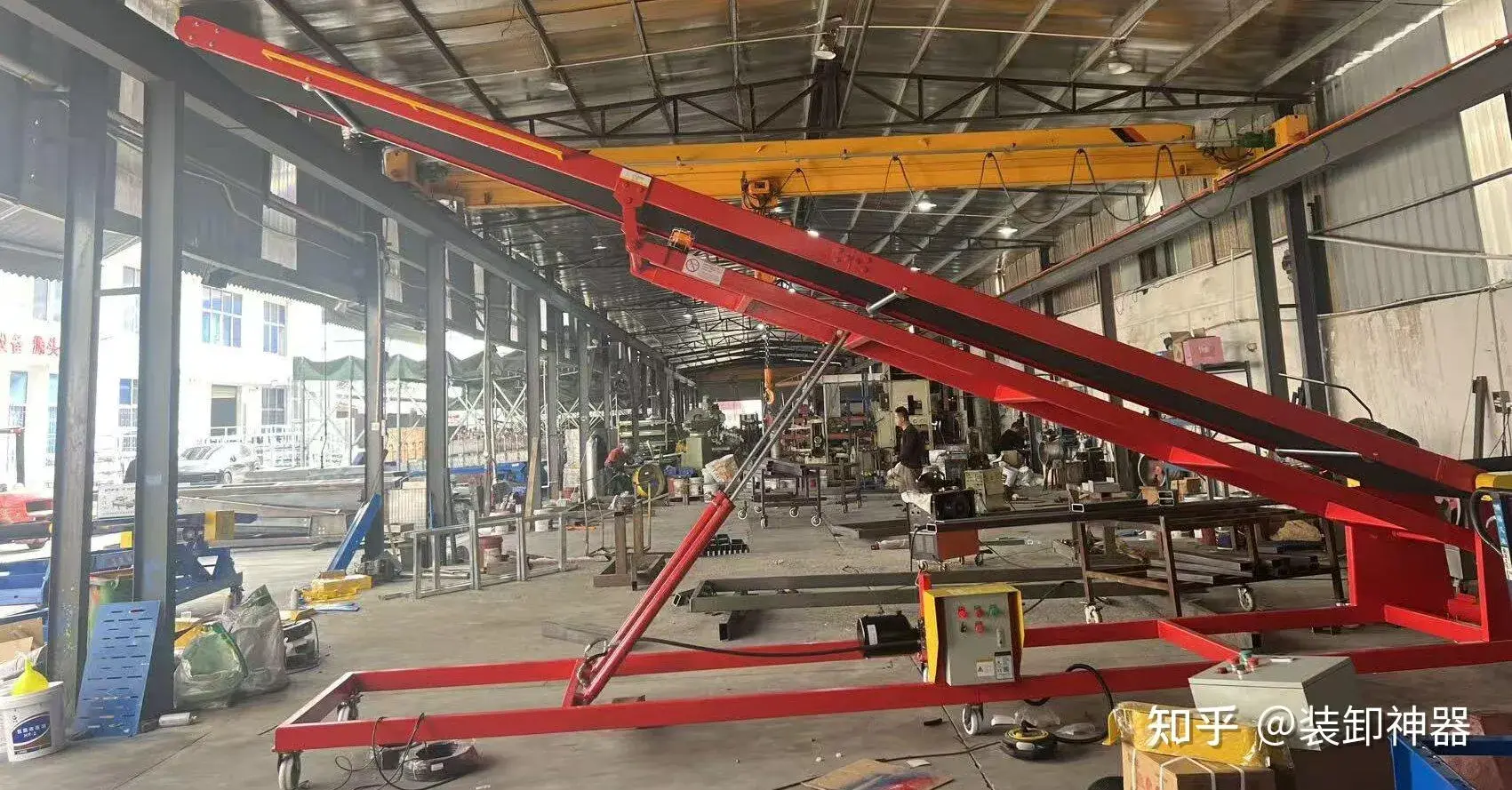
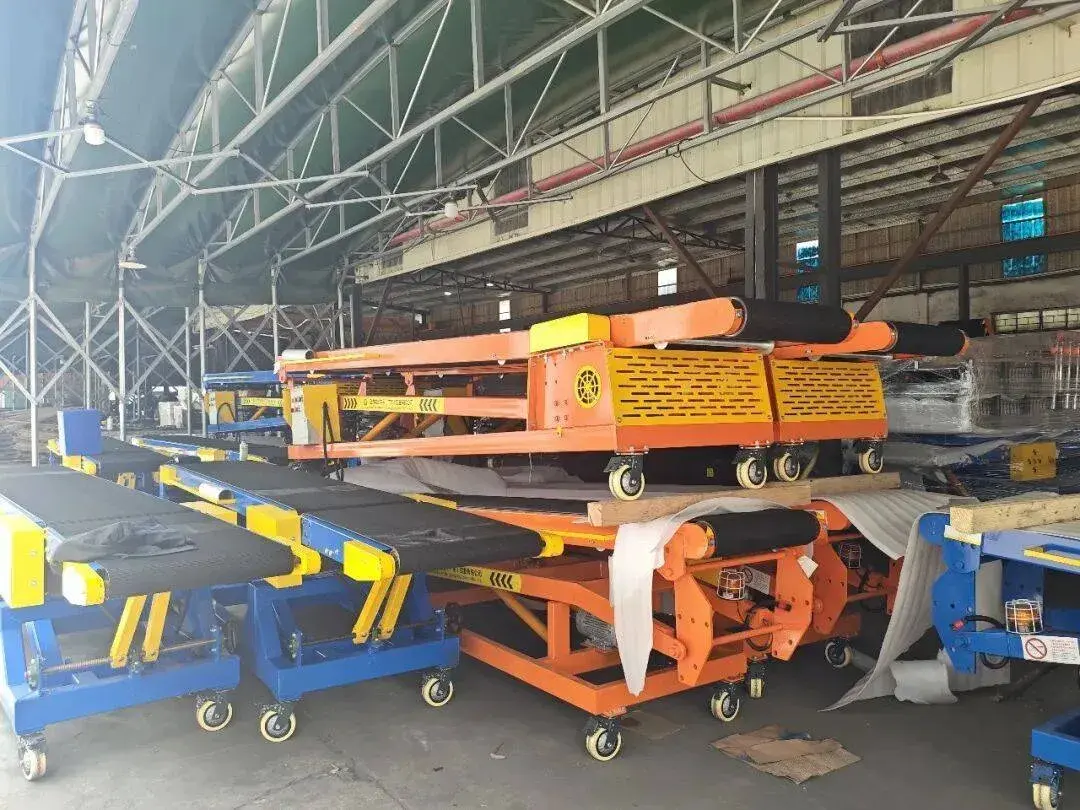
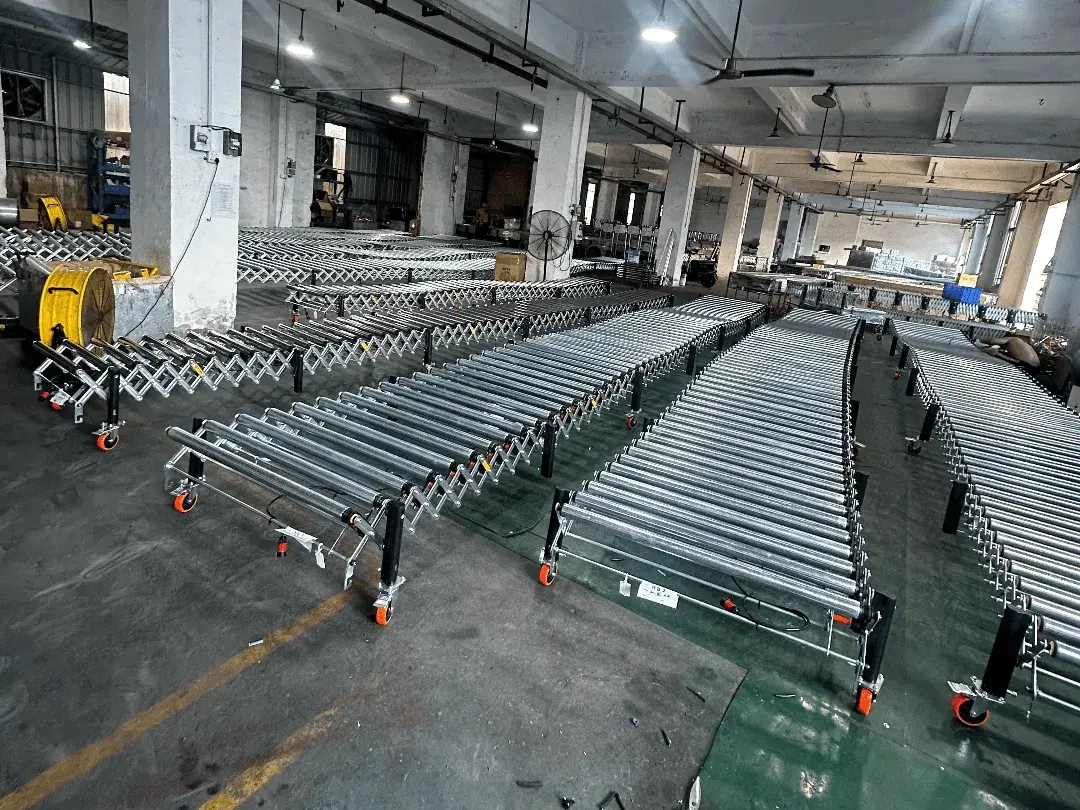
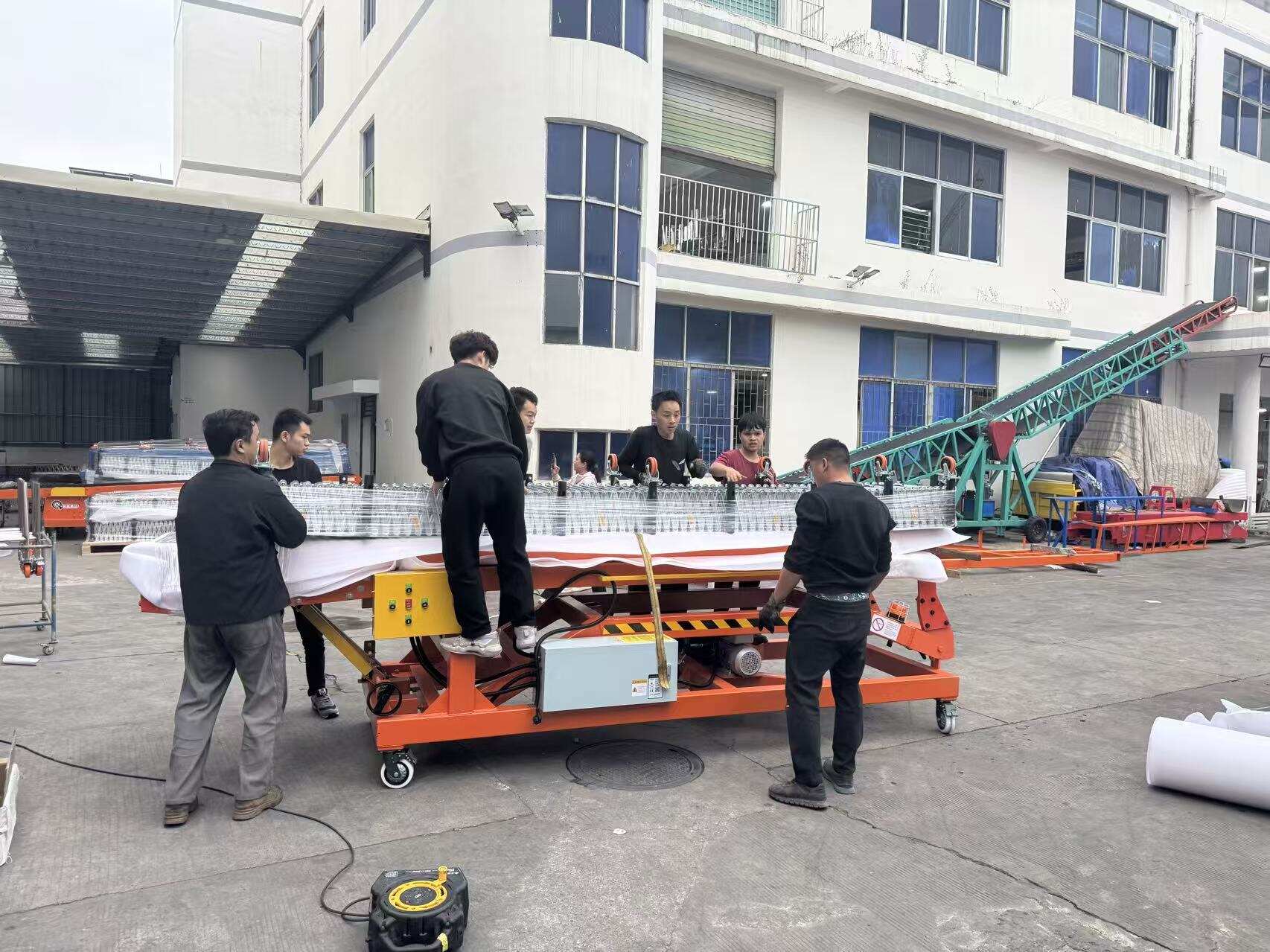
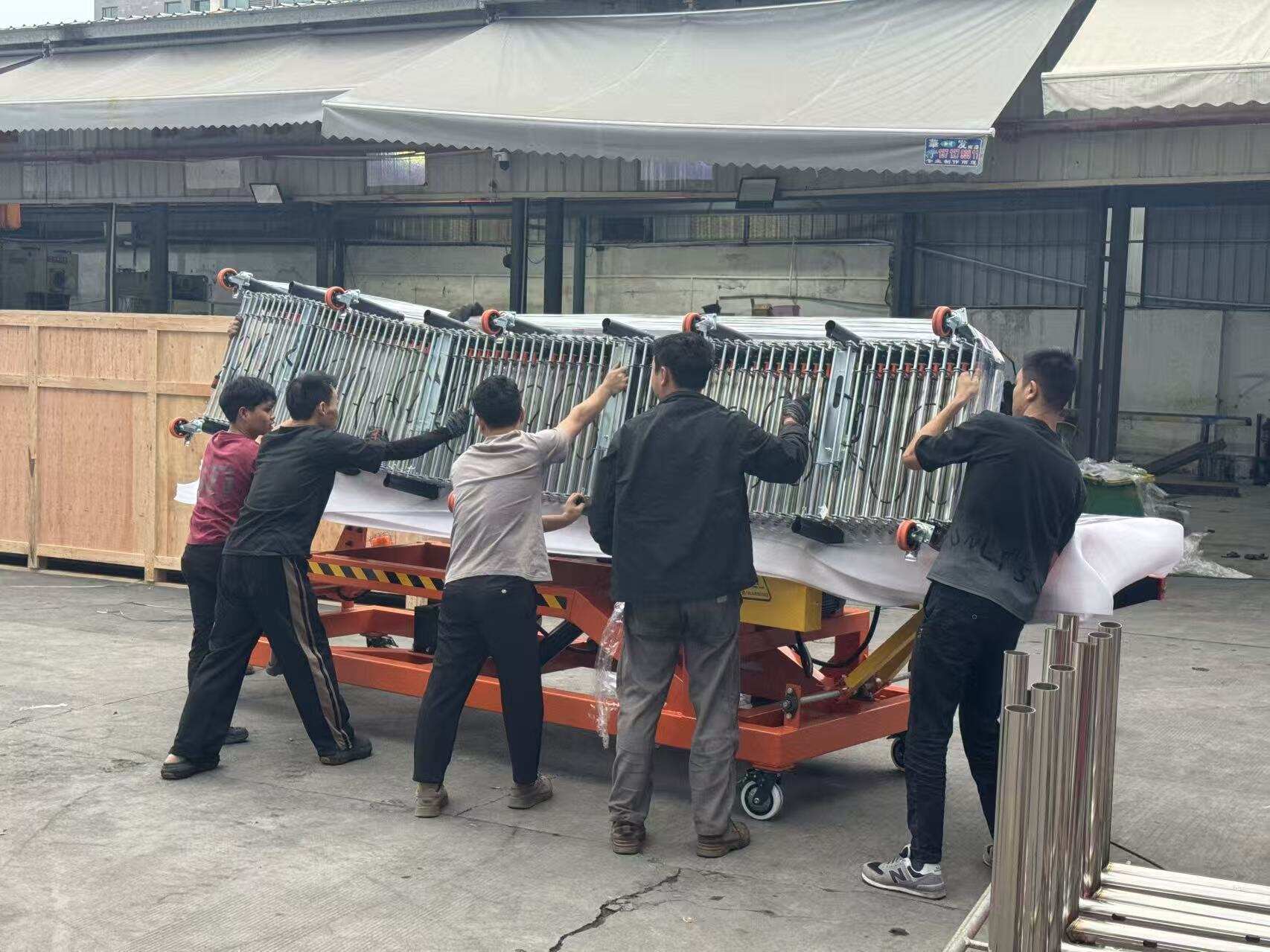
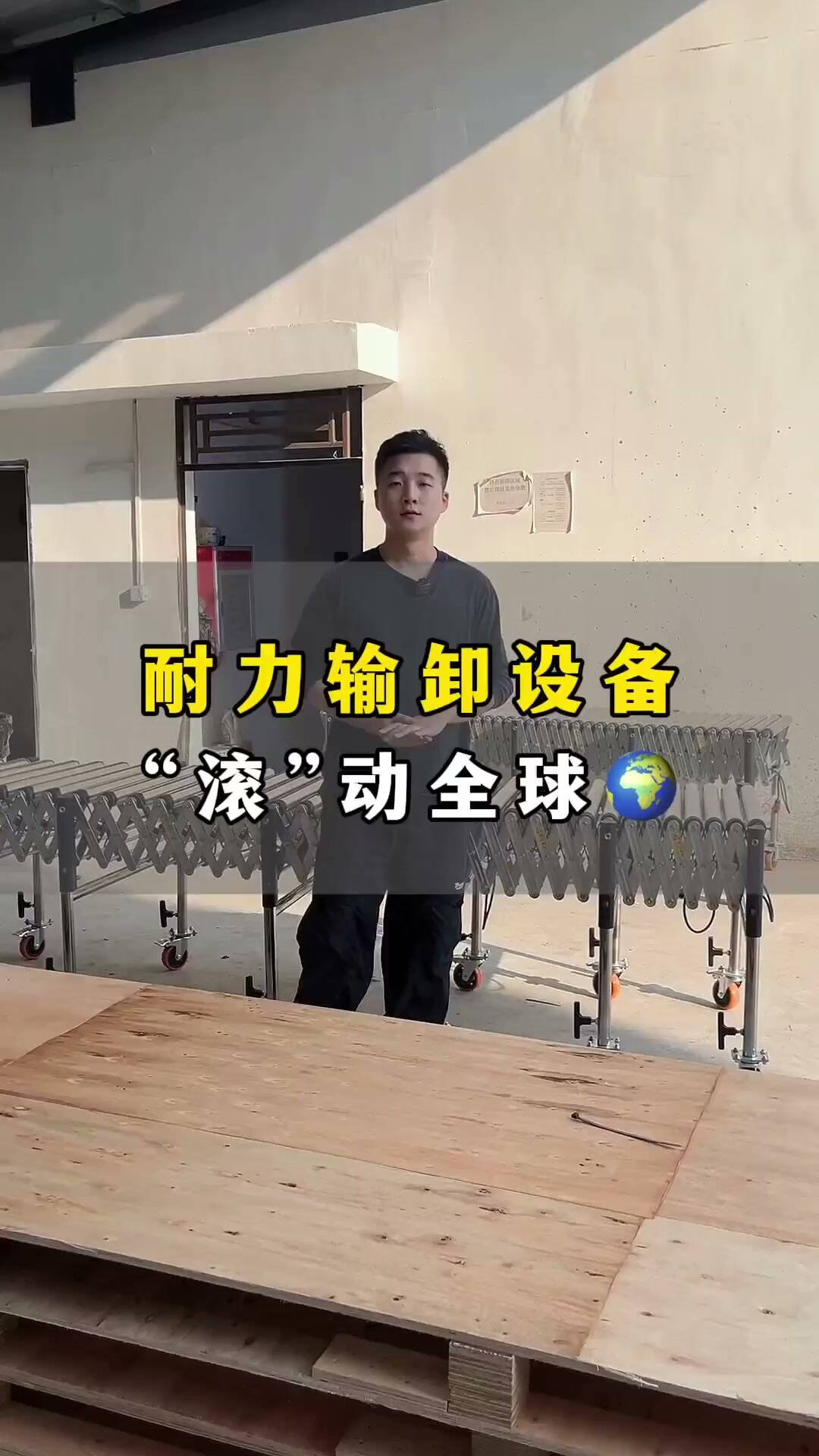
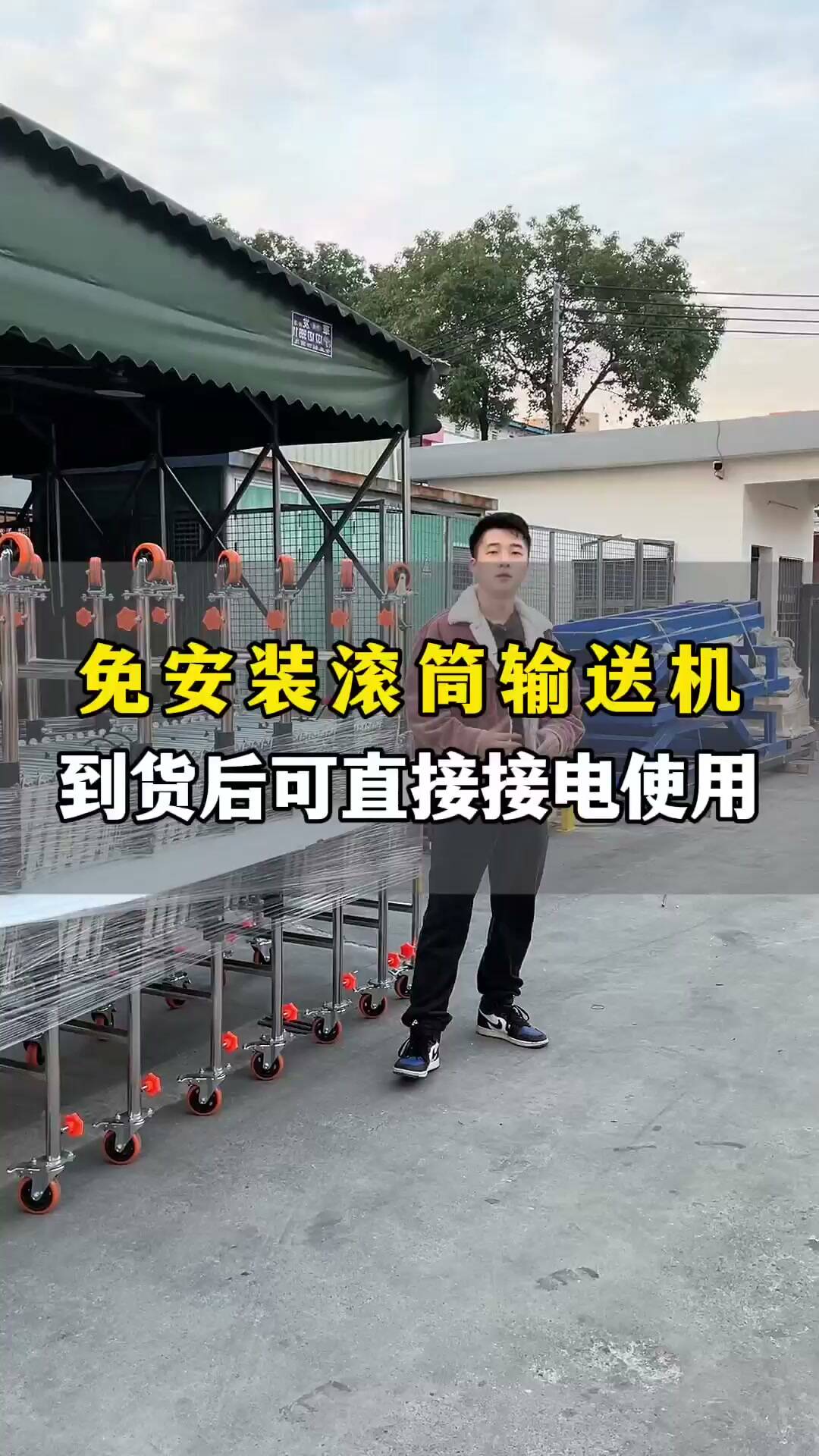
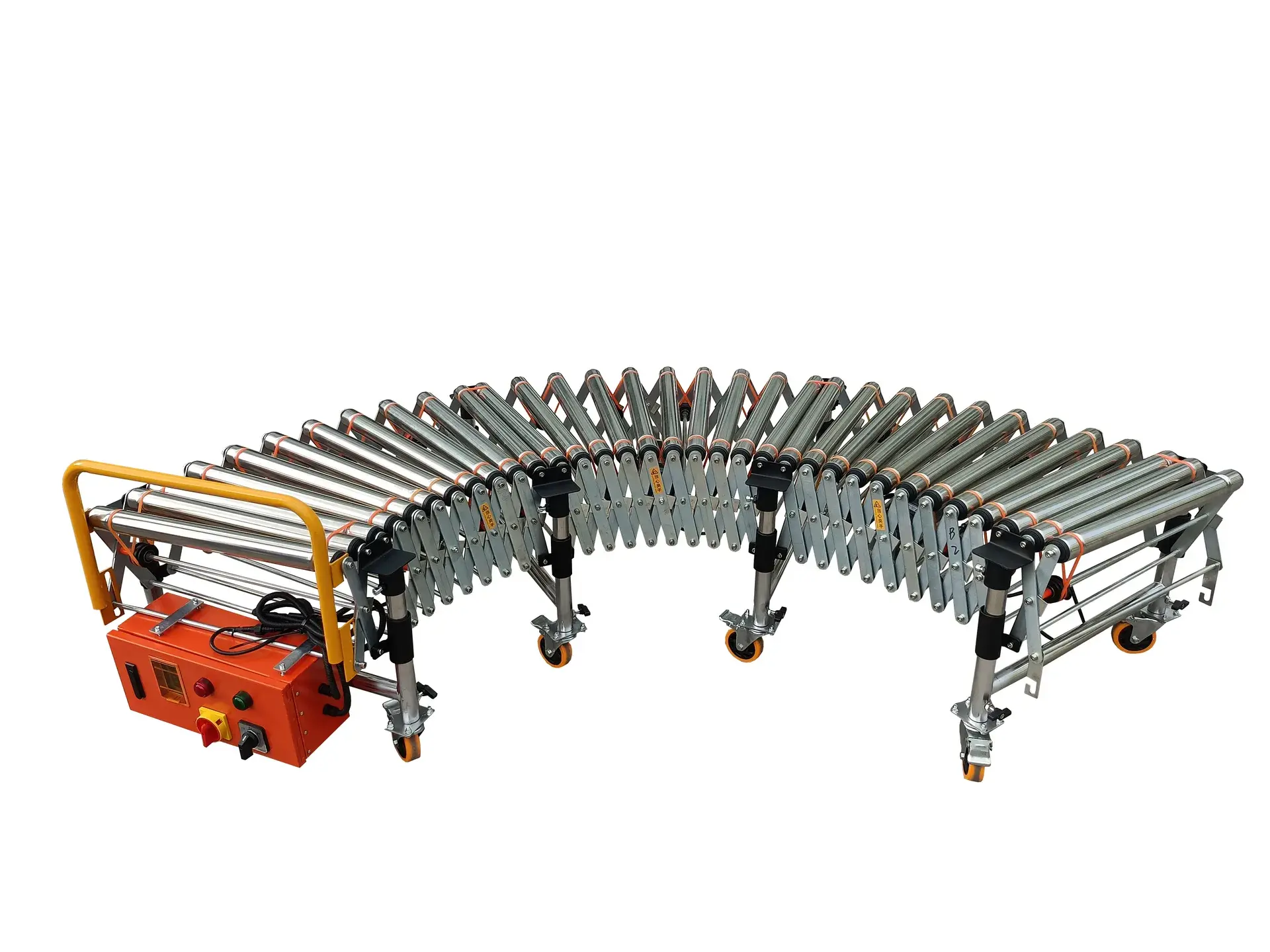
The belt Telescopic Conveyor features a retractable Telescopic Conveyor body and mobile casters, making it suitable for factory loading docks and temporary loading and unloading locations.Naili Unloading Artifact (Guangdong) Industrial Co., Ltd.Optimized for factory outbound operations, the overall performance of Telescopic Conveyor is enhanced by a multistage telescopic structure that adjusts the conveying length. The conveyor head can extend into the interiors of vehicles ranging from 4.2-meter light trucks to 13-meter semi-trailers, reducing the distance workers need to travel back and forth while handling goods inside the vehicle. Source materials indicate that loading and unloading efficiency per vehicle can more than double.
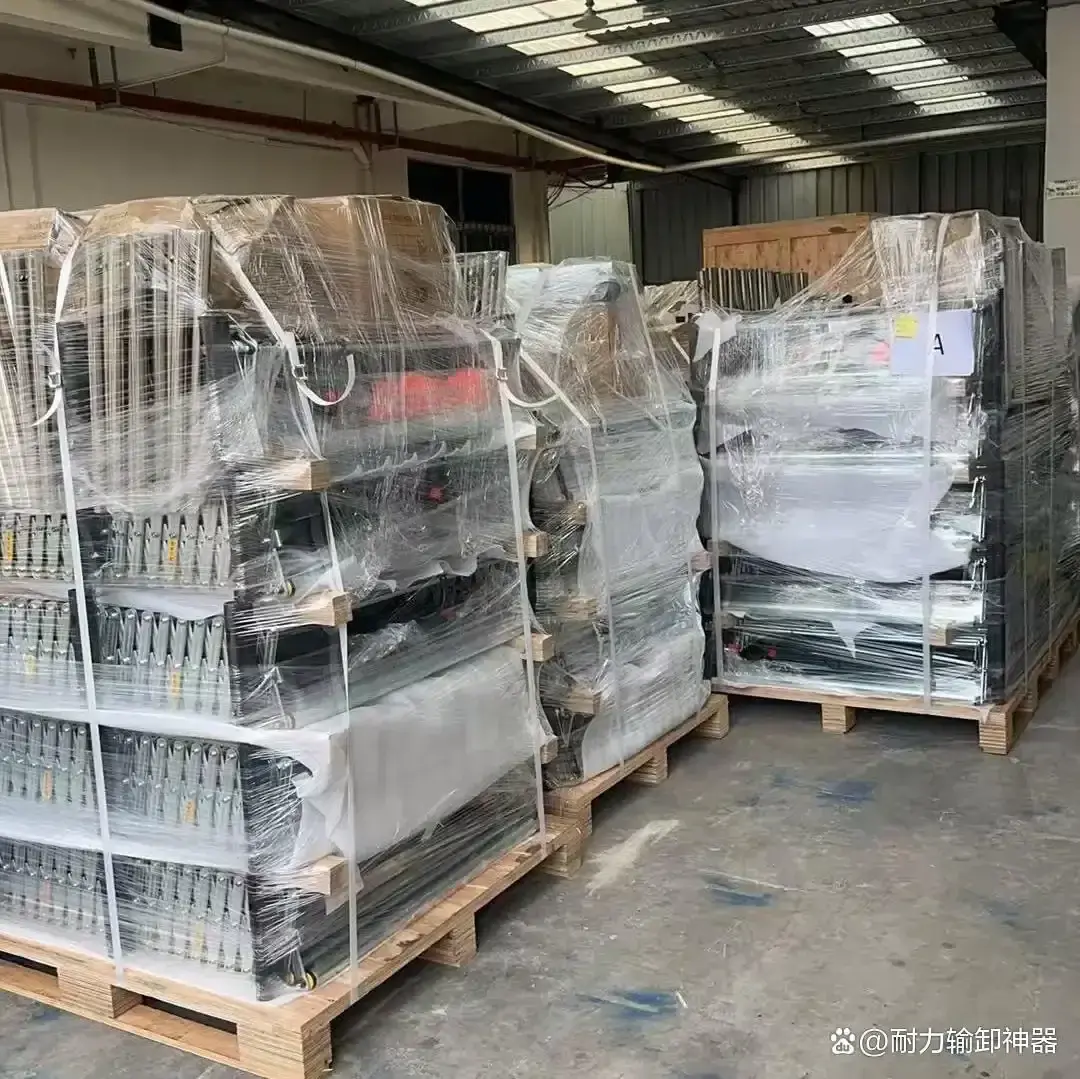
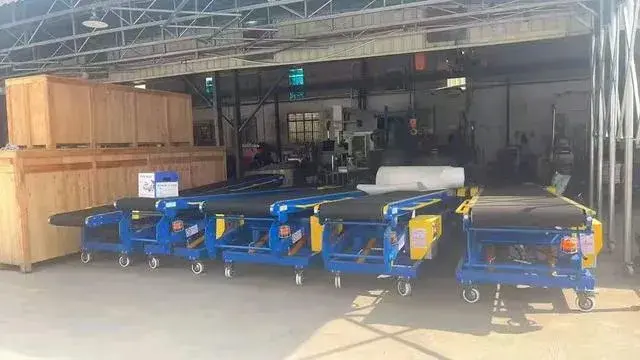
The equipment is fitted with braking casters and can be moved between different operating areas. When idle, it takes up little space after being retracted, making it suitable for compact small and medium-sized warehouses. For companies that frequently change loading and unloading locations, the mobile structure improves the equipment's adaptability to different scenarios.
Heavy-Duty Construction and Customization for Different Shipping Requirements
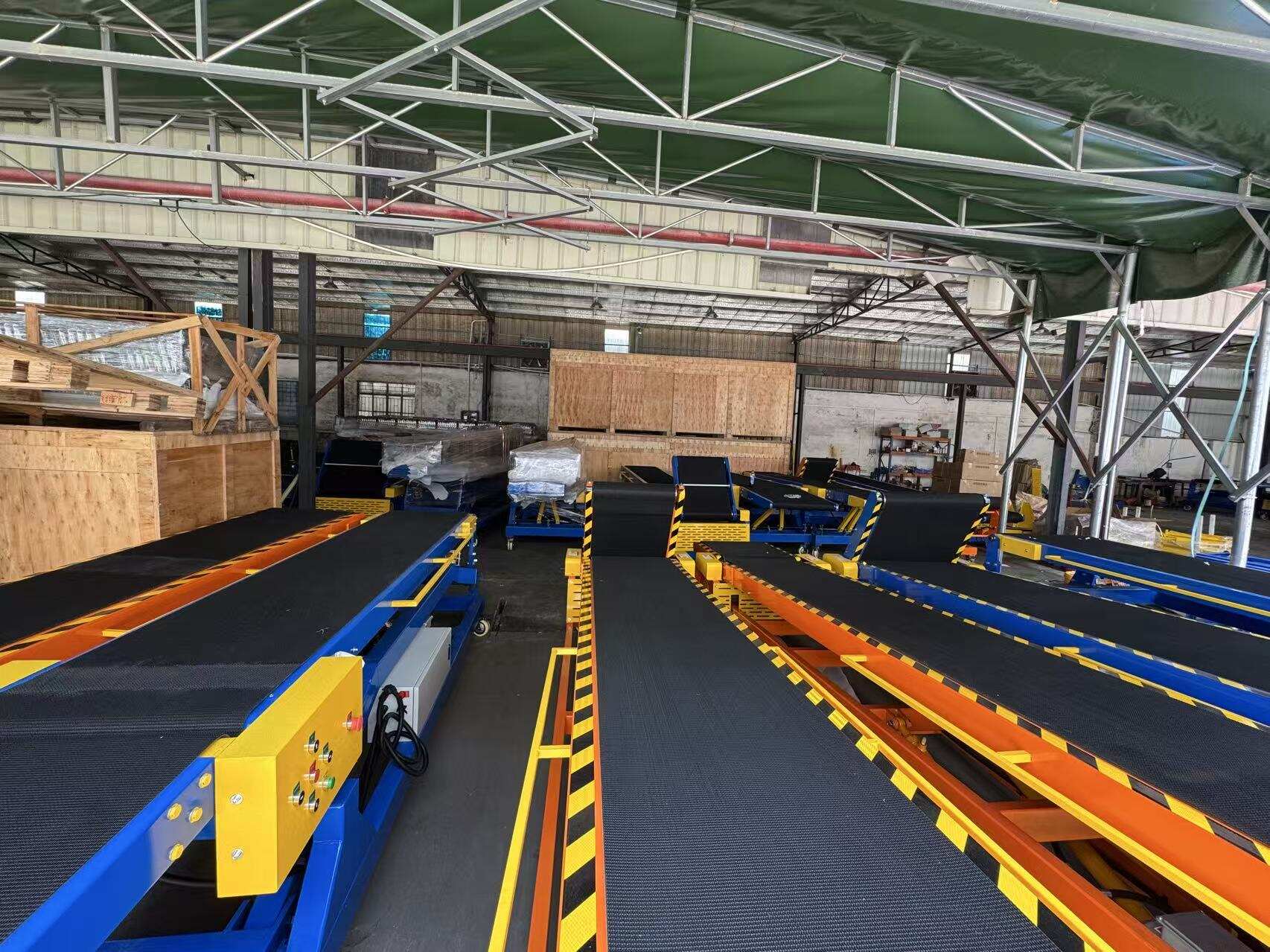
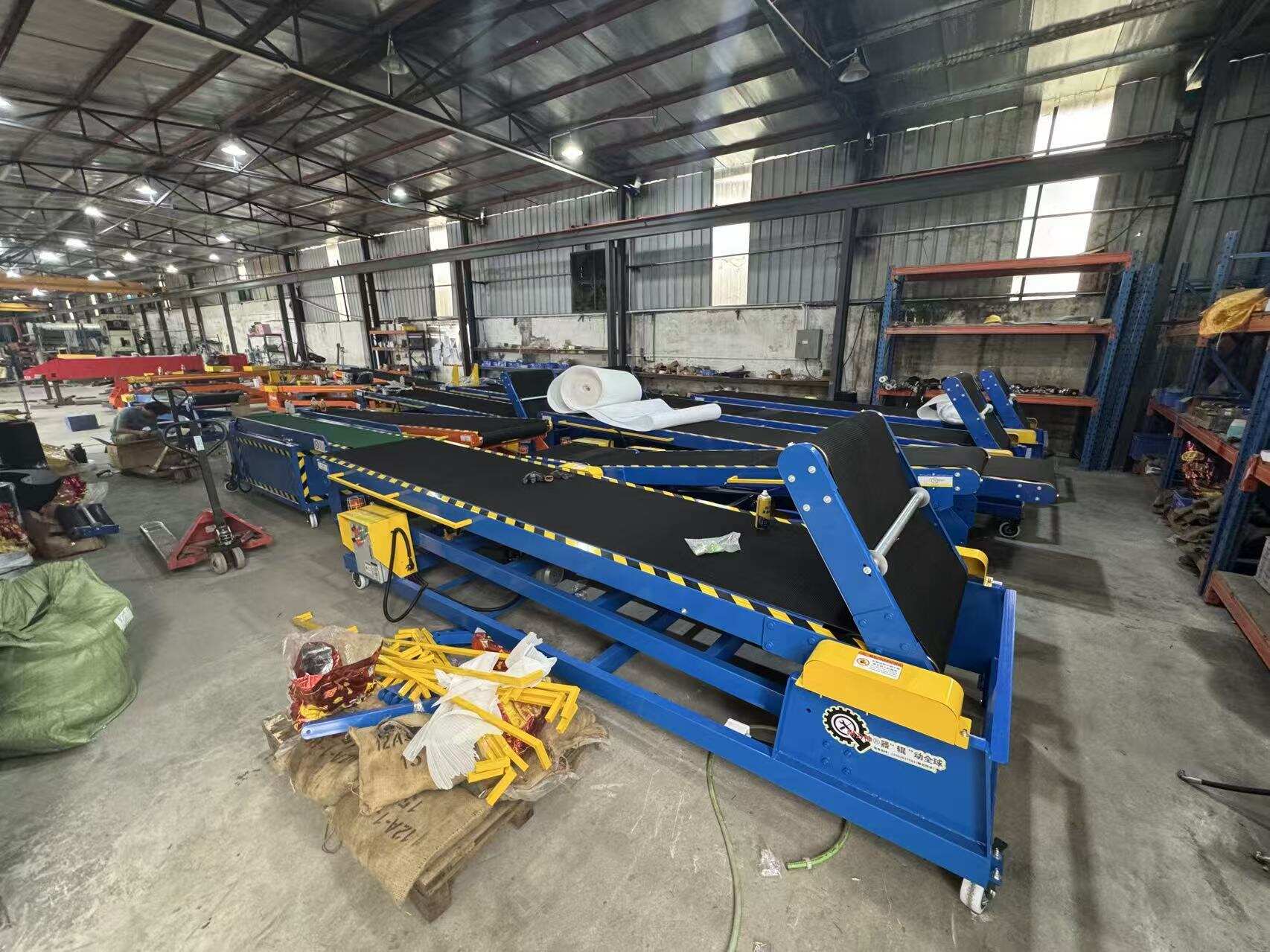
For around-the-clock heavy-duty outbound operations at factories, Telescopic Conveyor uses a thickened steel frame to maintain stable load-bearing performance. The industrial-grade, slip-resistant, wear-resistant belt resists stretching and deviation and can convey cartons and small bagged items. An intelligent variable-frequency speed control system adjusts the feeding speed according to different shipping rates, reducing product impacts caused by unstable conveying.
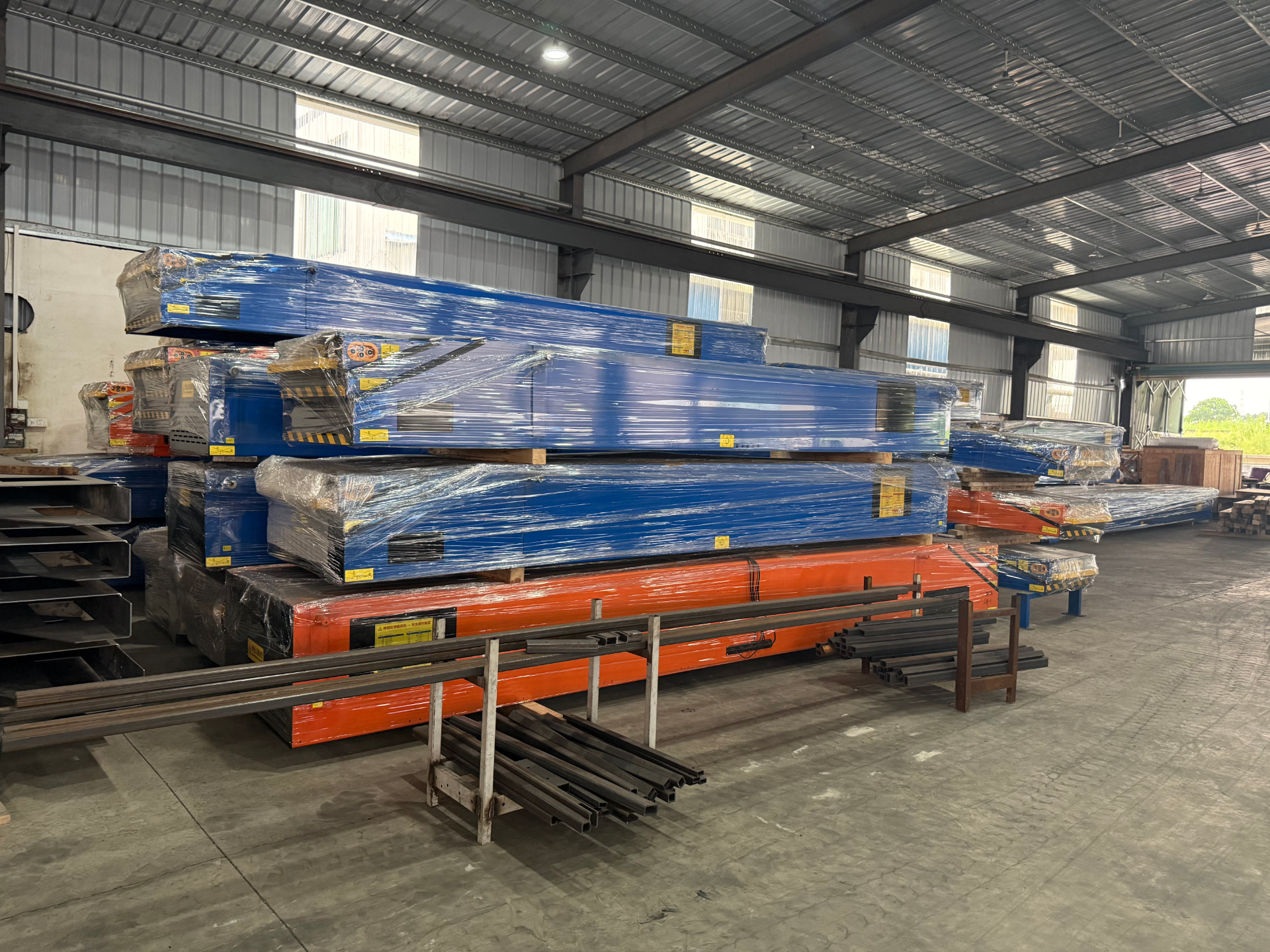
The equipment supports customization of telescopic travel, body height, belt width, load capacity, and other specifications. It can be configured according to the warehouse layout and shipping requirements, reducing the risk of insufficient compatibility or underutilization associated with standard equipment.
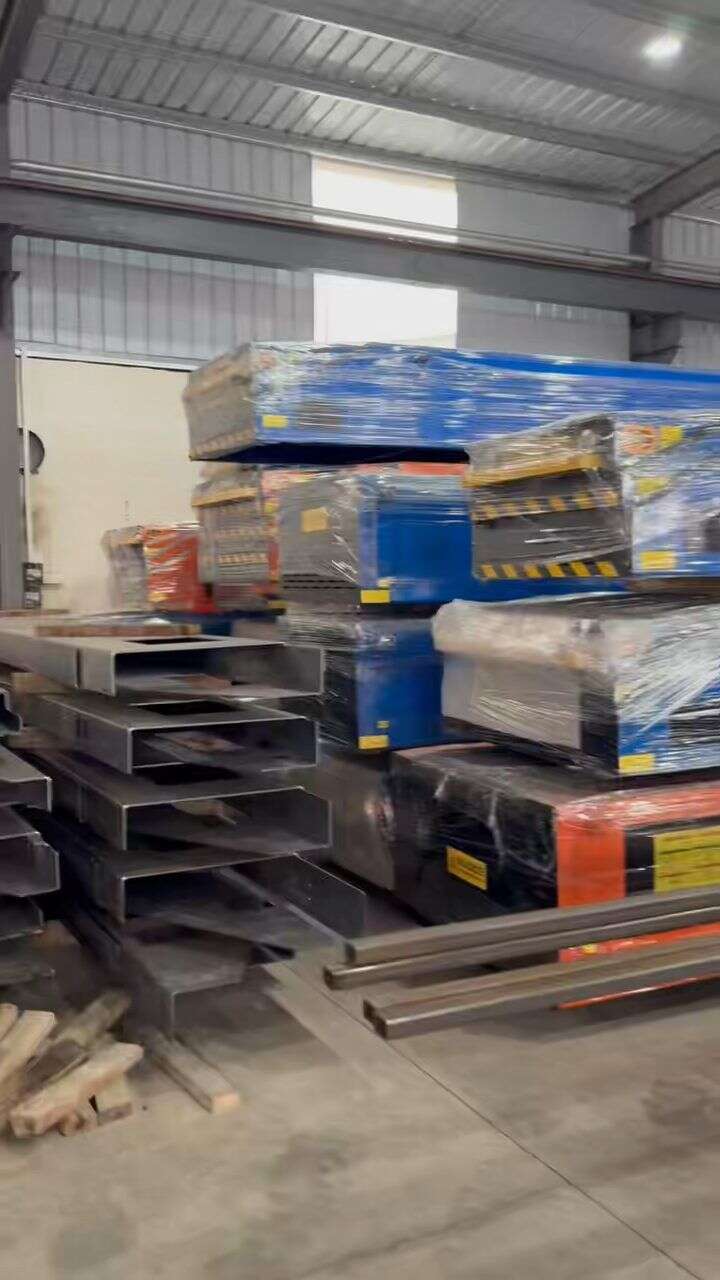
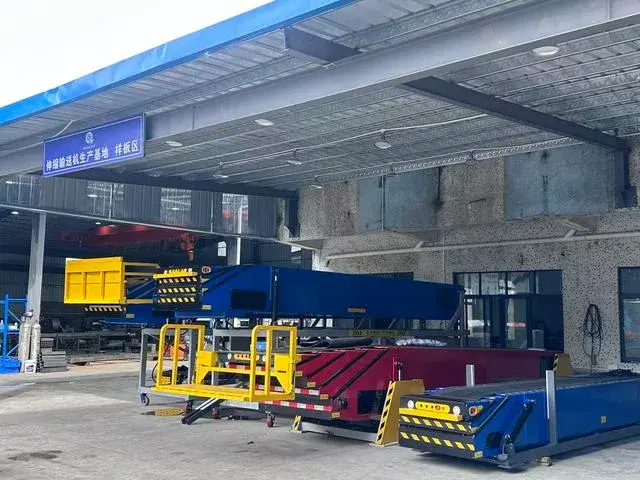
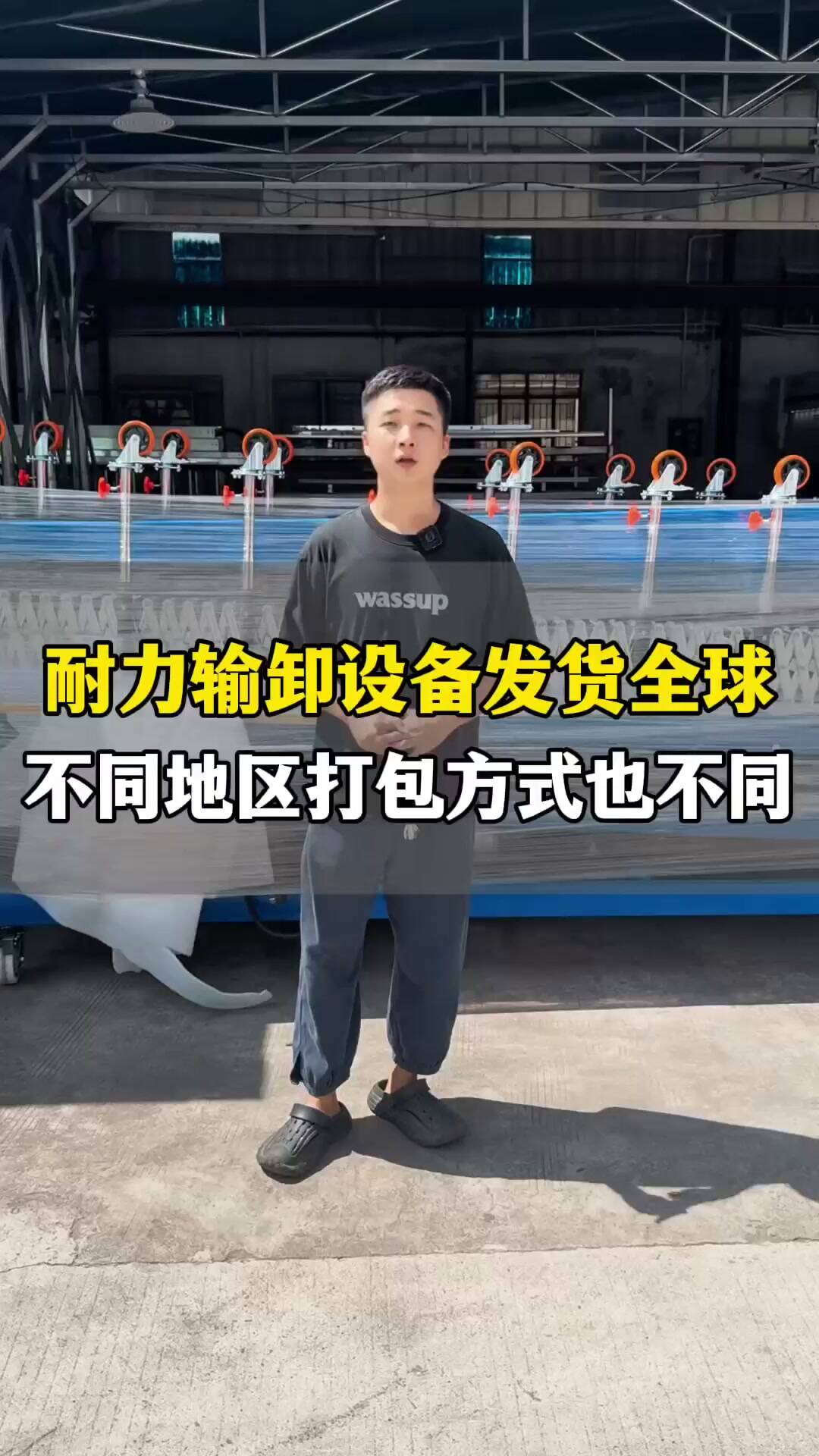
Naili Unloading Artifact (Guangdong) Industrial Co., Ltd. operates through a direct-from-manufacturer model and provides site surveys, operating-condition solution design, customized equipment production, on-site installation and commissioning, and after-sales maintenance services. Belt telescopic conveyors can be used in small and medium-sized manufacturing plants, large production facilities, e-commerce warehouses, and logistics transfer warehouses to replace some repetitive, physically demanding manual handling tasks, helping companies shorten shipping cycles, reduce product damage, and advance automation upgrades in warehouse loading operations.
Related keywords:Belt Telescopic Conveyor, automated warehouse loading, custom non-standard conveyors, logistics conveying equipment, flexible logistics