Naili Conveyor
Frequent Conveyor Equipment Failures Often Involve More Than Just "Quality"
Many factory owners encounter a similar situation: conveyor equipment operates normally at first, but once it enters continuous heavy-load production, failures begin to recur. Belt misalignment, roller jamming, and unusual machine noises are common, while dock lifting equipment may also shake or leak oil. Each failure requires production to stop for inspection and repairs, forcing the production line to shut down and disrupting the shipping schedule. Parts and manual repair costs also continue to accumulate.
Many people's first reaction is to change manufacturers or replace parts, but after a while the problem returns. In reality, frequent failures do not necessarily mean that the equipment is inherently "poorly made." A more common cause is that standardized conveyors do not match the actual operating conditions of the factory.
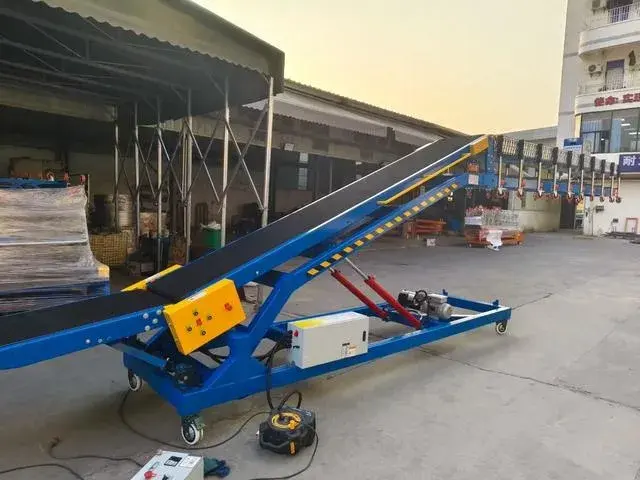
Why Standard Equipment Struggles in Older Factory Facilities
Standard mass-produced conveyors are typically designed around uniform specifications, making them more suitable for new facilities with level floors, uniform materials, and no need for 24-hour continuous operation. However, older factories in the real world are often different: workshop aisles vary in width, loading docks have significant height differences, lightweight and heavy goods are transported together, and the equipment must operate at full load for extended periods.
Under these conditions, standard equipment operating under excessive loads for extended periods will naturally experience faster component wear, making failures more likely to recur. To reduce maintenance and avoid production stoppages as much as possible, the key is not to pursue universal models blindly, but to ensure that the equipment specifications truly match the conditions on site.
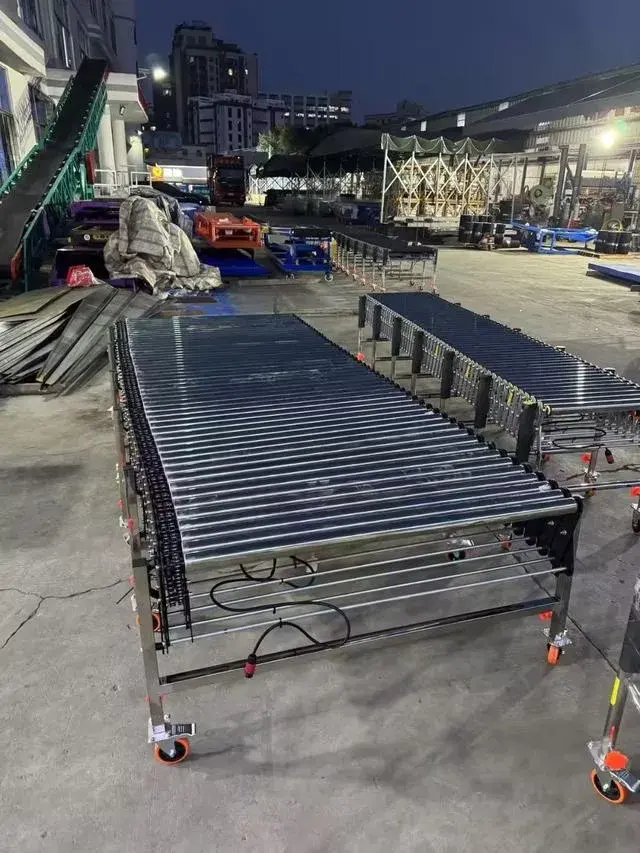
Customization Based on Operating Conditions Is the Key to Reducing the Failure Rate
A more prudent approach is to first redesign the conveyor solution based on your own operating conditions. Measure the material weight, workshop aisle width, dock height, and daily operating hours on site, then adjust the equipment’s load capacity, drive system, and cushioning structure accordingly so that the machine’s workload matches production demand. In this way, long-term overload wear will be significantly reduced, and equipment service life will be better protected.
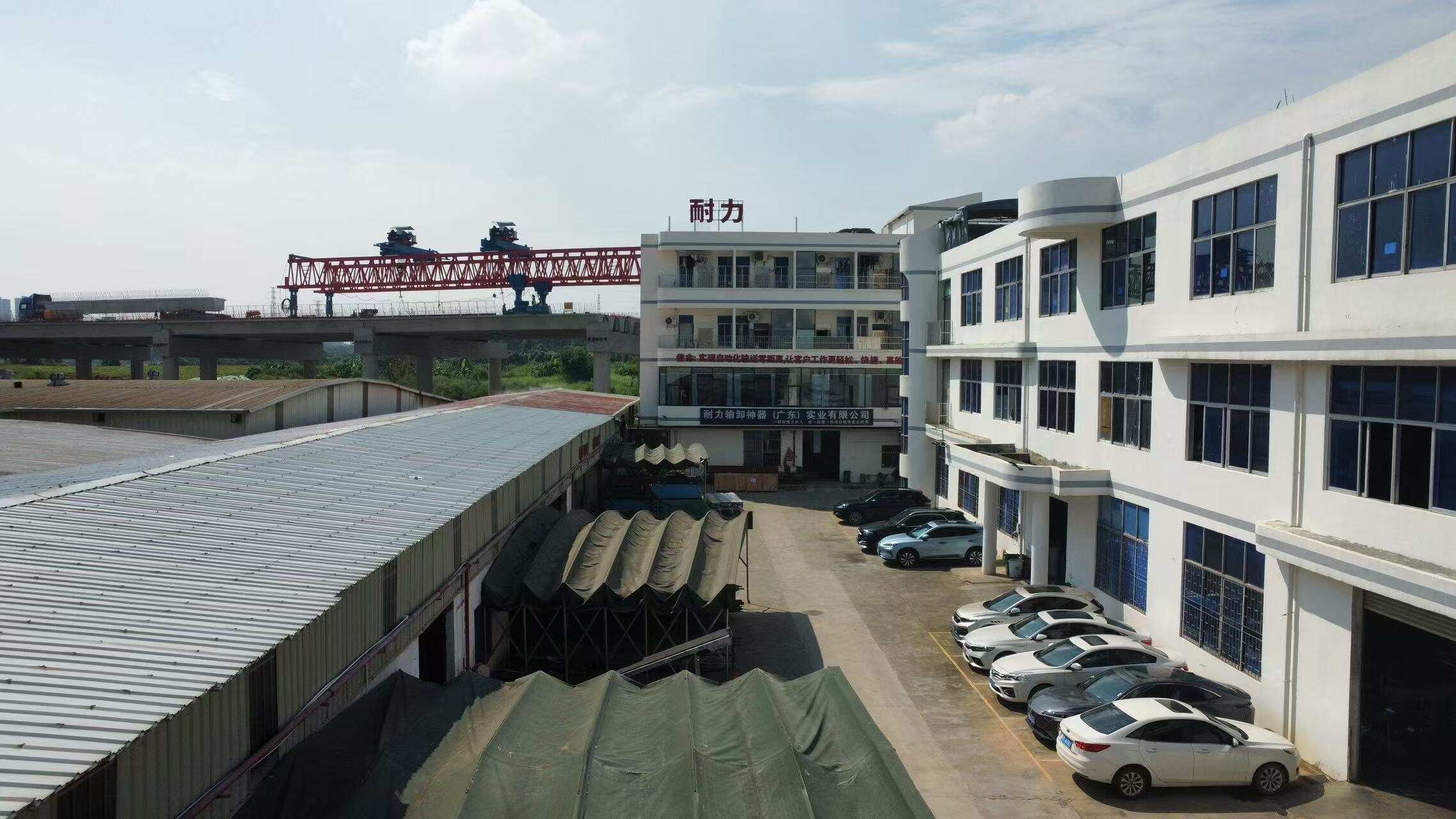
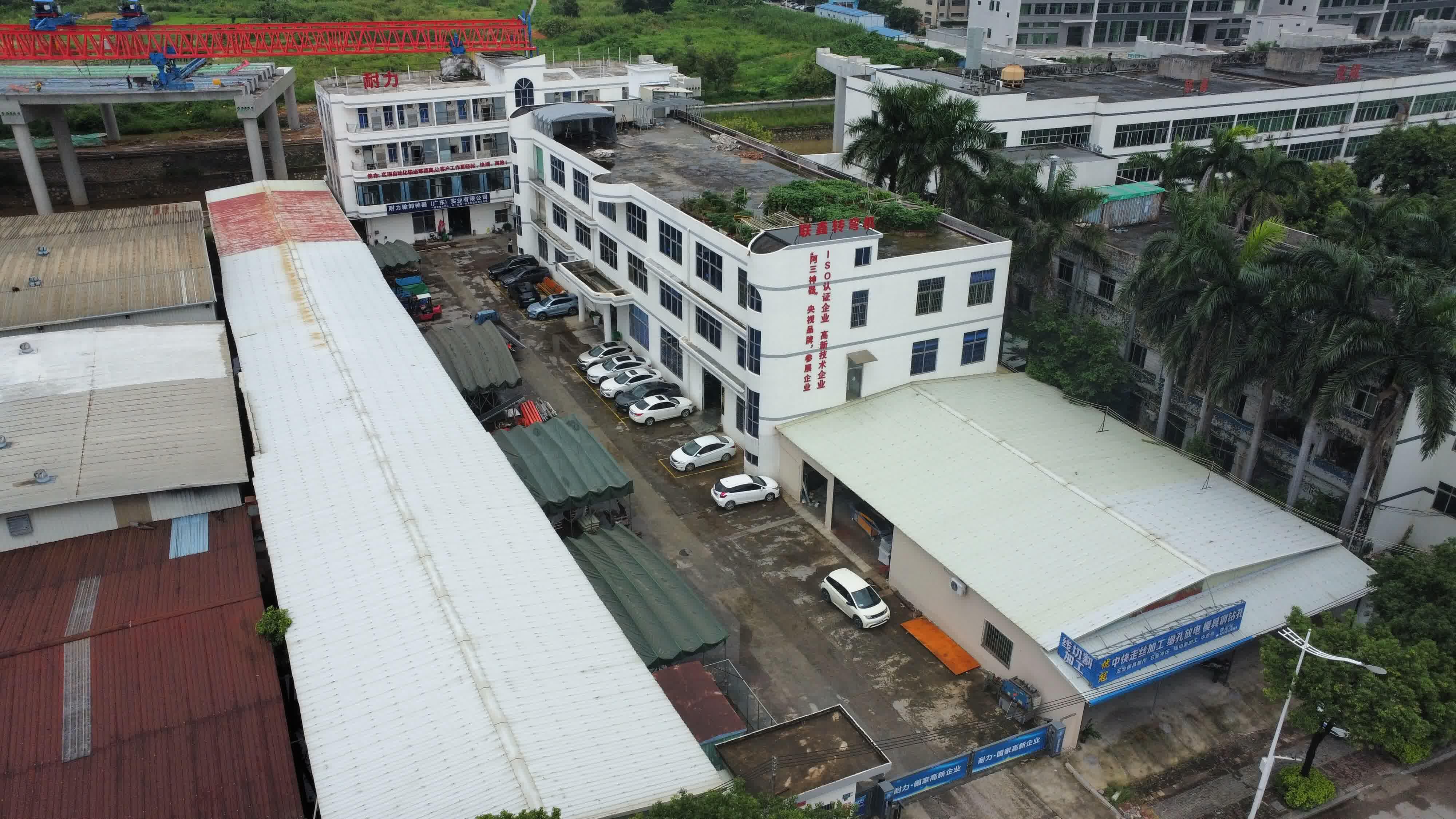
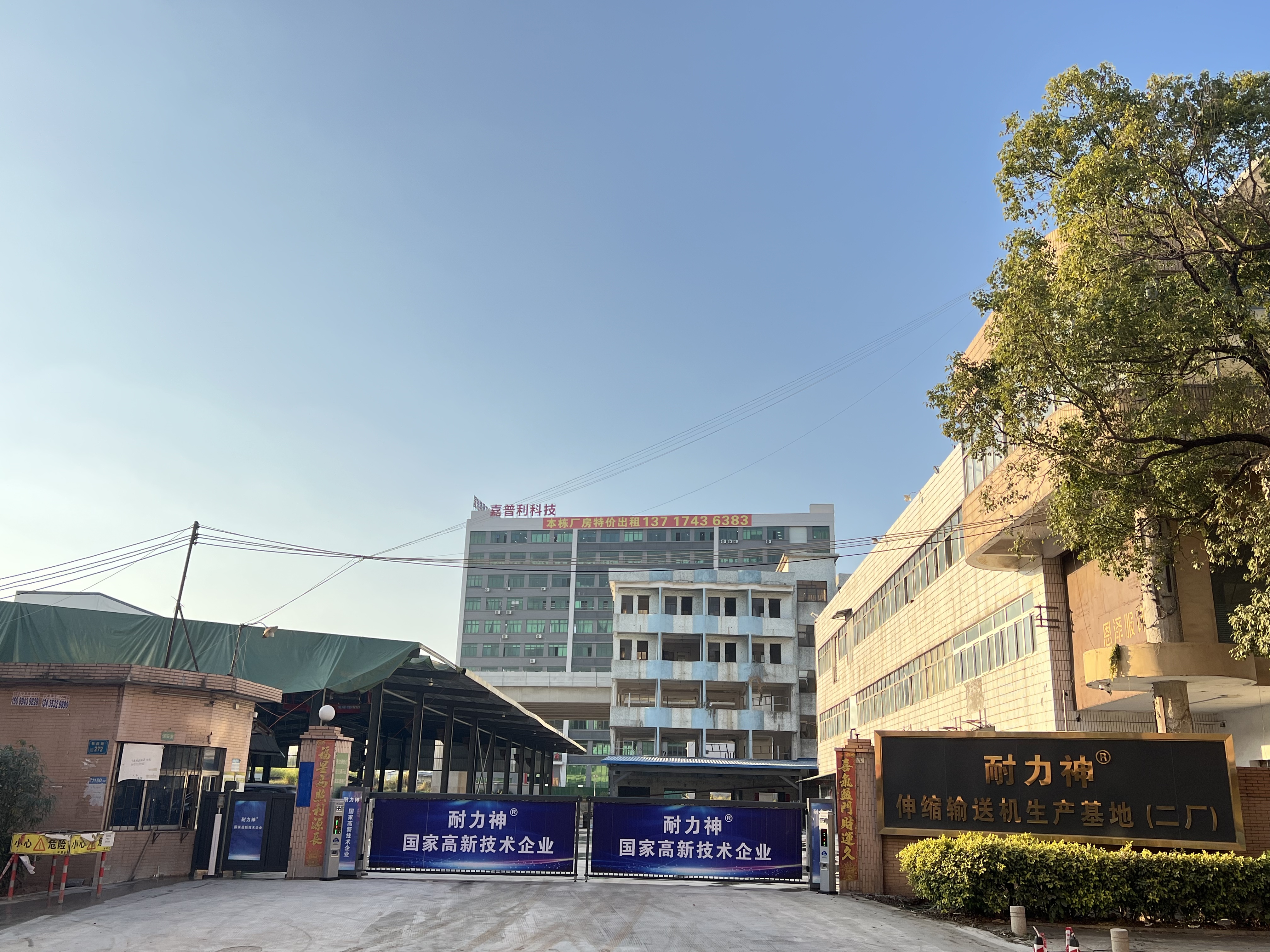
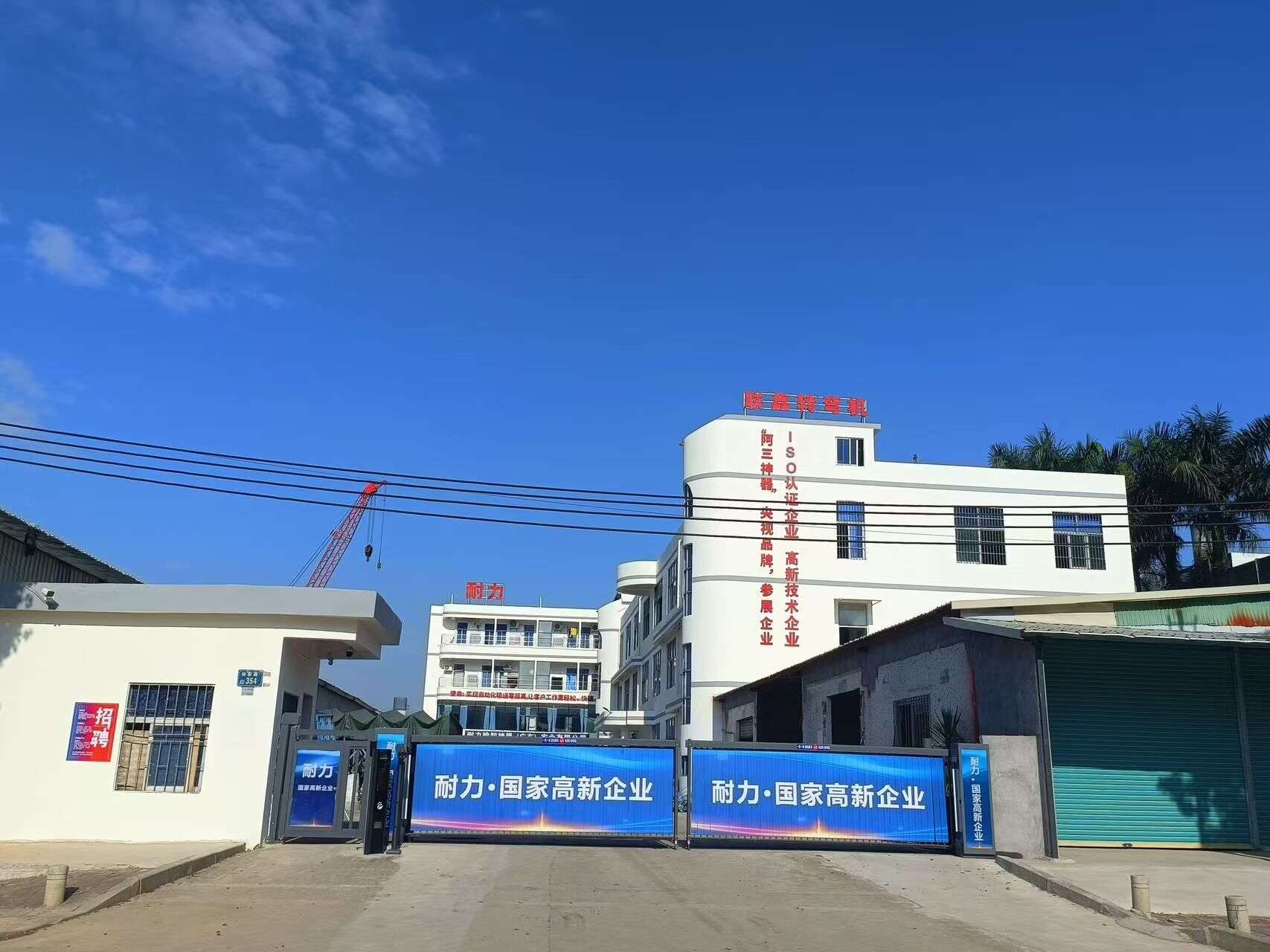
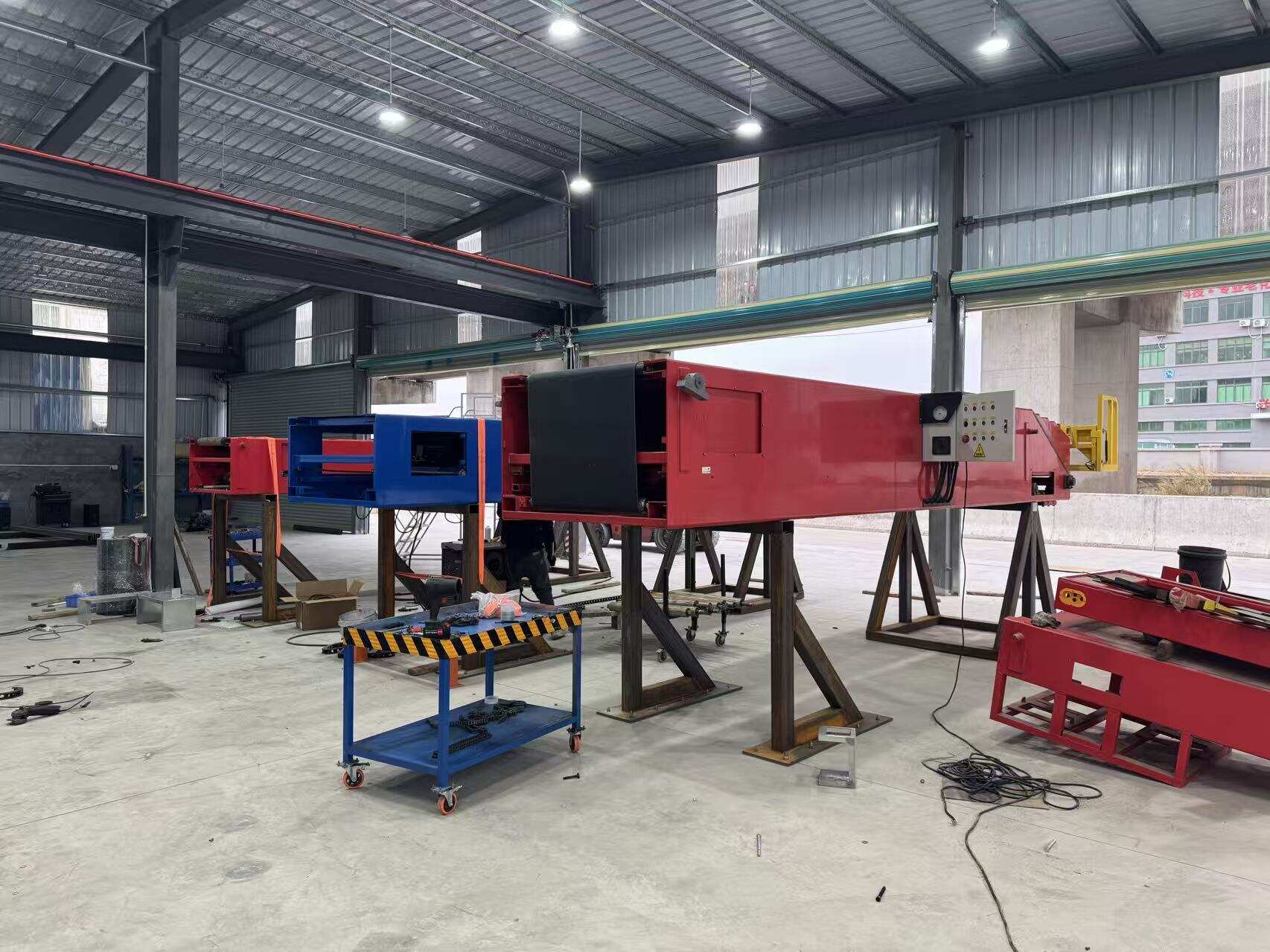
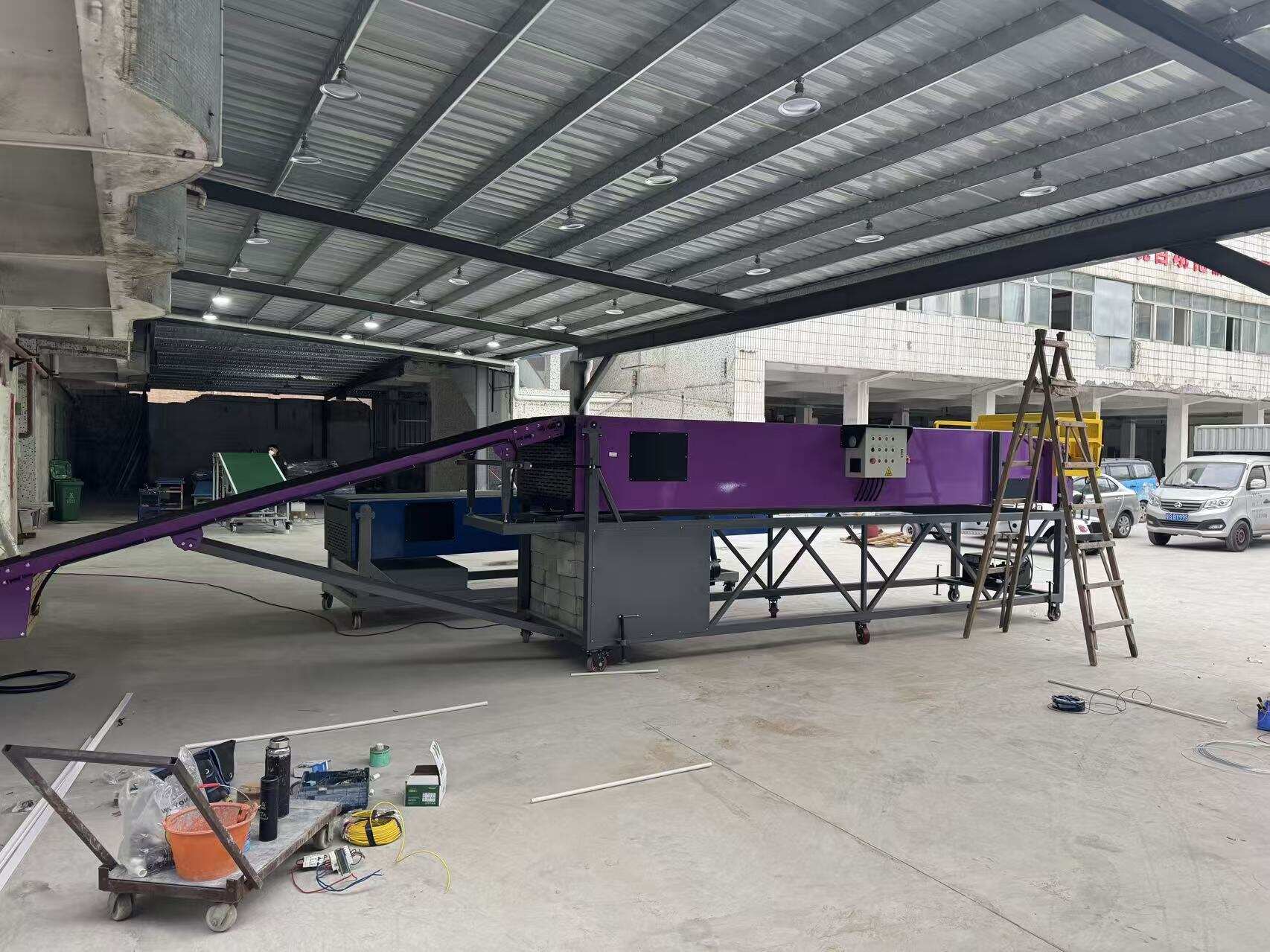
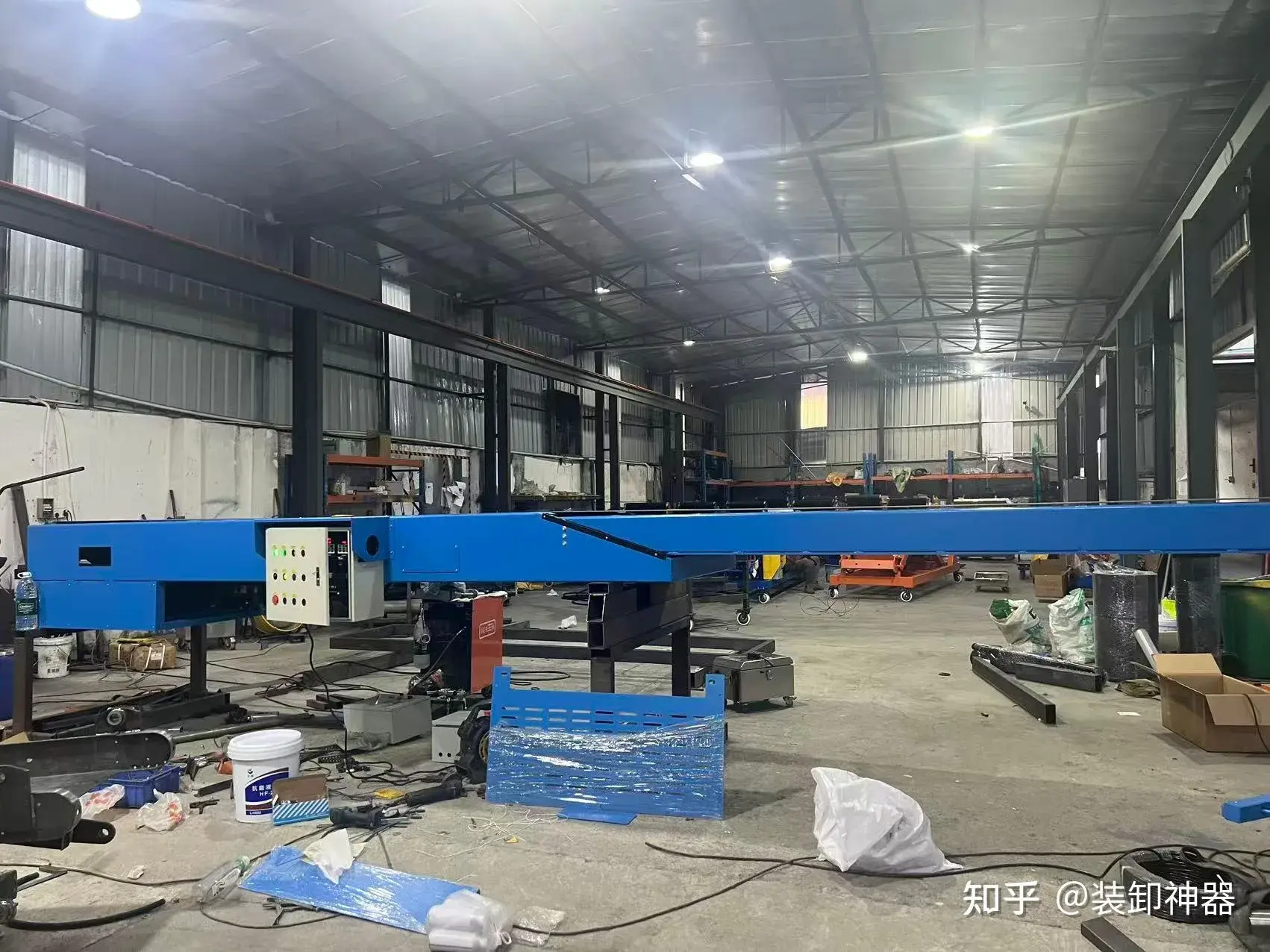
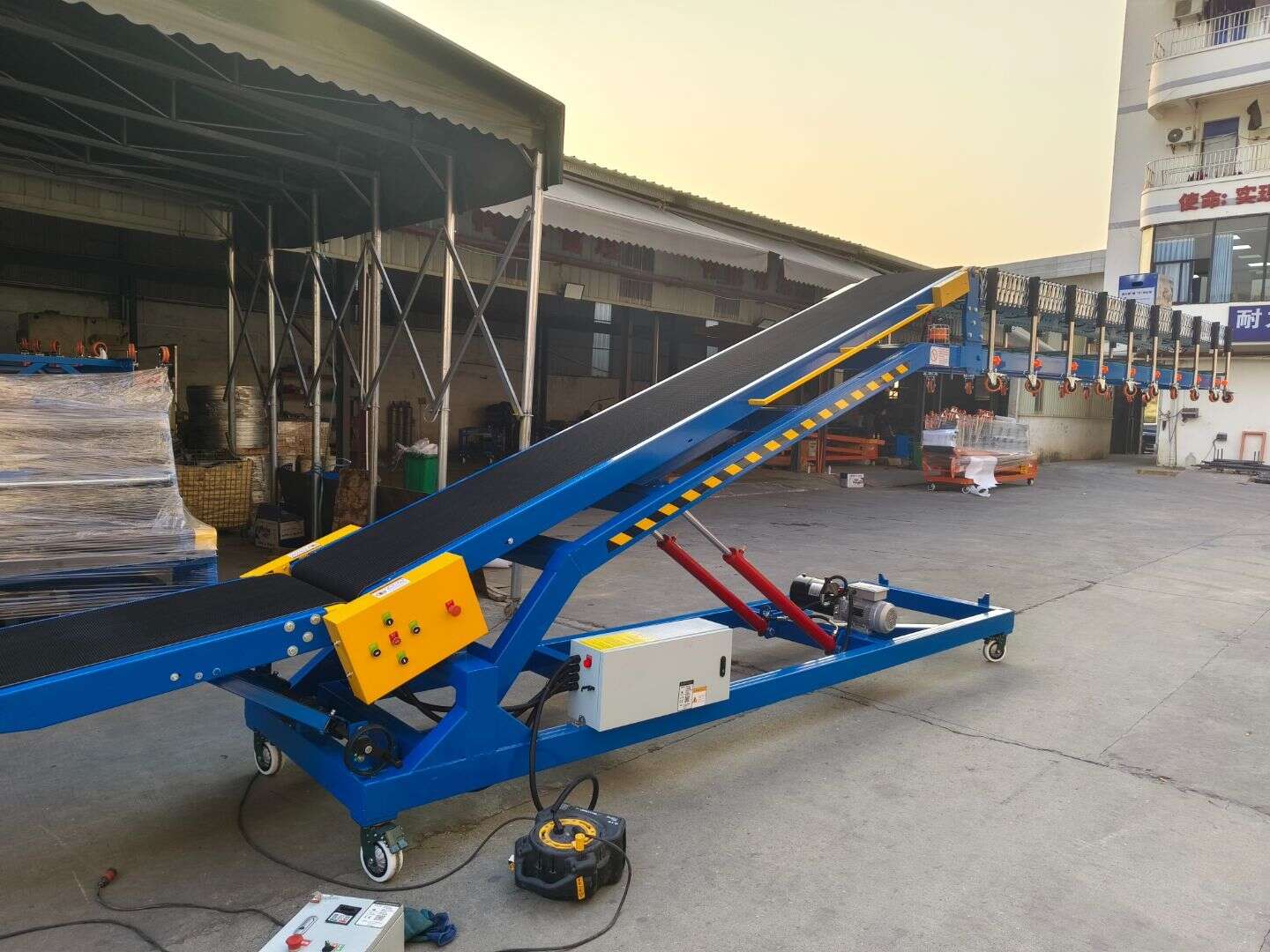
Naili Shuxie specializes in this kind of custom conveyor for specific operating conditions. Instead of using a generic template, it adjusts parameters based on the actual workshop situation. Power roller lines can be divided into heavy-duty chain versions and quiet rubber-covered versions, which can be matched to heavy hardware and lightweight electronic parts respectively; Hydraulic Conveyor addresses dock lifting issues such as sticking, vibration, and oil leakage through a reinforced cushioning structure; and the telescopic belt conveyor emphasizes wear resistance and tensile strength, making it more suitable for continuous high-volume warehouse outbound shipping.
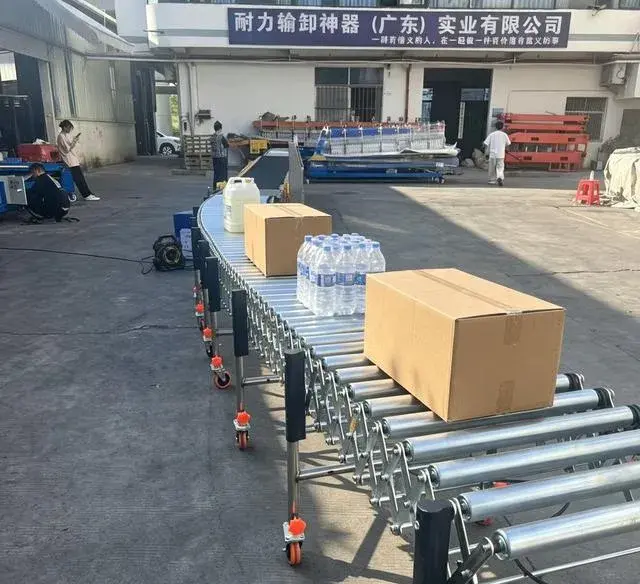
From materials to after-sales service, the focus is on reducing downtime losses
In terms of configuration, this type of equipment uses thickened national-standard steel, with core components selected from industrial standard parts. Before leaving the factory, it also undergoes long-duration full-load durability testing to ensure stable operation. During installation, professionals will visit on site for commissioning, making every effort to help the equipment adapt to the production pace as quickly as possible.
Follow-up service is also centered on "less downtime, " including lifetime inspections, fault repairs, and replacement parts, with the goal of identifying potential wear issues early, reducing the risk of unexpected shutdowns, and keeping workshop logistics running stably.
#source conveyor manufacturer# #conveyor# #roller conveyor# #telescopic belt conveyor#