Why do full-carton transfers always run into problems
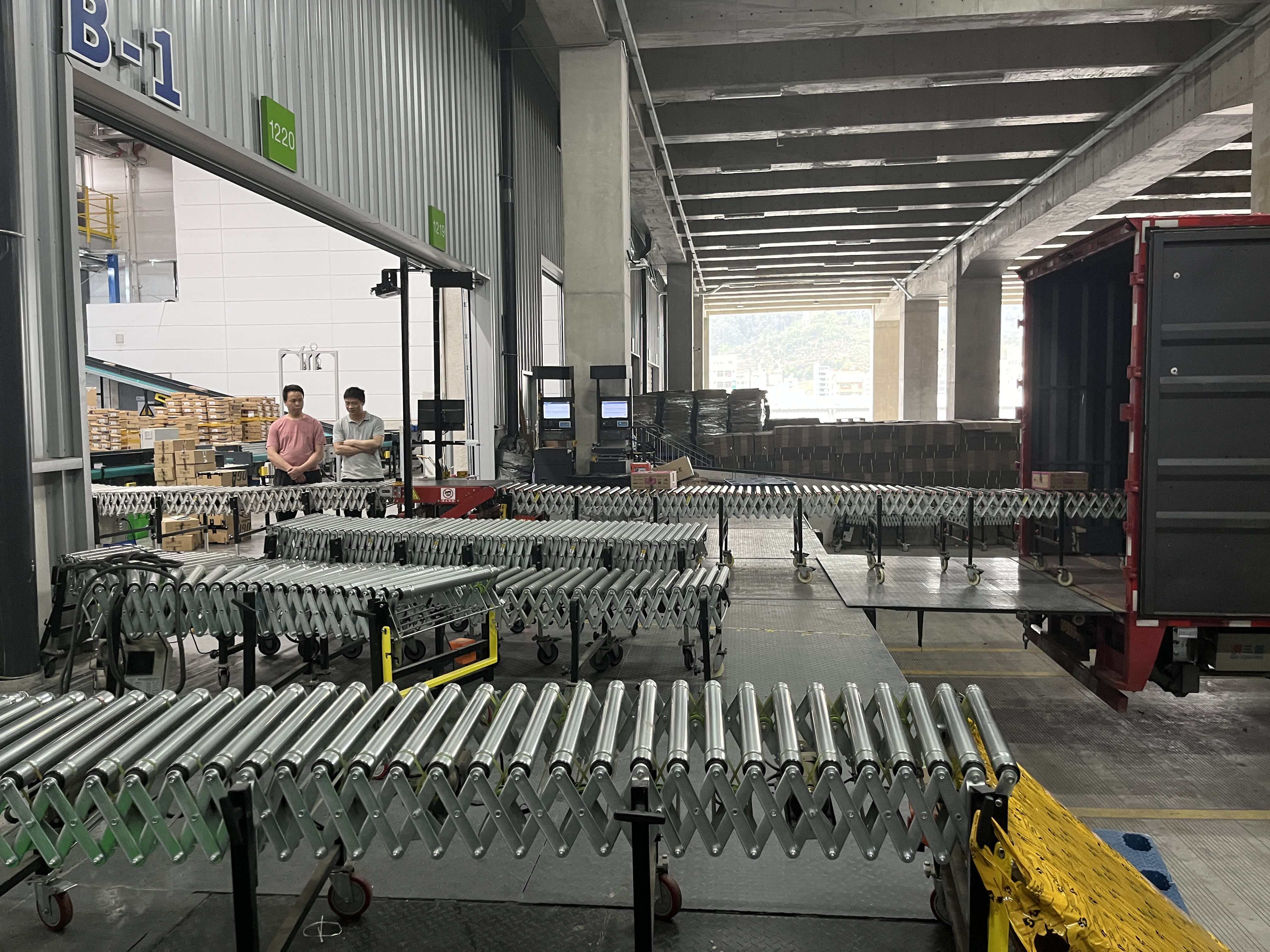
In industries such as food and daily chemicals, home appliances and auto parts, e-commerce warehousing, light manufacturing, and everyday goods, common full-carton finished-goods inbound and outbound handling, full-truck loading and unloading, and batch transfer usually involve uniform specifications, neat stacking, large circulation volumes, and high operating frequency. These working conditions are well suited to long-term, continuous mechanized operation and are directly related to warehousing turnover efficiency and finished-goods delivery quality.
But in actual applications, many companies are still using traditional standard telescopic belt conveyors. Due to insufficient transmission stability, a relatively smooth contact surface, and low friction, problems such as cargo pileups, conveying interruptions, and carton drift or misalignment are likely to occur during large-volume full-carton outbound operations. These issues are even more pronounced for laminated cartons, smooth packaging cartons, and printed gift boxes.
What key pain points does the Multi-Wedge Belt Telescopic Roller Conveyor solve
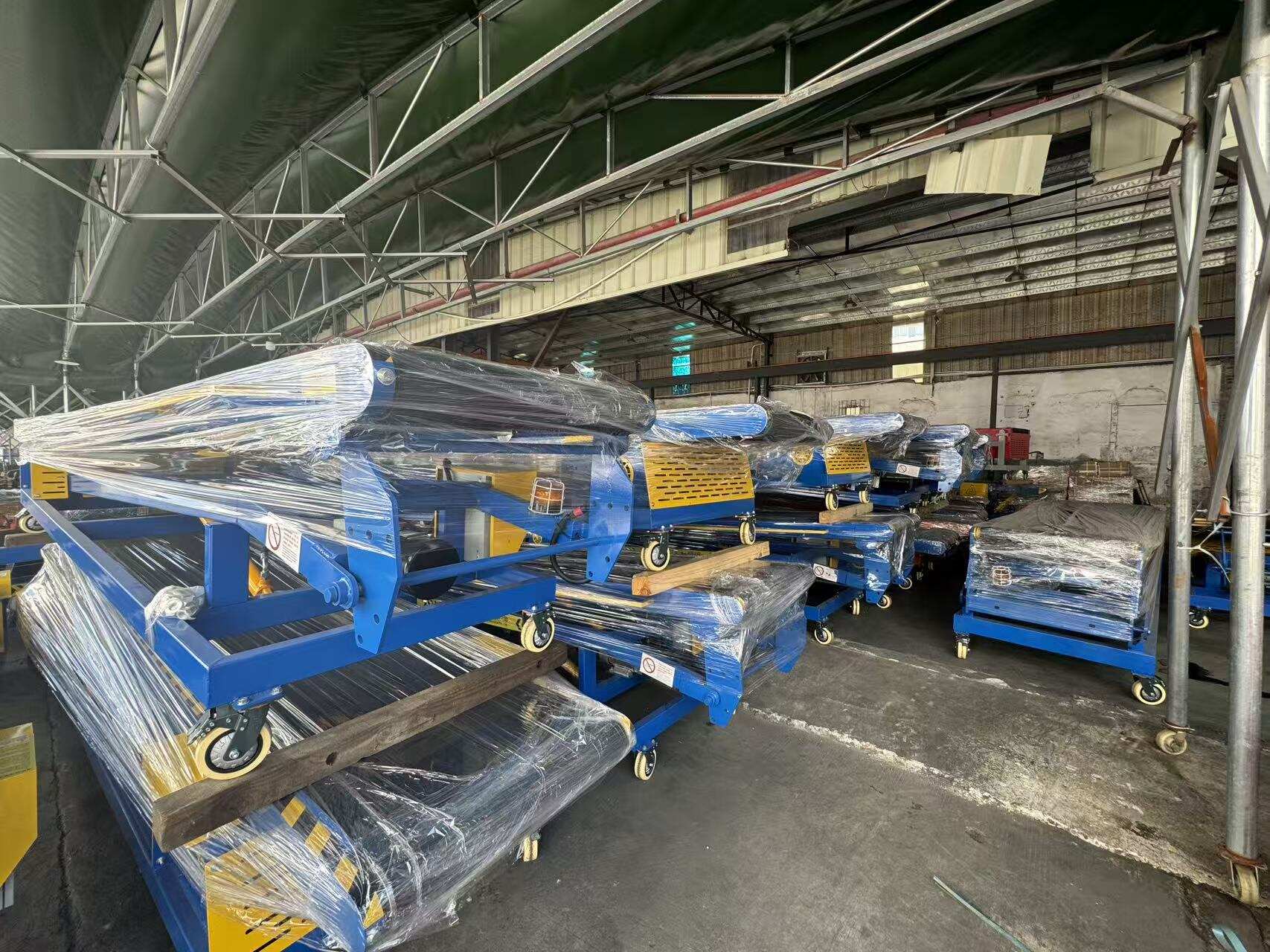
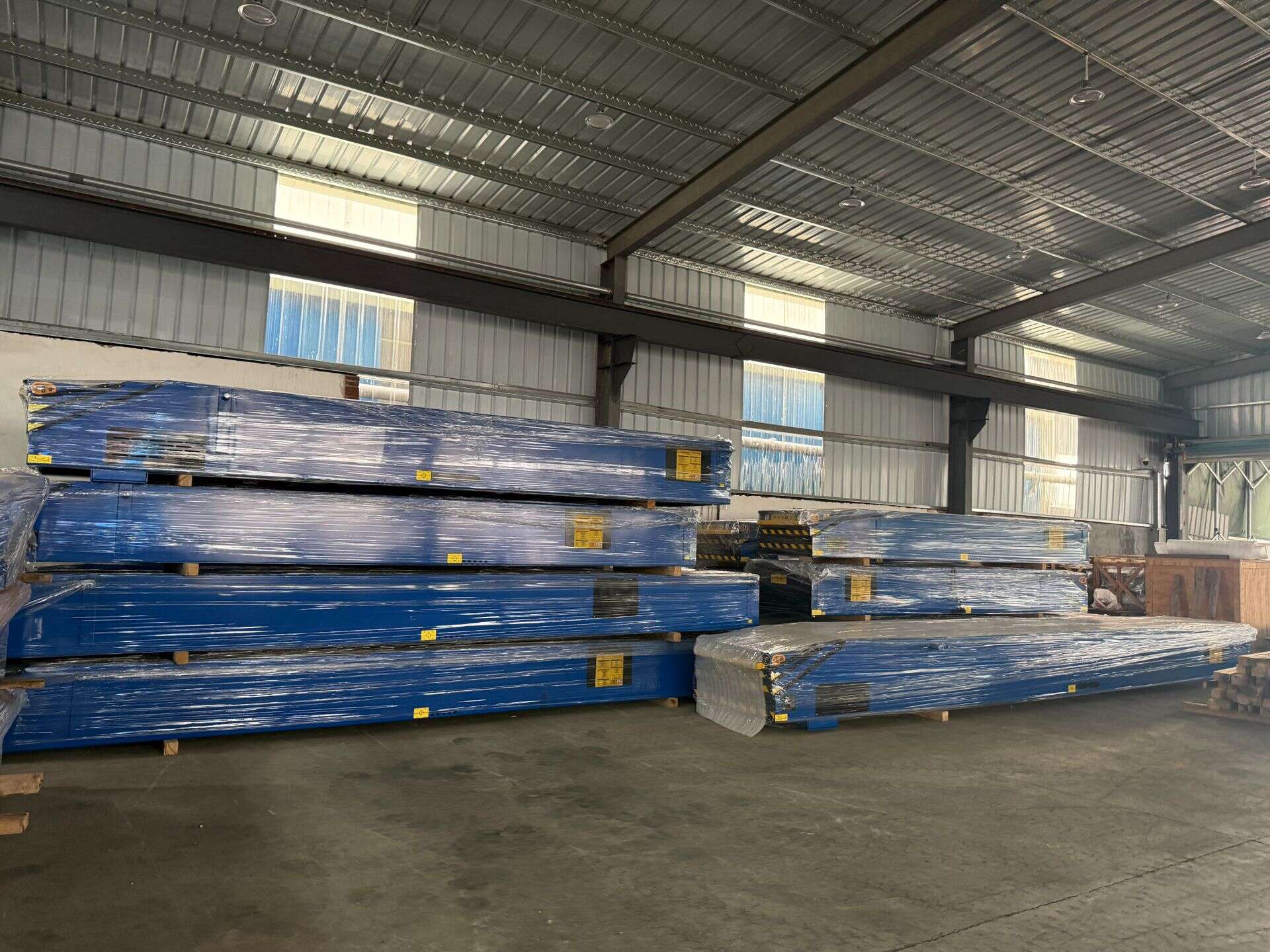
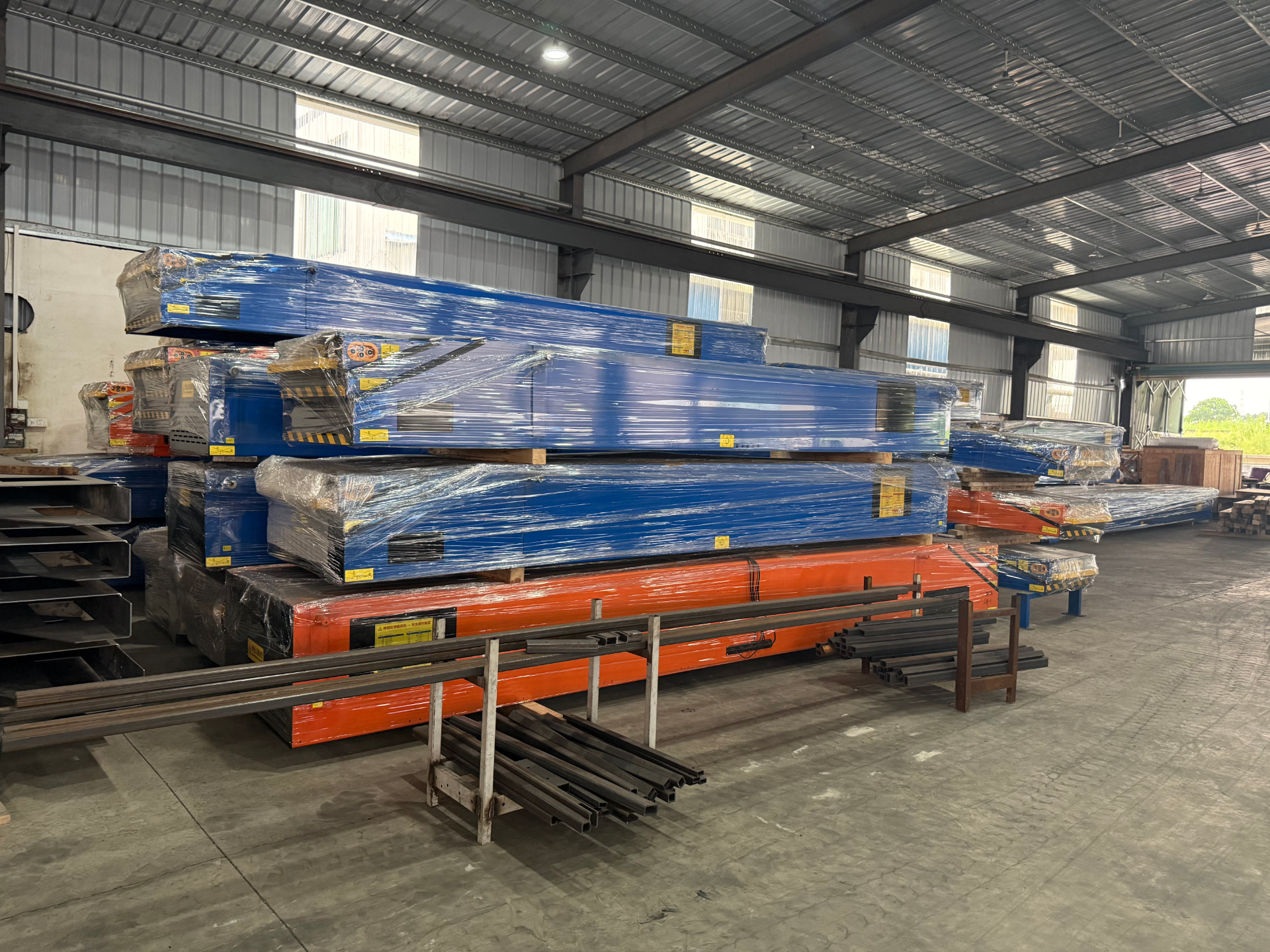
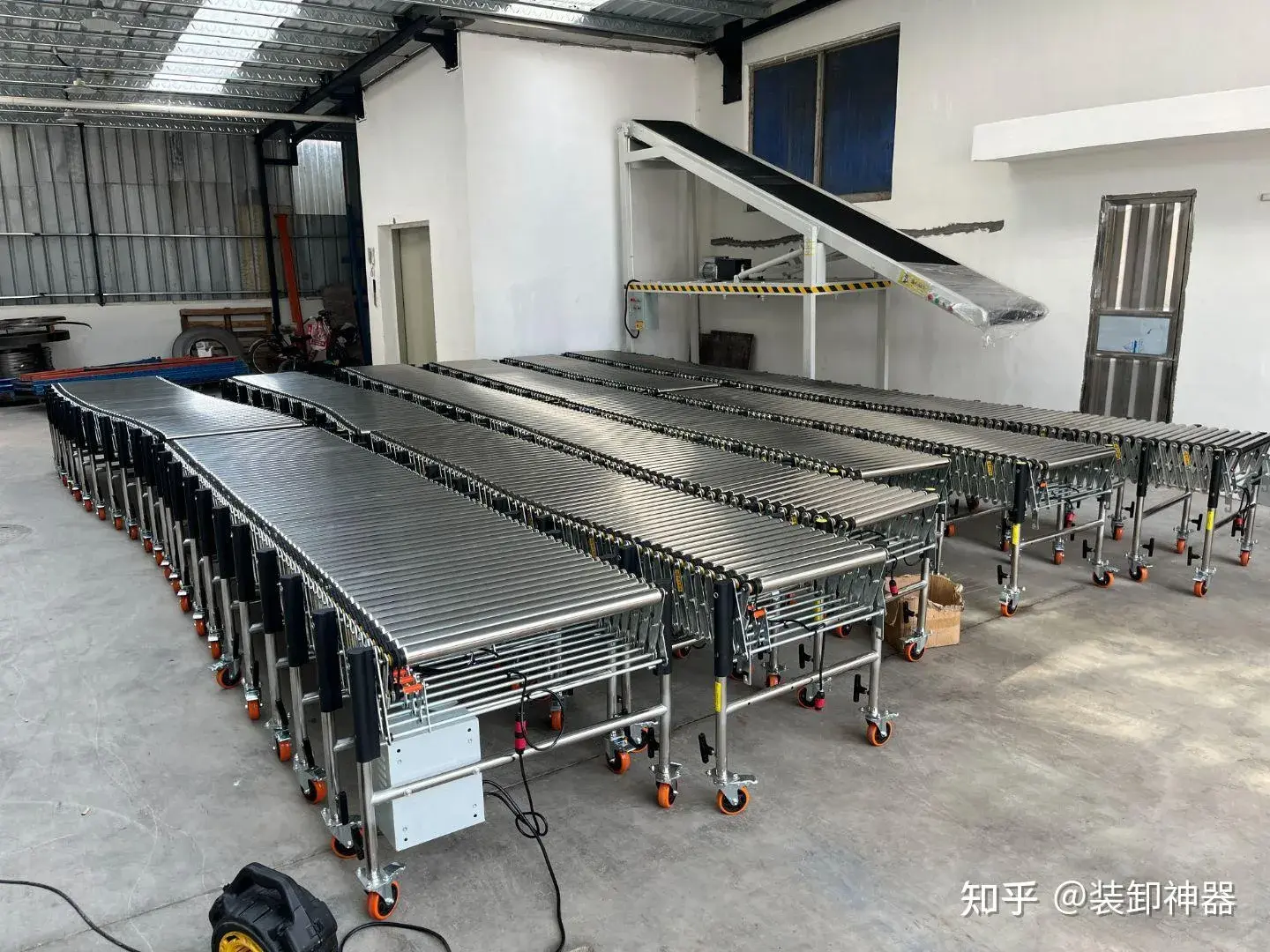
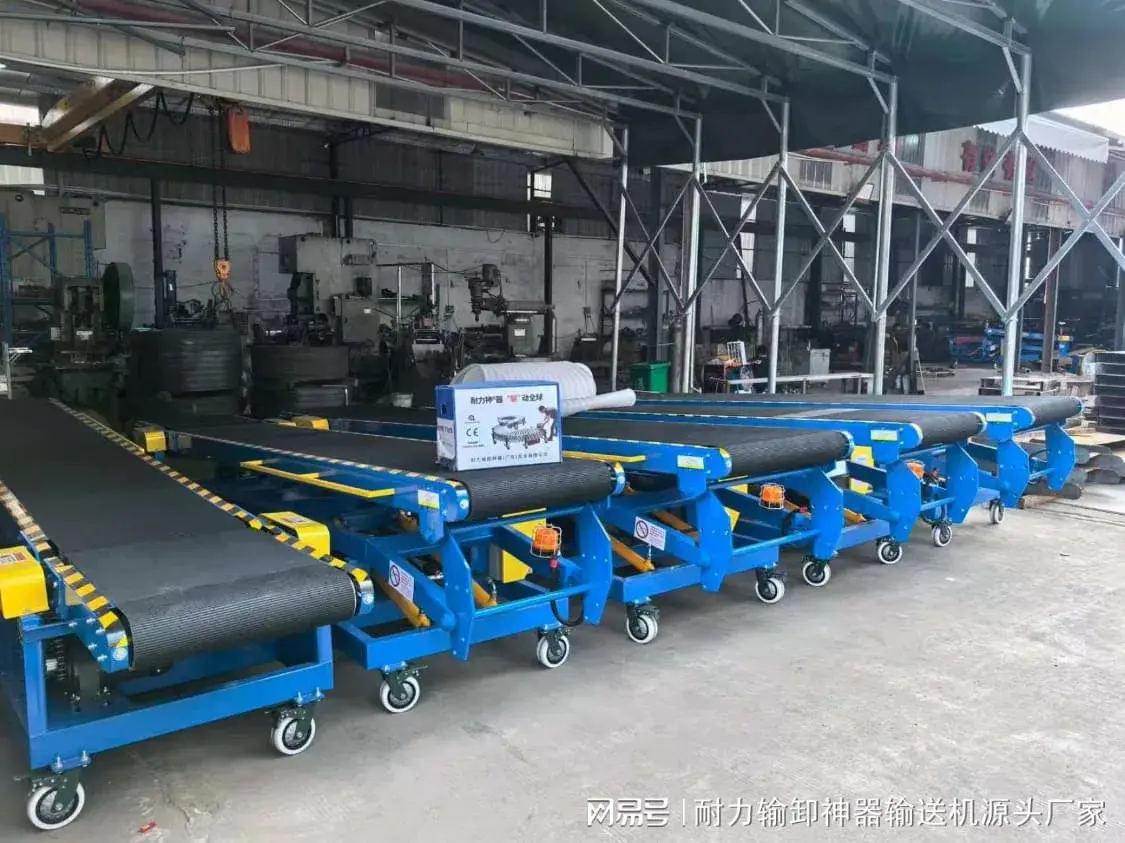
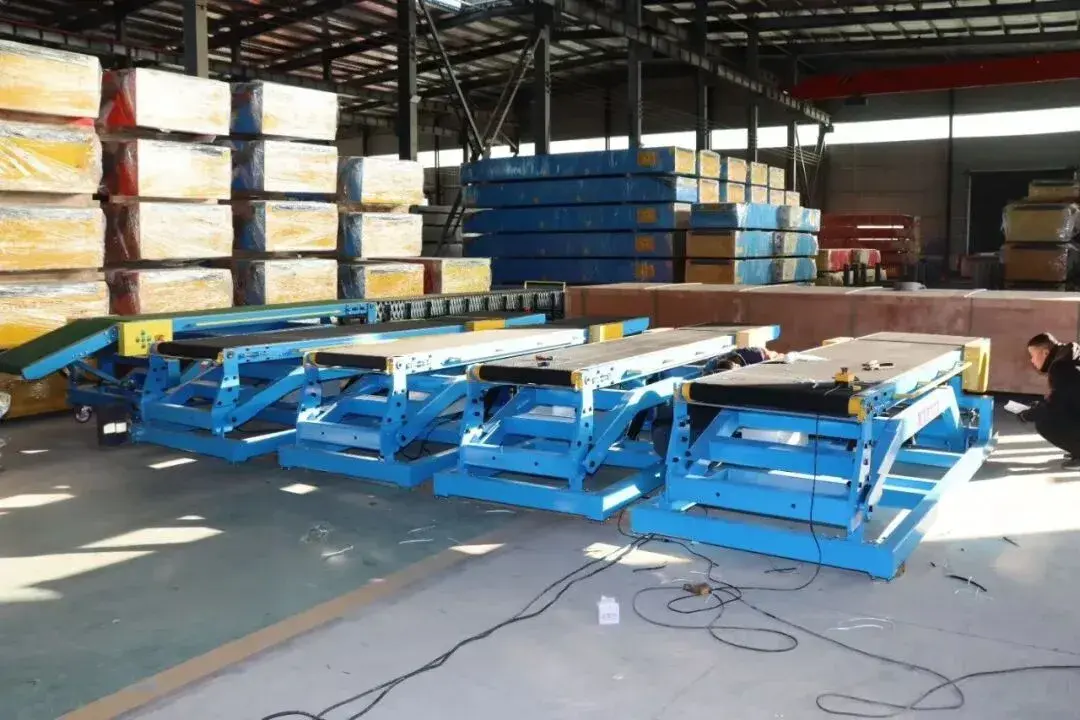
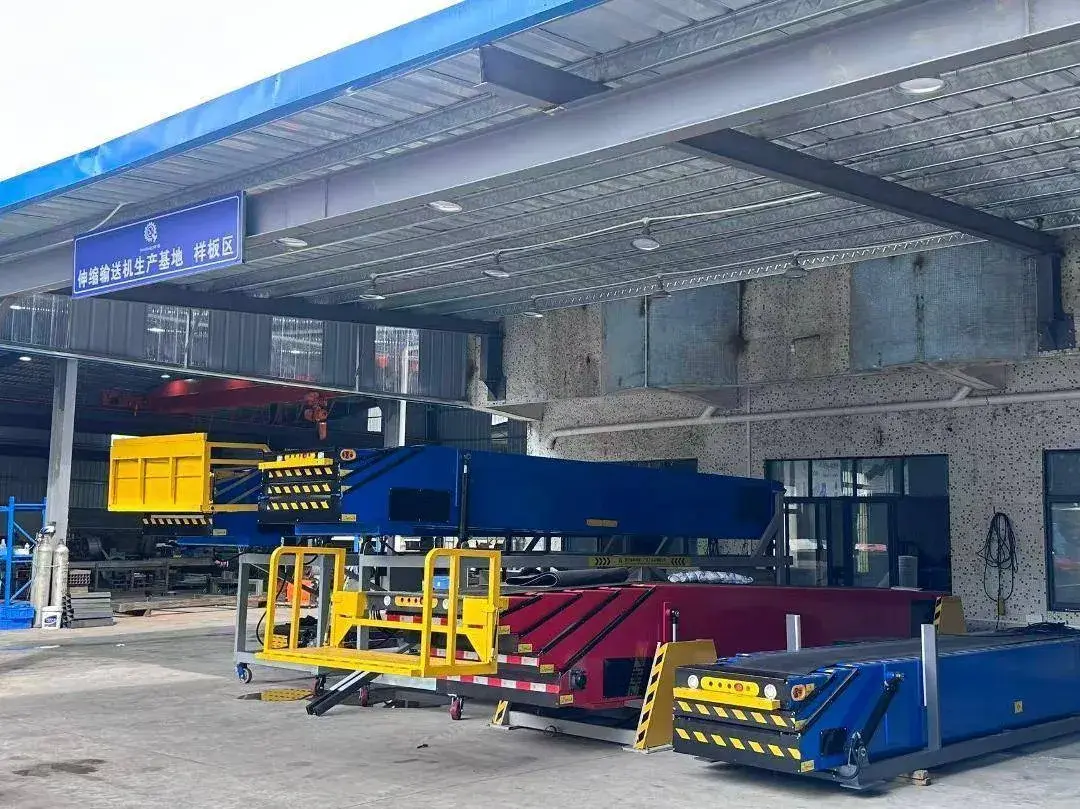
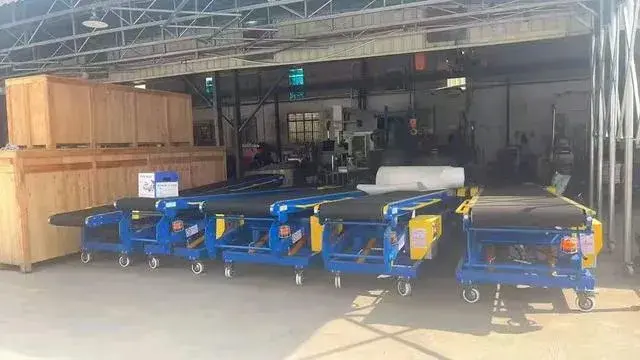
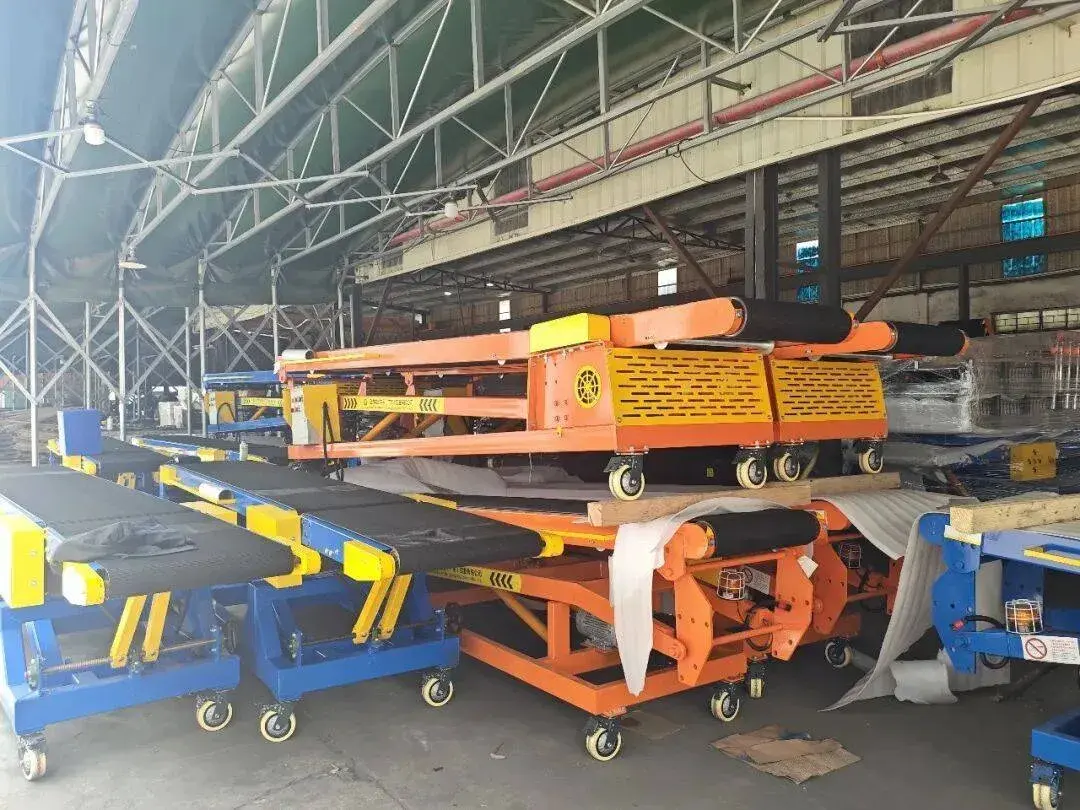
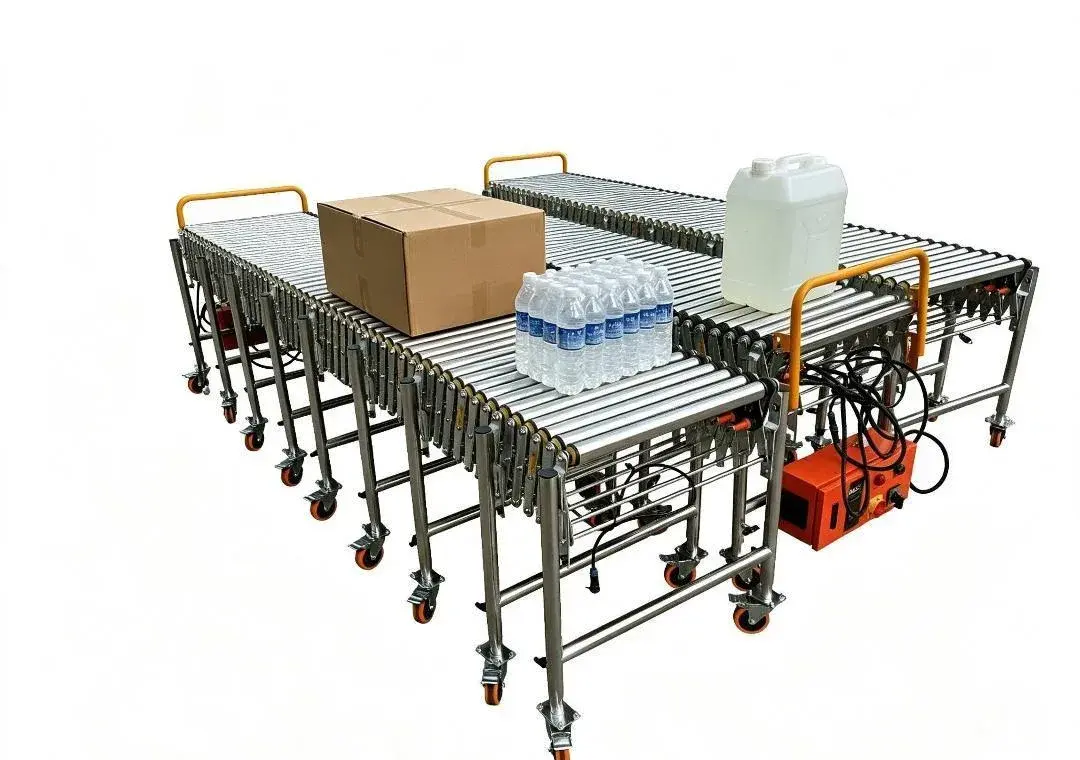
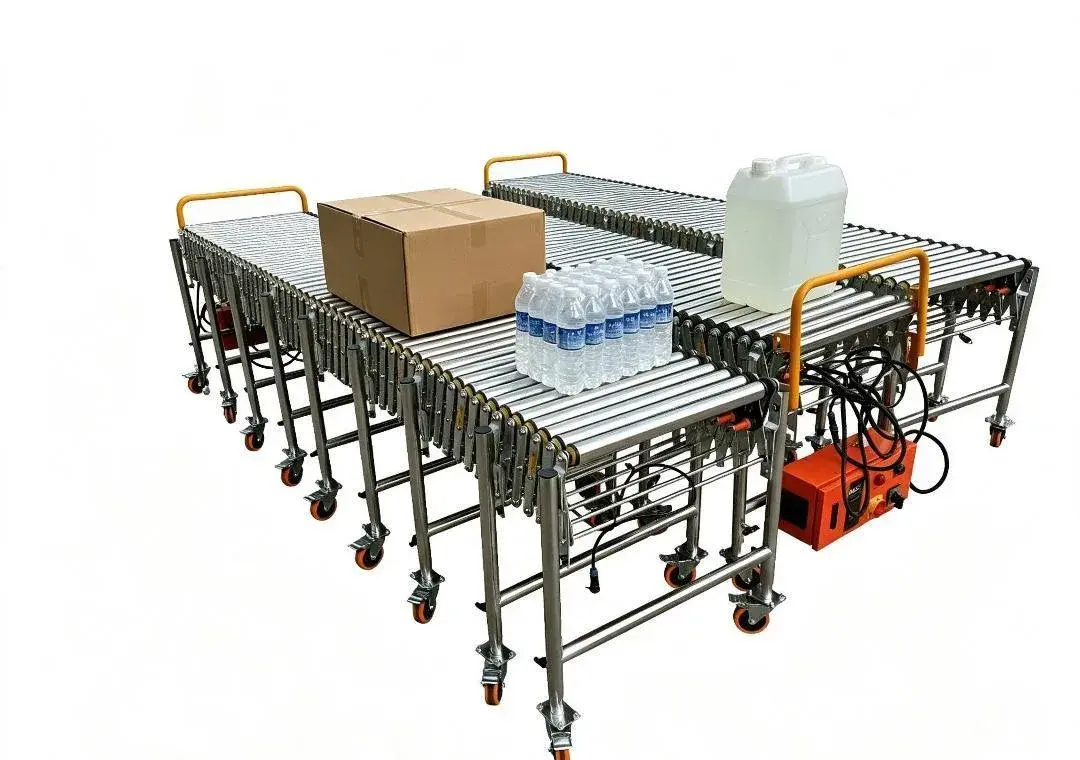
For full-carton material transfer scenarios, Naili Unloading Artifact (Guangdong) Industrial Co., Ltd. optimized the mechanical structure of the Multi-Wedge Belt Telescopic Roller Conveyor based on frontline operating experience, making it better suited to high-frequency, continuous work with regular cartons.
The equipment uses a full-domain synchronous transmission system and maintains a uniform, stable speed during operation, with no speed deviation, mechanical impact, or stuttering. Ordinary cartons, laminated cartons, finished-goods packaging cartons, and gift box cartons can all flow in an orderly manner, reducing pileups, carton collisions, compression damage, and conveying interruptions while helping preserve carton integrity and lowering the risk of batch cargo damage.
How friction, telescoping capability, and vehicle compatibility work together
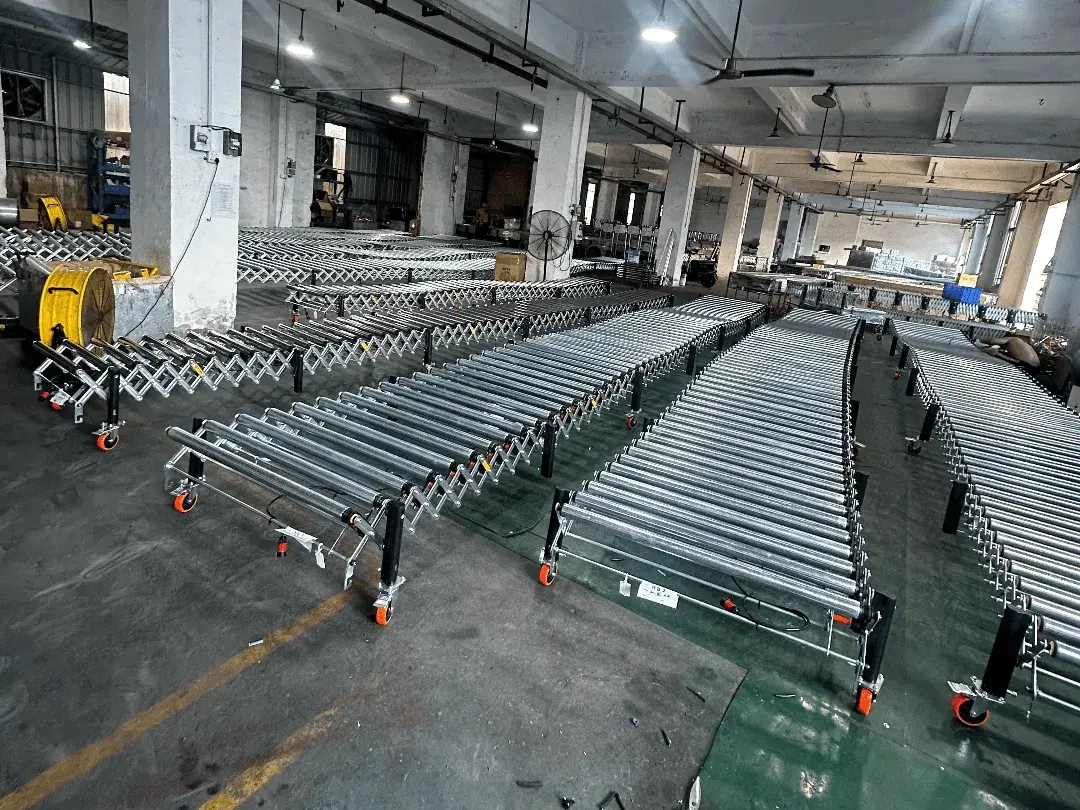
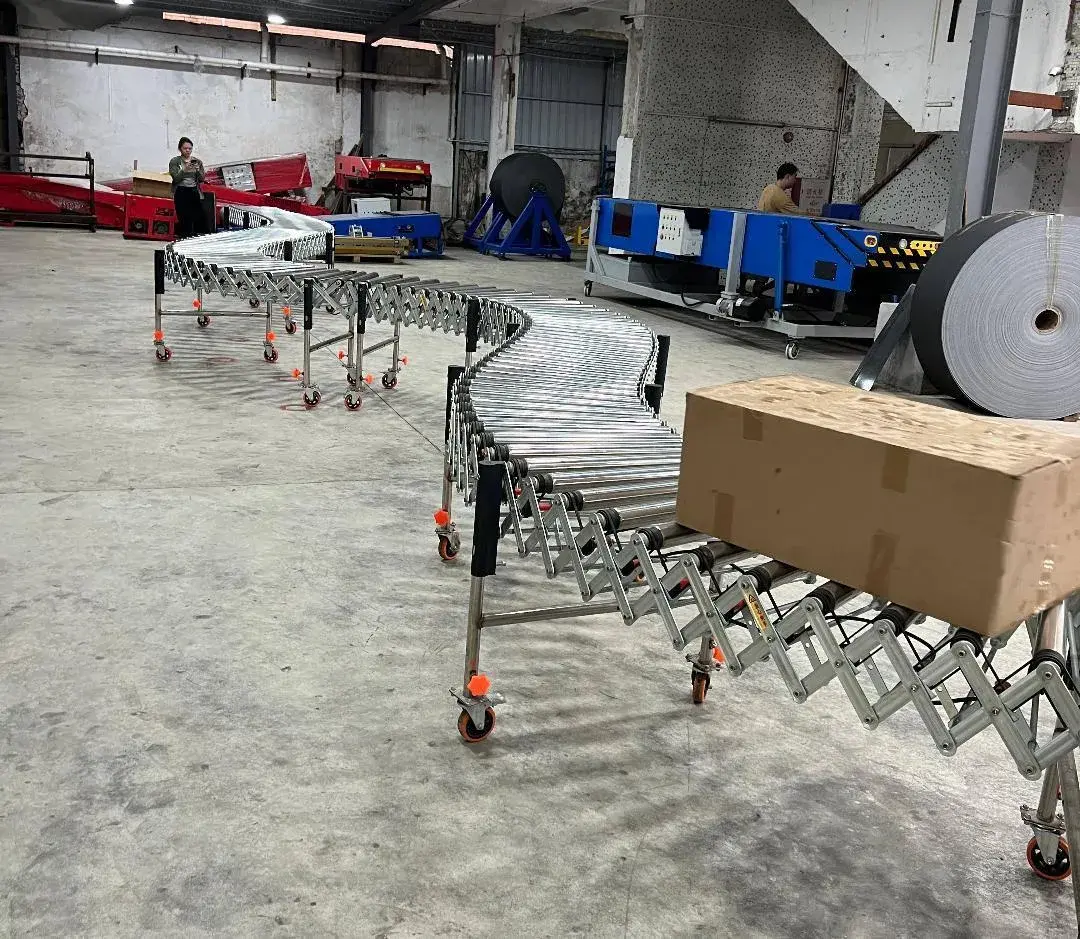
The equipment is fitted with thickened, wear-resistant rubber-covered rollers, which provide more even and sufficient contact-surface friction and help solve the problem of laminated cartons and smooth cardboard boxes slipping or drifting during conveying. Materials can remain centered and aligned throughout the conveying process, reducing slippage, misalignment, and edge- or corner-jamming, making it more suitable for high-intensity, large-volume full-carton outbound operations.
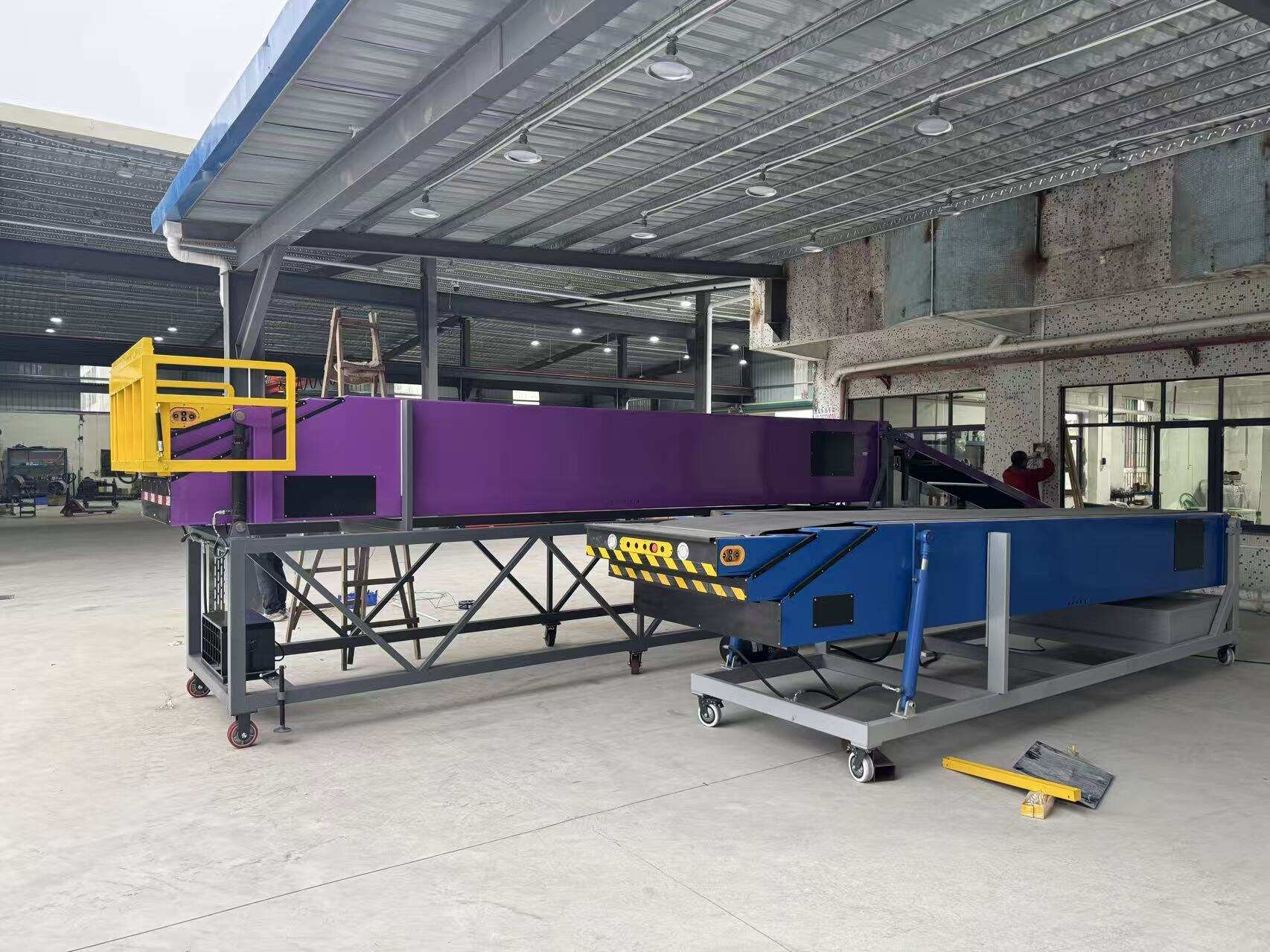
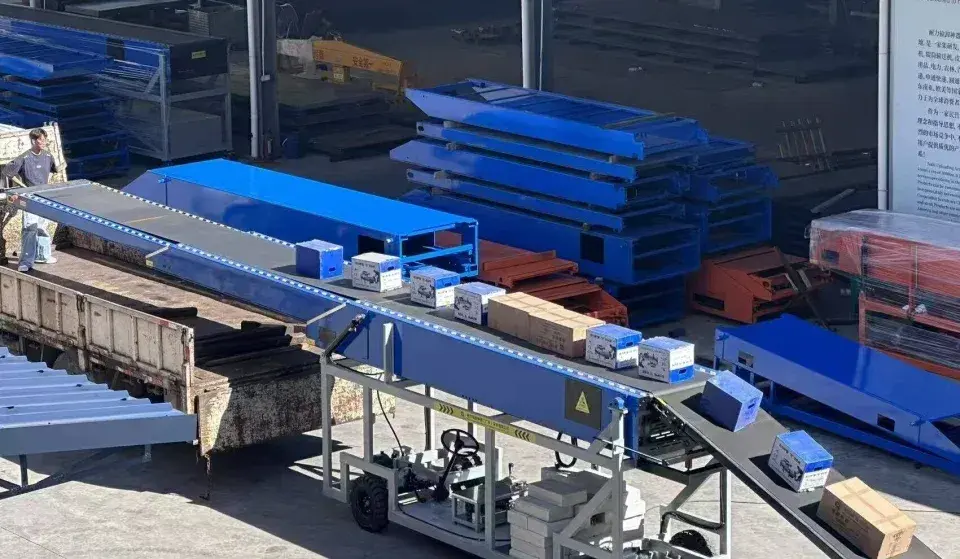
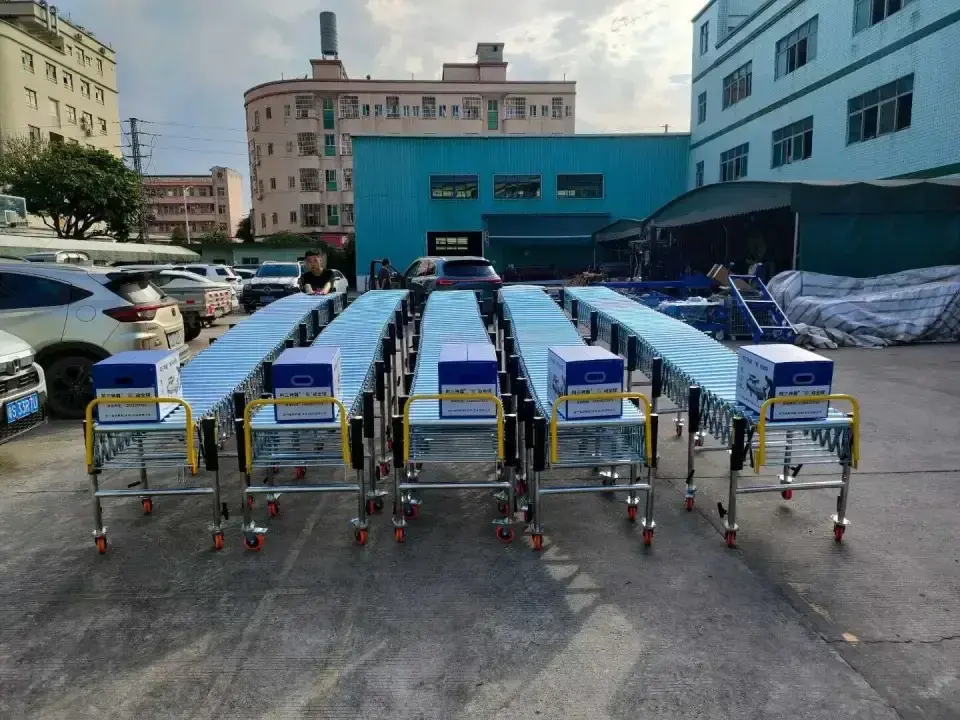
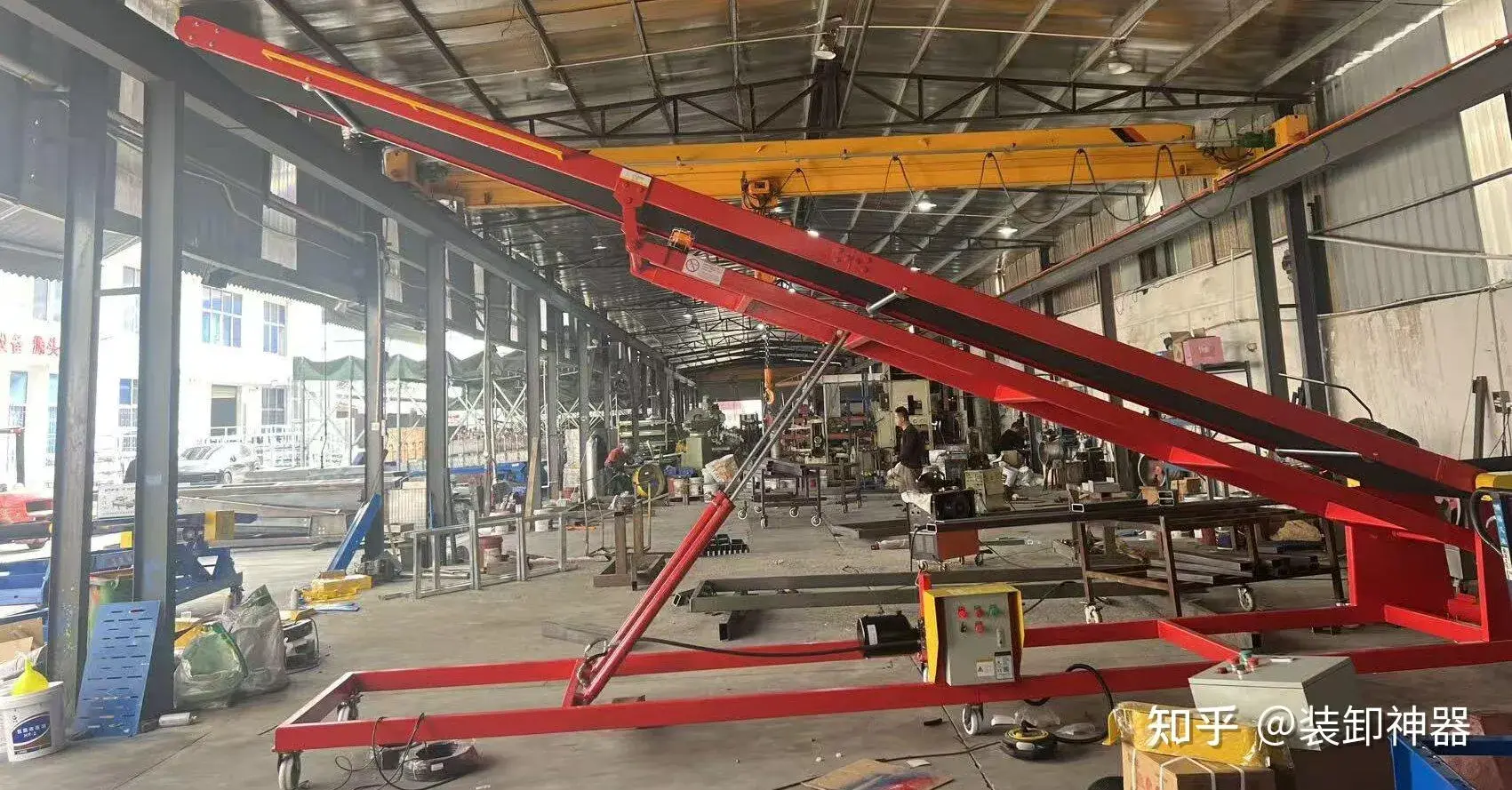
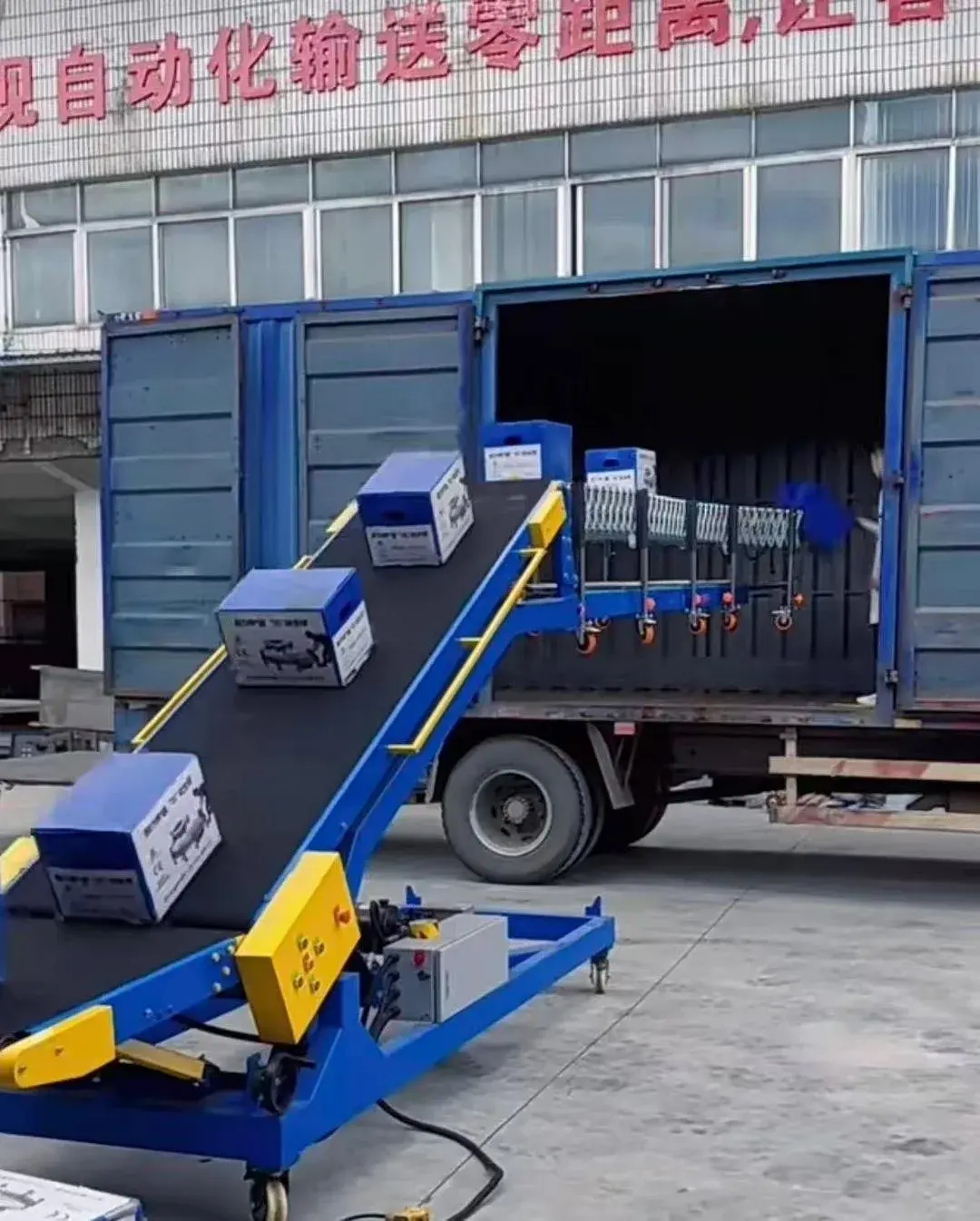
At the same time, the equipment supports dynamic extension, allowing the body to extend freely as loading progresses and reach deep into the truck compartment, creating a complete conveying route from the platform to the end of the trailer. In this way, the site no longer needs to rely on manual carton carrying, repositioning, and finishing support, and the traditional manual assistance model can be significantly streamlined.
In terms of adaptability, this equipment can be used for a variety of boxed materials such as cartons of different sizes, regular light and heavy boxed goods, laminated finished cartons, color boxes, and gift boxes, and it also meets full-vehicle loading and unloading needs for all common freight vehicle models on the market from 4.2 m to 9.6 m.
Which warehousing and manufacturing scenarios is it suitable for
For finished-goods warehousing and light manufacturing companies, stable conveying, efficient circulation, and low-damage handling are core needs in logistics operations. The value of the Multi-Wedge Belt Telescopic Roller Conveyor lies in its ability to fit the dedicated working conditions of full-carton material transfer and make up for the shortcomings of traditional equipment in terms of pileups, slippage, low efficiency, and high cargo damage rates.
In mechanized, standardized, and efficient loading and unloading processes, this type of equipment helps increase outbound throughput for warehouse full-carton goods, speed up turnover efficiency, and reduce carton impacts, uneven stacking, and scattered goods caused by manual handling and sorting, making operations more standardized and controllable.
With its stable, low-damage, and highly adaptable features, it has also become one of the preferred options for mechanized transfer of full-carton materials in the light manufacturing and warehousing industries, making it suitable for standardized logistics upgrades and cost optimization.