Naili Conveyor
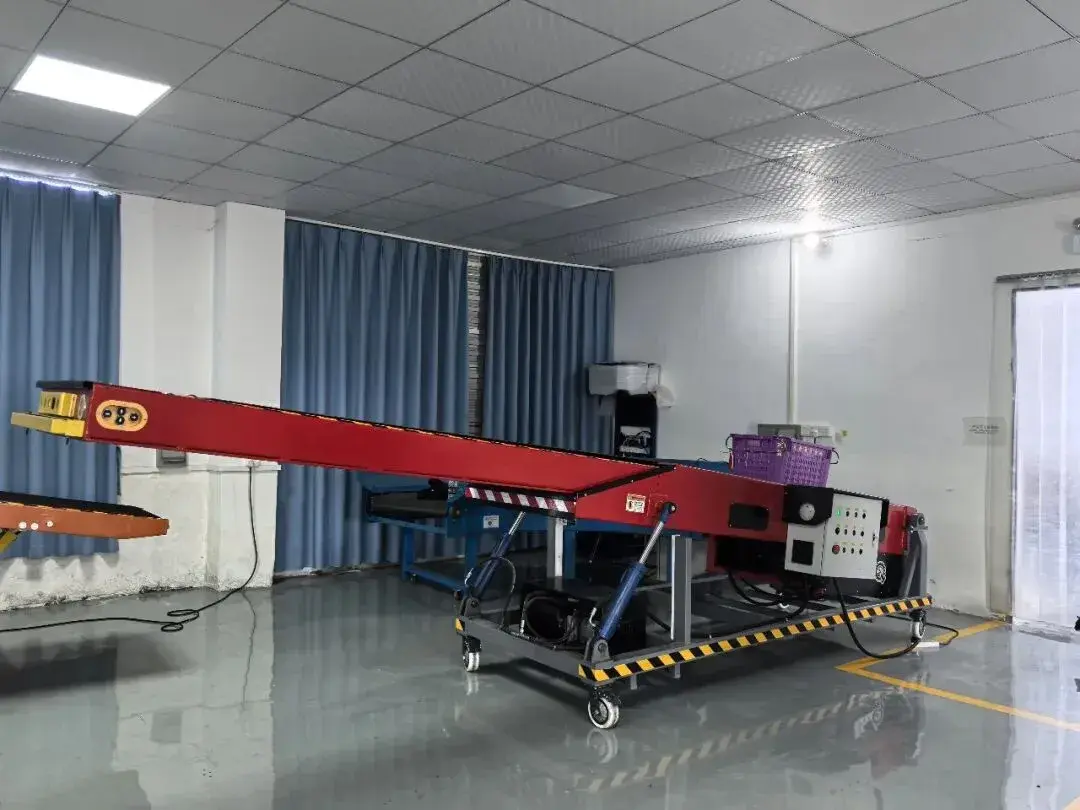
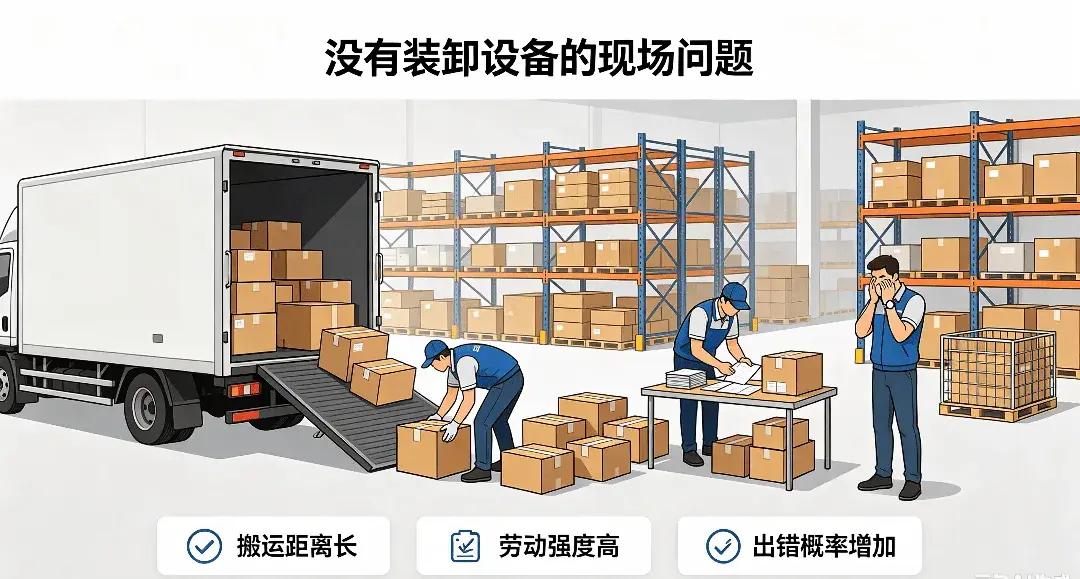
For most small and medium-sized warehouse facilities, the lack of fixed truck models is a common challenge in loading and unloading operations. Box trucks, high-sided trucks, and containers of different lengths need to be loaded and unloaded in turn, and the depth of the cargo compartment and docking position also change with the work arrangement. Fixed conveyor line lengths cannot be adjusted, which can easily lead to problems such as equipment failing to connect effectively and taking up too much space. In some steps, manual transfer is still needed, which in turn affects loading and unloading efficiency and increases labor costs and the risk of cargo damage.
Telescopic Conveyors Adapt to Loading and Unloading of Multiple Vehicle Types
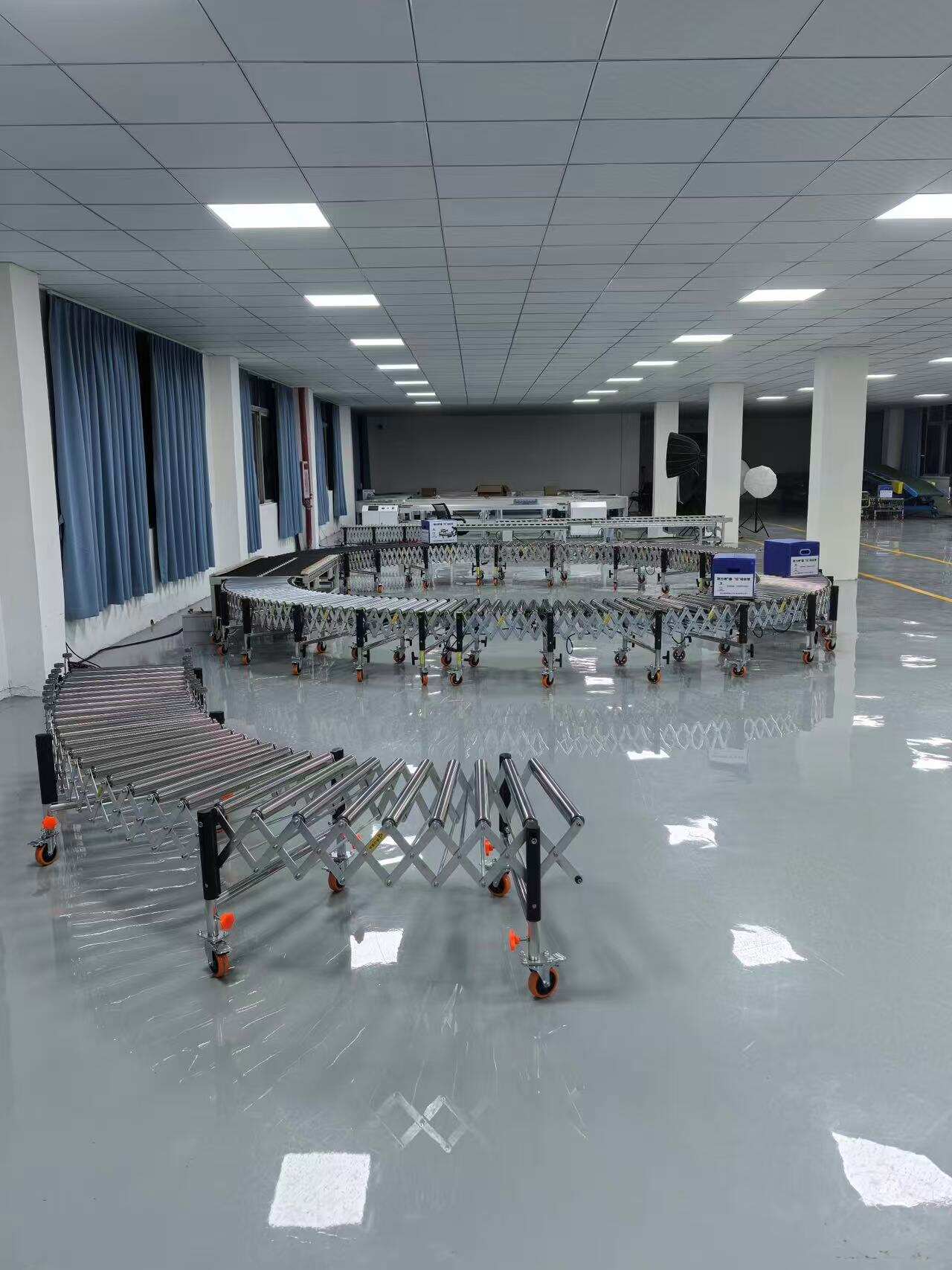
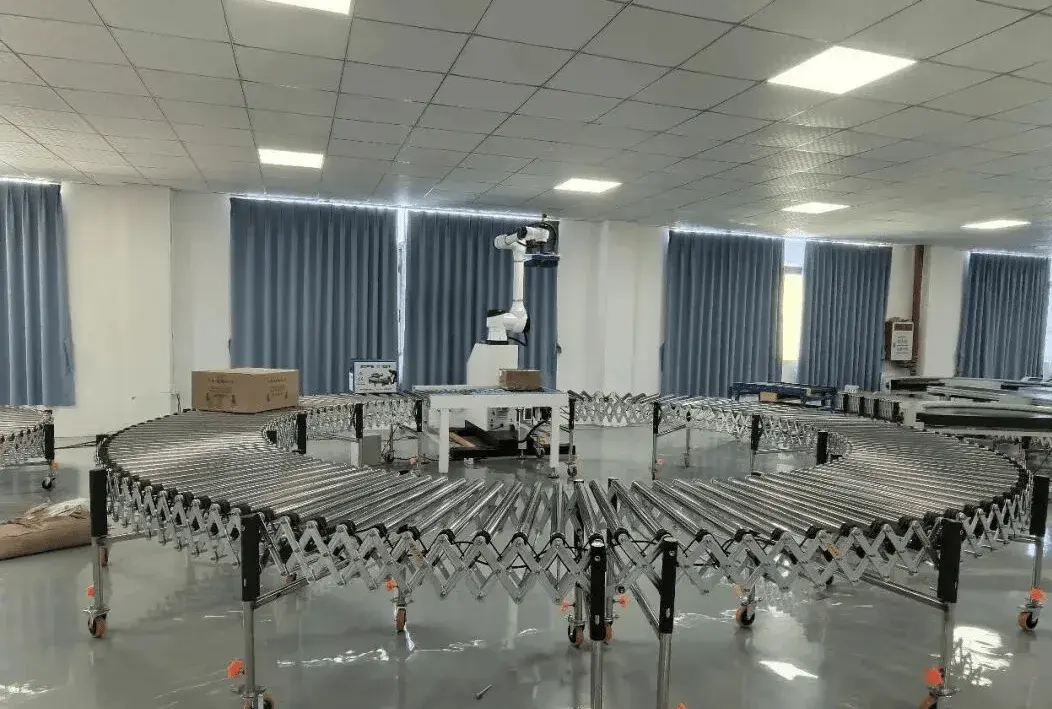
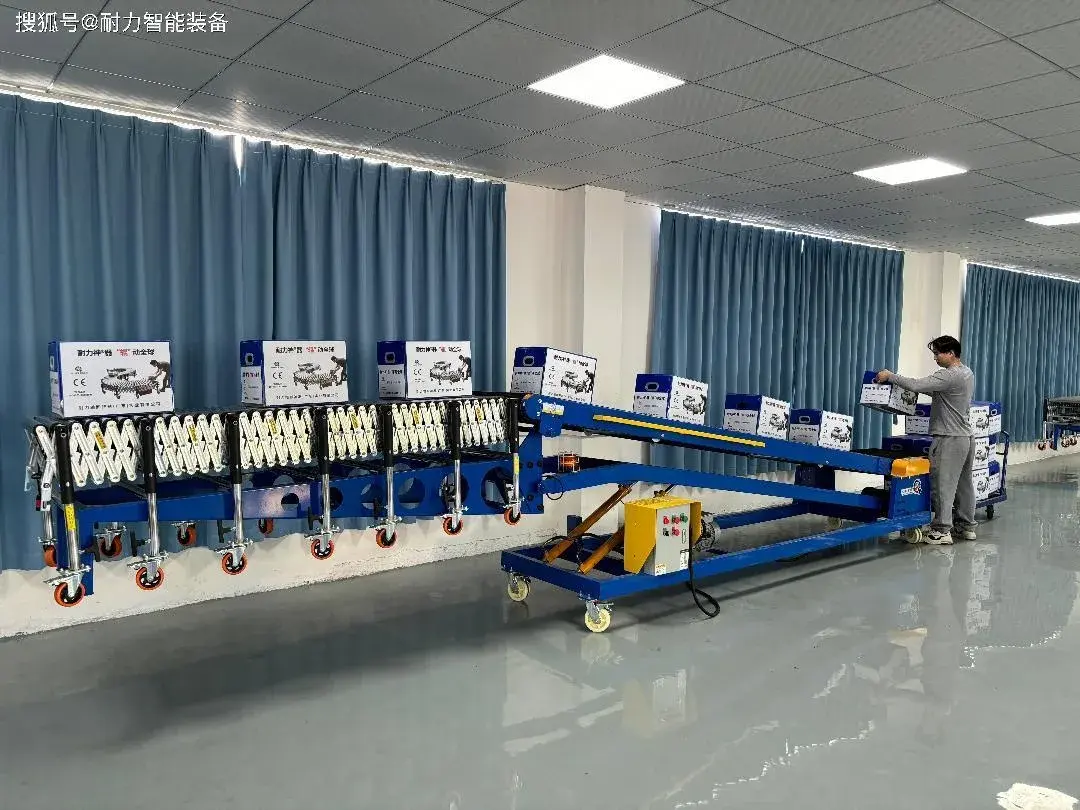
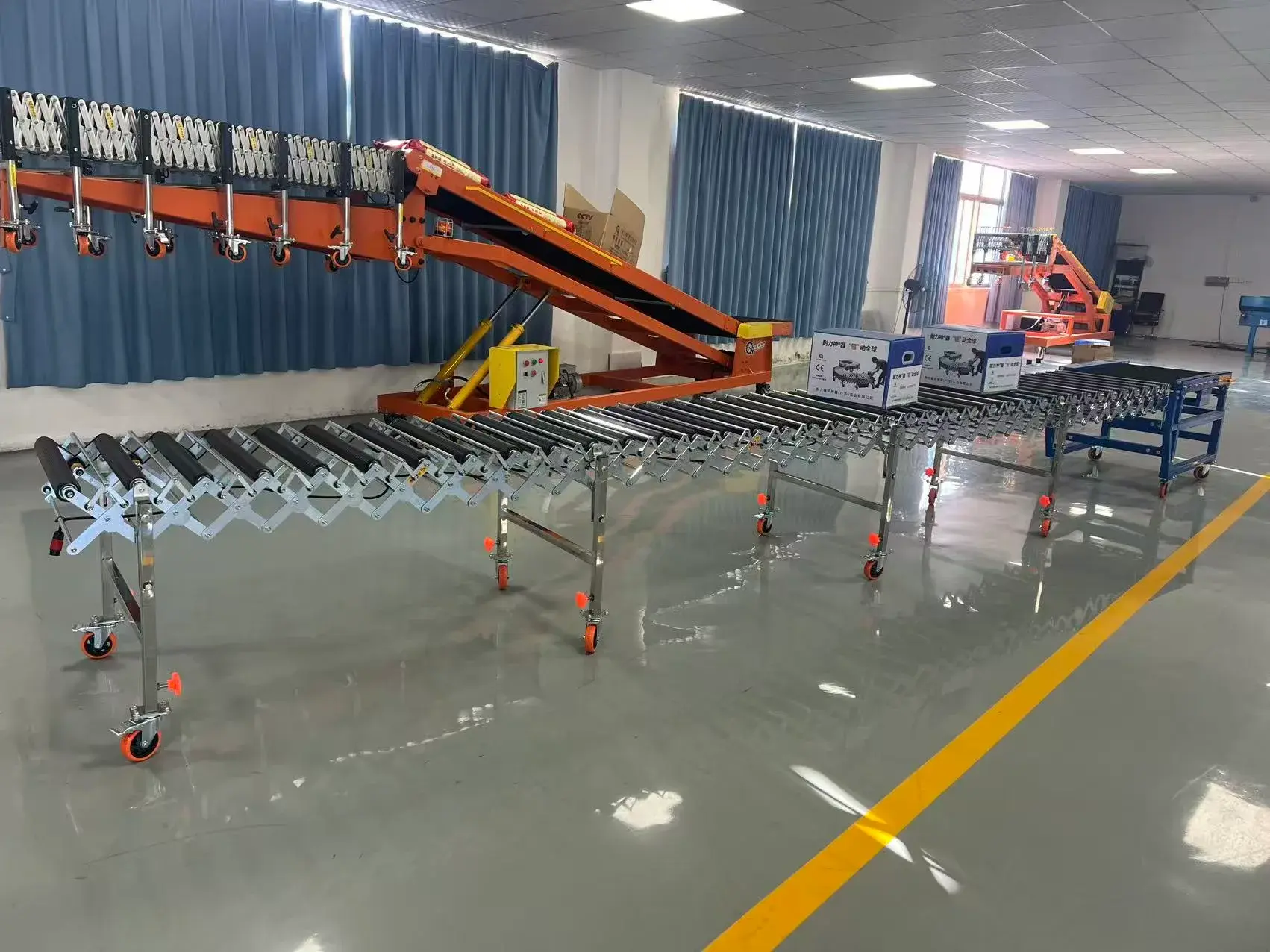
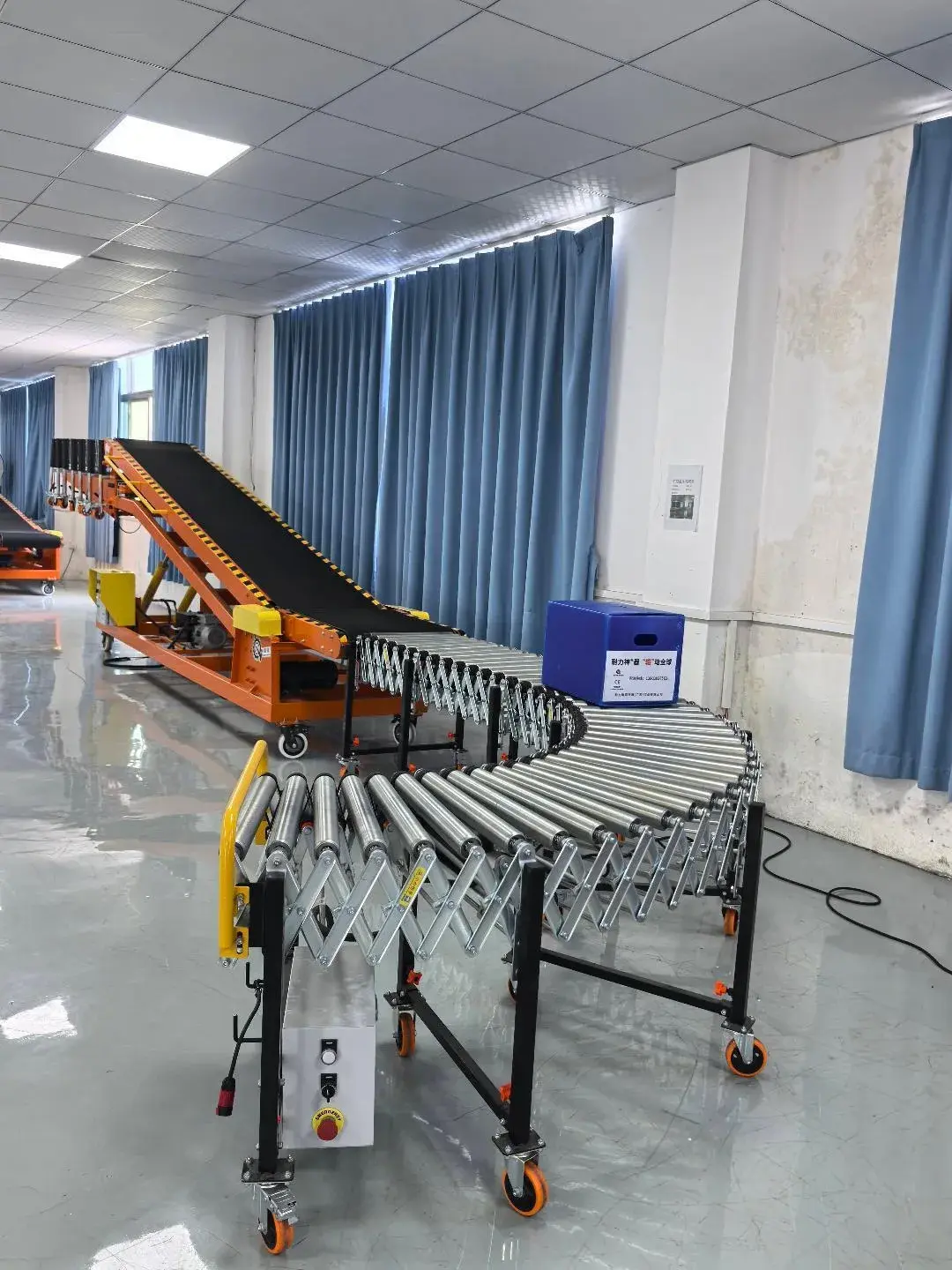
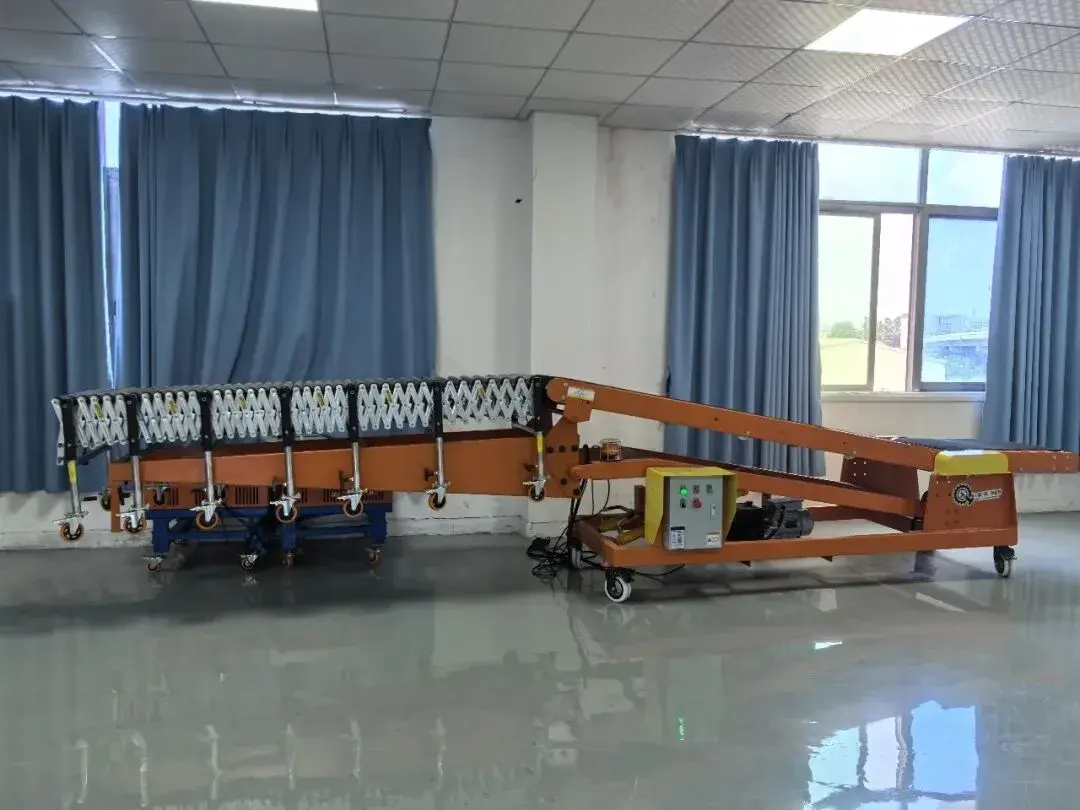
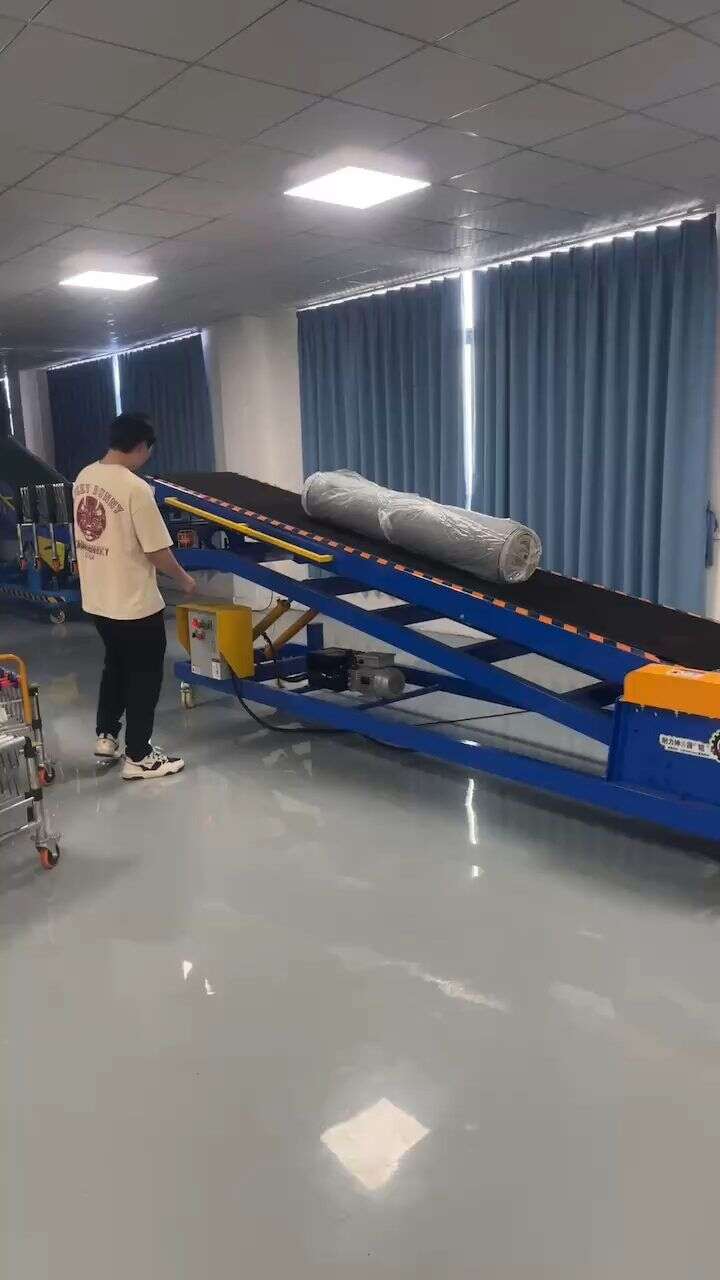
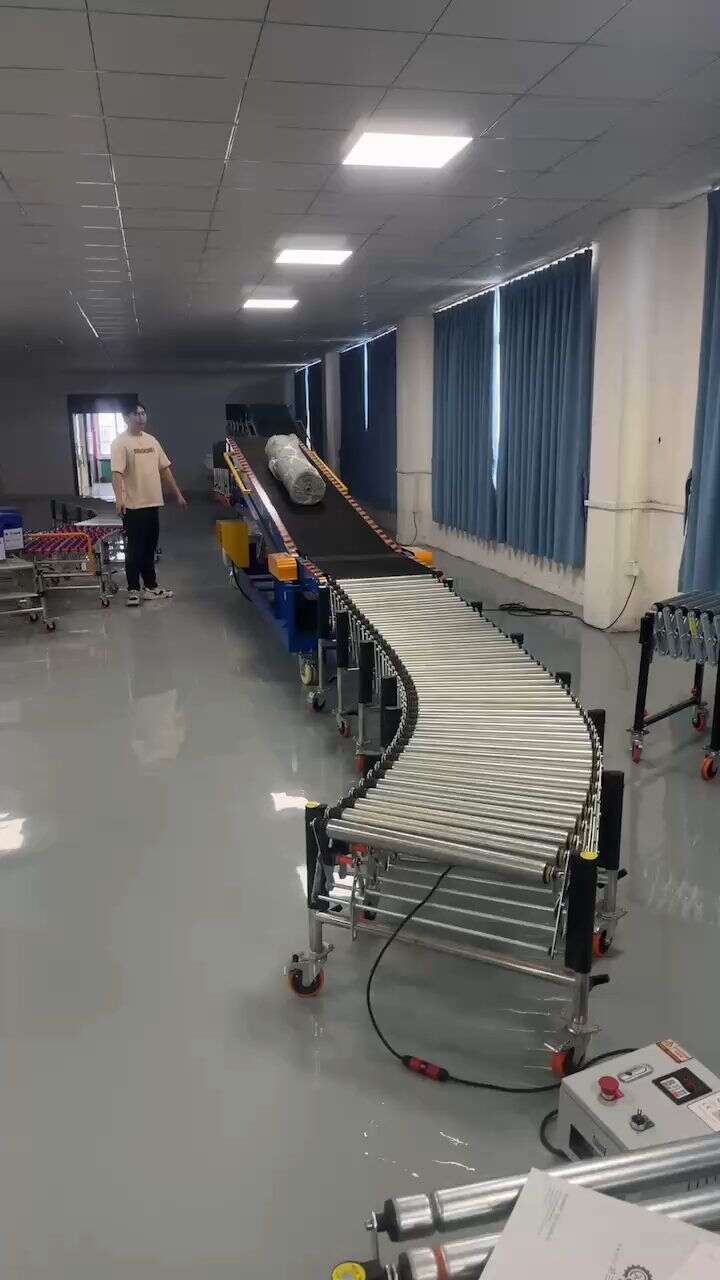
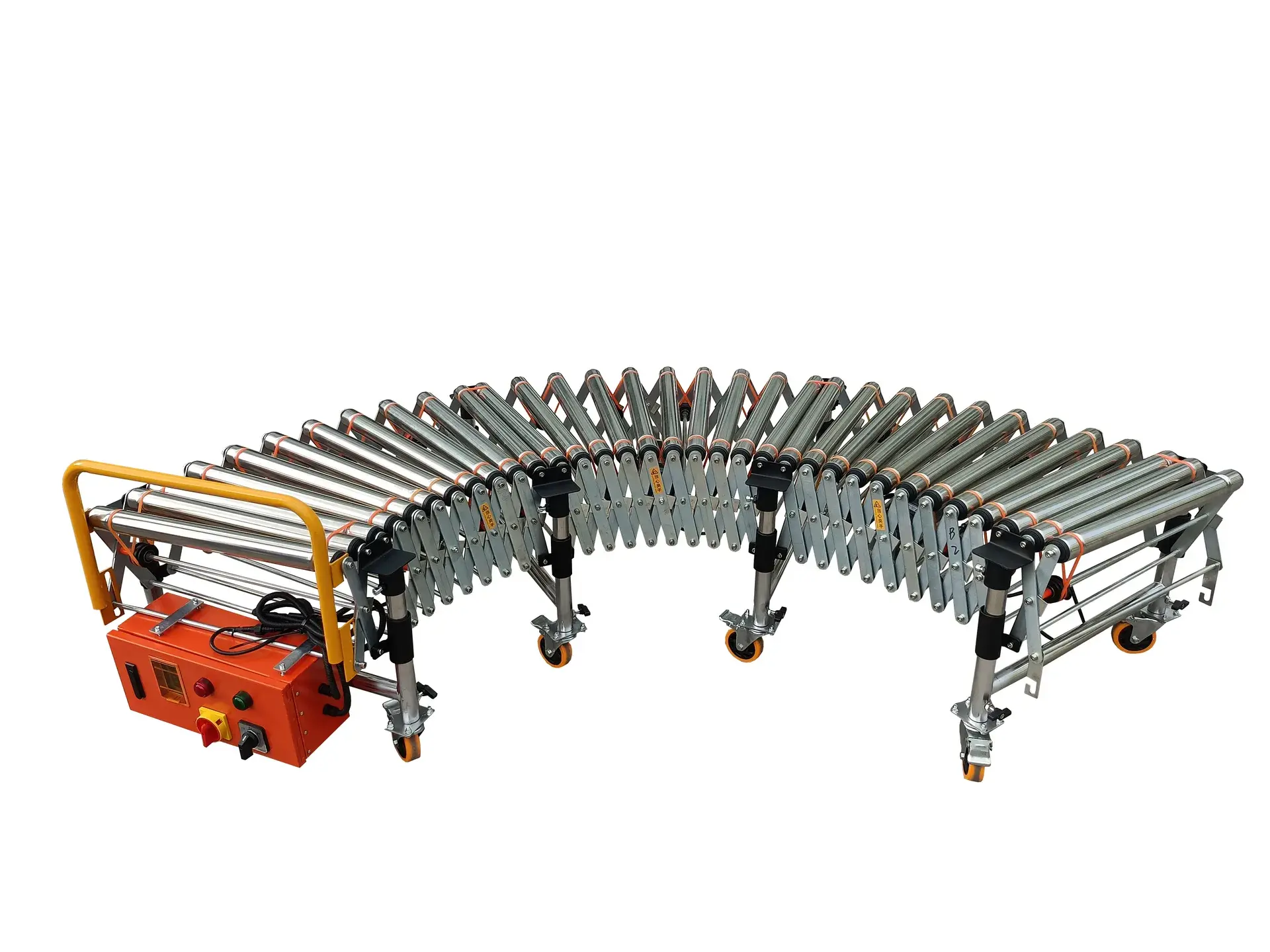
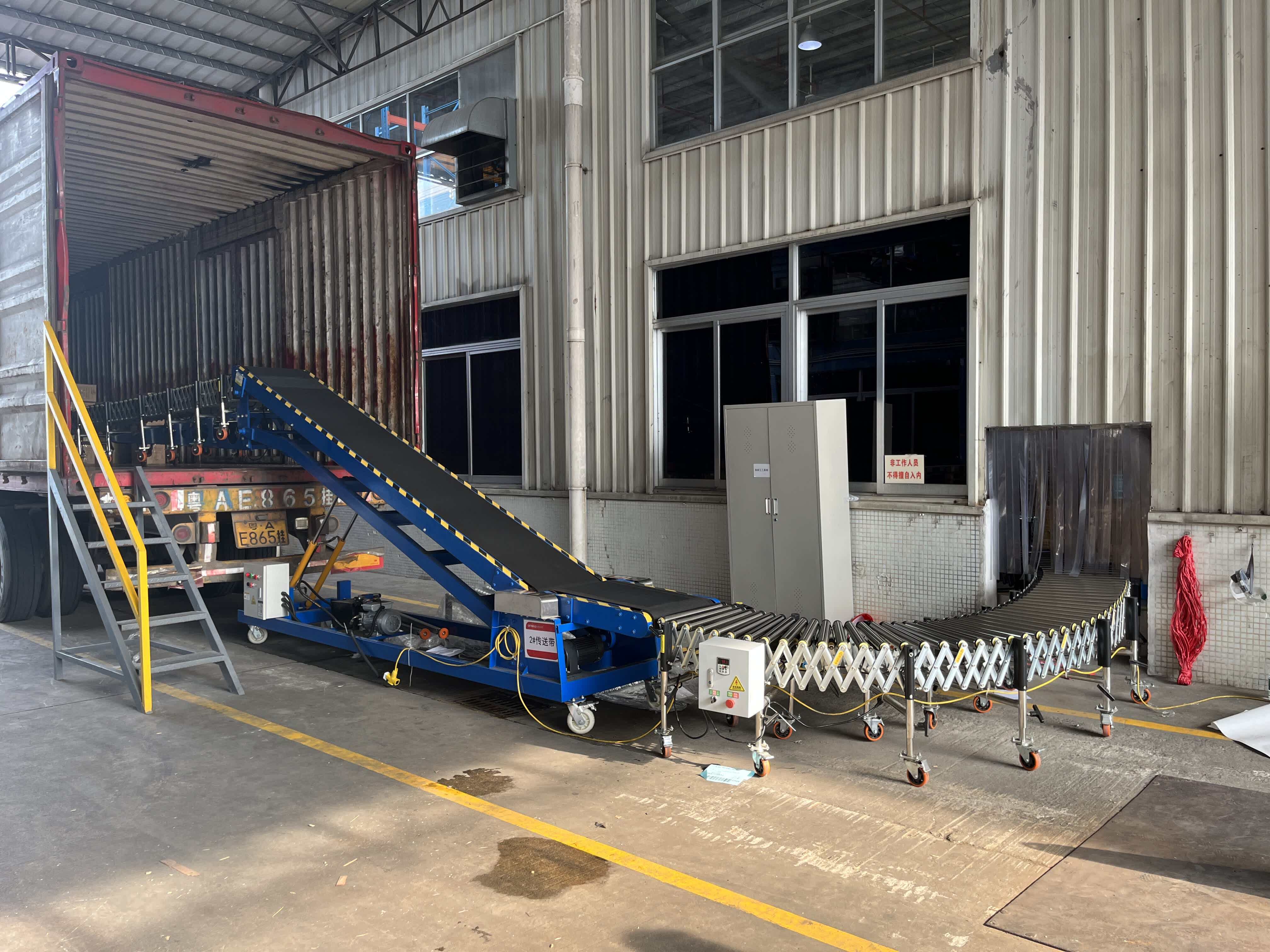
Compared with fixed conveyor equipment, telescopic conveyors can adjust the body length according to the truck compartment length. For short-distance operations, the equipment can be retracted to reduce floor space; when dealing with longer compartments, it can extend deep into the vehicle. During operation, there is no need to frequently disassemble, reassemble, or move the equipment, nor is it necessary to stack multiple units to complete docking. One unit can cover the loading and unloading needs of different trucks, thereby improving issues such as equipment idle time, limited adaptability, and cumbersome setup.
Solid Structure for Stable Conveying and Flexible Deployment
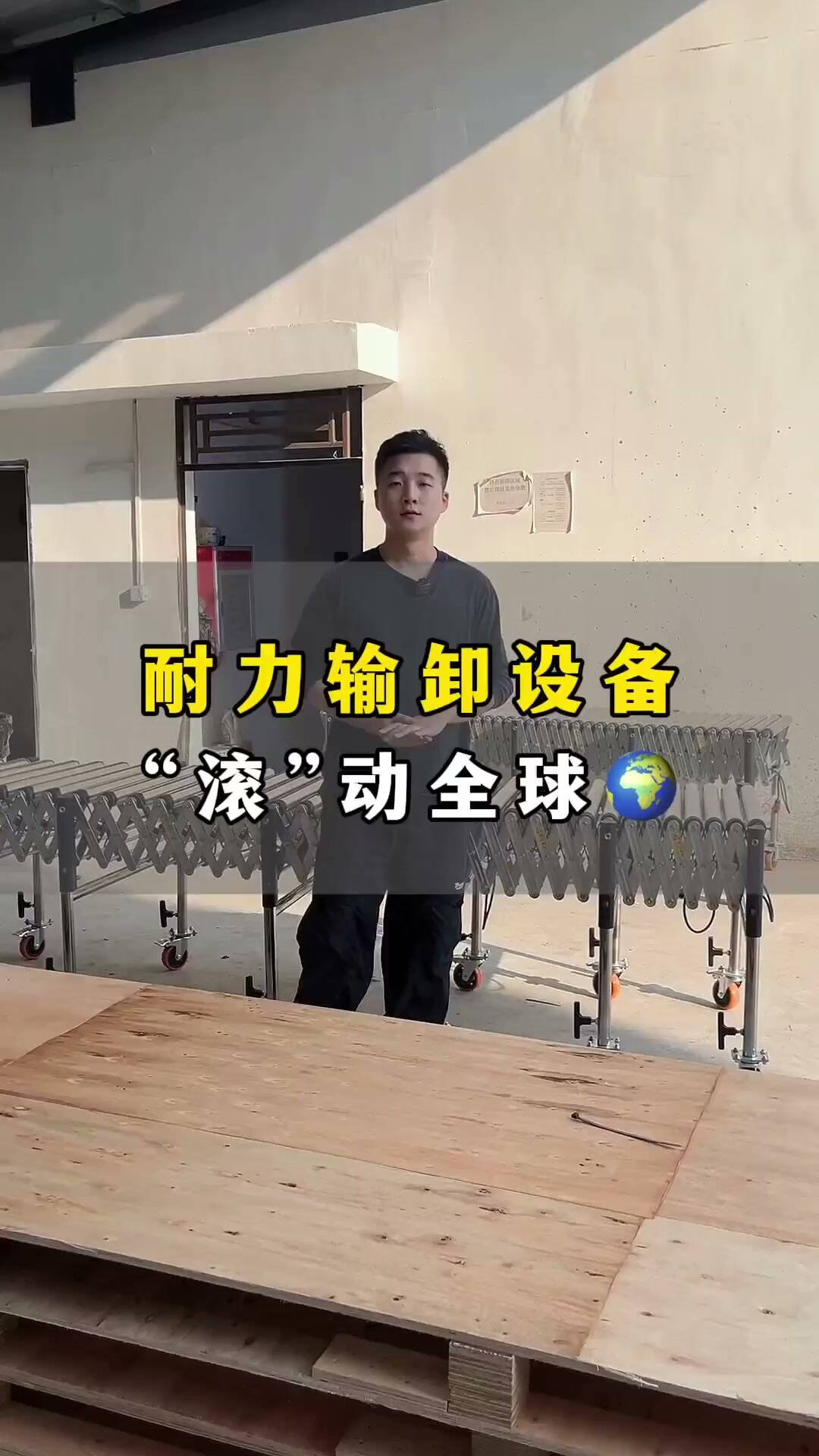
The equipment is built with thickened steel, giving the overall structure stable load-bearing capacity and resistance to deformation, making it suitable for frequent, heavy-duty cargo transfer. Common warehouse materials such as boxed goods, bagged goods, and standardized pallets all fall within its applicable range. The rollers are finely smoothed for precise operation, resulting in lower resistance when pushing materials and smoother, more even running. This helps reduce jamming, slipping, and tipping while also easing the physical strain of manual handling.
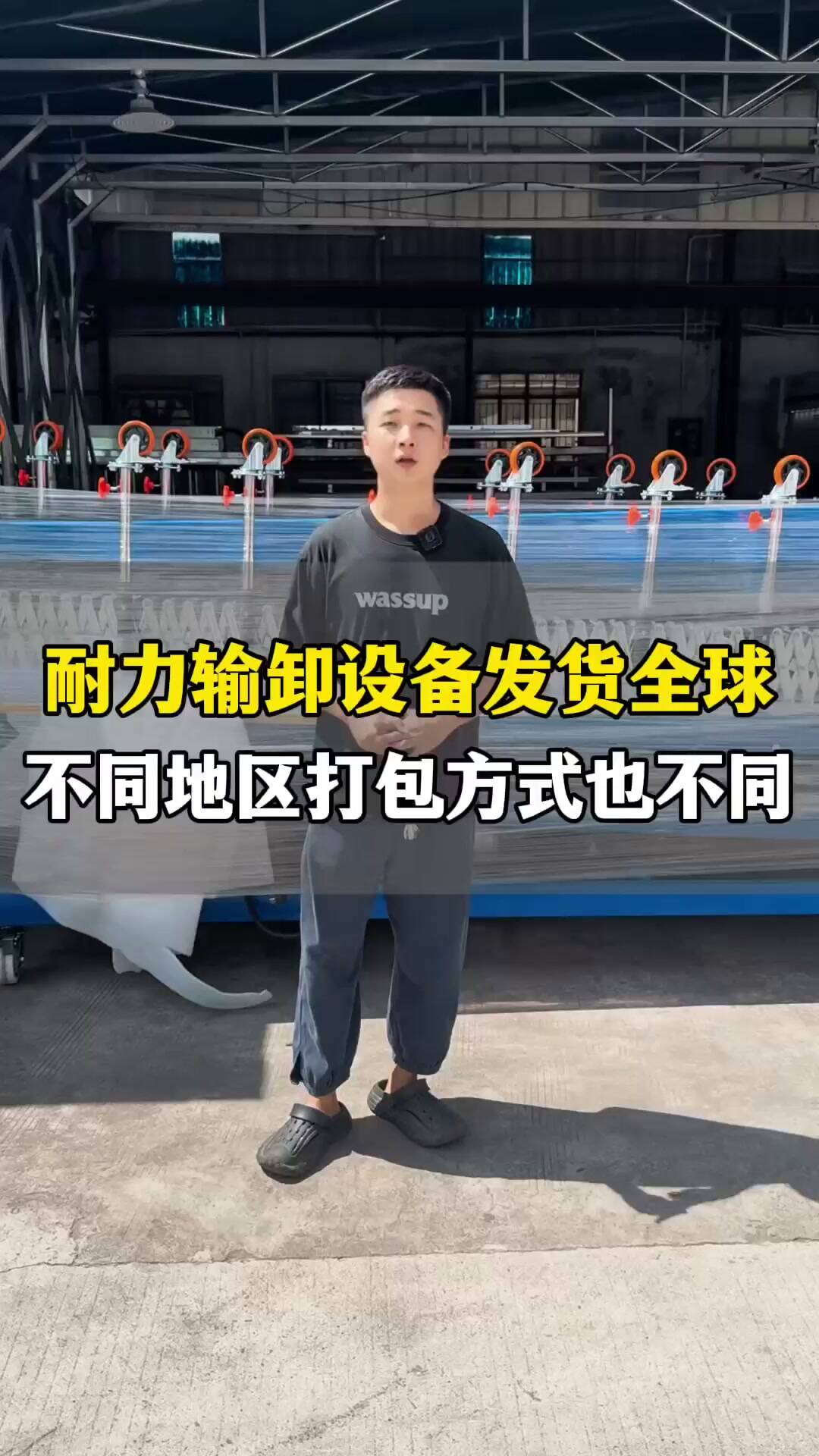
Depending on the facility layout and the needs of each work point, the equipment can also be customized with mobile casters, locking brakes, and height-adjustment structures, making it easy to switch between multiple loading and unloading positions. For scenarios such as narrow aisles, temporary loading and unloading, and multi-point rotation, this mobility and adjustability can improve equipment flexibility. When not in use, the equipment can be retracted for storage, reducing occupation of production areas and traffic space, making it suitable for small and medium-sized facilities with tighter space.
A Lightweight Logistics Solution Built with Combined Auxiliary Equipment
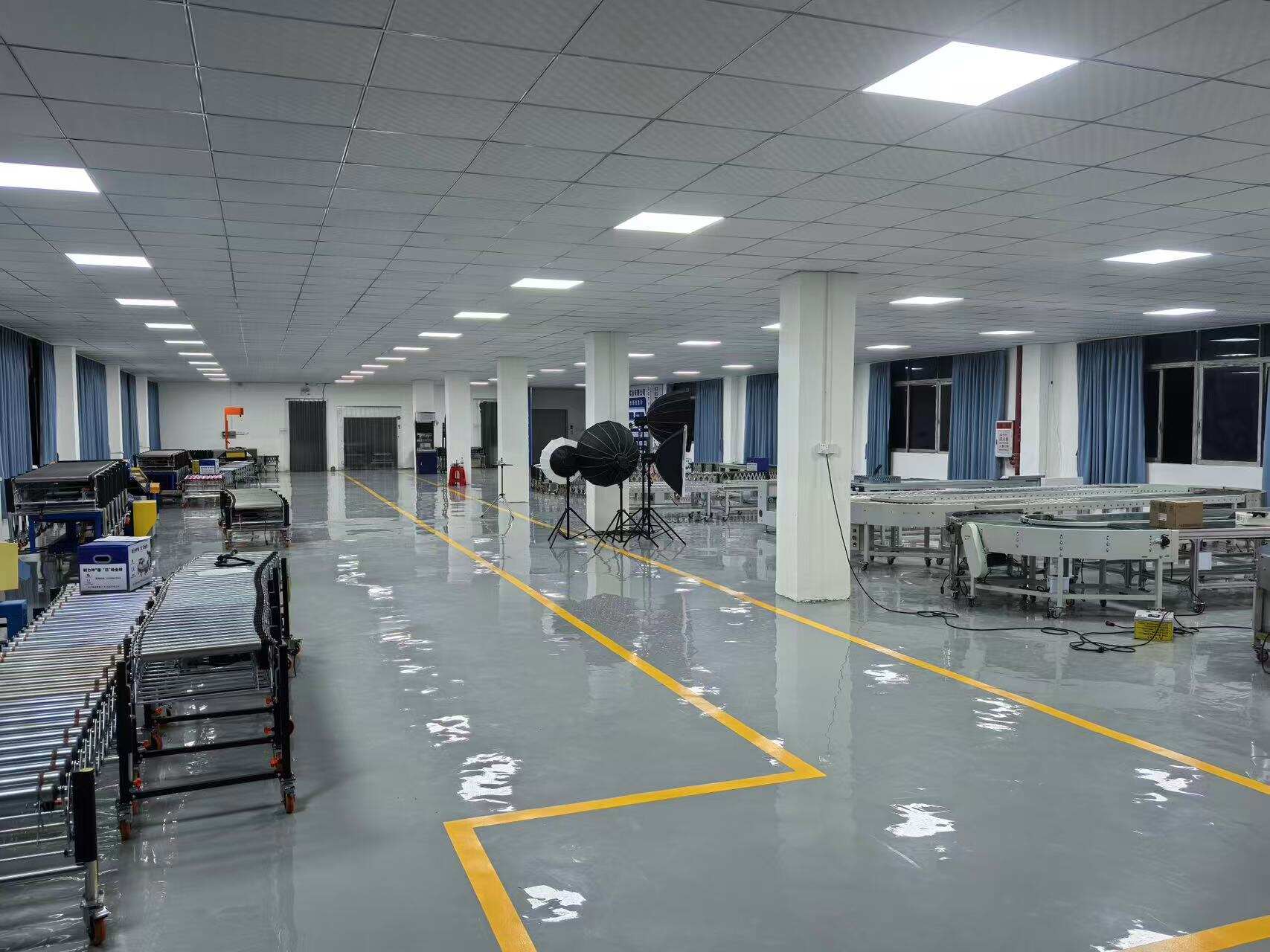
In logistics renovation projects, telescopic conveyors can be used together with auxiliary equipment such as gravity roller lines and foldable unloading slides to form a flexible flow solution for in-warehouse sorting, cargo consolidation, and loading and unloading operations. With strong adaptability to different working conditions, relatively low investment requirements, and high reusability, this solution can handle multi-vehicle loading and unloading scenarios, helping warehouses move toward lightweight cost reduction and refined efficiency improvement.