Main causes of bottlenecks in workshop process flow
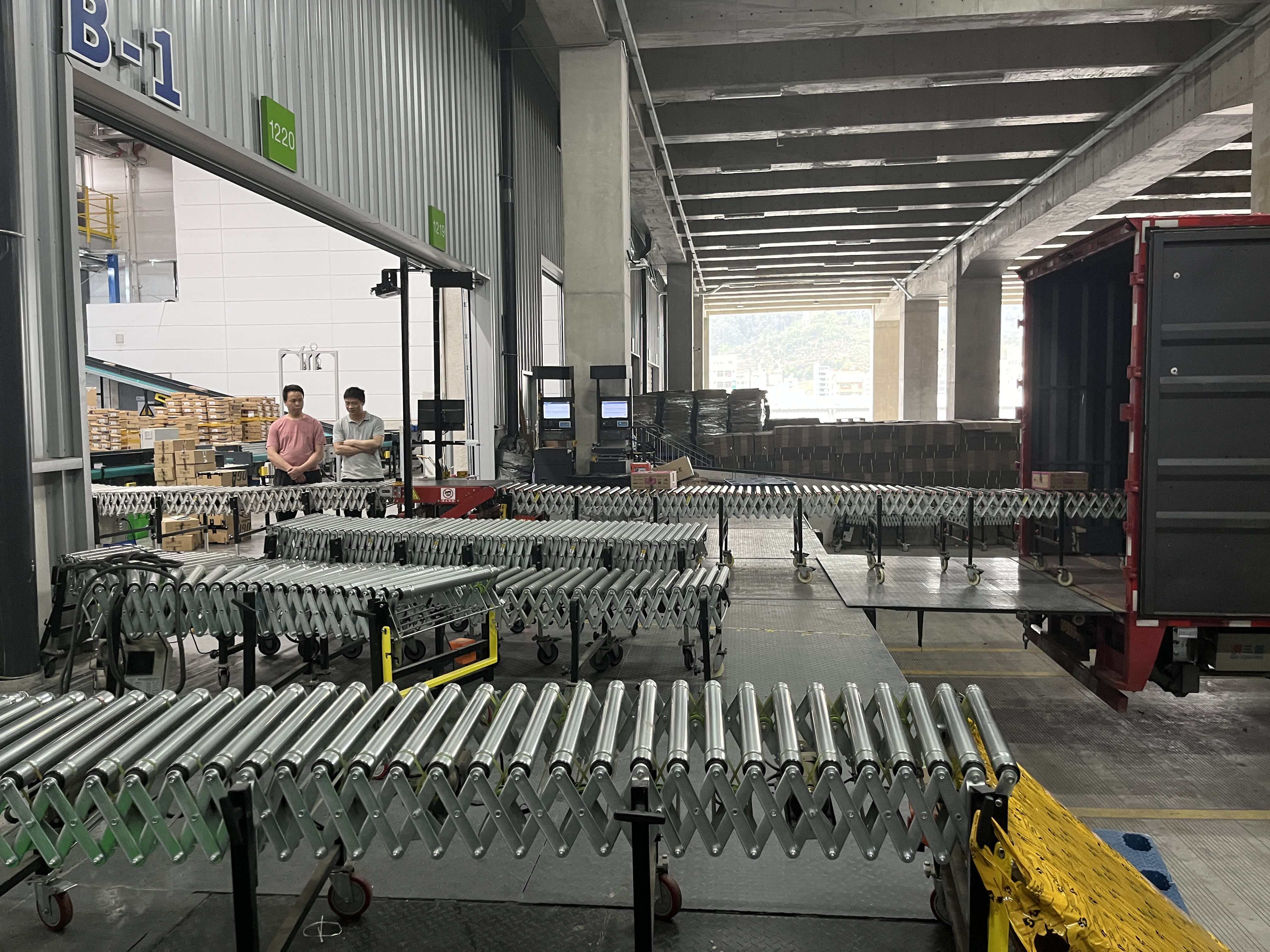
During factory automation upgrades, companies often prioritize upgrading processing equipment while continuing to use manual methods for transfers between processes. When processing capacity does not match logistics capacity, breaks can occur in material handoffs, leading to workstation waiting, accumulation of semi-finished products, and disorganized movement paths on the shop floor.
These problems typically appear as inconsistent transfer rates between processes, a lack of continuity in conveying, extended workstation waiting times for materials, and relatively high errors in manual handling. Over time, they affect the workshop's overall production capacity, lengthen production cycles, and prevent equipment utilization from reaching its full potential.
Why general-purpose roller lines struggle to adapt to non-standard workshops
Traditional general-purpose roller lines have relatively fixed structures and parameters and are typically better suited to standardized factories and single-material operating conditions. When handling multiple product types, weights, and workshop layouts, the equipment may experience insufficient load capacity, belt or material misalignment during operation, conveying interruptions, slipping and shifting, and excessive noise.
If conveying equipment cannot match on-site operating conditions, it will not only be unable to improve logistics efficiency but may also cause secondary material blockages and process stoppages. Therefore, non-standard production scenarios require targeted design in areas such as roller structure, load capacity, transmission method, and equipment layout.
The structure and customization solutions of Naili Conveyor's powered roller lines
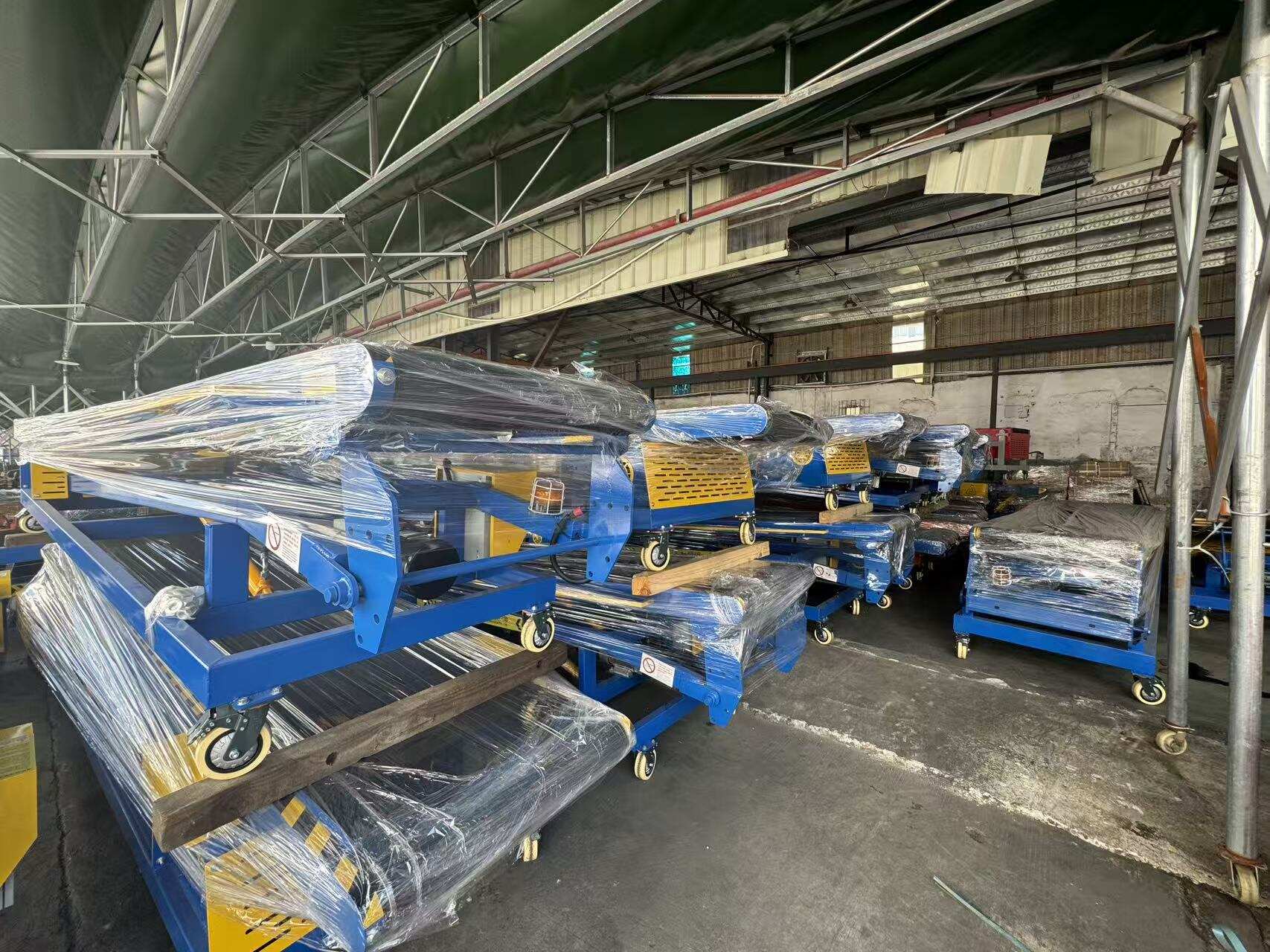
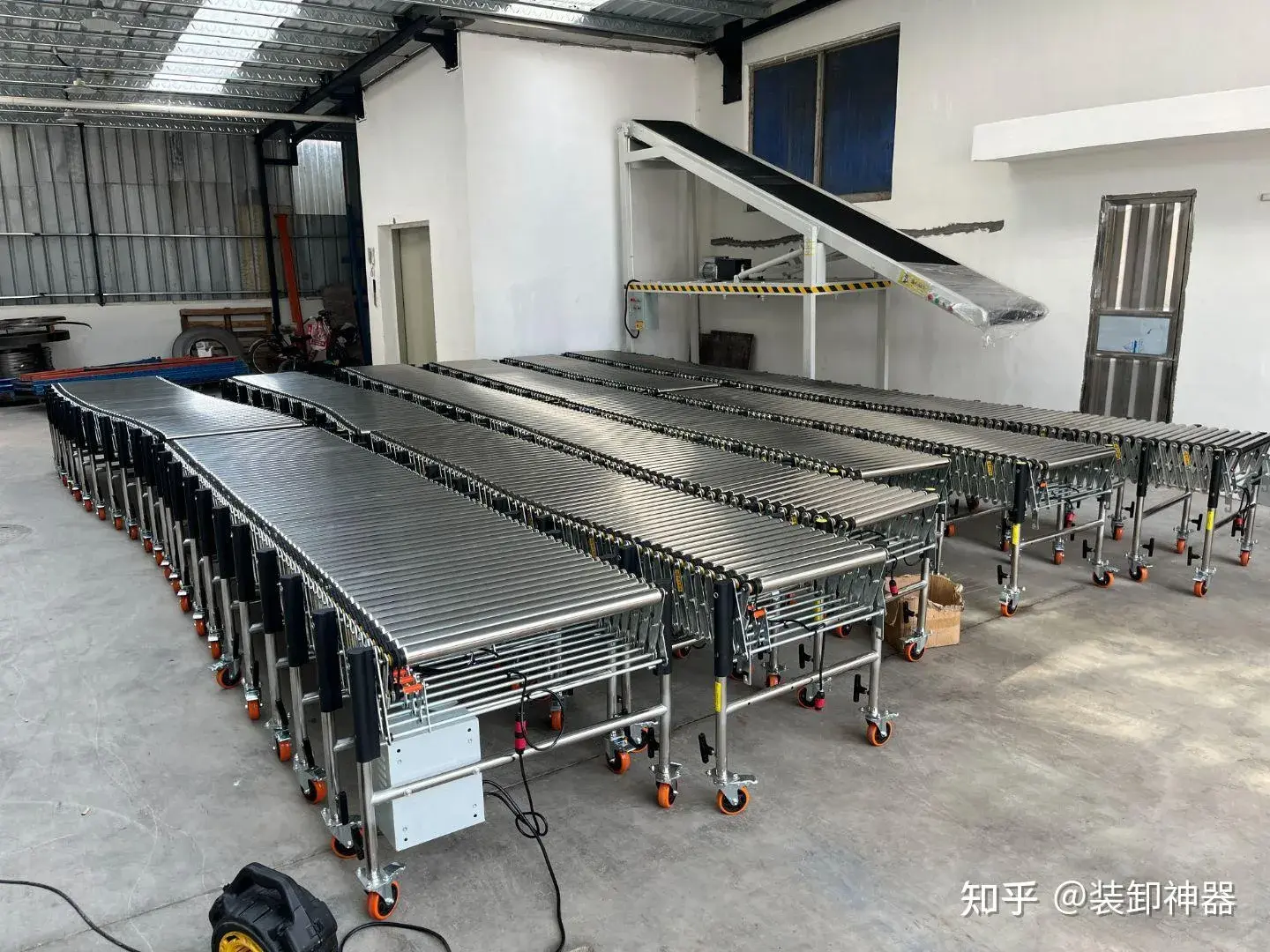
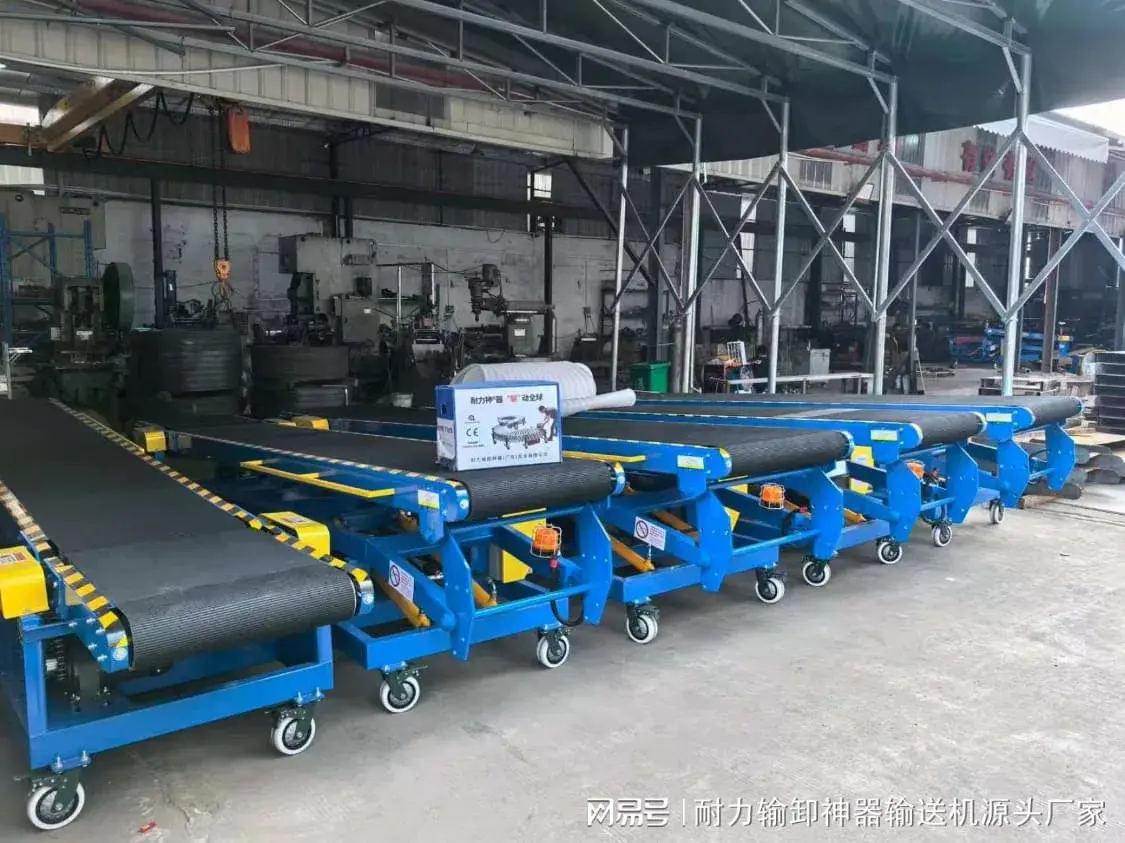
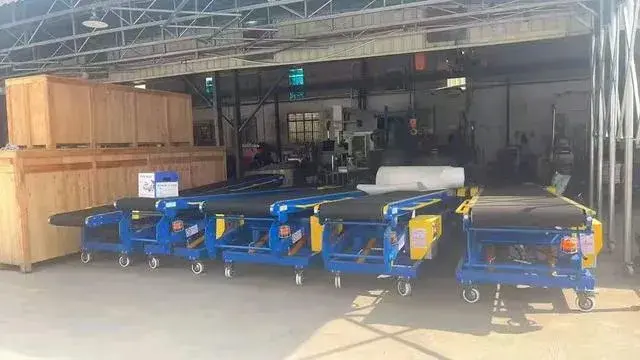
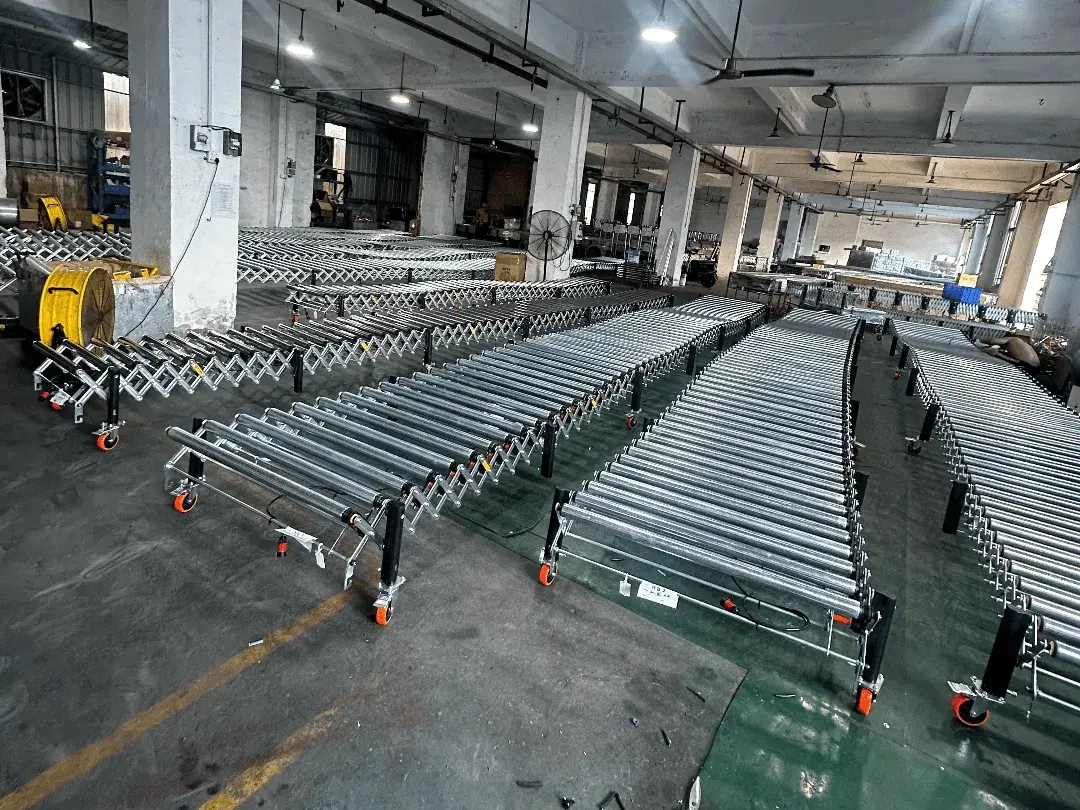
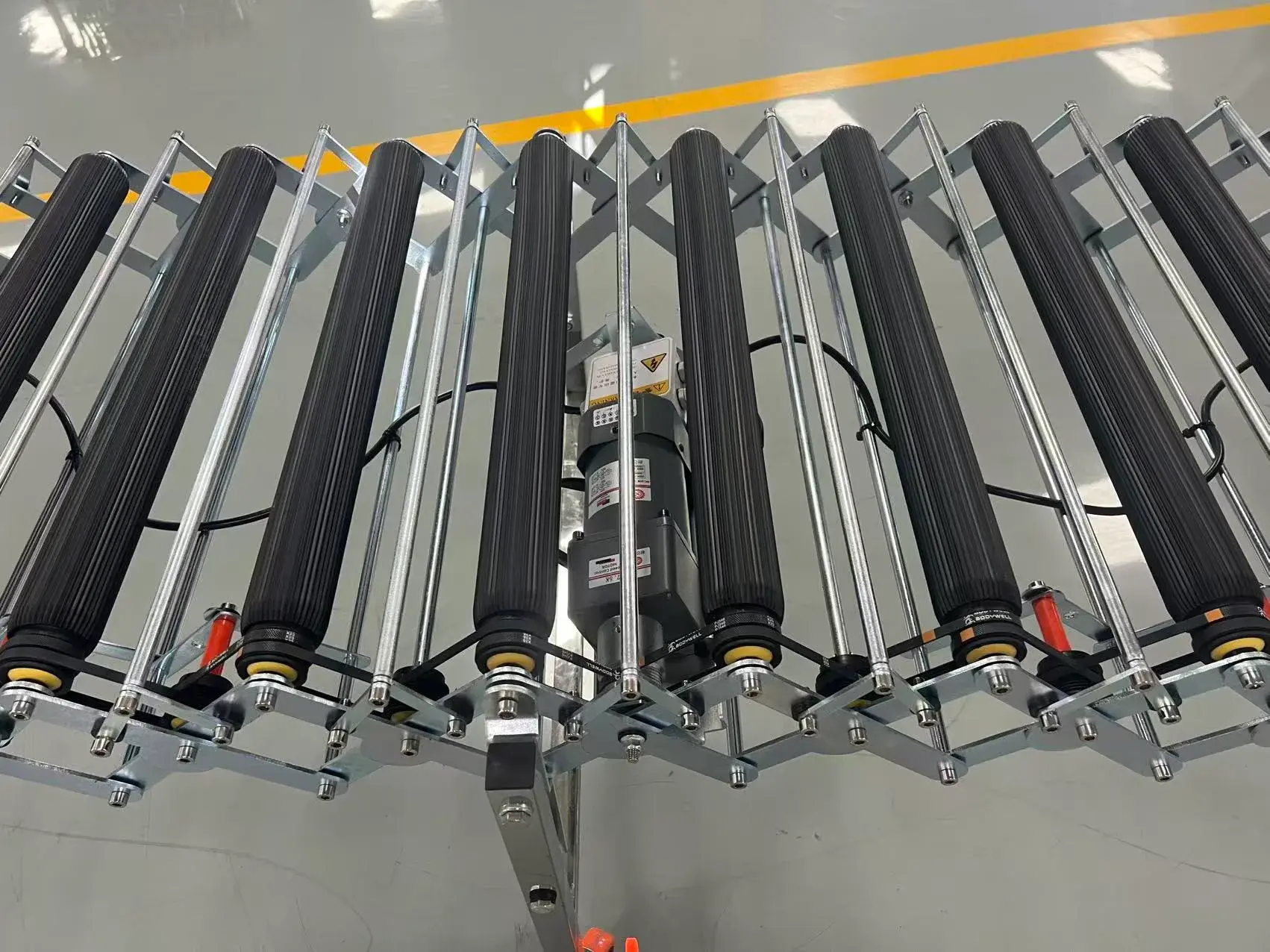
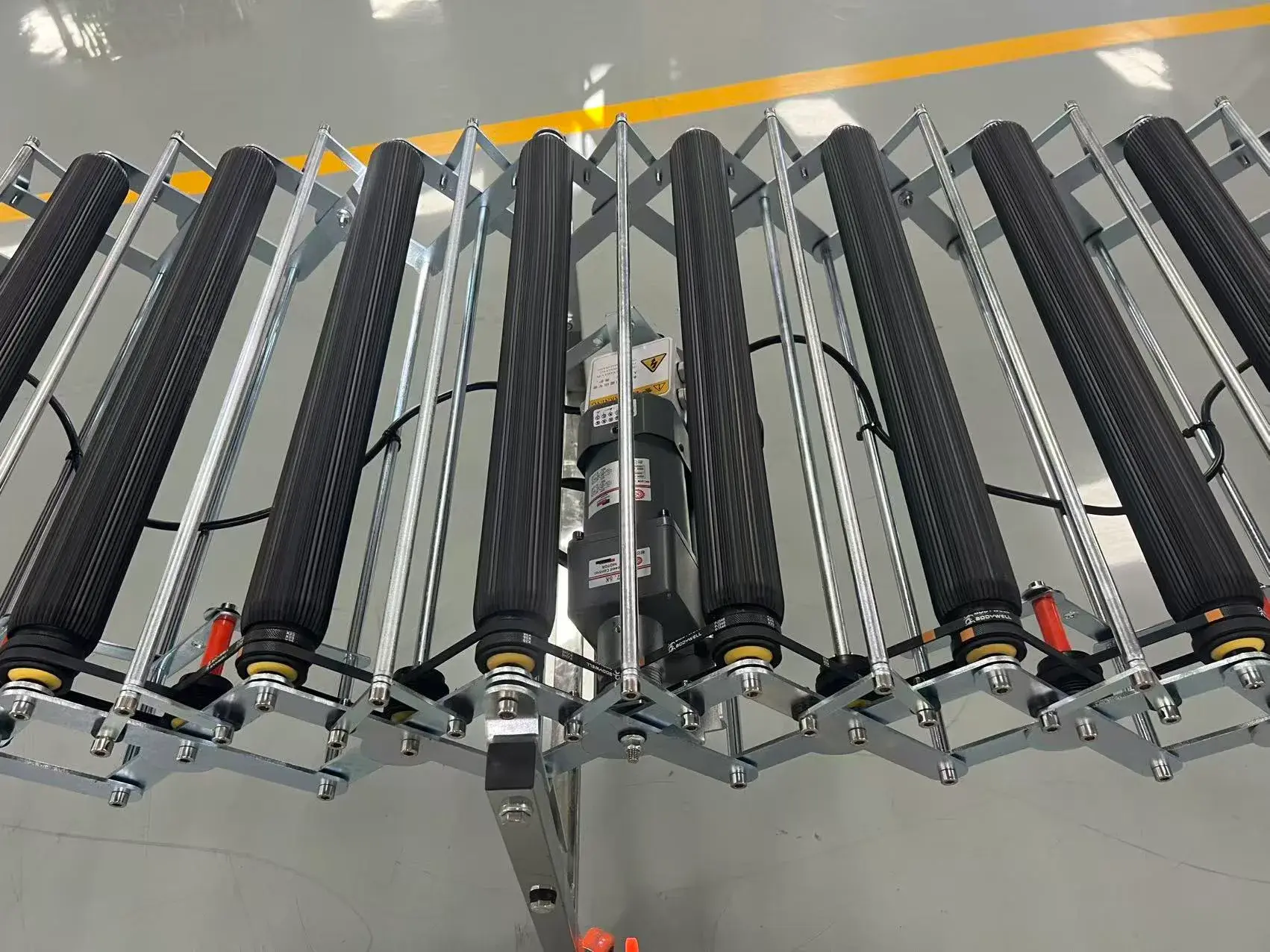
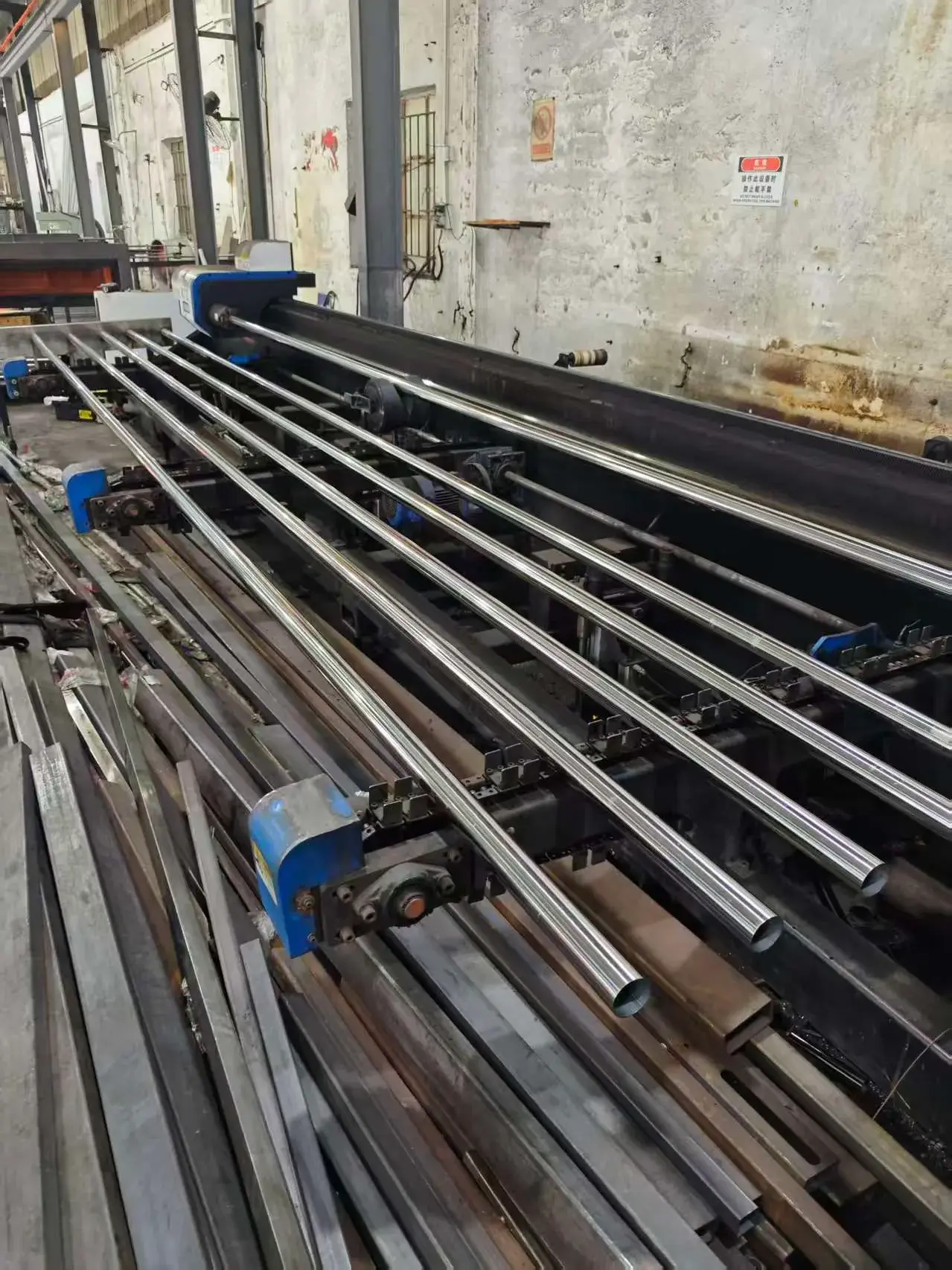
Naili Conveyor's powered roller lines optimize their structure based on actual industrial operating conditions and configure parameters according to material loads. The equipment uses a thickened seamless roller structure and offers light-duty, medium-duty, and heavy-duty configurations based on load, making it suitable for conveying materials of different weights.
In terms of transmission methods, the equipment combines two systems: rubber-coated silent transmission and heavy-duty chain transmission. The light-load conveying side prioritizes smooth operation and reduced noise, while the heavy-load conveying side emphasizes power and stability. By matching the hardware structure to the application, conveying faults such as deviation, jamming, slipping, and displacement can be reduced, maintaining continuous process flow.
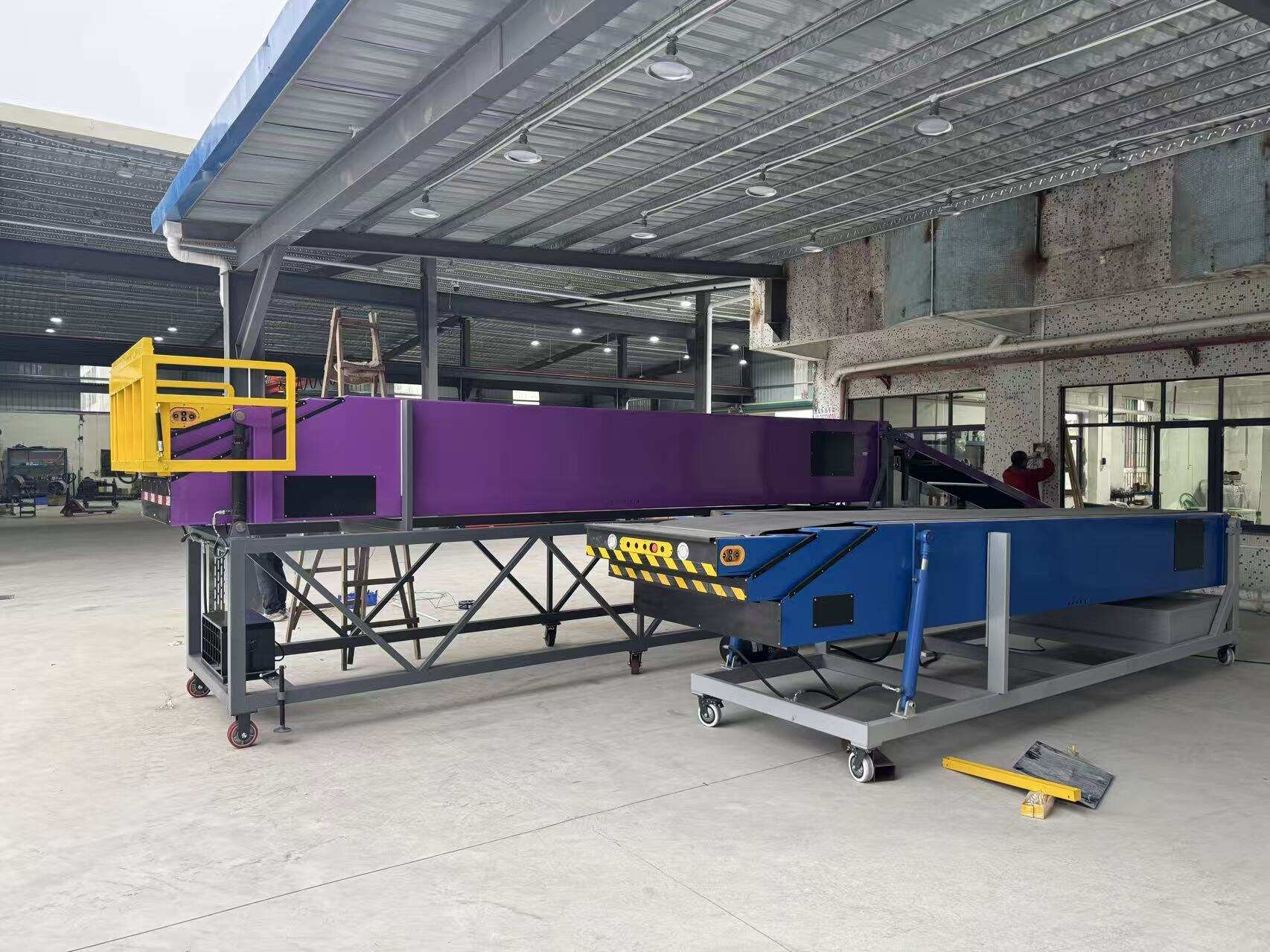
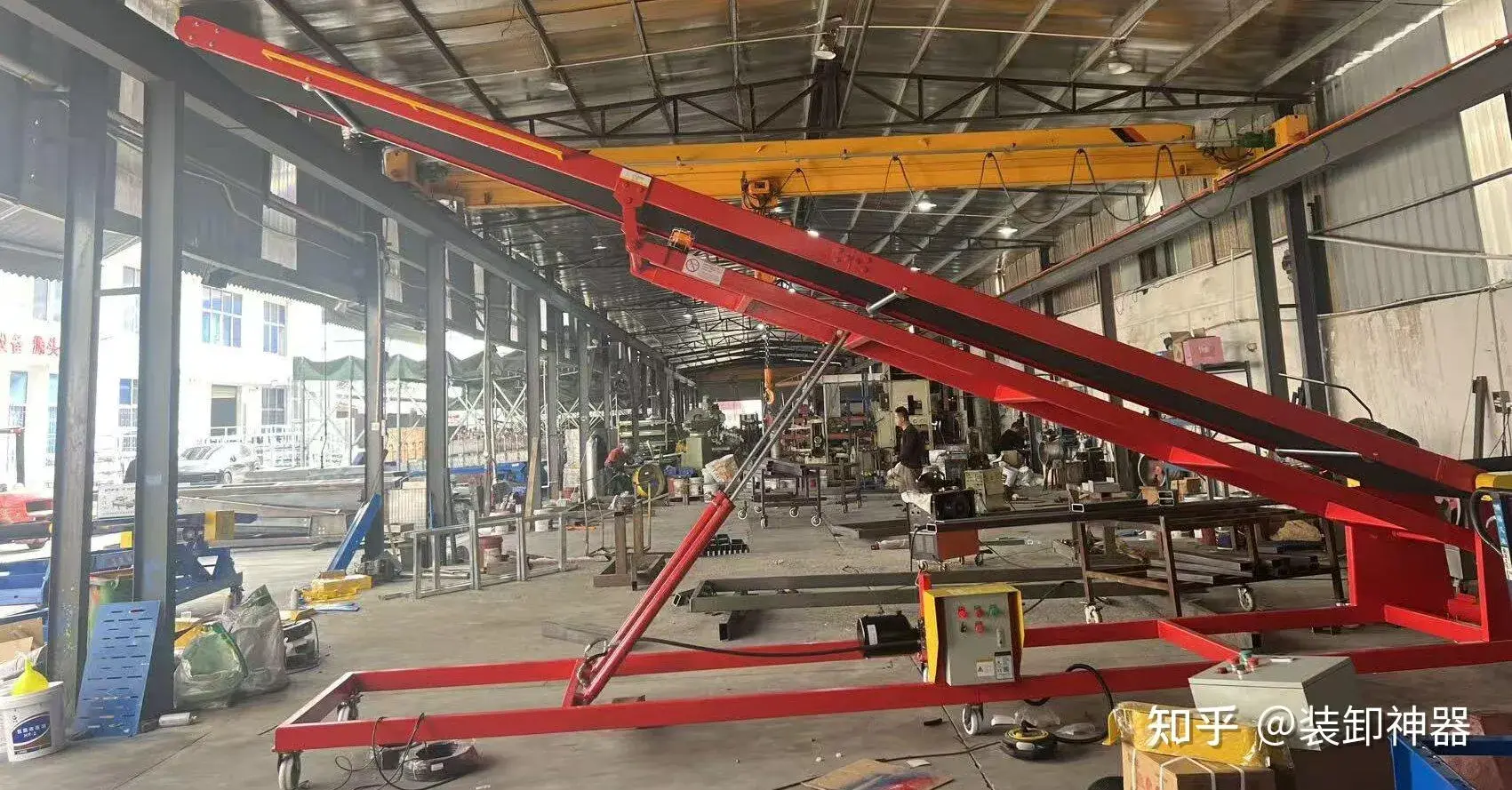
For different workshop conditions, the system can customize the machine dimensions, conveying speed, and load capacity based on aisle width, workstation layout, production line direction, and height differences. It can also be expanded with functions such as photoelectric sensor-based start/stop control, variable-frequency speed regulation, material blocking and limit control, side safety guards, and anti-deviation positioning to enable sensor-based feeding, on-demand transfer, and precise process interfacing.
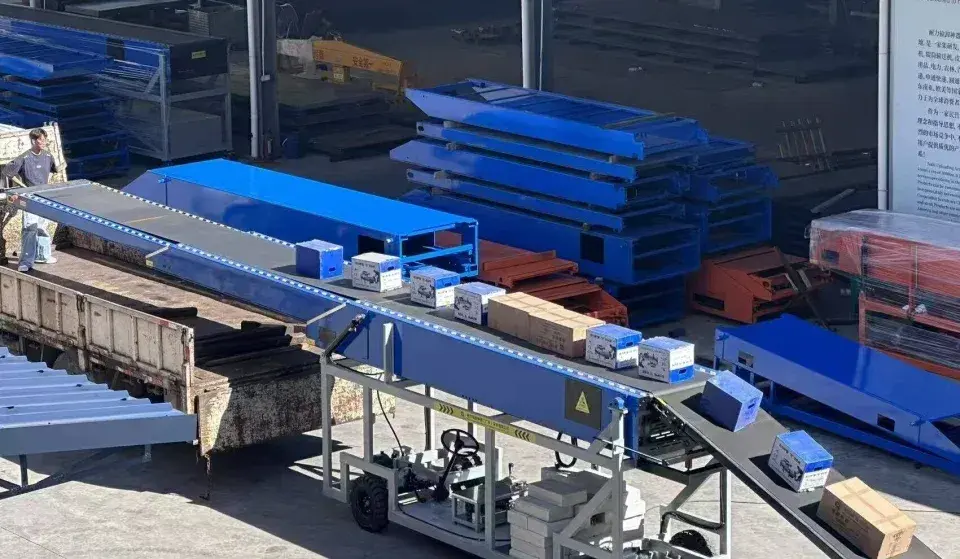
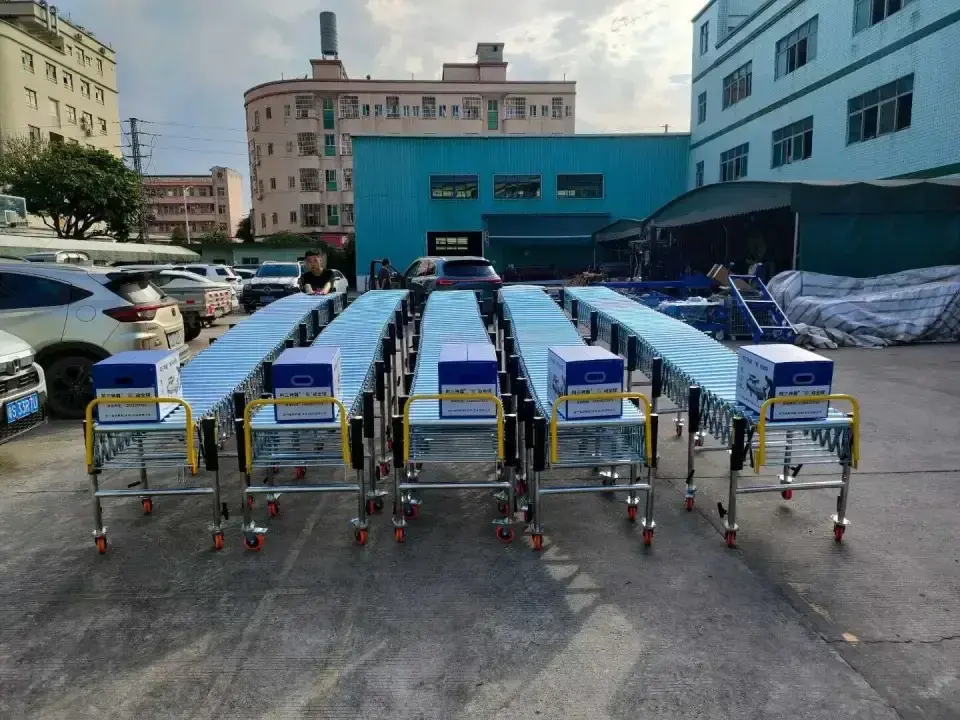
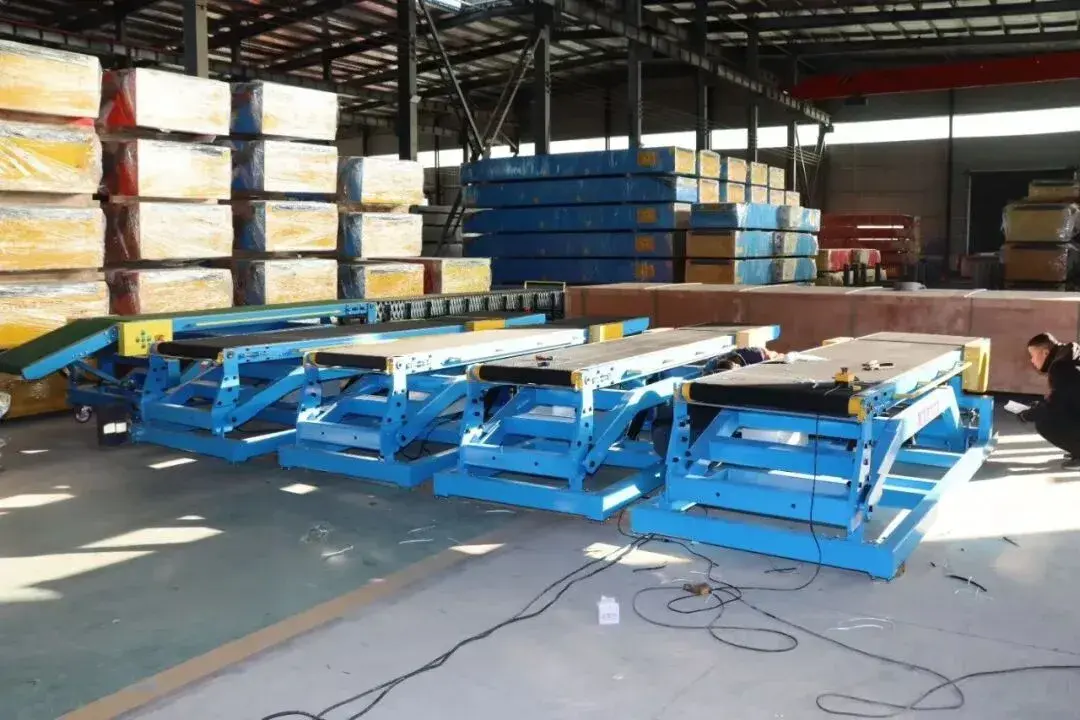
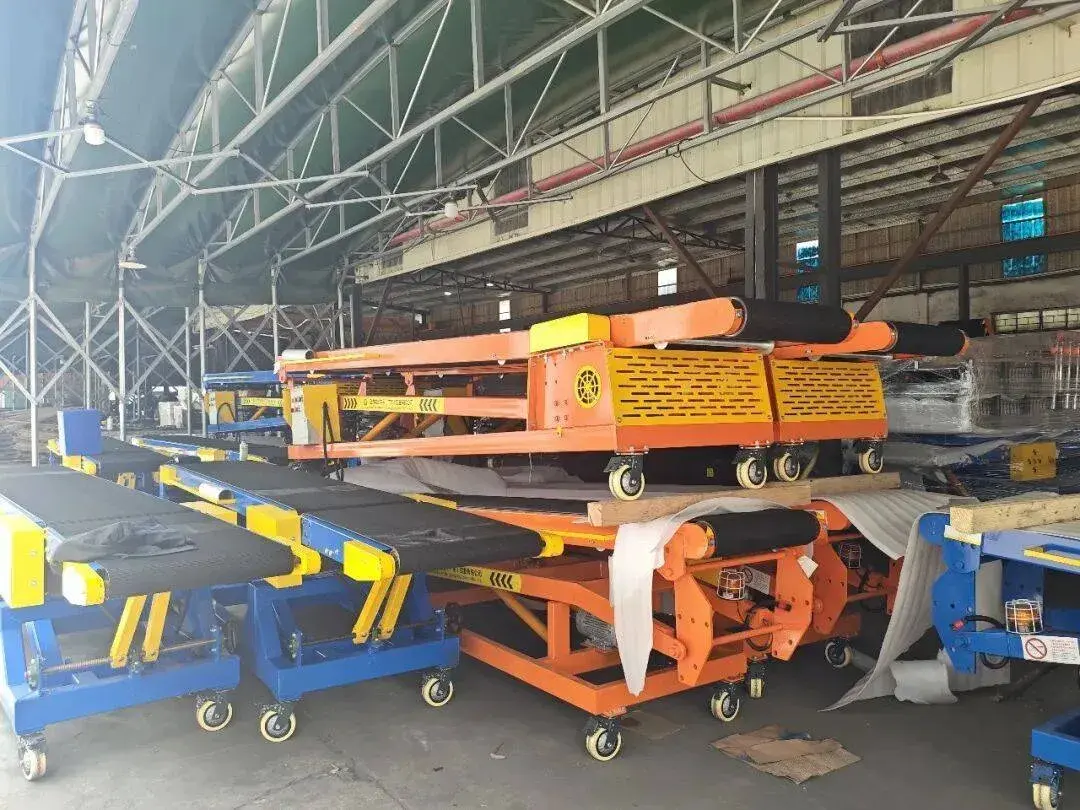
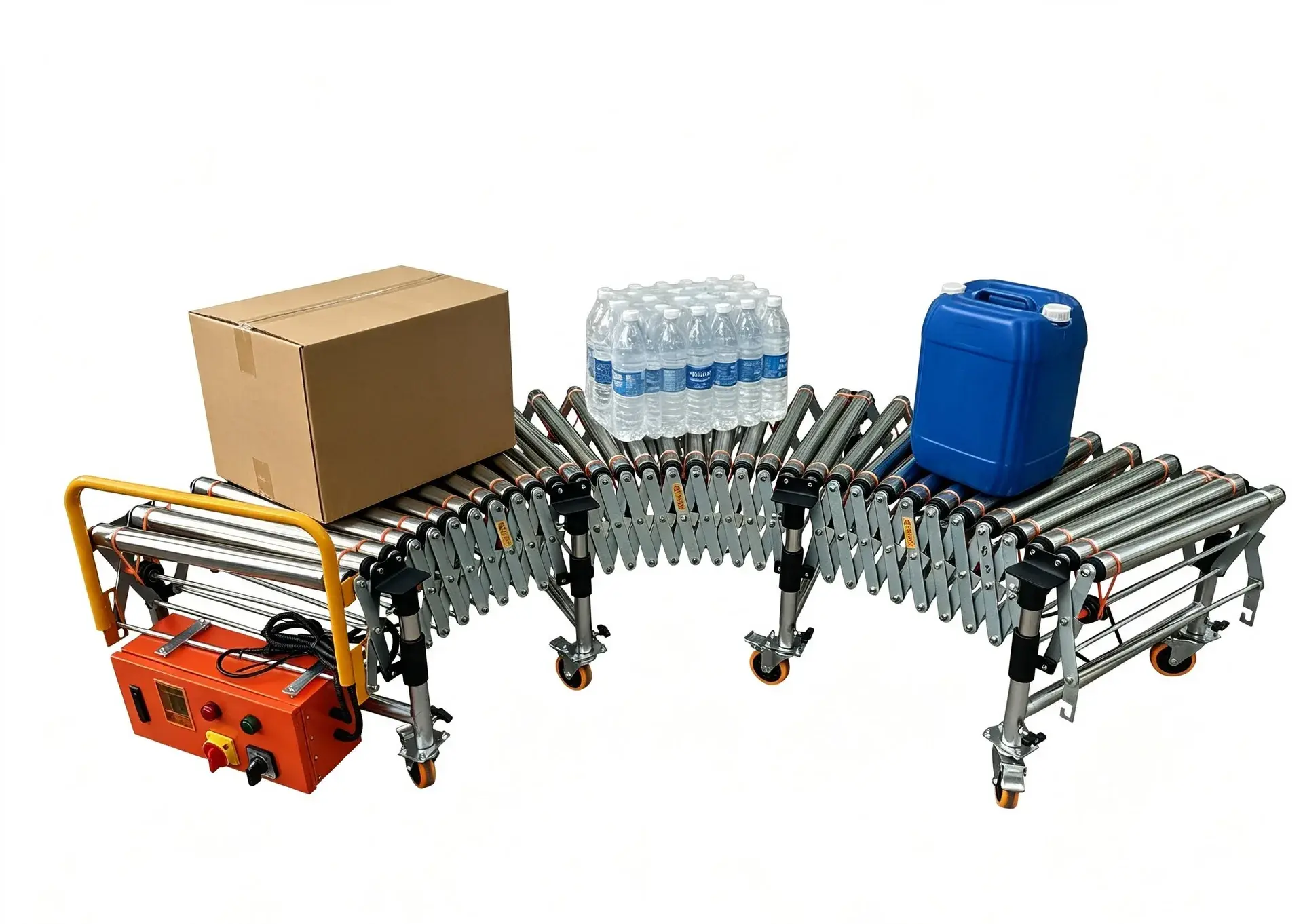
The equipment layout supports straight-line conveying, arc turning, elevated and lowered transfer connections, and multi-level three-dimensional circulation. It can adapt to irregular workshops, staggered workstations, and the renovation of older production lines.
A Complete Implementation Process from Solution Design to On-Site Deployment
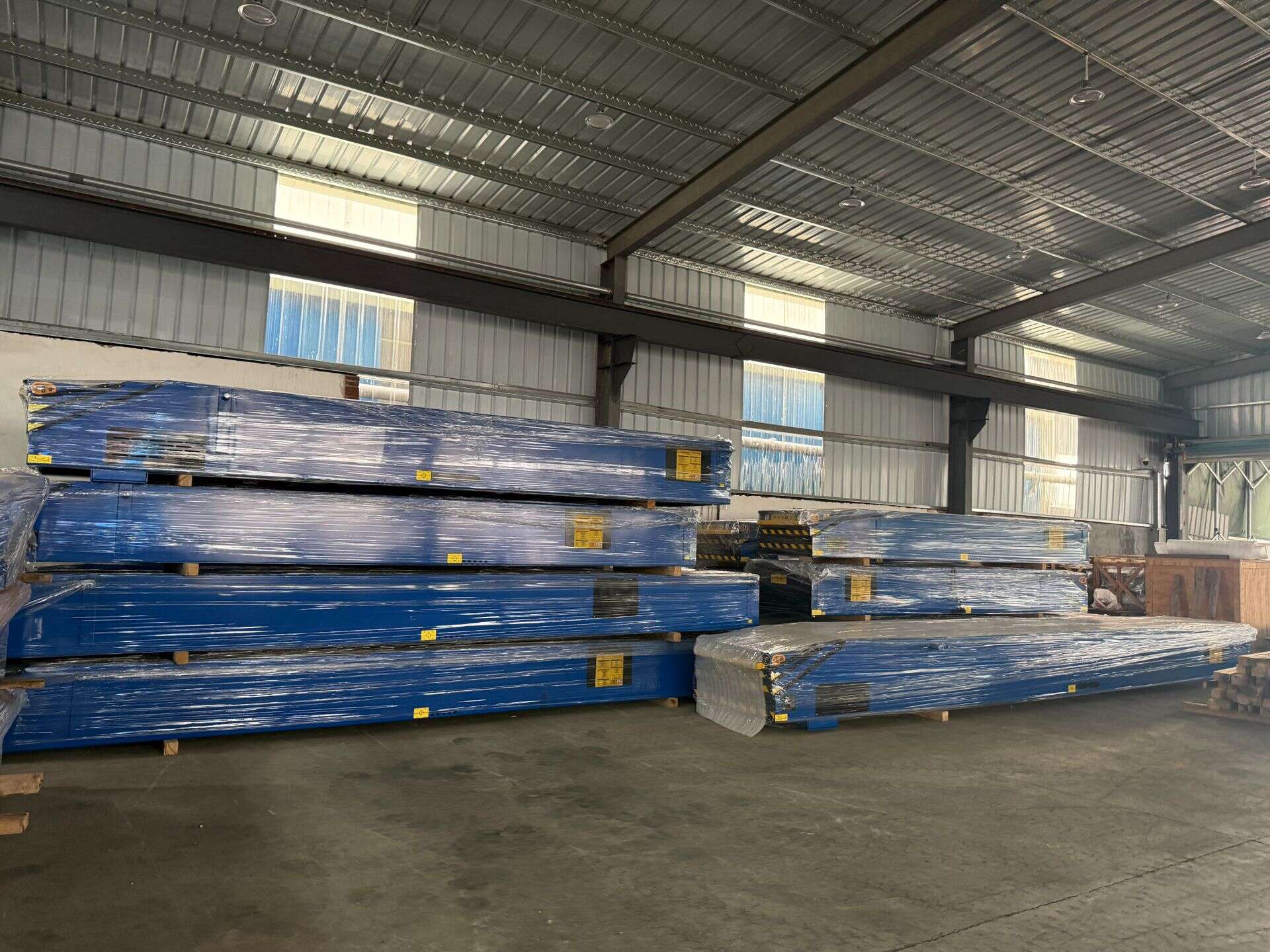
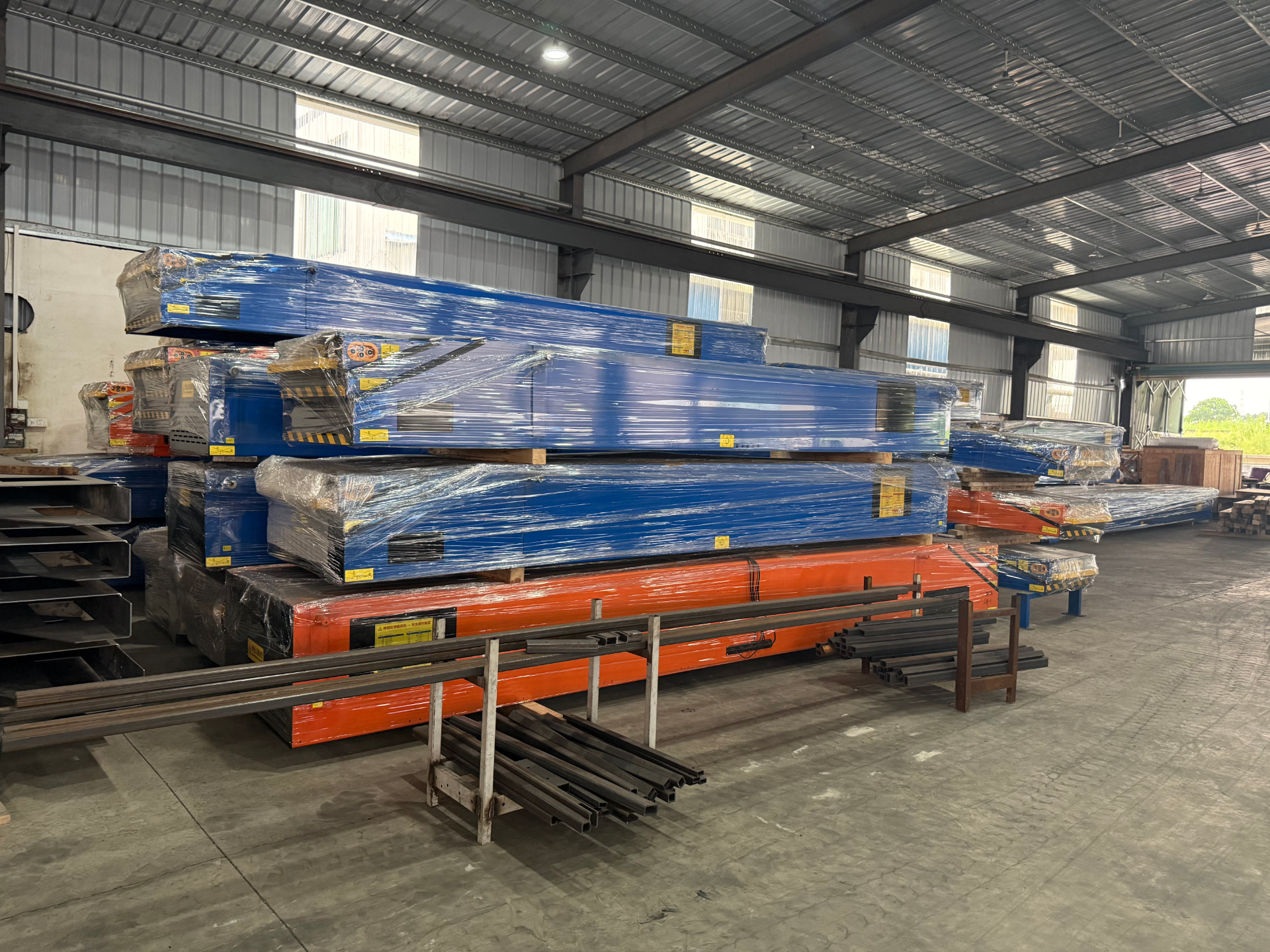
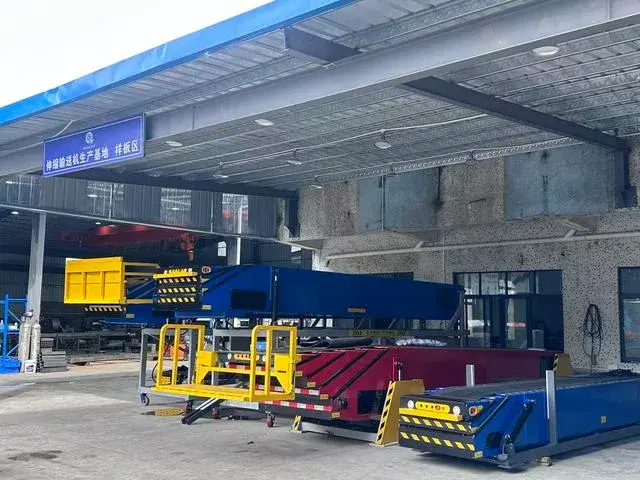
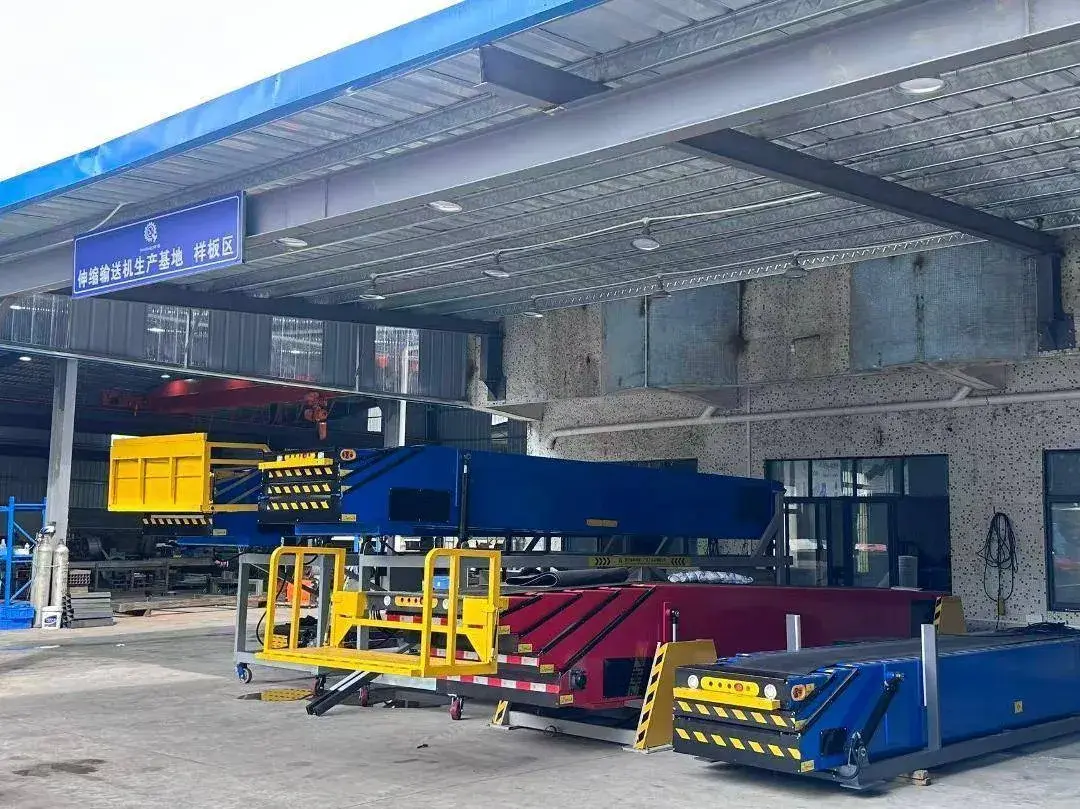
Leveraging the R&D and manufacturing capabilities of Naili Conveyor, powered roller conveyor line projects can cover solution surveying, structural design, precision manufacturing, on-site installation, commissioning, and maintenance. By matching conveying equipment with workshop aisles, workstations, and production line layouts, it can help address issues such as material accumulation, process bottlenecks, workstation material shortages, and production disconnects.
Once deployed, customized Powered Roller Conveyor Lines help organize workshop logistics routes, unify production takt times, and improve equipment utilization while reducing losses from idle production capacity. They provide manufacturing companies with a practical technical solution for advancing workshop logistics toward automation, precision, and intelligence.