Naili Conveyor
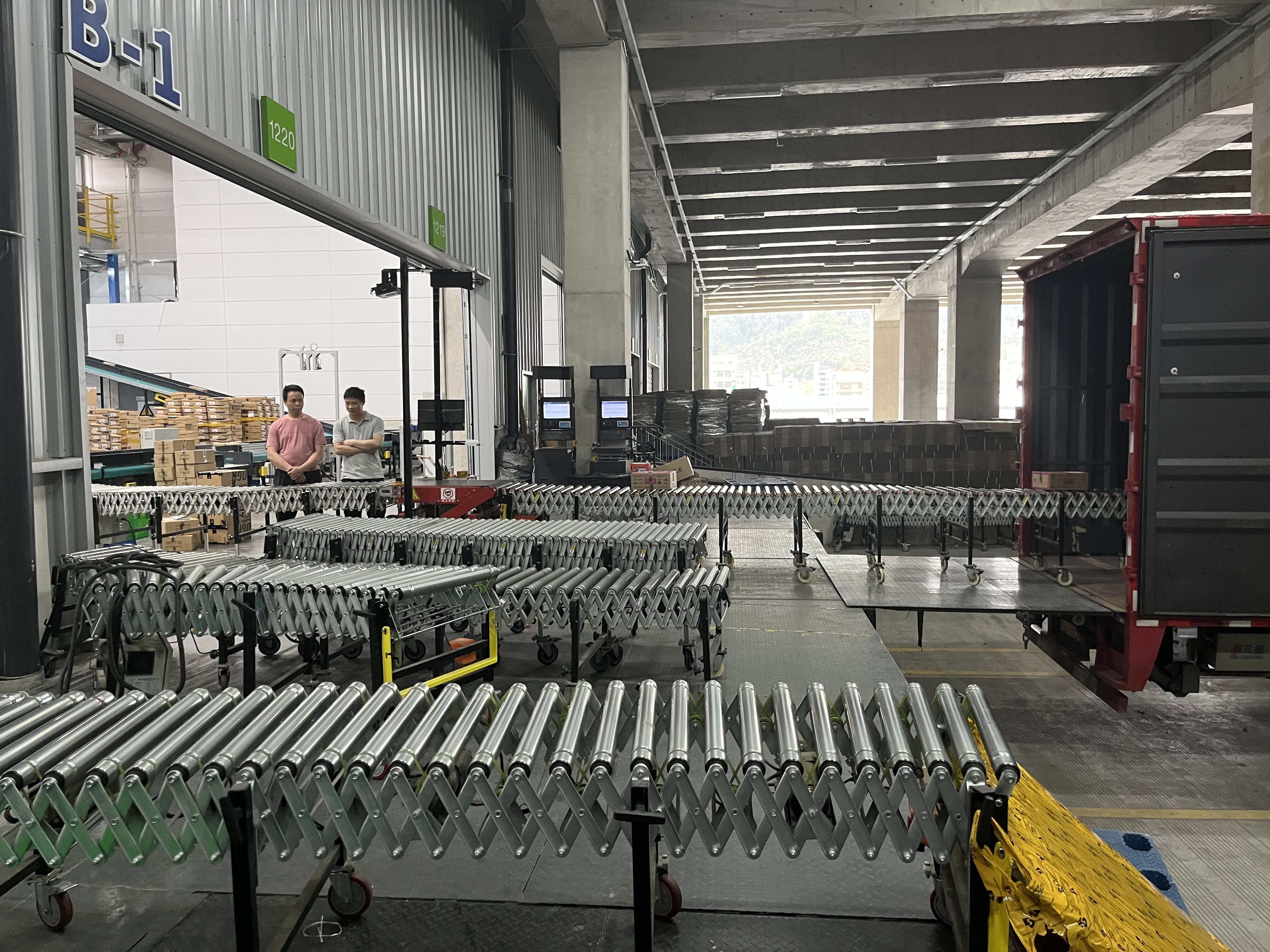
Unstable Production Capacity Is Often Bottlenecked by Material Flow, Not Processing
Many production managers encounter the same issue: equipment precision is adequate, automation is reasonably advanced, and staffing appears sufficient, yet overall production capacity still cannot reach its potential. Delivery schedules fluctuate, while work-in-progress inventory continues to build up. A look at the shop floor usually reveals that the real drag on efficiency is not the processing itself, but the connection between processes.
Process gaps, delayed material flow, frequent workstation waiting, and work-in-progress congestion can disrupt the production line rhythm when combined. Equipment may appear to be operating, but in reality it is often waiting idly or running without productive work, so equipment utilization naturally remains low.
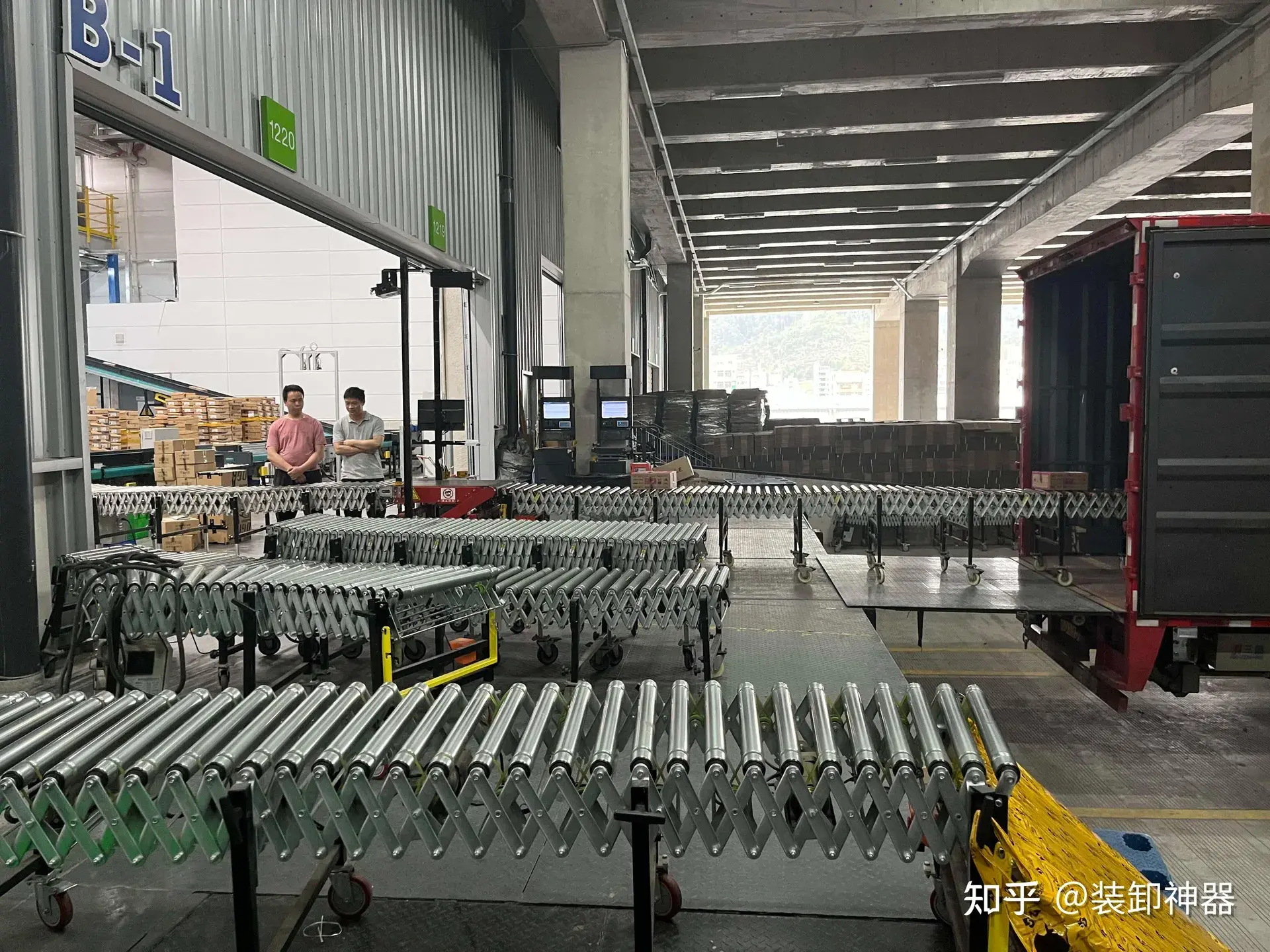
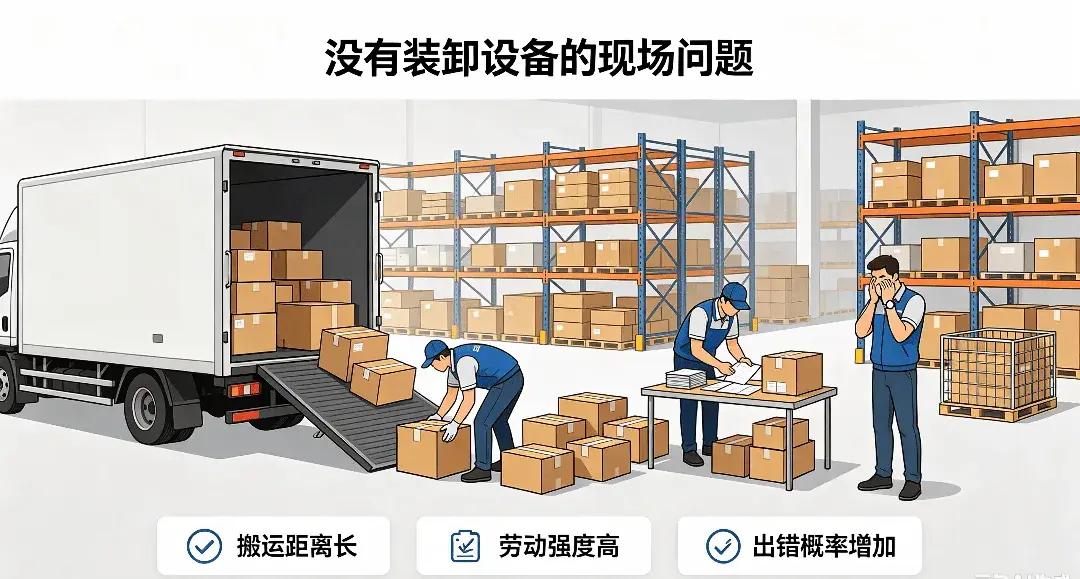
Unstable Manual Transfer Can Easily Amplify Shop-Floor Variability
Workshop production is essentially a continuous system: upstream, intermediate, and downstream processes must maintain a consistent rhythm for material flow to keep pace with the production cycle. The greatest issue with manual handling is its lack of control: speeds vary, handover times vary, and priorities vary. As a result, materials may sometimes accumulate and at other times run short.
Once the material supply pace falls behind the production rhythm, the line repeatedly encounters waiting, backflow, and congestion. Even fully equipped machinery and personnel are then passively consumed by inefficient steps.
Powered roller conveyors turn material flow into a continuous, standardized process
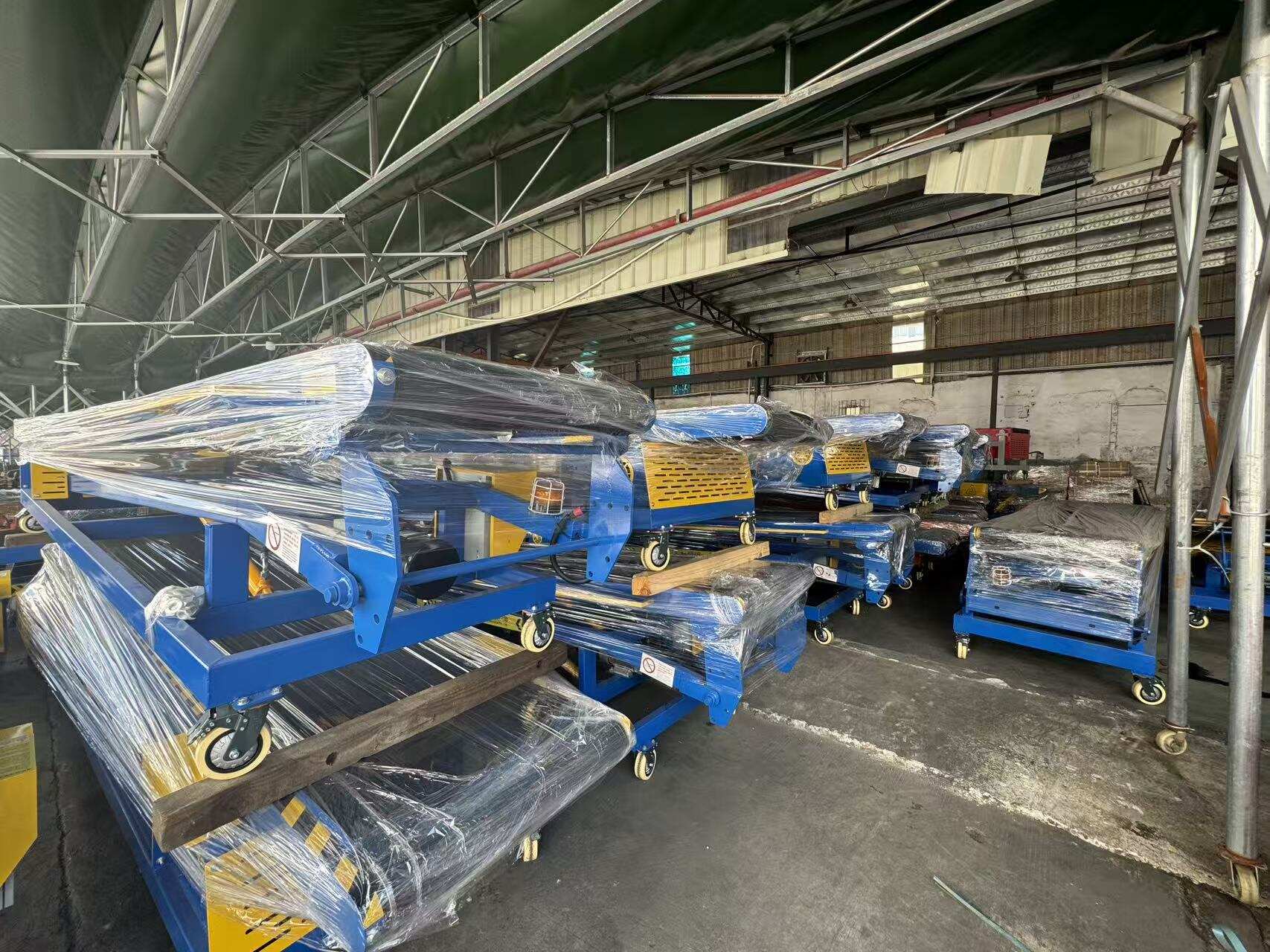
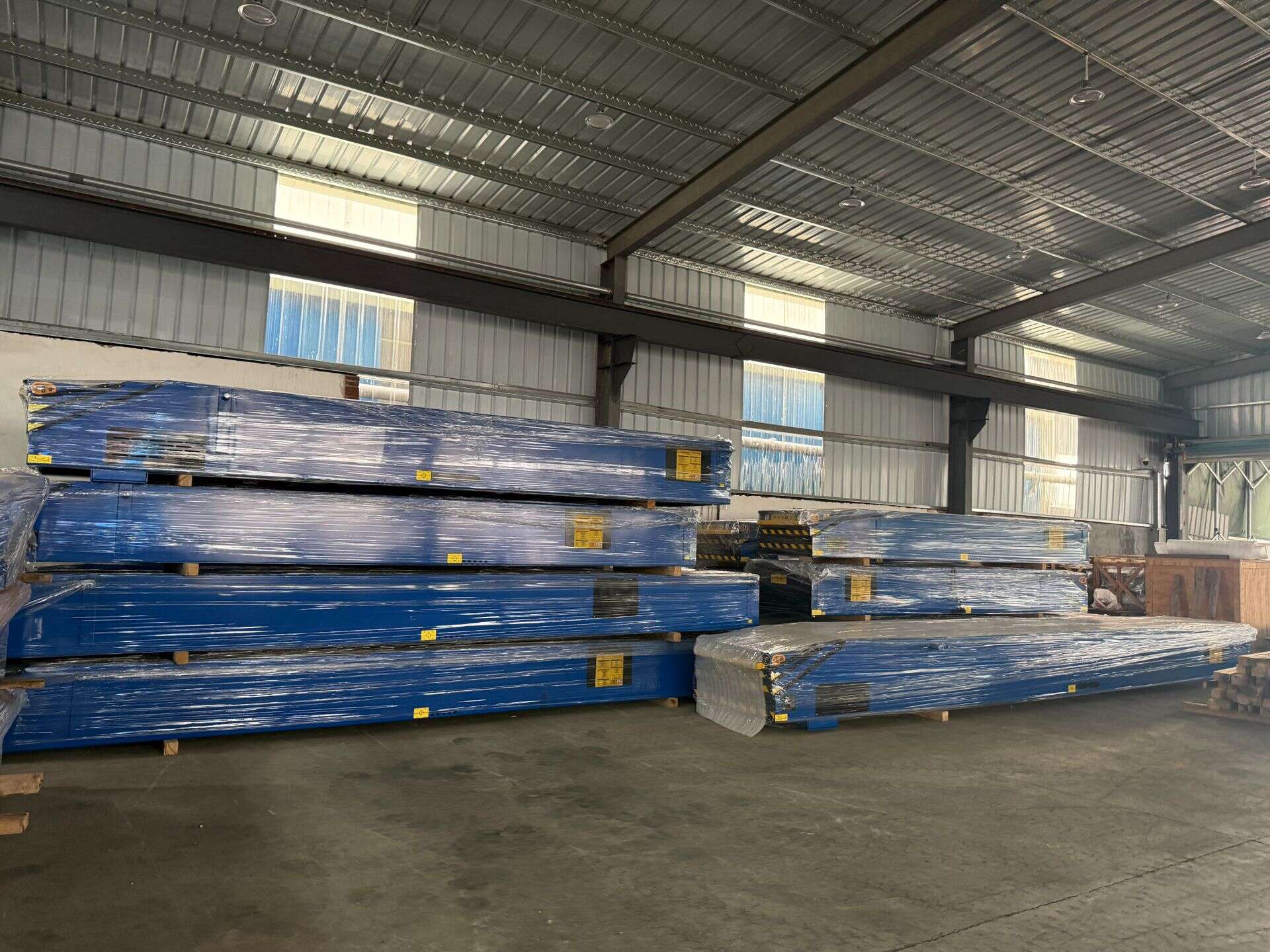
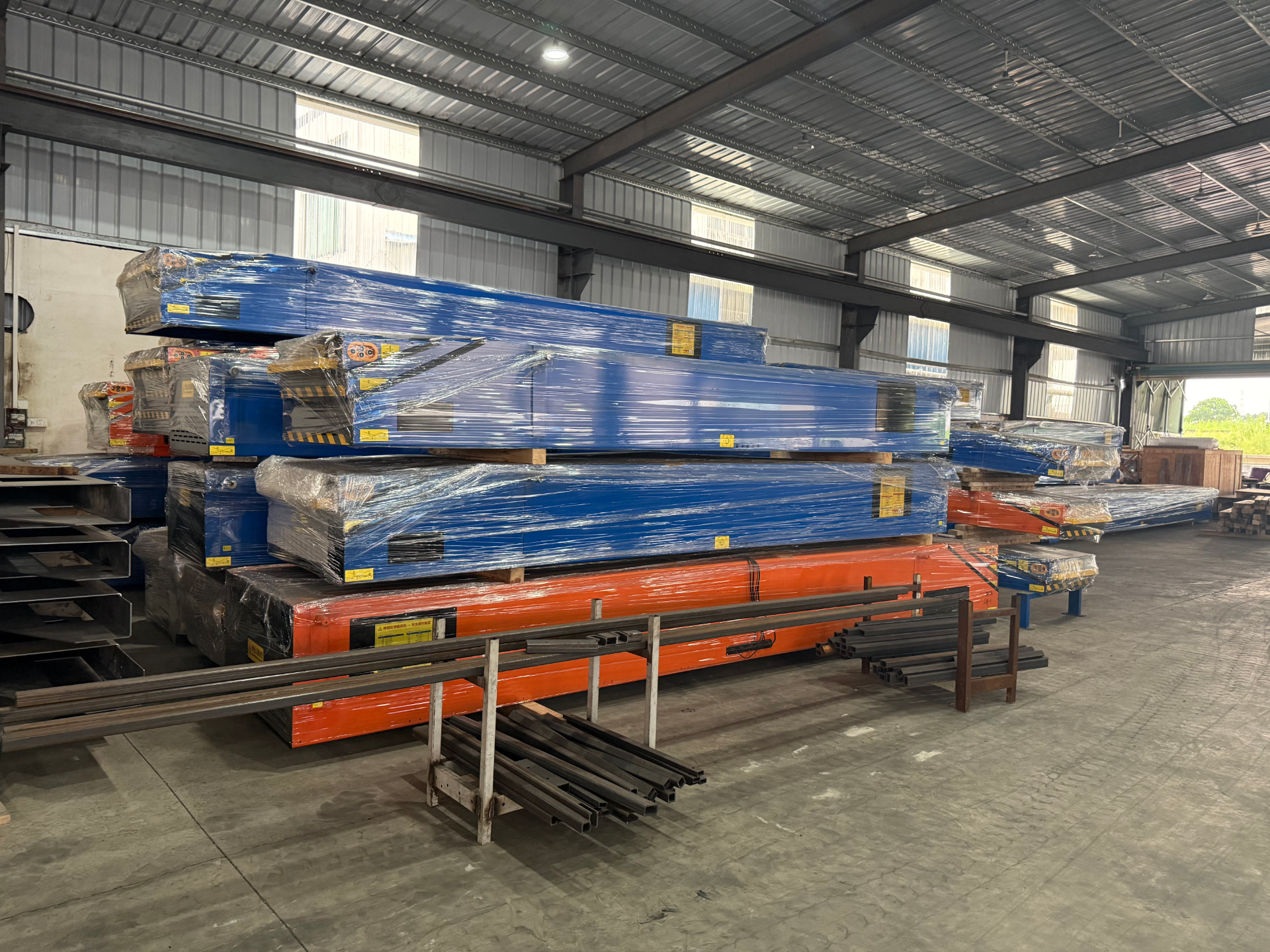
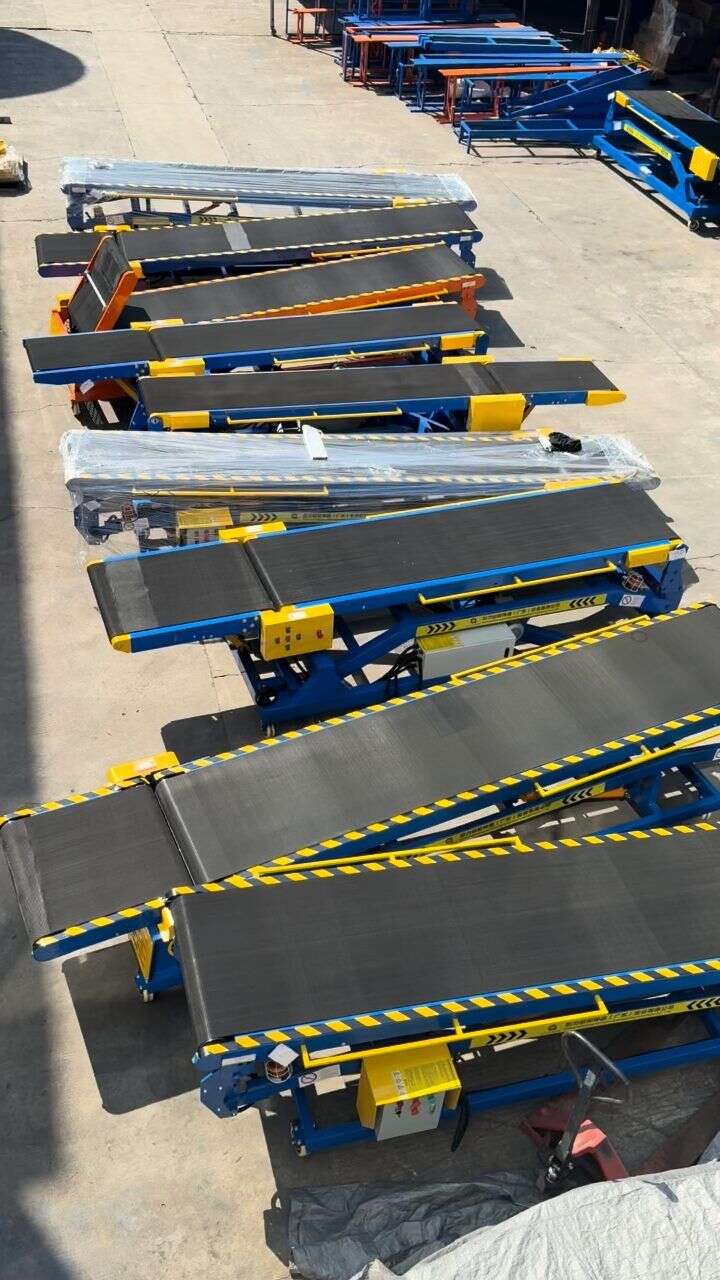
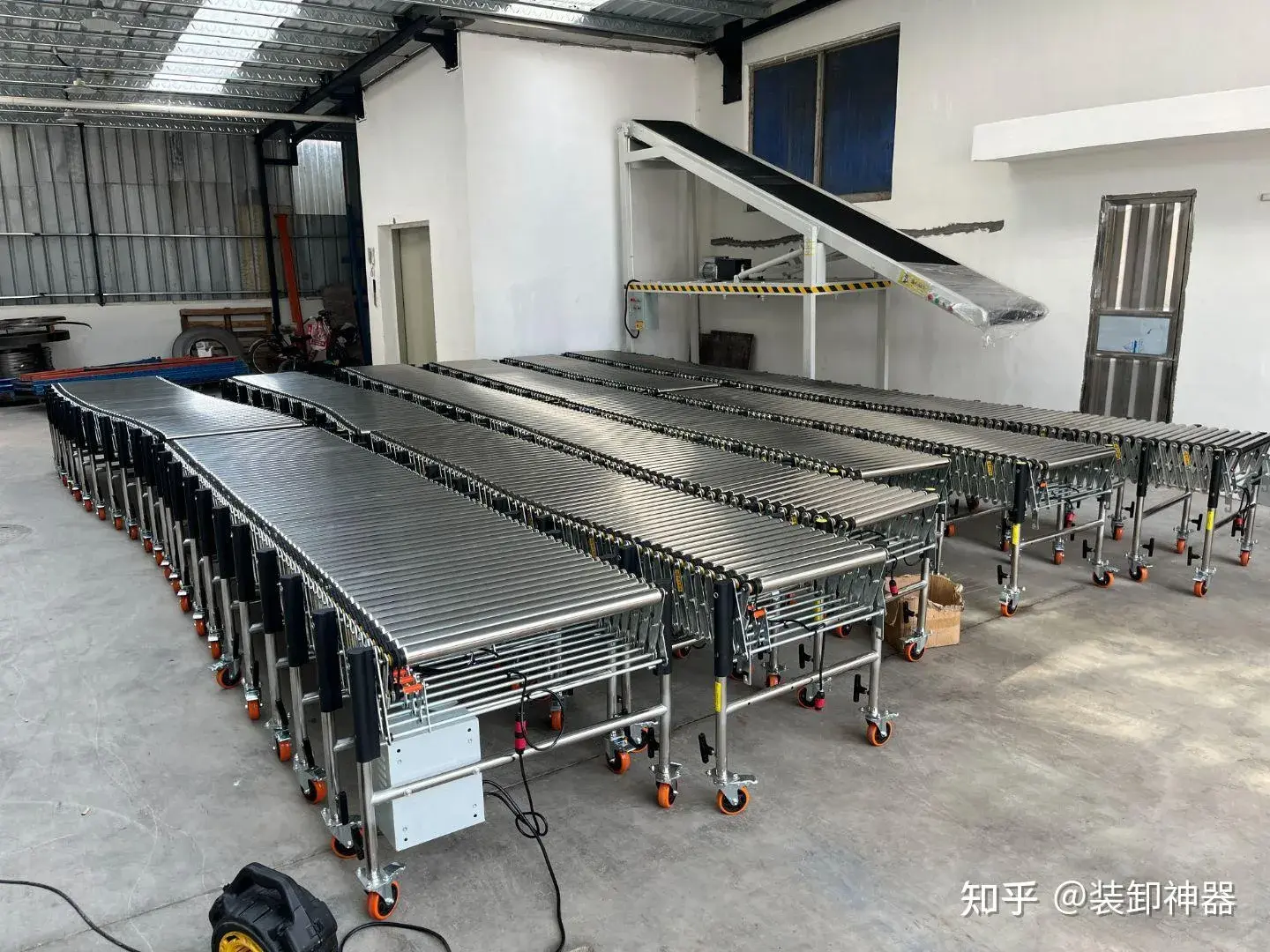
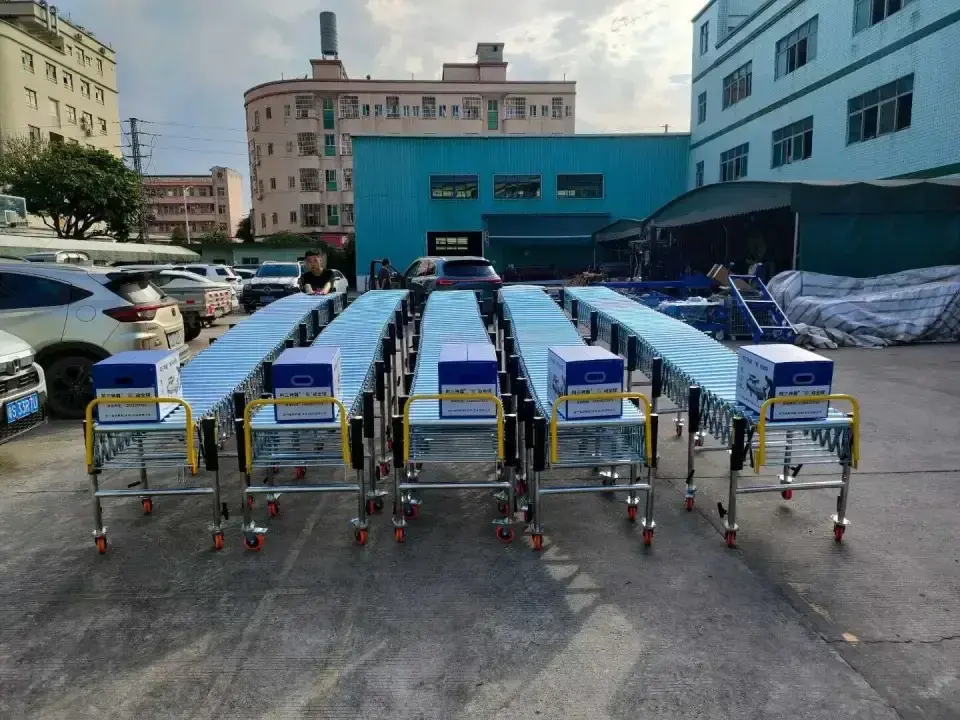
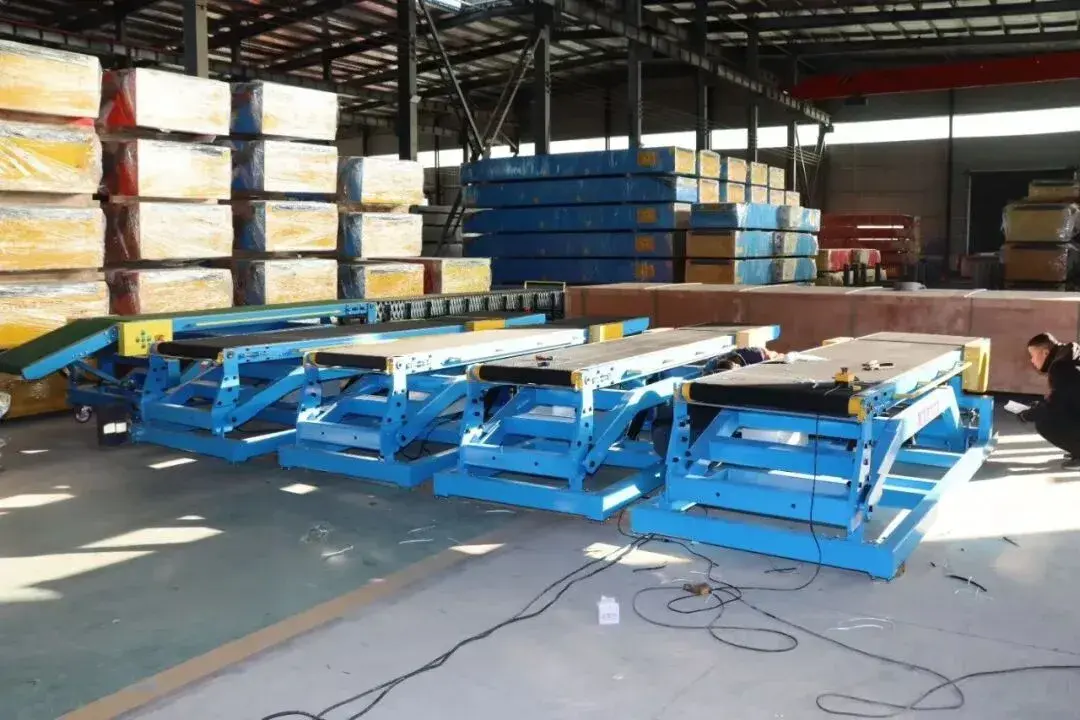
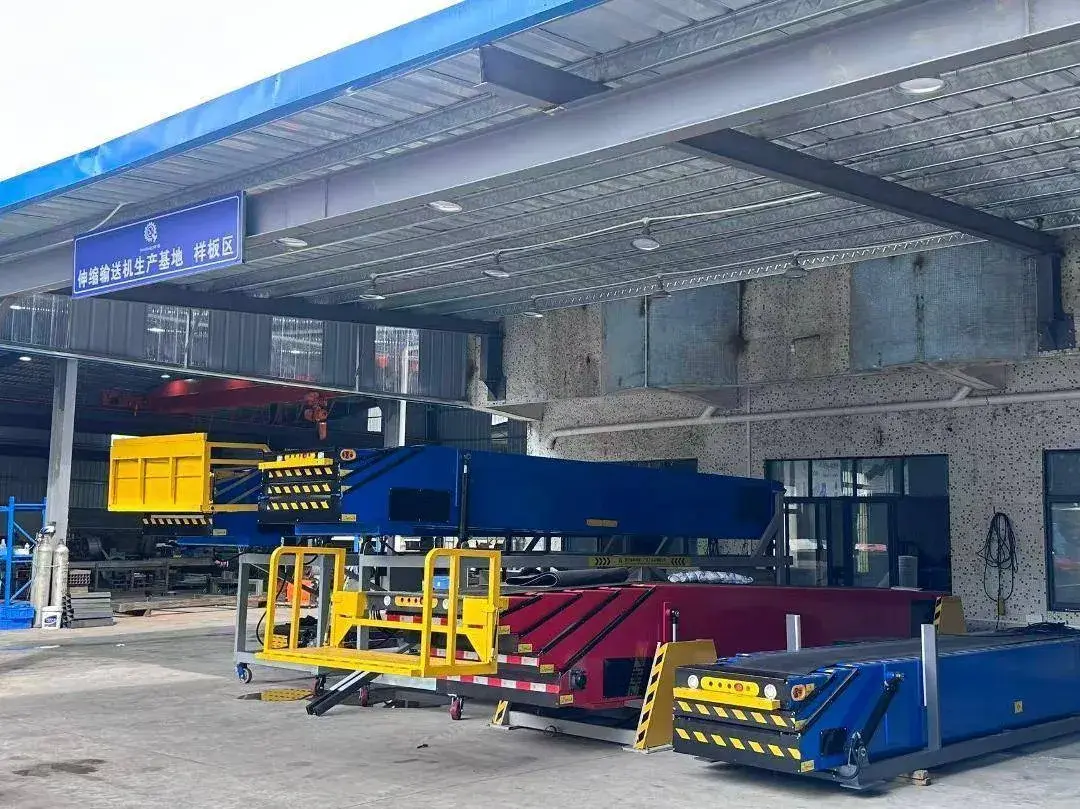
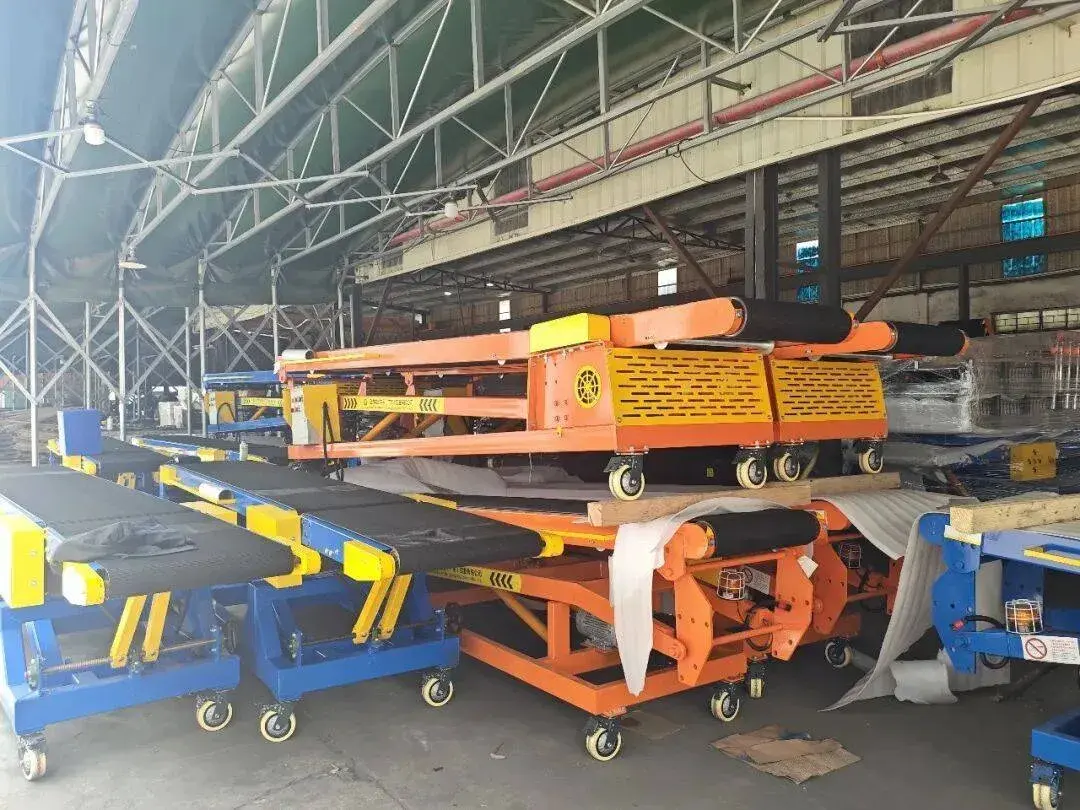
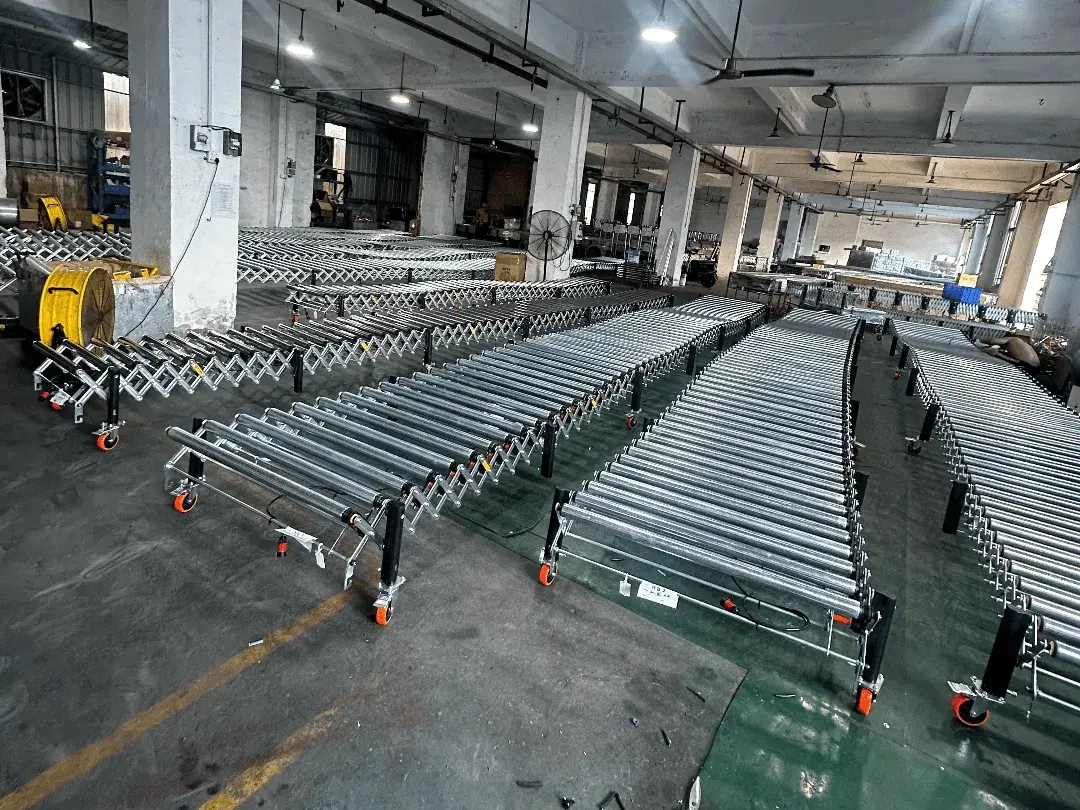
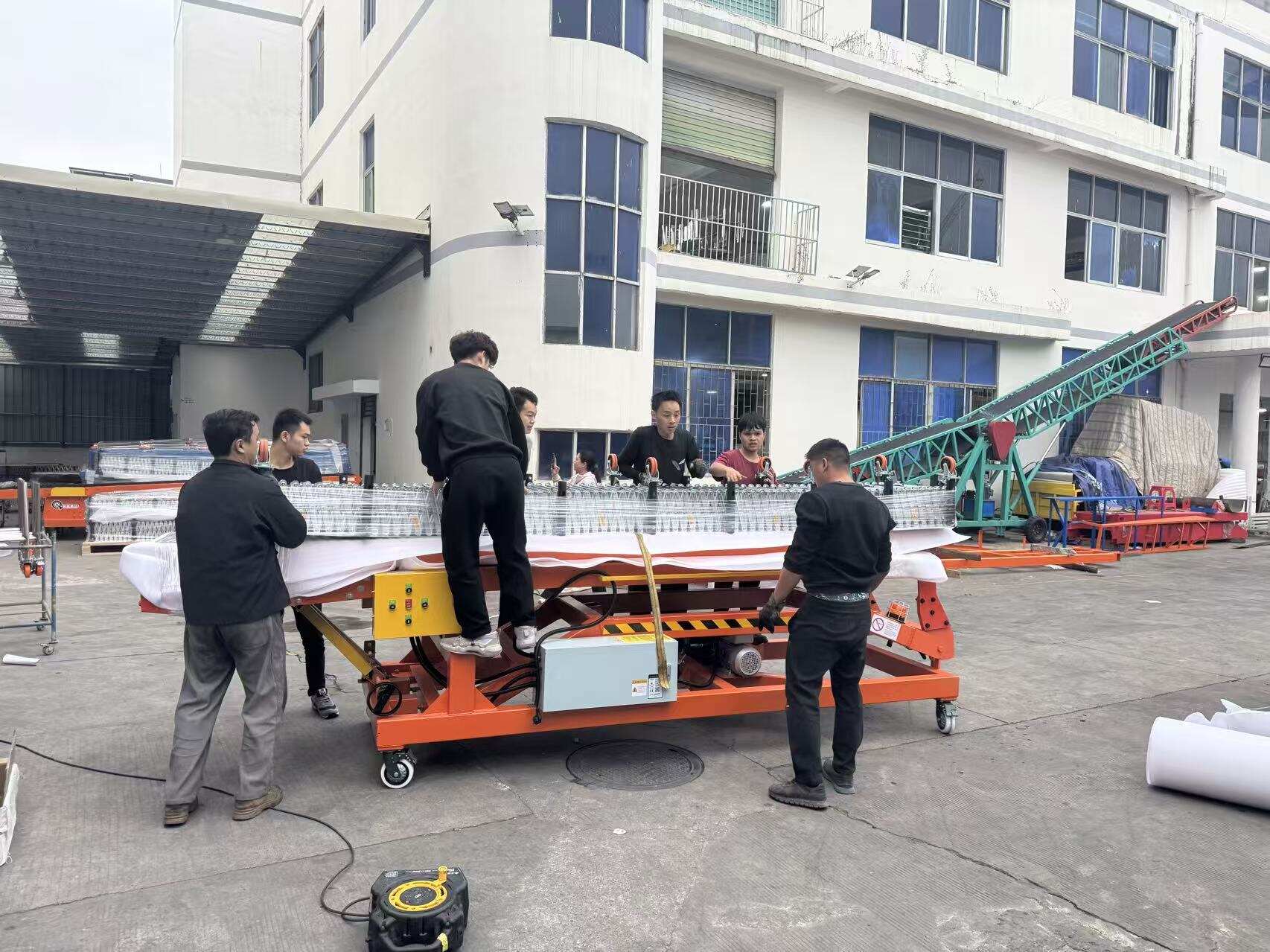
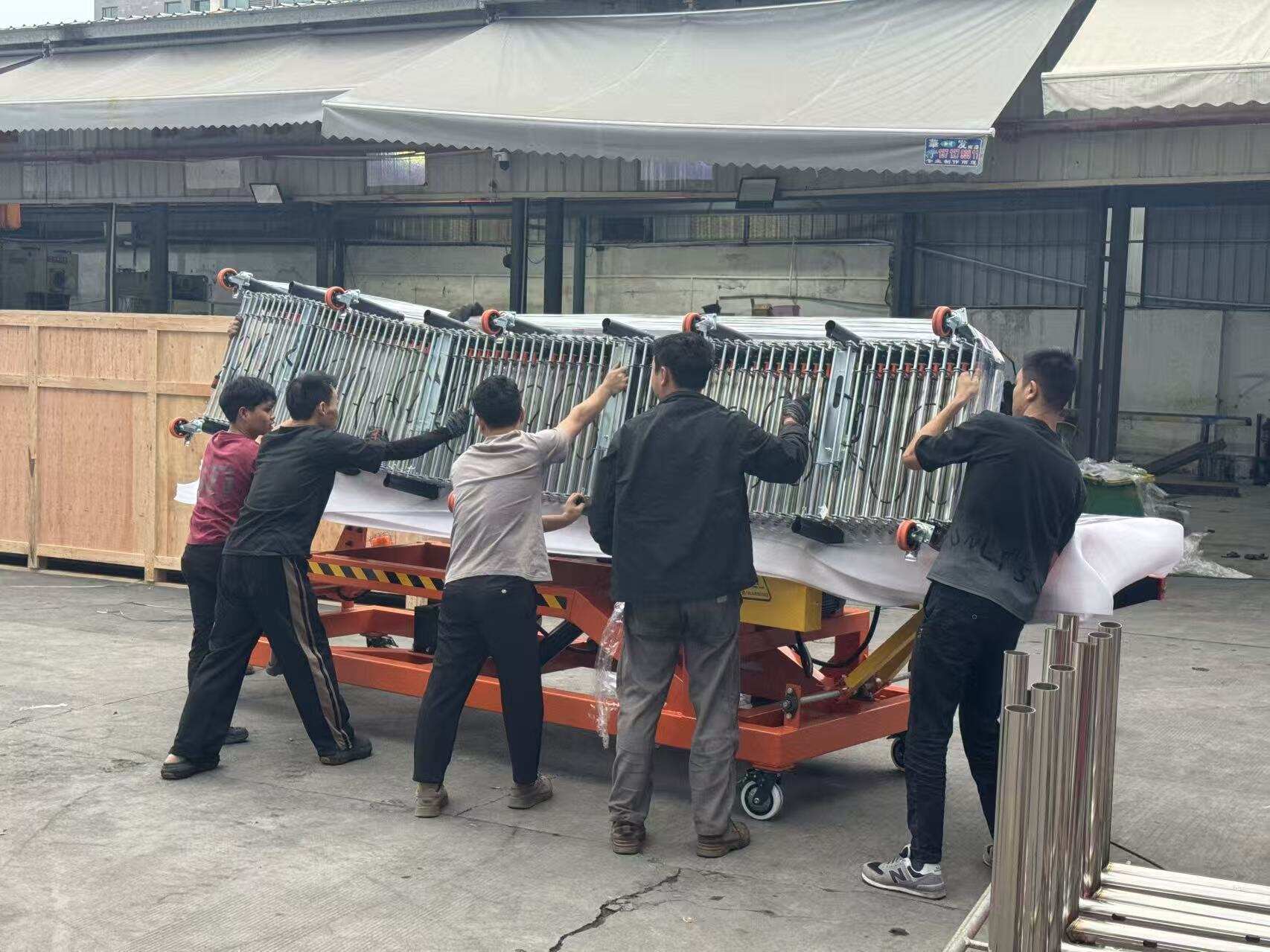
Naili Conveyor powered roller conveyors have a clear purpose: rather than continuing to emphasize processing capabilities, they open up internal logistics links to automate, standardize, and streamline material flow. The equipment can reliably handle material transfer throughout the entire process, automatically moving materials forward in step with production while reducing the unpredictability and delays caused by manual handling.
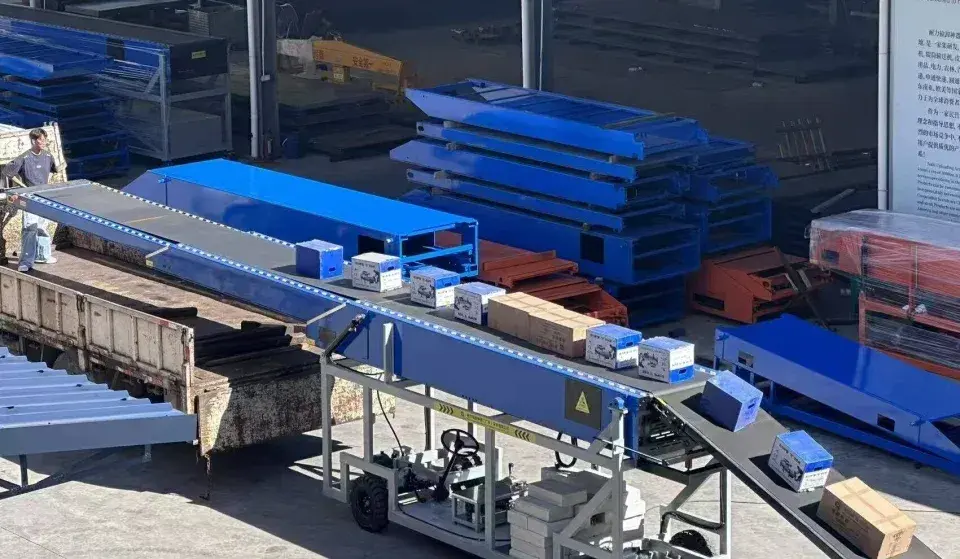
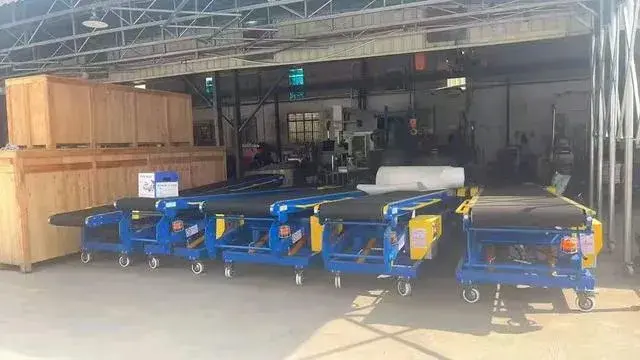
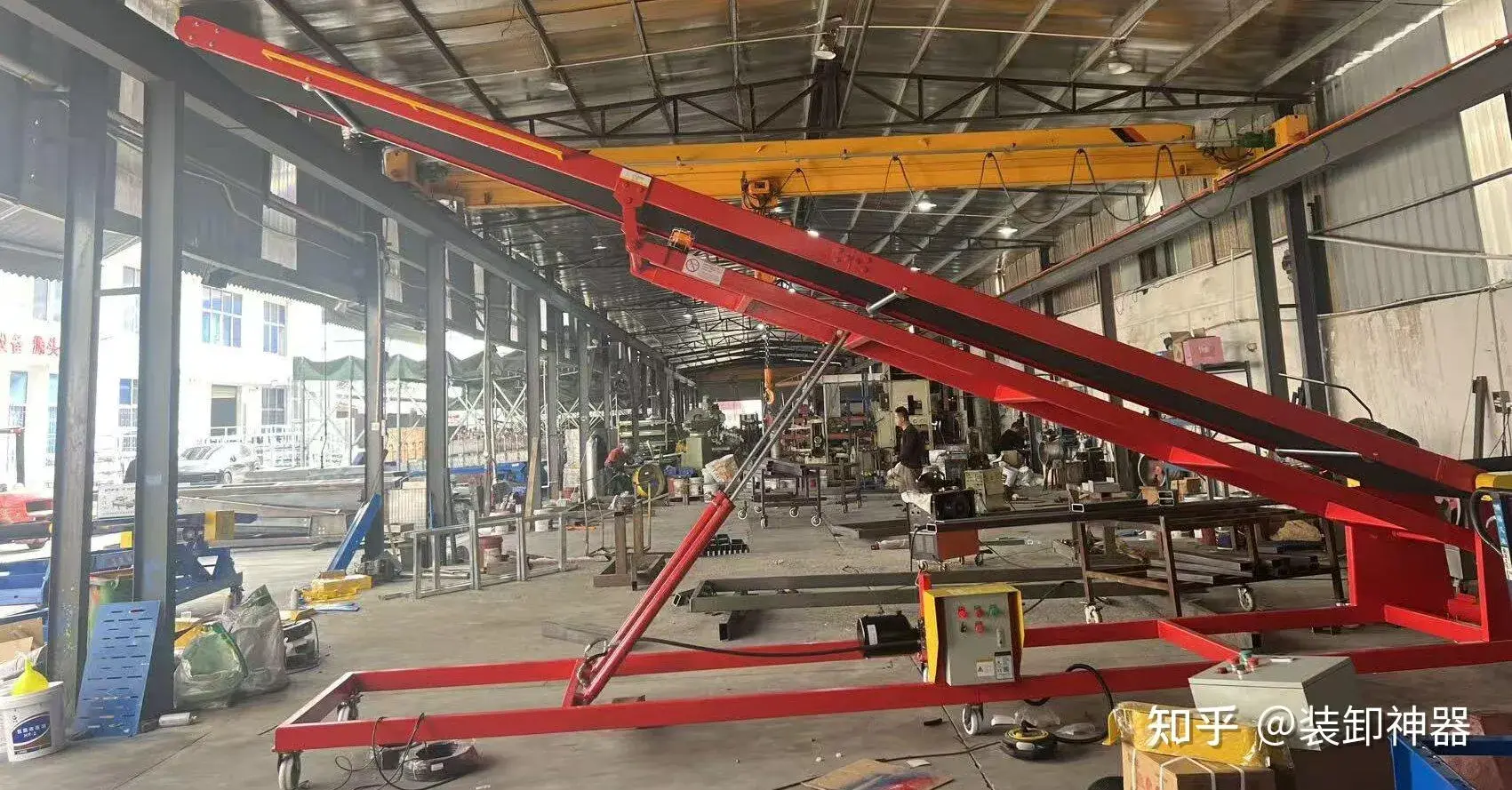
They accommodate common material types such as boxed goods, pallets, heavy complete units, and circulating semi-finished products. They can be used for loading and unloading at workstations, process connections, cross-area transfer, and finished-product consolidation and warehousing, making them suitable for factories engaged in processing, assembly, and warehouse transfer.
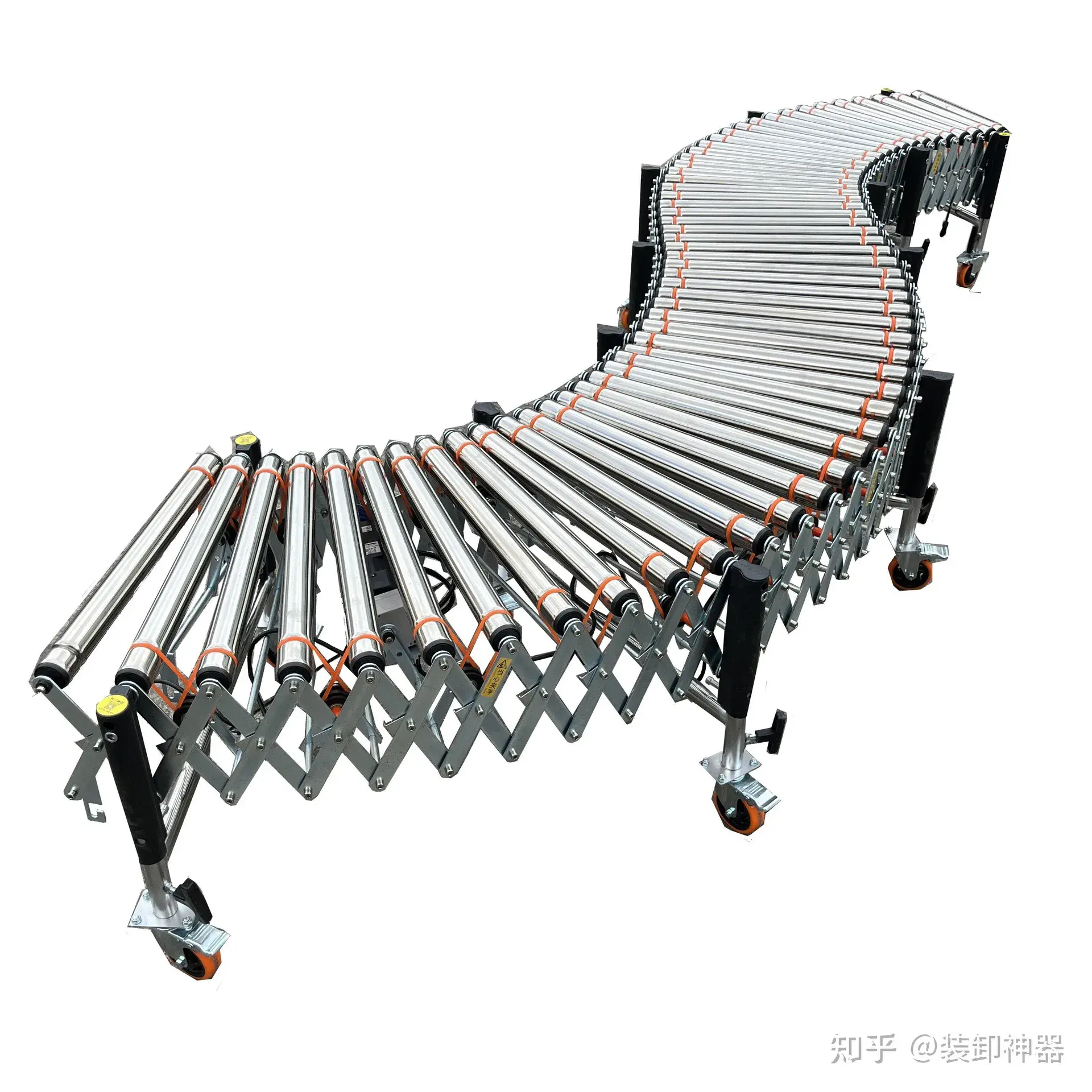
Customizable to on-site operating conditions and different workshop layouts
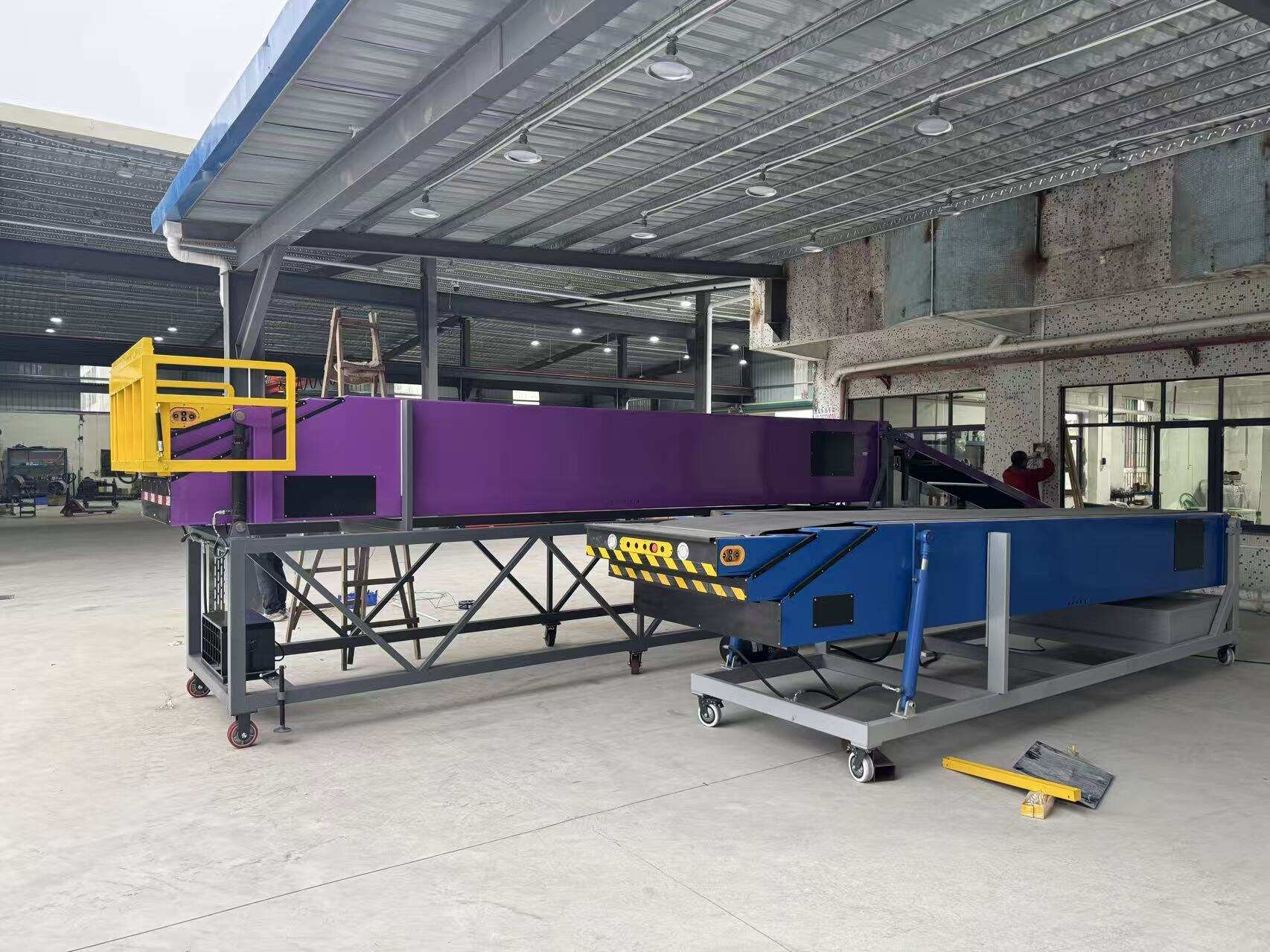
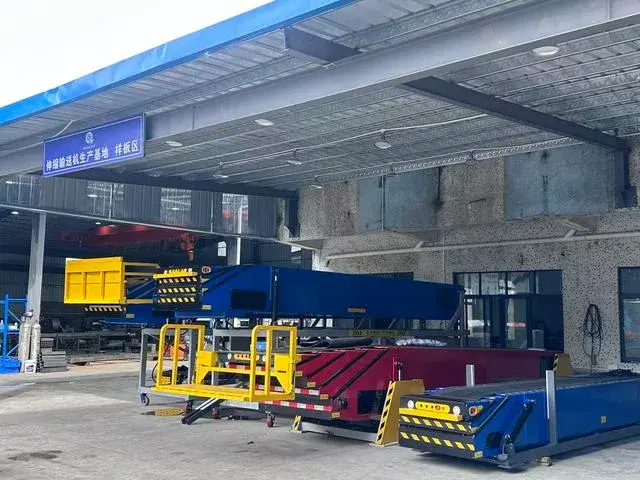
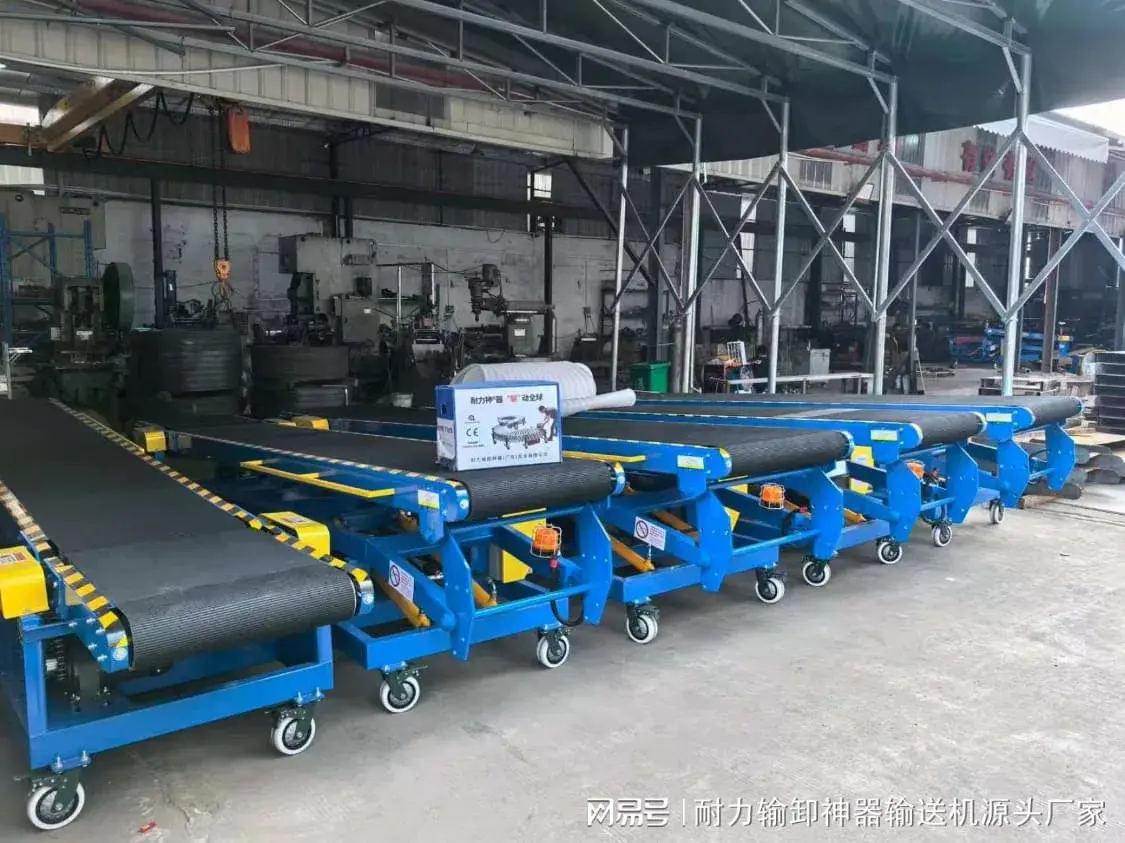
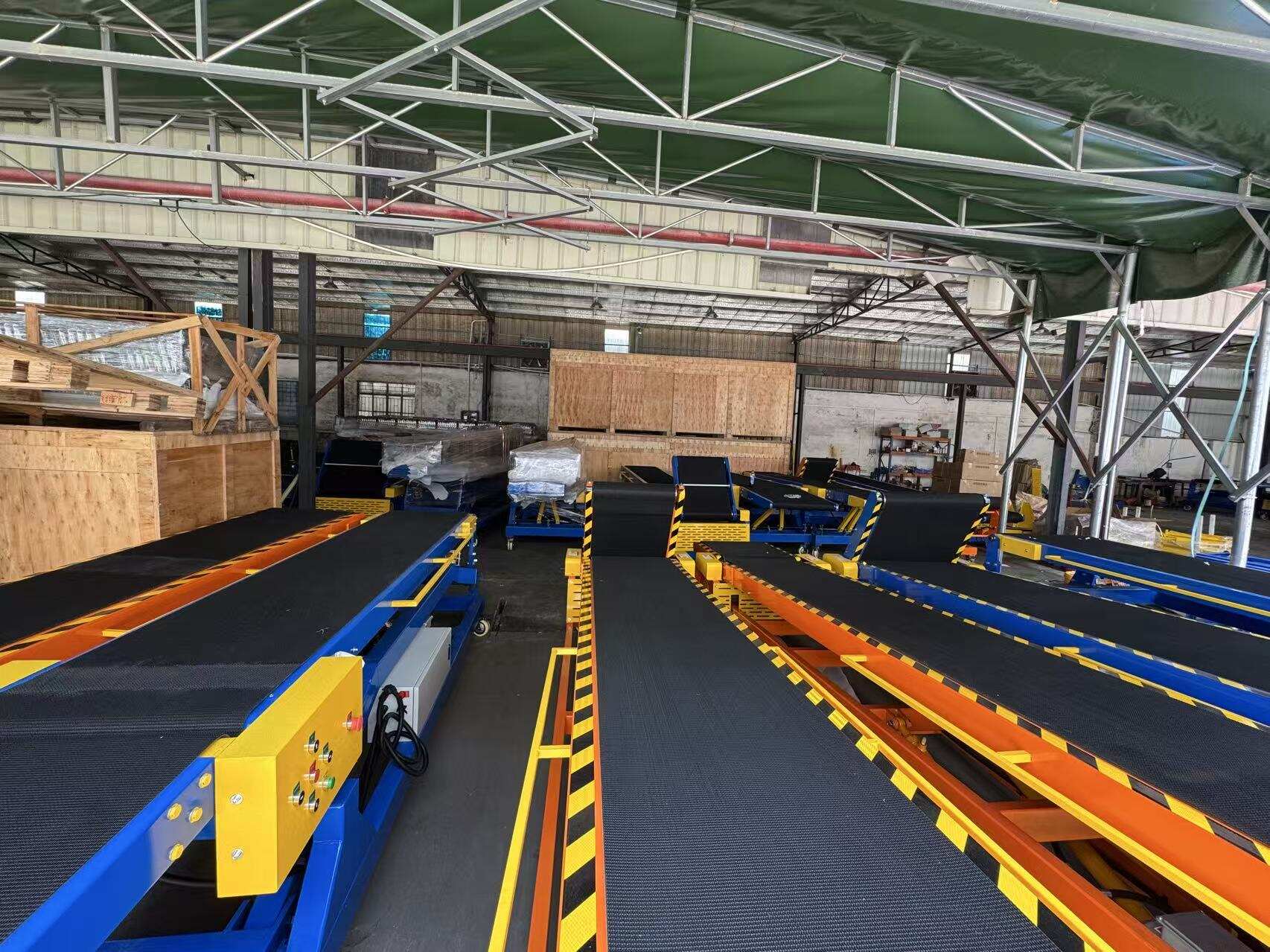
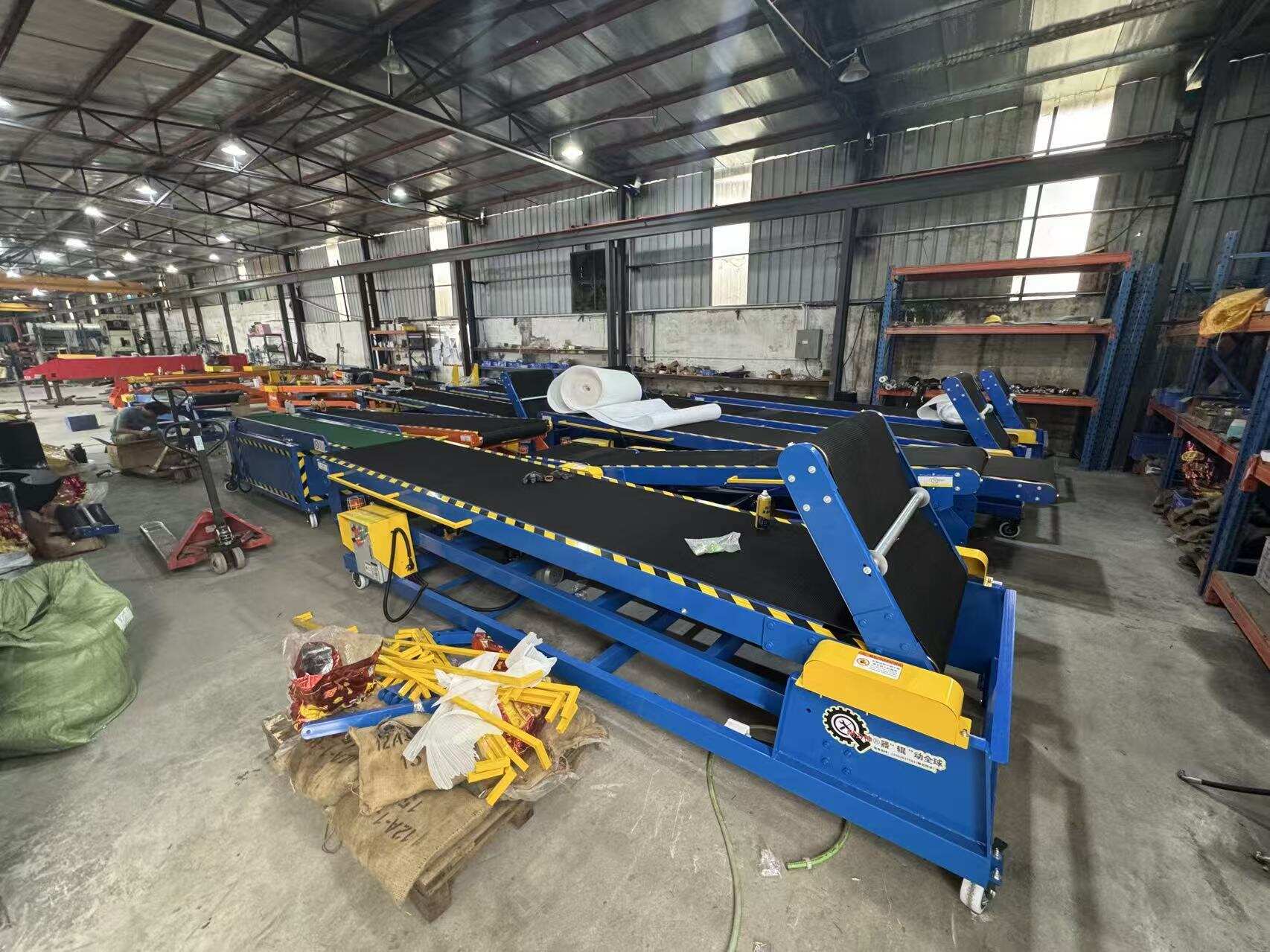
Compared with general-purpose standard equipment, Naili Conveyor solutions place greater emphasis on operating-condition compatibility. Conveyor length, width, height, and speed can be customized according to workshop layout, workstation spacing, aisle dimensions, and production rhythm, bringing the equipment closer to actual operating requirements.
The equipment can also be fitted with modules such as intelligent sensors, variable-frequency speed control, positioning stops, and safety protection to enable automatic start and stop, on-demand material feeding, and precise process connections. It also supports turning, lifting, and multi-level layouts, making it suitable for non-standard workshops, older production lines, and irregular plant retrofits. Logistics can be upgraded without extensive demolition or modification.
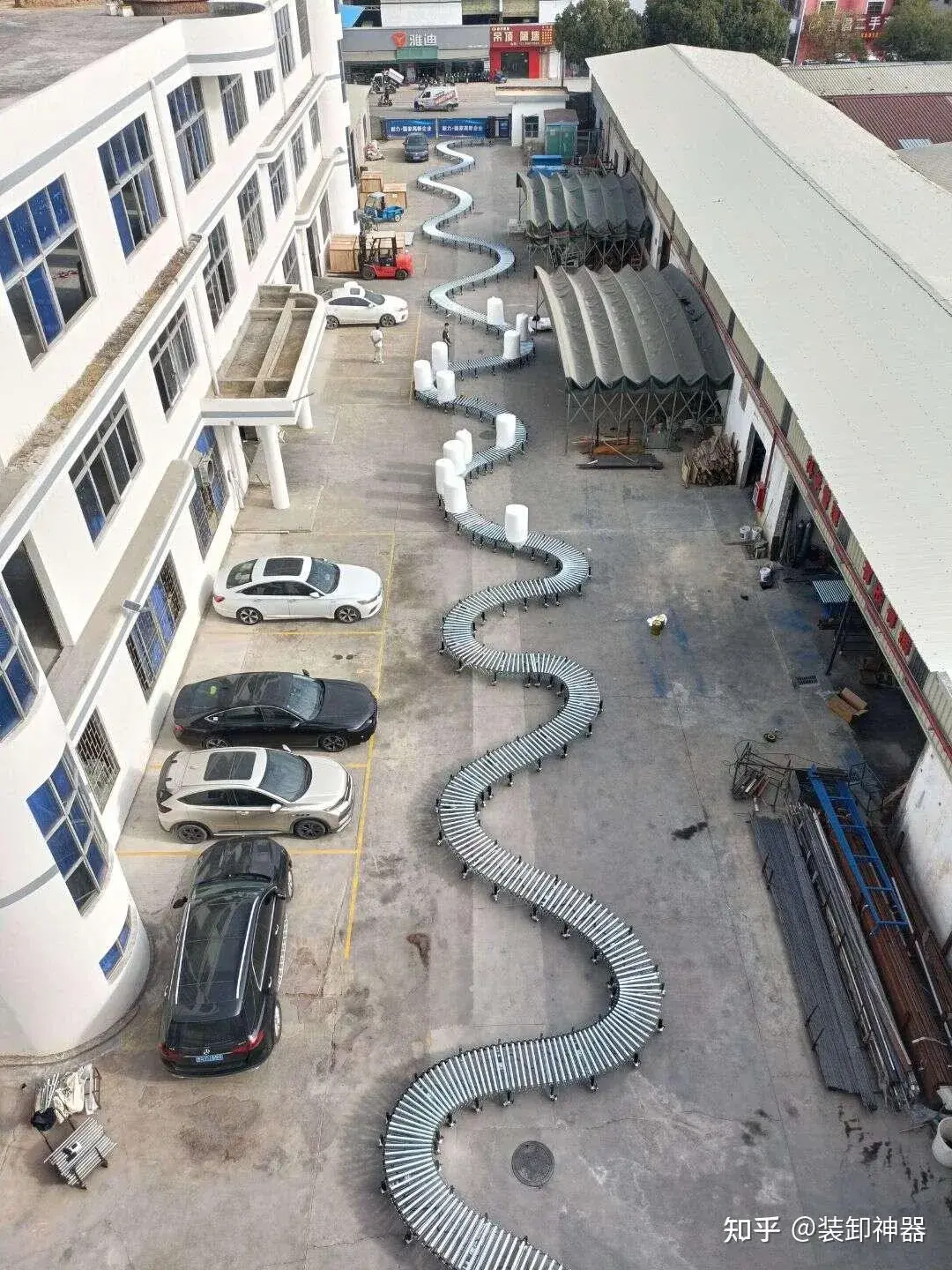
Streamline logistics to truly unlock production capacity
From a workshop operations perspective, the value of powered roller conveyors lies not only in moving materials, but also in unifying the flow rhythm. Once installed, the equipment can help streamline logistics routes, reduce accumulation, bottlenecks, material shortages, and process disconnects, stabilize production-line rhythm, improve equipment utilization, and make overall production efficiency easier to increase.
For factories seeking to upgrade toward more refined, automated, and efficient production, streamlining internal logistics links is often more direct than continuing to add processing equipment.