Naili Conveyor
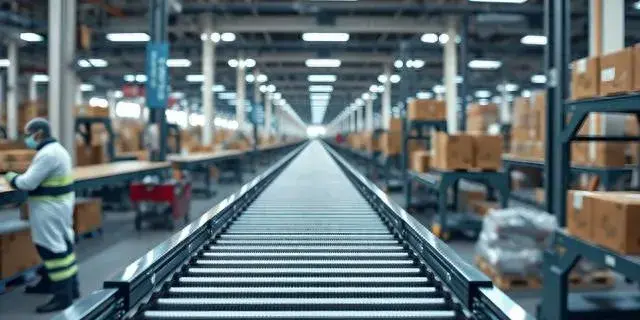
The Root Cause of Capacity Bottlenecks Is Often Intralogistics
Many factories encounter similar situations: the equipment has already been upgraded and there is no shortage of personnel, yet output still fails to increase. The workshop may appear busy, but in reality, semi-finished products are piling up beside workstations, downstream processes are waiting for materials, and handoffs between processes are inefficient. Most of the time is consumed by waiting for, moving, and clearing obstructed materials. What truly slows production is often not the processing itself, but inefficient material flow.
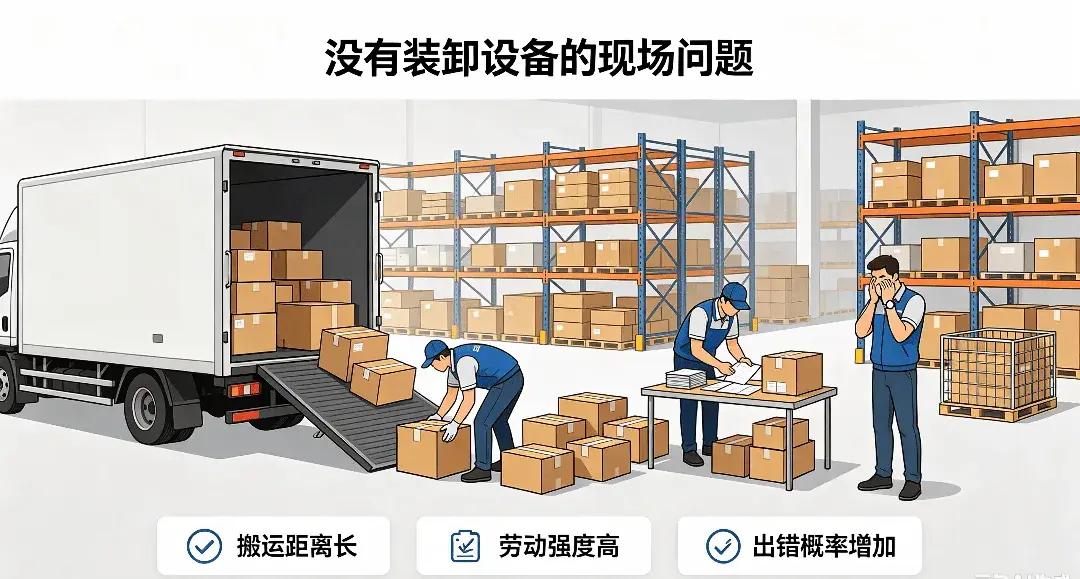
When materials cannot be transferred promptly after the preceding process is completed, while the next process lacks materials to begin work, the rhythm of the entire production line is disrupted. In addition, disorganized material storage and repeatedly obstructed aisles not only affect workplace order but also increase the risk of collisions and batch mix-ups, putting pressure on delivery schedules and quality management.
Which Workshop Scenarios Are Suitable for Powered Roller Lines?
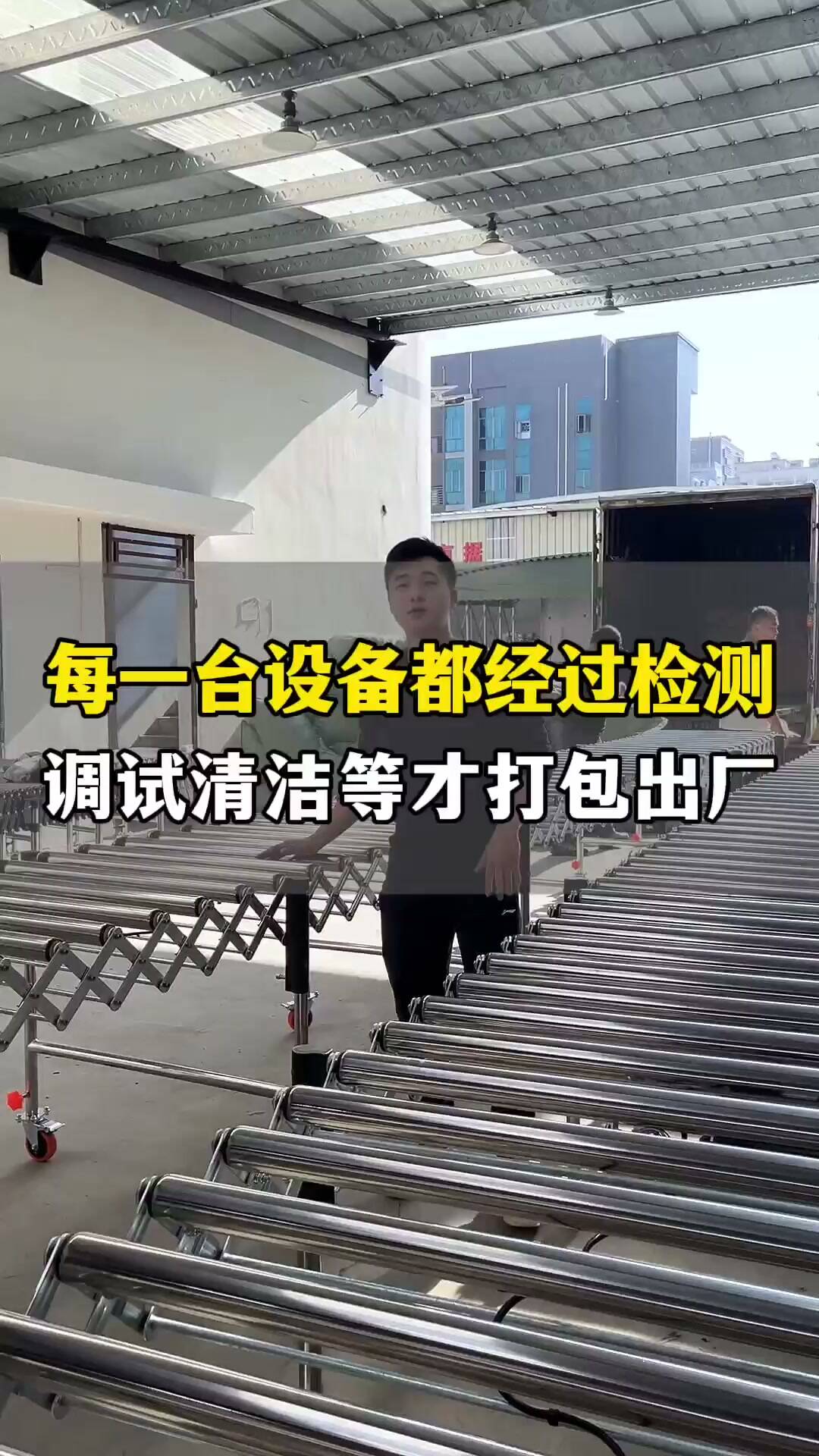
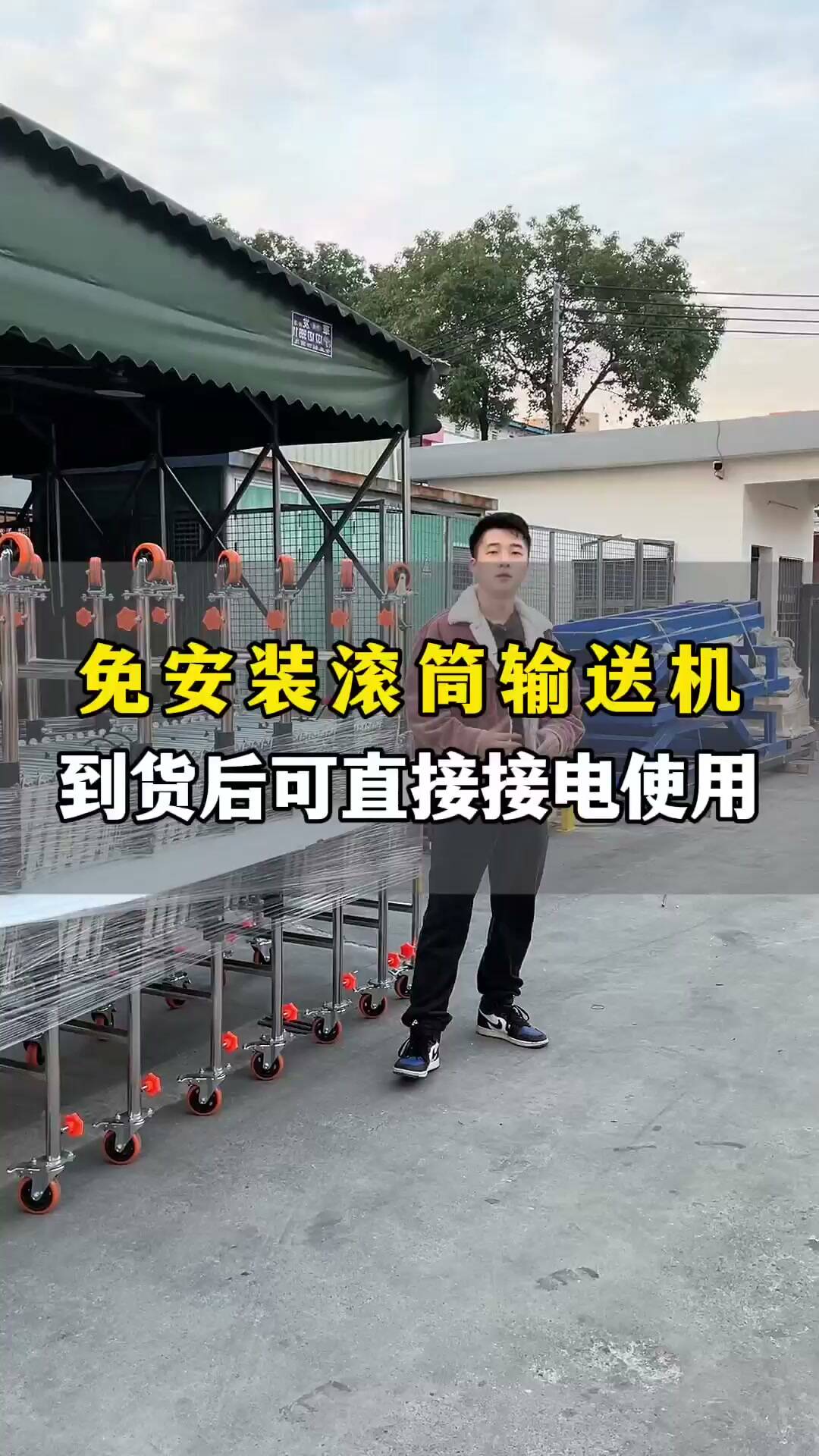
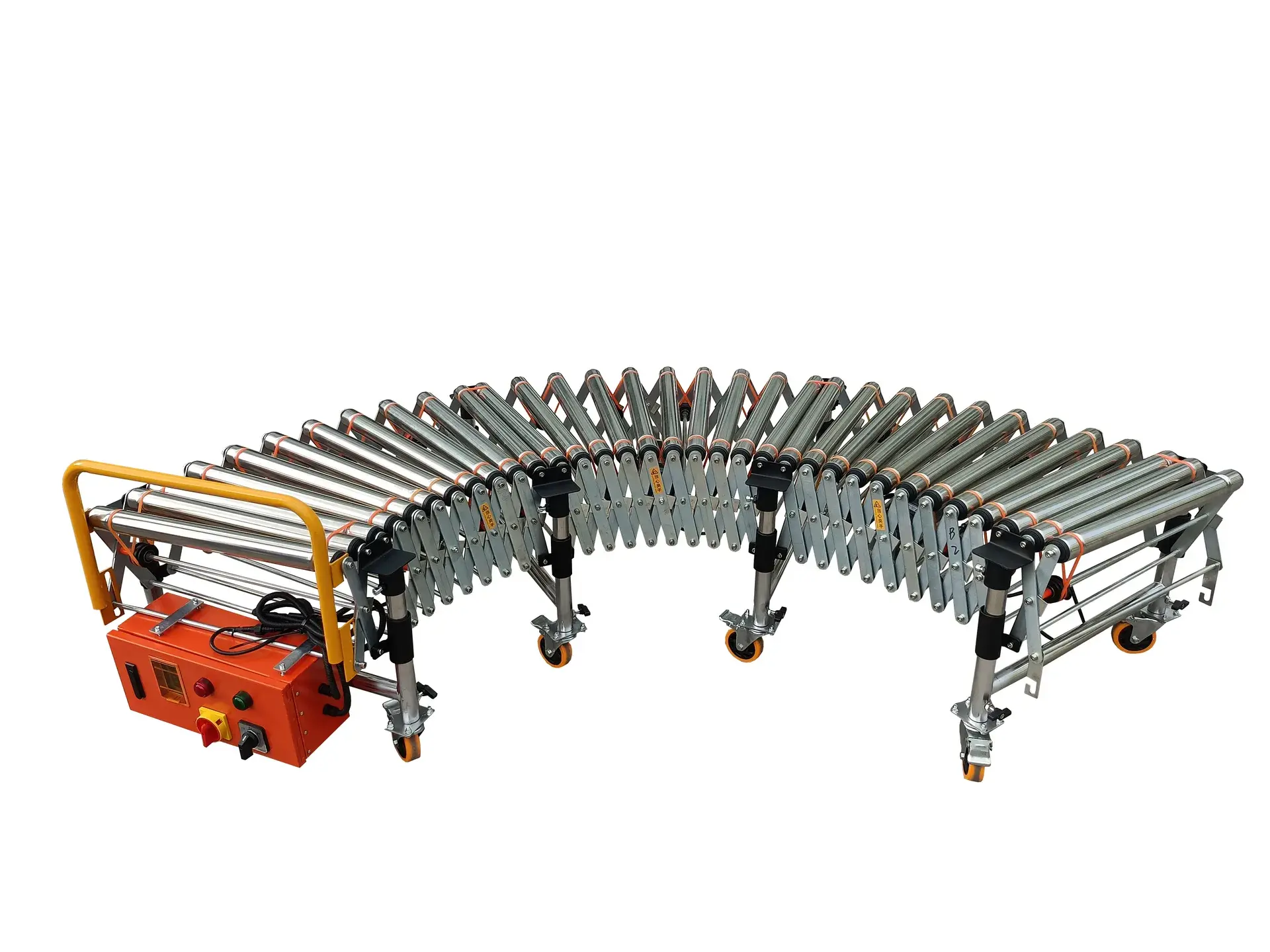
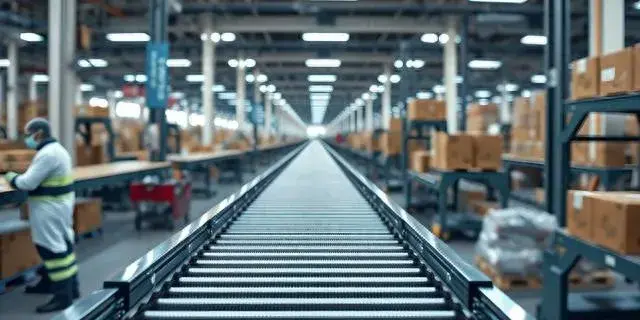
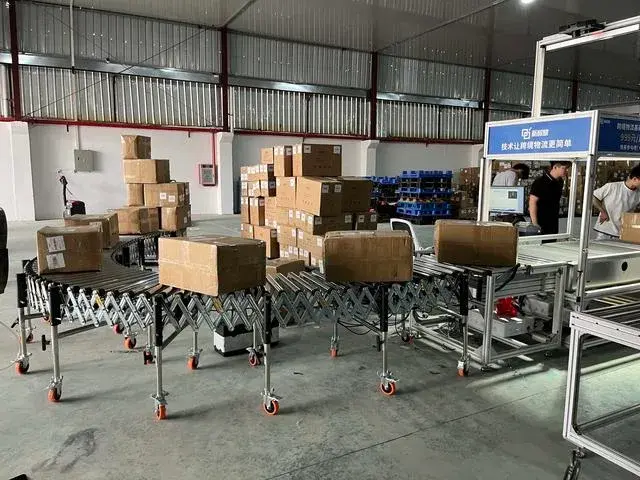
Naili Shuxie powered roller lines are suitable for the boxed goods, pallets, and heavy unit loads commonly found in factories. They can be used for process connections, loading and unloading, semi-finished product transfer, finished product collection, and other operations. Their purpose is not to replace the entire production system, but to connect the internal transfer points in the workshop that are most prone to problems, reducing delays caused by repeatedly pushing carts and manually moving materials.
In high-frequency, continuous production environments, the value of this type of equipment is even more apparent: materials flow automatically in sync with the production pace, handoffs between workstations become smoother, and reliance on manual labor and physical workload are reduced accordingly. For workshops that require the stable conveying of both light and heavy materials, stable operation, prevention of material deviation, and jam-free performance are especially important.
Customized Configurations Make Equipment a Better Fit for the Site
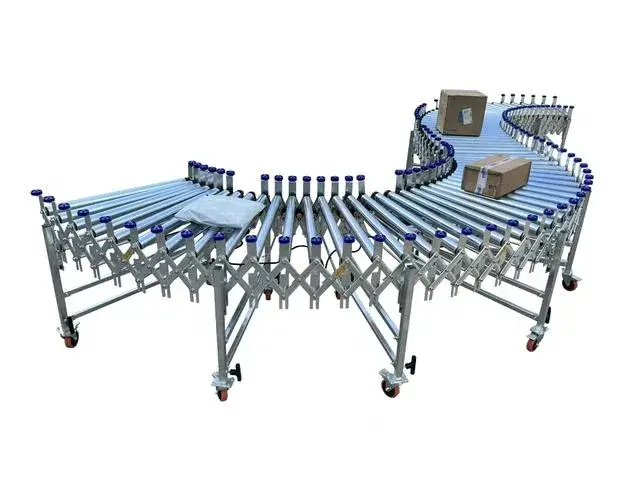
Many standard roller lines cannot be used effectively after being installed in a workshop. The issue is usually not that the equipment is unable to convey materials, but that it does not match the site layout, workstation spacing, or material specifications. Naili Shuxie supports customization based on the workshop's actual dimensions, operating conditions, and production pace. The length, width, height, conveying speed, and functional configuration can all be adjusted.
Functionally, configurations such as sensor-based start/stop, variable-frequency speed control, and protective limit switches can also be added as needed, allowing the equipment to adapt to the workshop rather than forcing the workshop to accommodate the equipment. This approach is better suited to production environments with high requirements for continuity and takt time.
Only when material flow is fully connected can production capacity truly be unleashed
Direct implementation by the source manufacturer, with on-site surveying, design, installation, and commissioning completed in one seamless process. For factories, the real value lies not in adding more workers or overtime, but in first streamlining internal logistics. Once material flow becomes smooth, processes no longer pile up, workstations no longer sit idle waiting, and production rhythms become easier to synchronize.
Once the equipment's effective production time increases, workshops can often achieve more stable output without blindly expanding production capacity. For factories seeking to reduce costs, improve efficiency, and unlock existing capacity, resolving logistics bottlenecks is usually more effective than simply pursuing faster processing speeds.