Ground-level loading and unloading is becoming a bottleneck to business efficiency
In manufacturing, warehousing and logistics, e-commerce supply chains, and fast-moving consumer goods distribution, cargo loading, unloading, and on-site transfer play a crucial role in connecting production, warehousing, and transportation. As 2026 begins, ongoing changes in the frontline labor structure have made issues such as shortages of workers for heavy manual jobs, high employee turnover, and rising labor costs increasingly prominent. Traditional manual ground-level loading and unloading can no longer meet the routine, large-scale operational needs of businesses. For factories, logistics parks, and warehousing sites without professional loading platforms, difficulties in recruitment, low efficiency, high losses, and elevated risks are no longer isolated problems but long-term pressures affecting operational efficiency.
In actual operations, manual loading and unloading relies heavily on coordination among multiple workers. Moving, lifting, and transferring batches of goods is physically demanding and can easily be affected by weather, worker proficiency, and operating conditions, resulting in fluctuating efficiency. When orders are concentrated during peak periods, this instability is further amplified, directly affecting shipping schedules and fulfillment performance.
The problems with traditional manual operations go beyond efficiency
The first layer of pressure created by manual loading and unloading is cost. In addition to salaries, social insurance, meals, accommodation, and other fixed labor expenses, companies must hire additional temporary workers during major e-commerce promotions, peak production and sales seasons, or periods of concentrated arrivals, further increasing overall operating costs. At the same time, the intensity, repetitiveness, and low stability of heavy manual jobs make employee turnover routine, while investments in recruitment, training, and management are difficult to convert into stable long-term efficiency gains.
The second layer of pressure comes from safety and product damage. Most small and medium-sized enterprises do not have standard loading platforms, leaving a height difference between the ground and the vehicle compartment. Workers must repeatedly bend, carry loads, and lift goods, making occupational problems such as lower-back strain and joint injuries more likely, as well as safety accidents such as falls and crush injuries. In addition, manual handling lacks standardized procedures, so goods are prone to impact, compression, tipping, and damage during stacking, transfer, and loading, creating ongoing hidden costs.
Although some low-end, simple conveying equipment on the market can handle localized short-distance transport, its performance is limited when dealing with ground-level height differences, compatibility with multiple vehicle types, and continuous high-volume operations. It therefore still cannot fundamentally replace manual labor. What businesses truly need is a standardized, integrated solution package that can adapt to a wider range of scenarios.
Standardized production is the foundation of equipment stability
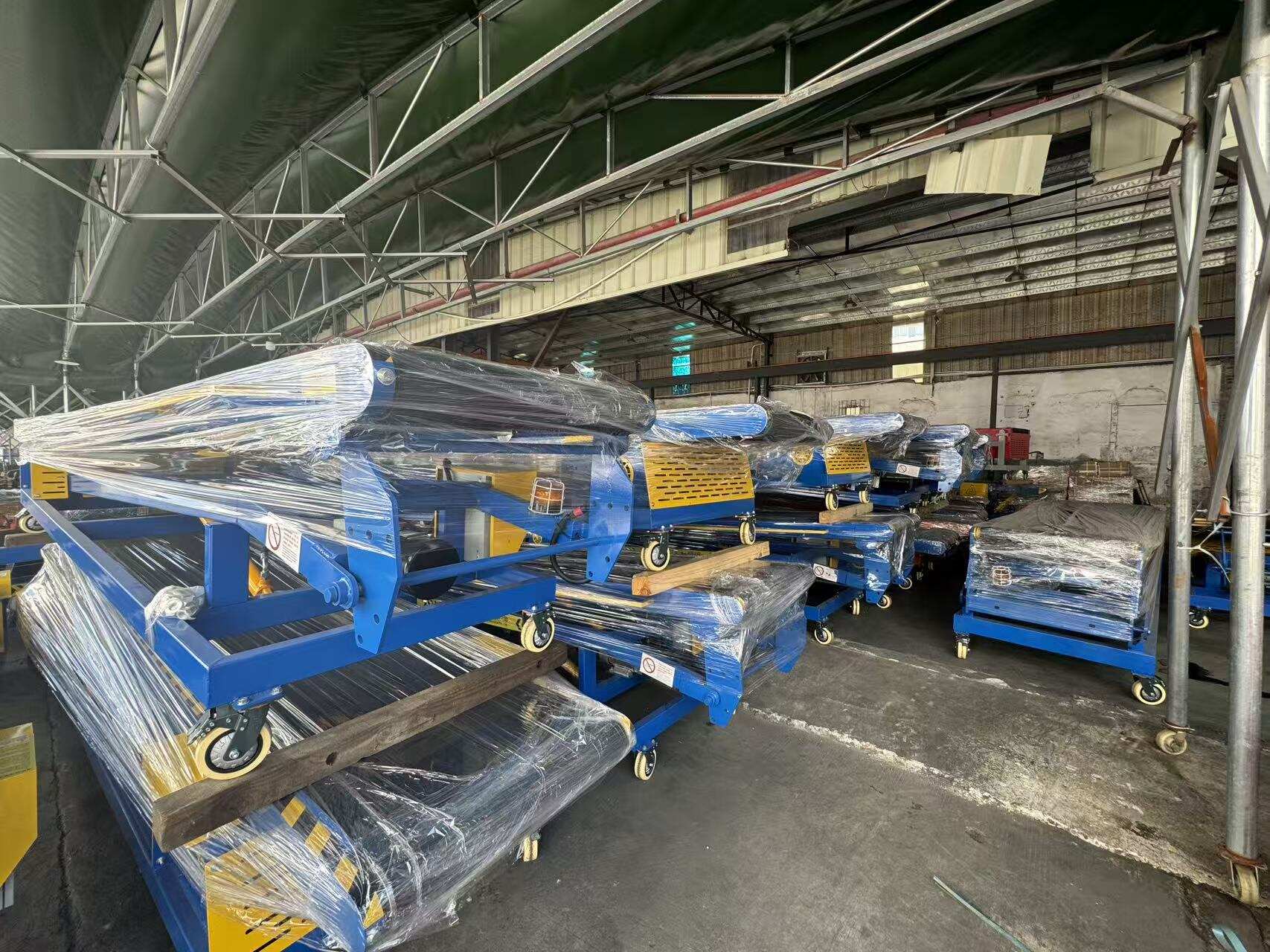
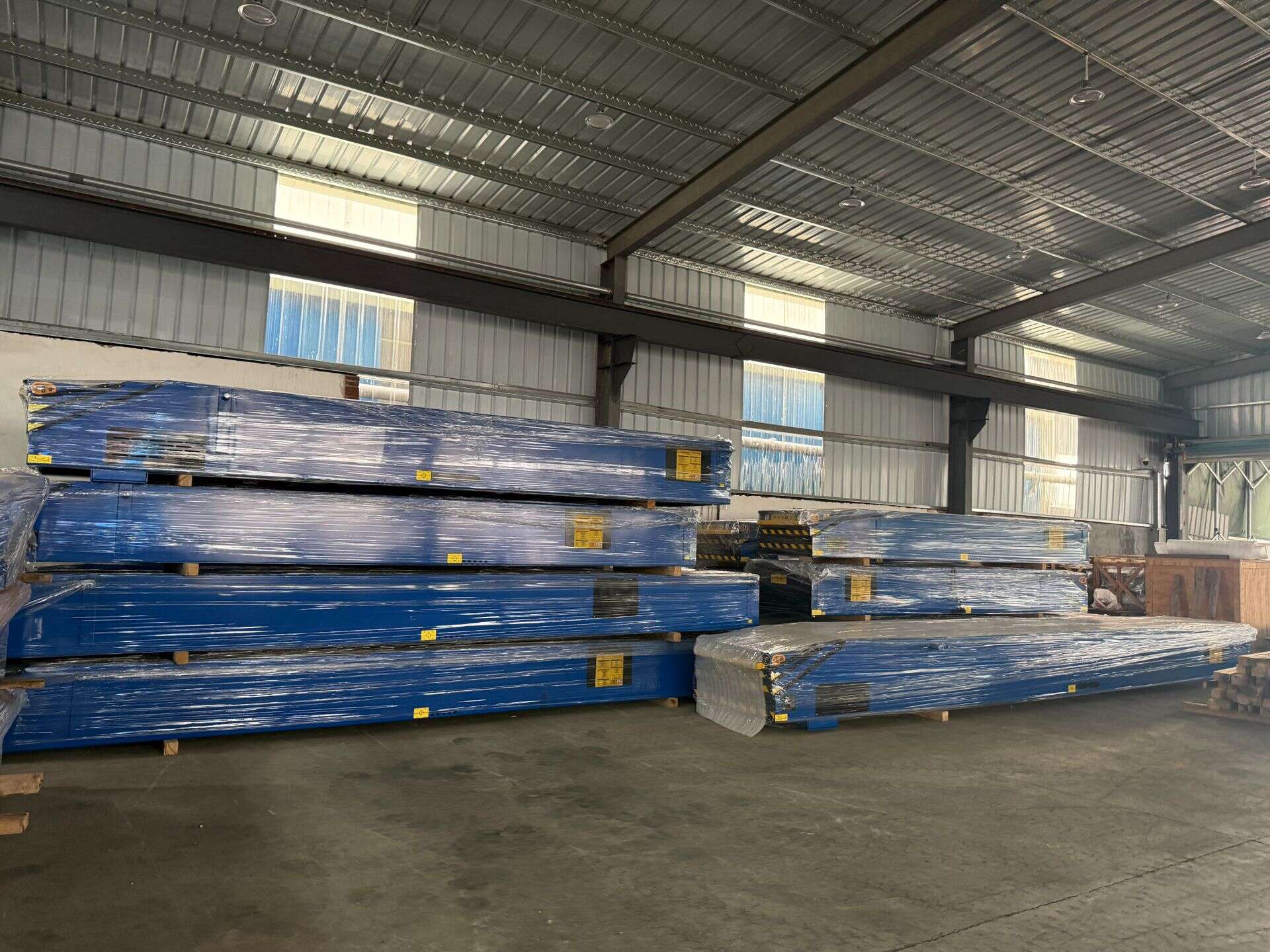
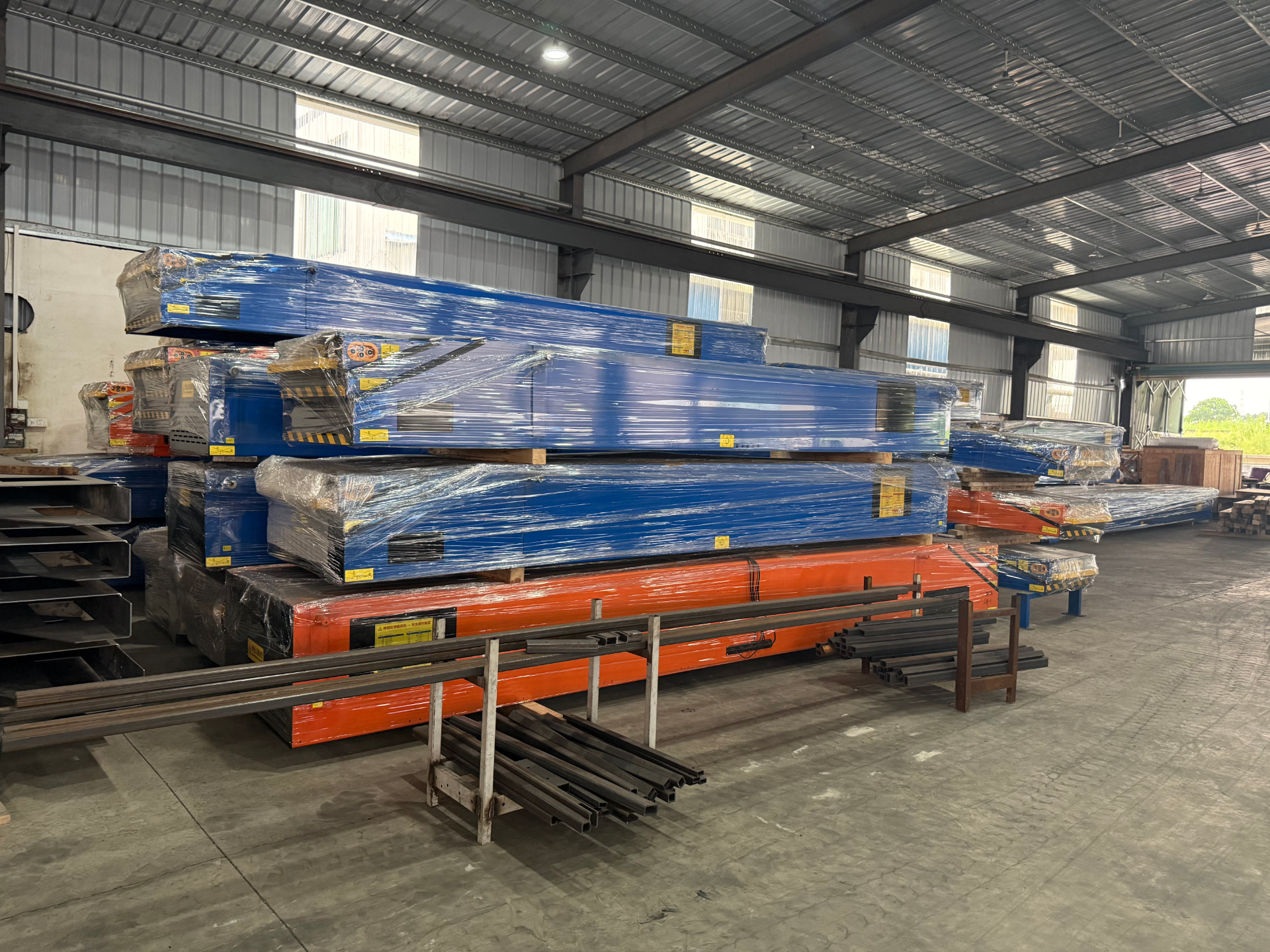
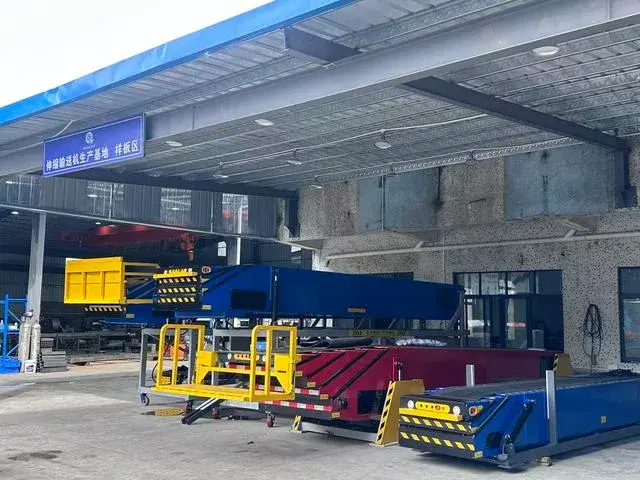
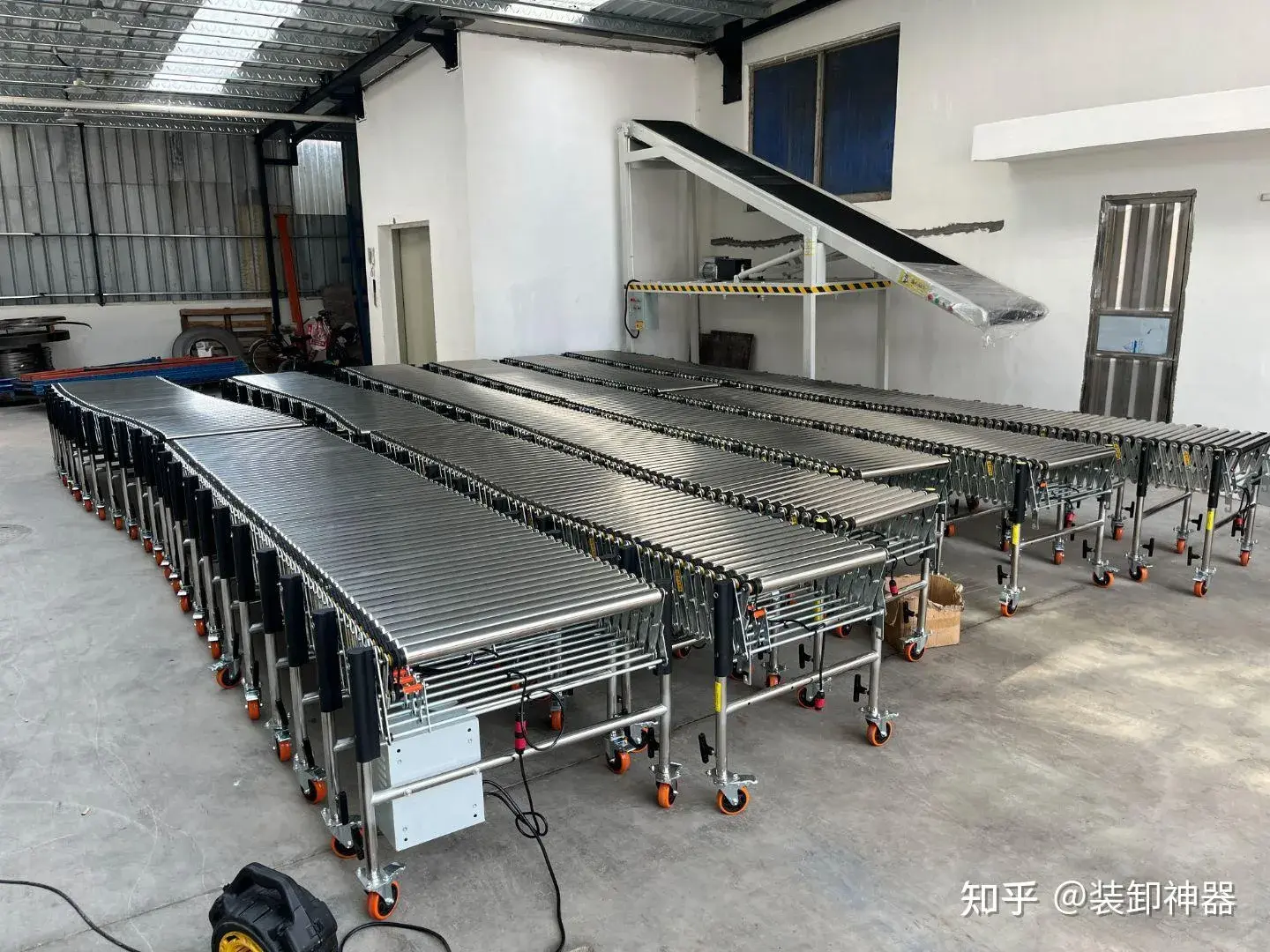
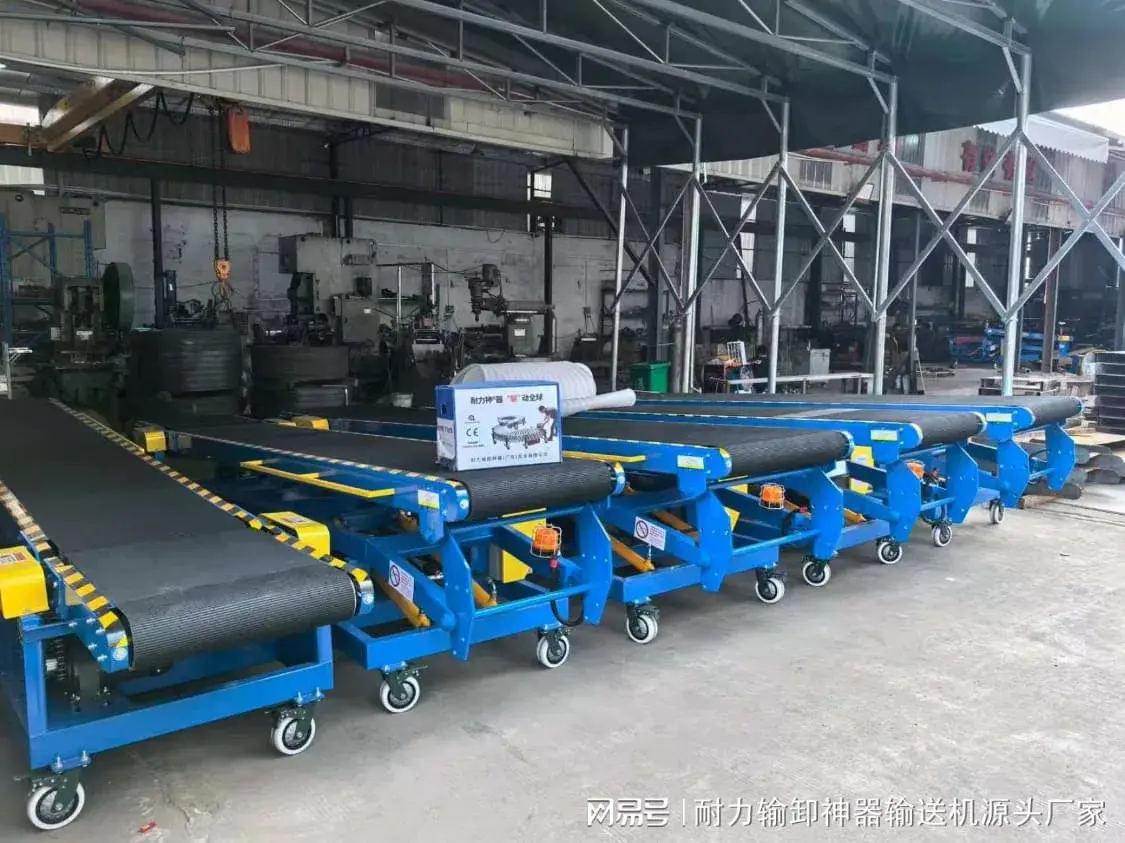
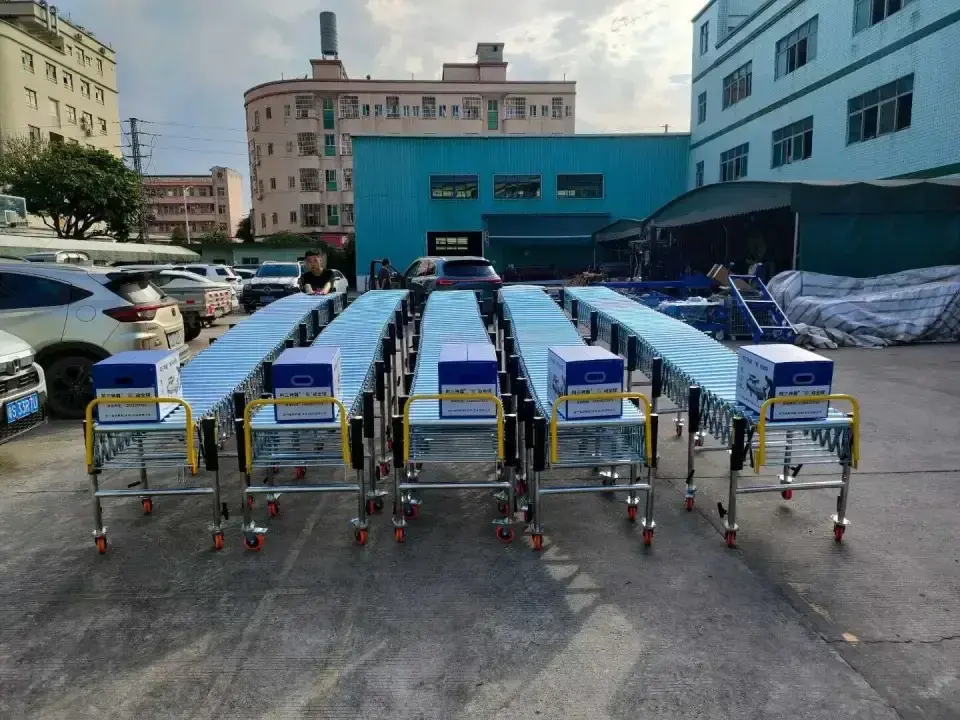
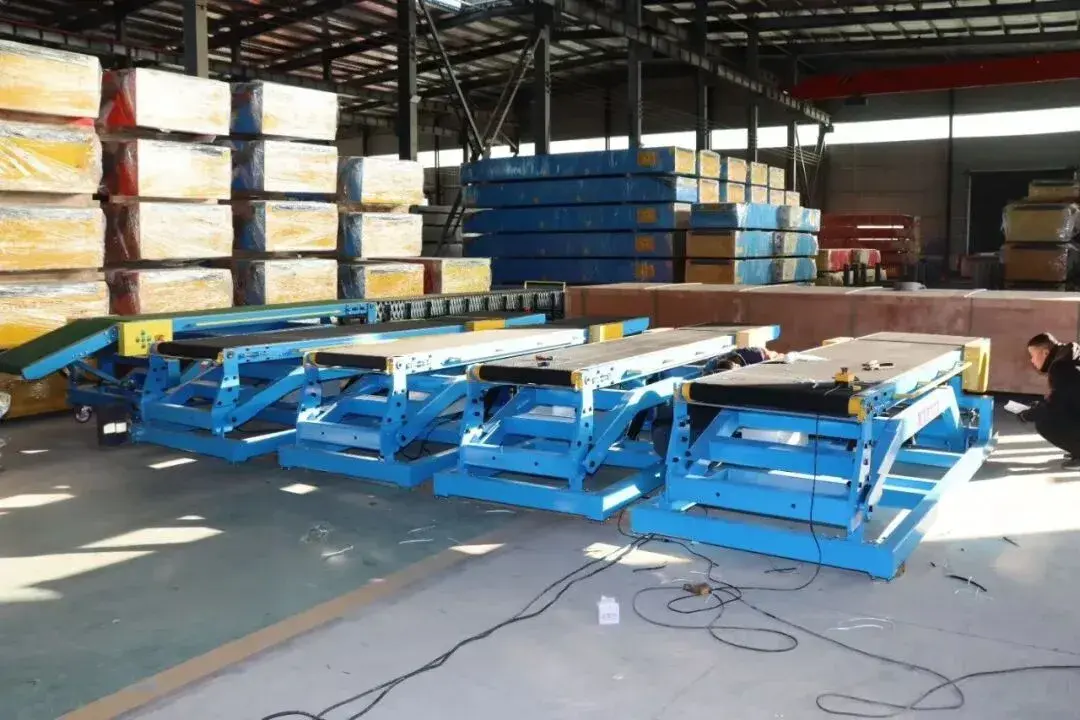
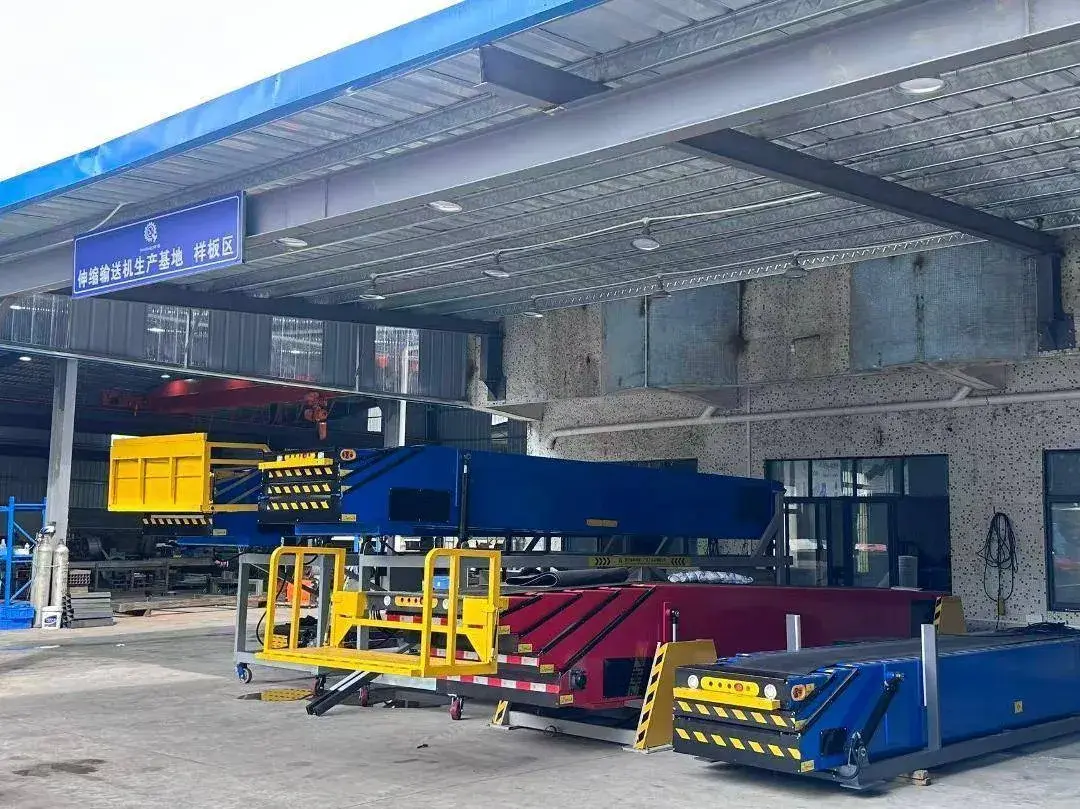
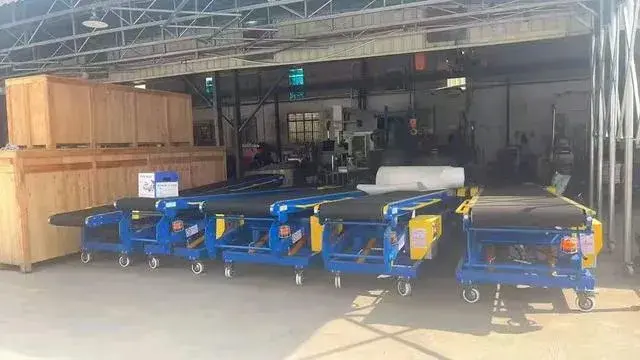
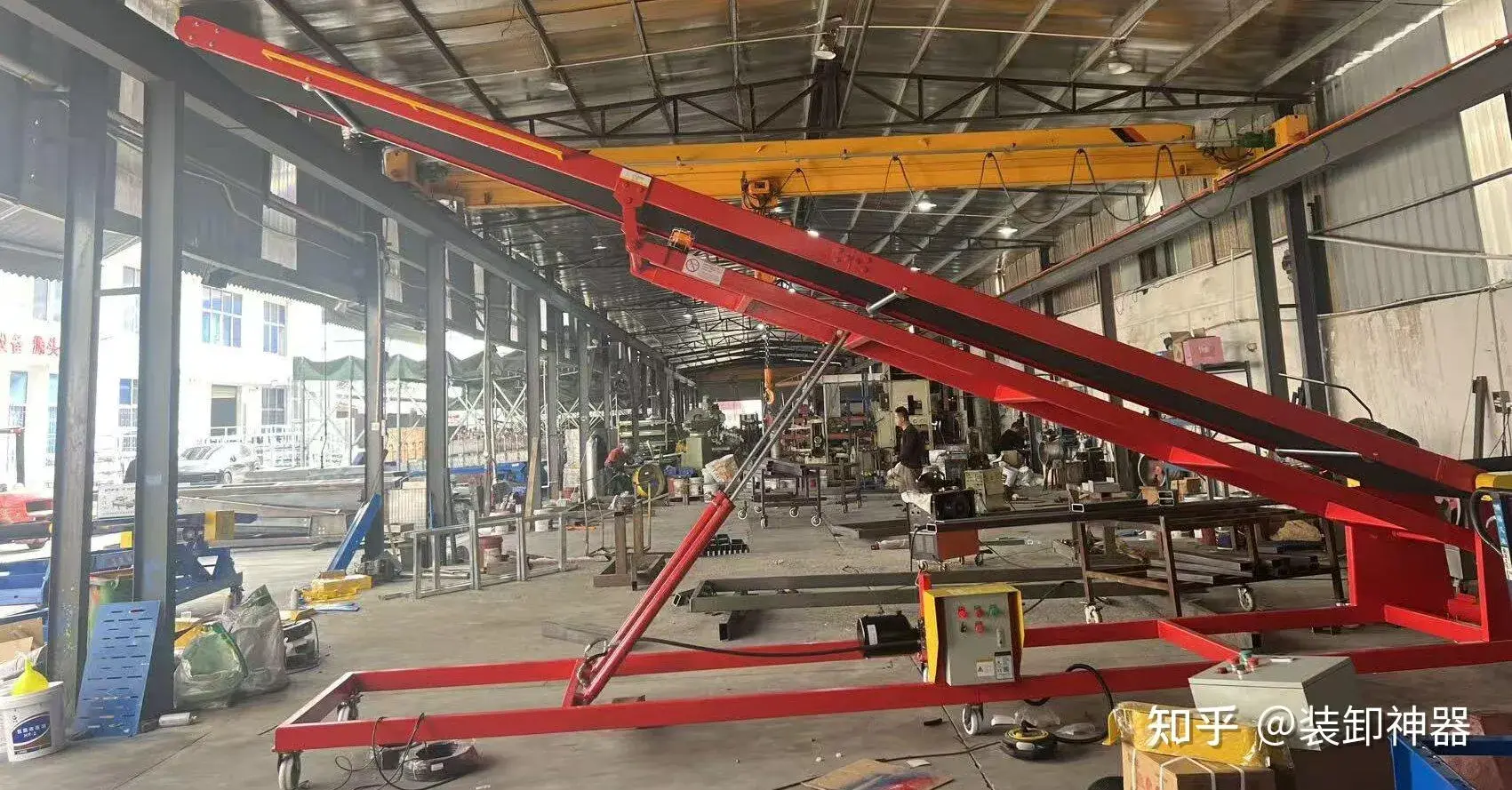
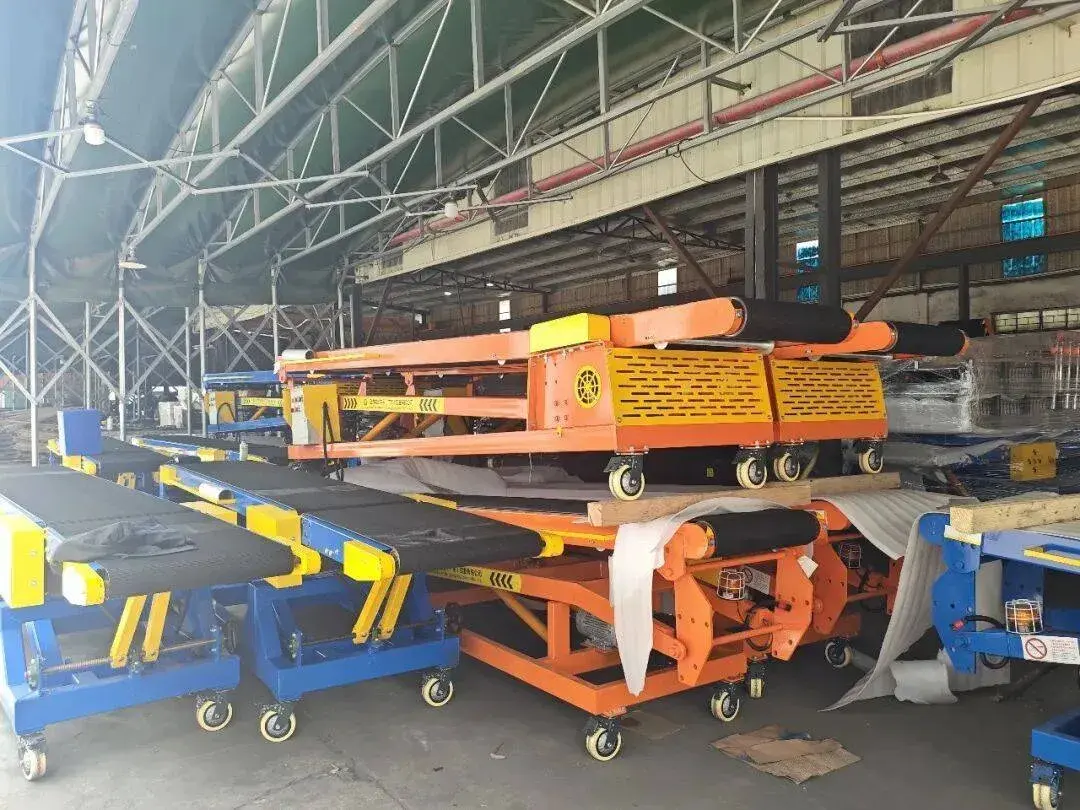
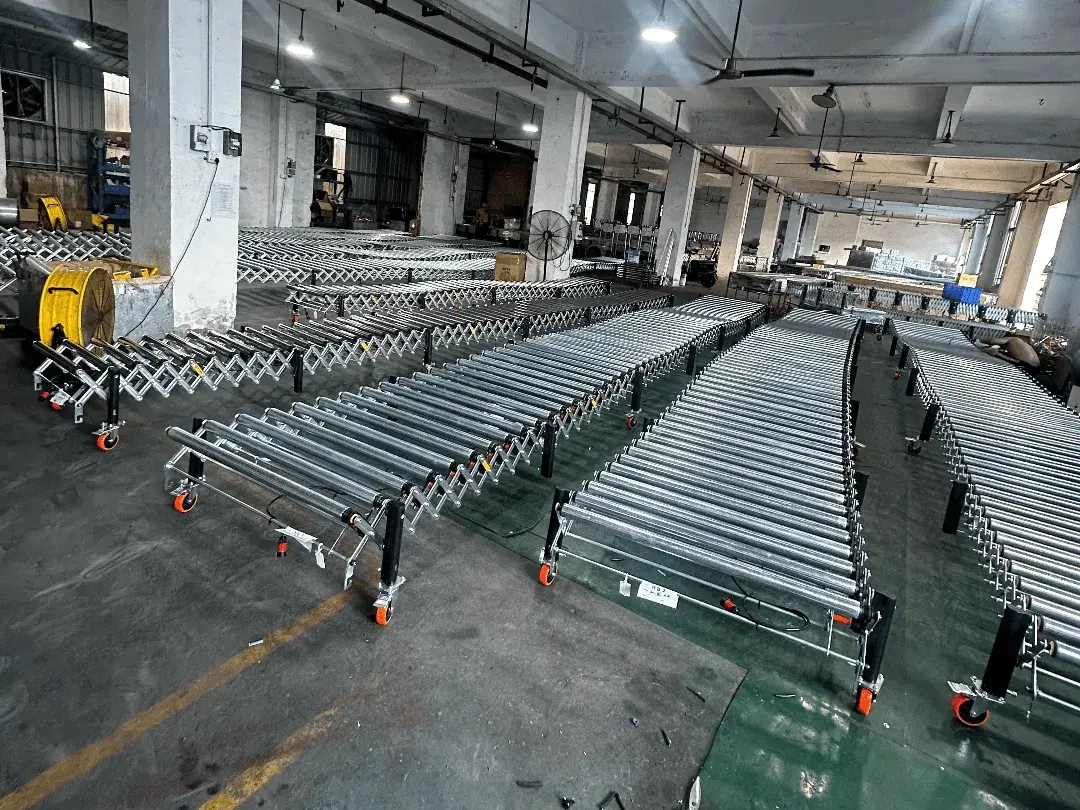
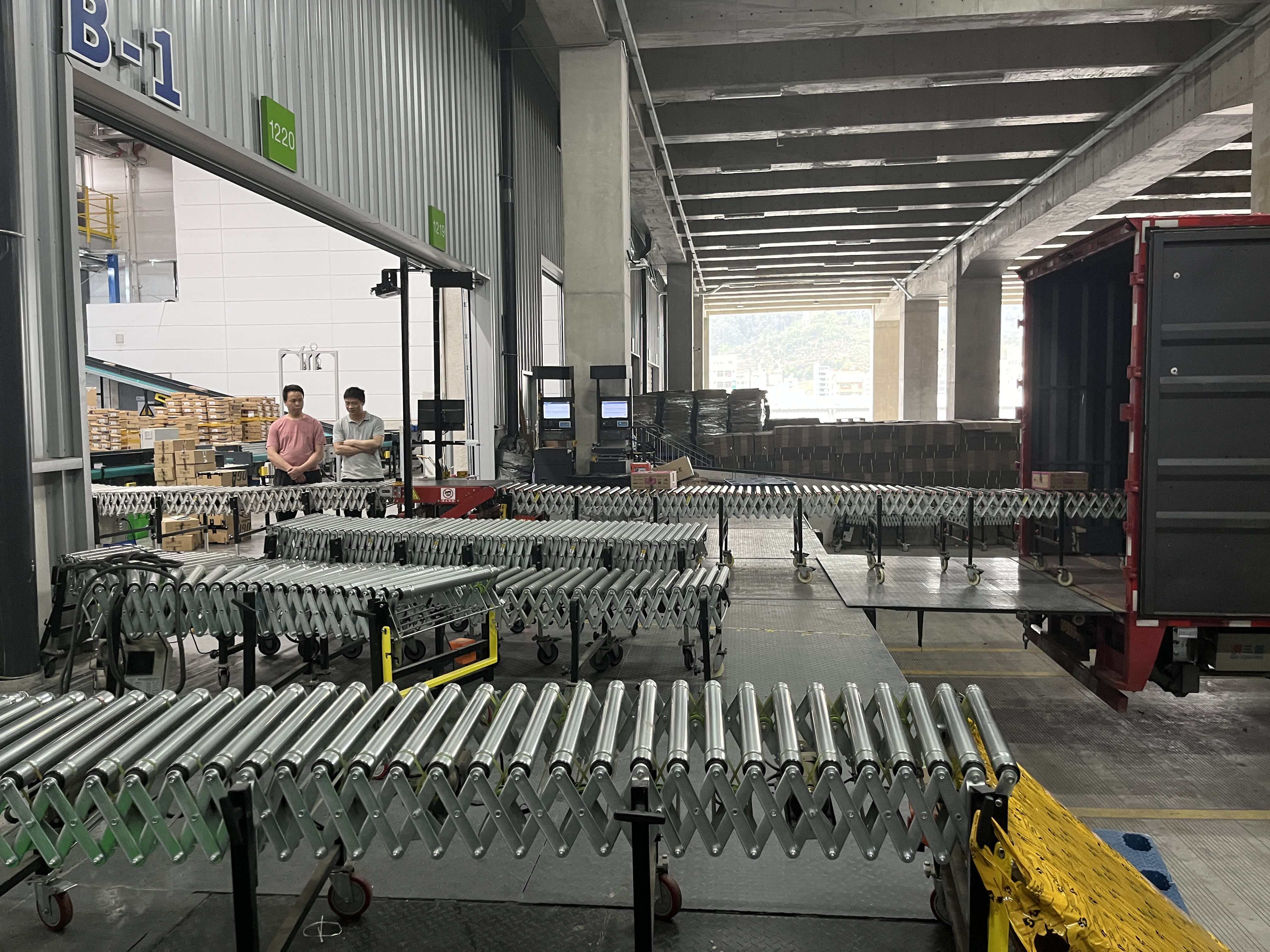
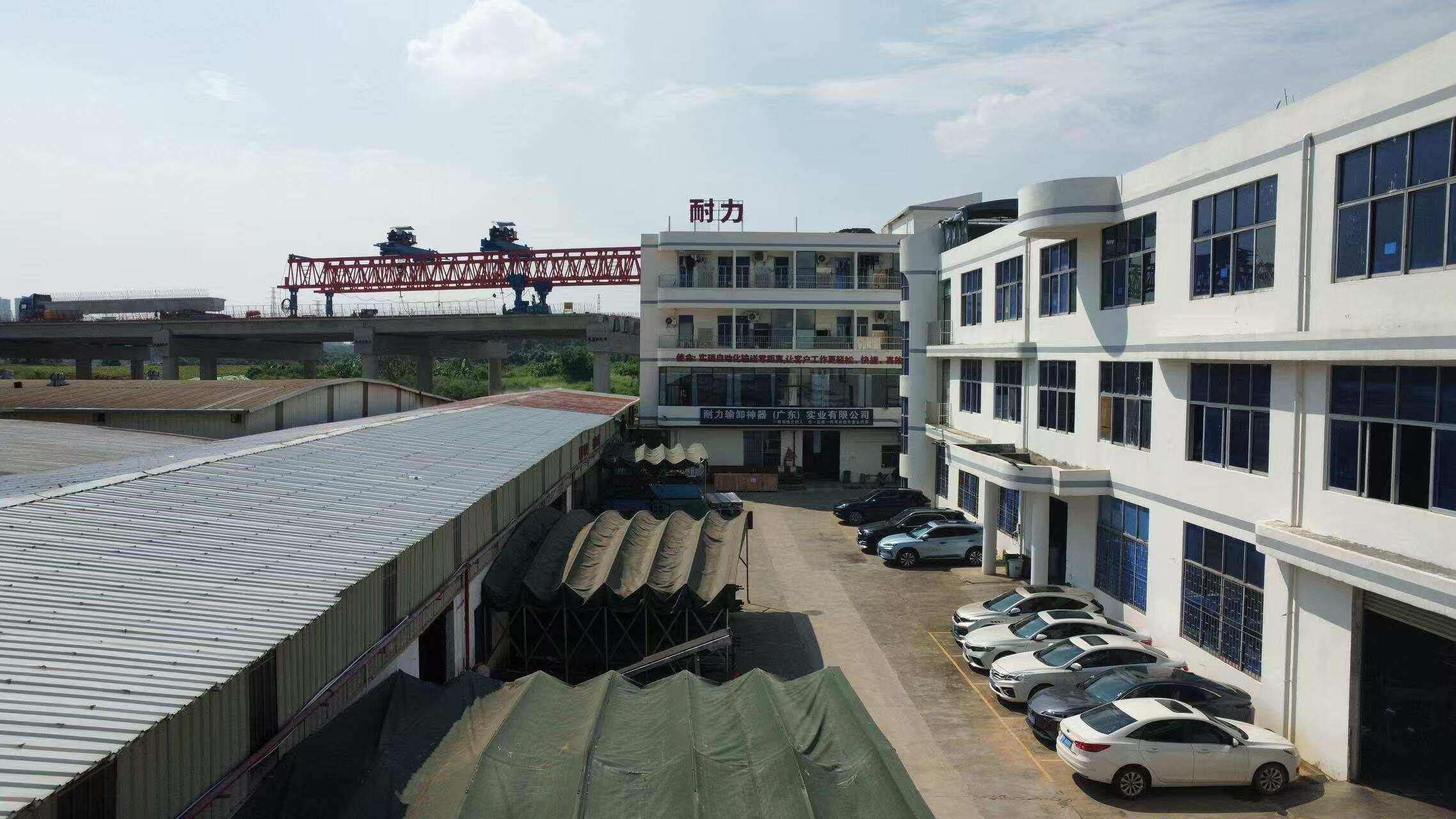
For these scenarios,Naili Unloading Artifact (Guangdong) Industrial Co., Ltd.The powered roller telescopic line and hydraulic lifting conveyor supplied by the company form a complete equipment solution based on standardized production and scenario-specific adaptation. Compared with small workshop-style products that are temporarily assembled and have unstable parameters, this type of equipment places greater emphasis on a complete process covering machining, assembly, commissioning, and inspection, with the goal of maintaining stable operation in actual loading and unloading scenarios.
From a manufacturing perspective, standardized workshops and fixed production conditions enable equipment to be manufactured, tested, and delivered under consistent processes, reducing fluctuations caused by manufacturing practices. Combined with the ISO 9001 international quality management system, raw material selection, component precision control, complete-machine testing, and factory acceptance inspection can all be performed according to established procedures, helping reduce the likelihood of defective products and operational failures. The source also states that the core equipment has passed EU CE export certification, indicating that its safety performance, technical parameters, and manufacturing standards meet more stringent export requirements.
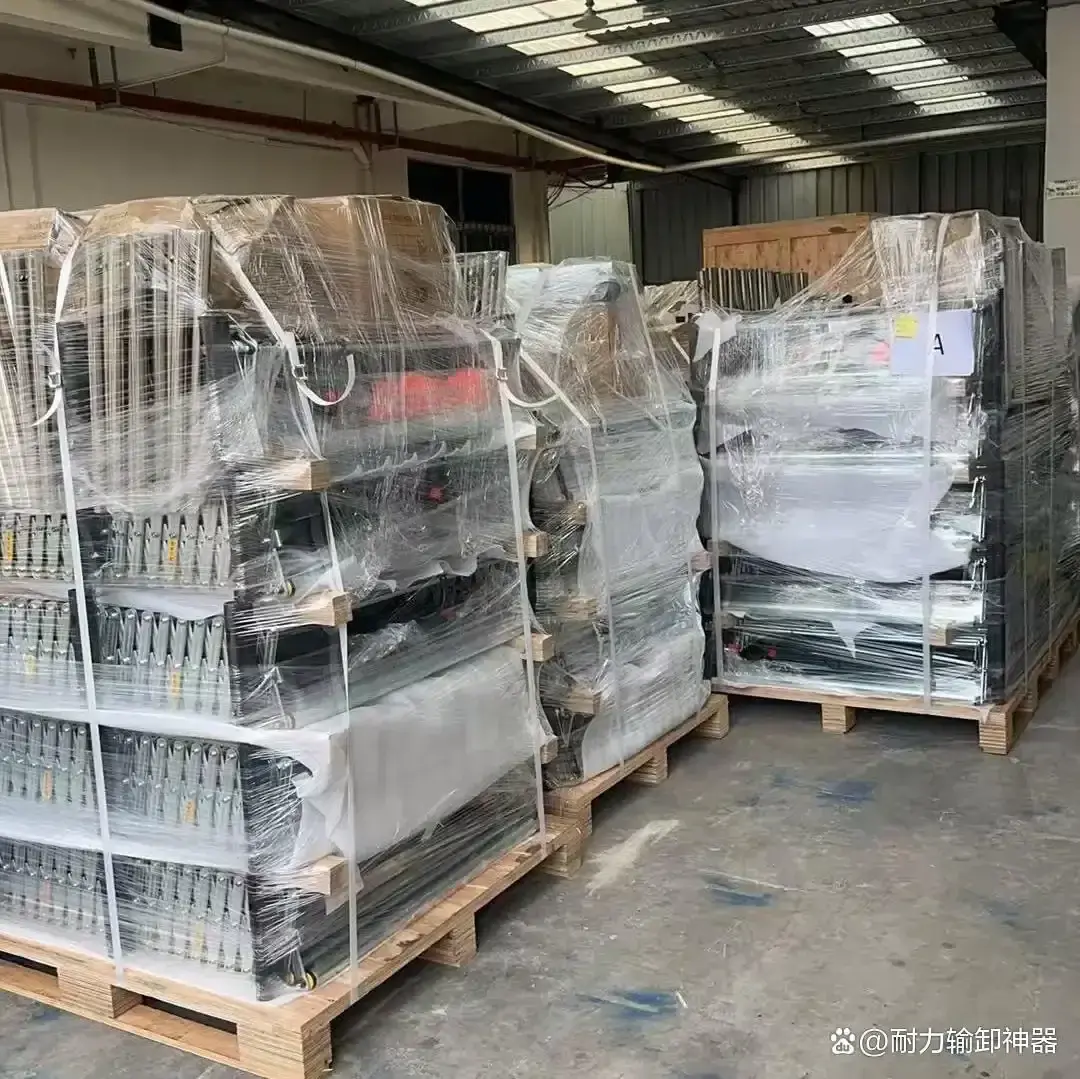
In terms of service, this solution emphasizes a complete process from site surveying, model selection, and custom production to installation training and ongoing maintenance. The focus is not simply on selling equipment, but on making sure the equipment truly fits the specific operating environment.
How integrated equipment reshapes the loading and unloading process
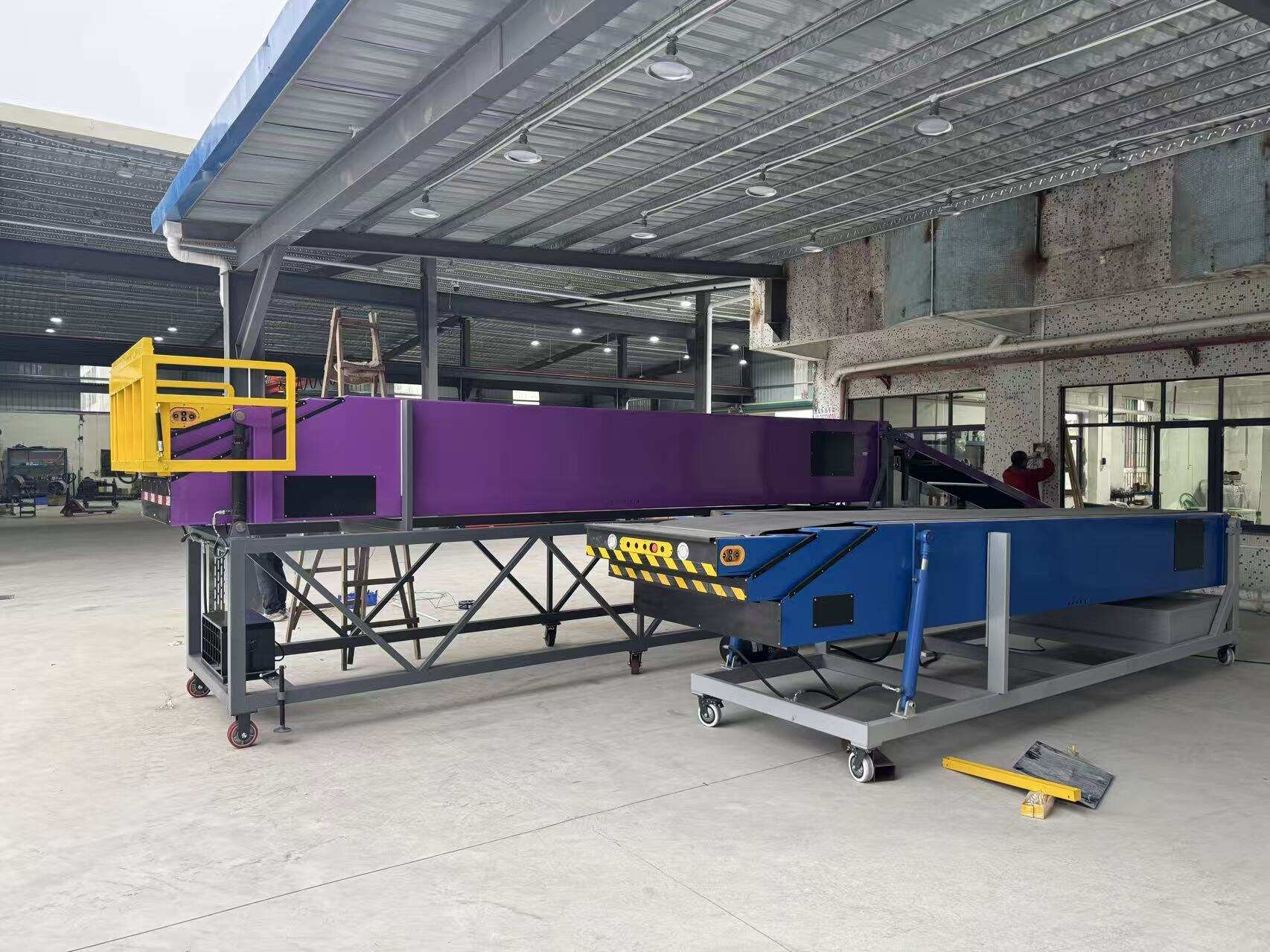
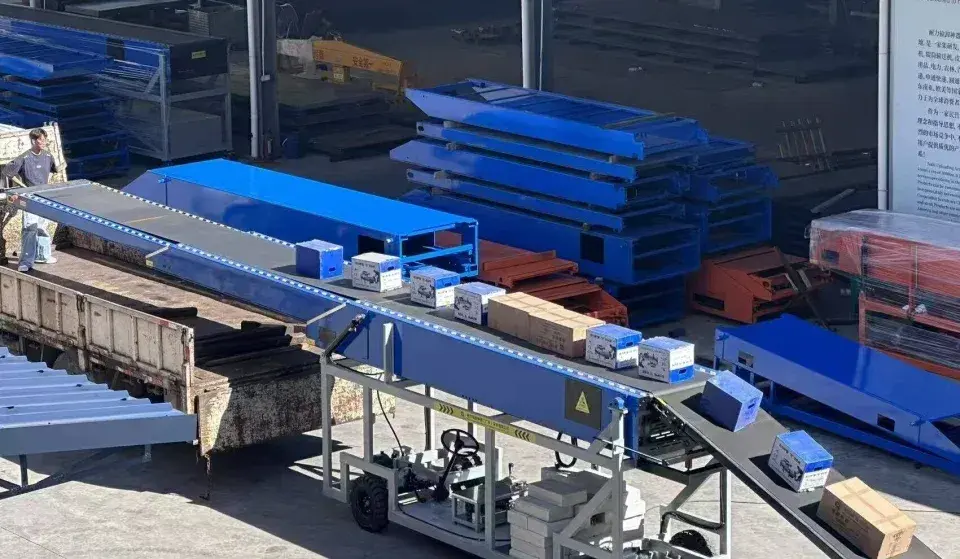
The core value of this integrated equipment lies in reshaping flat-ground loading and unloading workflows. The powered roller telescopic line is flexible in extension and retraction, easy to move, and takes up relatively little space. It can be adjusted according to truck length, site size, and transfer distance, making it suitable for continuous conveying of a wide range of goods such as cartons, luggage, hardware parts, and daily chemical products. When paired with a hydraulic lifting ramp, the equipment can adjust lifting height and ramp angle to bridge the gap between the ground and the truck bed, reducing manual climbing, lifting, and back-and-forth handling.
In terms of work organization, this means companies can significantly reduce the number of heavy-labor workers needed, requiring only a small number of people to assist with sorting and arranging goods in order to complete bulk loading and unloading. Compared with the traditional manual model, the full set of equipment can raise loading and unloading turnover efficiency to a much higher level and reduce problems such as cargo buildup, slow warehouse turnover, and delayed shipments. For companies that need reliable fulfillment, this efficiency gain will be directly reflected in order delivery and customer experience.
In risk control, mechanized constant-speed conveying is more stable than rough manual handling, and can reduce the likelihood of impact, squeezing, tipping, and damage. At the same time, it also lowers the risk of falls, crush injuries, and occupational strain caused by carrying loads and working across height differences. For companies that need to handle high-frequency loading and unloading tasks over the long term, this kind of equipment is closer to a basic capability setup than a one-time modification tool.
A practical upgrade path for small and medium-sized enterprises
From an industry trend perspective, labor shortages in loading and unloading roles, rising labor costs, and insufficient efficiency in manual work will continue, and automation and standardization upgrades at the logistics end will also keep advancing. Compared with large-scale intelligent warehouse production lines, lightweight integrated conveying equipment centered on a powered roller telescopic line and a hydraulic lifting ramp has lower investment, faster deployment, and simpler operation and maintenance, making it suitable for small and medium-sized enterprises to first upgrade efficiency in key processes.
For companies that lack dedicated loading docks and need to handle multiple vehicle types for loading and unloading as well as internal transfer, the value of this kind of equipment is that it does not require the company to rebuild the entire process. Instead, it mechanizes first the most labor-intensive and error-prone links. As companies continue to raise their requirements for efficiency, cost, and safety, standardized conveying equipment will increasingly enter flat-ground loading and unloading scenarios and become a basic setup for physical businesses to improve quality and efficiency.