Naili Conveyor
In industrial logistics, warehousing and distribution, supermarket supply chains, and manufacturing, dock loading and unloading efficiency directly affects cargo turnover speed and operating costs. Although many warehouses and factory sites have unloading docks, the space actually available is often very limited due to building layouts, site planning, and cargo storage. In these operating environments, traditional forklifts are easily constrained by aisle widths and turning radii, creating challenges for loading and unloading efficiency, safety, and space utilization.
Why Forklifts Struggle to Operate Efficiently on Narrow Docks
Forklifts offer strong load capacity and have long been commonly used for dock loading and unloading. However, in older industrial sites, street-facing warehouses, and small warehousing centers, unloading areas often lack sufficient space for forklifts to enter, reverse, align, lift, and transfer cargo. Even when a forklift can barely enter, repeated repositioning may be required, slowing the operating pace.
Restricted operating space typically has two effects. On the one hand, the time required to load or unload a full vehicle may increase from around ten minutes to half an hour or longer. During major e-commerce promotions or peak production seasons, cargo can easily accumulate and docks can become congested, further increasing labor and time costs. On the other hand, limited visibility and inadequate operating space also increase the risk of collisions between forklifts and walls, cargo, or transport vehicles, potentially causing cargo damage, equipment damage, and safety incidents such as bumps and crush injuries.
If a company renovates its dock or widens aisles to accommodate forklifts, it must also invest in additional site modification costs. Idle forklifts occupy substantial floor space, further reducing already limited warehouse operating areas and creating a cycle in which less space makes operations more difficult and efficiency lower.
Loading and Unloading Advantages of Powered Roller Telescopic Conveyors
For locations without dedicated docks, with narrow aisles, or with compact operating areas, powered roller telescopic conveyors provide a more flexible loading and unloading solution. With a modular, extendable, and bendable design, the equipment can adjust its extension length and bend angle according to dock dimensions, aisle width, and vehicle parking position. It can operate close to truck compartments and cargo placement areas without requiring the large turning clearance needed by forklifts.
During operation, powered rollers can continuously and smoothly convey cargo into and out of truck compartments, reducing repeated manual handling and multiple forklift alignment steps. According to source materials, one person can complete the entire operation, and full-vehicle loading and unloading efficiency can improve by more than 50% compared with traditional forklift operations, helping ease congestion and turnover delays during peak cargo inbound and outbound periods.
Mechanized conveying can also reduce forklift travel, turning, and reversing in confined areas, thereby lowering the risk of equipment collisions, cargo tipping, and personnel injuries. With relatively even force distribution, roller conveyors can be used for the daily loading and unloading of cartons, luggage, and other small, regularly shaped goods.
After operation, the equipment can be quickly retracted, folded, and stored in place, taking up little space and avoiding long-term occupation of docks, aisles, and warehouse operating areas. For companies with compact sites that are not currently suitable for large-scale renovation, this storage method reduces space use and avoids additional modification costs from widening aisles.
Products and Manufacturing Capabilities of Naili Conveyor
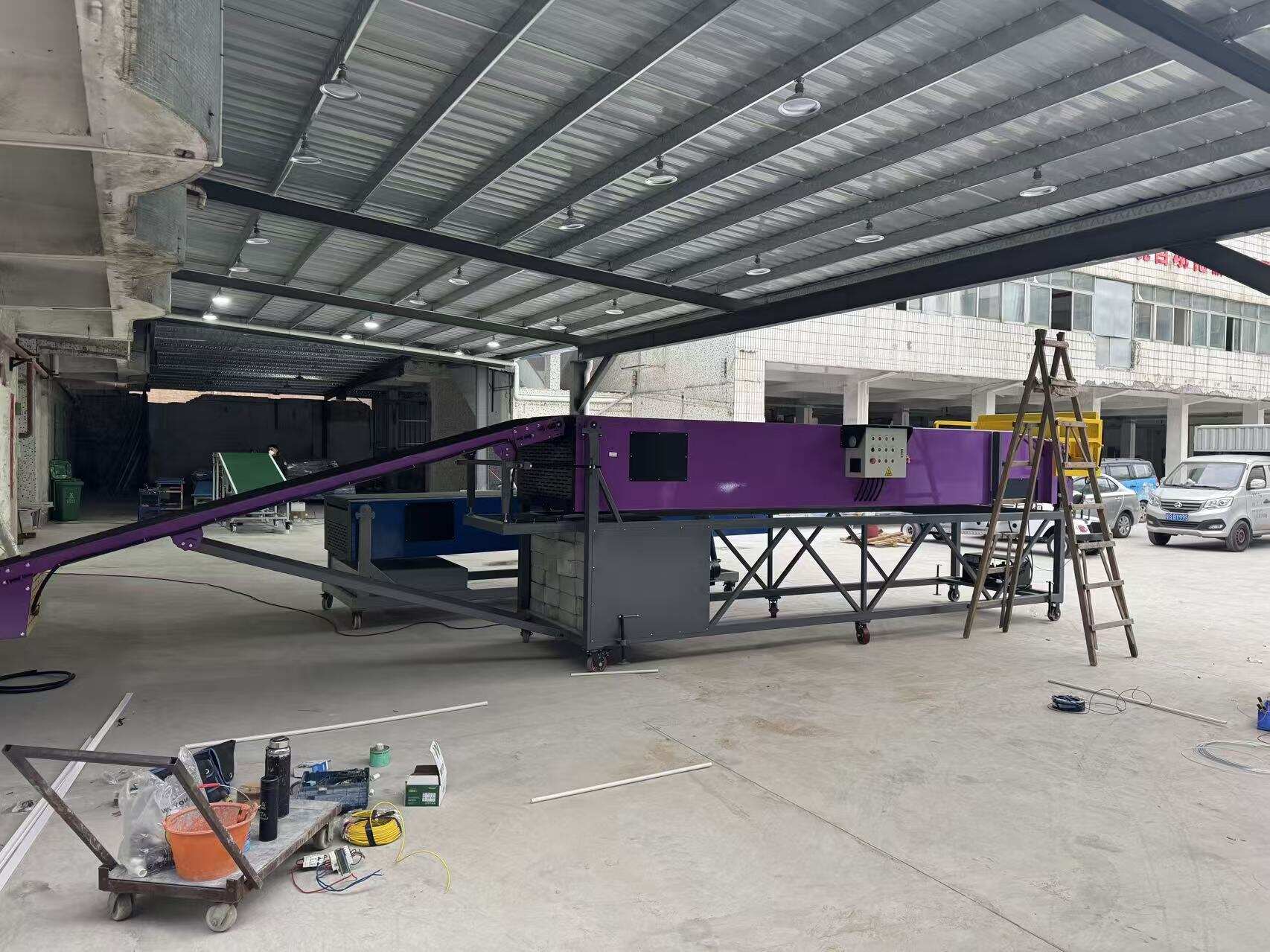
Naili Unloading Artifact (Guangdong) Industrial Co., Ltd. provides logistics loading, unloading, and conveying equipment. Its product portfolio includesGravity Skate Wheel Conveyor, Powered Roller Conveyor, Gravity Roller Conveyor, Hydraulic Incline Lift Conveyor, Belt Telescopic Conveyorand other products, which can be used in factory production lines, warehouse dock loading and unloading, express sorting centers, supermarket logistics distribution, and freight station transfer operations.
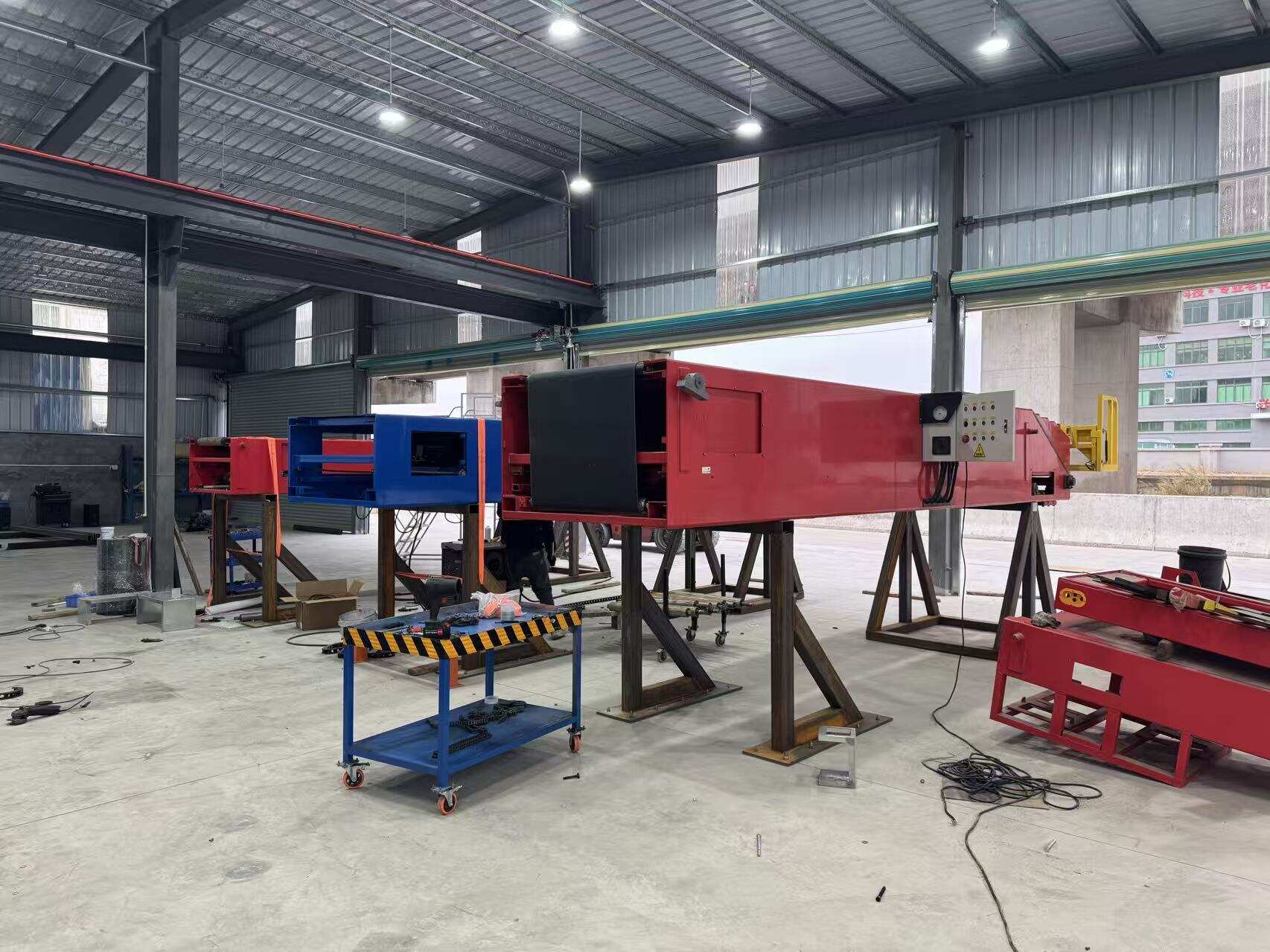
Powered roller telescopic conveyors and related conveying equipment use thickened steel, wear-resistant rollers, and transmission components, emphasizing the structure and durability required for long-term, high-frequency operations. The modular assembly design facilitates disassembly, transport, and maintenance, while extendable, bendable, and liftable functions accommodate different sites and loading and unloading requirements. Suitable equipment can be selected based on actual conditions for standard sites as well as space-constrained operating environments without dedicated docks.
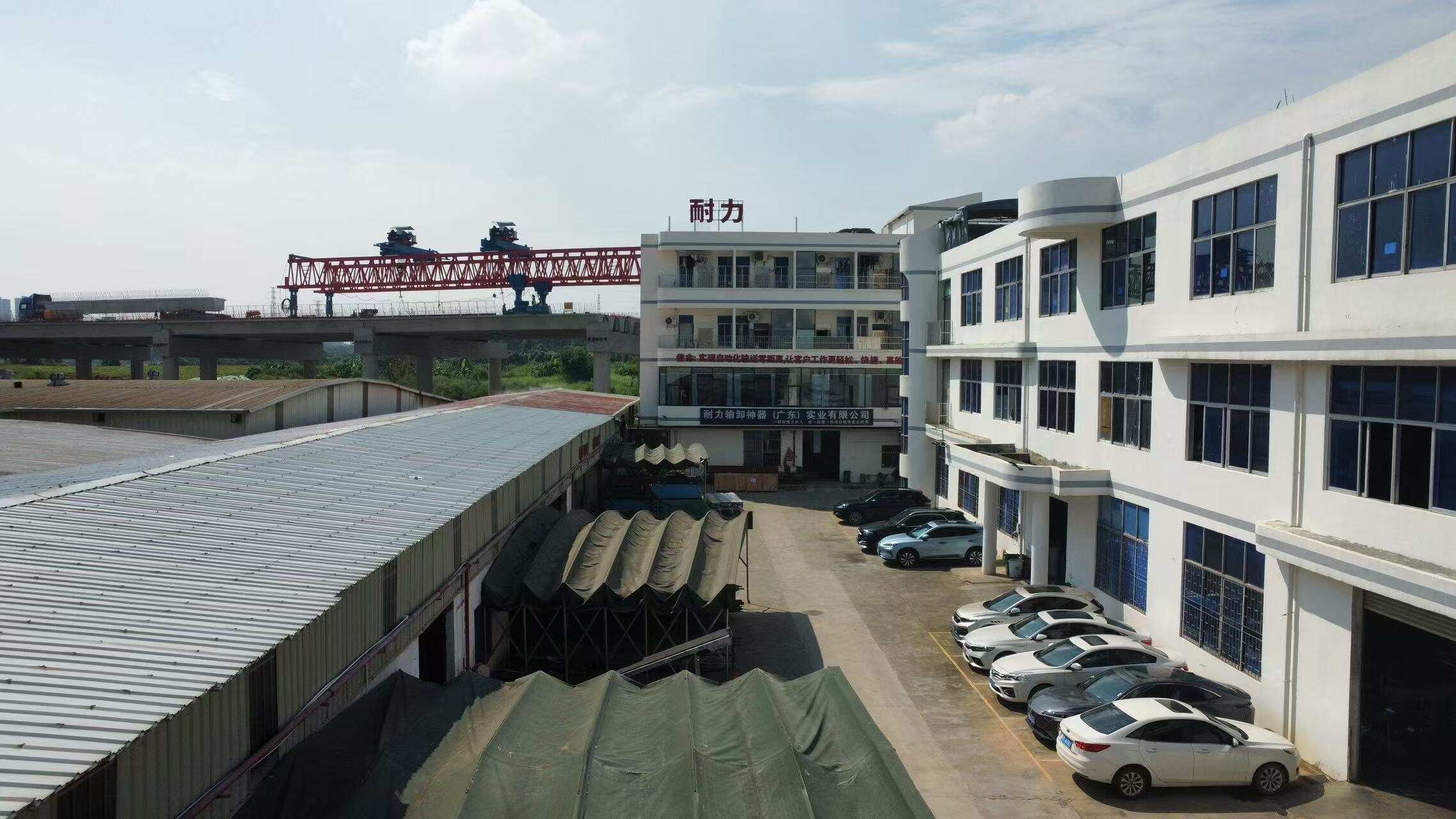
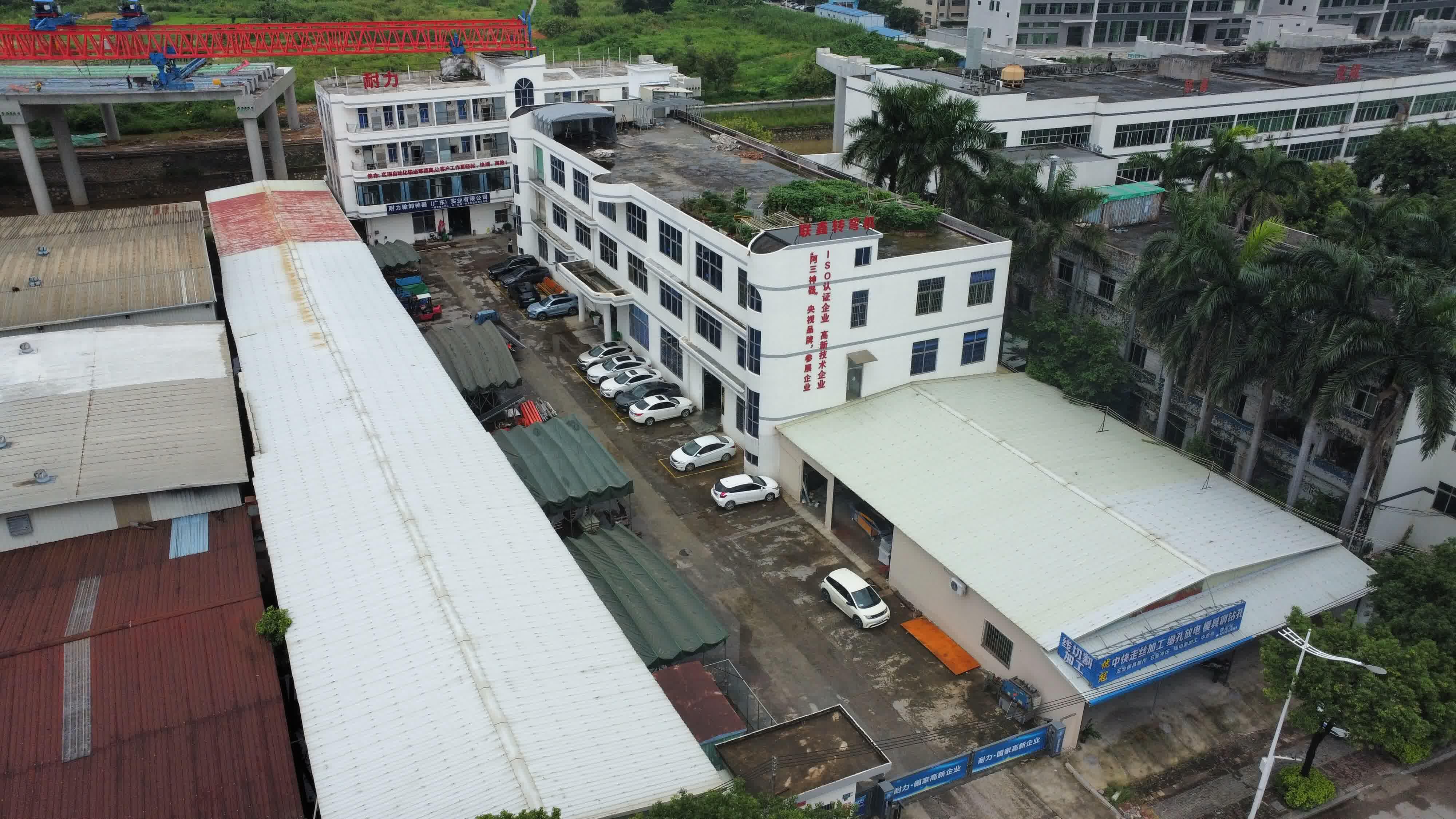
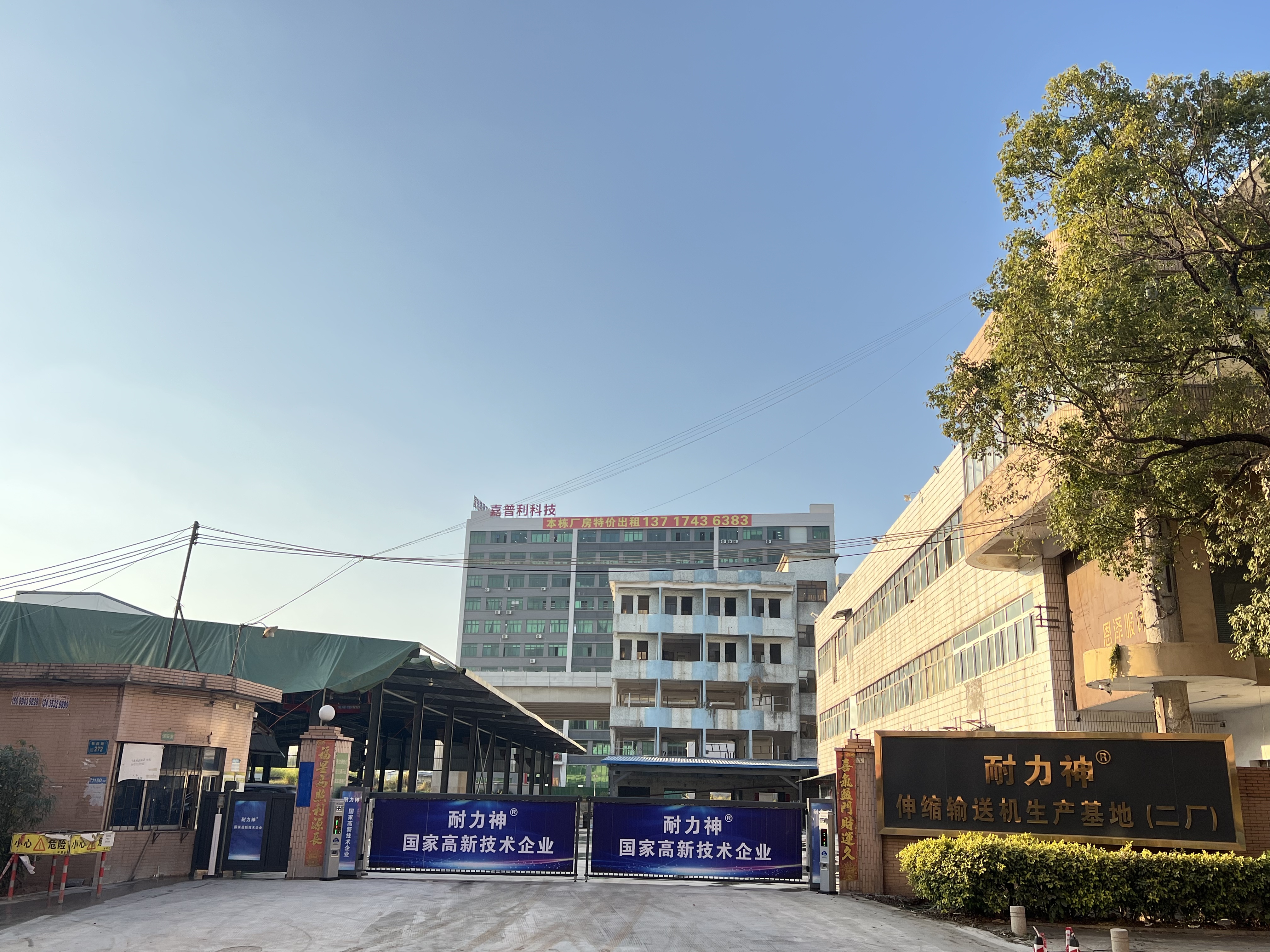
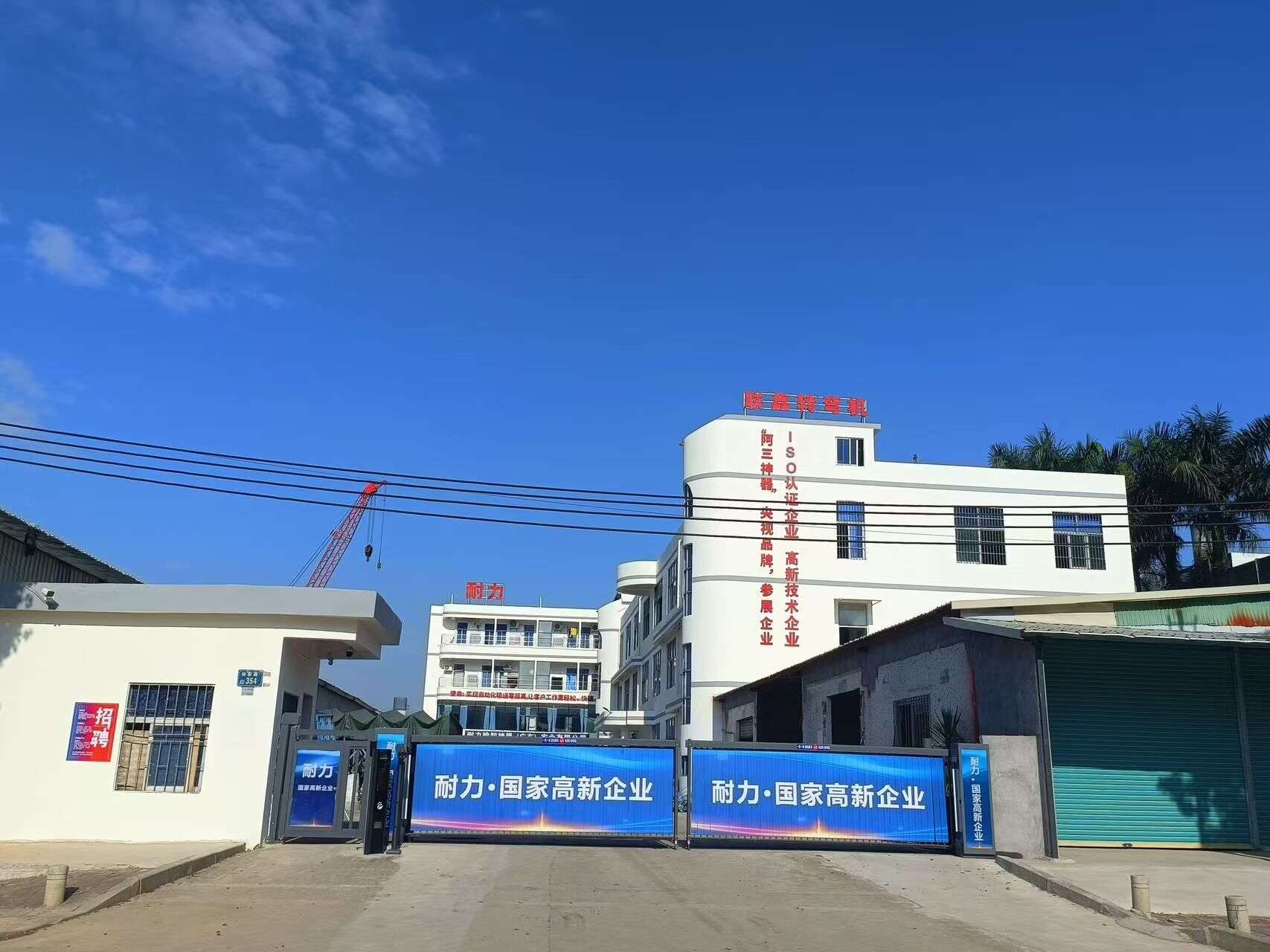
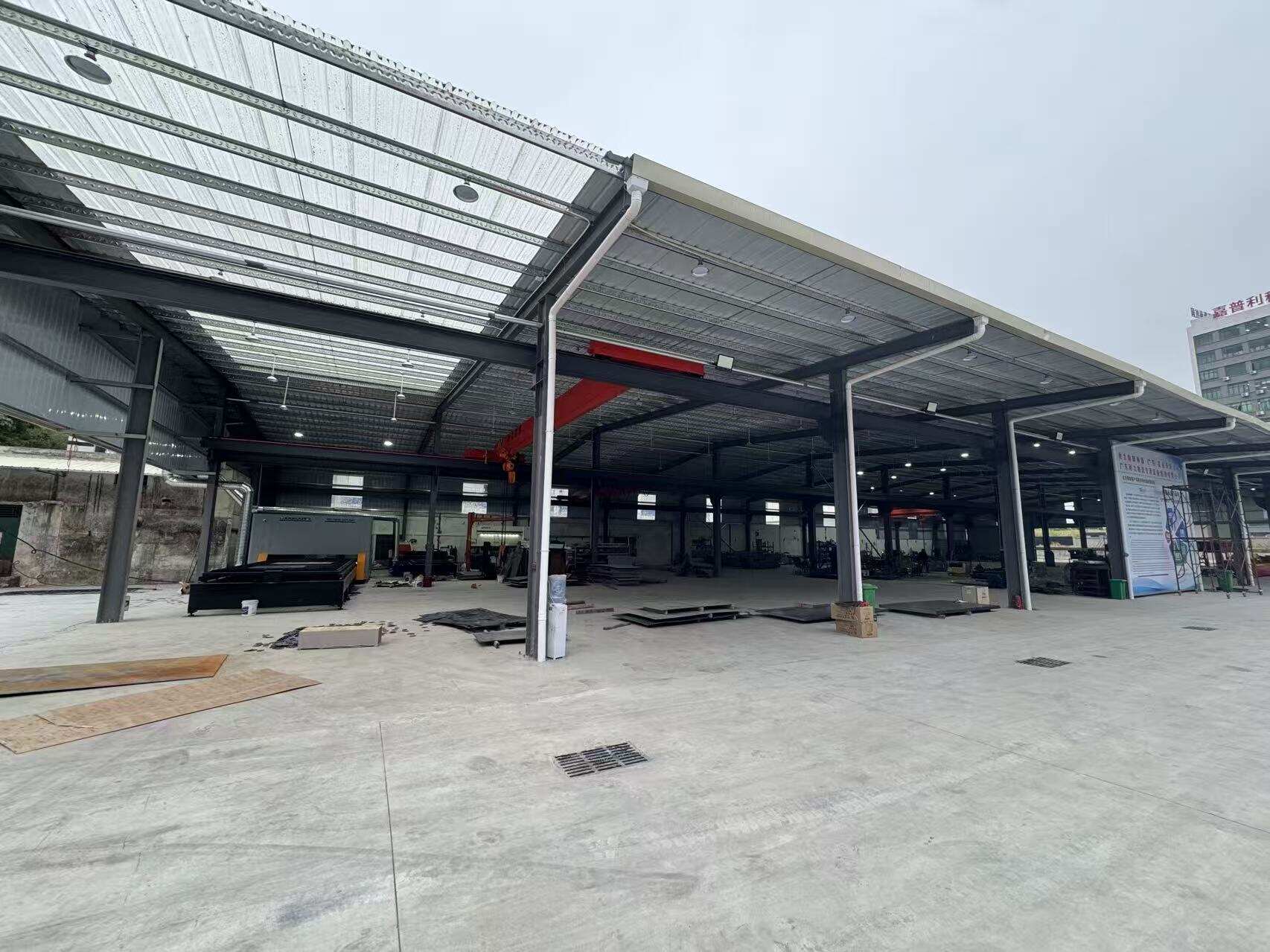
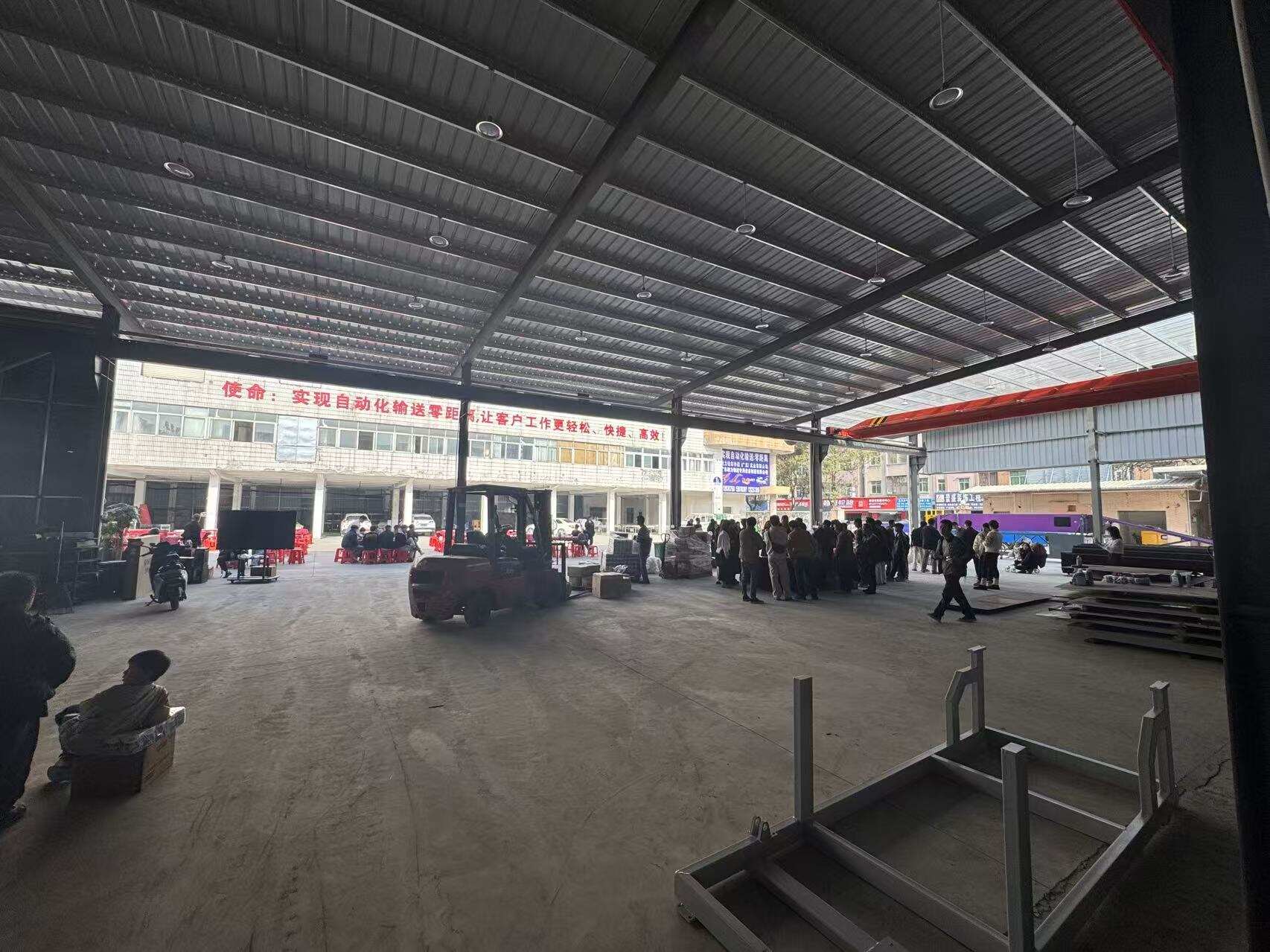
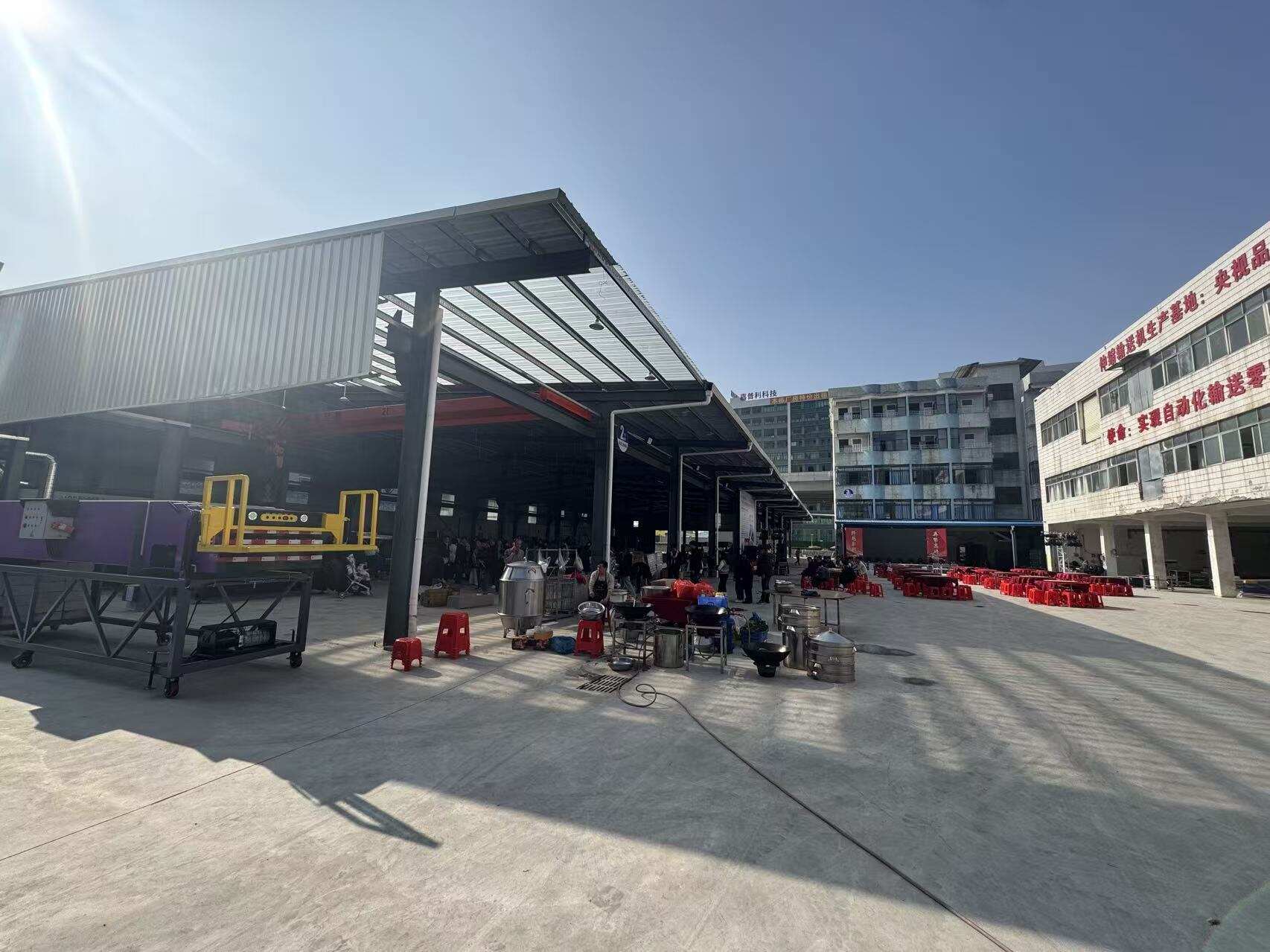
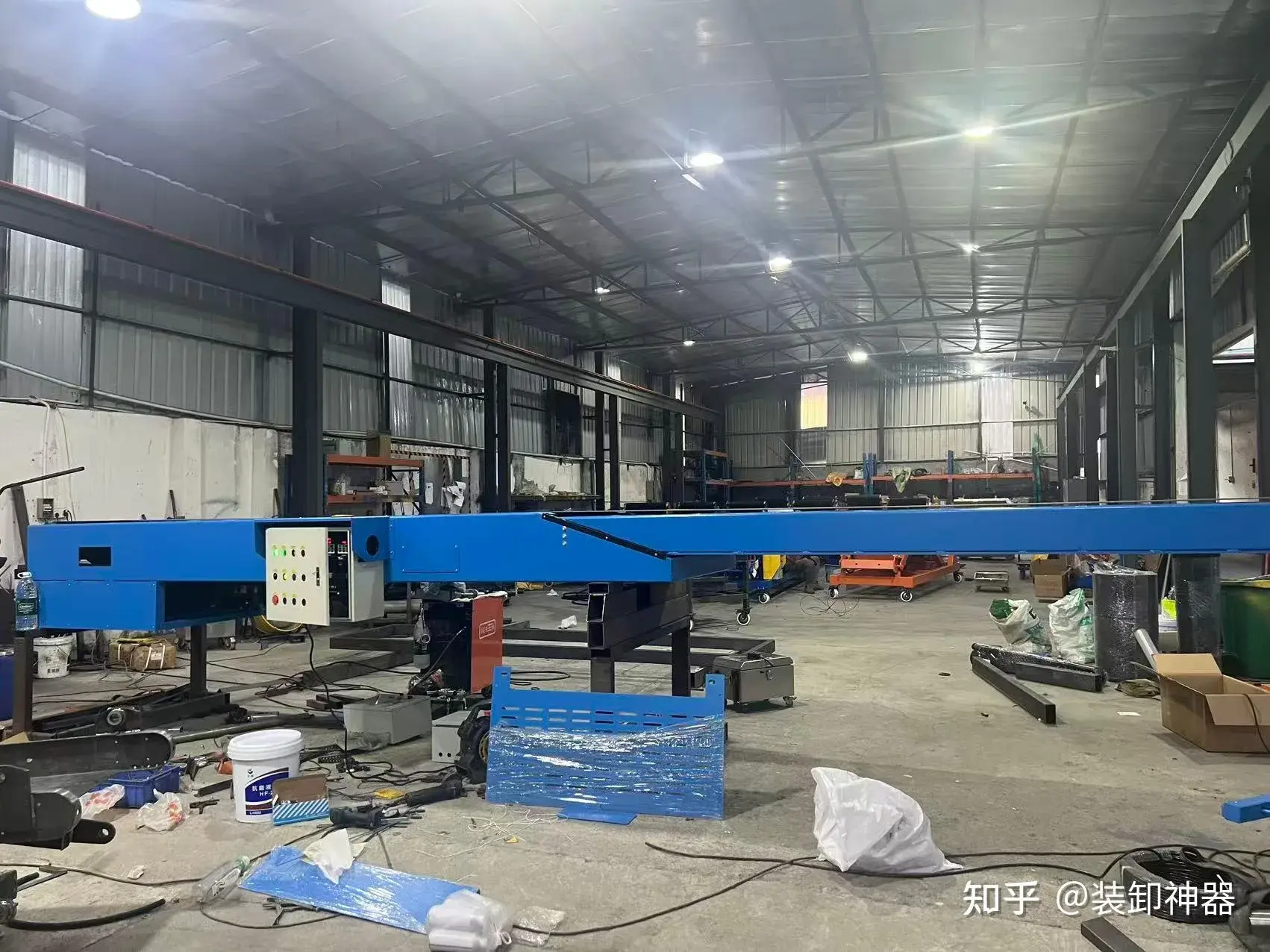
Naili Unloading Artifact (Guangdong) Industrial Co., Ltd. has an independent, fixed production and business address and carries out manufacturing in accordance with theISO9001 standardized quality management systemIts production process covers raw material procurement, component processing, equipment assembly, finished-product inspection, and factory acceptance. Equipment must also undergo load-bearing, extension, wear-resistance, and safety testing before leaving the factory.
In terms of its service system, the company has established service processes coordinated across production, quality control, and after-sales support, with specifications adaptable to users' site dimensions, cargo types, and loading and unloading requirements. Services include installation guidance, fault repair, regular maintenance, and technical consultation, supporting equipment maintenance and operation in actual use.
How to Select Suitable Logistics Loading and Unloading Equipment
When selecting loading and unloading equipment, companies should consider dock dimensions, aisle width, vehicle parking positions, cargo types, and daily operating frequency. For confined areas that forklifts cannot easily access, they can focus on evaluating the extension range, bending configuration, storage space, and conveying suitability of powered roller telescopic conveyors. For production lines, sorting centers, or standard docks, configurations can also incorporate Gravity Roller Conveyors, Gravity Skate Wheel Conveyors, Hydraulic Incline Lift Conveyors, and Belt Telescopic Conveyors.
As warehousing and logistics operations continue to develop toward greater precision and efficiency, flexible, lightweight, and highly adaptable conveying equipment can help companies improve space utilization, loading and unloading efficiency, and work organization. By matching equipment to specific site and cargo requirements, companies can reduce unnecessary site renovations, ease the burden of manual handling, and improve loading and unloading safety management in confined areas.