Naili Conveyor
Capacity losses in manufacturing workshops are often caused not by processing accuracy or equipment speed, but by the efficiency of internal material flow. When upstream processes continue to produce while downstream transfer cannot keep pace, semi-finished products can easily accumulate at workstations. At the same time, some workstations are left waiting for materials, preventing equipment and personnel from maintaining continuous operation. The result is a combination of idle equipment, material buildup, and an imbalanced production rhythm.
Why Manual Handling Struggles to Keep Pace with Production
Traditional workshops rely primarily on manual material transfer. Although this offers a certain degree of flexibility, it has limitations in terms of efficiency and the ability to support continuous operation. As order volumes increase and more production processes are added, manual handling can easily become overburdened, resulting in delayed material flow, poor coordination between workstations, and a disrupted production rhythm.
Addressing these issues requires the establishment of an automated, standardized, and continuously operating internal logistics conveyor system. This enables materials to move automatically according to the production process, creates more stable connections between different processes, and reduces waiting and material buildup caused by manual handling.
Powered Roller Conveyors for a Wide Range of Workshop Conveying Applications
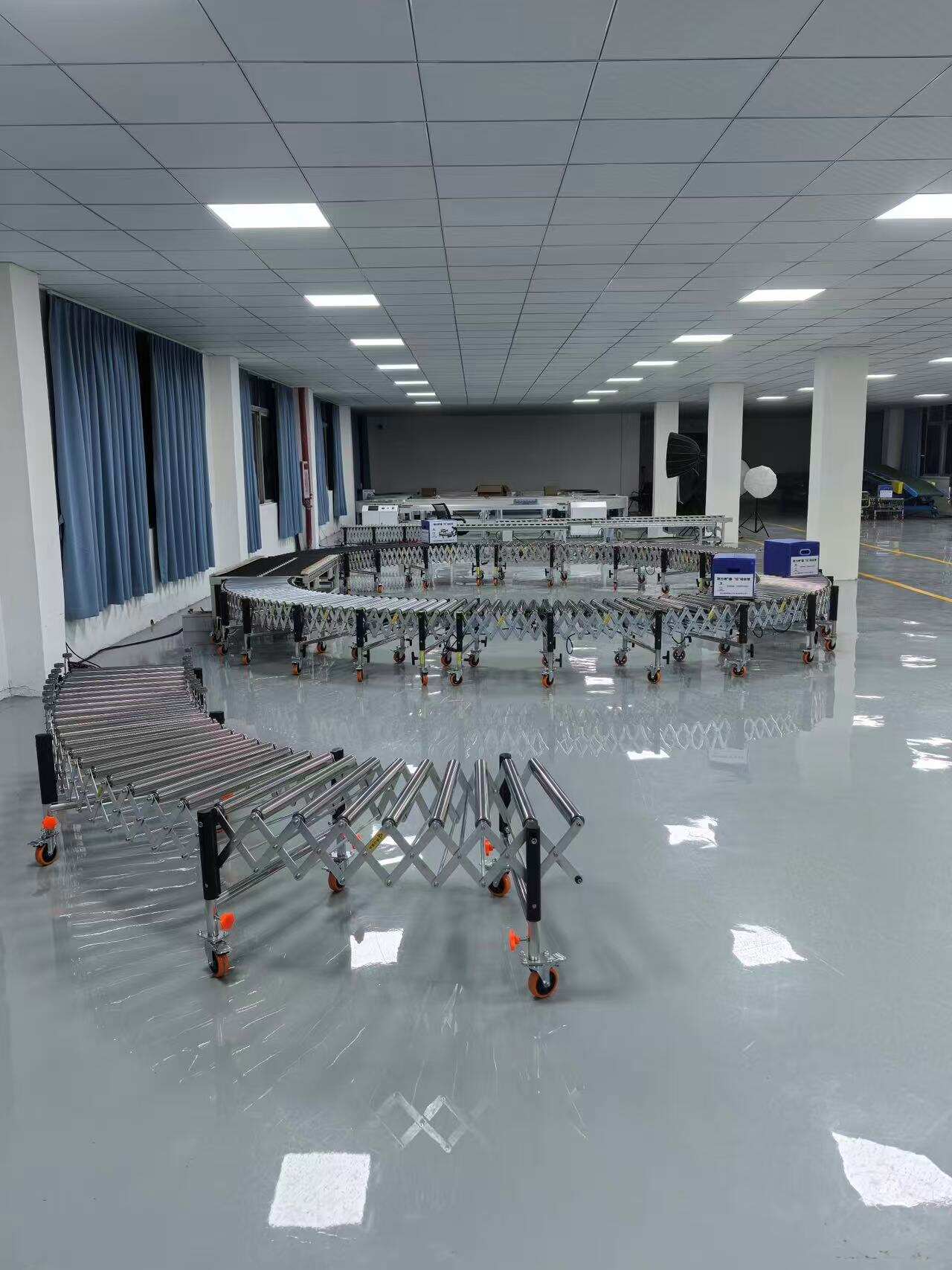
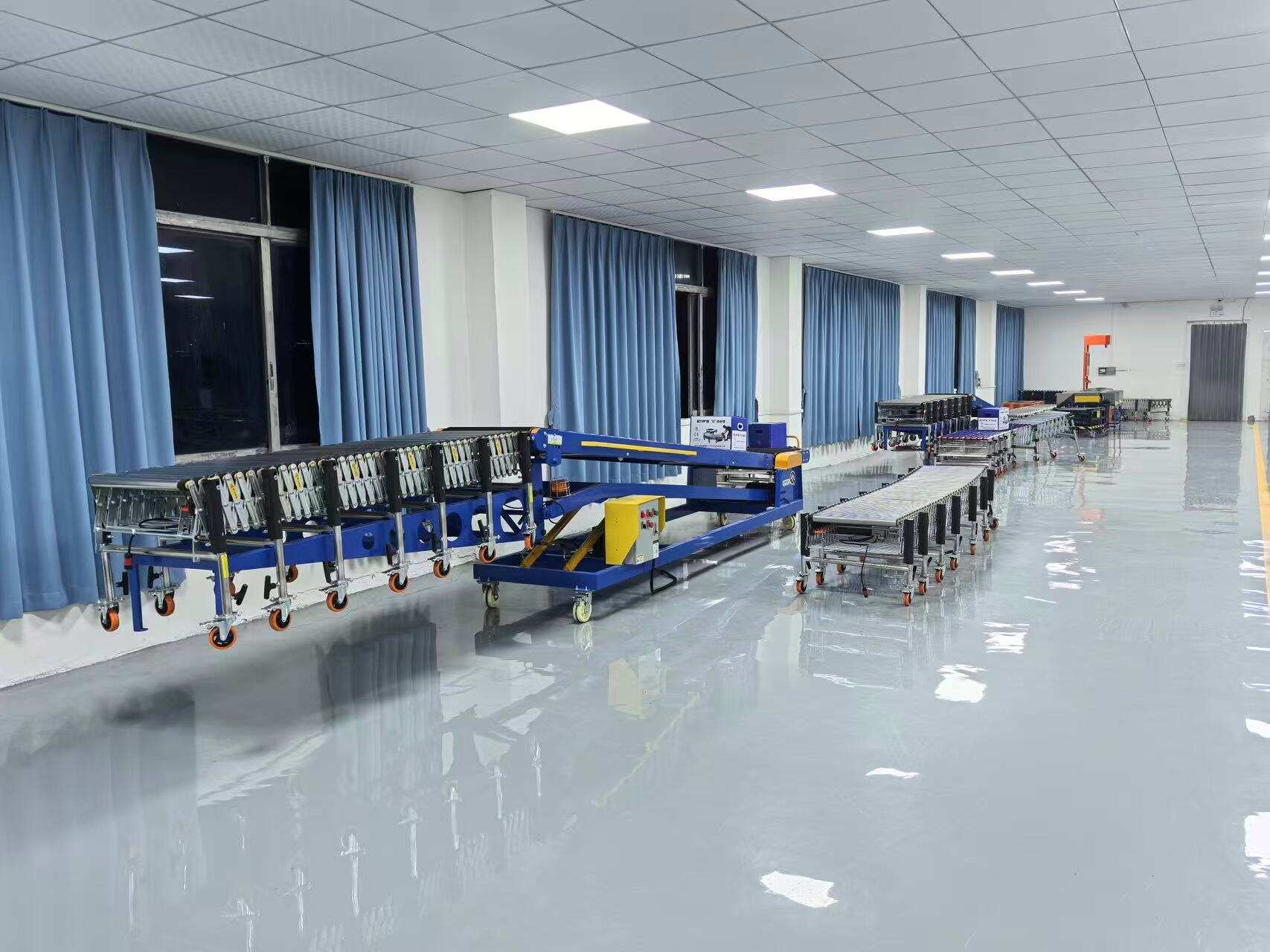
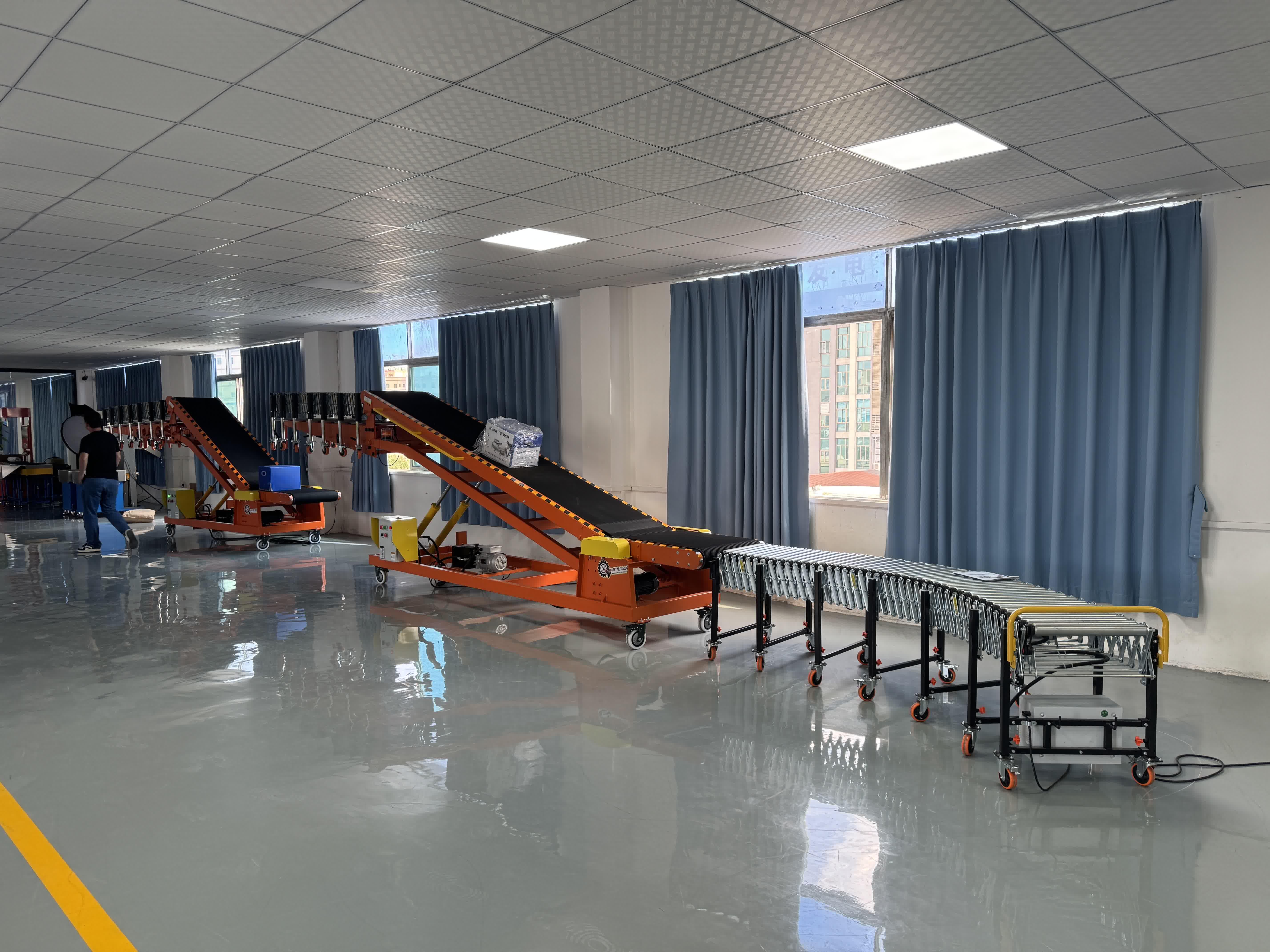
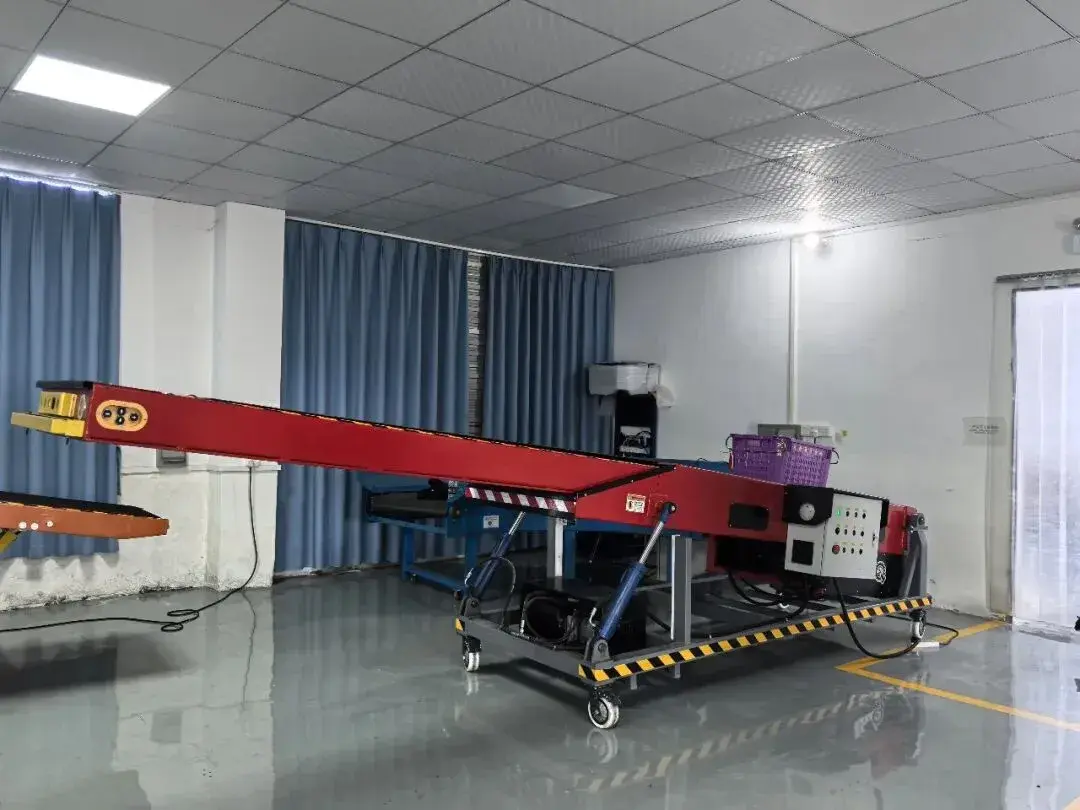
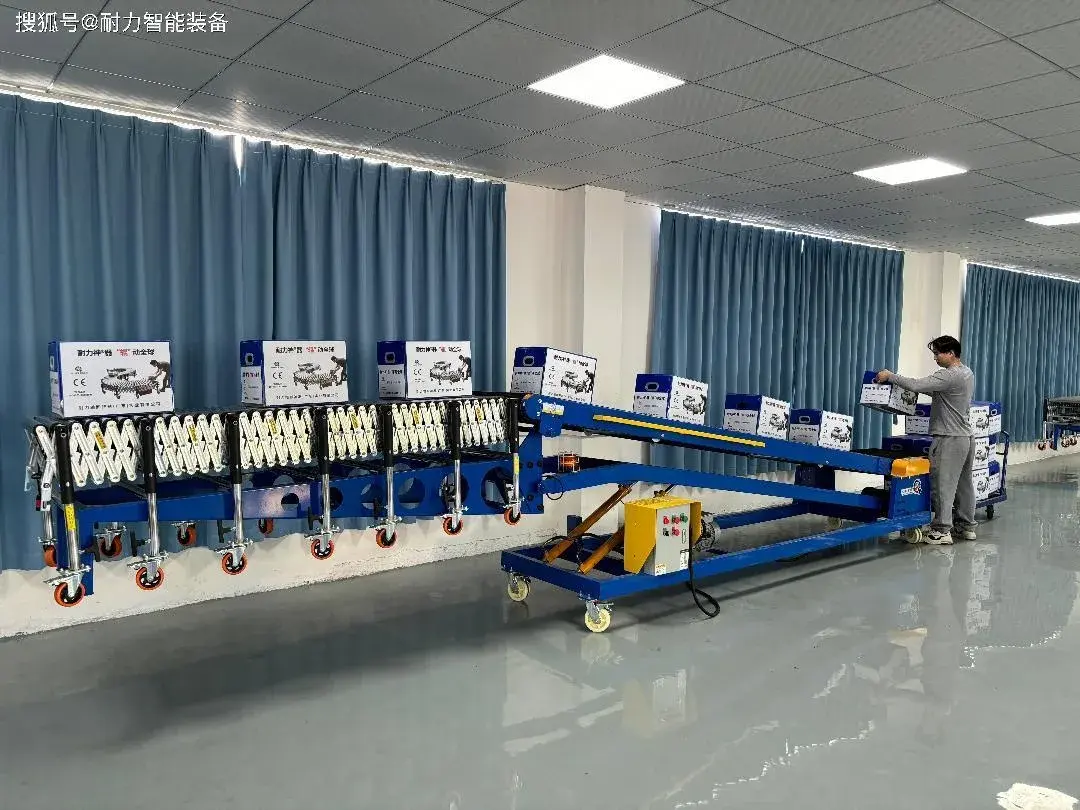
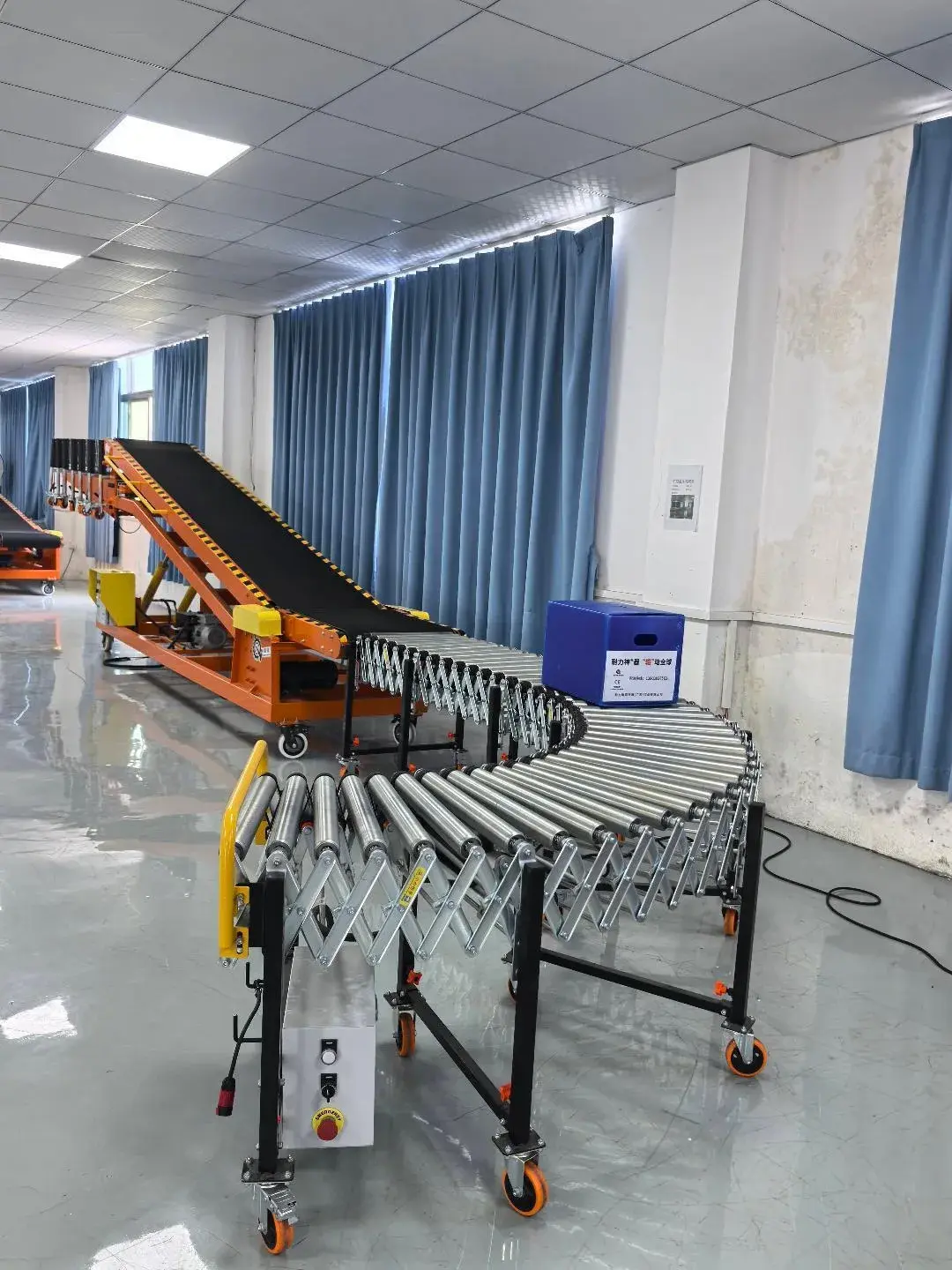
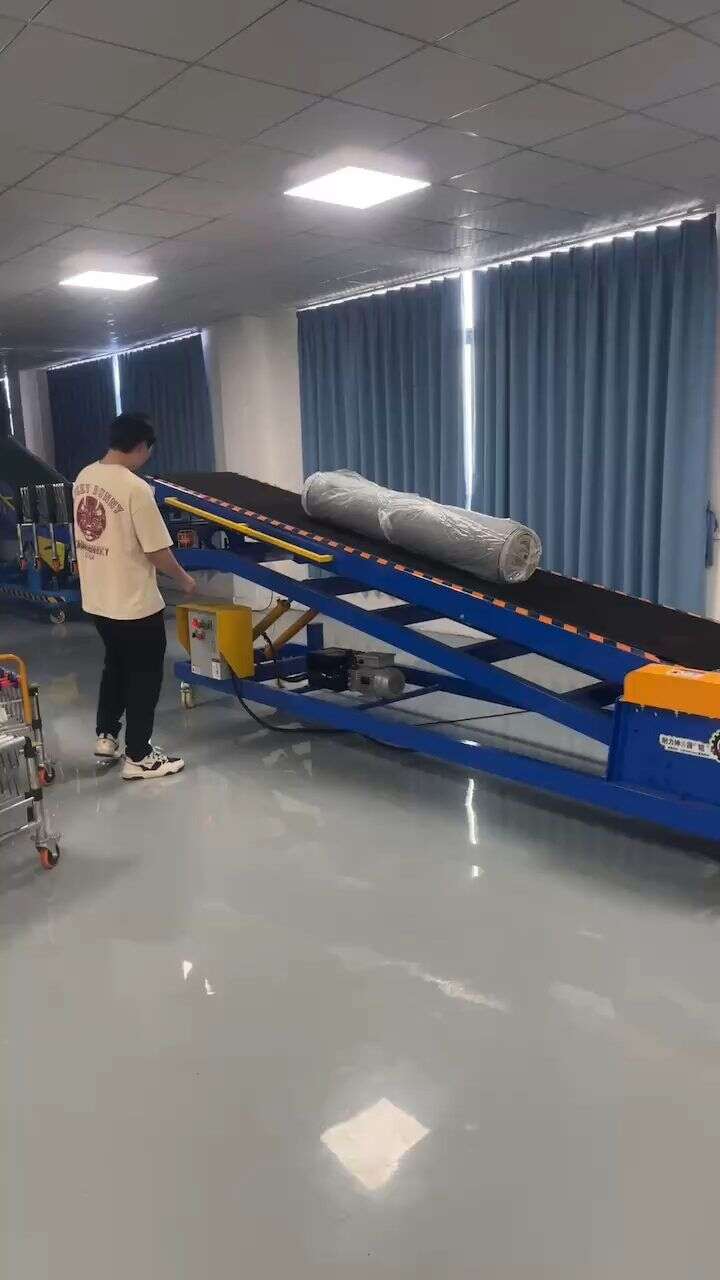
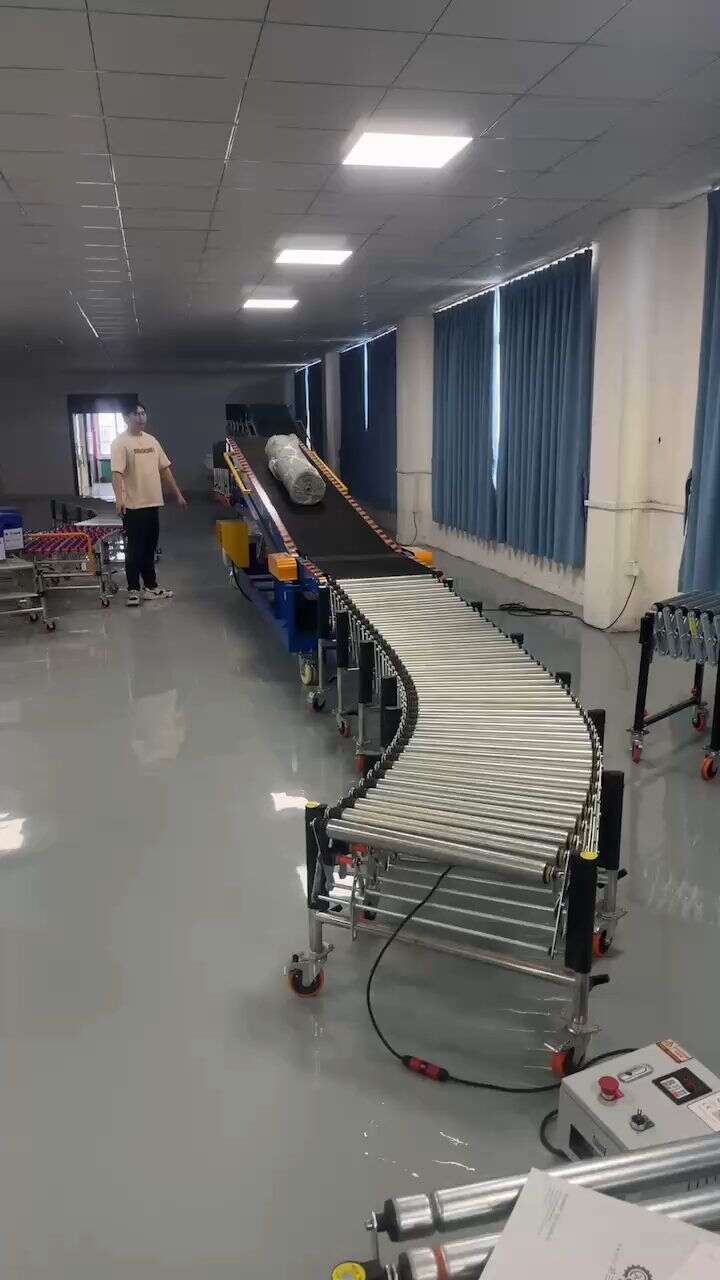
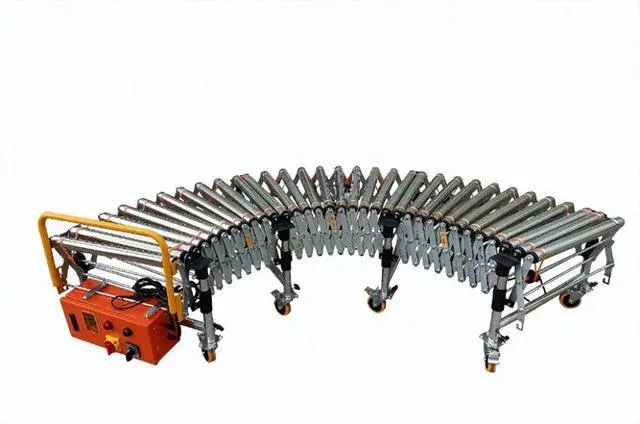
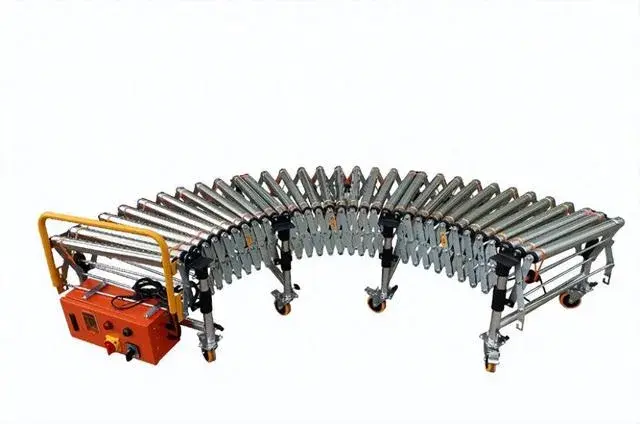
Nailishen powered roller conveyors are designed for process-based material flow in factory workshops and can convey various types of materials, including boxed materials, pallets, heavy individual items, and semi-finished products. In actual production lines, the equipment can be used for workstation loading and unloading, process-to-process transfer, cross-area transport, and finished-product collection and warehousing. This helps reduce repetitive handling and makes the production flow more continuous.
Structural and Drive Configurations for Different Conveying Conditions
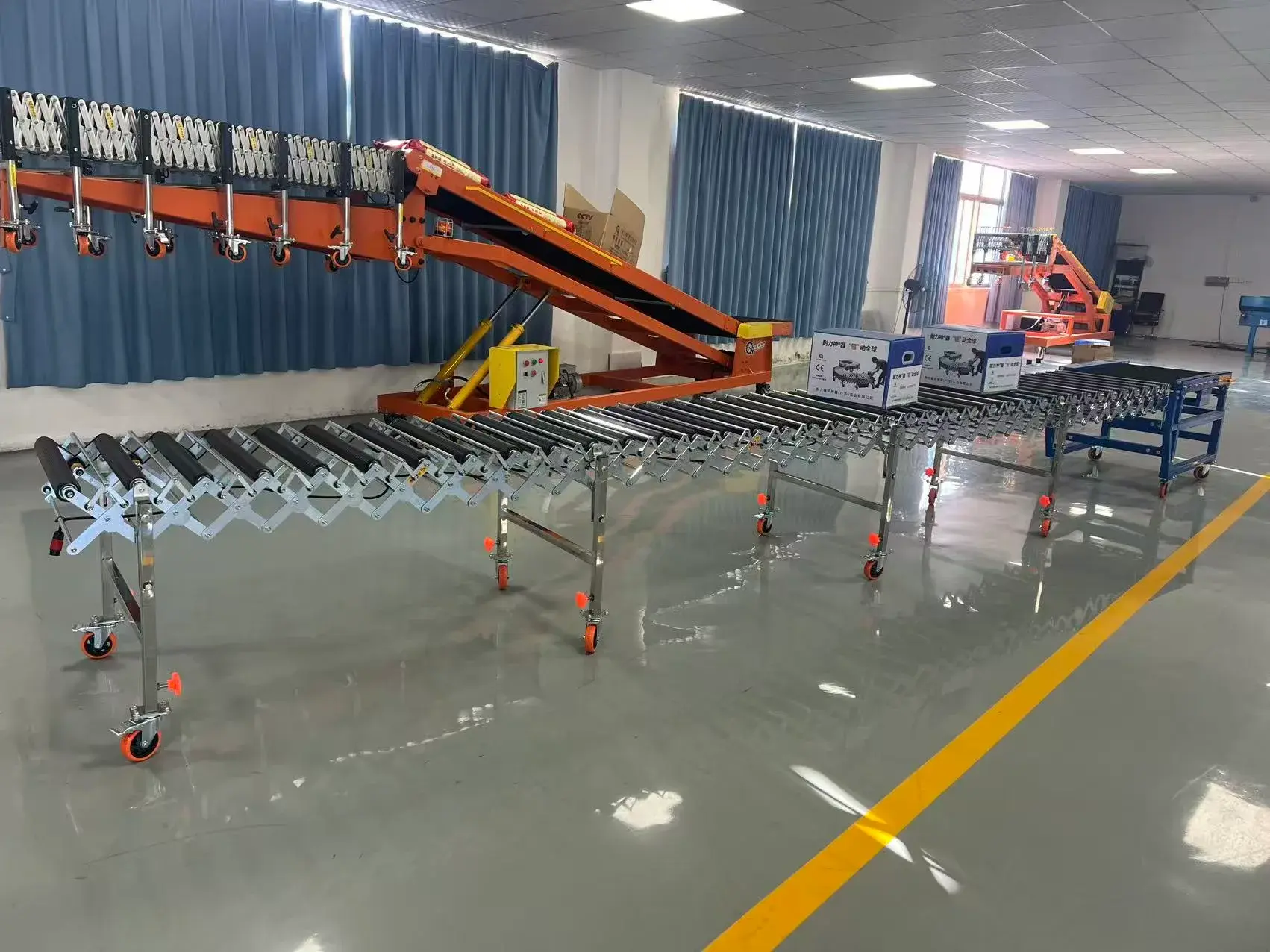
To address common problems with roller conveyors, such as deviation, slipping, jamming, insufficient load capacity, excessive noise, and limited adaptability, Nailishen powered roller conveyors feature precision-engineered structures and tiered configurations. Thickened seamless rollers provide greater load-bearing capacity and are less prone to deformation. The light-, medium-, and heavy-duty configurations are used to match different types of conveyed materials.
The equipment supports two drive methods: rubber-covered drive, which operates relatively quietly and smoothly, and chain drive, which is suitable for heavy-duty conveying. Selecting the appropriate configuration according to the specific operating conditions can improve material conveying stability, reduce material jams, shifting, and slipping, and support high-frequency, continuous operation in factory production environments.
Customized Modifications to Support Workshop Layout and Functions
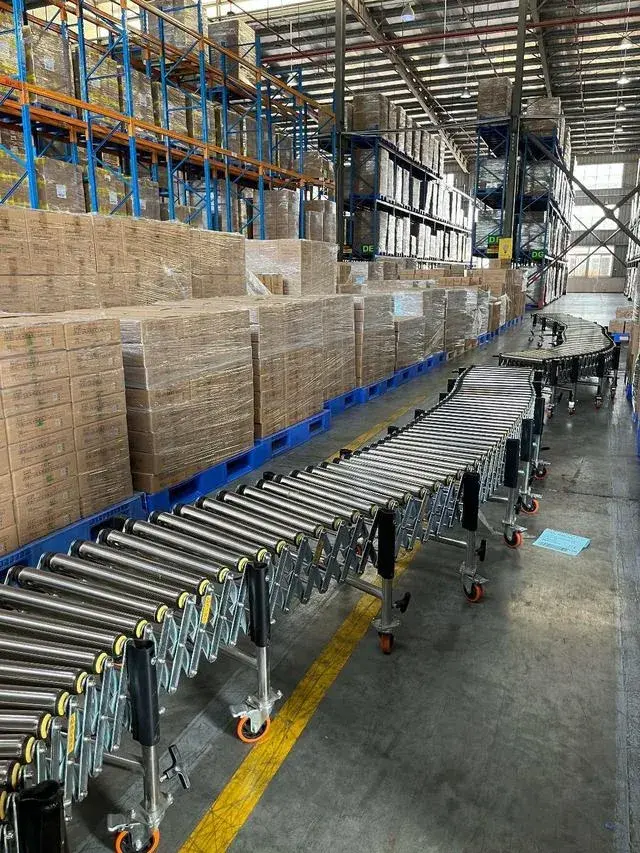
Different factories have different spatial structures, conveying routes, and production processes. Naili's customized powered roller conveyor lines can be tailored in terms of dimensions, layout, functions, and intelligence according to on-site operating conditions. The equipment can be configured as needed with sensor-based start/stop control, intelligent speed adjustment, limit stops, safety protection, and anti-deviation structures to enable more precise automatic feeding.
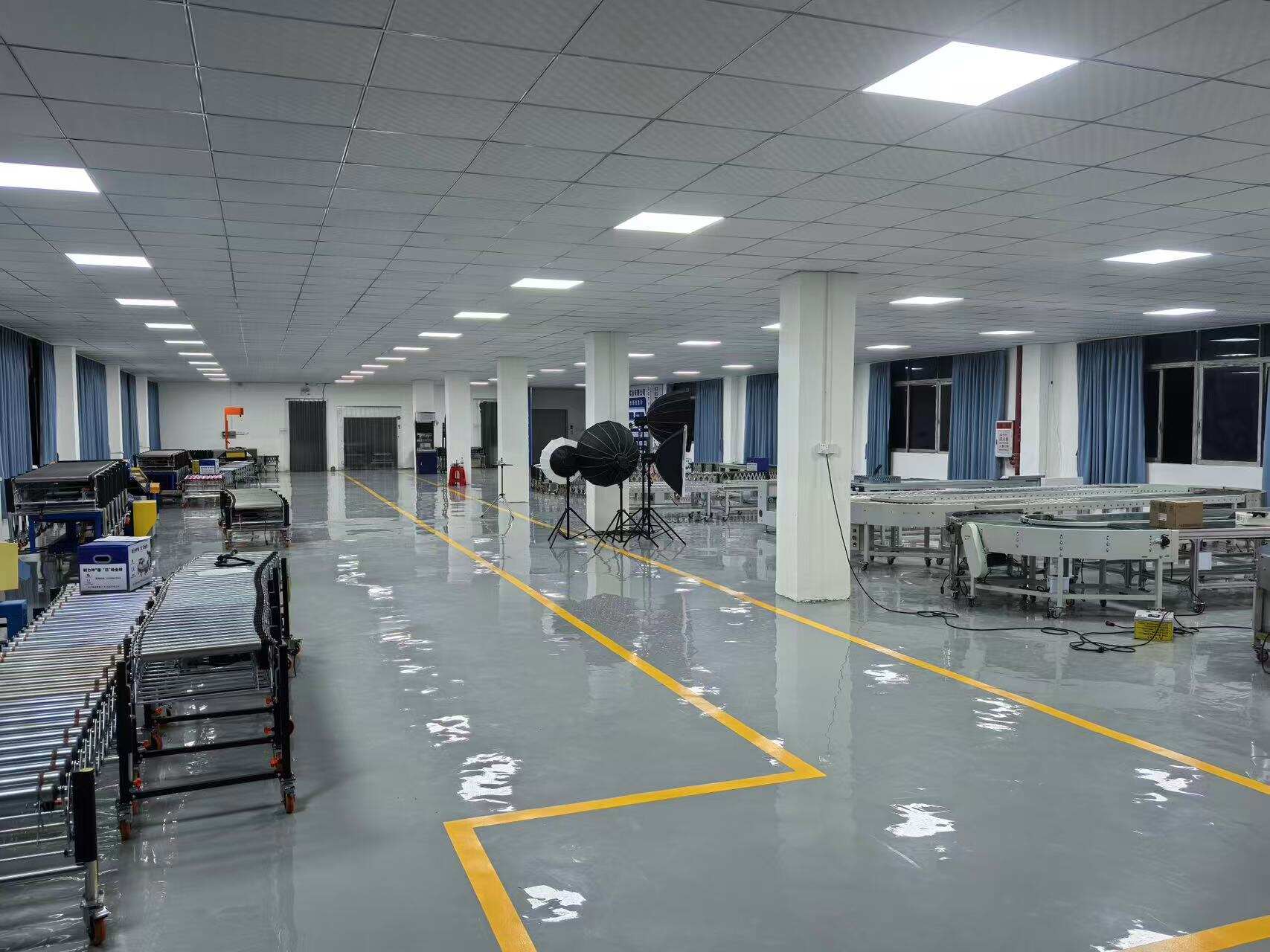
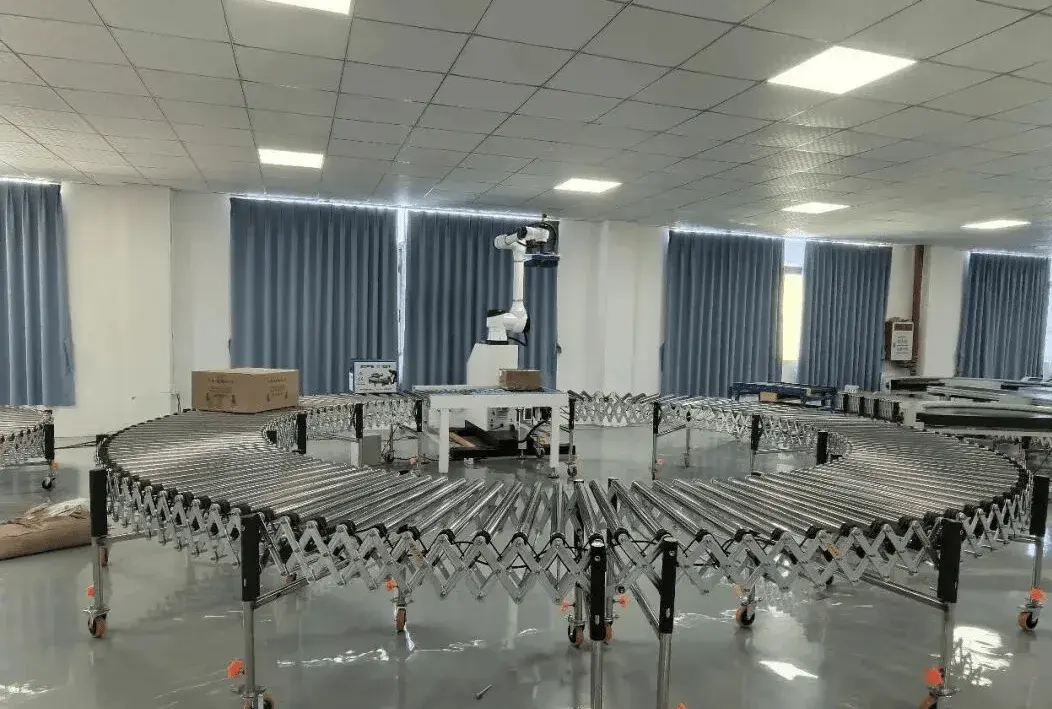
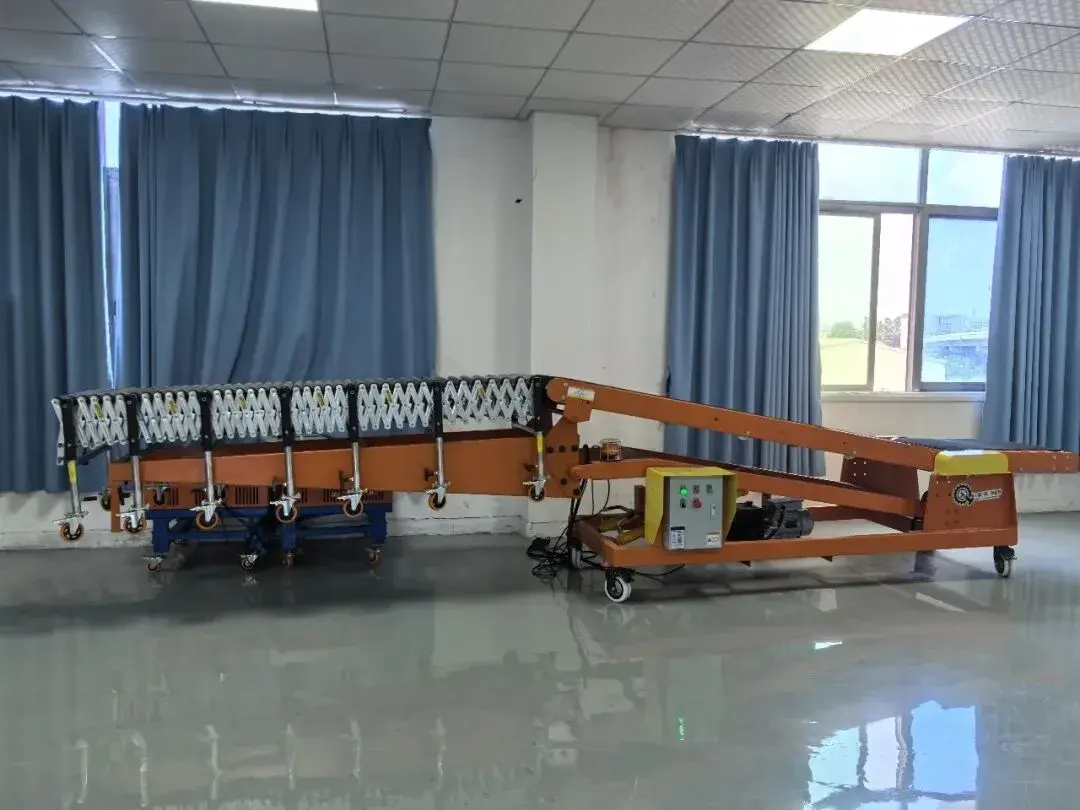
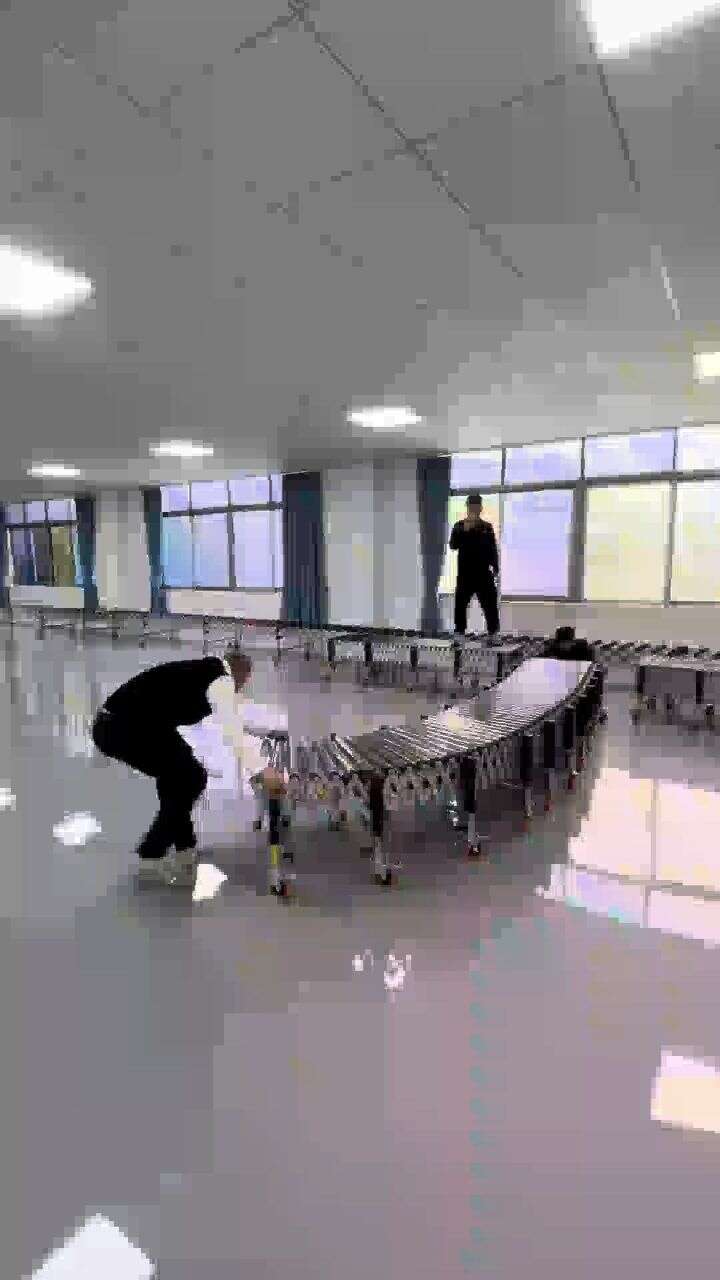
In terms of layout, the system can accommodate straight-line, curved, lifting, and multi-level three-dimensional conveying. It can also be used in older workshops, irregularly shaped factories, and non-standard production lines, reducing the need for major adjustments to existing production layouts. Naili Unloading Artifact (Guangdong) Industrial Co., Ltd. can provide end-to-end follow-up covering surveying, solution design, production, installation, and maintenance. By reviewing process flows around logistics bottlenecks in the workshop, it helps address issues such as semi-finished product accumulation, workstation downtime, and disconnected production, providing equipment support for the automation upgrade of workshop logistics.