Author: Naili Unloading Artifact (Guangdong) Industrial Co., Ltd.
In the daily production of manufacturing plants, conveying equipment usually runs smoothly immediately after installation and commissioning. However, after a period of high-frequency, heavy-load operation, problems such as belt misalignment, roller jamming, abnormal operating noises, spilled materials, and conveying interruptions may gradually appear. Hydraulic loading and unloading equipment at loading docks may also experience lifting jams, slow responses, and body shaking.
Once equipment failures occur frequently, factories need to stop production for repairs, replace parts, and recommission the equipment. Production plans and shipping schedules can be affected, while equipment maintenance costs and labor losses also increase. For equipment and production management, maintaining the stable operation of the logistics system has become a key issue in ensuring stable production.
Frequent Conveyor Failures May Stem from Mismatched Operating Conditions
Many equipment managers and factory operators attribute conveyor failures to poor workmanship, low-quality components, or defective products, and repeatedly replace equipment and parts, yet the problems remain difficult to resolve. Source data indicates that, based on years of operational data in the industry, more than 90% of frequent conveyor failures are rooted in mismatched operating conditions rather than simple product quality issues.
Mass-produced general-purpose conveyors typically use fixed load parameters, uniform operating speeds, standardized body structures, and drive modes, mainly targeting relatively standard operating conditions such as level factories, conventional materials, and fixed production rhythms. Actual industrial production environments are often much more complex: high-frequency heavy loads, irregular narrow aisles, loading docks with height differences, mixed conveying of multiple materials, and all-day continuous operation may exceed the adaptability of general-purpose equipment. Operating under overload or beyond the specified conditions can accelerate wear and trigger recurring failures.
Customized Operating Conditions Are Key to Reducing Failure Risks
The value of industrial conveying equipment lies not only in low-cost mass production or a neat appearance, but more importantly in whether it fits the factory’s actual operating environment and maintains long-term stable operation. The key to solving frequent conveyor maintenance problems is not constant parts replacement or replacing the entire machine, but targeted design based on actual operating conditions.
During customization, it is necessary to comprehensively consider the weight of materials handled at the site, operating frequency, elevation differences, aisle dimensions, production rhythm, and equipment operating hours. The machine structure, load parameters, drive system, and buffering configuration can then be adjusted to match on-site operating conditions, reduce wear caused by overload operation, lower the risk of failures, and extend the equipment’s service life.
Different Conveying Equipment for Different Operating Scenarios
Naili Unloading Artifact (Guangdong) Industrial Co., Ltd. focuses on the R&D, customization, manufacturing, and on-site operation and maintenance of industrial conveying equipment. To address issues such as unstable equipment operation, frequent breakdowns, and insufficient adaptability to working conditions in factory facilities, the company uses one-to-one adjustments based on on-site data to reduce the adaptation shortcomings caused by applying general-purpose equipment to complex operating conditions.
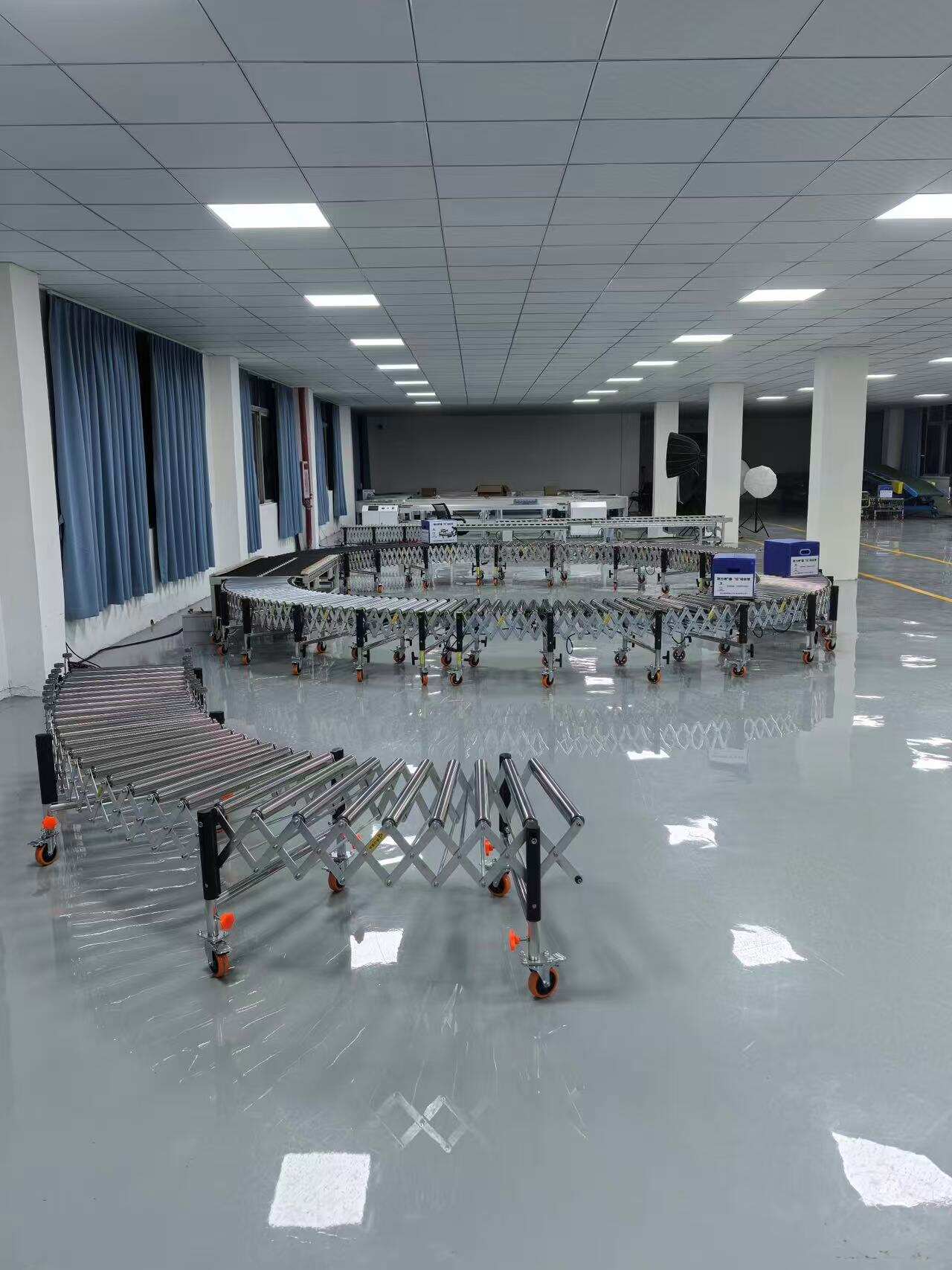
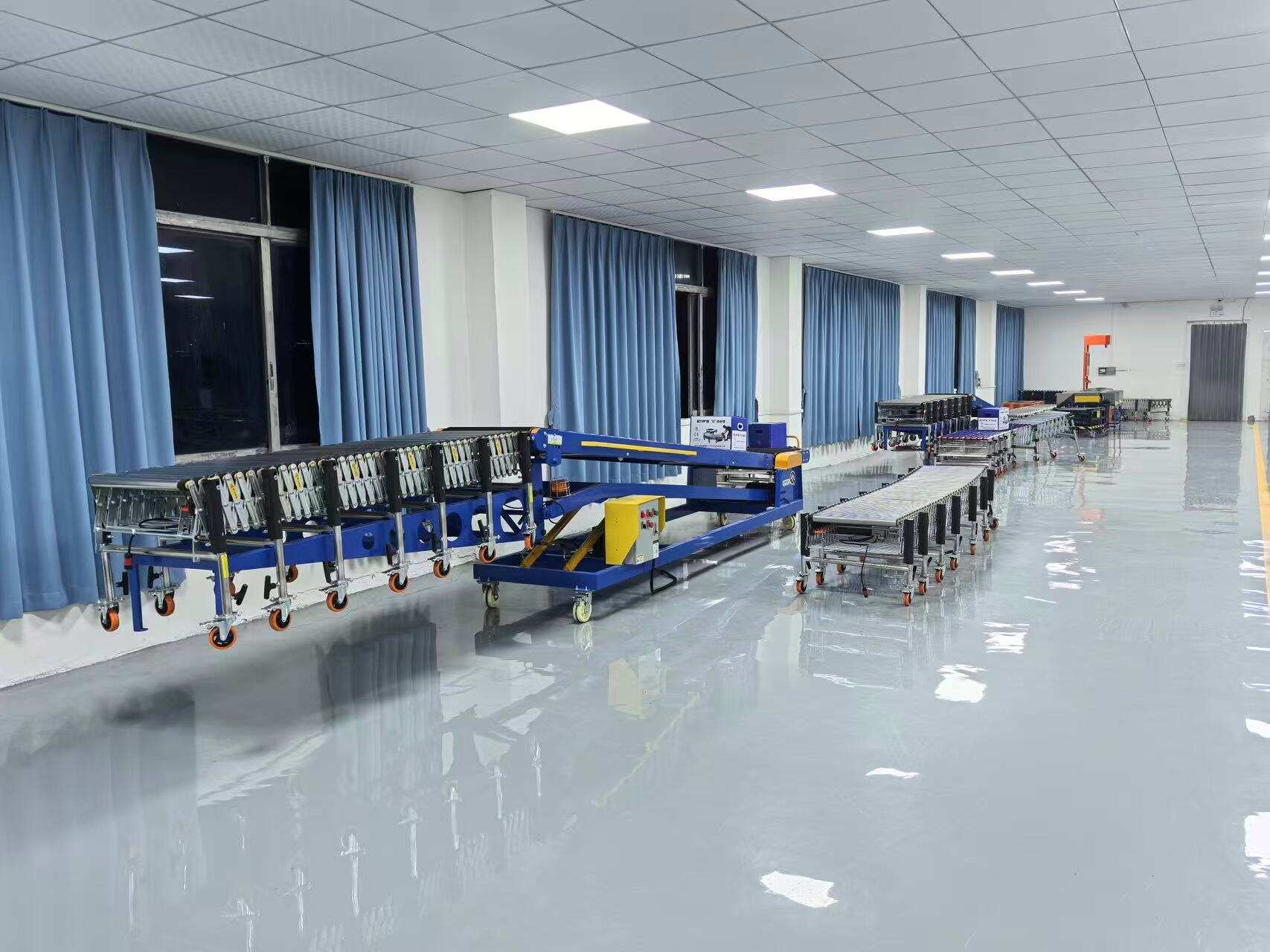
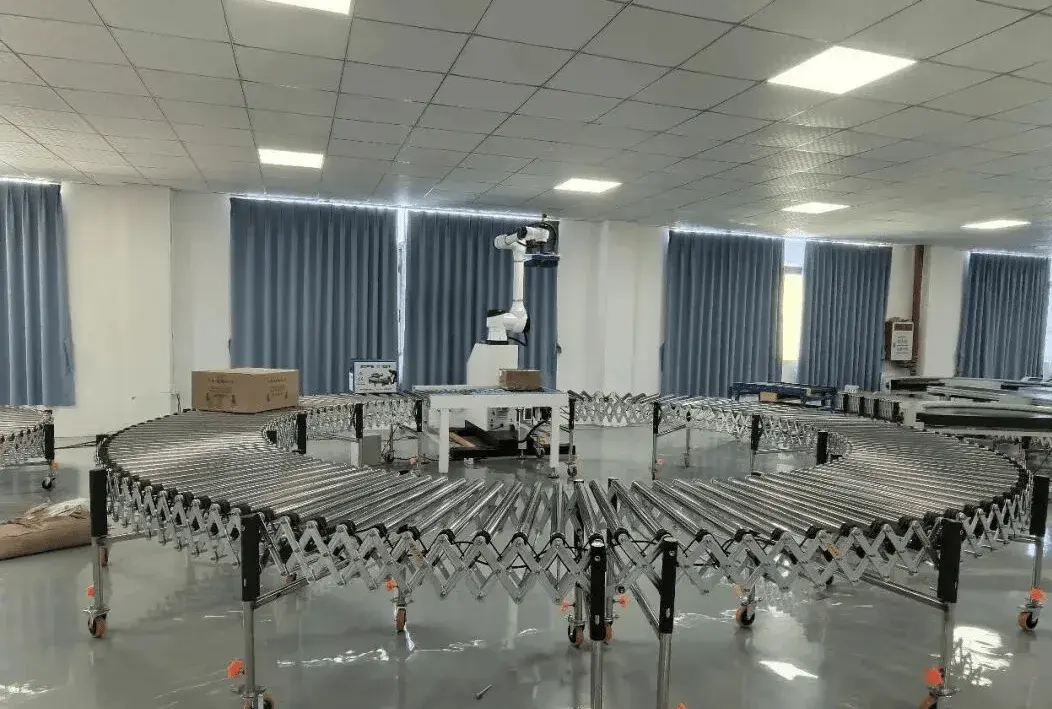
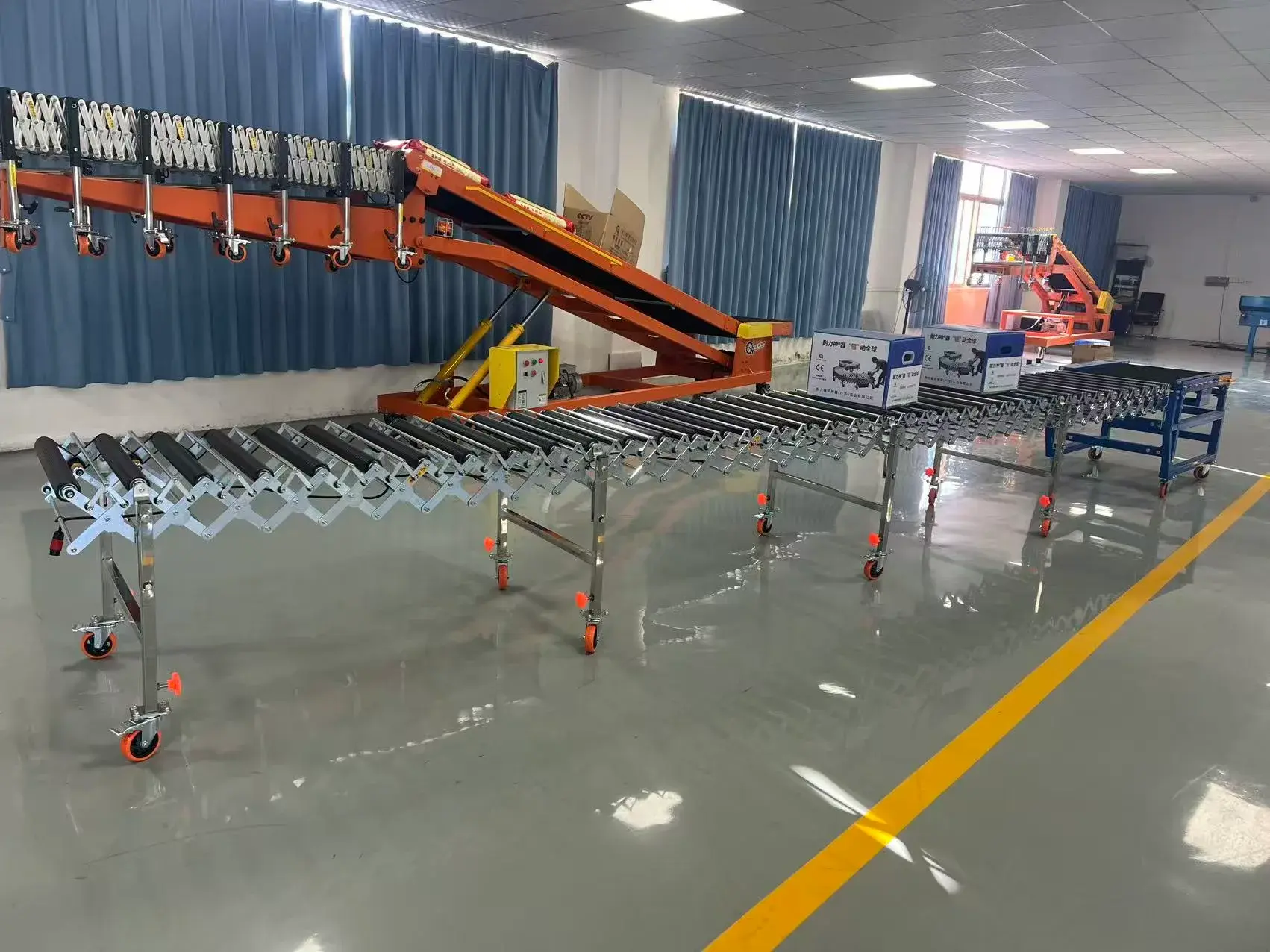
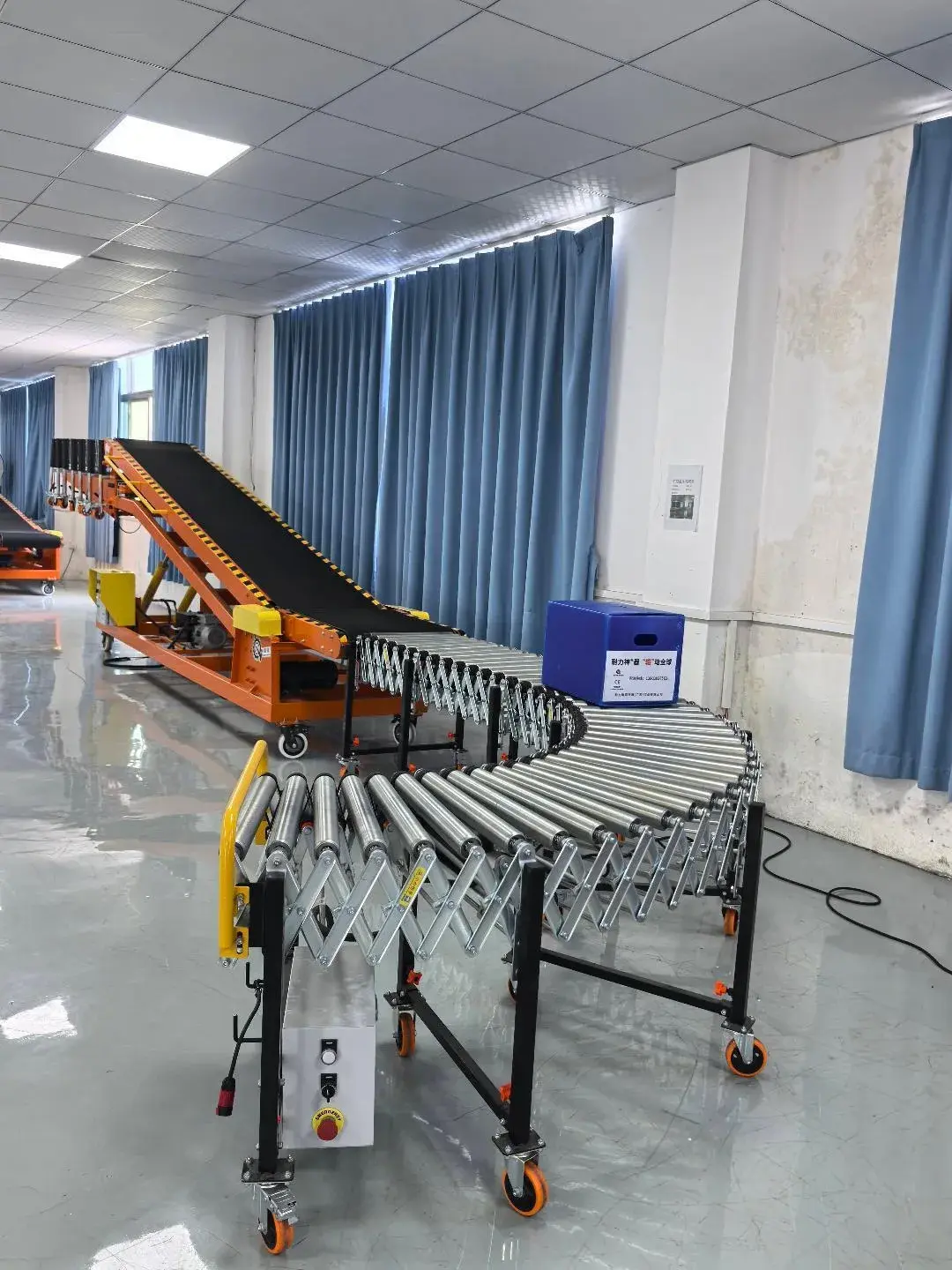
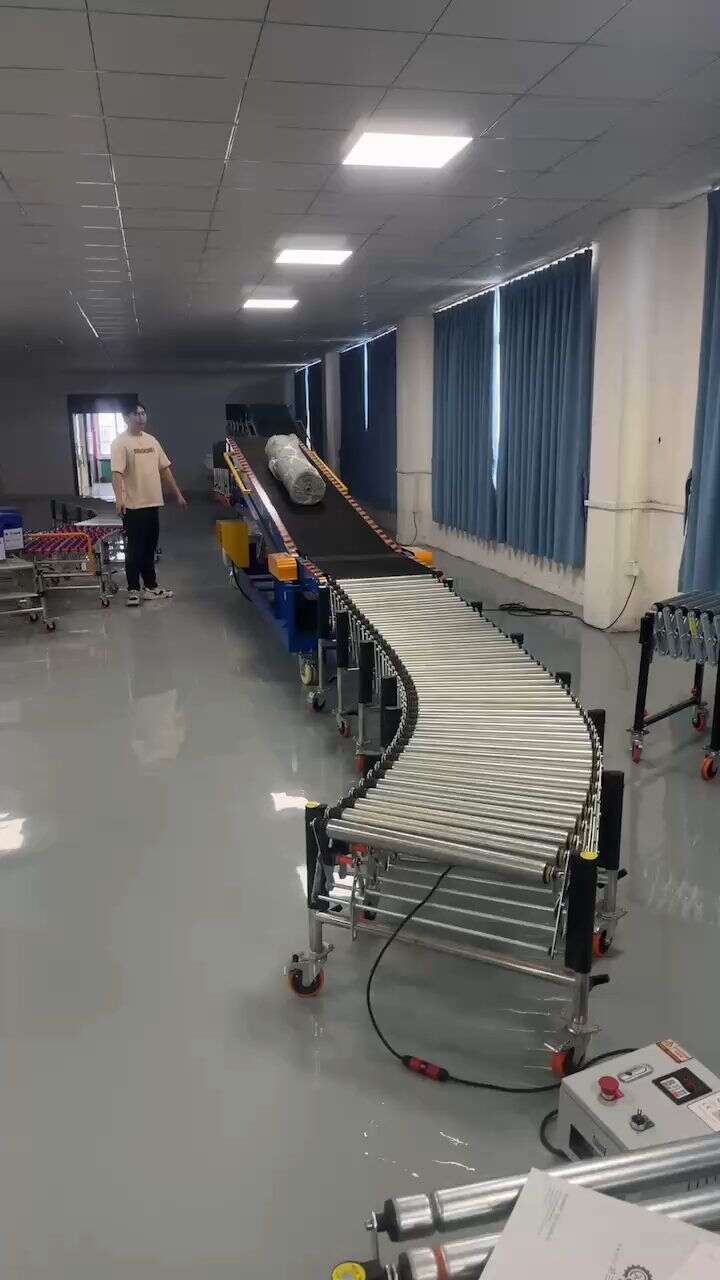
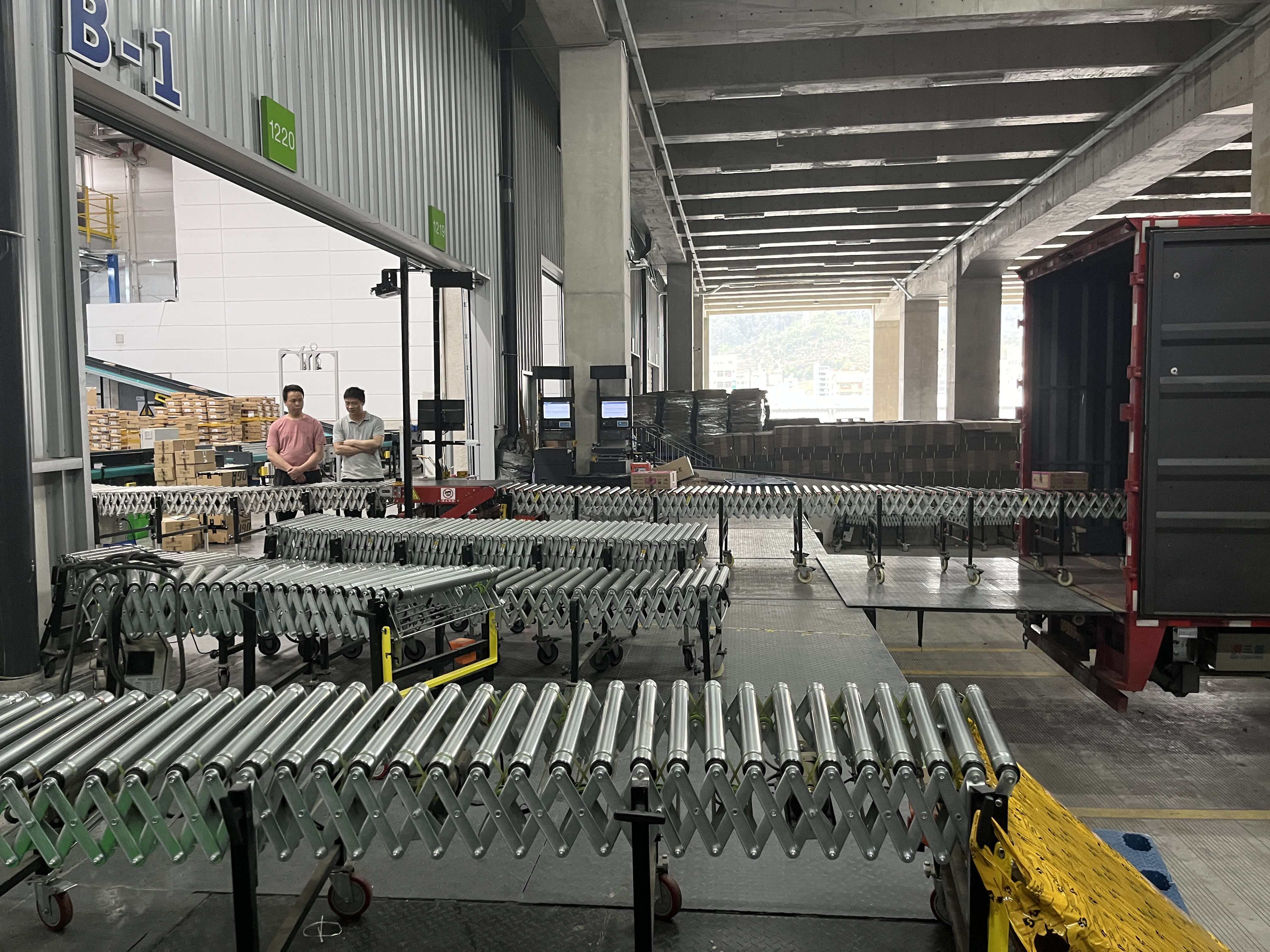
Powered roller conveyor lines can adjust roller spacing, operating speed, and start-stop cycles according to the materials and production pace. They can also be configured with either heavy-duty chain transmission or quiet rubber-coated transmission to meet the different conveying needs of heavy hardware materials and precision lightweight materials.
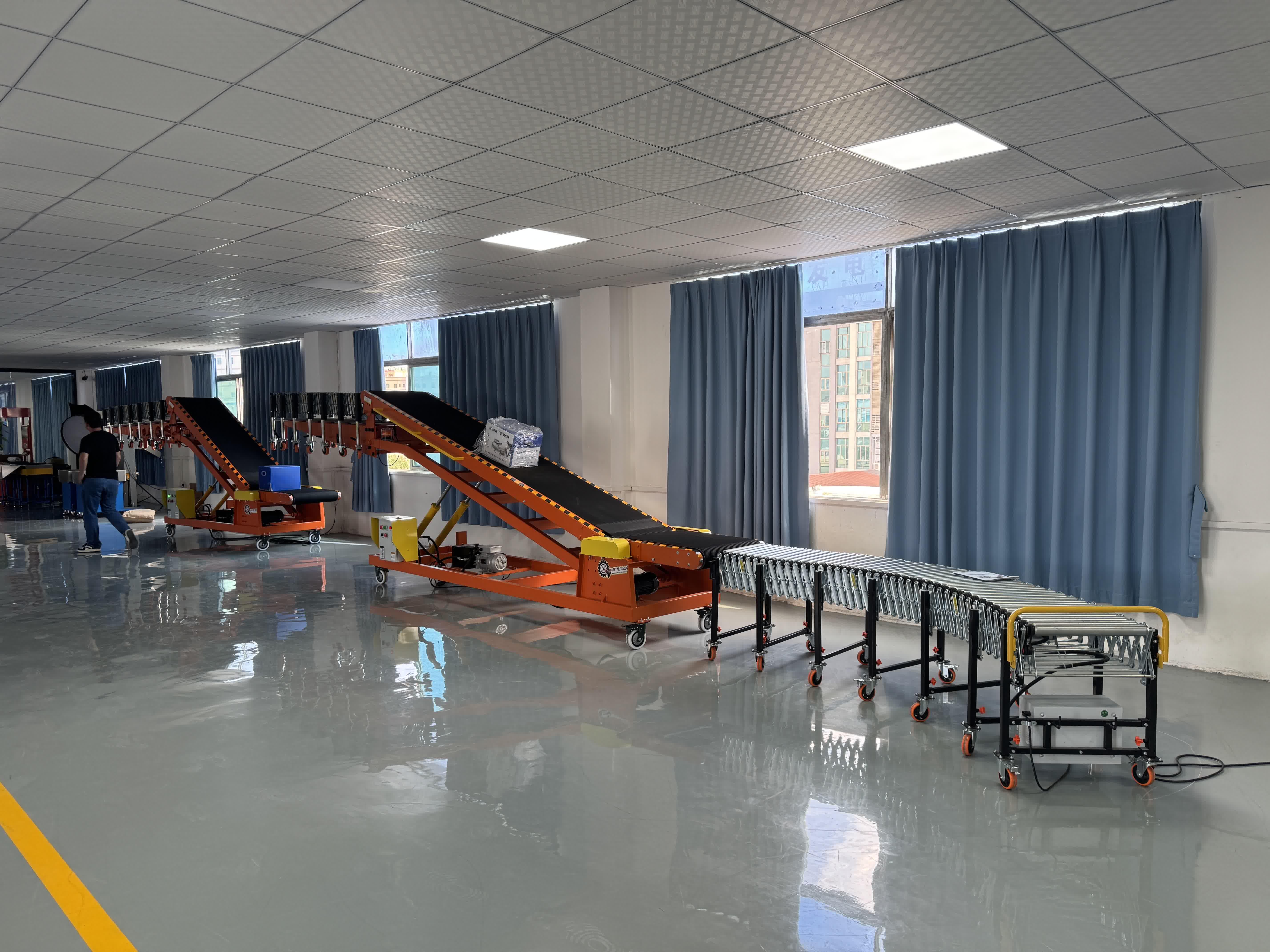
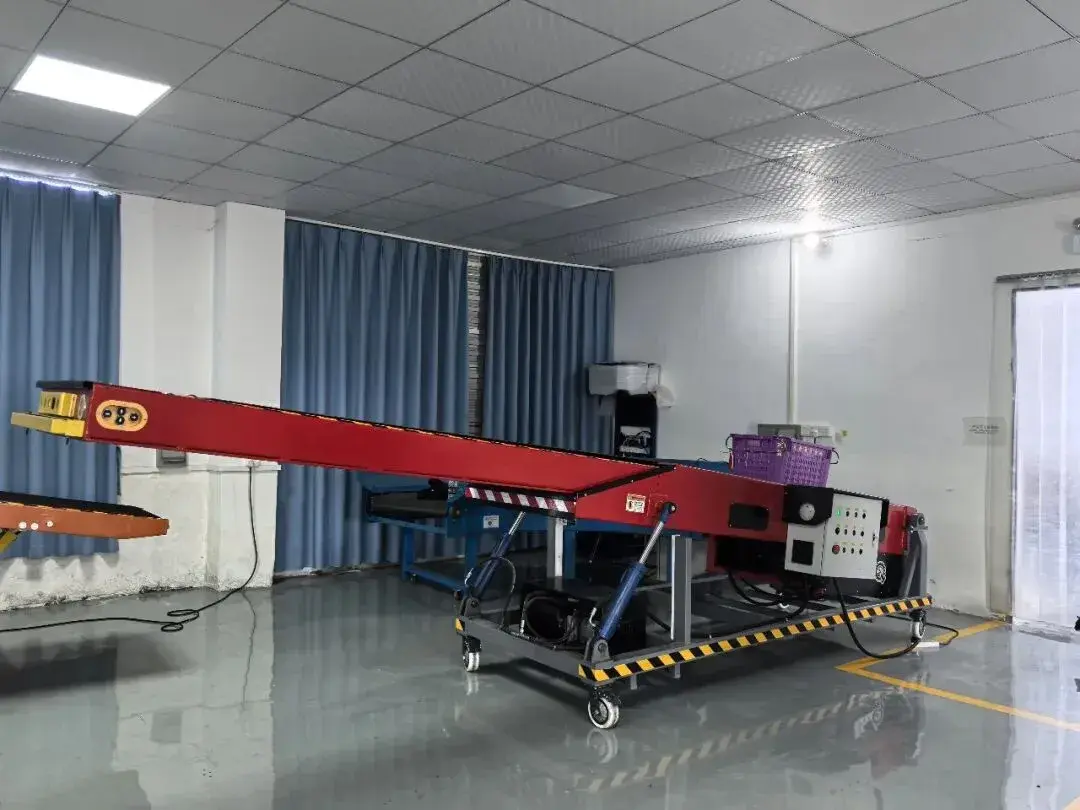
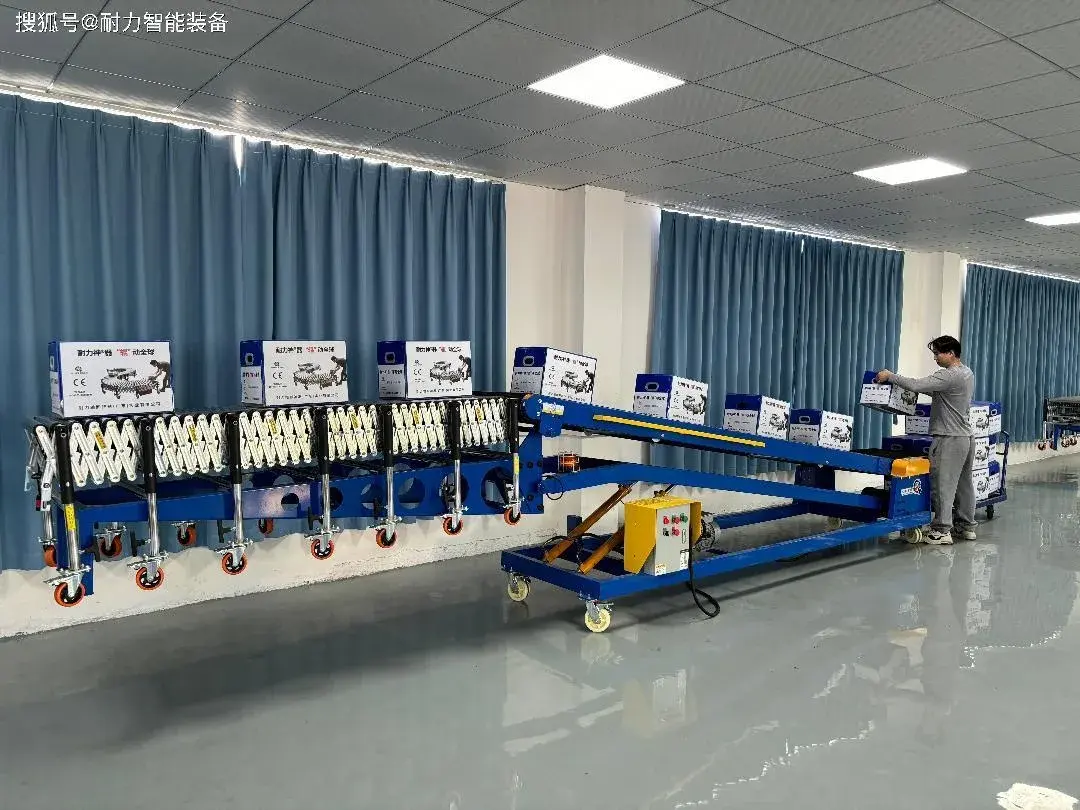
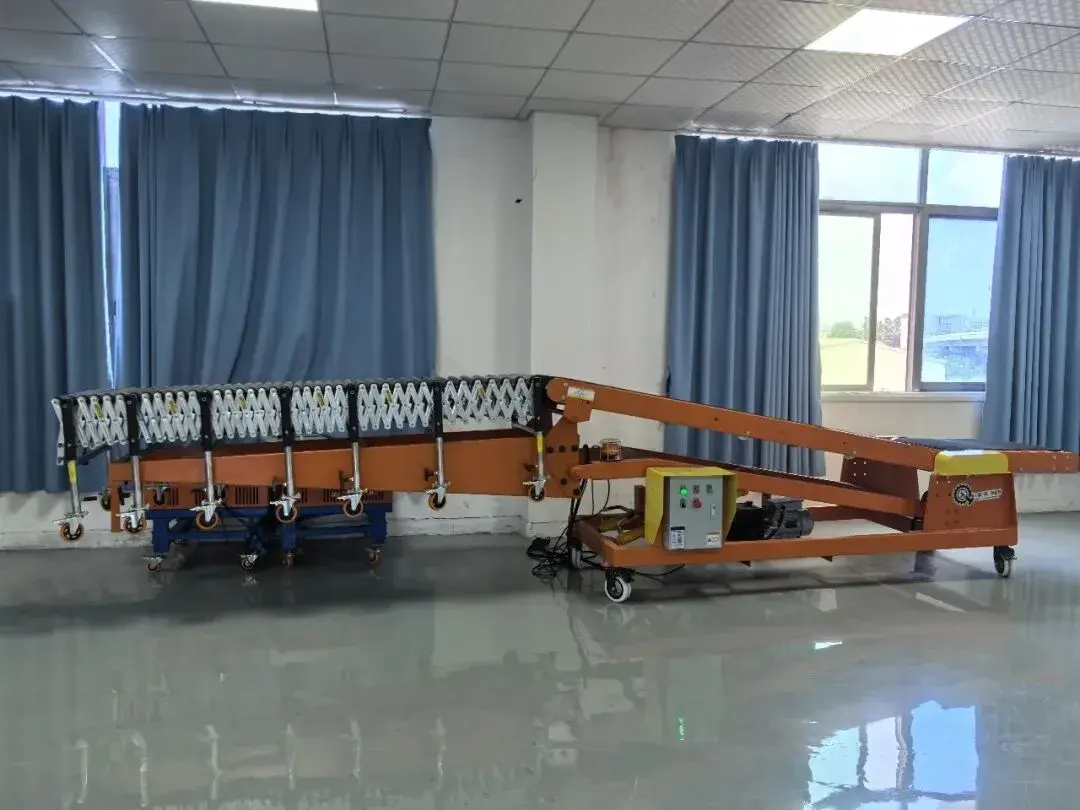
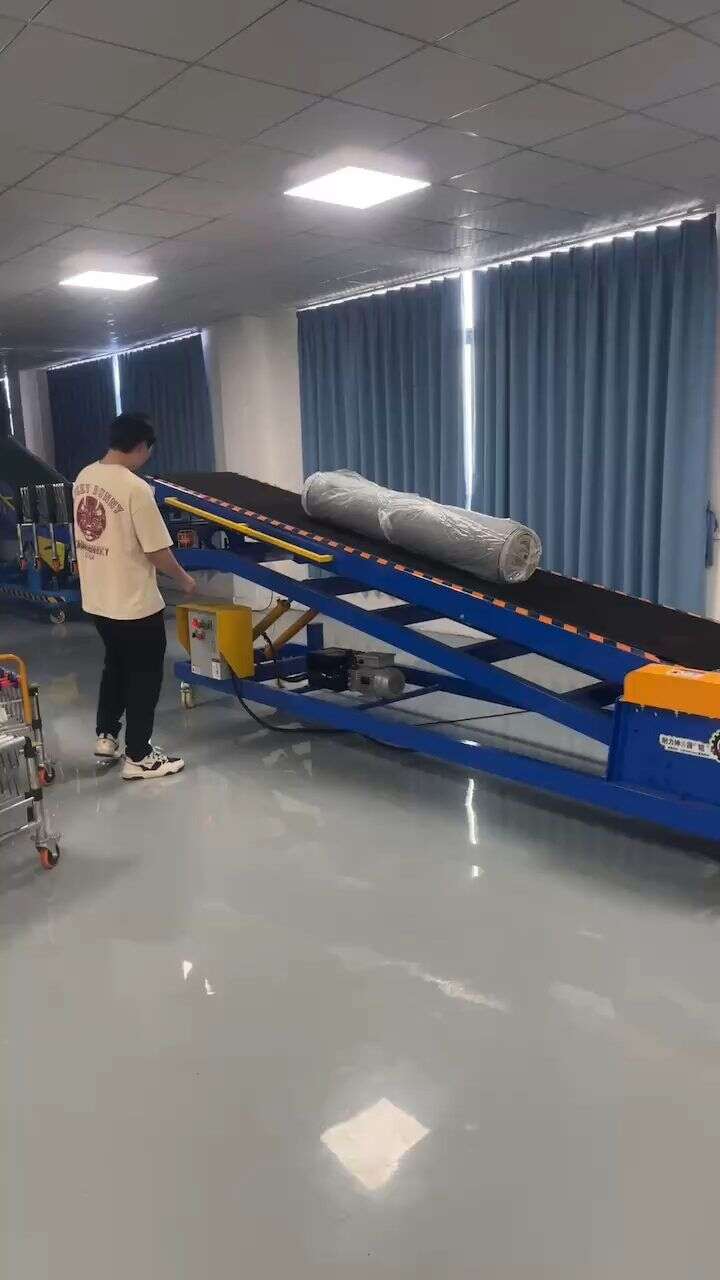
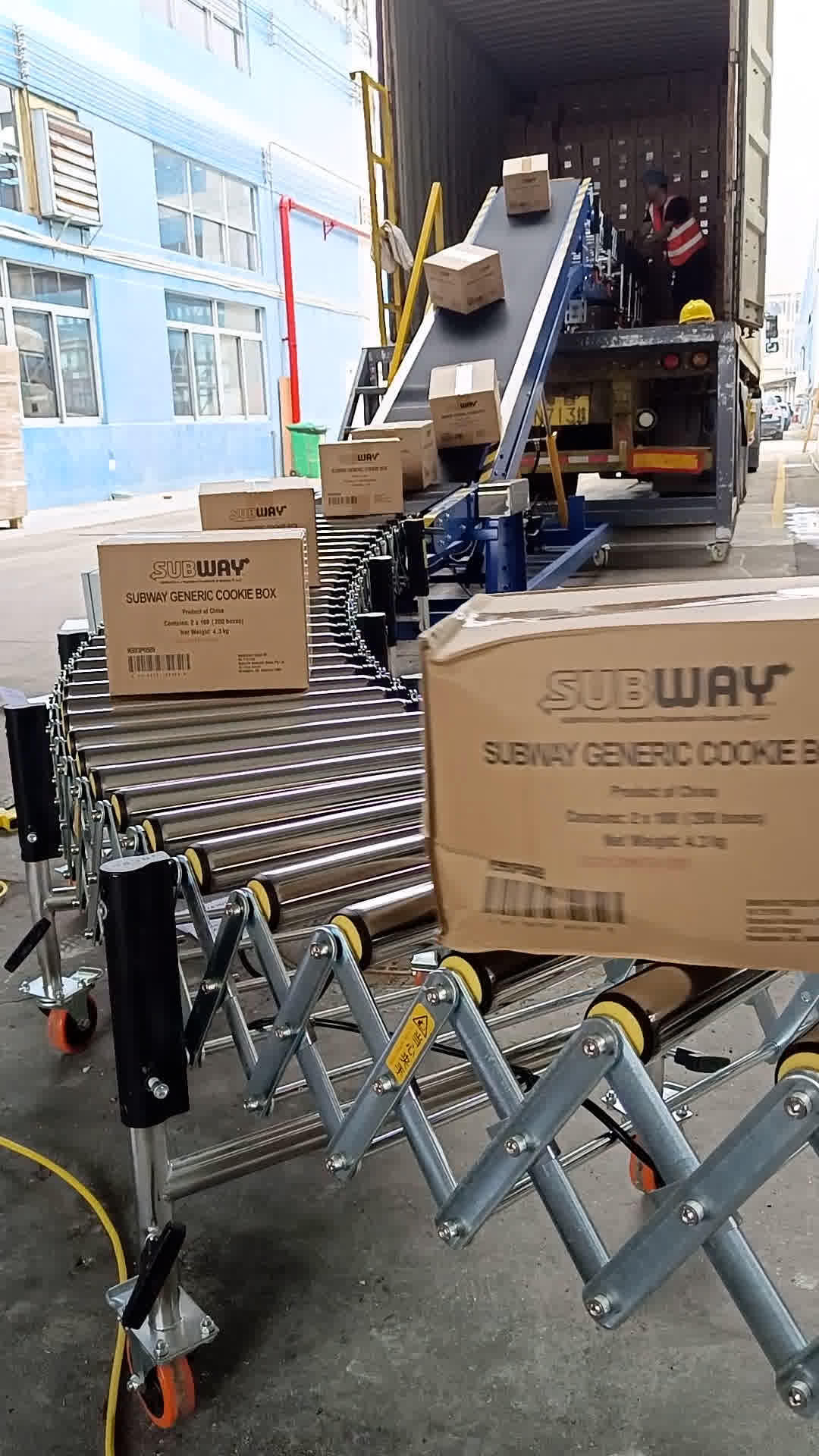
Hydraulic Conveyor improves equipment adaptability to height differences at various non-standard loading platforms by optimizing its cushioning structure and body stability, while addressing operating issues such as lifting interruptions, body shaking, and oil leakage. Telescopic belt conveyors are designed for all-weather, high-frequency outbound operations, using wear-resistant and stretch-resistant design principles to reduce the risk of belt misalignment and deformation. Combined with various lightweight conveying equipment, they can cover a wider range of specialized operating scenarios.
Reliable performance assurance from manufacturing and testing to on-site operation and maintenance
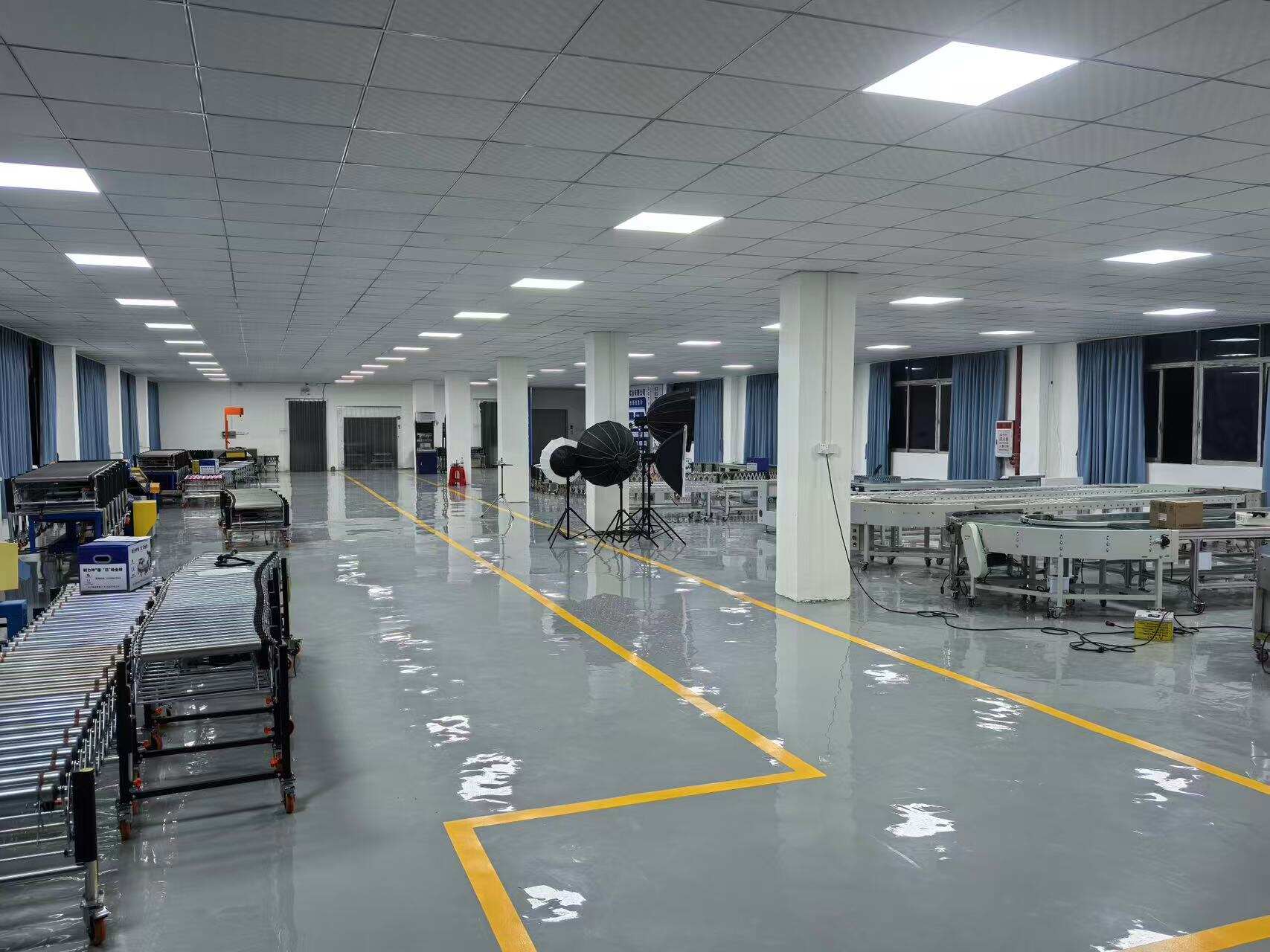
All conveying equipment is manufactured in the company's own factory using thickened steel that meets national standards and industrial-grade core components. Before leaving the factory, the equipment undergoes multiple durability tests, including full-load pressure testing, extended continuous operation, high- and low-frequency start-stop cycles, and drop-height cushioning tests, to verify structural strength and operational stability.
After the equipment arrives on site, a professional technical team commissions it according to the actual production pace of the facility and provides end-to-end services including inspections, troubleshooting, maintenance and upgrades, and parts replacement. By continuously identifying potential equipment issues and reducing the risk of downtime caused by failures, the team helps the facility's logistics system maintain long-term, stable, and efficient operation, providing an equipment foundation for consistent production.