Naili Conveyor
Workshop capacity is often wasted because material flow is blocked first
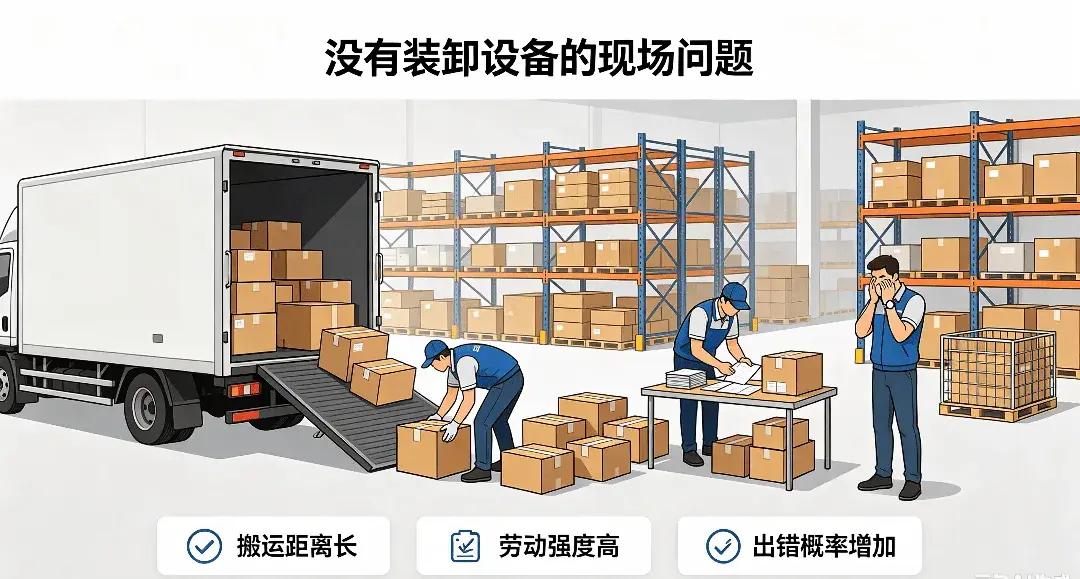
In manufacturing production management, the factor limiting capacity improvements is often not machining precision or equipment speed, but the efficiency of material flow within the workshop. When the front end continues producing but downstream transfer cannot keep up, semi-finished products can accumulate at workstations, equipment can run idle, personnel can be left waiting, and operations can fall out of rhythm, ultimately resulting in significant capacity waste and production delays.
When process connections are disjointed, logistics routes are poorly organized, and transfer rhythms are unstable, manual handling alone makes it difficult to restore the production line to a stable state. To improve this type of inefficiency, a more effective approach is to turn internal logistics into an automated, standardized, and continuous conveying chain.
Which workshop scenarios are suitable for powered roller conveyor lines
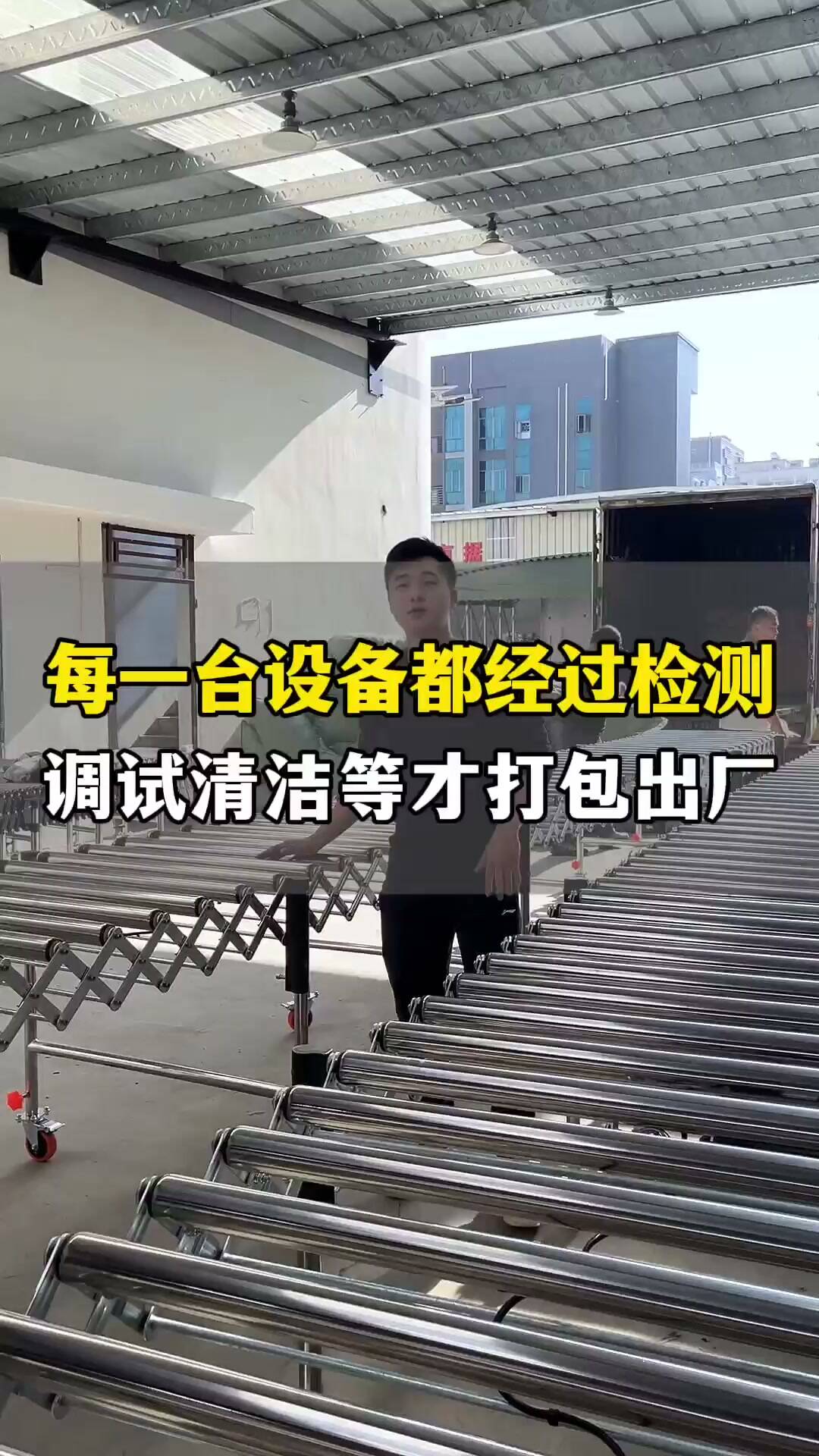
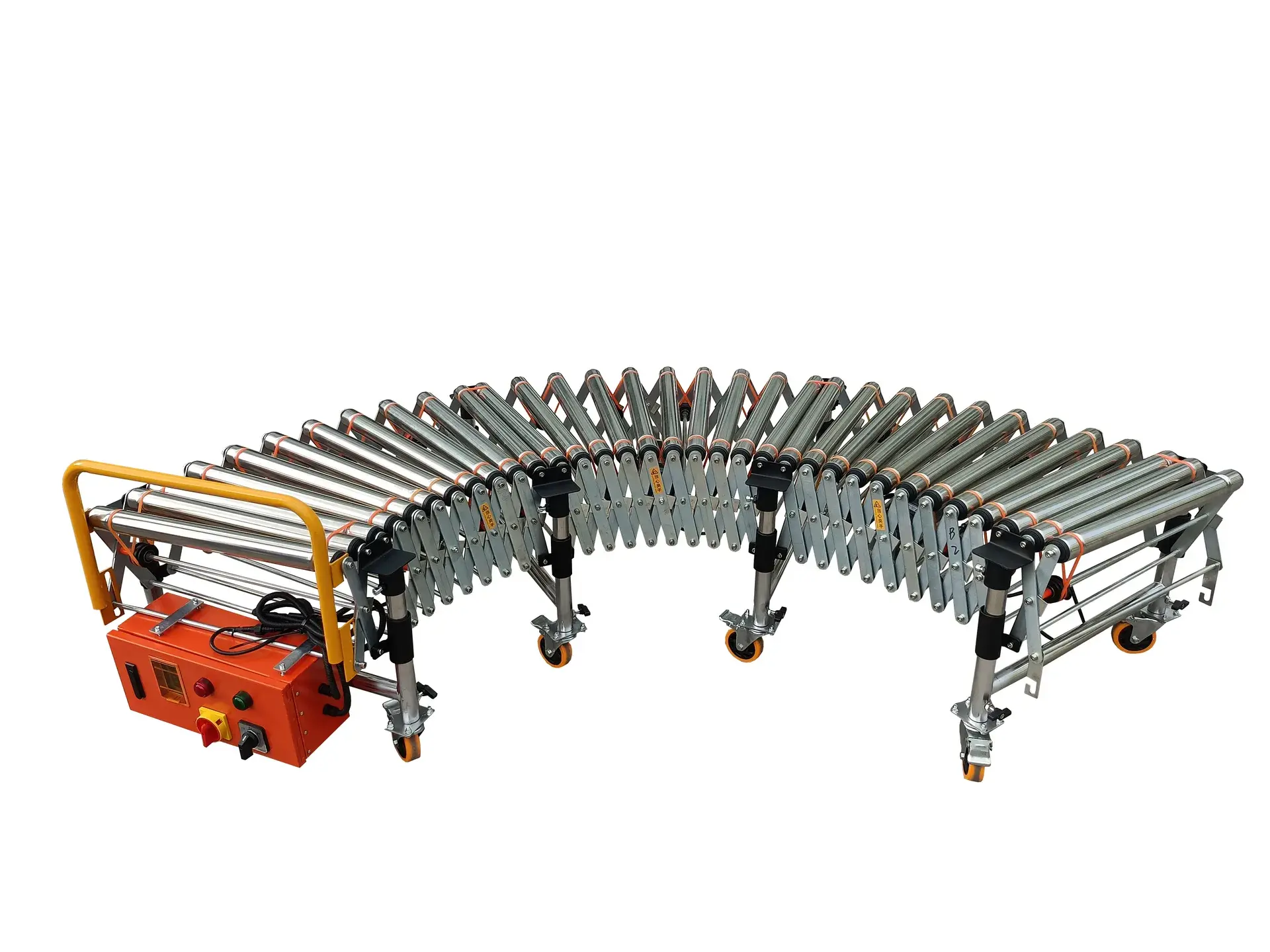
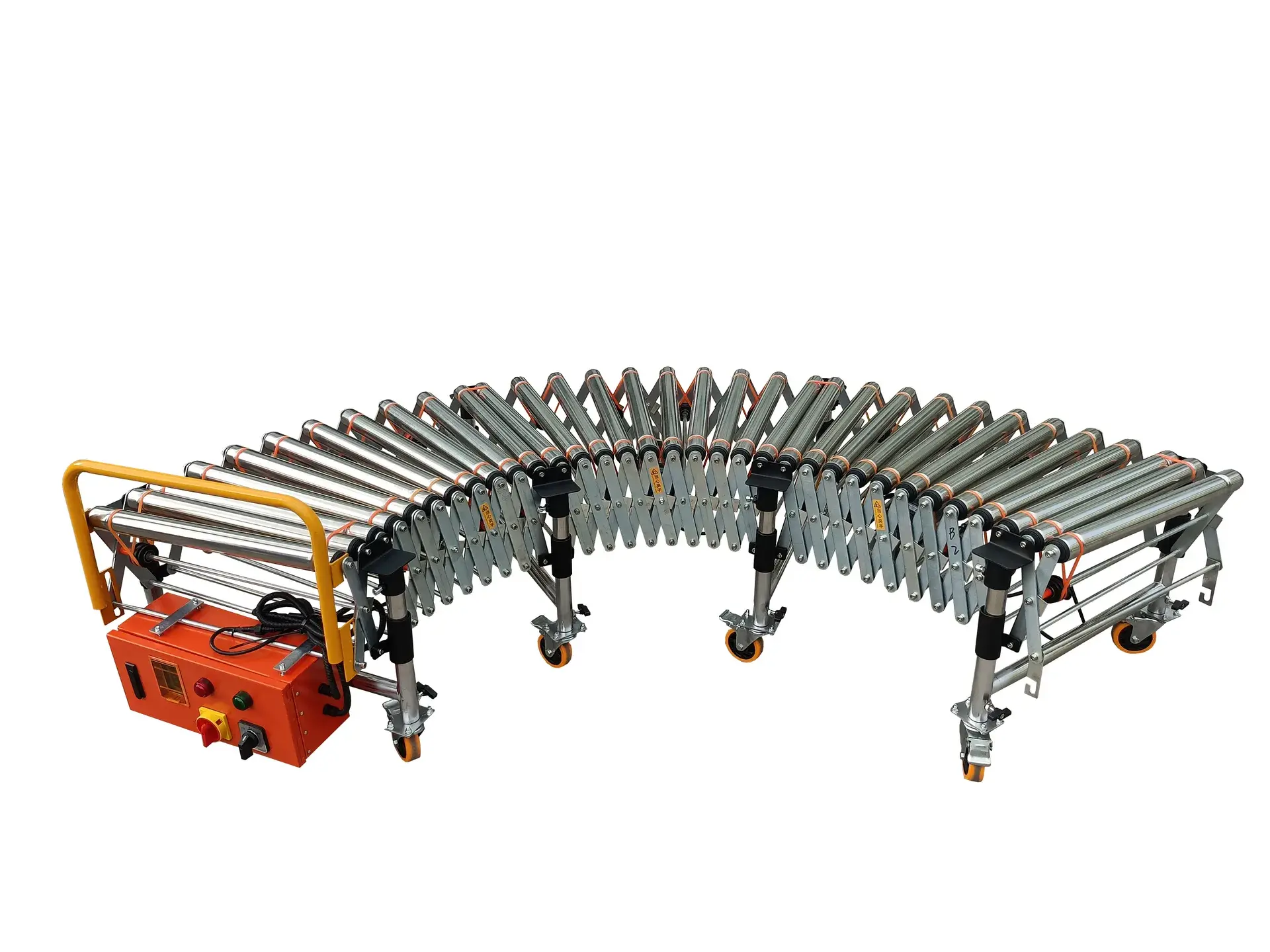
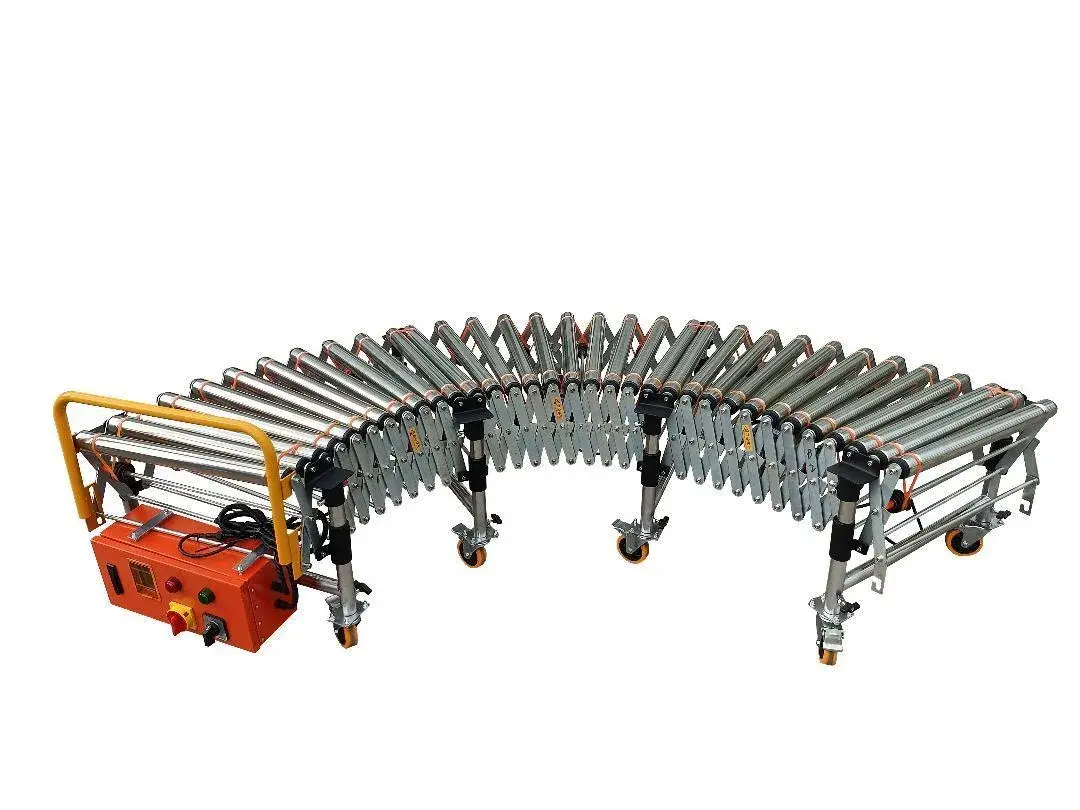
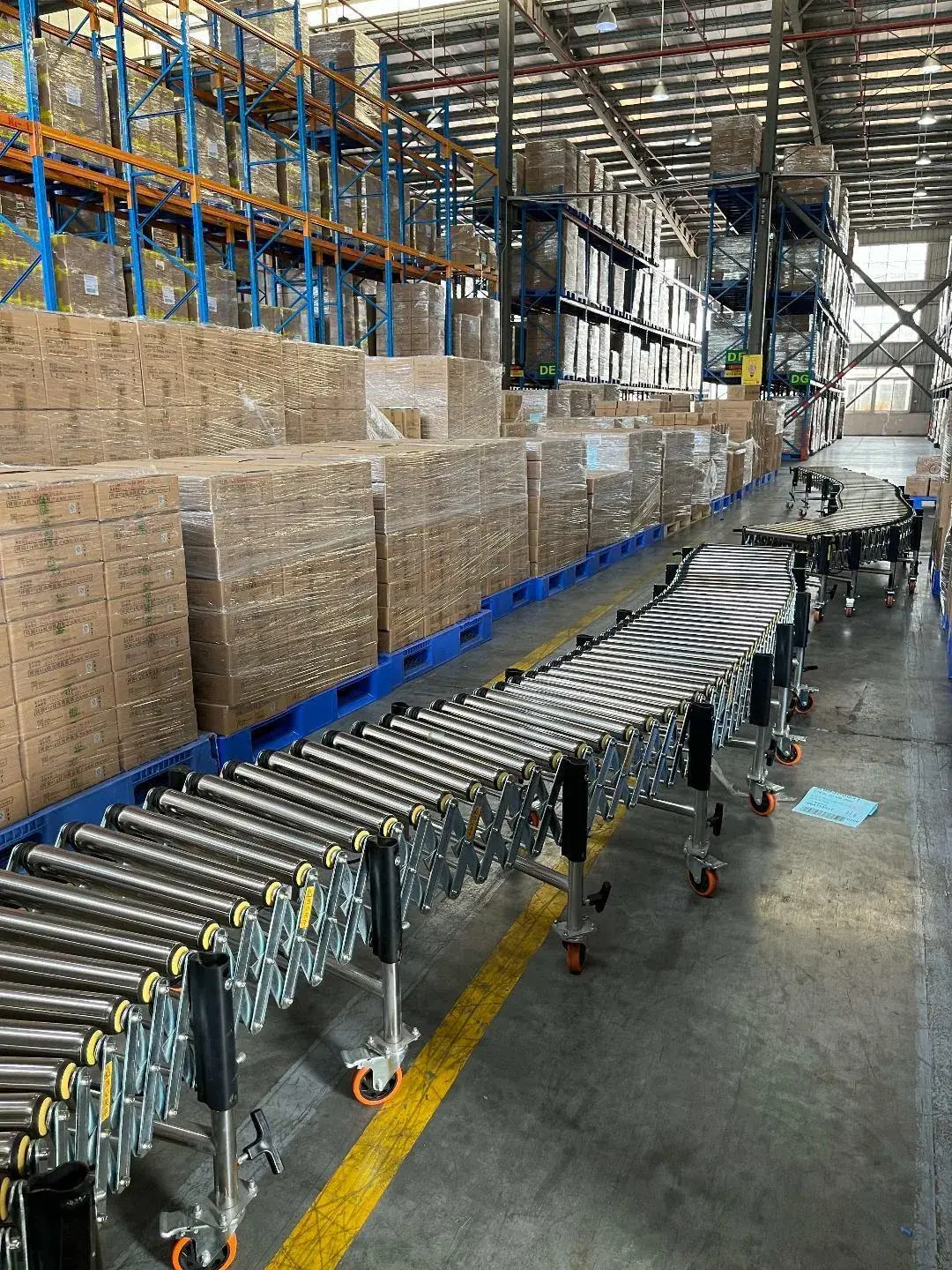
Naili Conveyor Powered Roller Conveyor lines are designed to meet the needs of upgraded material flow between processes in factory workshops, accommodating cartons, pallets, heavy complete items, semi-finished products, and other materials. They can be used for workstation loading and unloading, process handoffs, cross-area transfer, and finished-product collection and warehousing, helping materials move automatically according to the production rhythm while reducing waiting and accumulation caused by repeated handling.
For workshops with tight production schedules and numerous processes, the value of this type of equipment goes beyond simply "transporting" materials. It connects dispersed workstations, enabling stable coordination between upstream and downstream processes and preventing transfer delays from slowing down the entire production line.
The structural configuration is designed around stable conveying and heavy-load requirements.
To address common problems such as conveyor misalignment, slipping, jamming, insufficient load capacity, excessive noise, and poor adaptability, Naili Conveyor adopts a tiered configuration approach. Thickened seamless rollers increase load capacity and are less prone to deformation, while light-, medium-, and heavy-duty configurations make it easier to accommodate materials of different weights and types.
The equipment also supports switching between two drive modes. Rubber-covered drive is more suitable for quiet, smooth conveying, while chain drive is better suited to heavy-load applications. This configuration is intended to keep the equipment running stably under different operating conditions, reduce problems such as material jams, shifting, and slipping, and support high-frequency continuous production in factories operating 24 hours a day.
Customized solutions make it easier to adapt to different factory layouts.
Powered Roller Conveyor lines are not fixed, template-based equipment; they can be customized according to actual workshop operating conditions. They support customized dimensions, layouts, functions, and intelligent features, and can also be equipped as needed with sensor-based start/stop control, intelligent speed regulation, limit stops, safety guards, and anti-misalignment structures.
In terms of layout, the equipment can accommodate straight-line, curved, lifting, and multi-level configurations, making it suitable for upgrades to old workshops, irregular factories, and non-standard production lines. It has limited impact on the existing production layout, making it convenient to upgrade internal logistics without major changes to the factory structure.
A complete implementation process from site survey to installation
For this type of equipment to be successfully implemented, it is generally not enough to focus only on the product itself; on-site execution is also important. Naili Conveyor provides end-to-end support covering site surveys, solution design, production, installation, and maintenance, making it easier to complete matching and deployment according to site conditions.
Once a Powered Roller Conveyor line enters actual production, it can help eliminate logistics bottlenecks in the workshop, streamline process transfers, and reduce semi-finished product accumulation, workstation downtime, and production disconnects. This makes the production rhythm more stable, improves equipment utilization, and facilitates the automation of internal workshop logistics.