Naili Conveyor
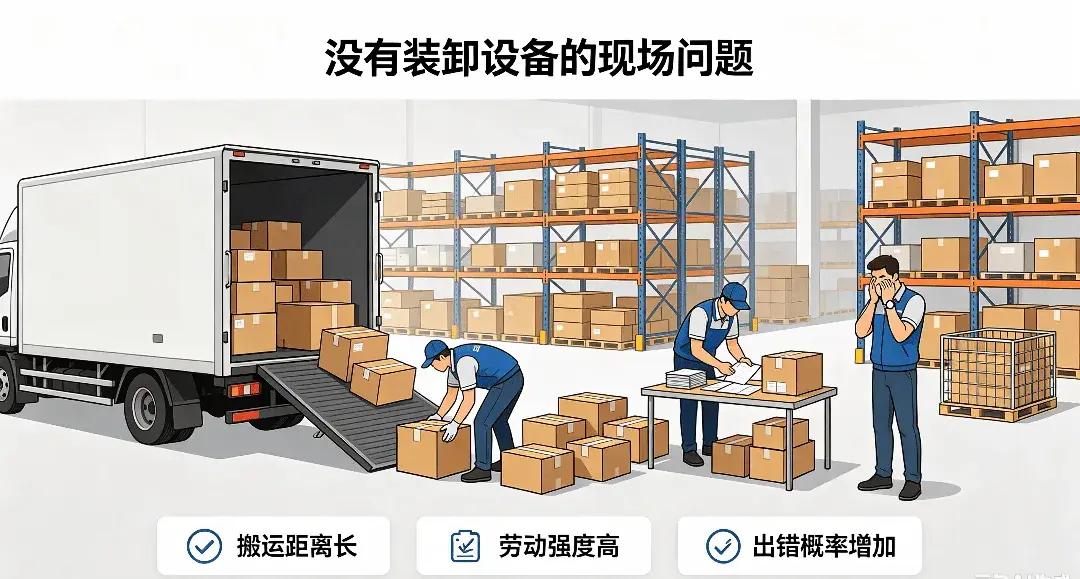
For many manufacturing plants and small- and medium-sized warehouses, the lack of a standardized loading dock can directly affect goods turnover. After a truck is parked, there is often a significant height difference between the cargo compartment and the ground. Relying on manual handling is not only time-consuming and labor-intensive, but also creates greater pressure when recruiting and managing handling personnel.
If a company wants to advance automation upgrades, fixed conveyor lines may also bring problems such as large floor space requirements and high investment in civil works modifications. When loading and unloading positions or warehouse workflows change, the reusability of fixed equipment is also limited.
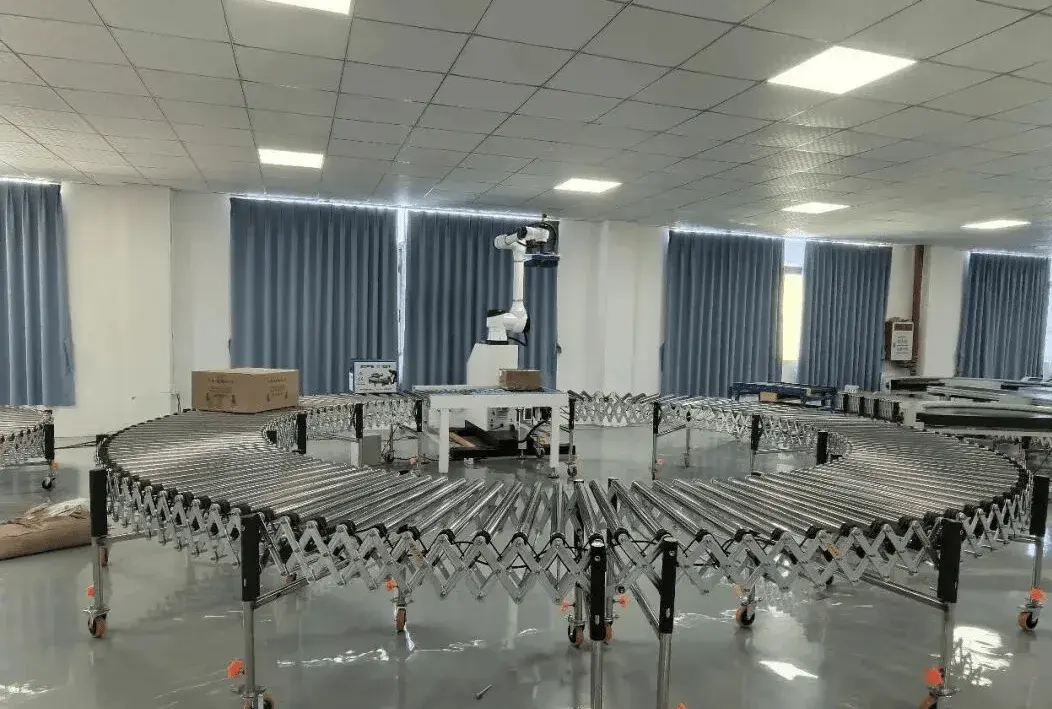
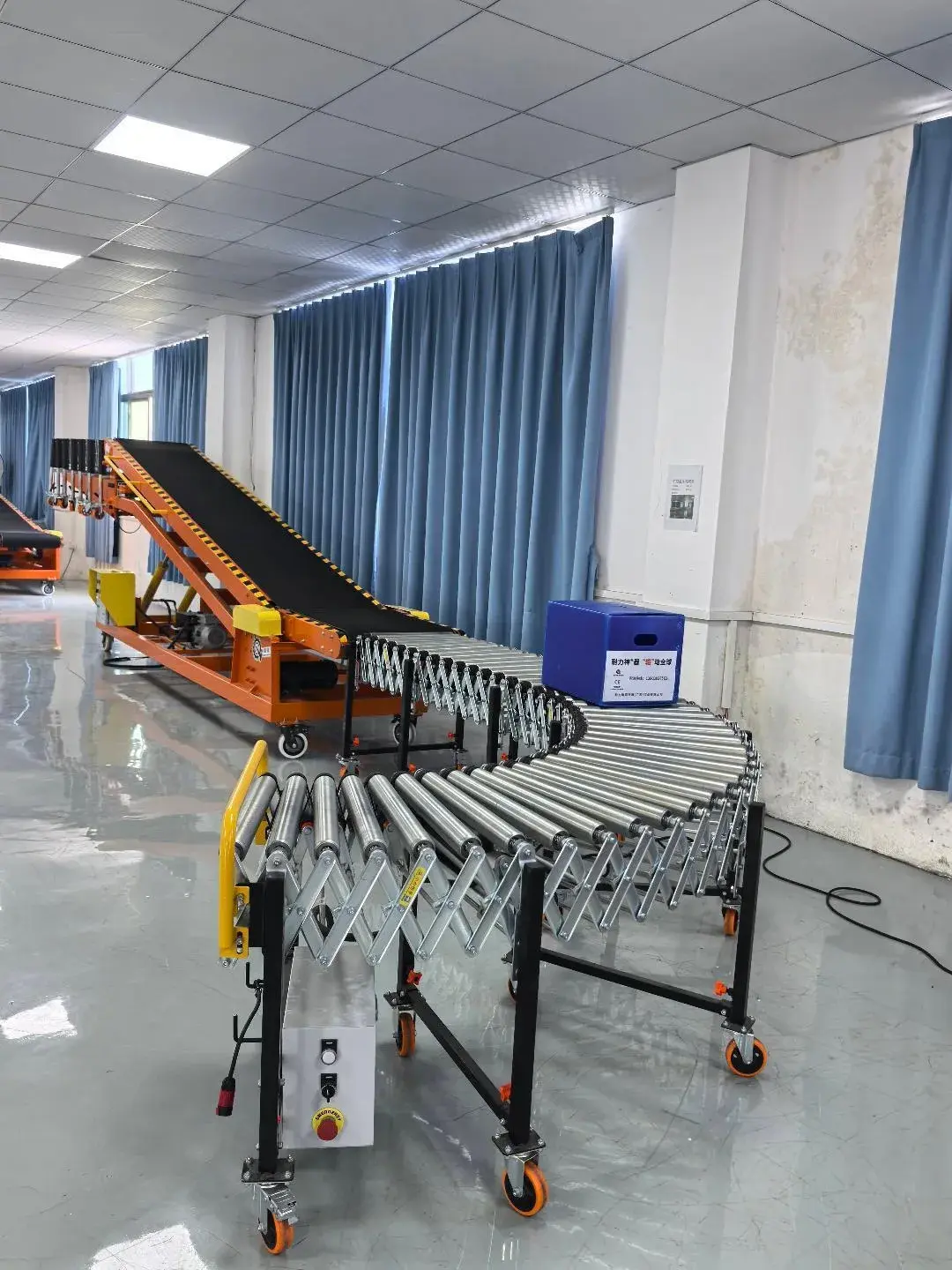
Flexible telescopic roller conveyors are suitable for dockless loading and unloading
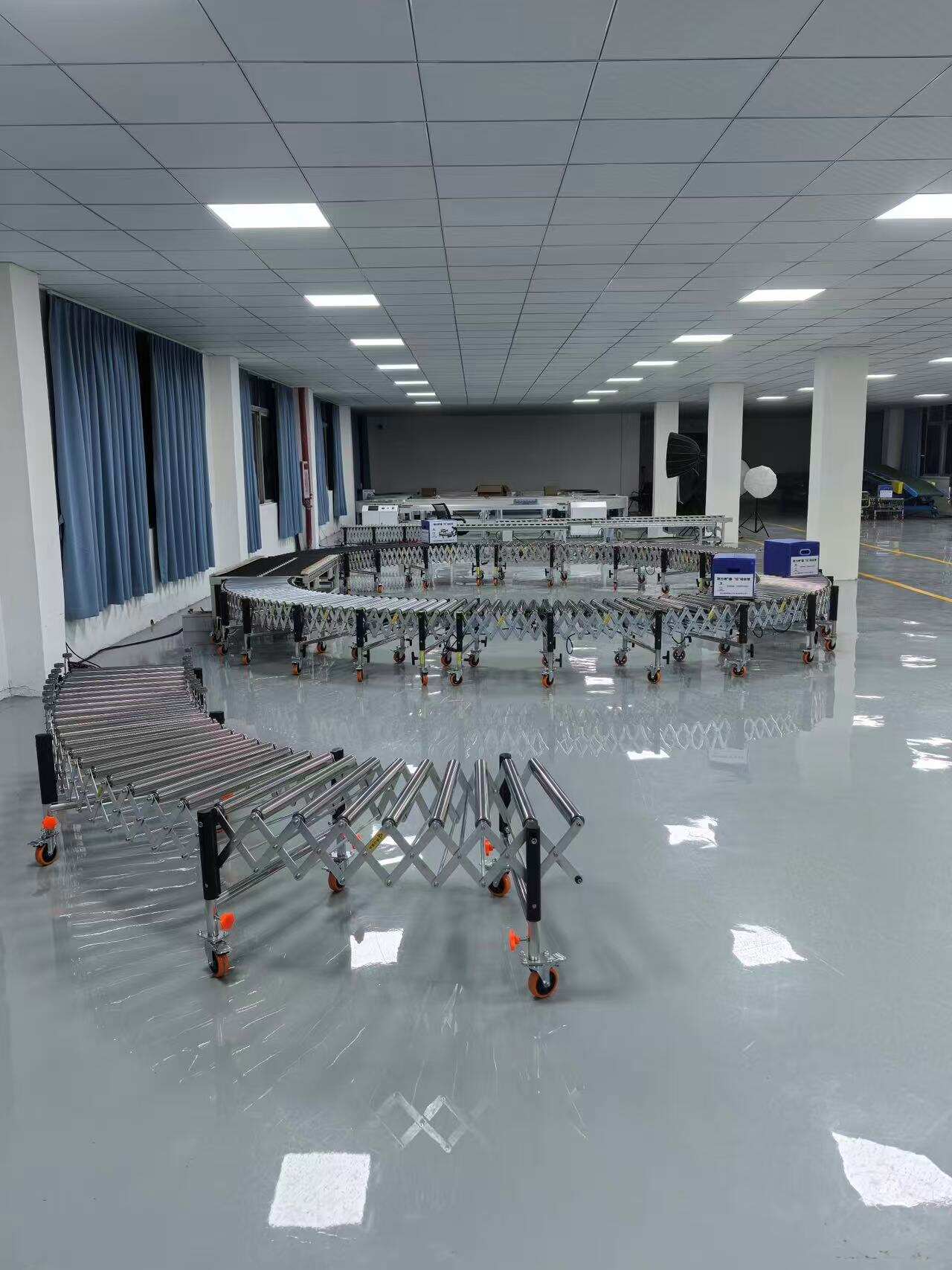
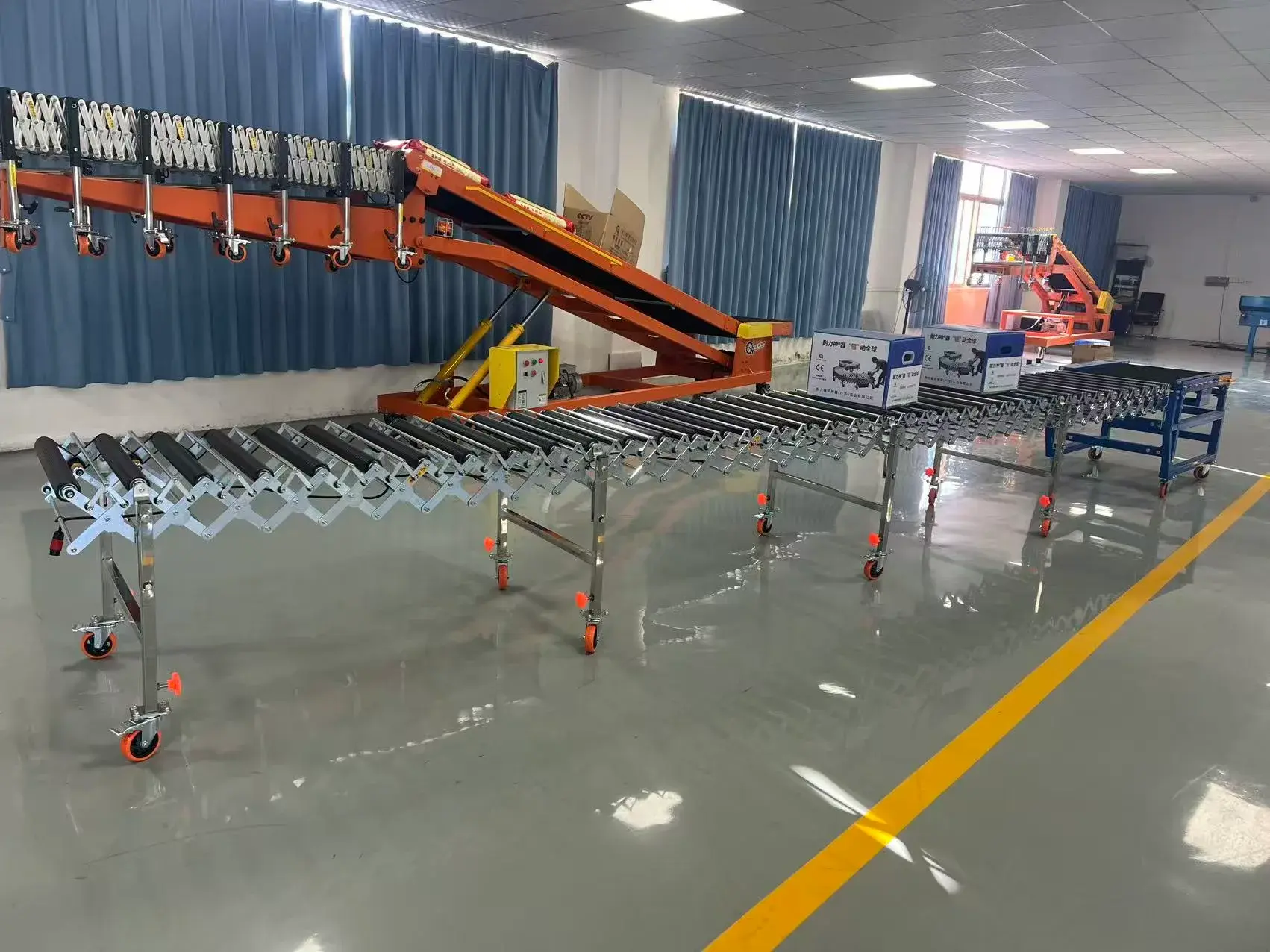
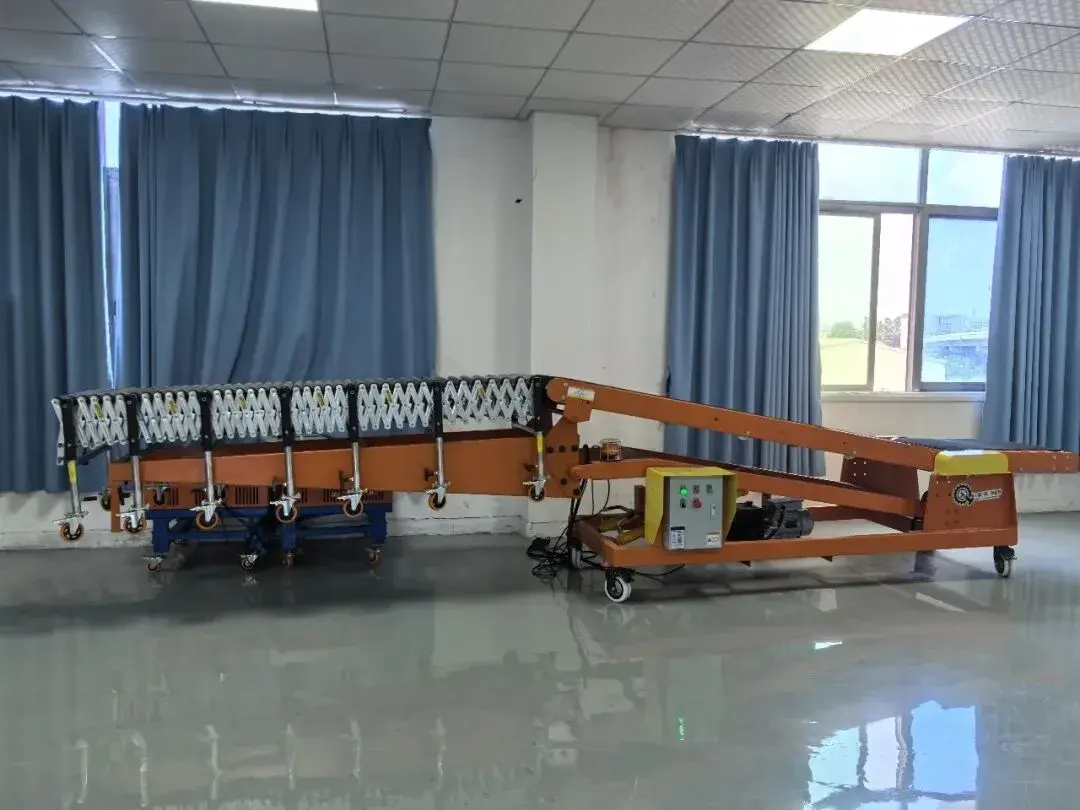
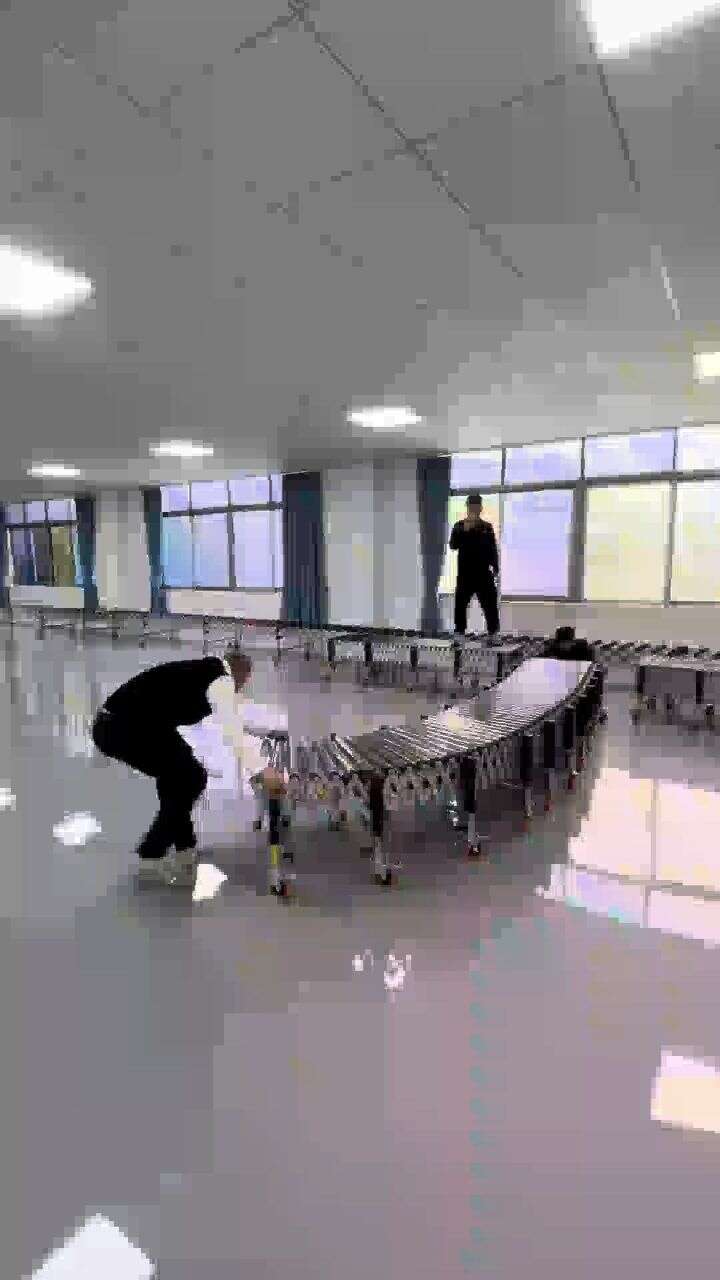
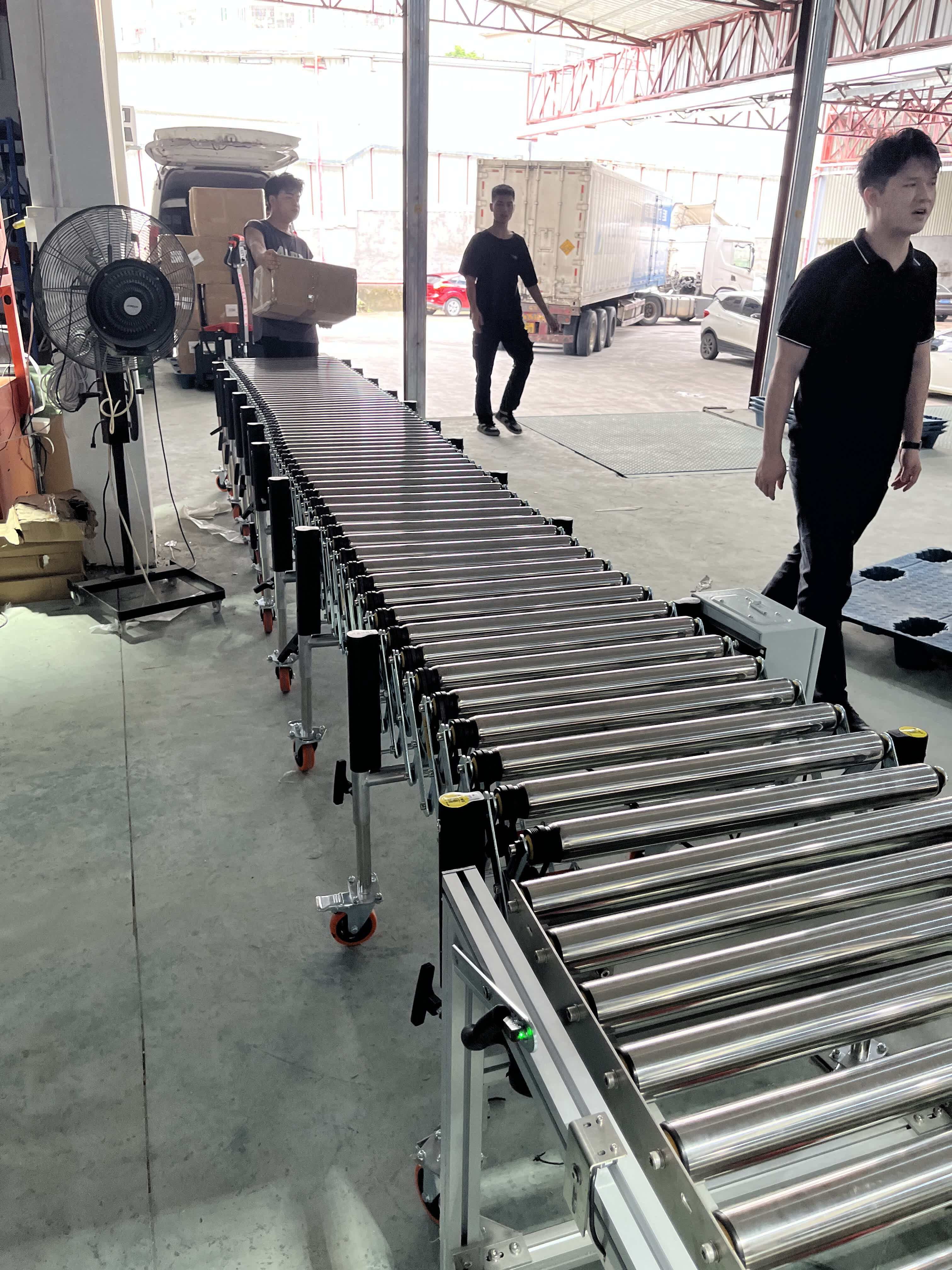
Flexible telescopic roller conveyors can be extended according to the loading and unloading position and directly reach into the truck bed, forming a continuous conveying channel between the warehouse and the truck. Goods can be transferred along the conveyor line, reducing intermediate floor contact and repeated handling.
When the equipment is idle, it can be retracted, taking up less space; after universal brake casters are installed at the bottom, it can also be moved and used between different loading and unloading points. This retractable and movable structure helps companies promote lightweight automation upgrades without large-scale infrastructure modifications.
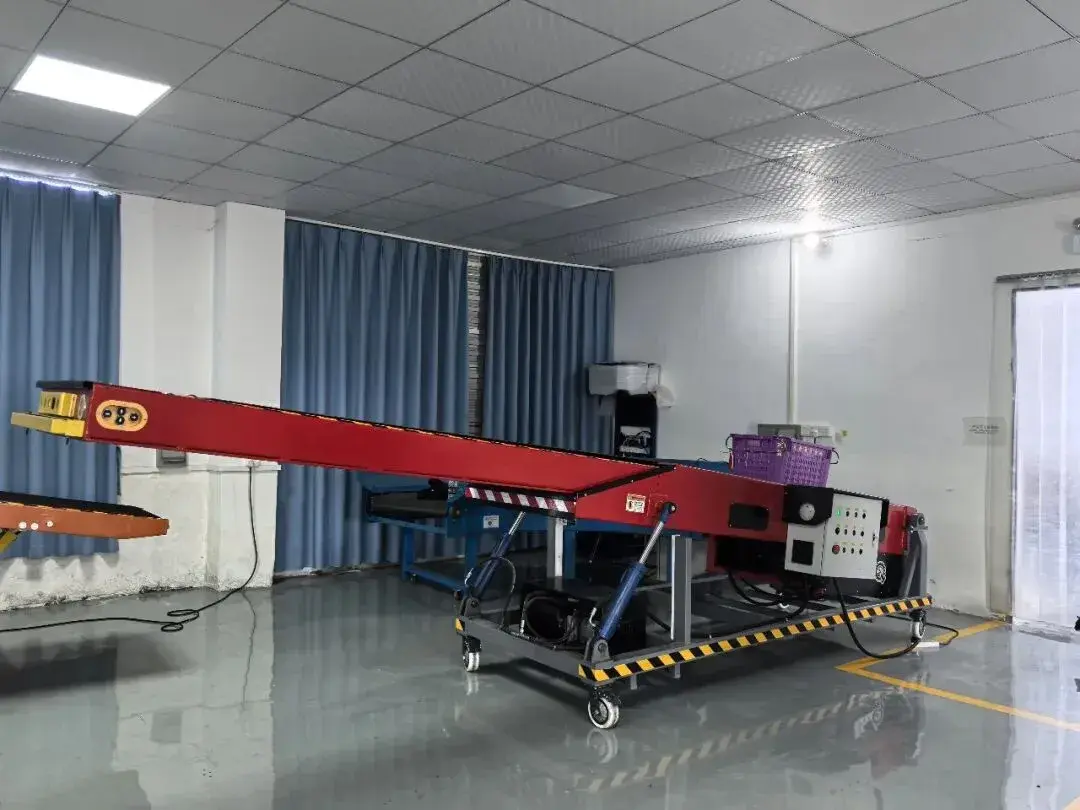
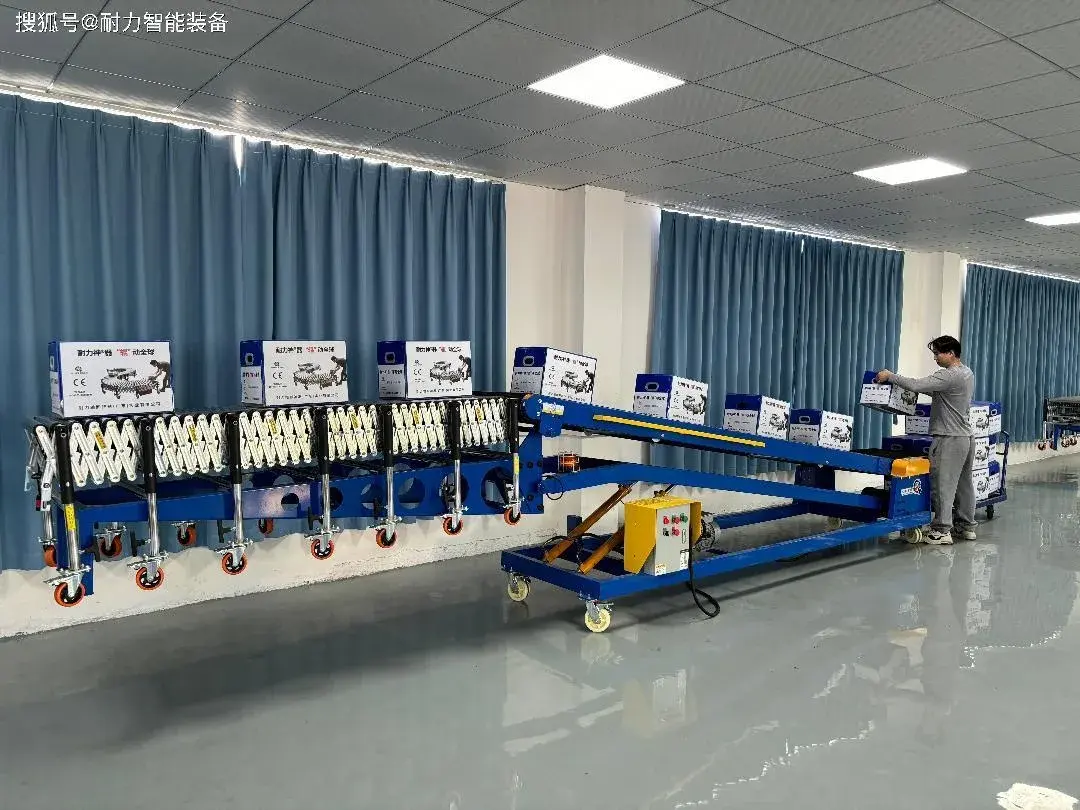
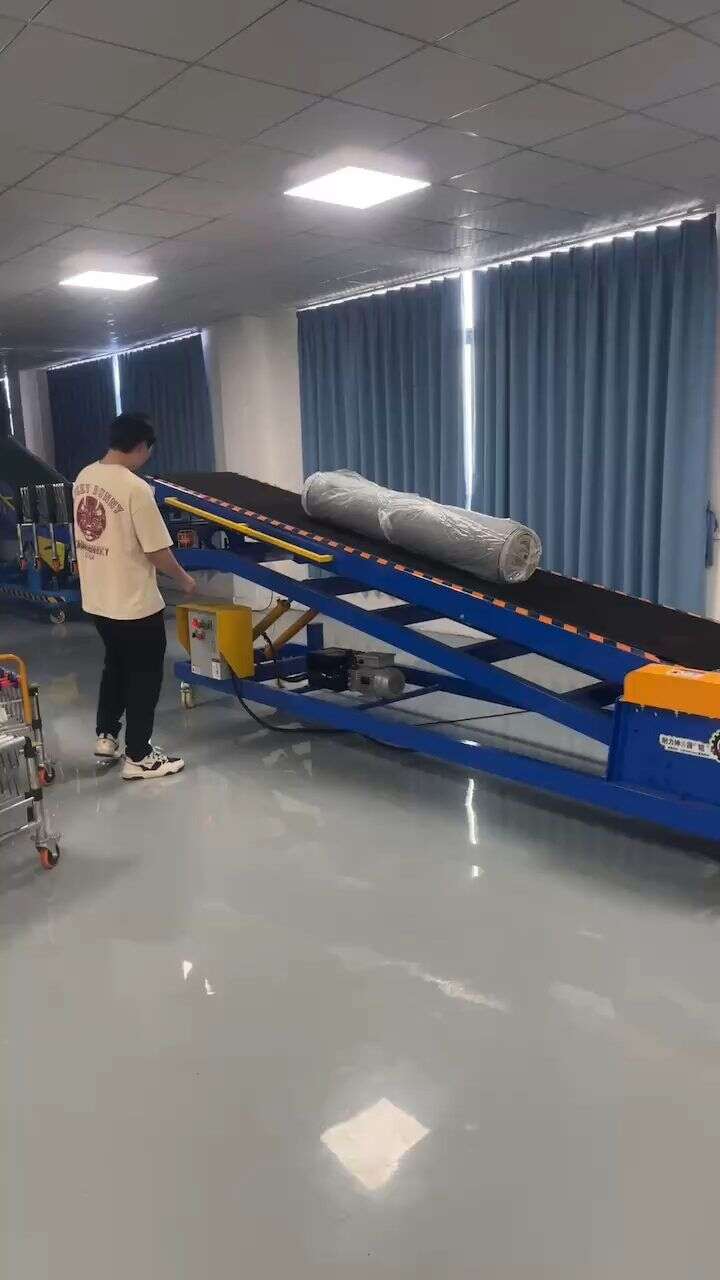
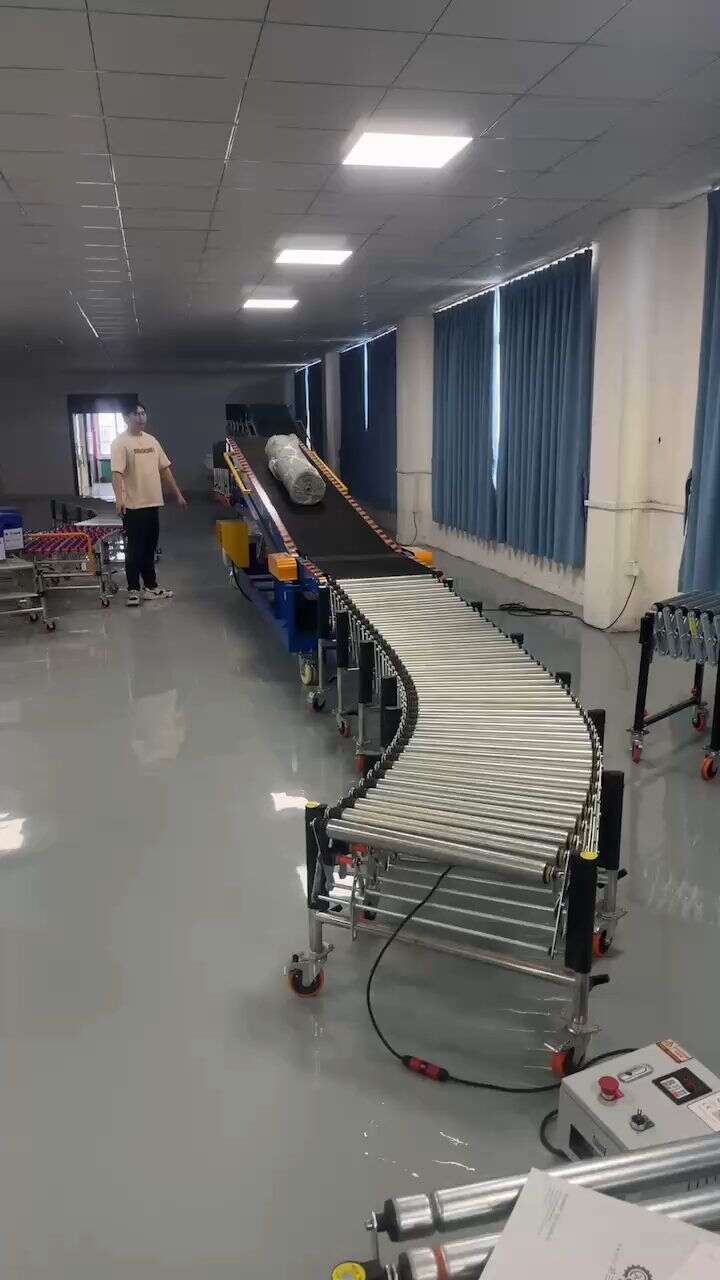
Using a incline conveyor to handle the height difference in the truck bed
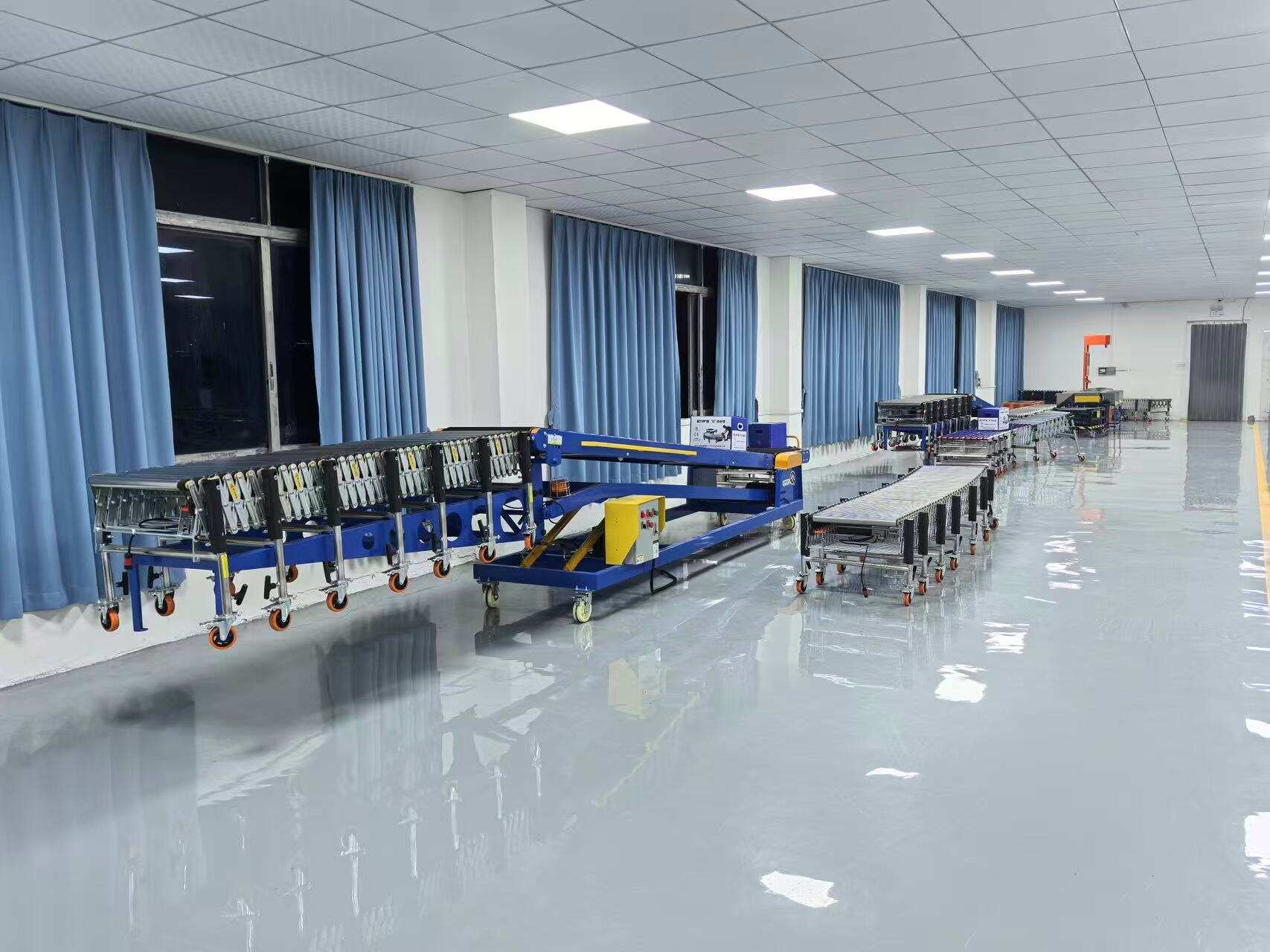
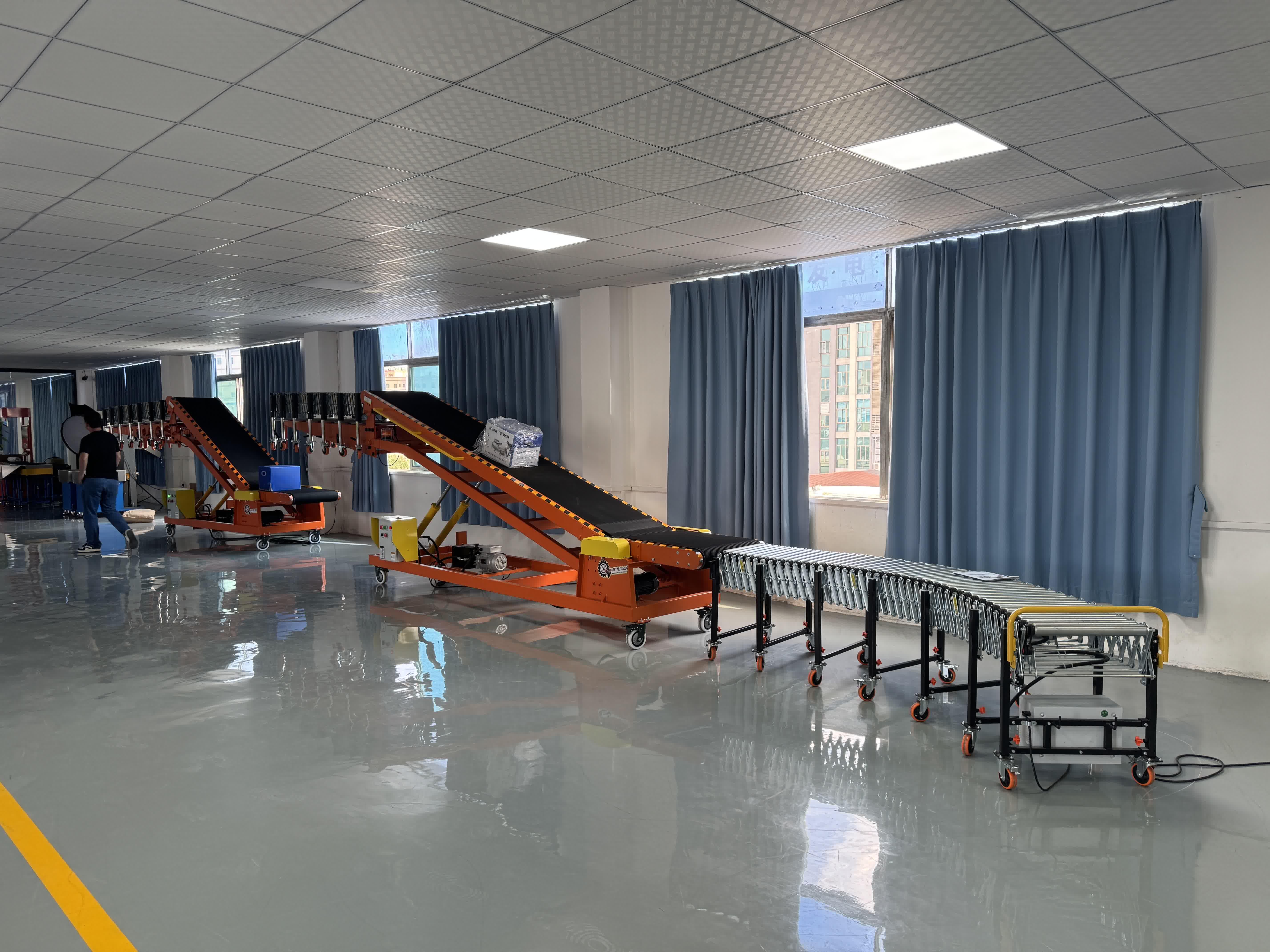
To address the height difference between the ground and the truck bed, the telescopic roller line can also be used in combination with a incline conveyor to improve conveying continuity during loading and unloading. This solution can be used for a variety of vehicle types such as box trucks and containers, and the specific equipment combination should be determined based on on-site loading and unloading conditions.
Custom conveyor equipment based on cargo and site conditions
Different industries vary significantly in cargo size, load capacity, and operating environment. Standardized equipment may not fully match actual working conditions, so the demand for non-standard custom conveyor equipment continues to grow.
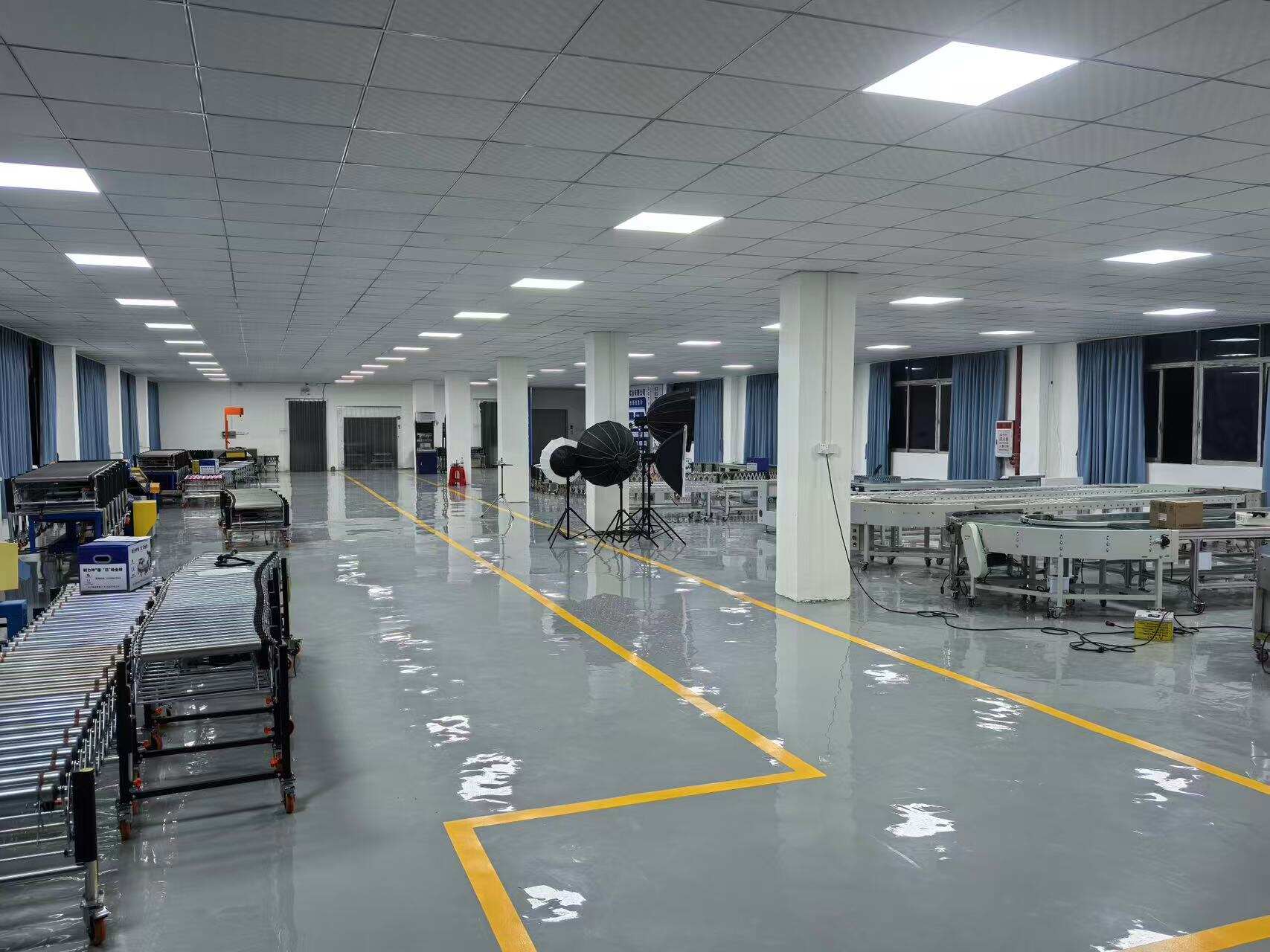
Naili Unloading Artifact (Guangdong) Industrial Co., Ltd. has long focused on the customization of conveying equipment such as telescopic roller conveyors and incline conveyors, and can adjust equipment solutions according to site dimensions, cargo type, voltage specifications, and application scenarios. Based in Dalang, Dongguan, the company serves major factories across China and also undertakes overseas projects in Southeast Asia, Hong Kong, China, and other regions.