Naili Conveyor

In recent years, the digital transformation of logistics and warehousing has continued to advance, with WMS management systems, automated sorting lines, and AGV robots entering various industrial parks in large numbers. Many companies are also continuing to invest to bring inbound storage, sorting, outbound shipping, and other processes closer to end-to-end intelligent operation.
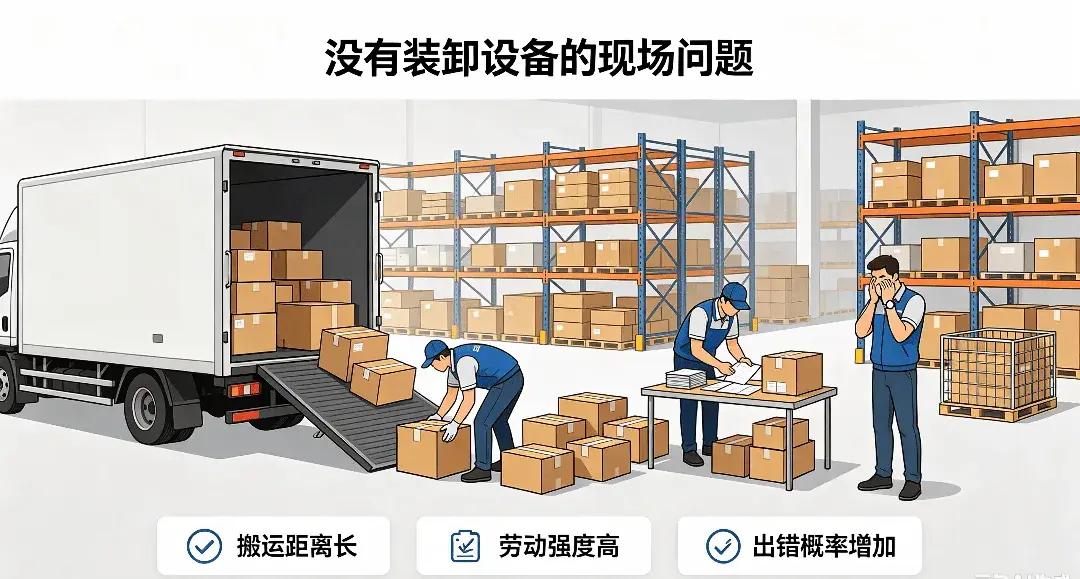
Warehouse automation has improved efficiency, but loading and unloading often remains a bottleneck
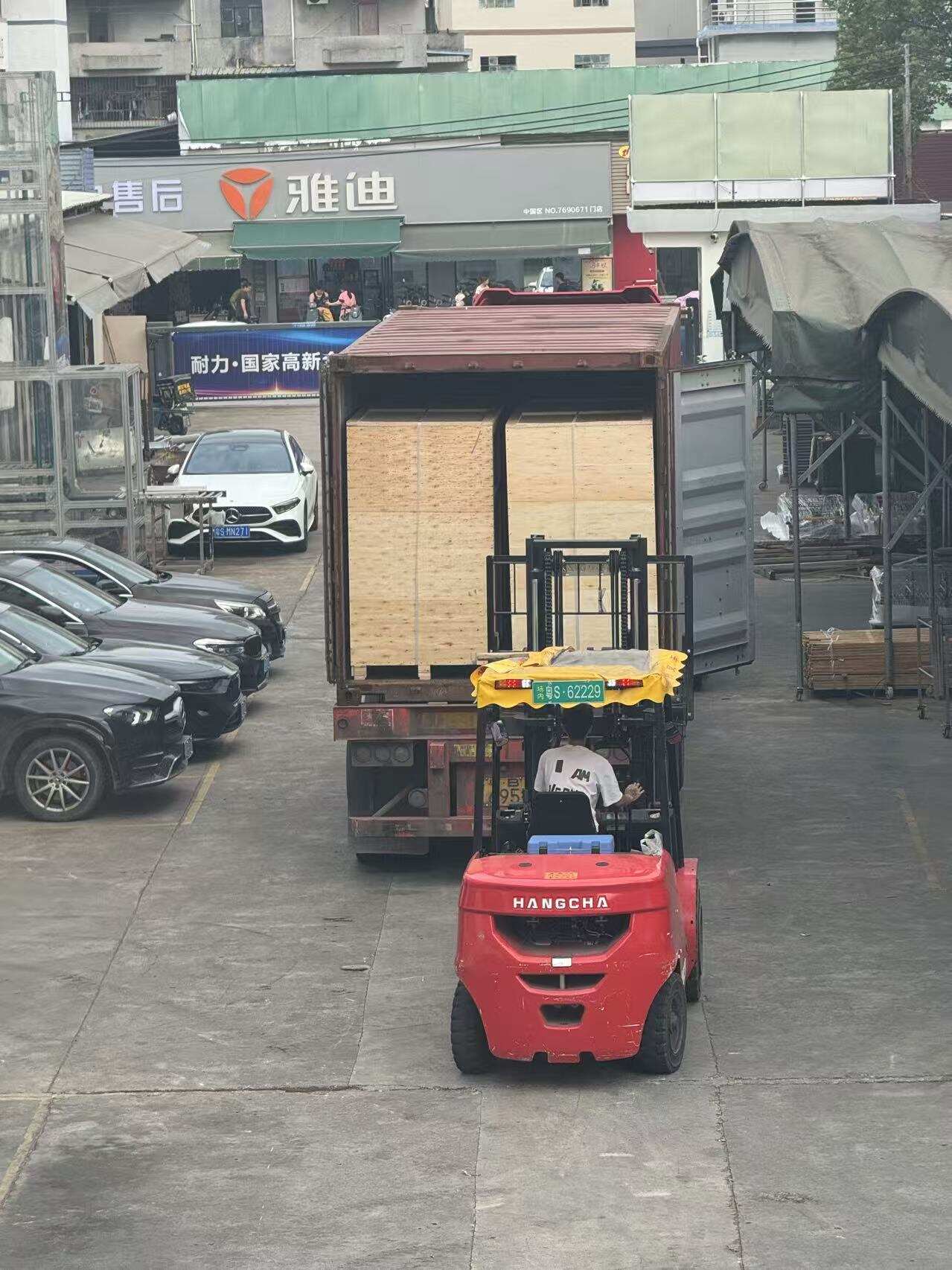
The actual conditions at many factories, e-commerce warehouses, and logistics outlets in the Greater Bay Area show that warehouse interiors are becoming increasingly automated, while truck loading and unloading still relies heavily on manual handling. Supply chain efficiency often breaks down at this point.
Hiring is difficult, handling personnel turnover is high, and manual loading and unloading can easily cause goods to be bumped and damaged. The cost of temporary hiring also rises significantly during peak seasons. For many small and medium-sized warehousing companies, large-scale construction of fully automated loading and unloading docks requires substantial investment and a long construction period, making implementation difficult.
Light automation equipment has therefore become a more practical choice
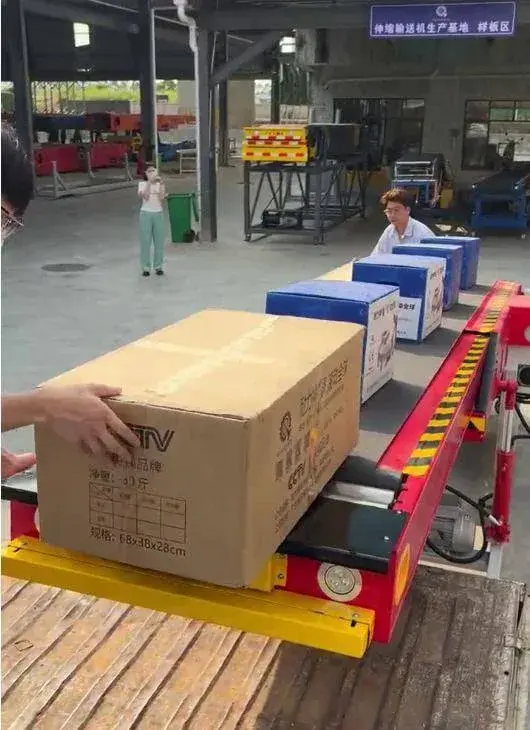
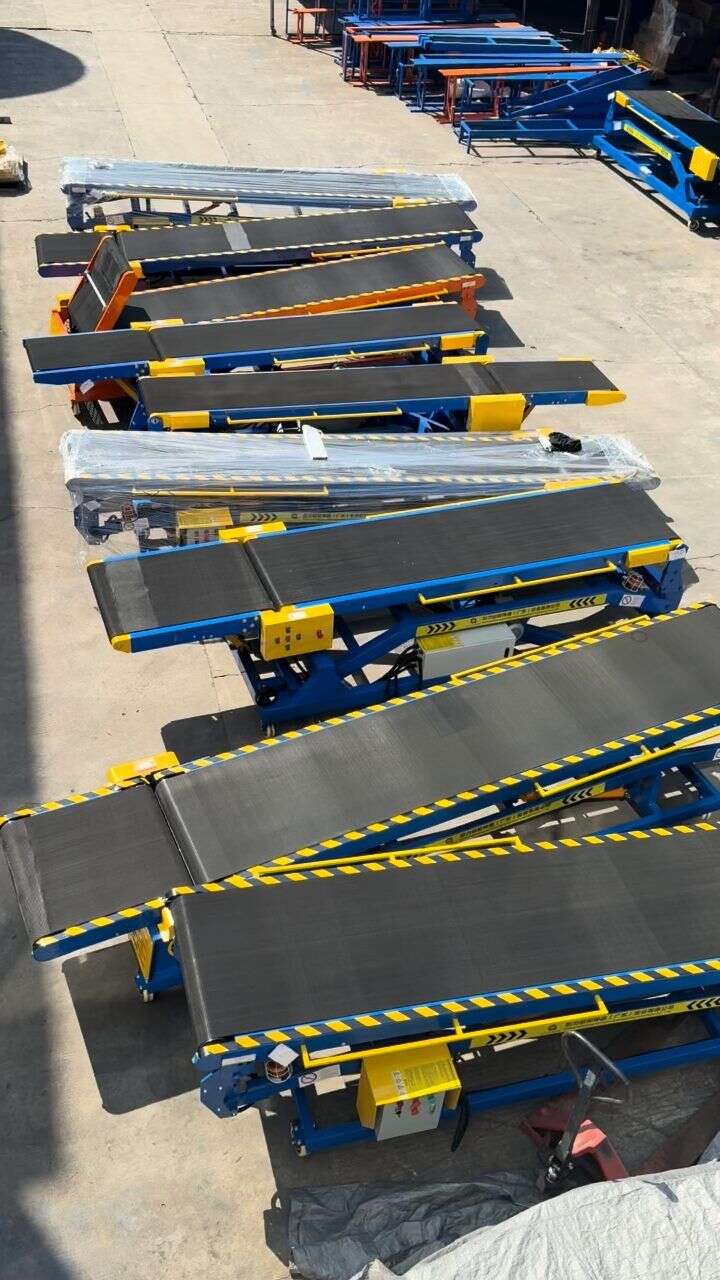
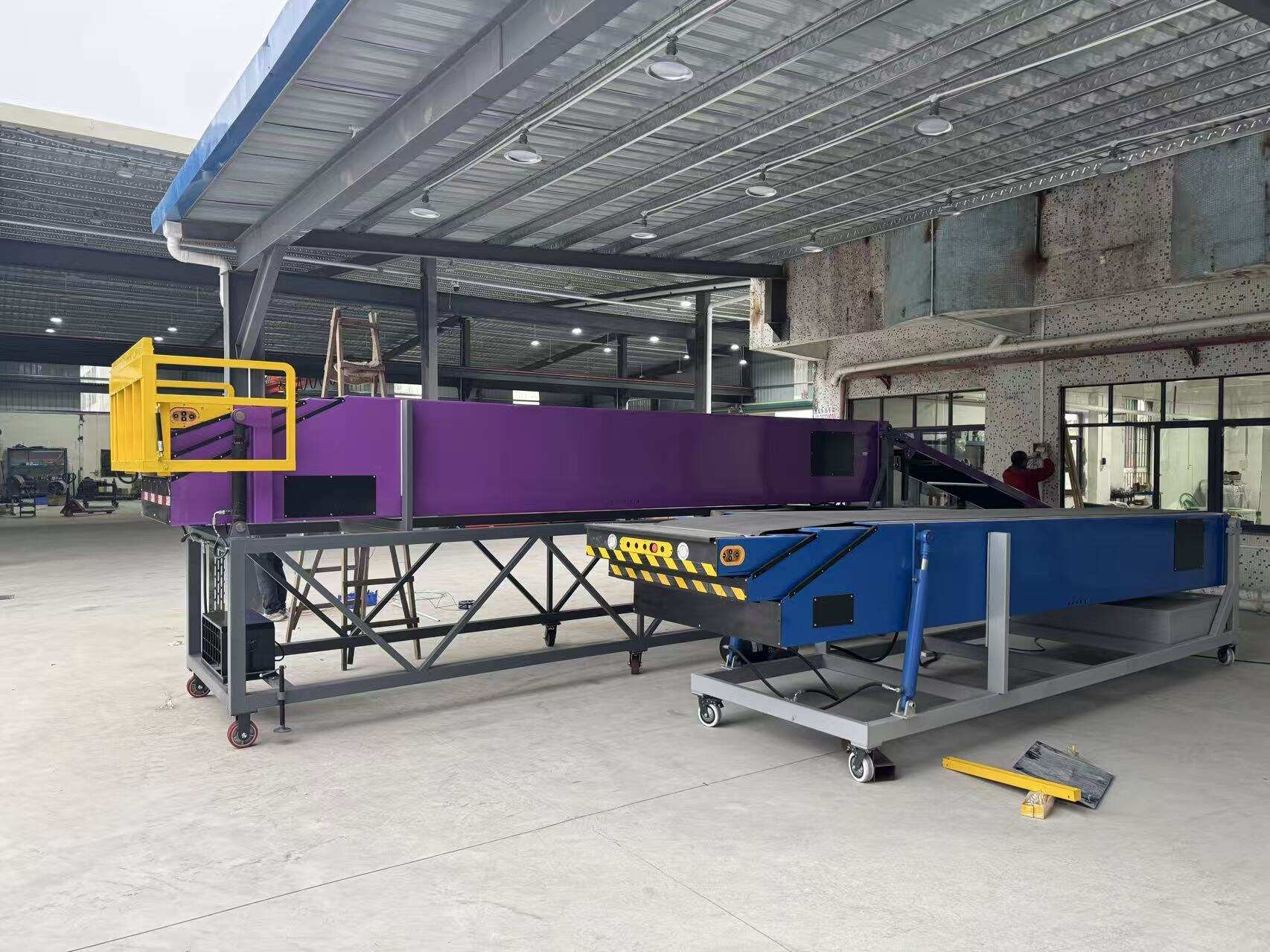
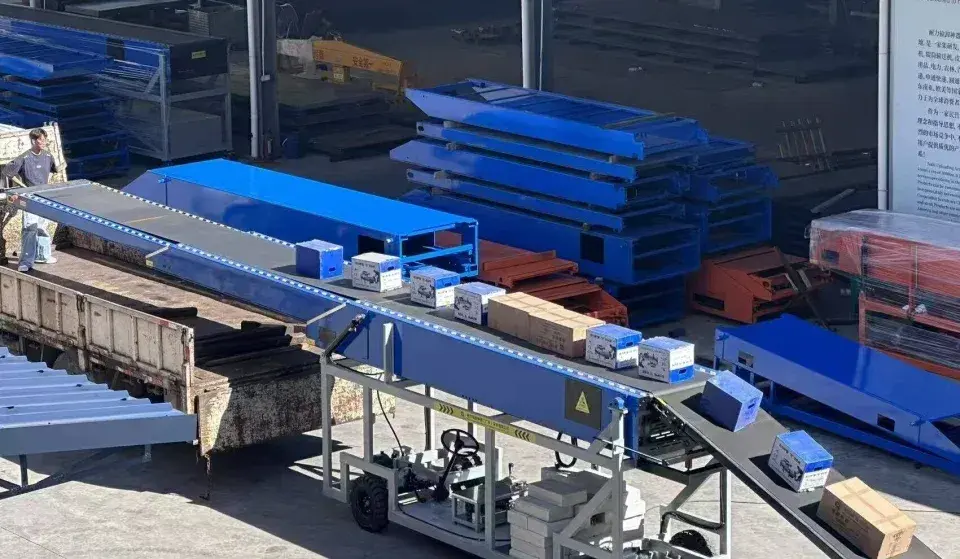
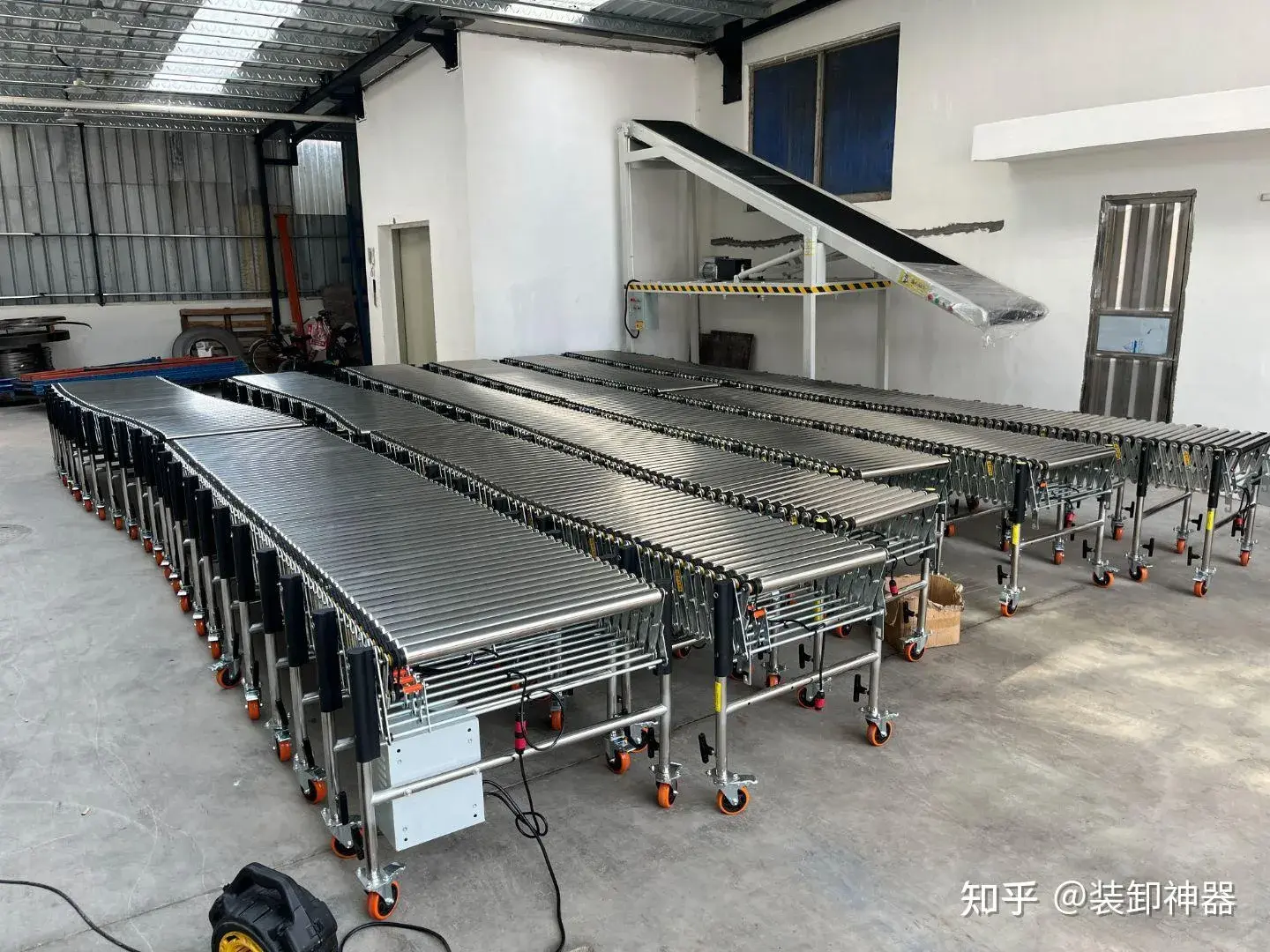
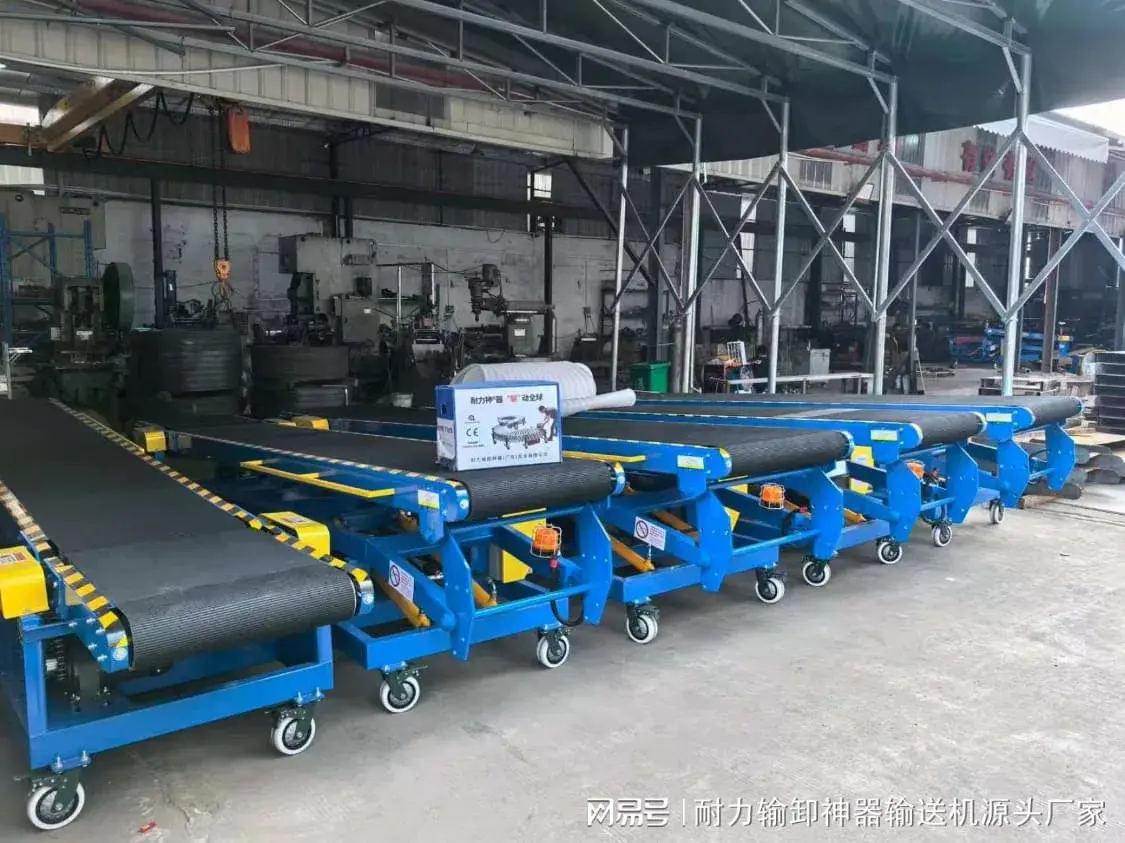
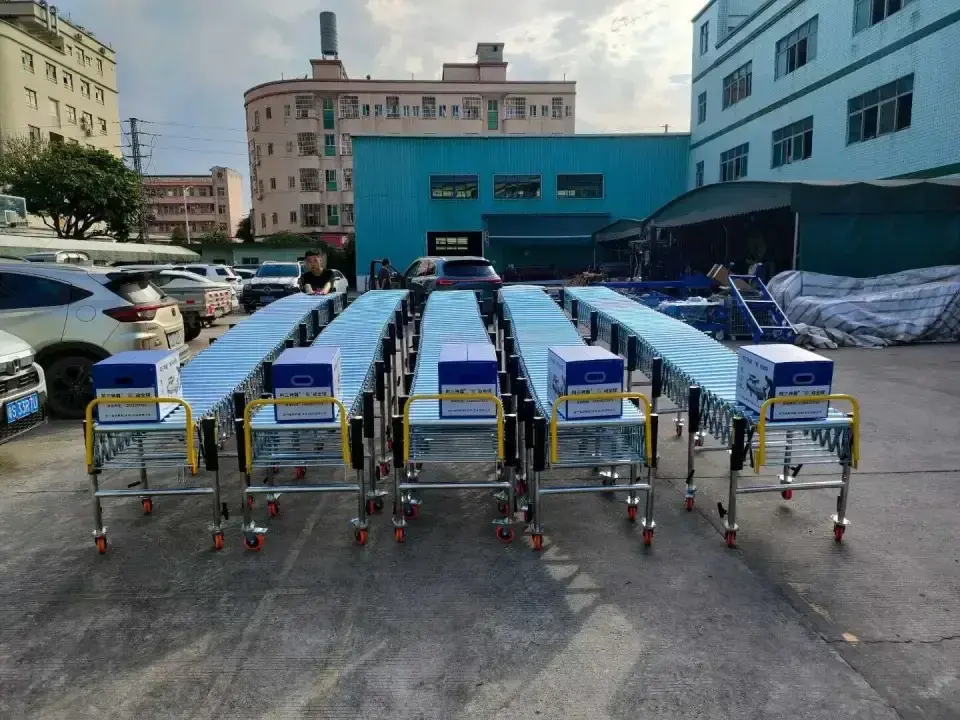
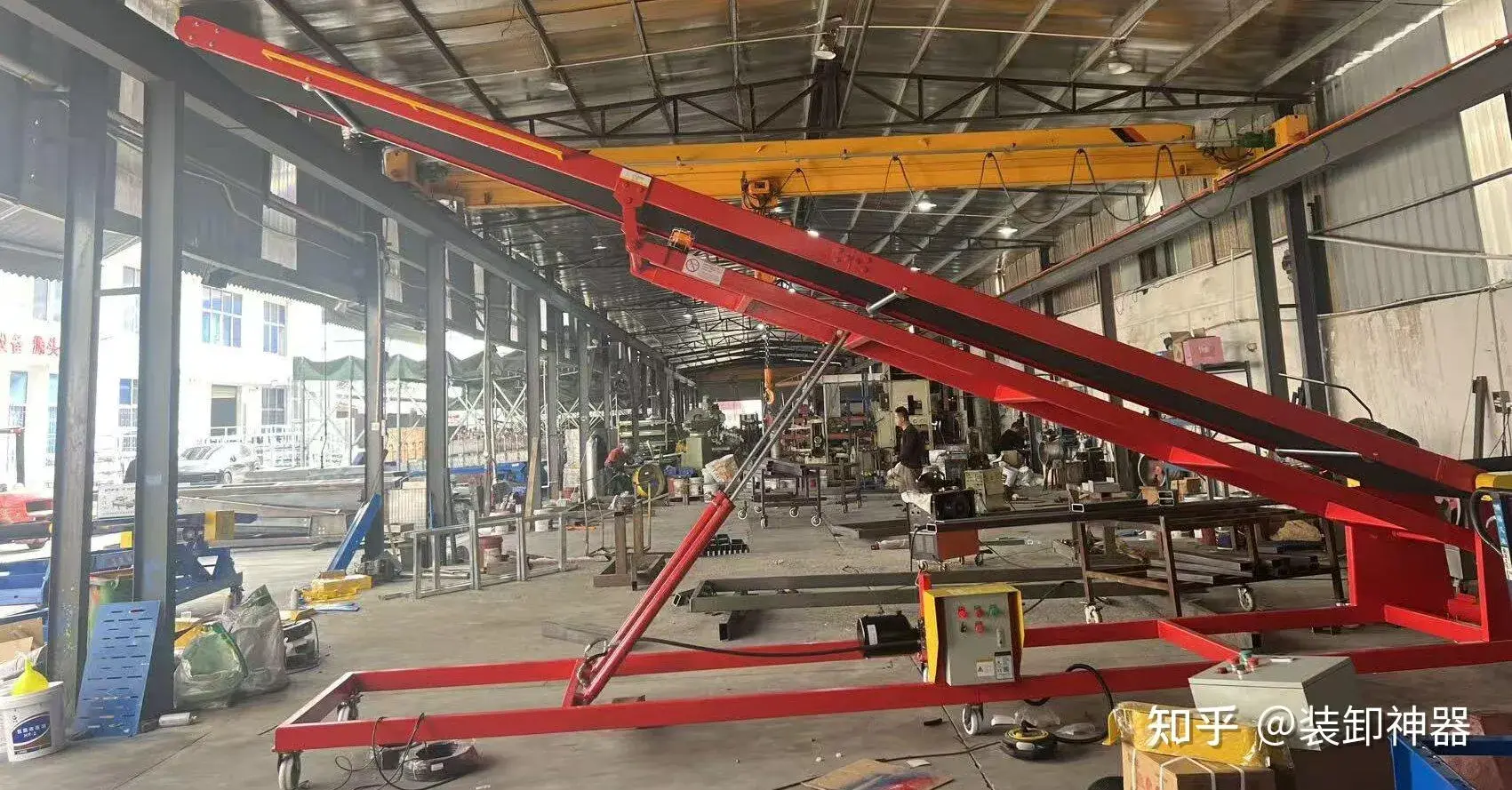
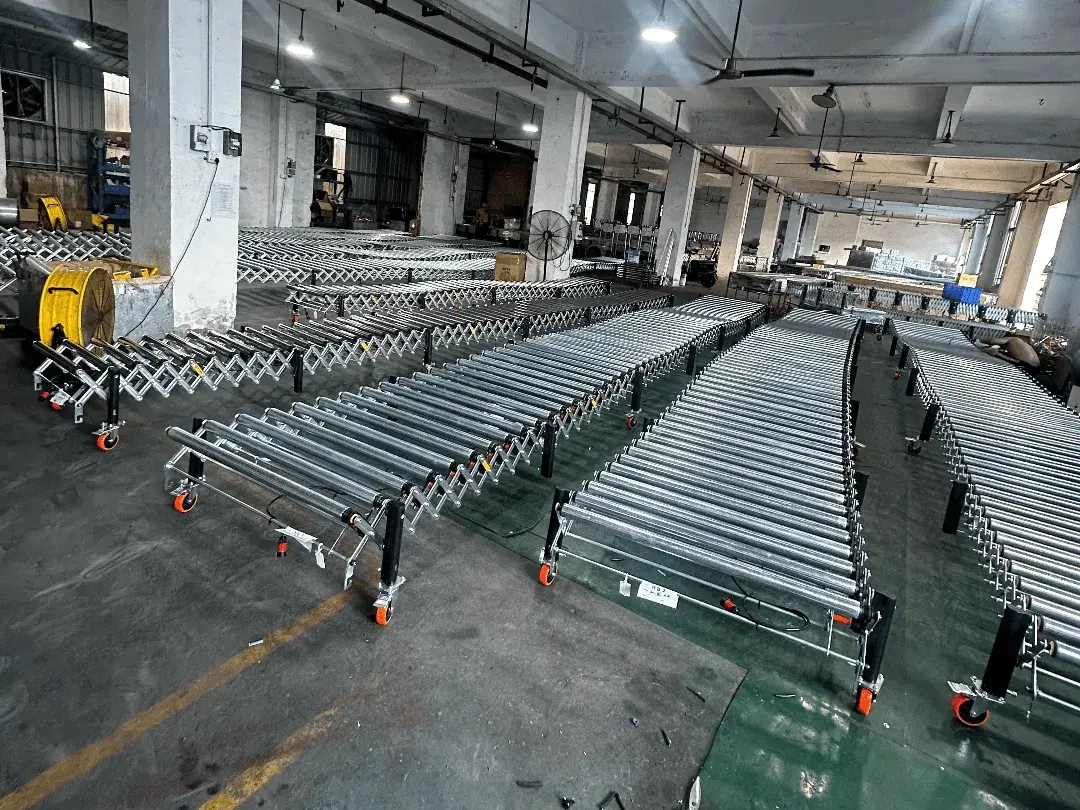
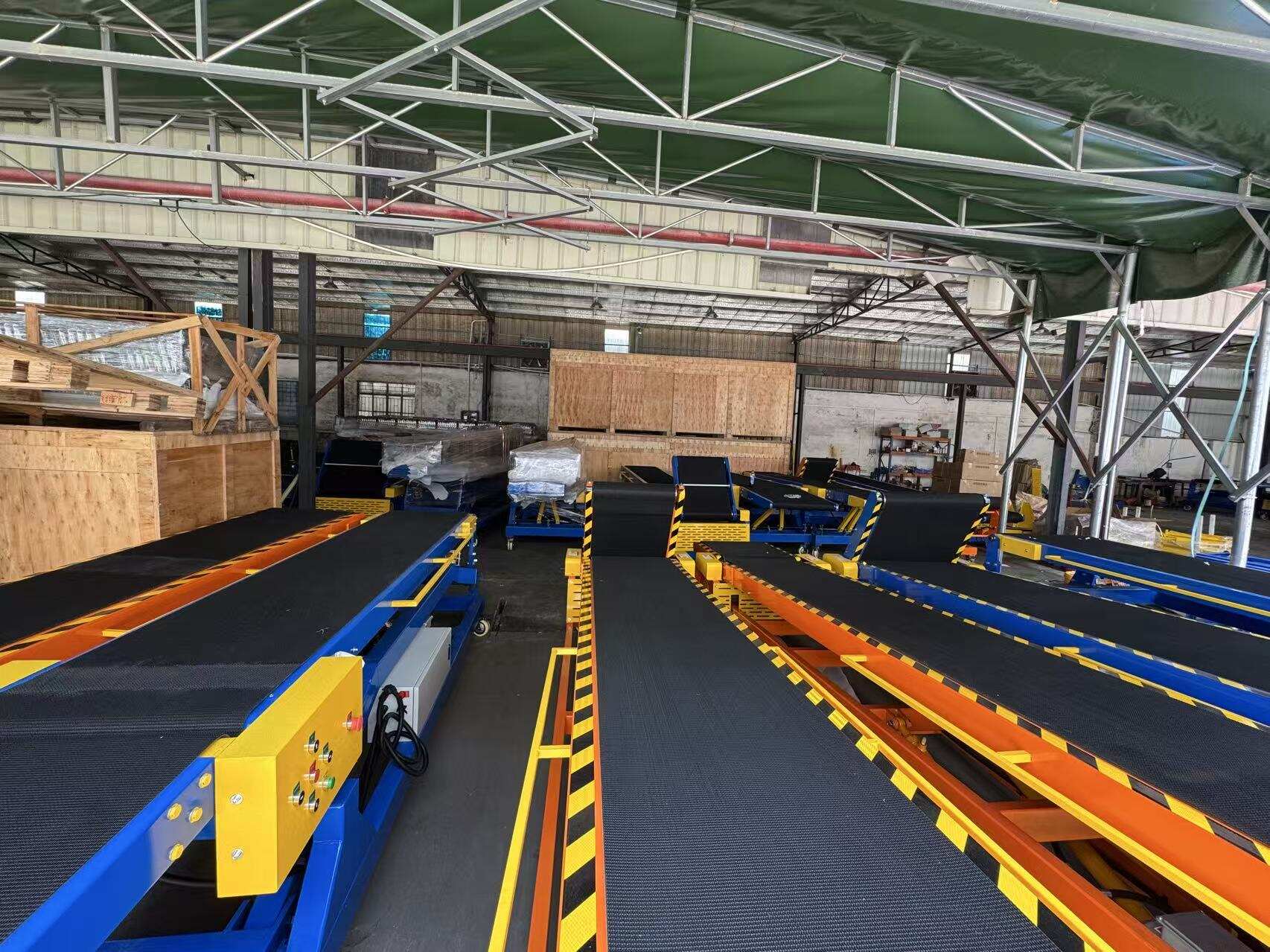
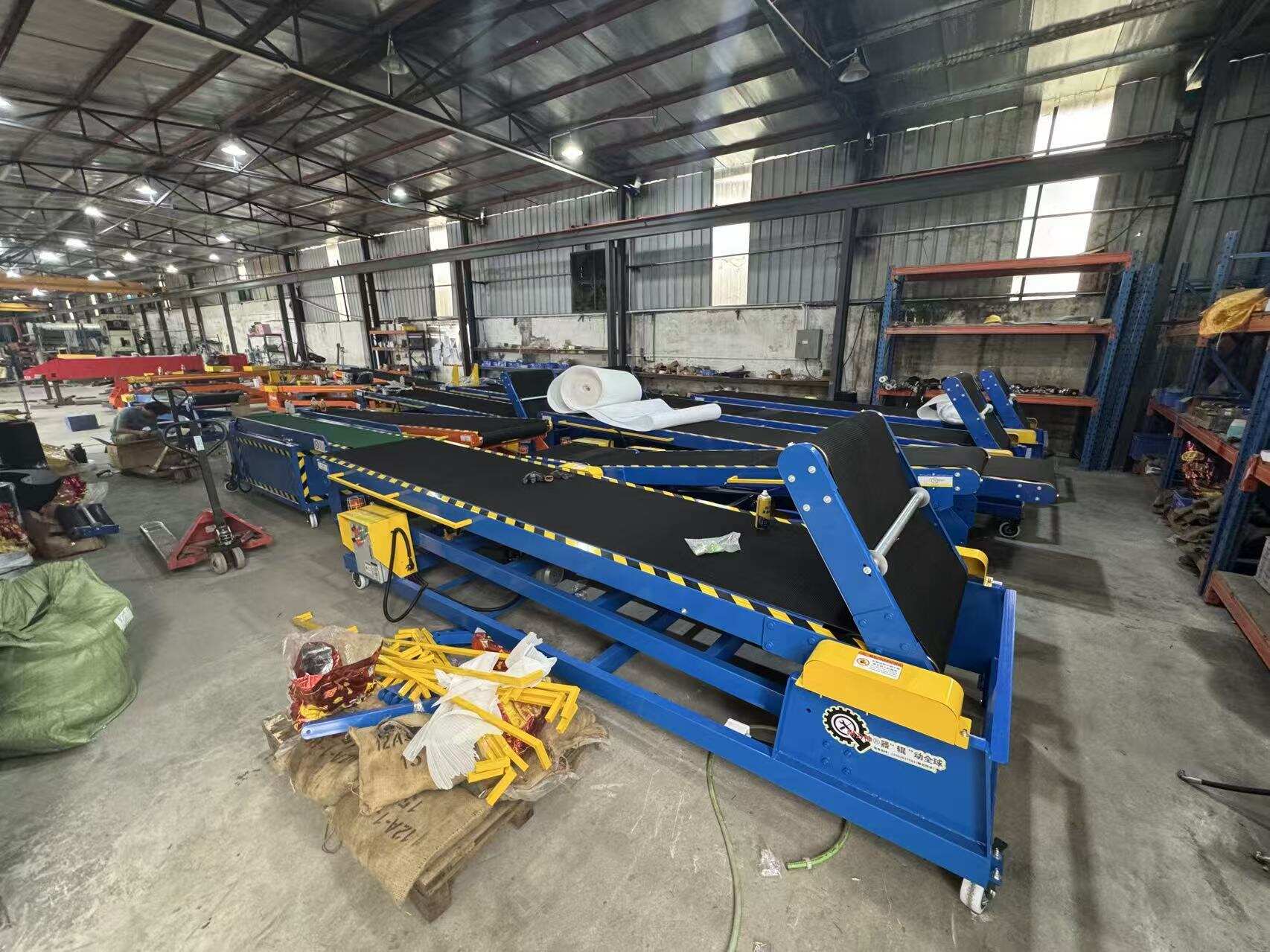
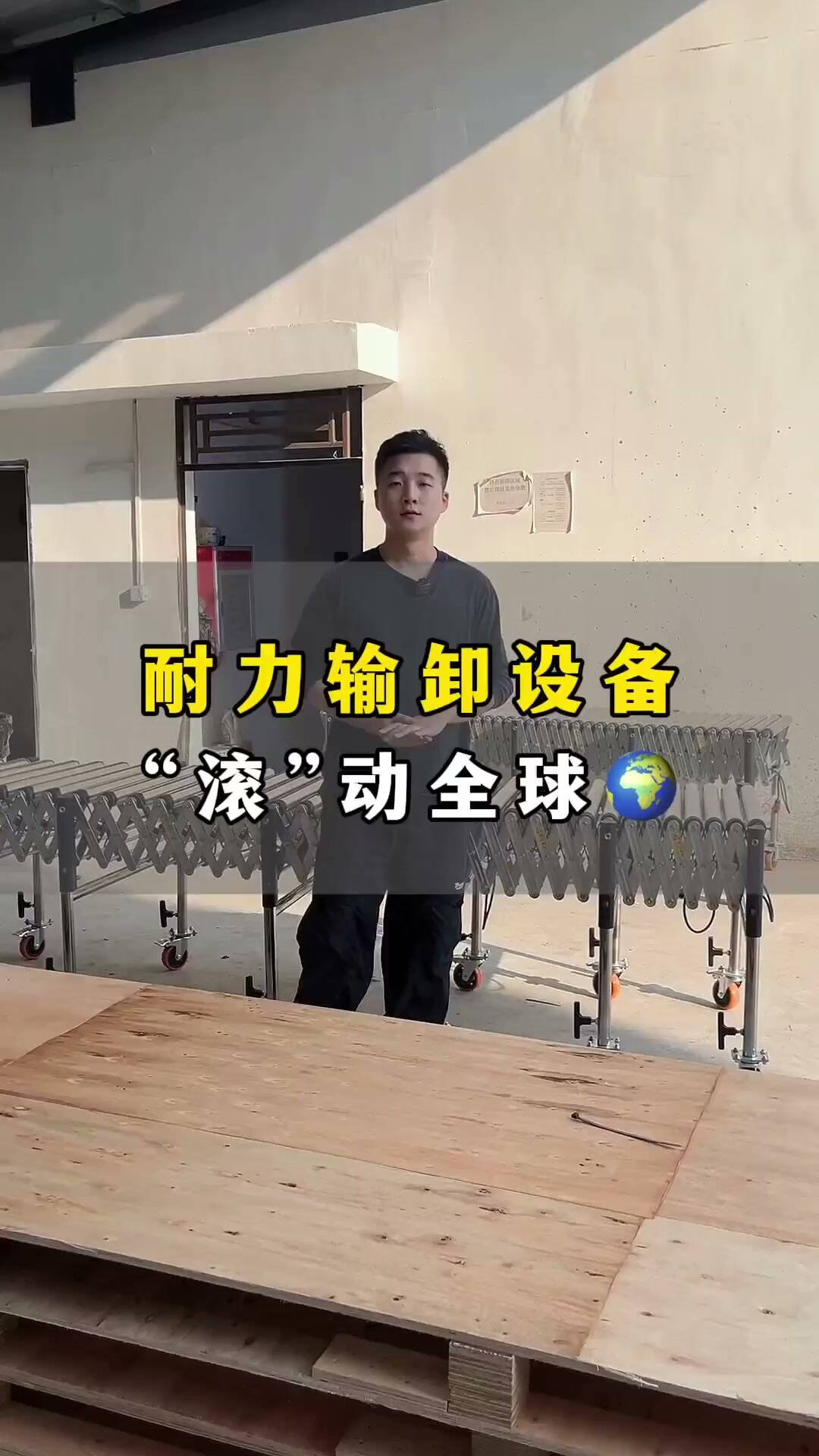
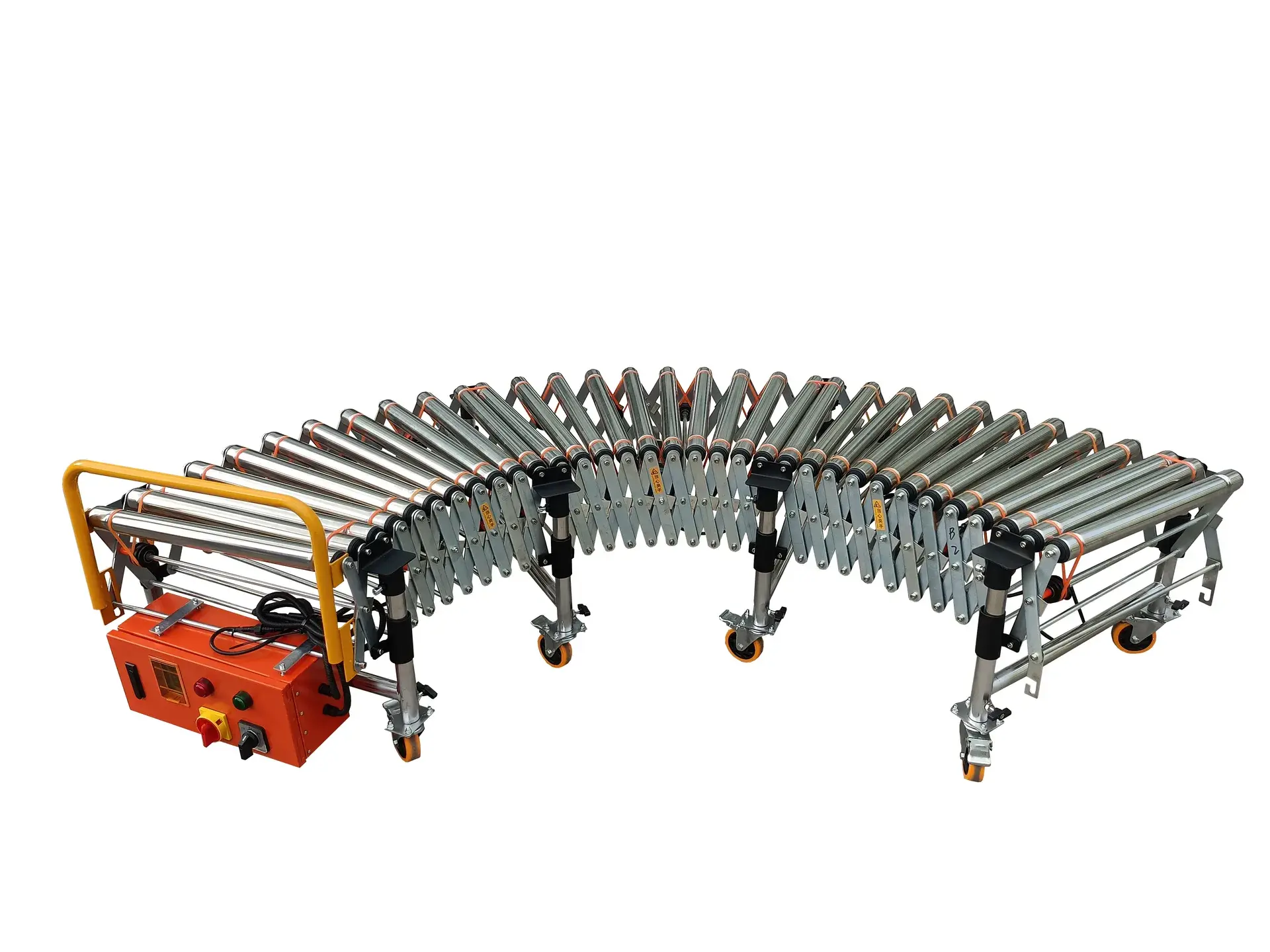
Against this backdrop, low-cost, rapidly deployable light automation equipment for loading and unloading is attracting attention. Belt Telescopic Conveyor is one of the more representative types of equipment. Its value does not lie in replacing every process, but in first connecting the most labor-intensive link between the warehouse and the freight vehicle compartment.
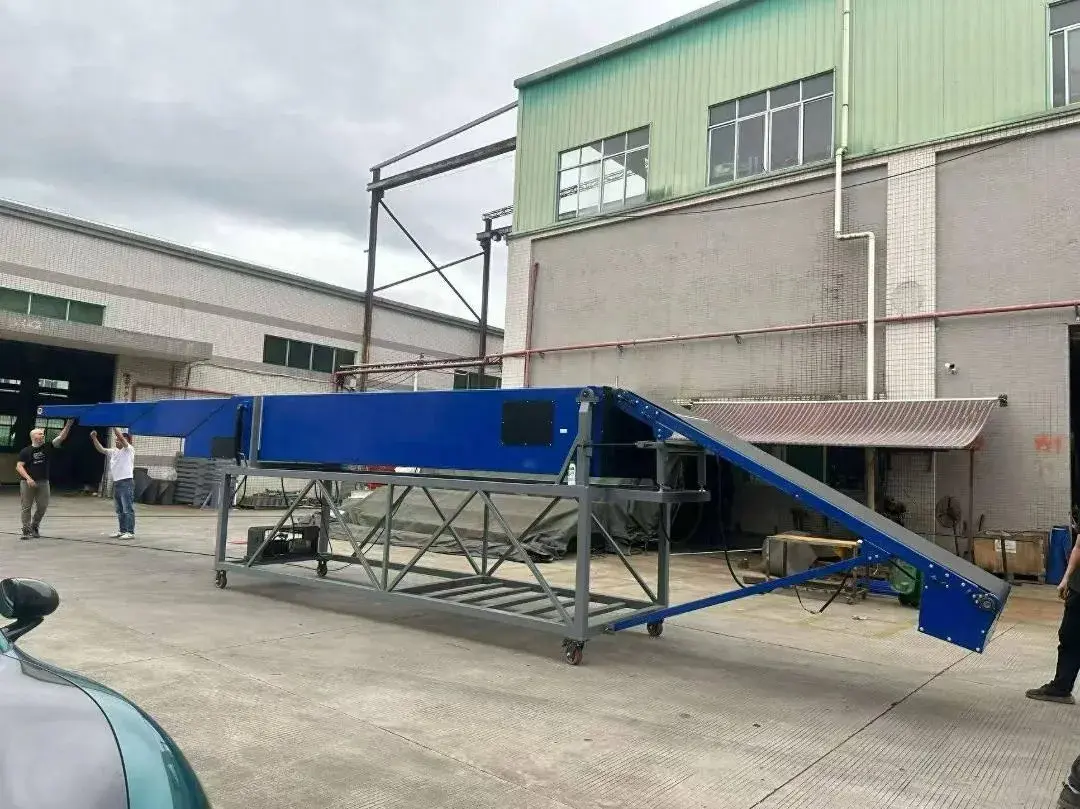
Selection should consider more than telescoping length; actual site conditions matter more
When selecting equipment for the first time, many purchasing managers tend to compare only telescoping length and price while overlooking the warehouse's actual operating conditions. Dock height, vehicle type, cargo type, and available space can vary significantly, resulting in major differences between suitable models.
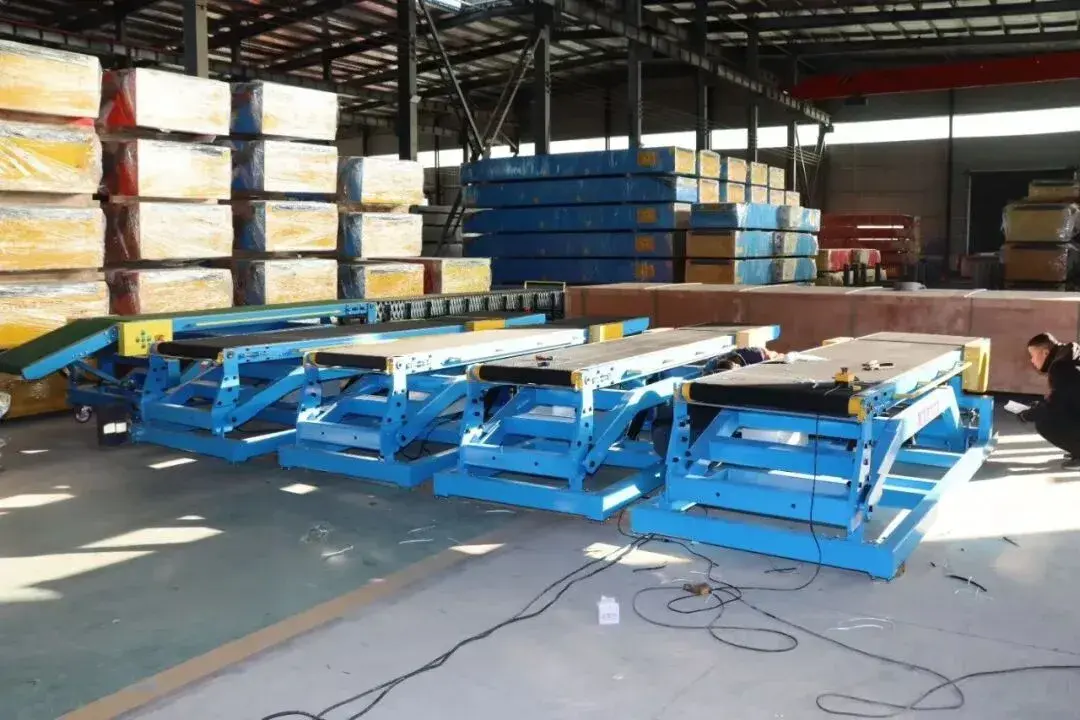
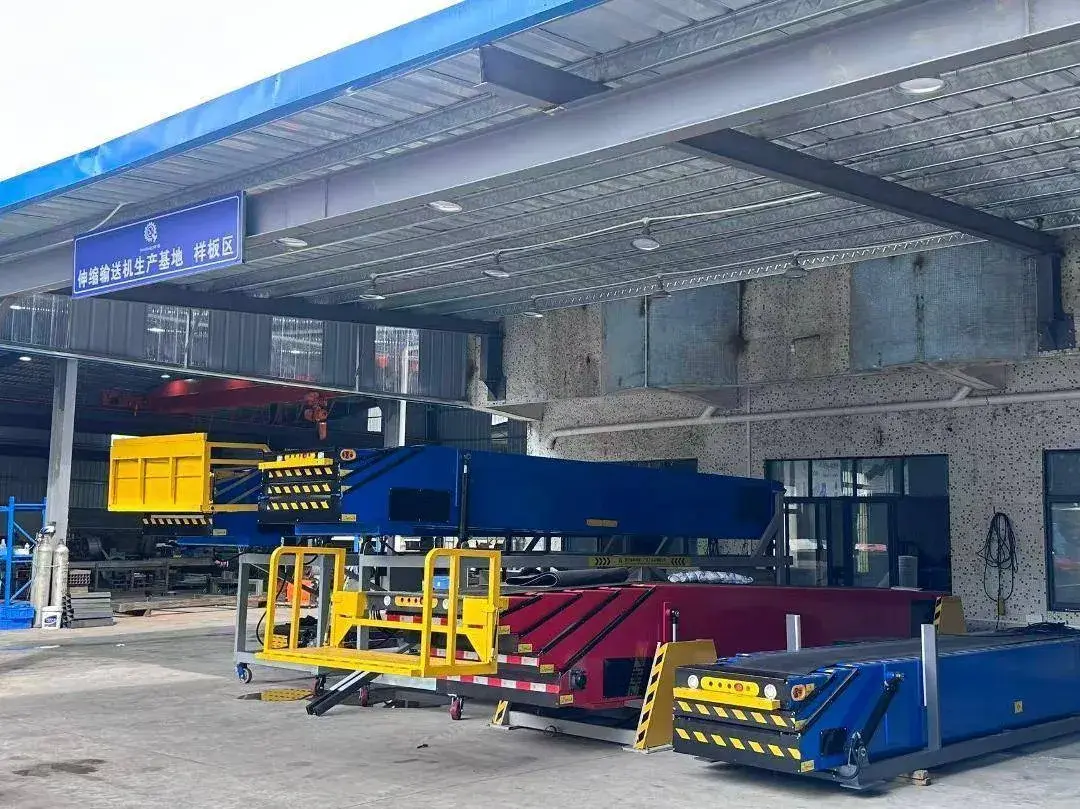
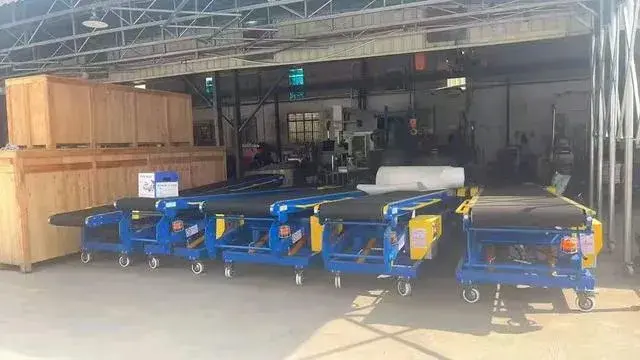
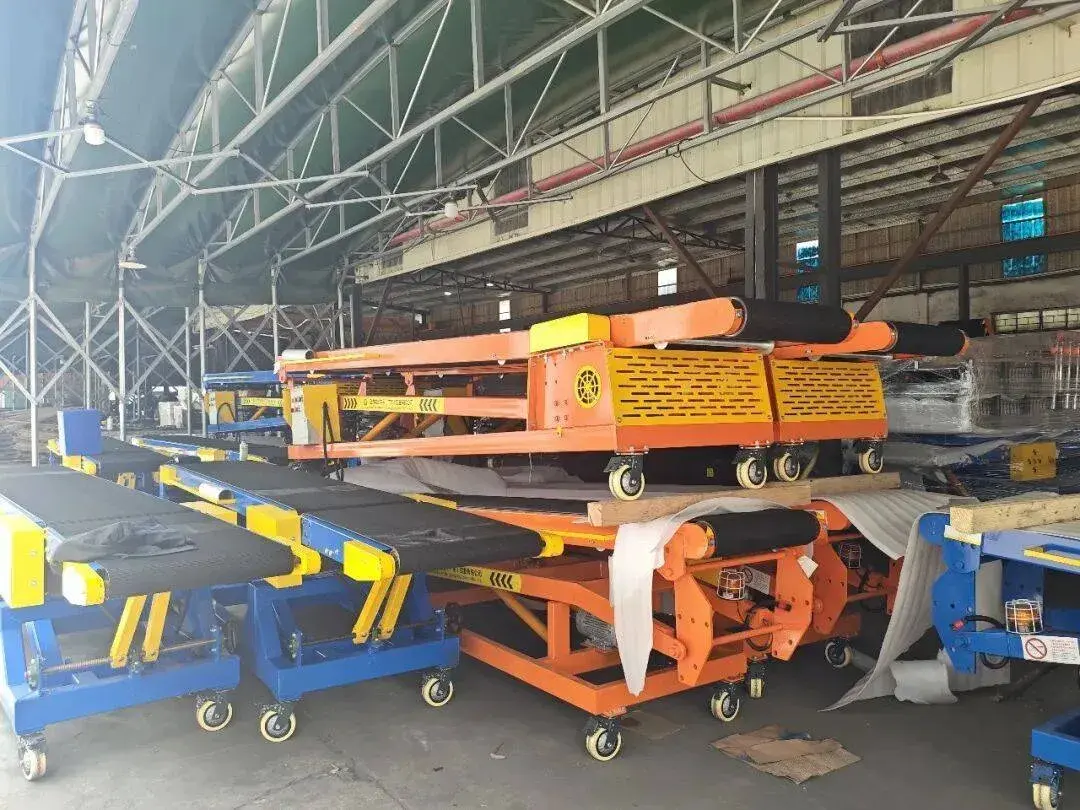
For fixed loading docks and long-term, stable loading and unloading operations, a three-section telescopic structure can be given priority. If the site is not fixed and the equipment needs to be moved frequently, a model with mobile locking support legs is more suitable. When vehicle heights vary considerably, hydraulic lifting models generally offer greater adaptability.
At the same time, configurations such as photoelectric sensing, emergency-stop protection, and anti-deviation structures are directly related to long-term operating safety and should not be removed arbitrarily.
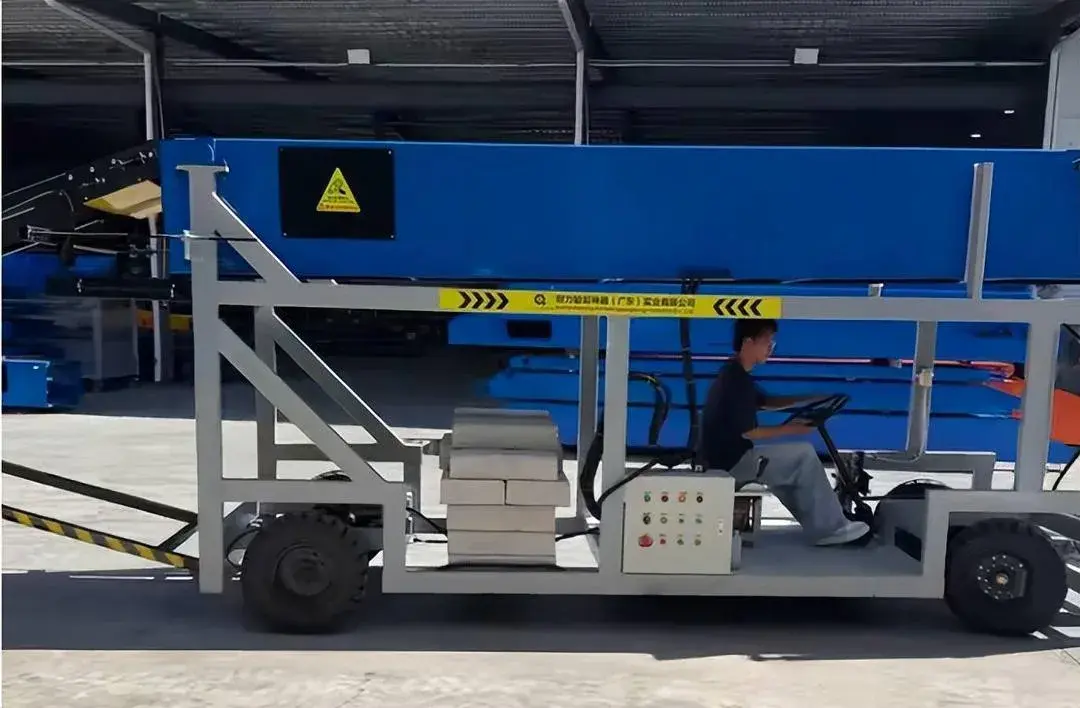
The right equipment can directly ease labor pressure during loading and unloading
A telescopic conveying system matched to site conditions can prevent workers from repeatedly entering and exiting vehicle compartments to move goods. For the same cargo volume, the labor required for loading and unloading can be significantly reduced, loading and unloading time per vehicle can be shortened, and losses caused by throwing goods can also be reduced.
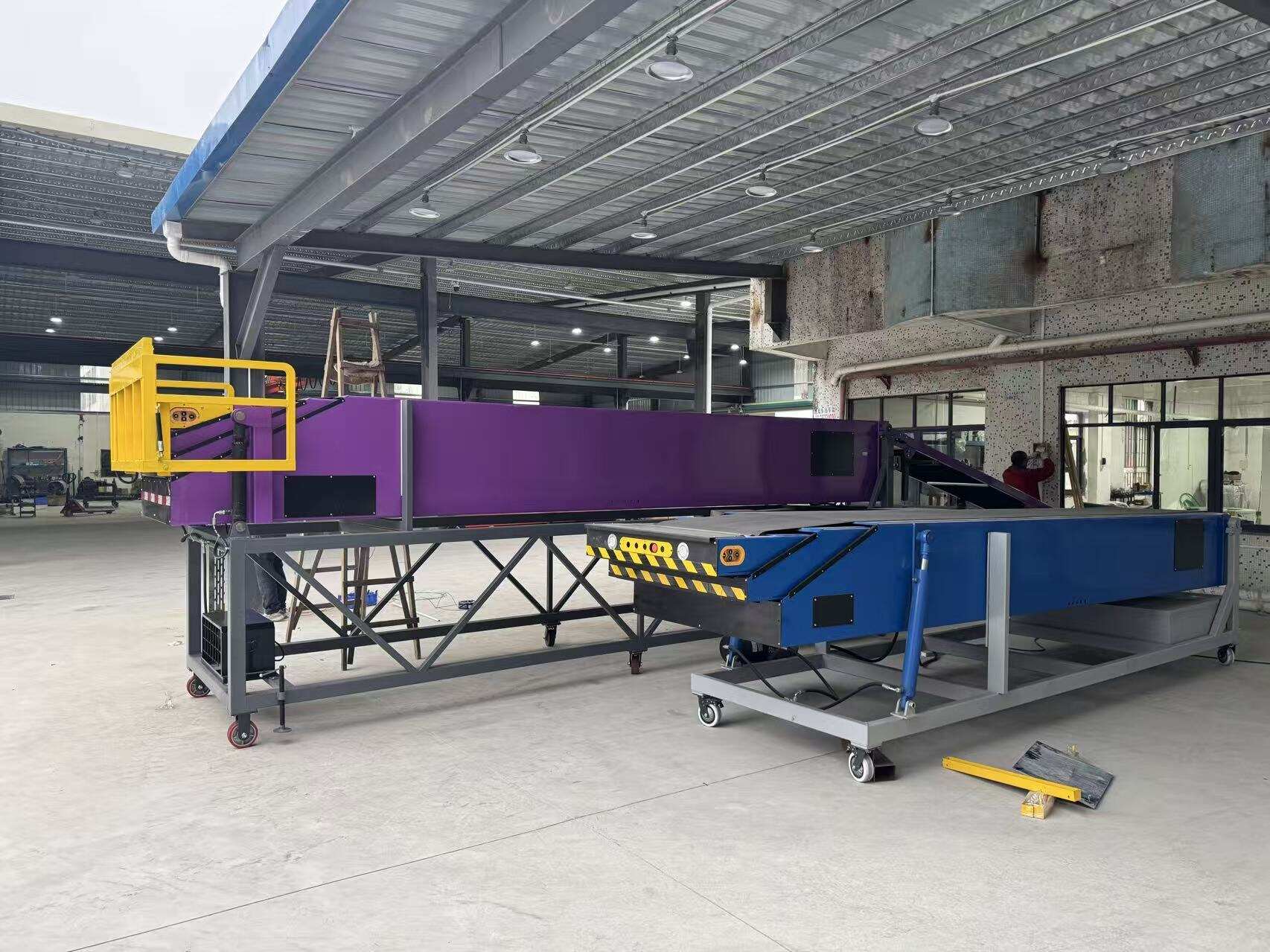
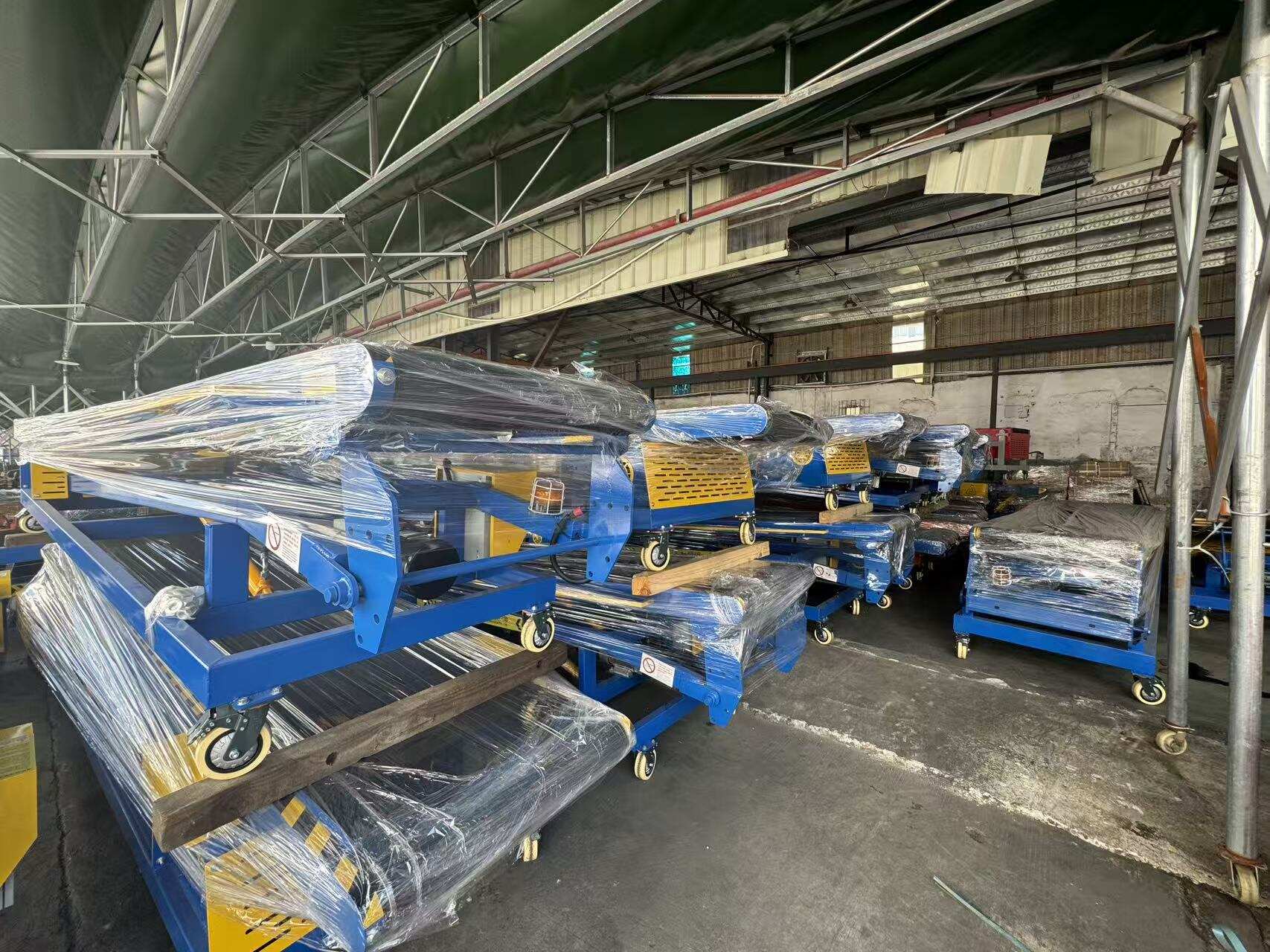
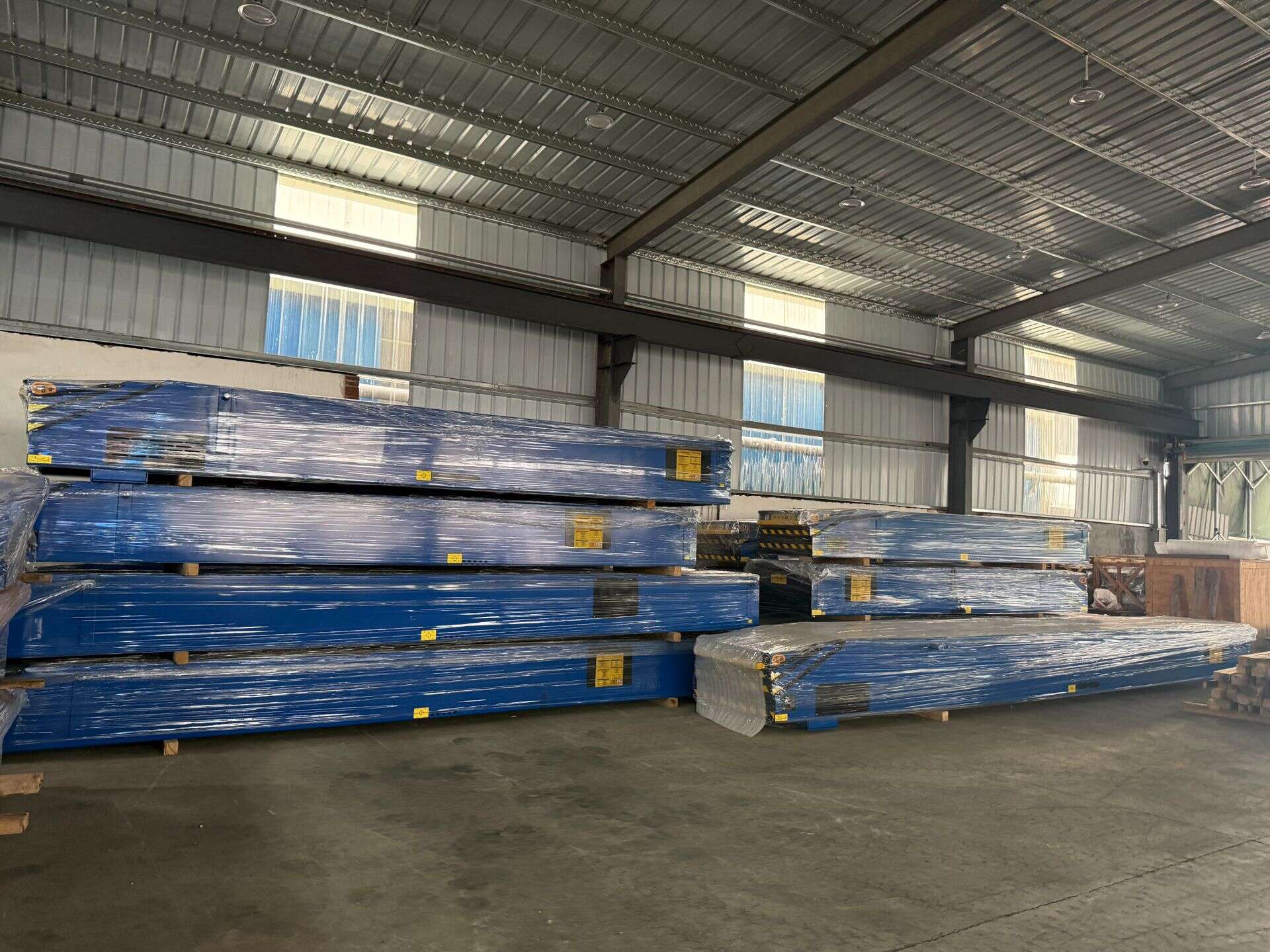
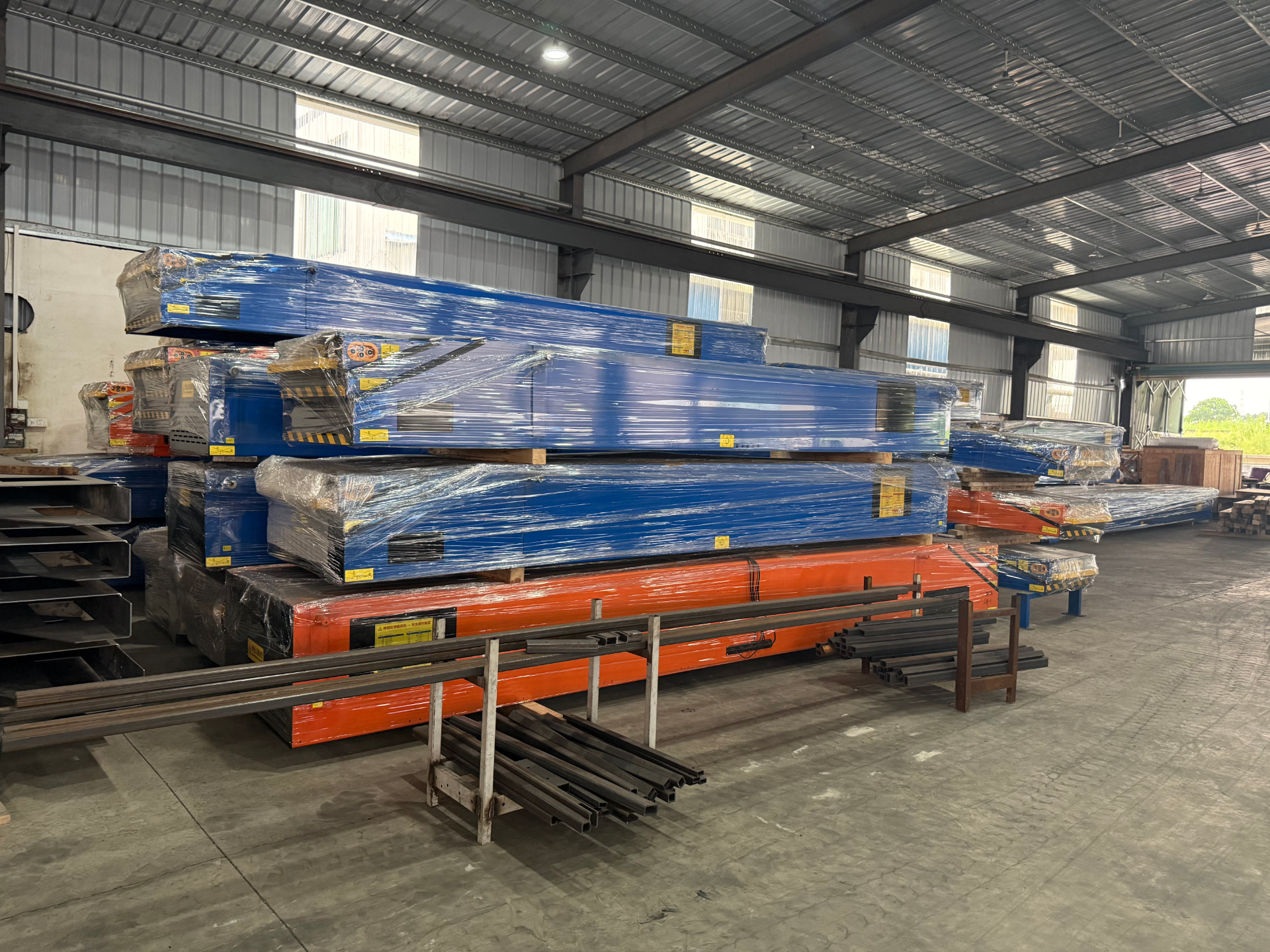
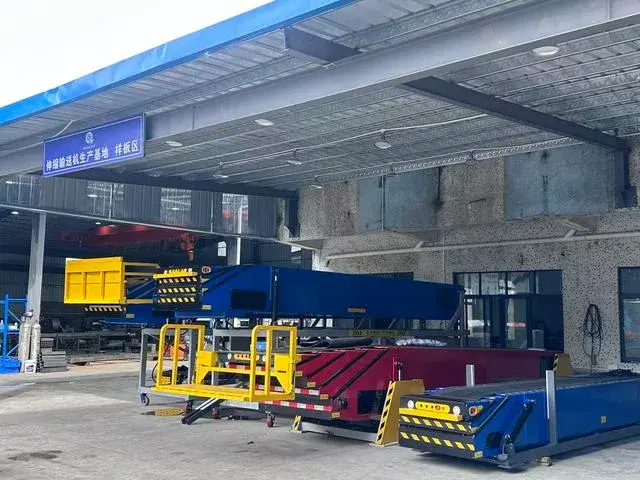
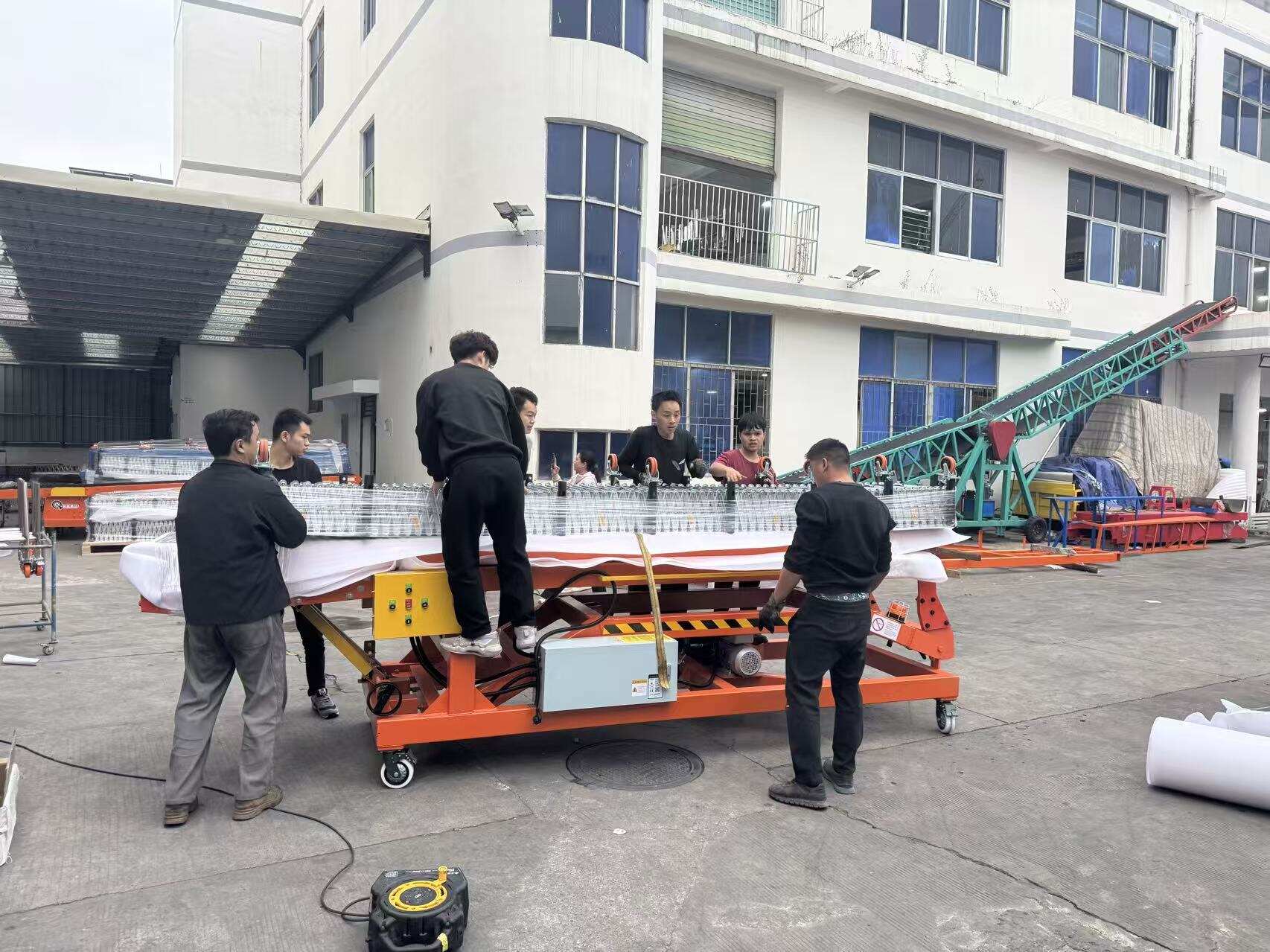
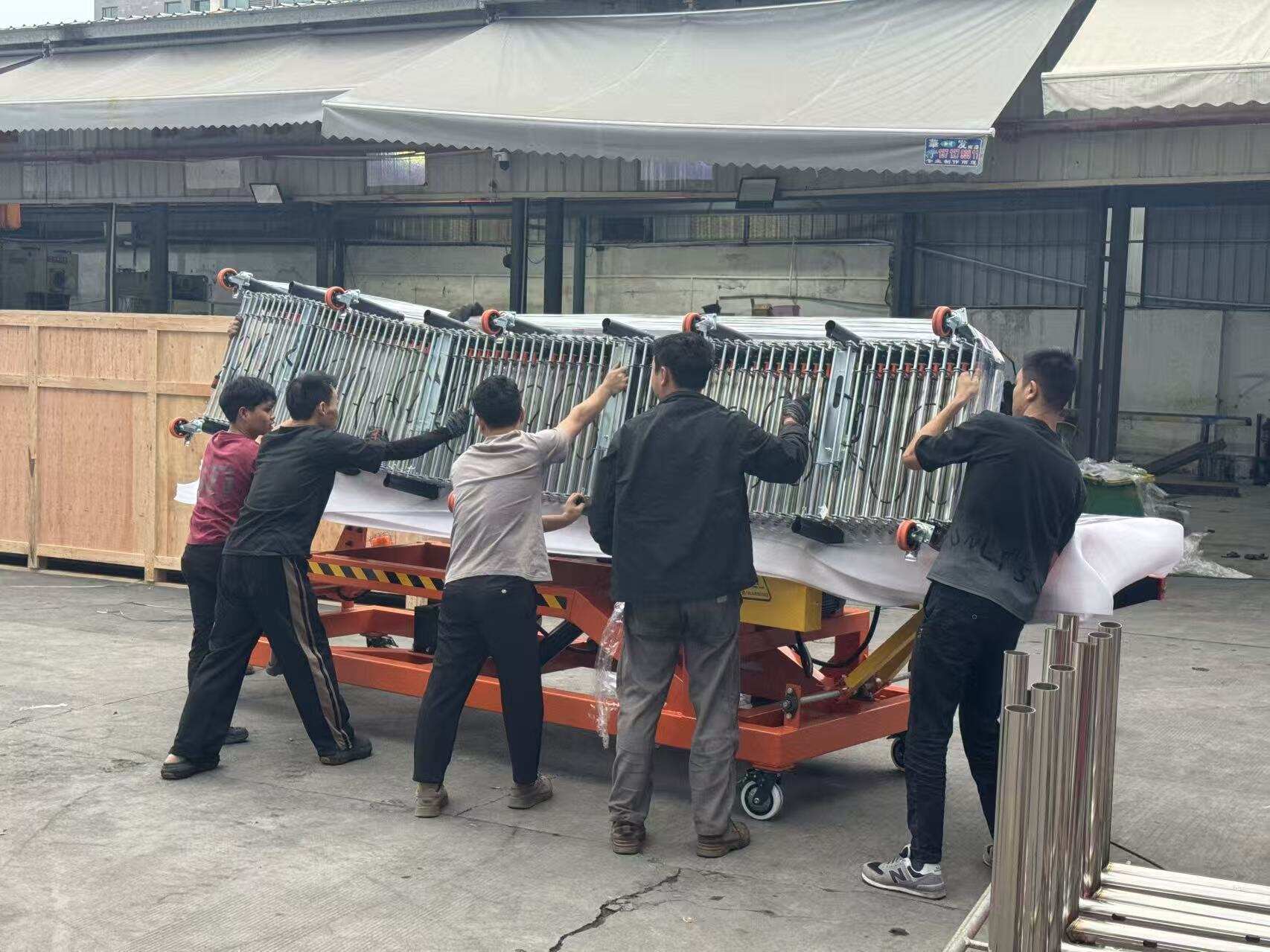
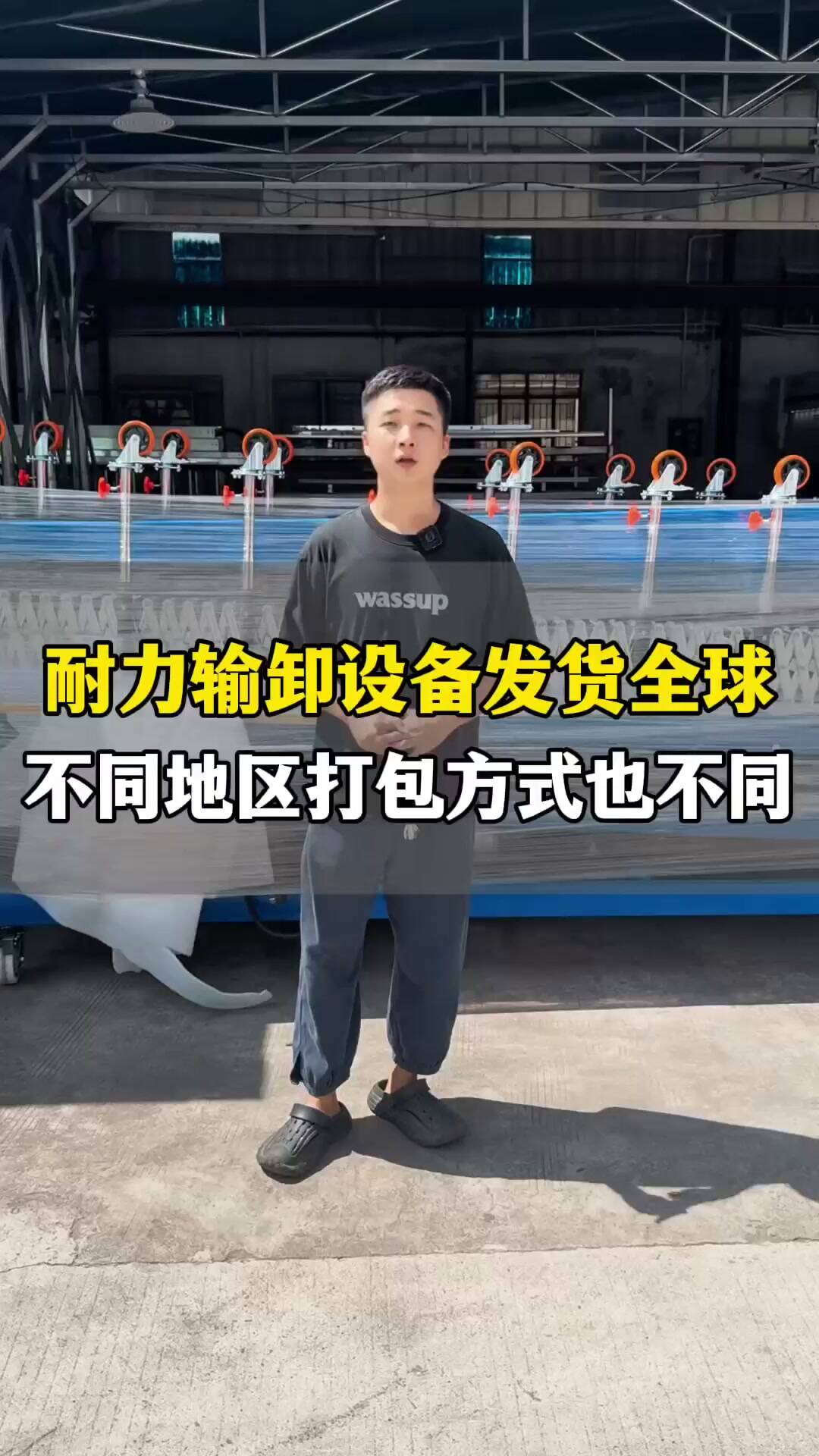
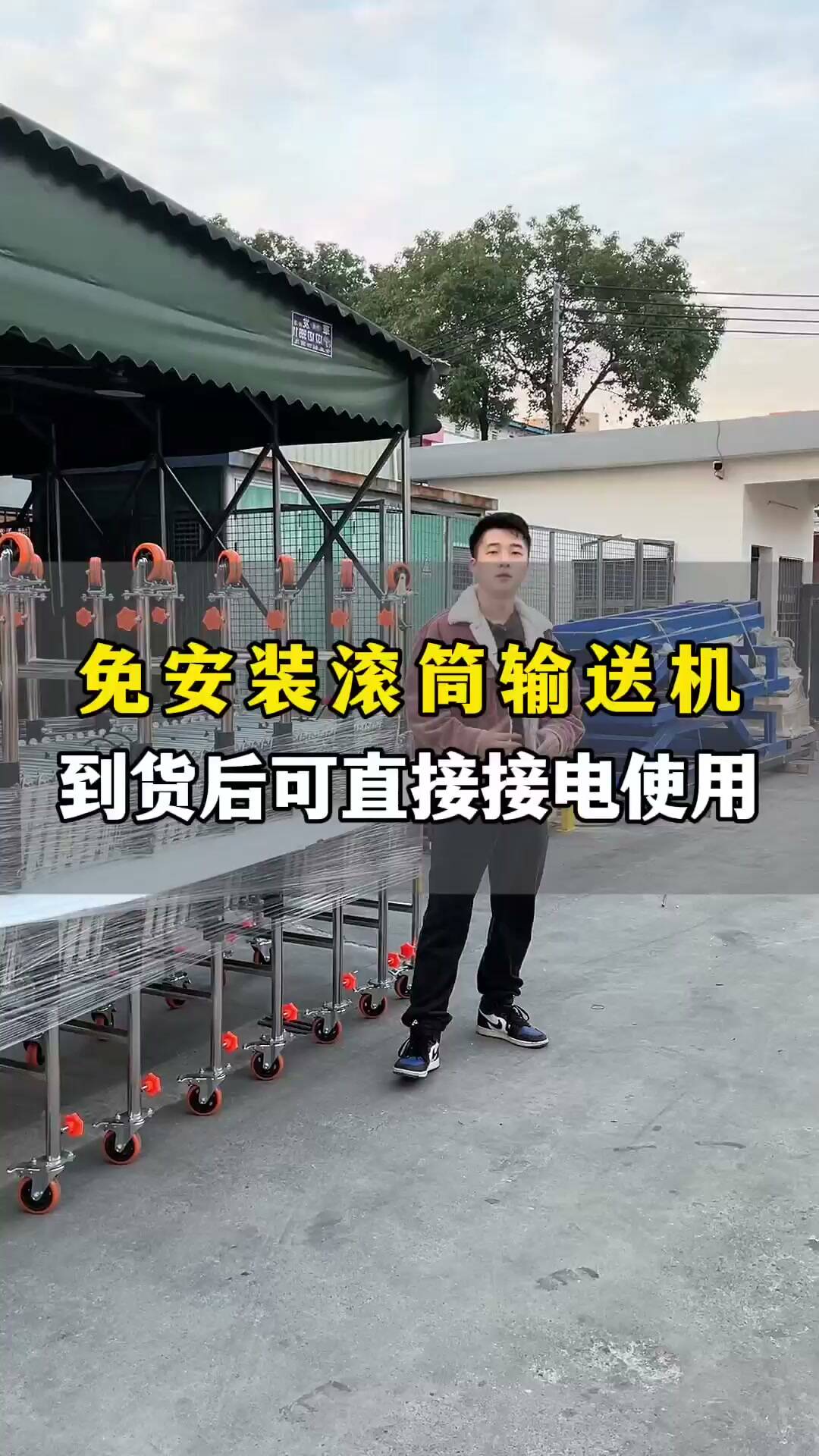
In the technical renovation projects of several manufacturing companies in Dongguan, Naili Unloading Artifact (Guangdong) Industrial Co., Ltd.customized belt Telescopic Conveyor solutions for the diverse factory conditions of the Pearl River Delta. These solutions are better suited to flexible upgrades for small and medium-sized warehouses.
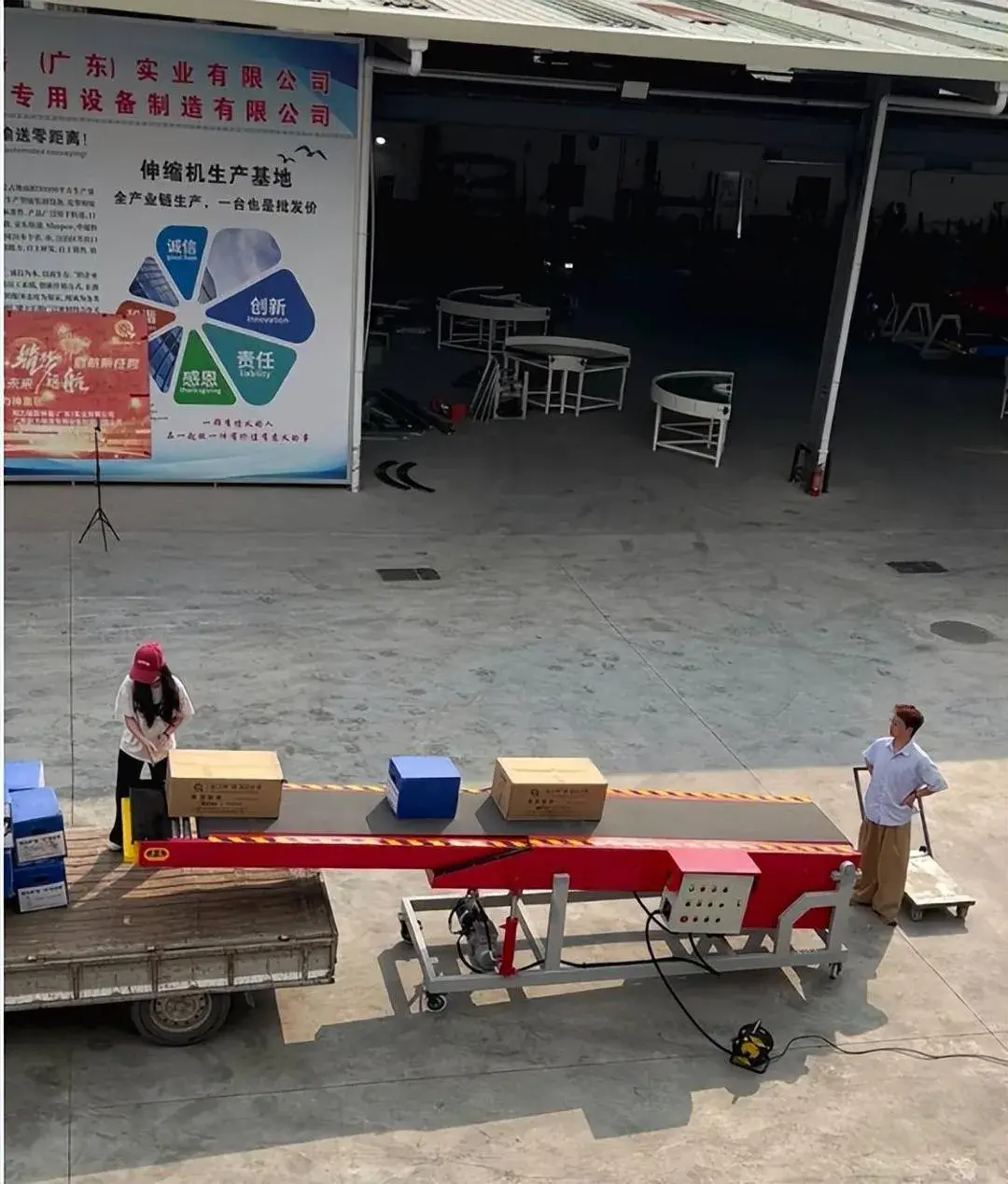
Confirm the boundary conditions before purchasing
Telescopic Conveyor is not a universal solution. Small, scattered items, oversized heavy goods, and irregularly shaped cargo usually require auxiliary equipment for coordinated operation. Before purchasing, it is best to conduct an on-site survey to confirm vehicle compartment dimensions, dock level differences, and average daily cargo volume, avoiding a situation in which the equipment cannot be used properly after purchase.
From the perspective of industry trends, warehouse upgrades are no longer focused solely on large unmanned equipment. Lightweight, low-cost, flexibly deployable automation solutions are more likely to become the mainstream direction for upgrading small and medium-sized logistics facilities and factory warehouses. Loading and unloading is a key connection point in the supply chain. Only by addressing this weak link first can overall throughput efficiency continue to improve.